















Posted in Photography, Sydney on April 5, 2012| Leave a Comment »
Posted in Memoir, Sydney on April 5, 2012| 2 Comments »
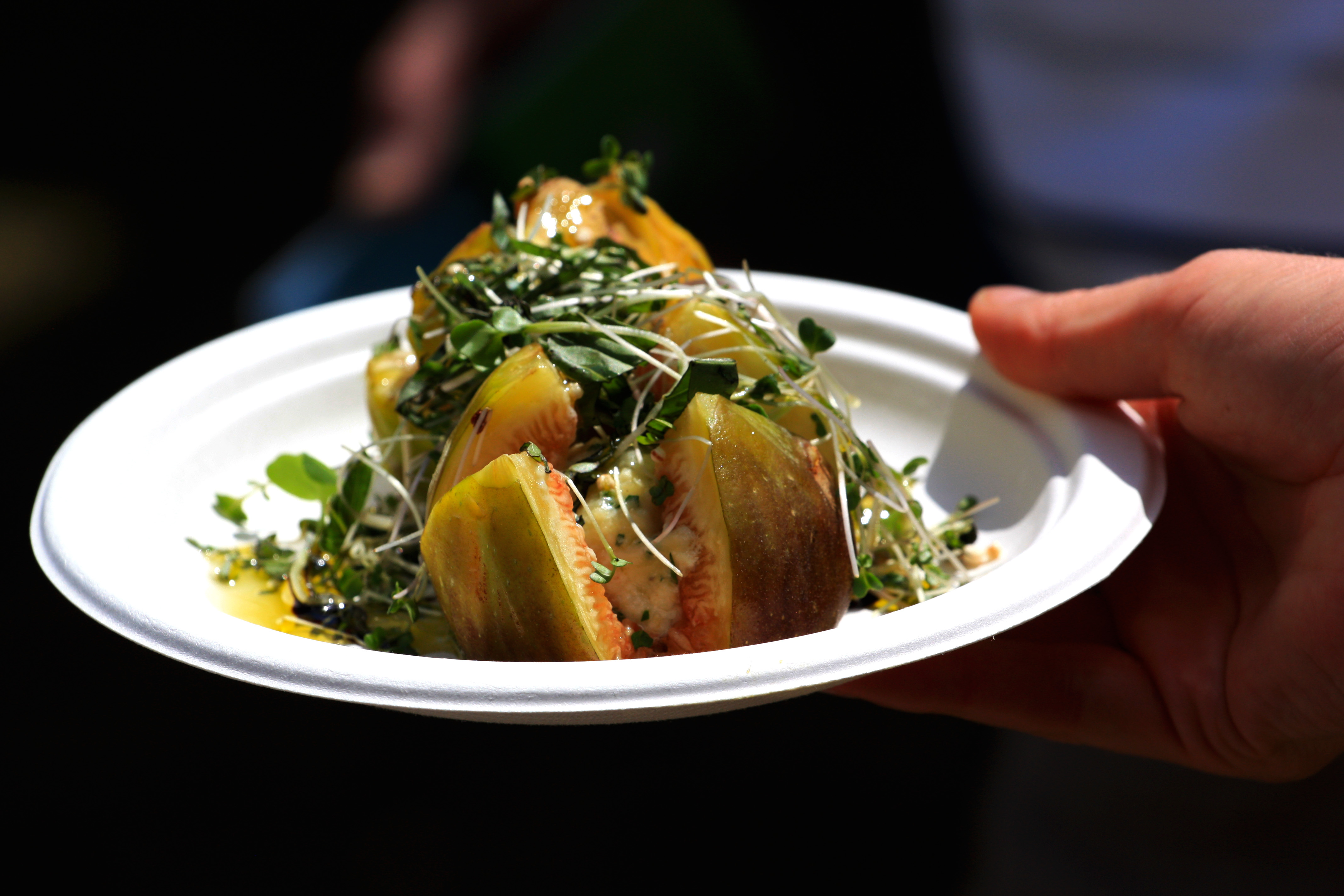
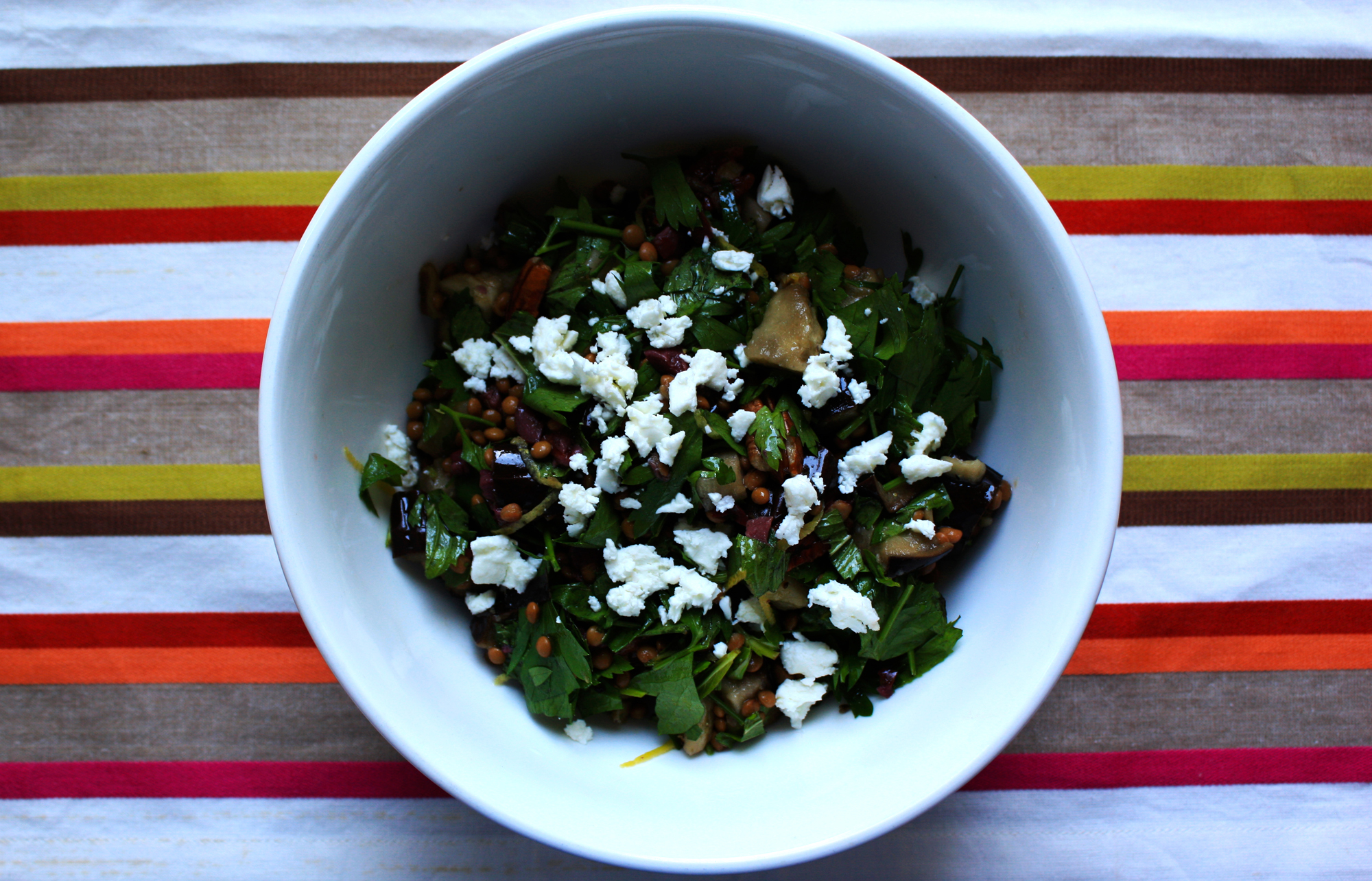
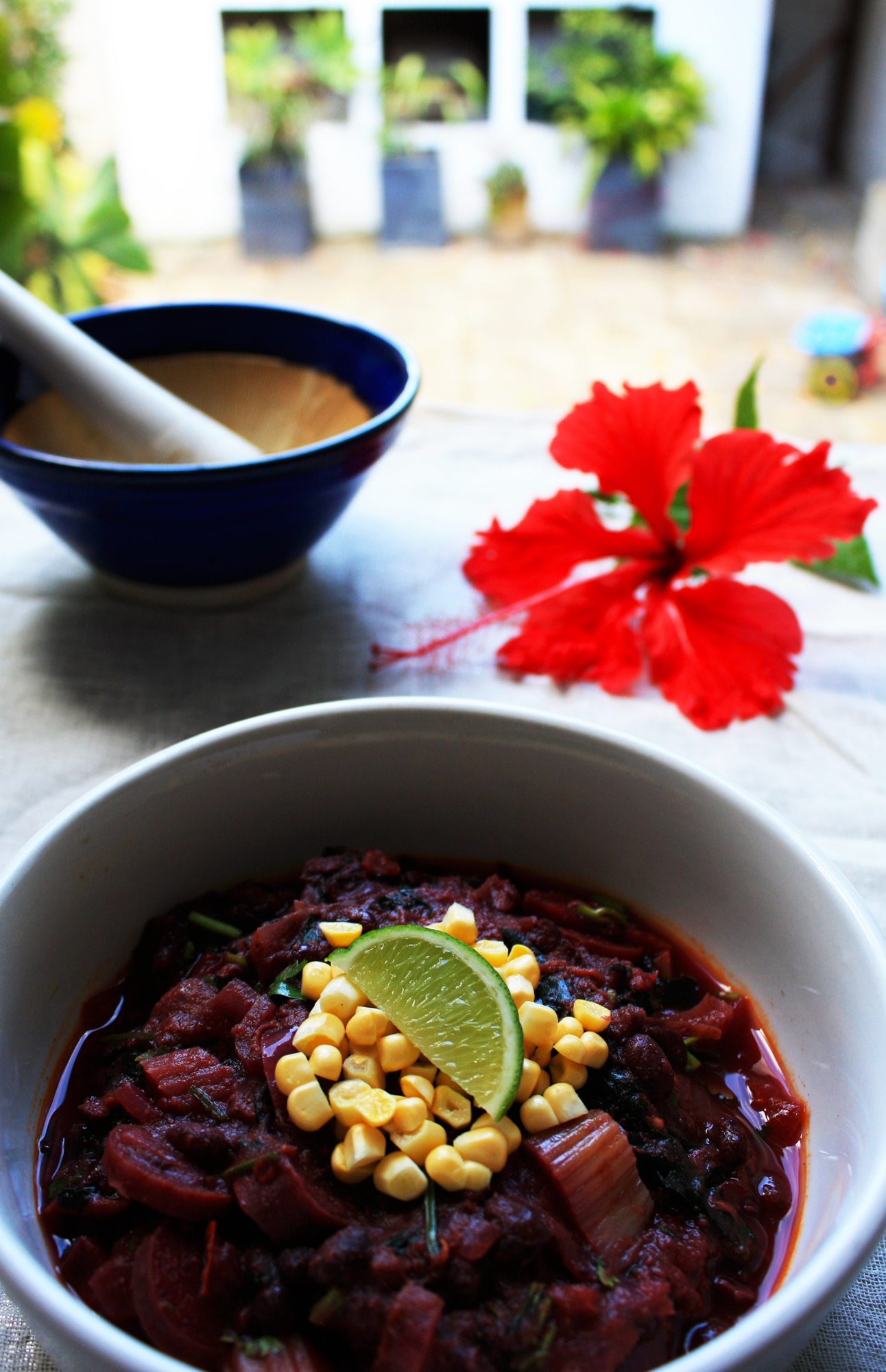
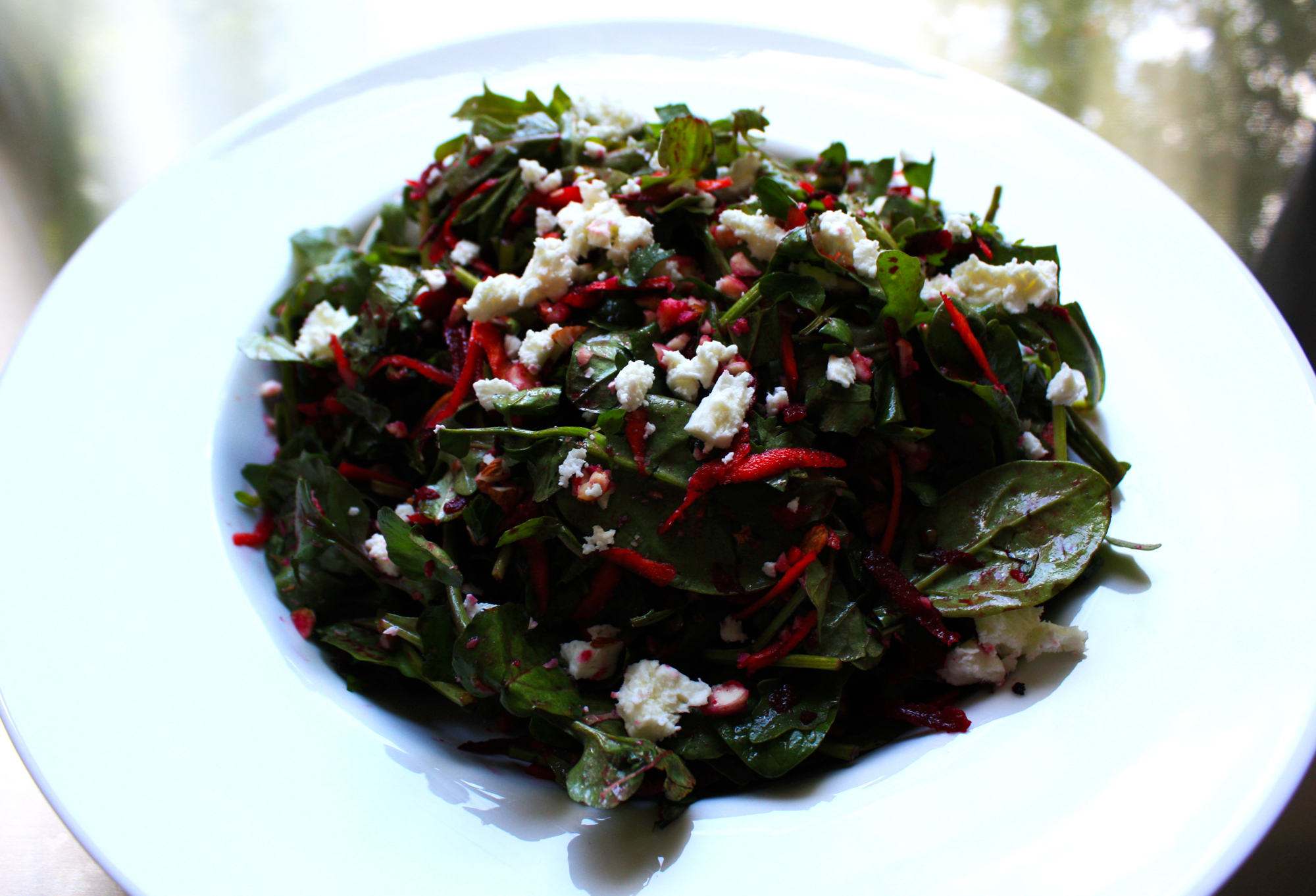
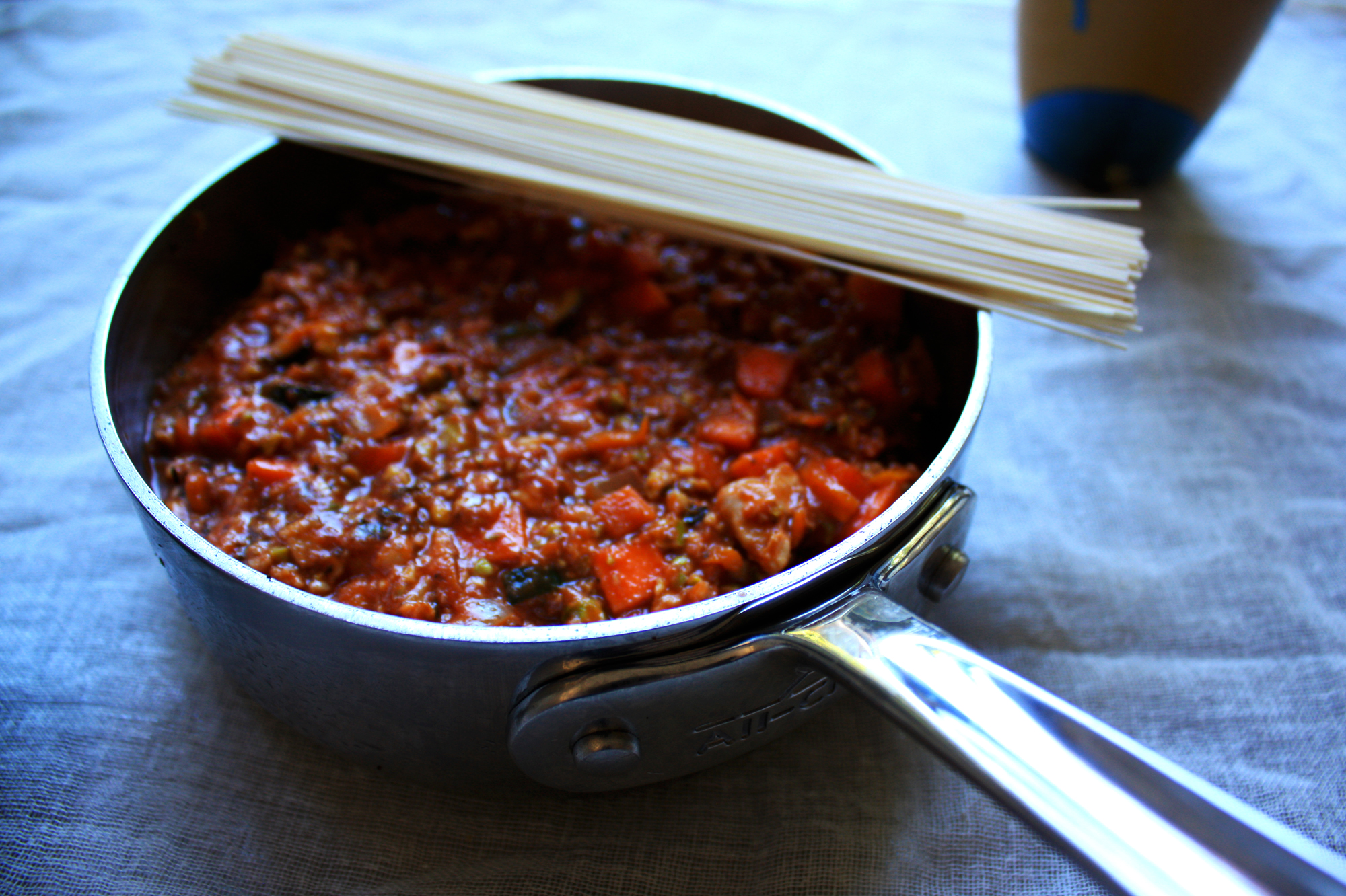
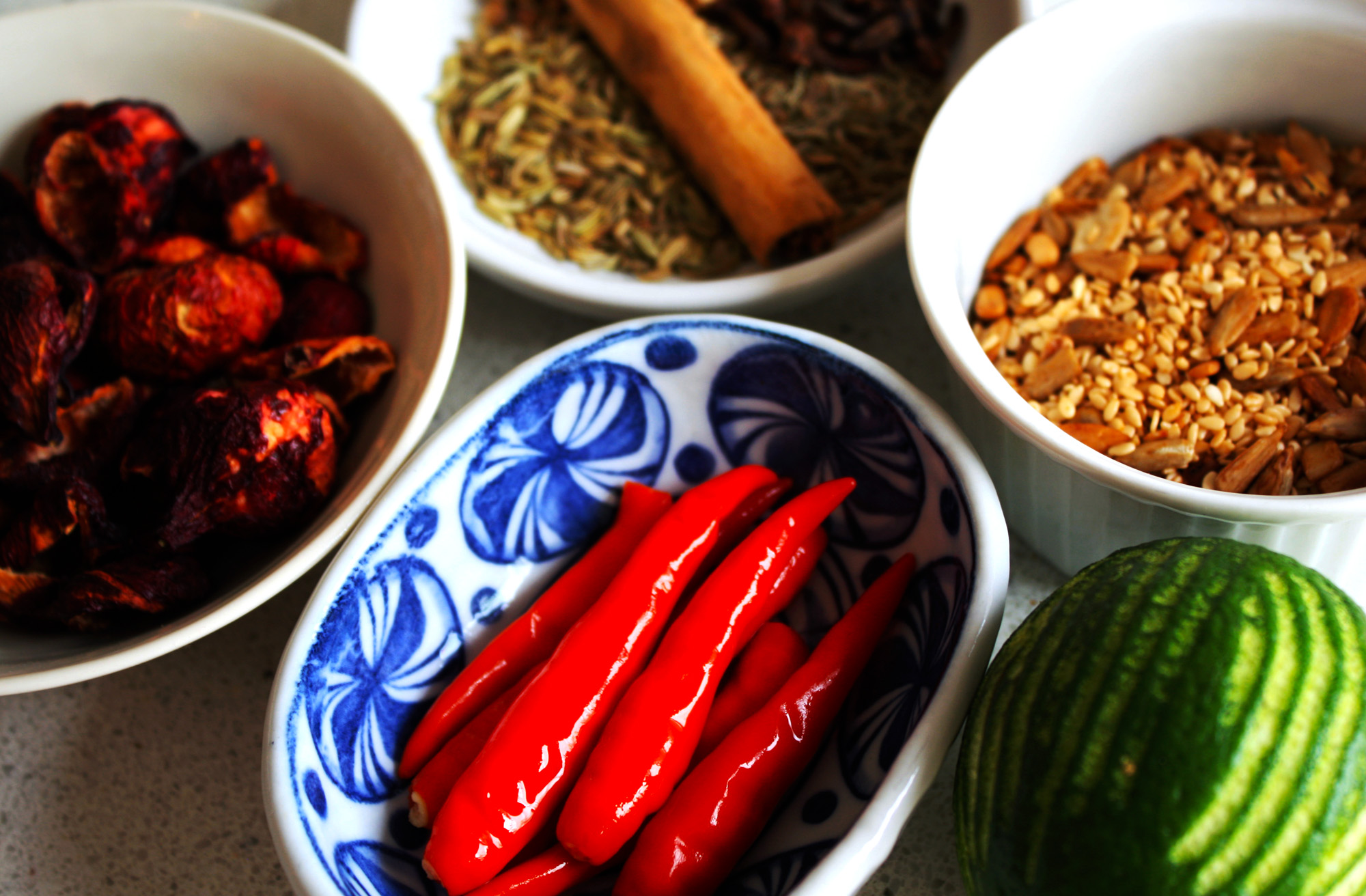
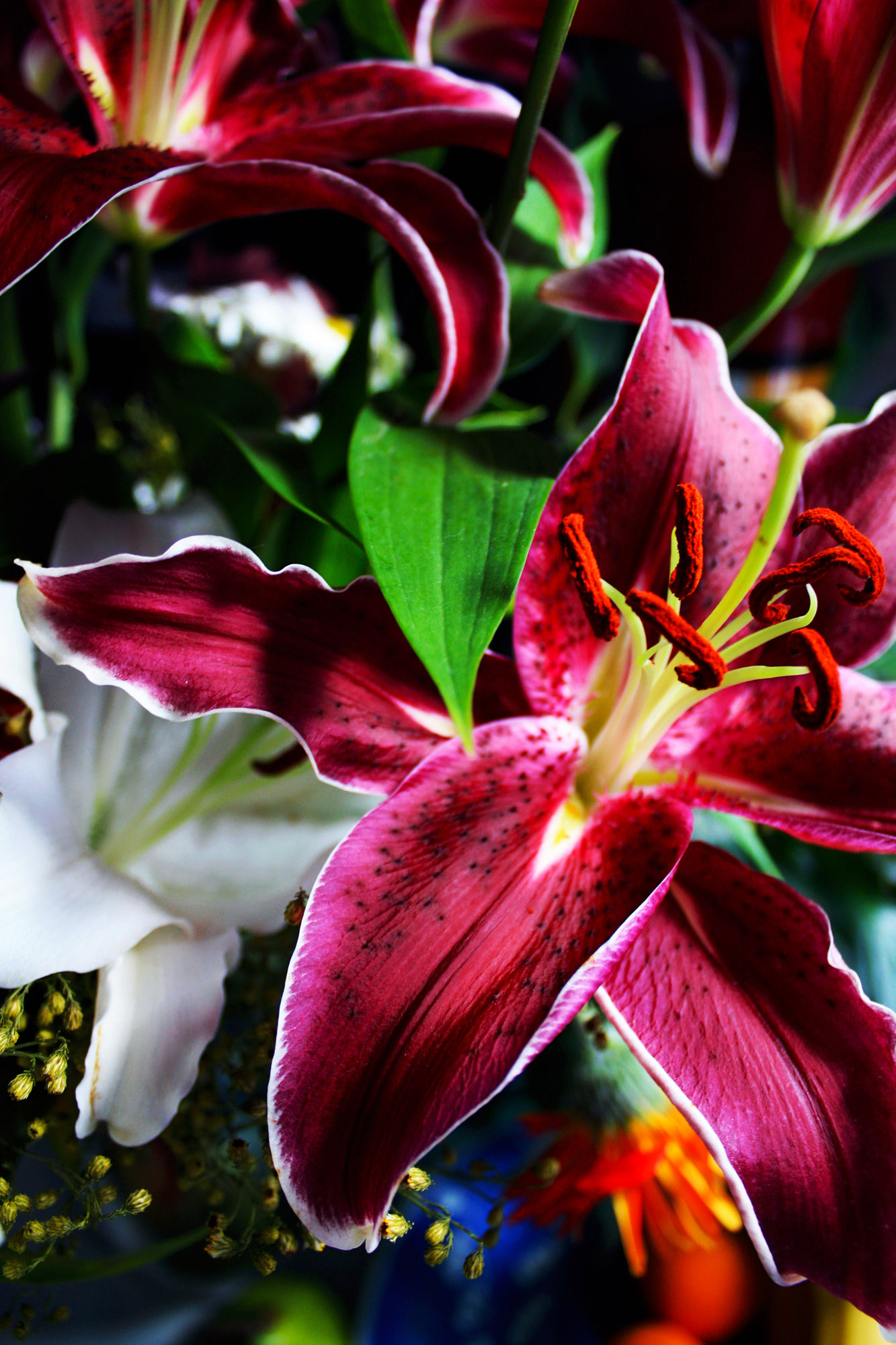
Over the past month I’ve been assisting my partner in putting together a cookbook. Being a trained nutritionist, the book is to be sold to her clients as another means by which to encourage them to eat healthily. All of the recipes here are vegetarian and made from fresh, quality ingredients and have very strong and distinct flavours. Indeed, one of the things that has impressed me so much with these recipes is the surprising and delightful mix of flavours they all exhibit.
These photos were compiled over three separate shoots, all of them taken in or near the kitchen in which they were prepared. I found it a rather challenging task to get the best results – questions of lighting, focus, colour, background. Not being a professional food photographer and not wishing to do a great deal more than present the food as it appears, I generally kept the backgrounds and compositions as simple as possible. Ultimately, as we entered the photographs into the cookbook template, using an online self-publishing service, we found that square-cut images fit best, further limiting the presentation to, essentially, a close-up of the bowl or plate and contents. In some cases there were issues with the colour balance of the photos due to reflected internal light, and hence the dishes might occasionally appear overdone. This lush, saturated colour seemed in some ways at odds with the natural qualities of the food, yet it does also add a certain attractive vibrancy.
The shoots were hard work but a lot of fun. In a sense I had it easy in that I only had to arrange and take the photos – (You will, however, be pleased to learn that I washed up). I took more than fifty shots of each dish, in some cases as many as a hundred, trying a variety of different lighting conditions and placing the dishes on a range of different surfaces. Funnily enough, the best results came from placing the bowls upon the shiny, reflective surface of a dishwasher that had been removed from its housing to be discarded. It was not only well positioned by the French doors, but also radiated a soft, white, uniform light that helped to clearly illuminate the compositions. I very much lamented the absence of this most excellent surface when doing the final shoot.
Originally planned as a single volume, the book was eventually divided into two slim volumes for Hot Dishes and Salads. We’re both very excited about seeing the final product, which is only a few tweaks away from the press.
Unfortunately, as much as I’d love to offer up the recipes here, so any readers could prepare these dishes if desired, that might defeat the purpose of the exercise in the first place, which is for V. to produce a sellable product. Either way, I hope the photographs steer you in the right direction with your next lunch or dinner option. Eat well and the rest will take care of itself : )








Posted in Photography, Sydney on March 24, 2012| 2 Comments »
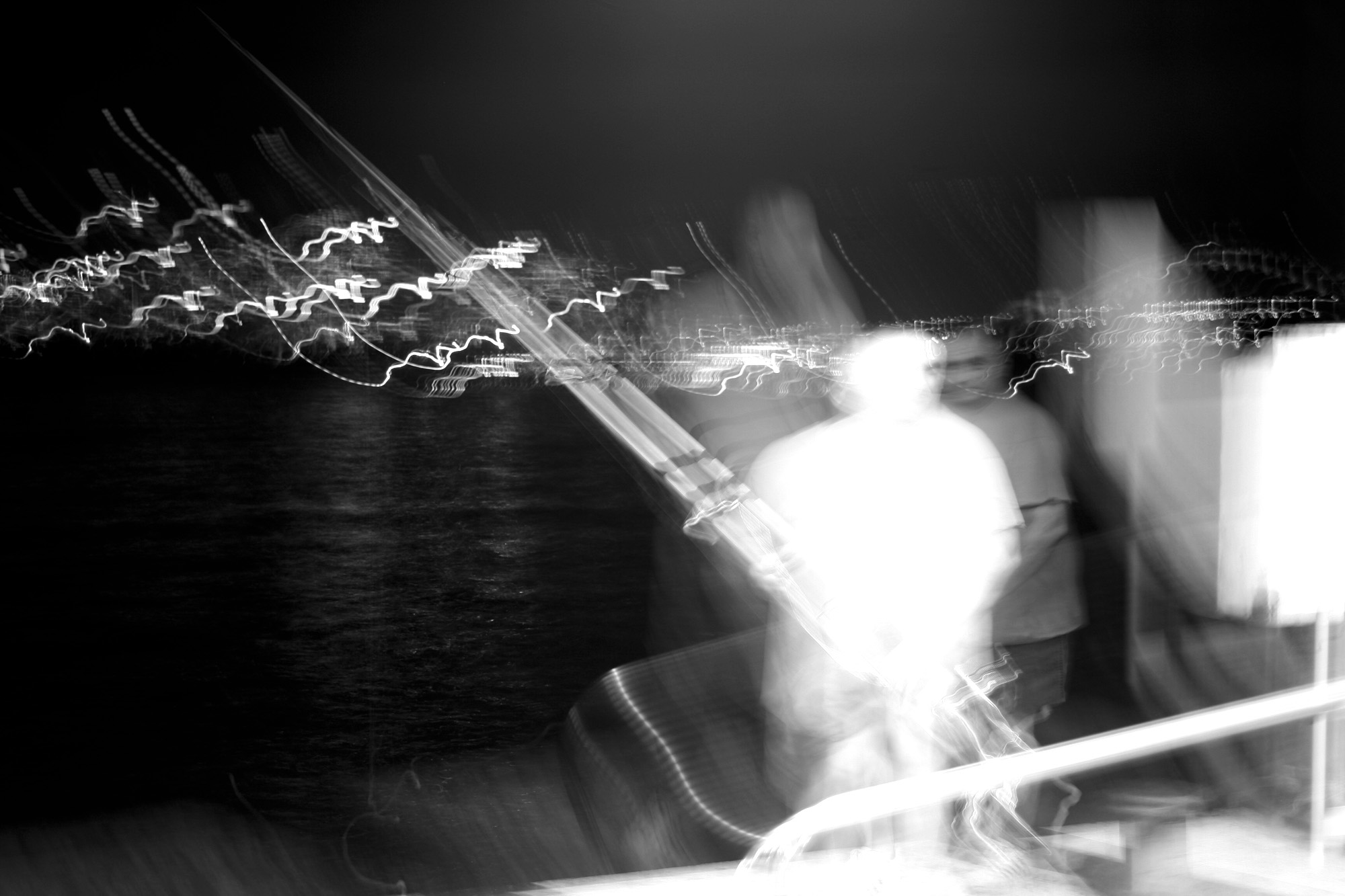
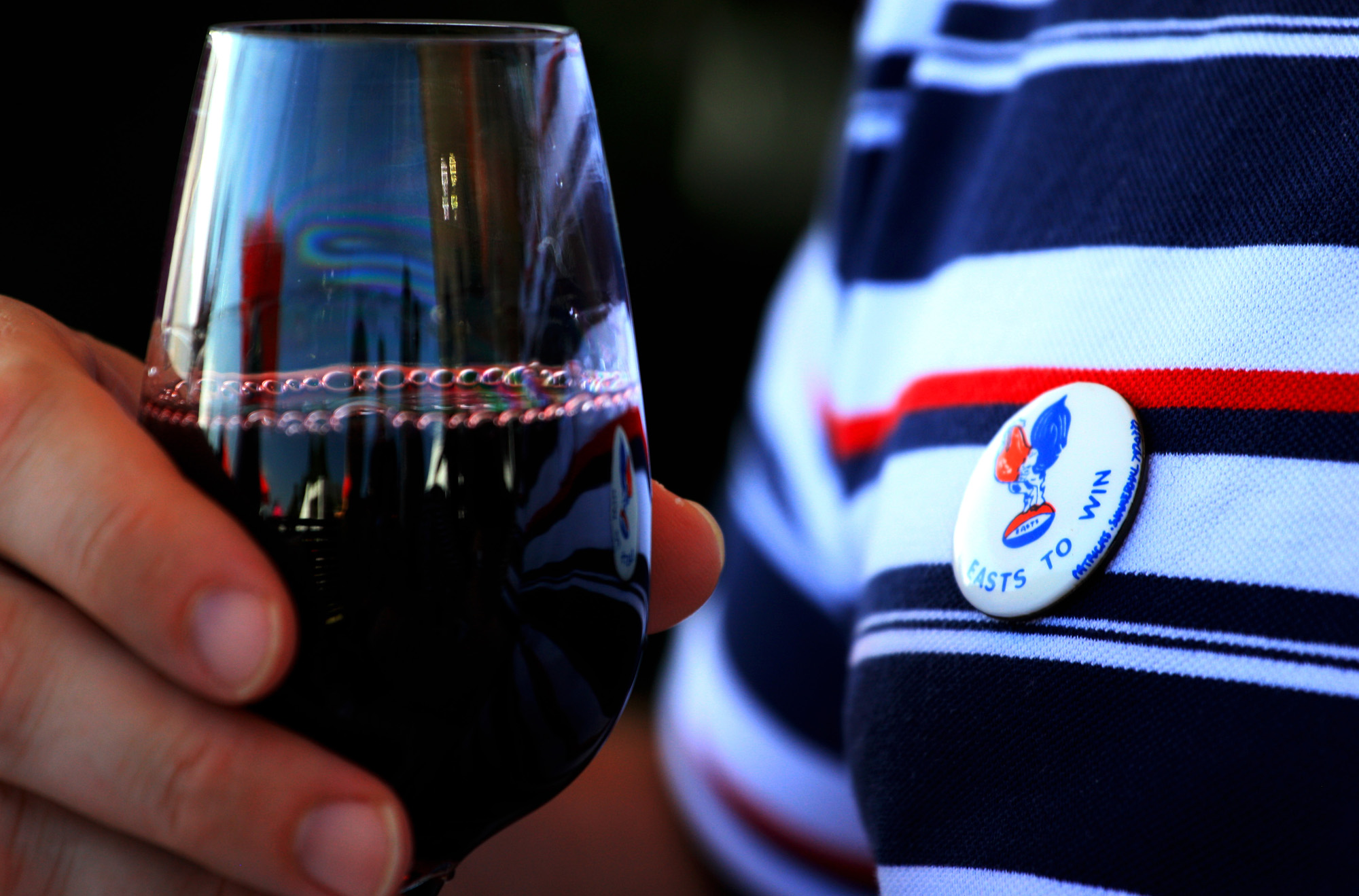
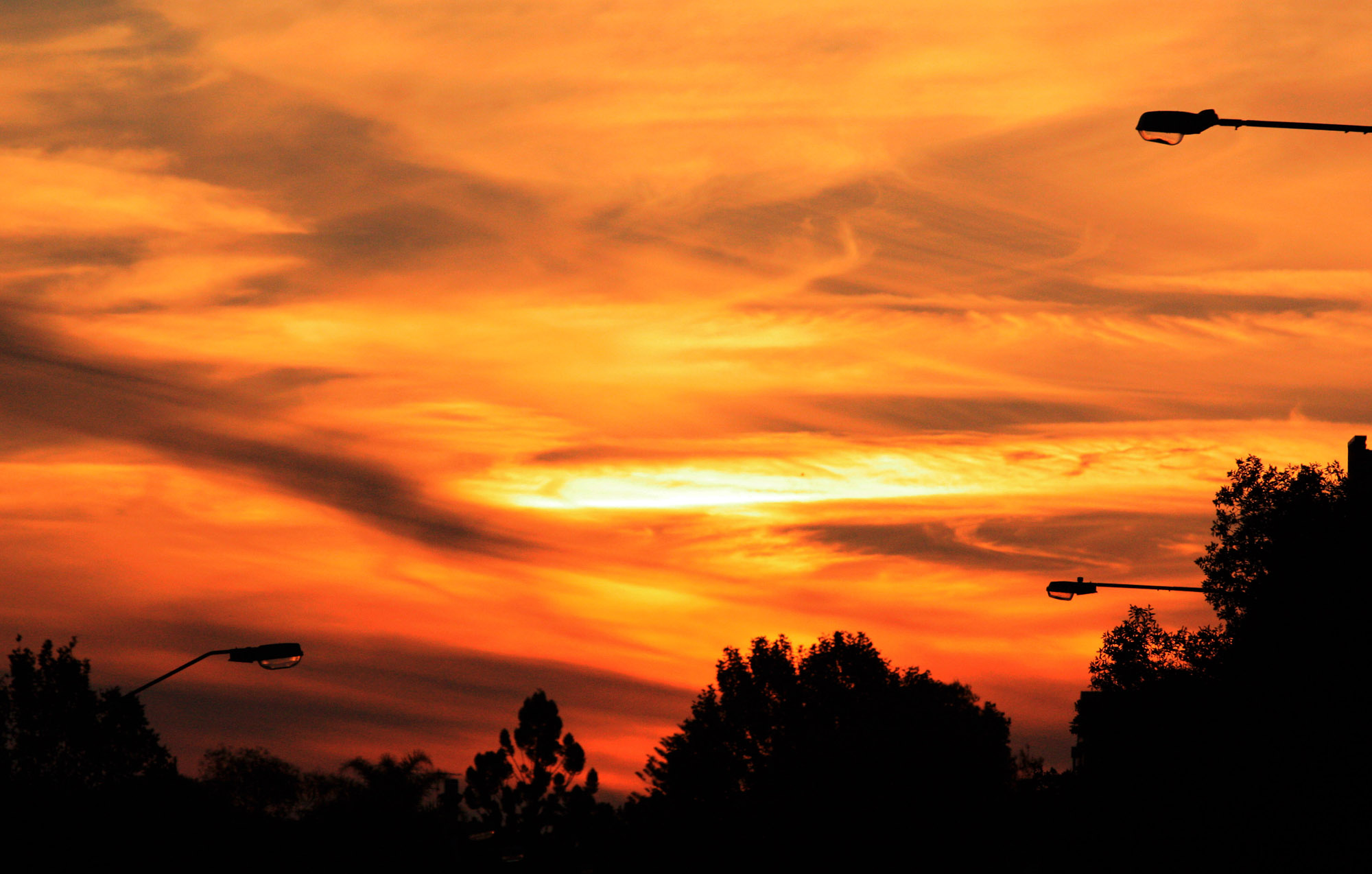
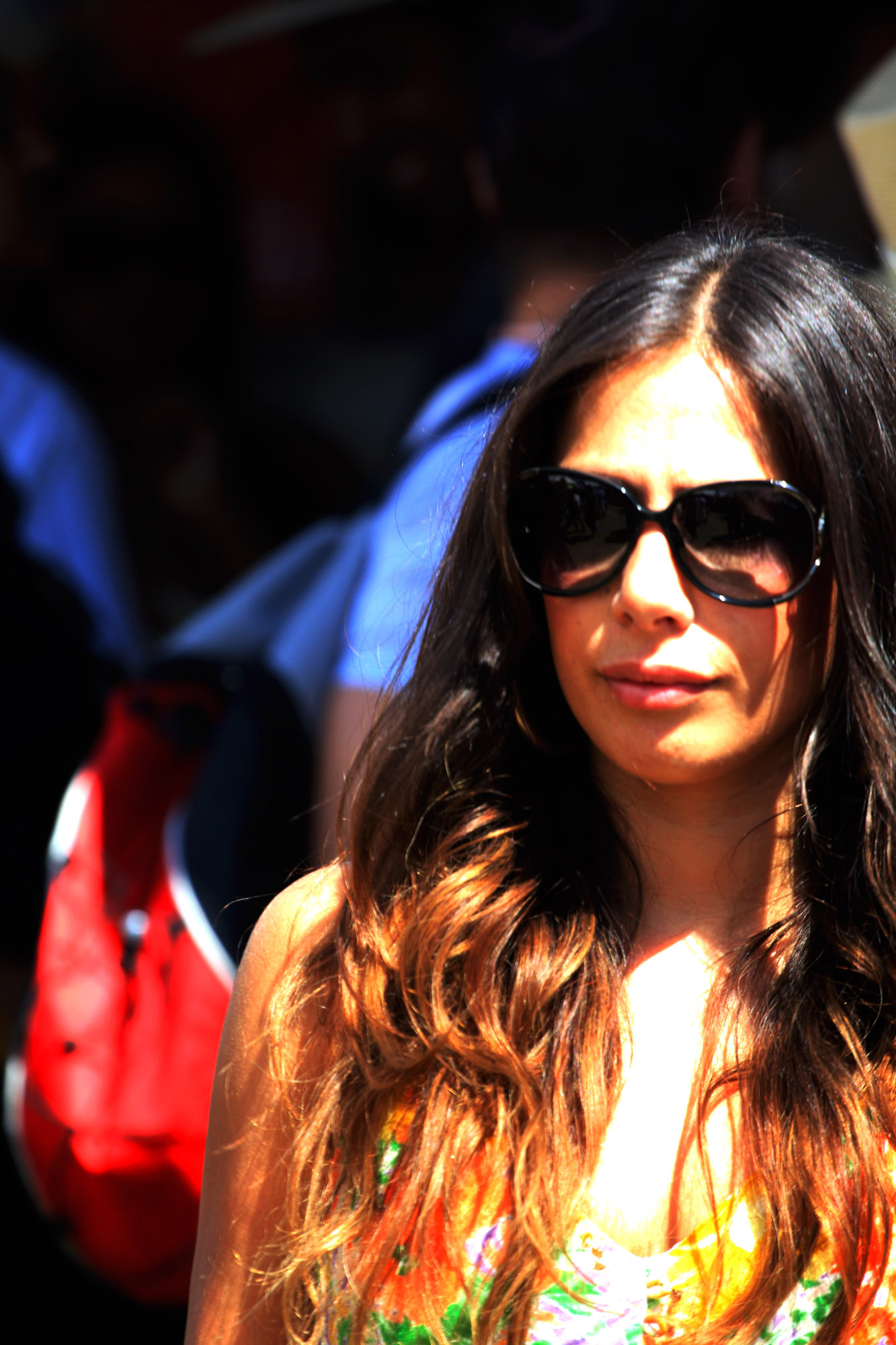
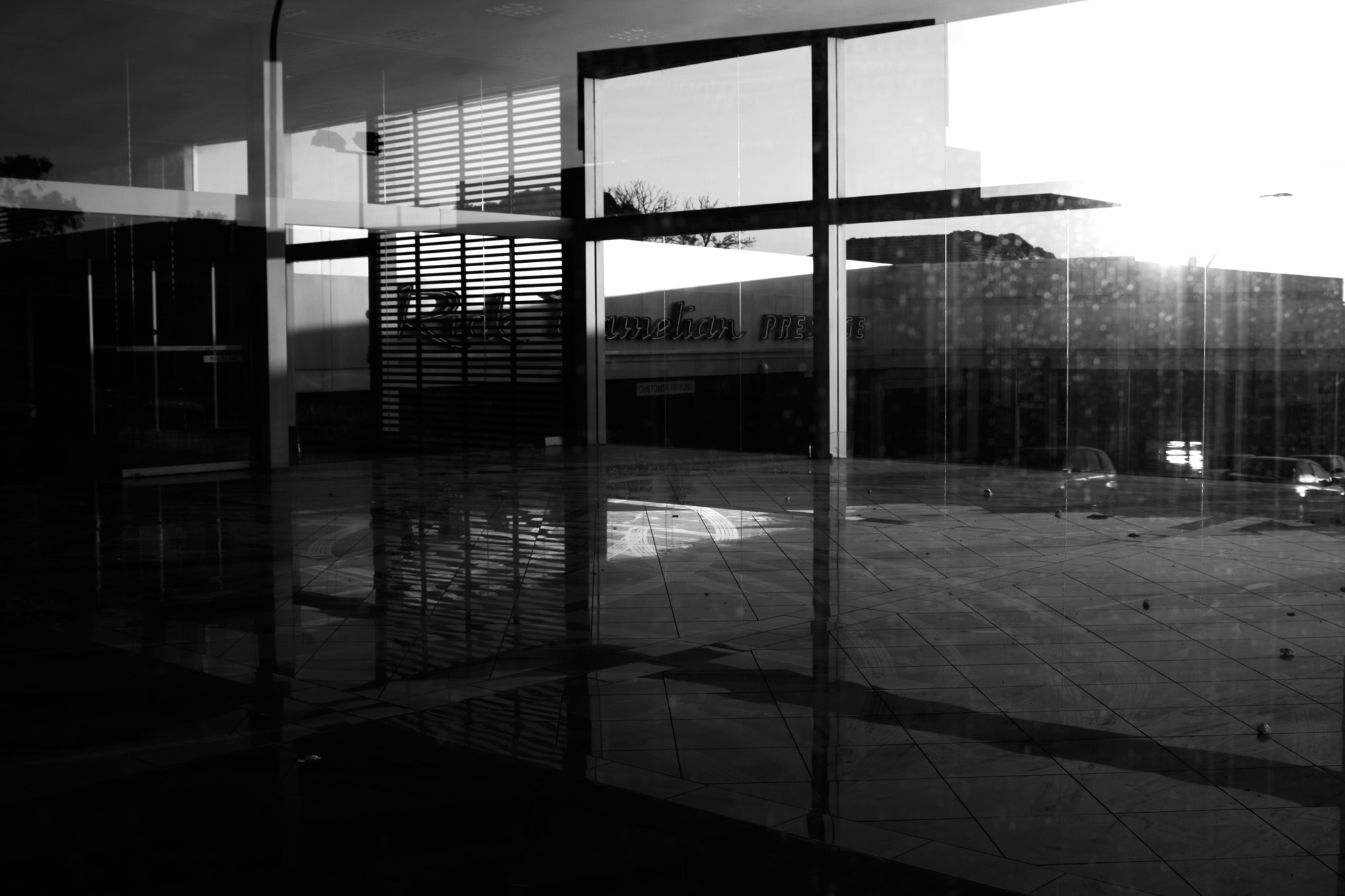
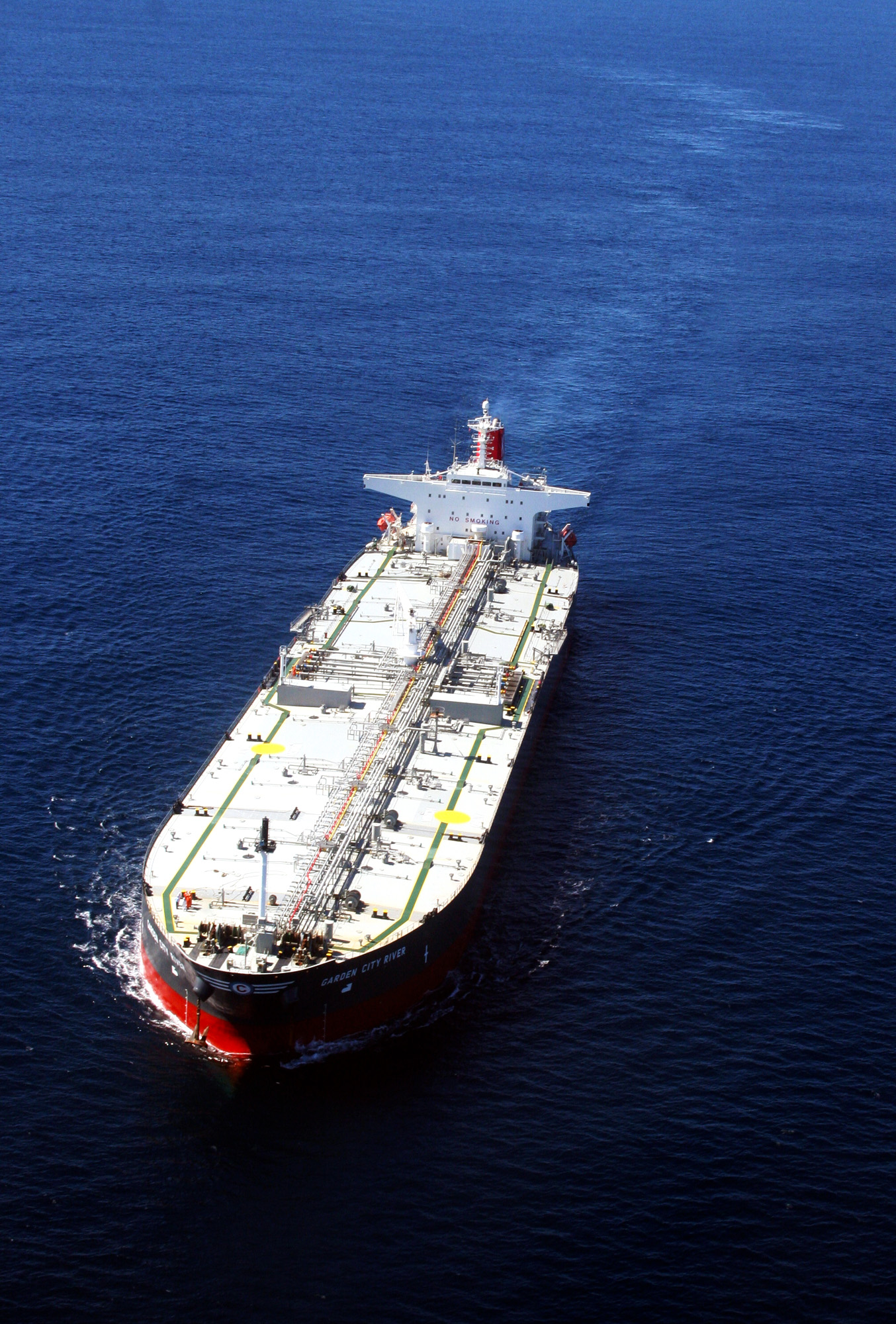
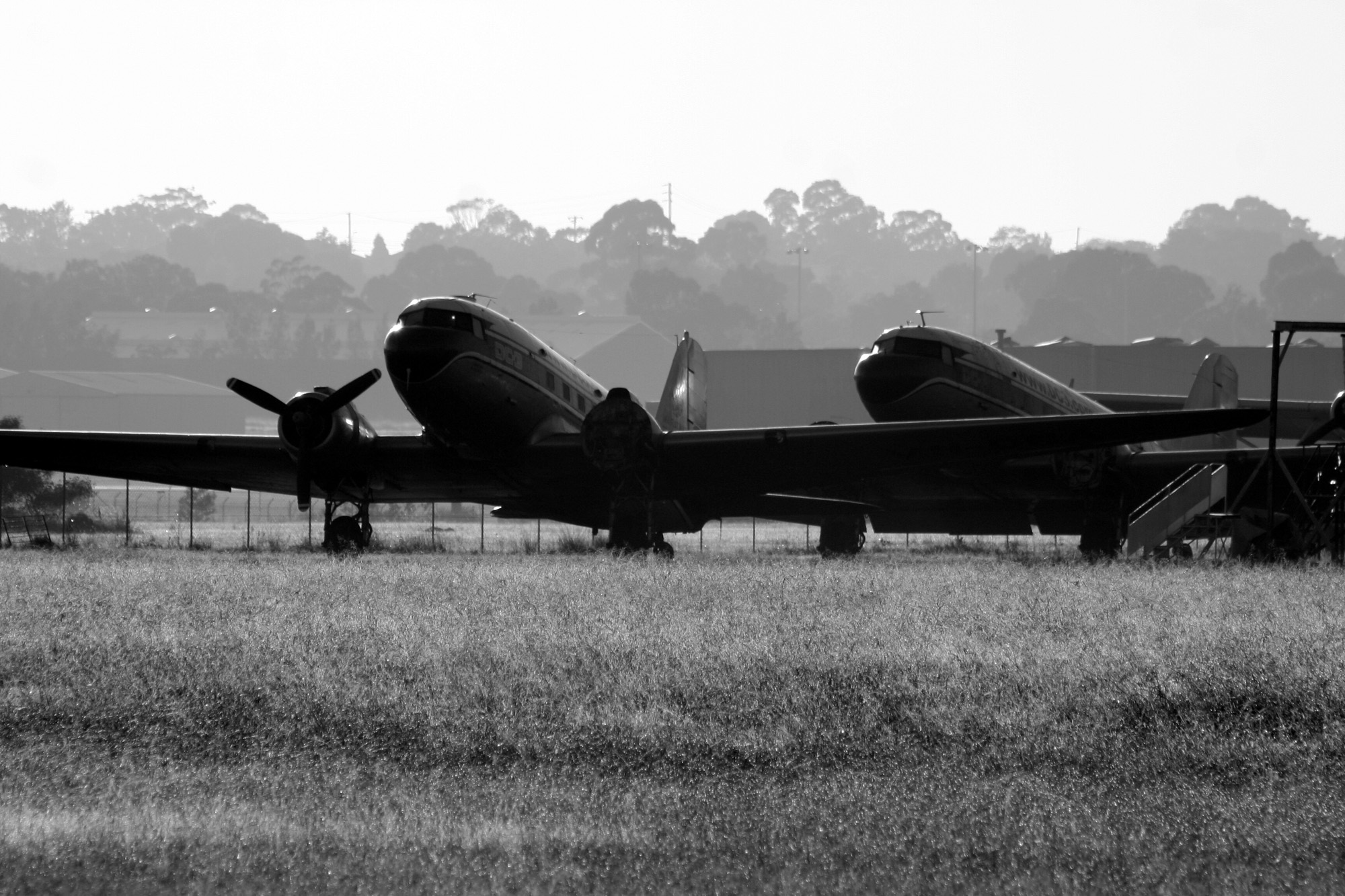
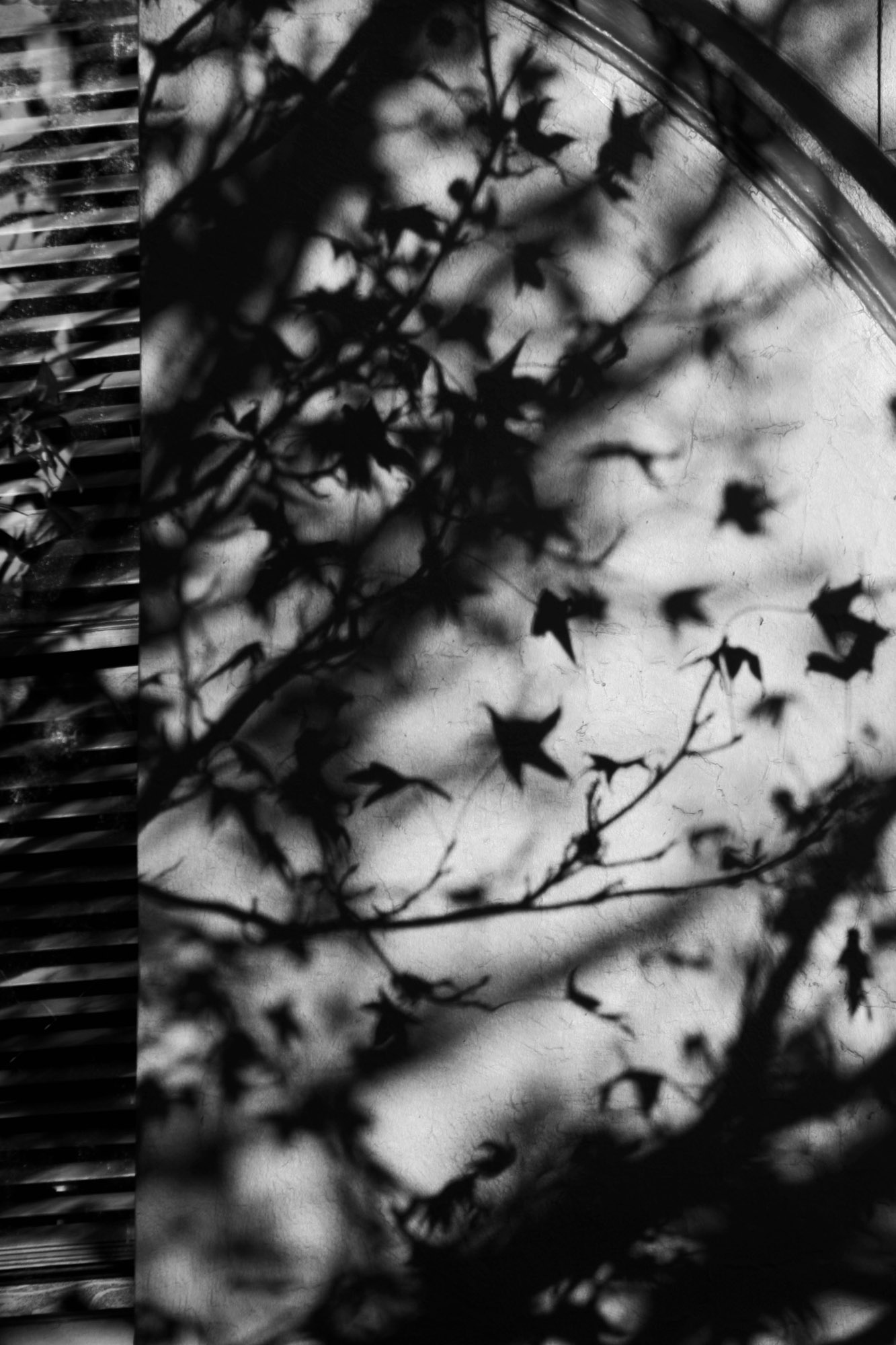
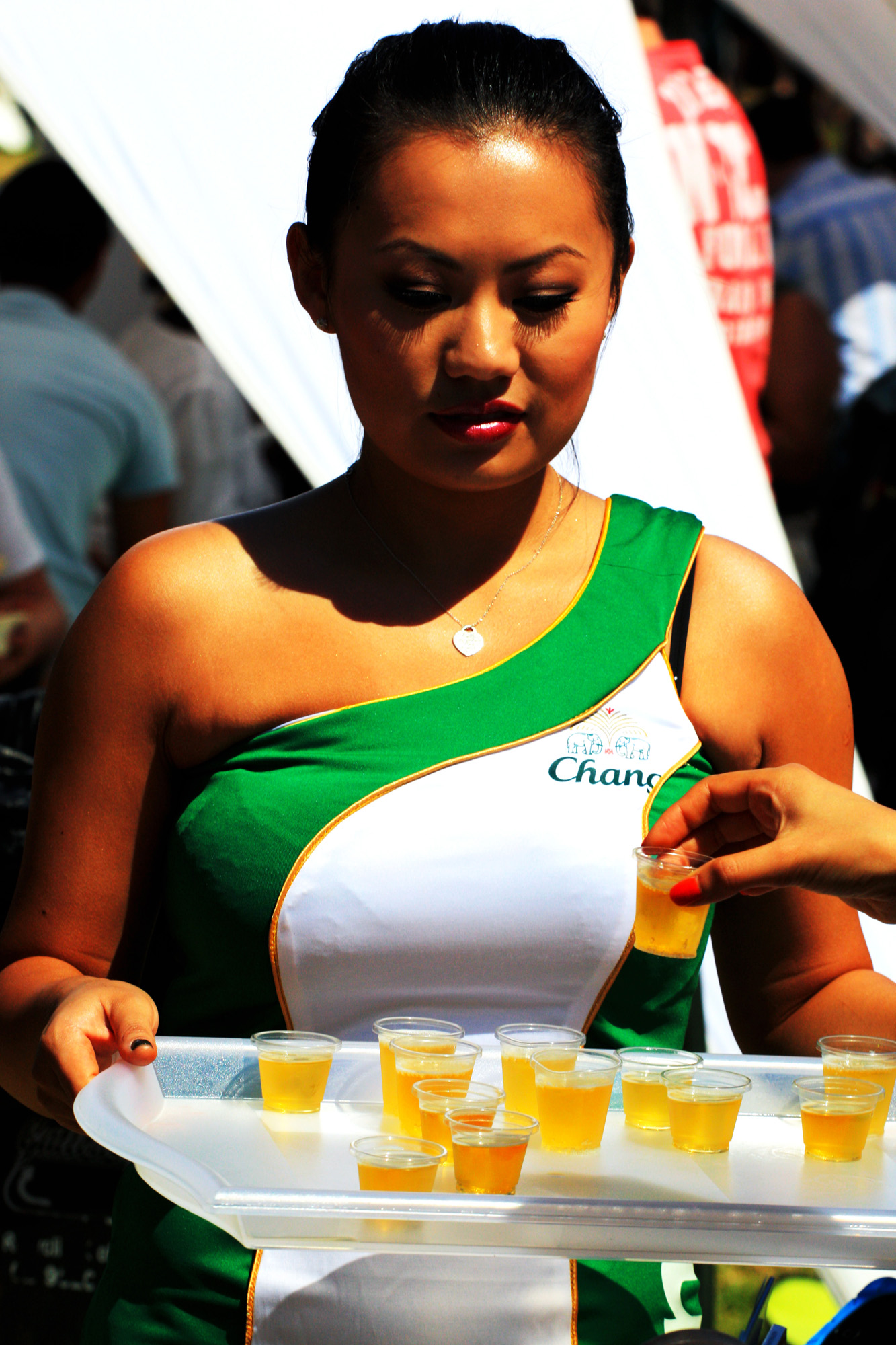
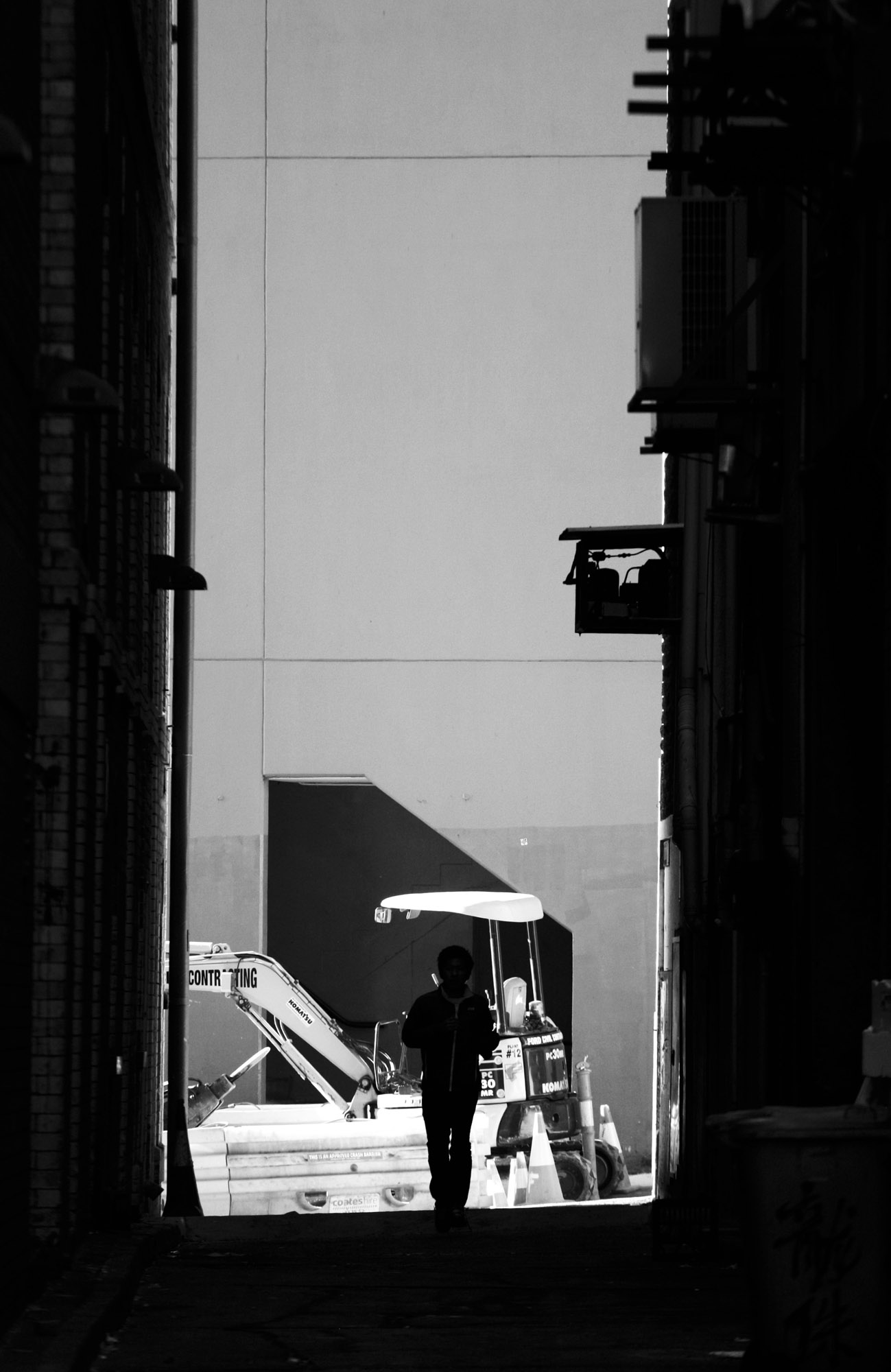
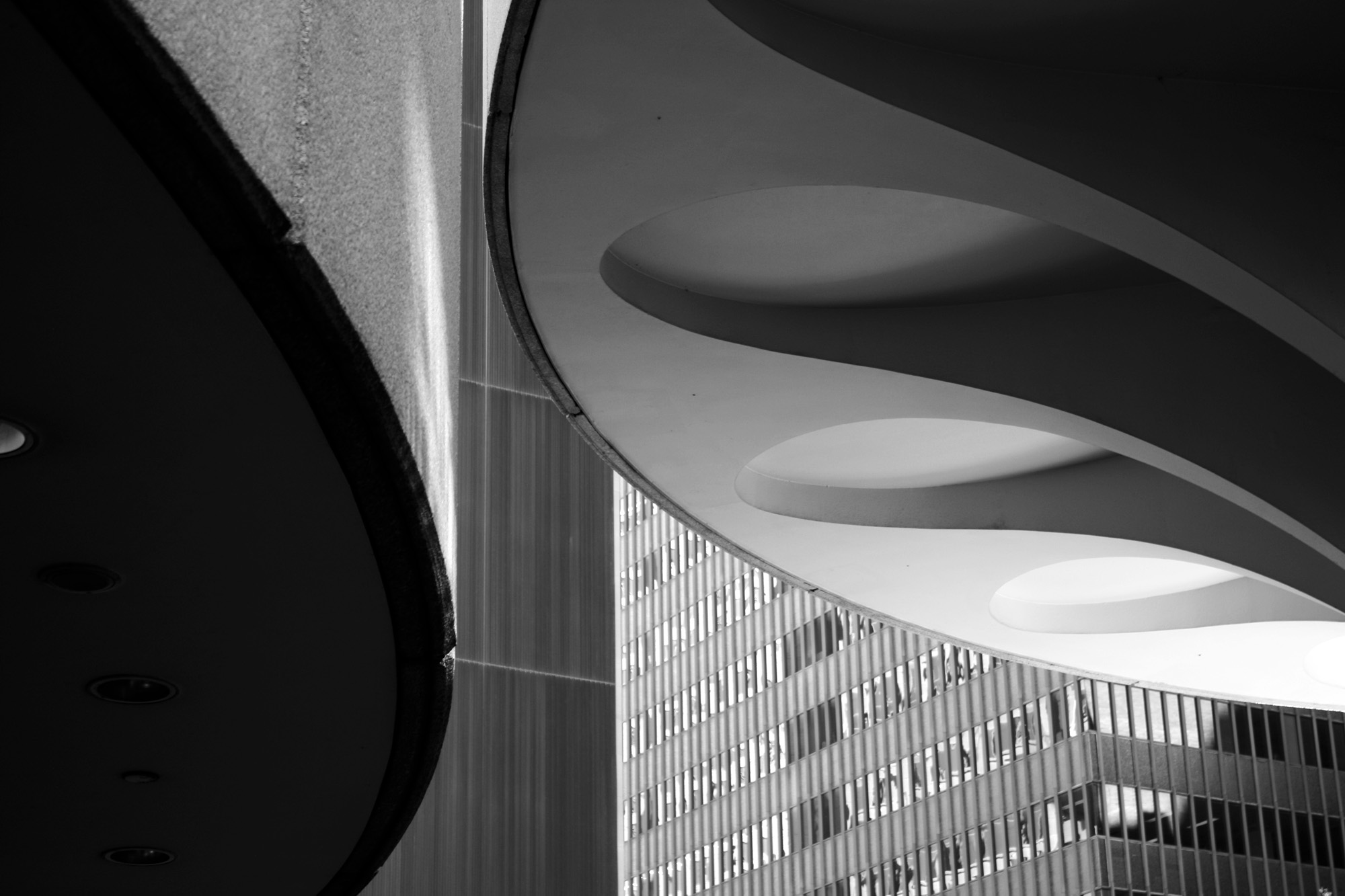
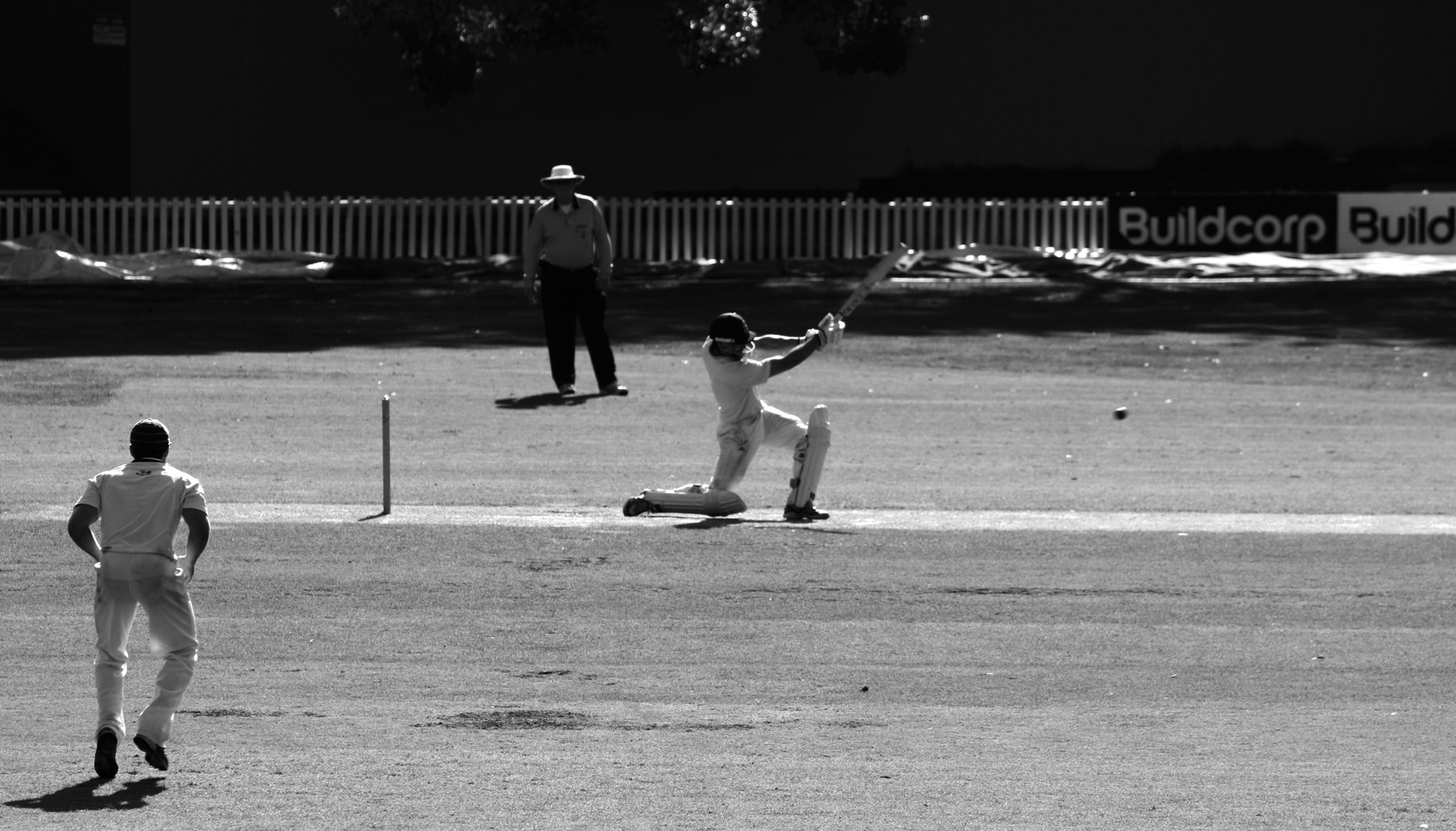
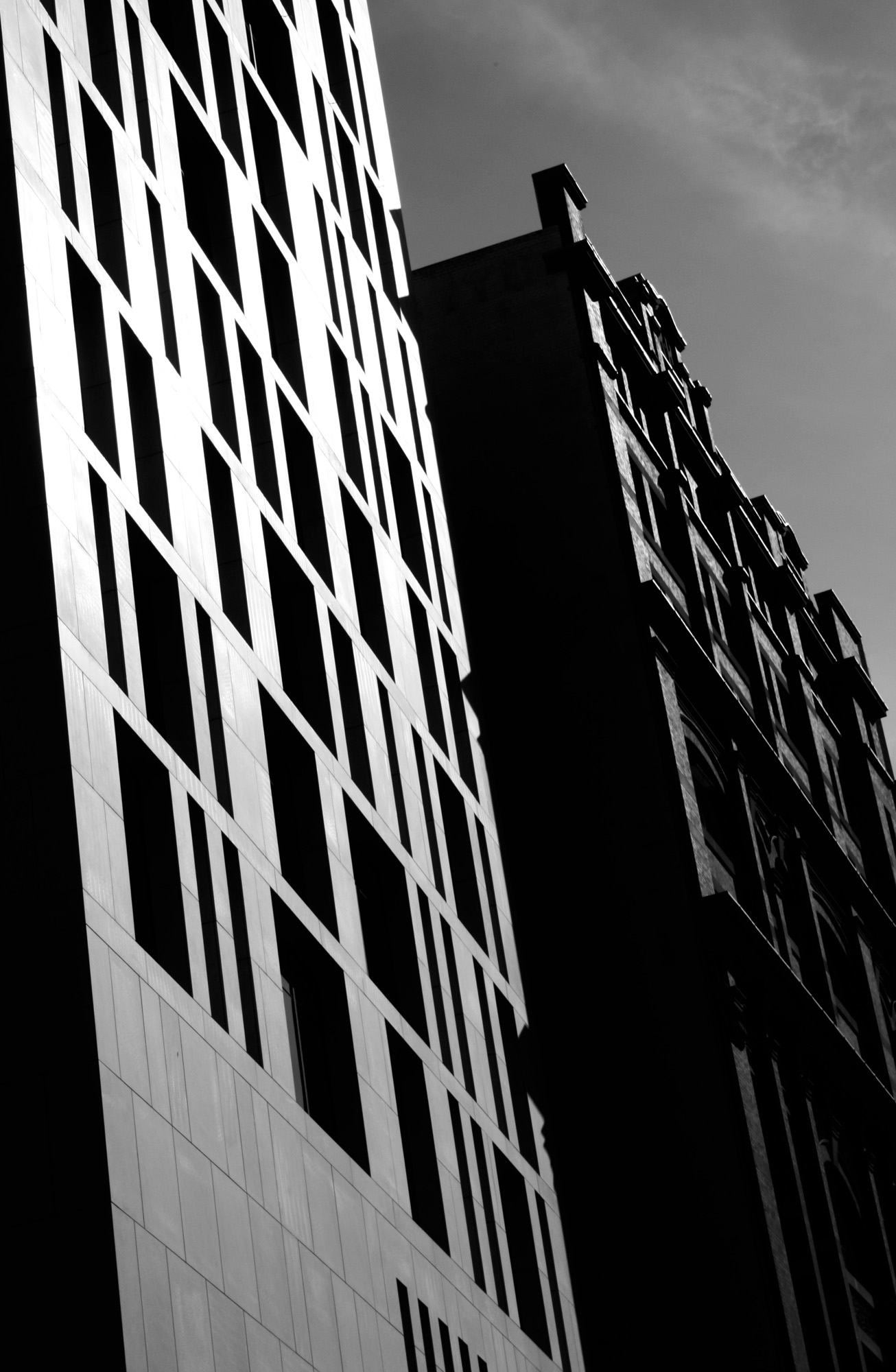
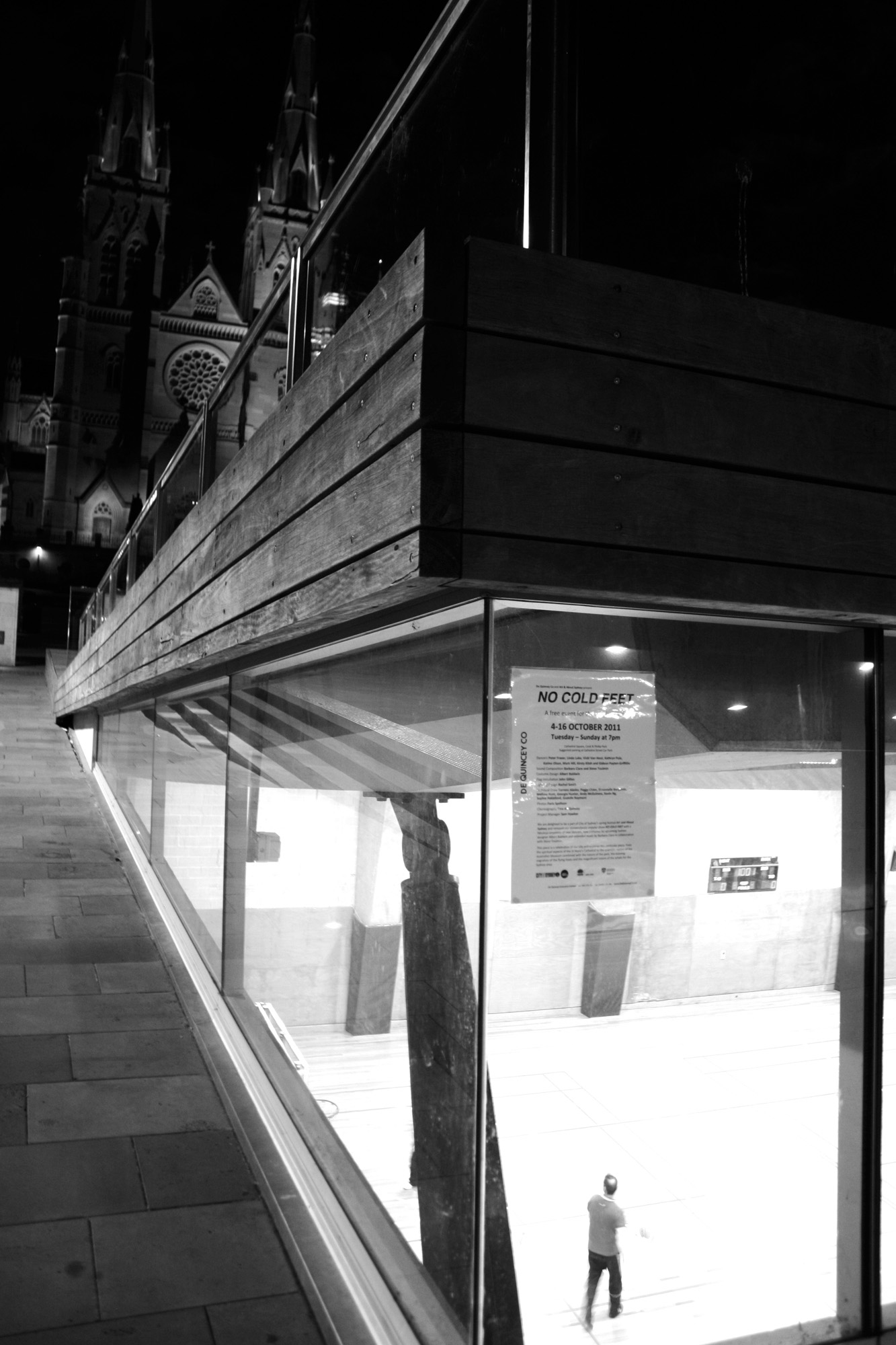
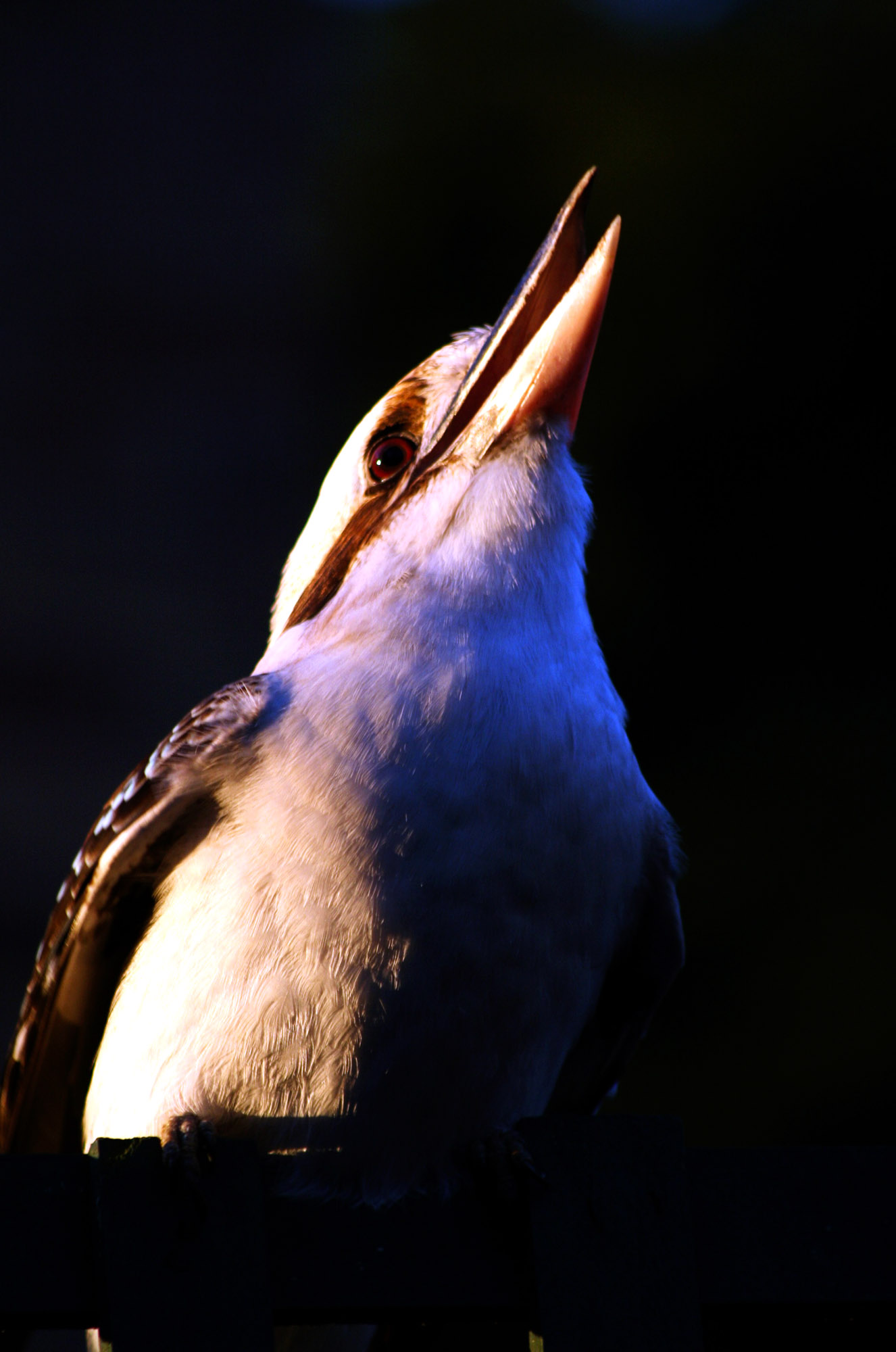
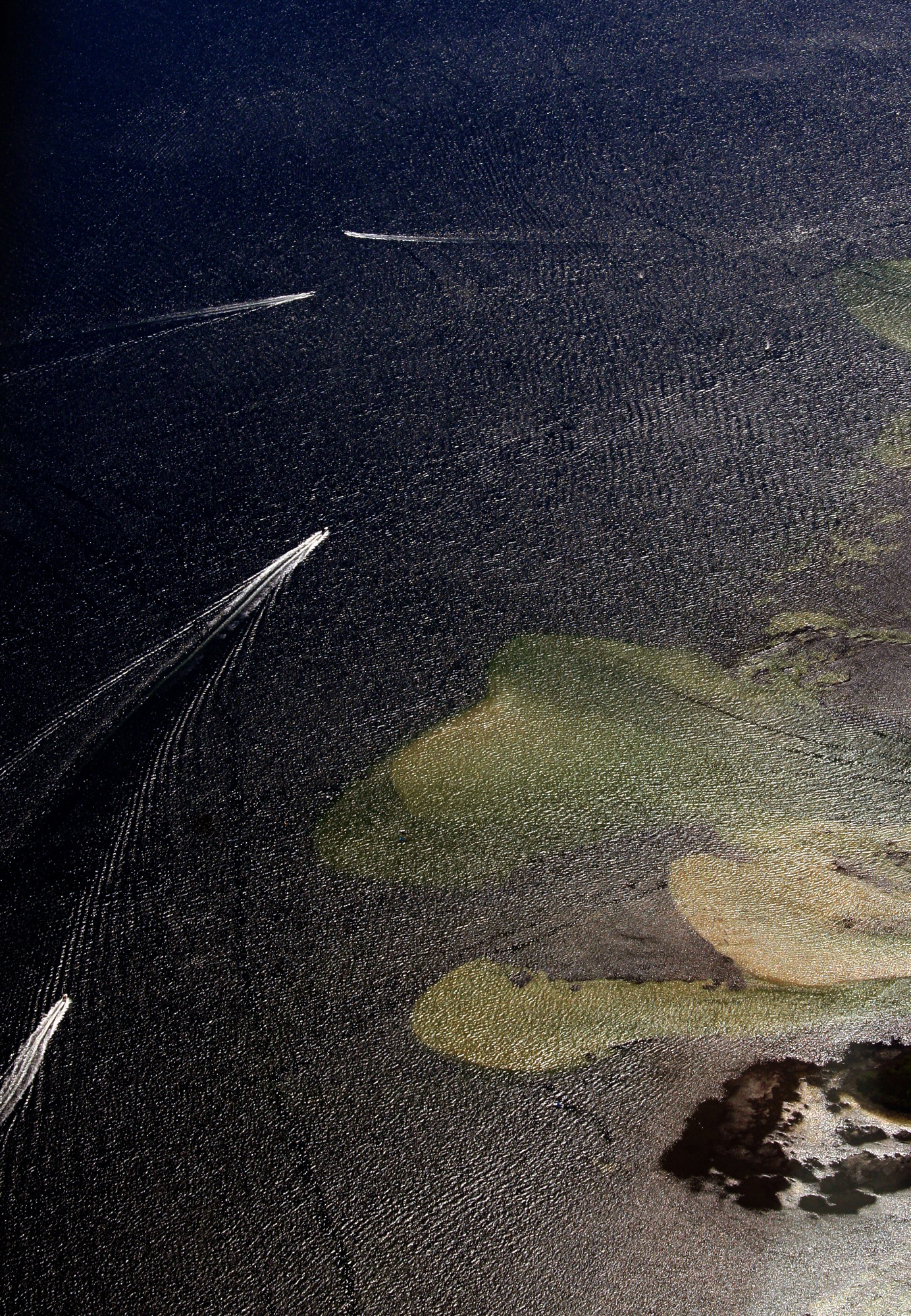
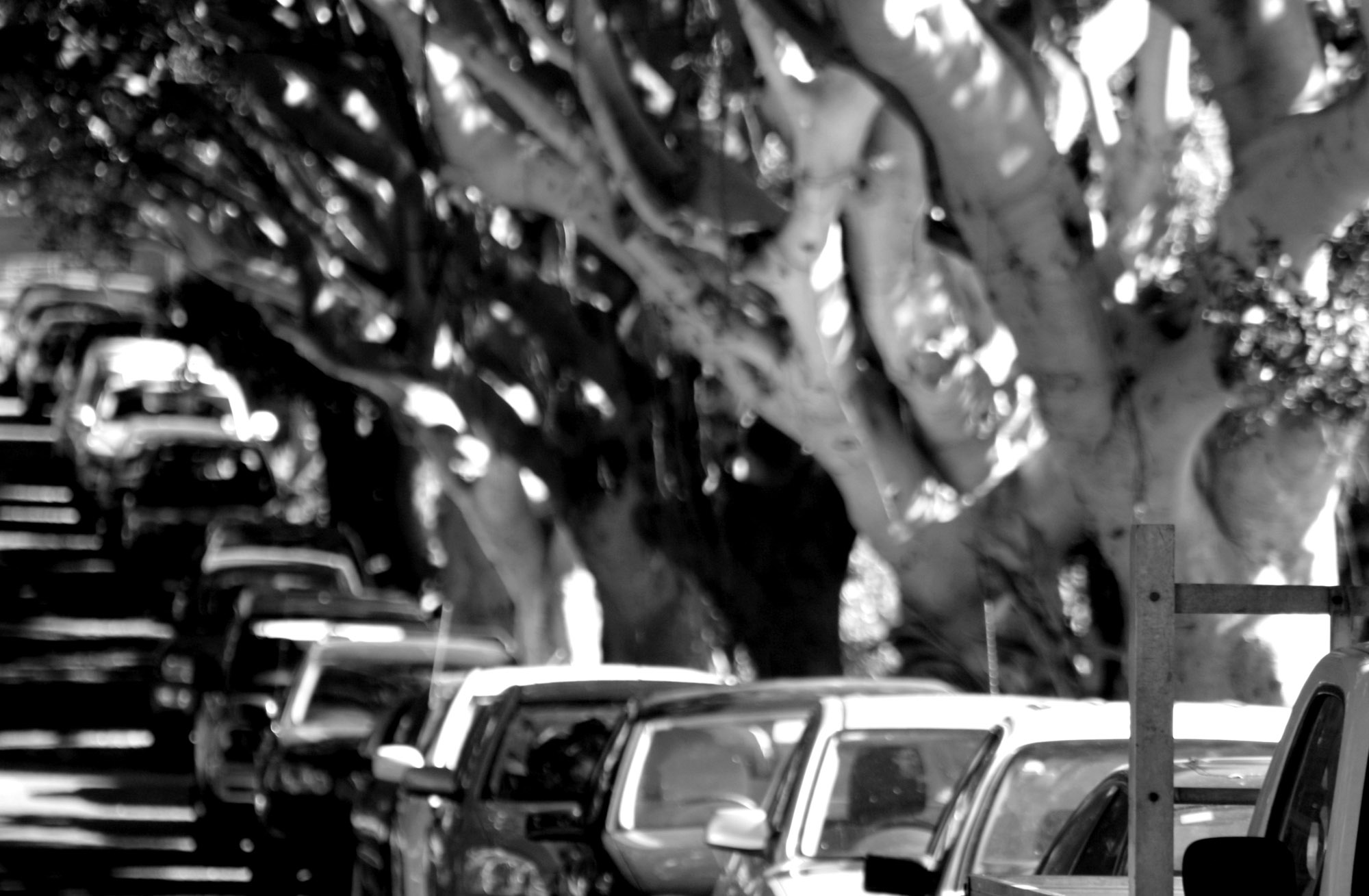
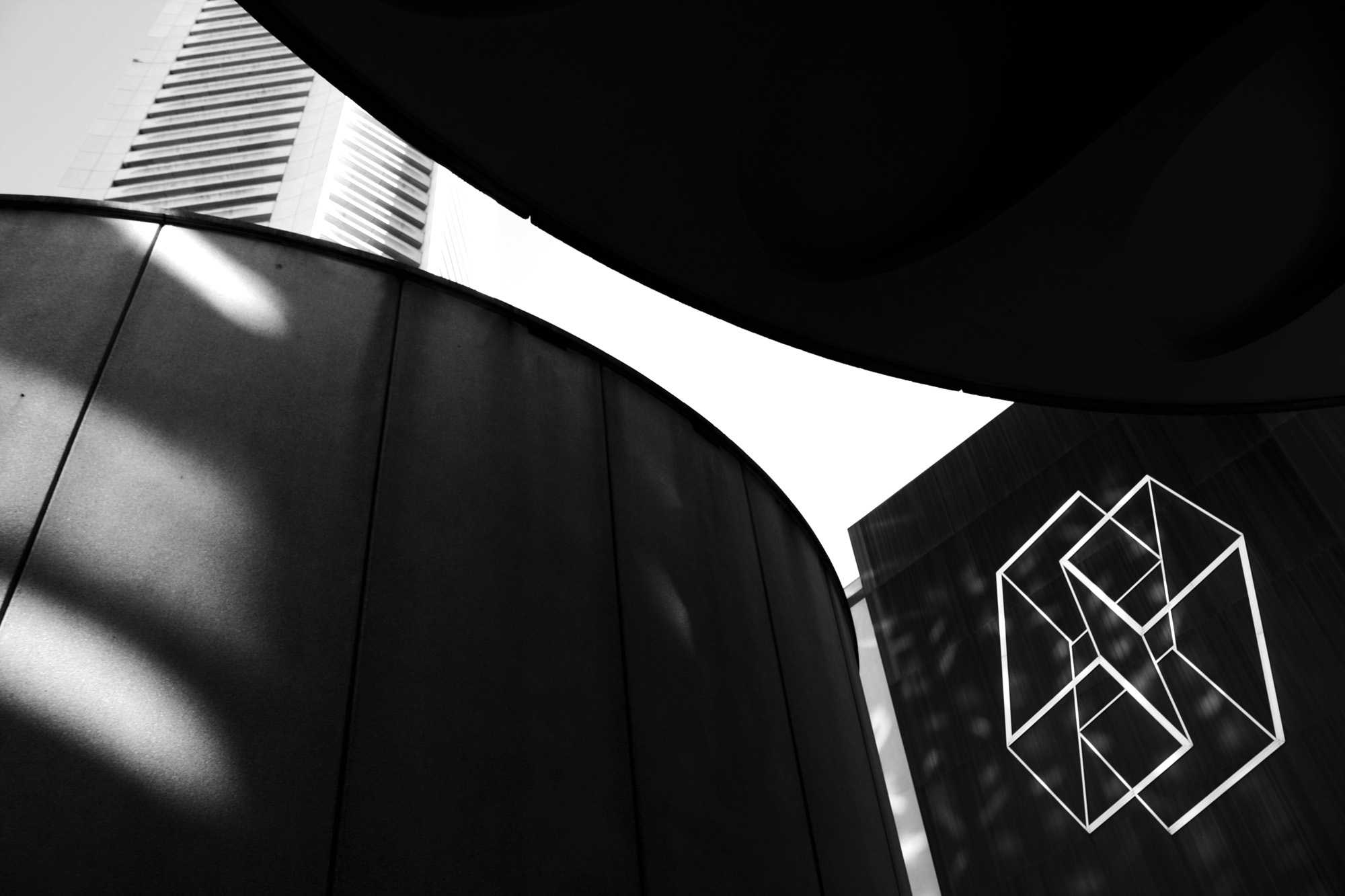
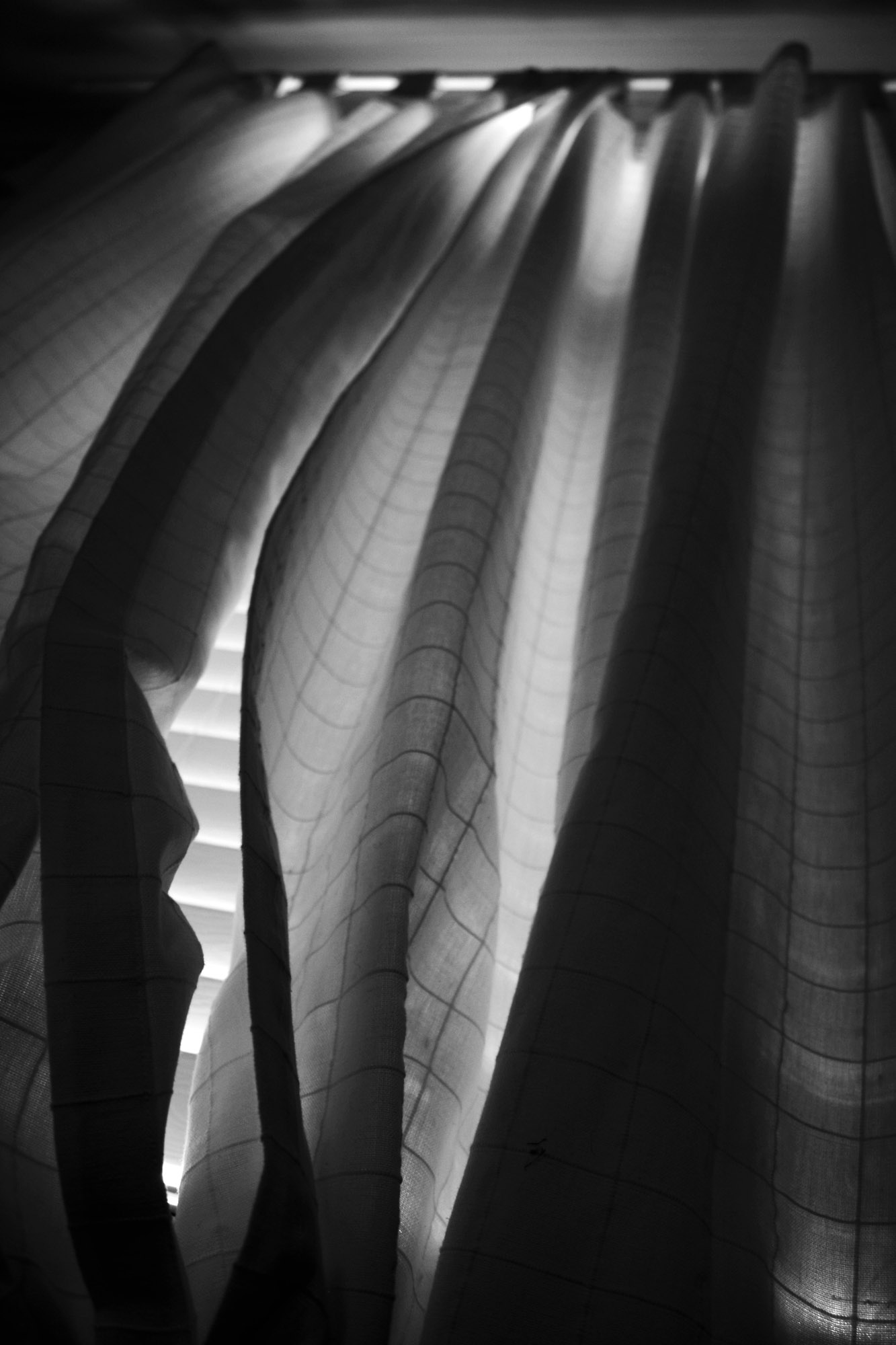
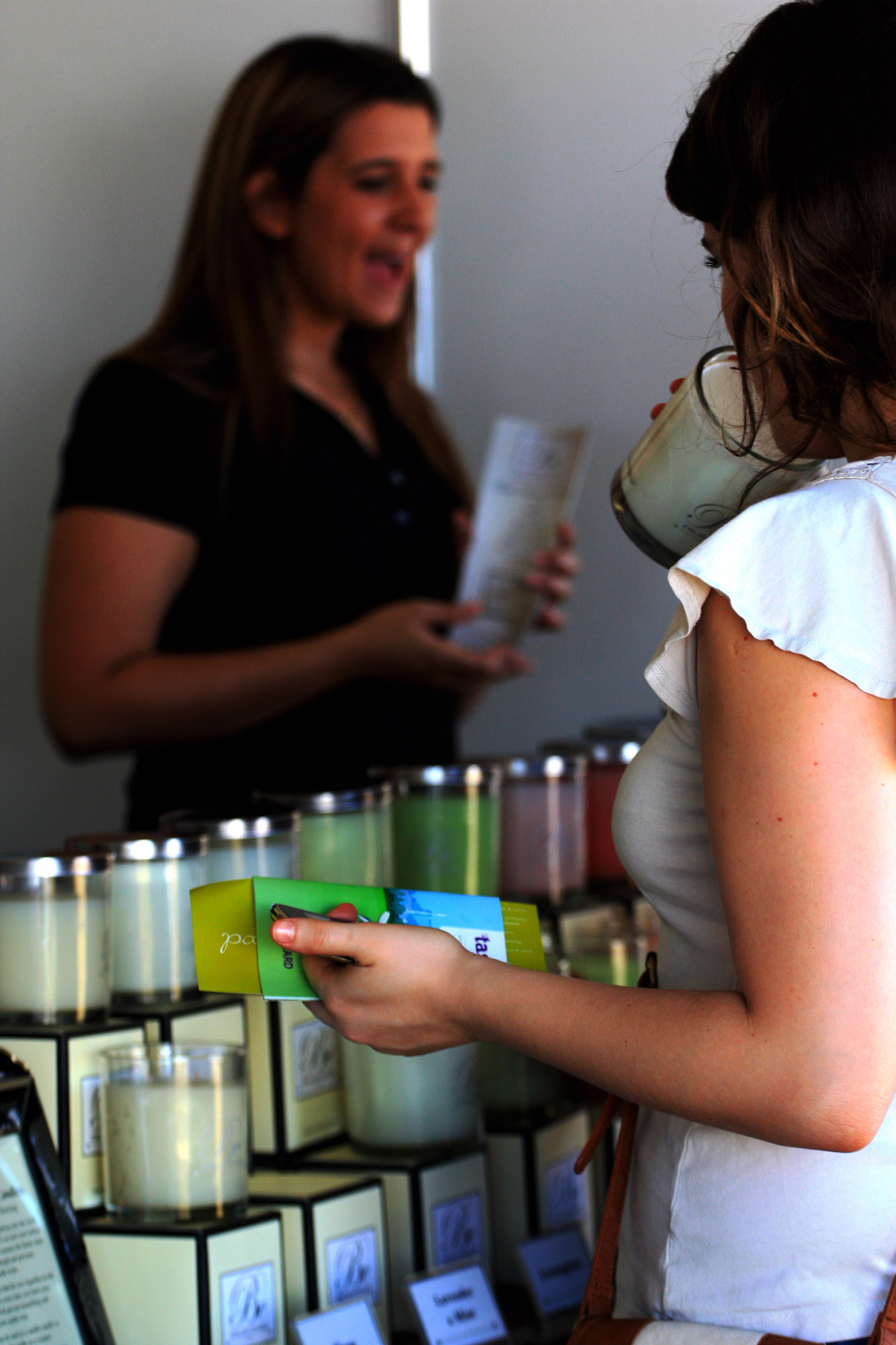
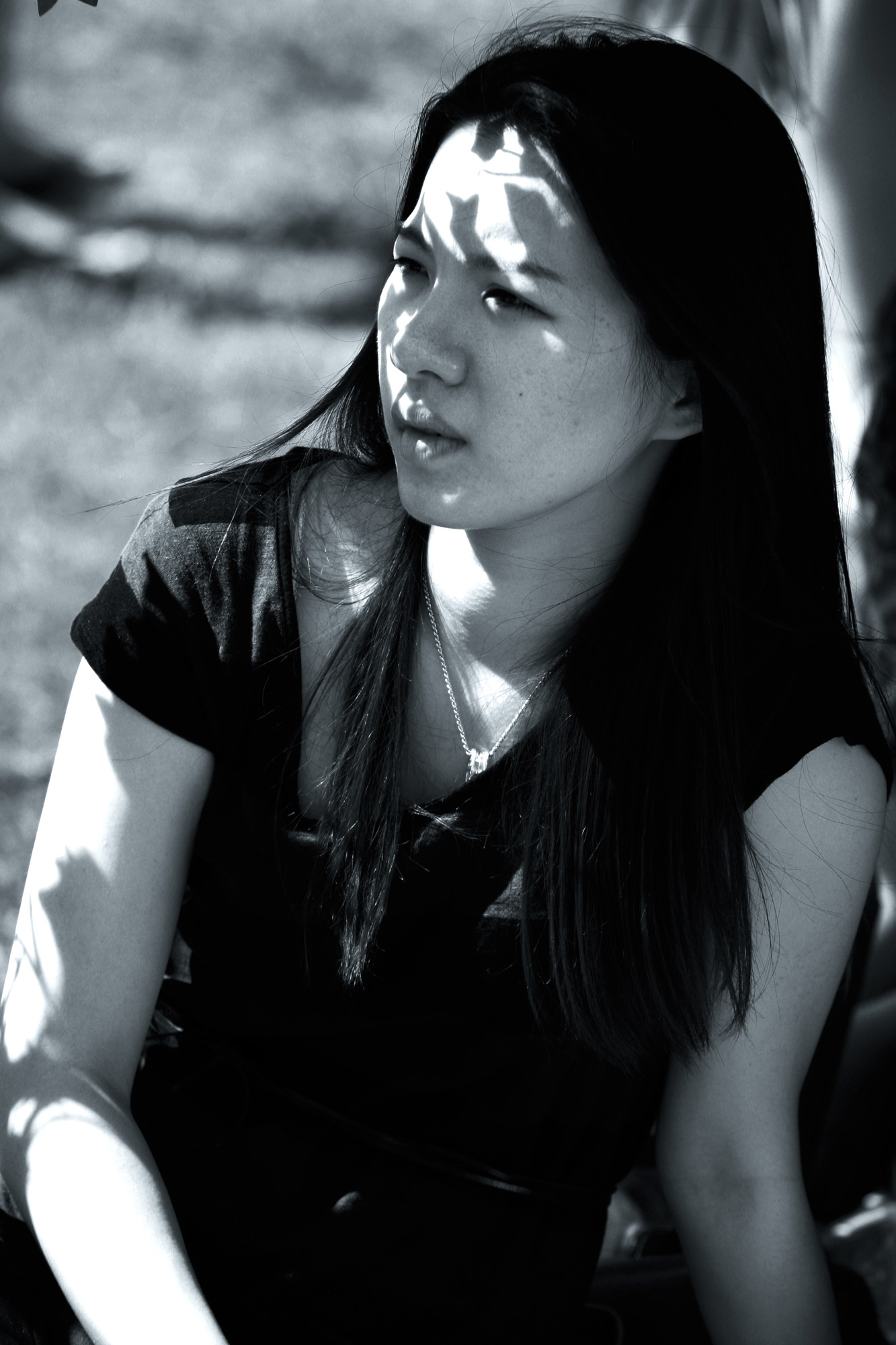
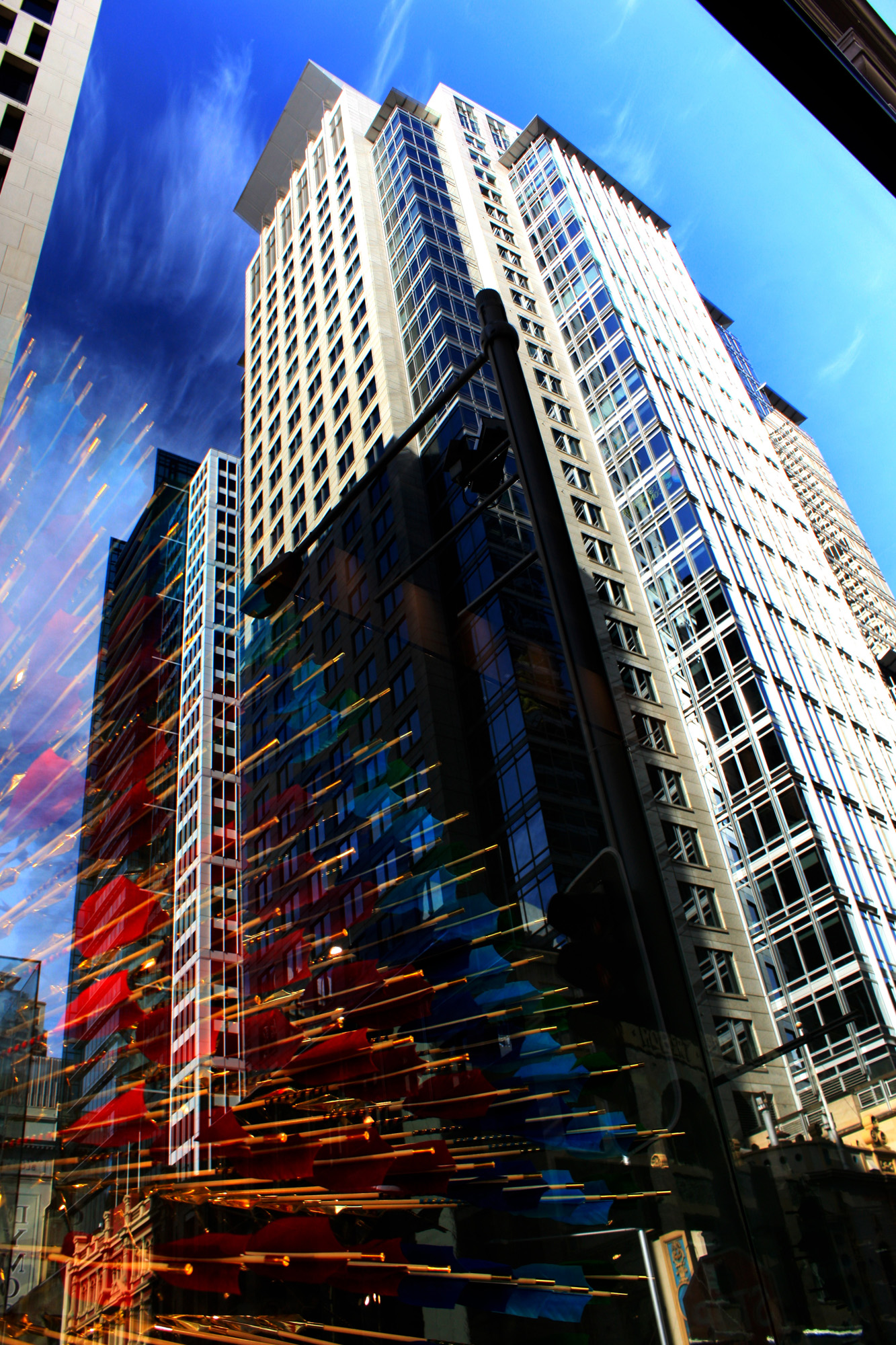
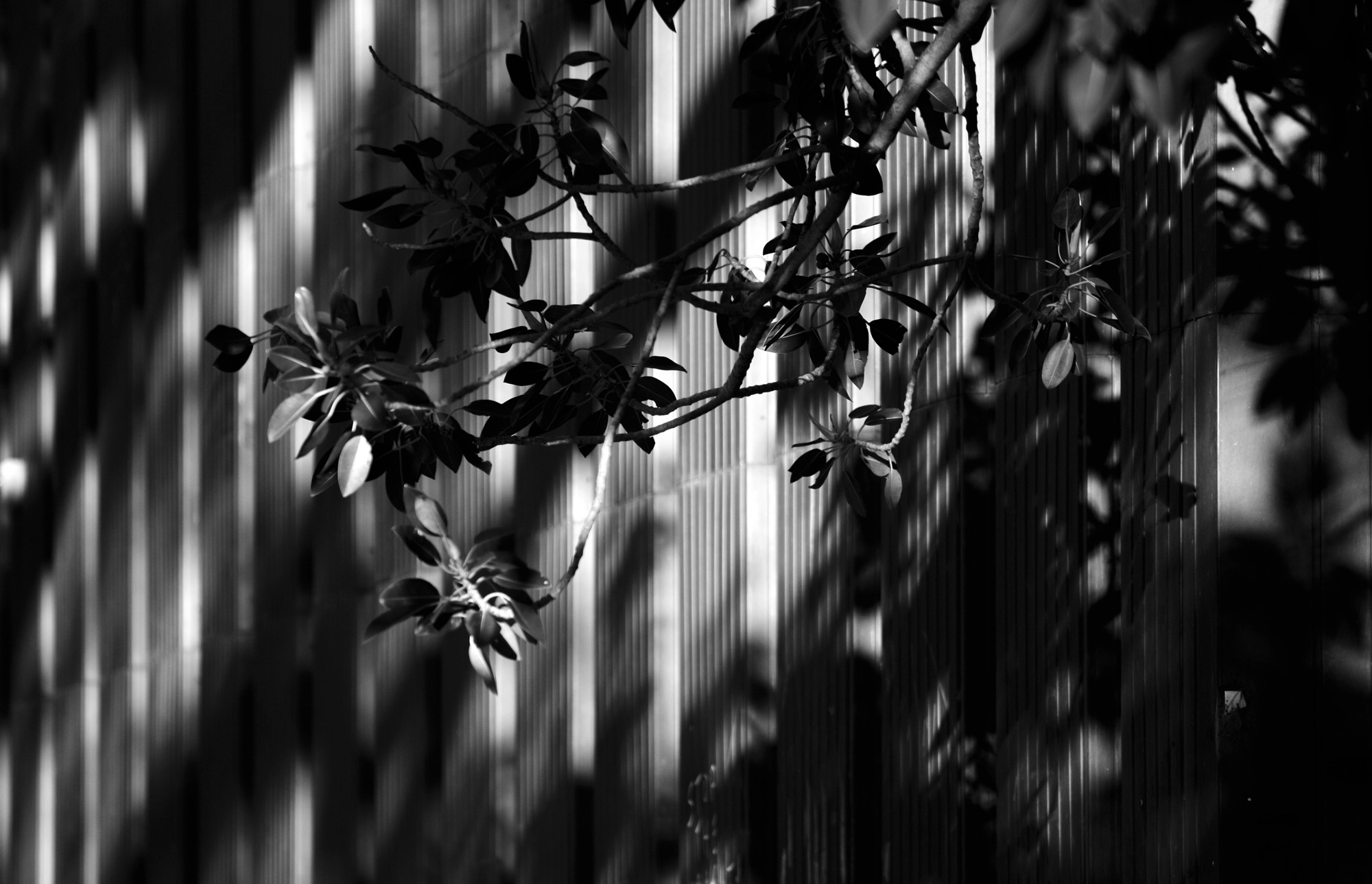
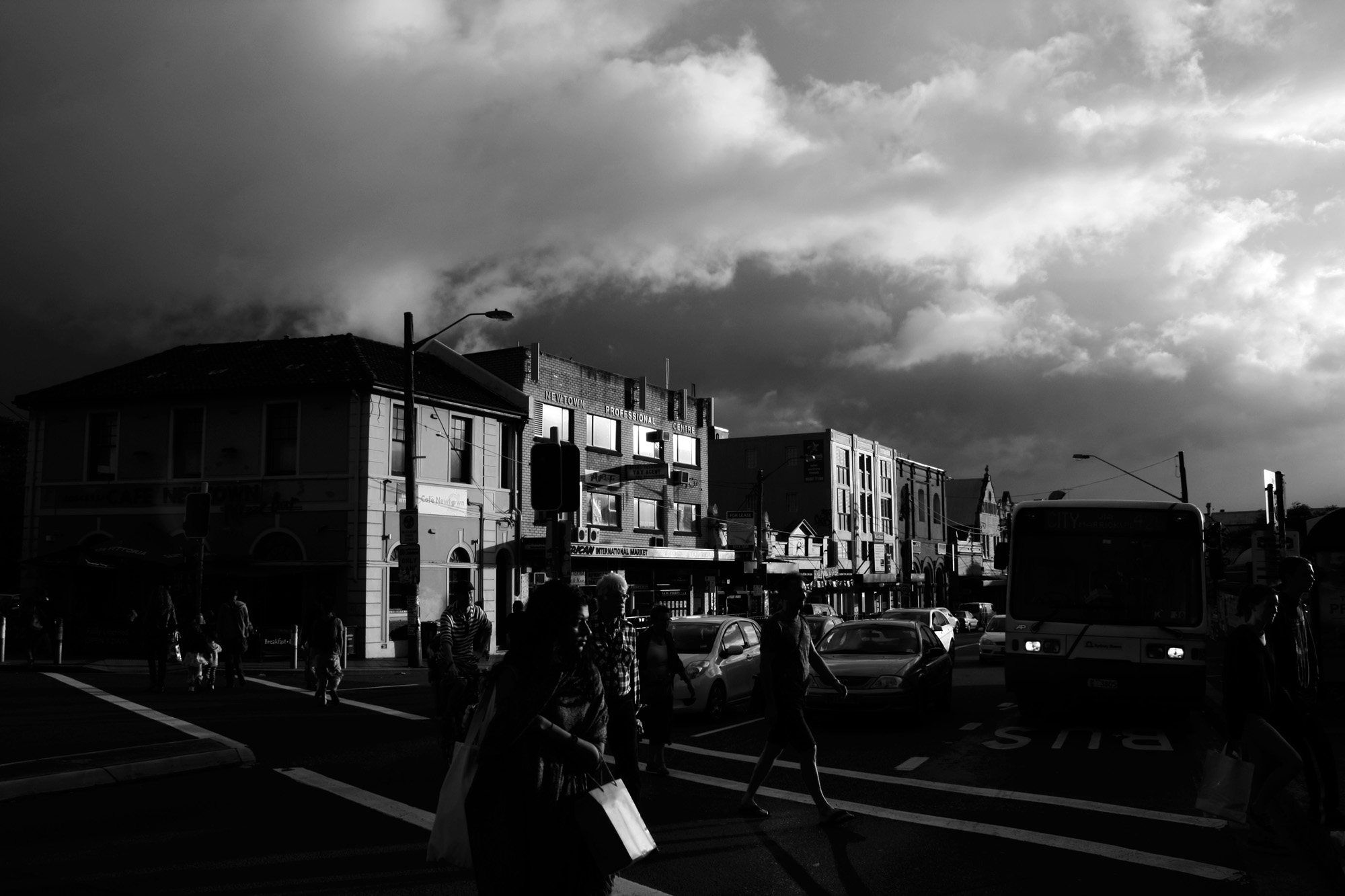
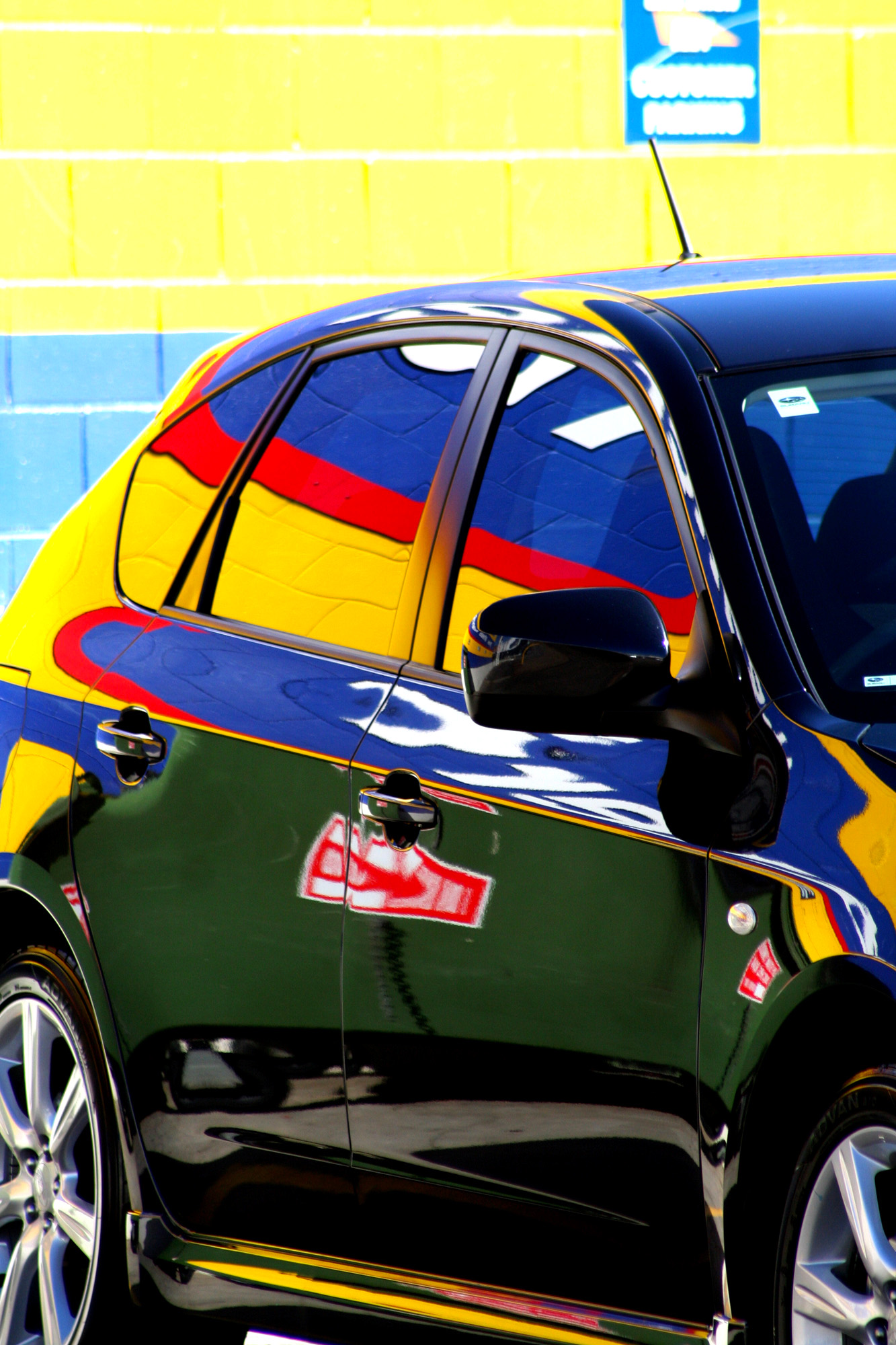
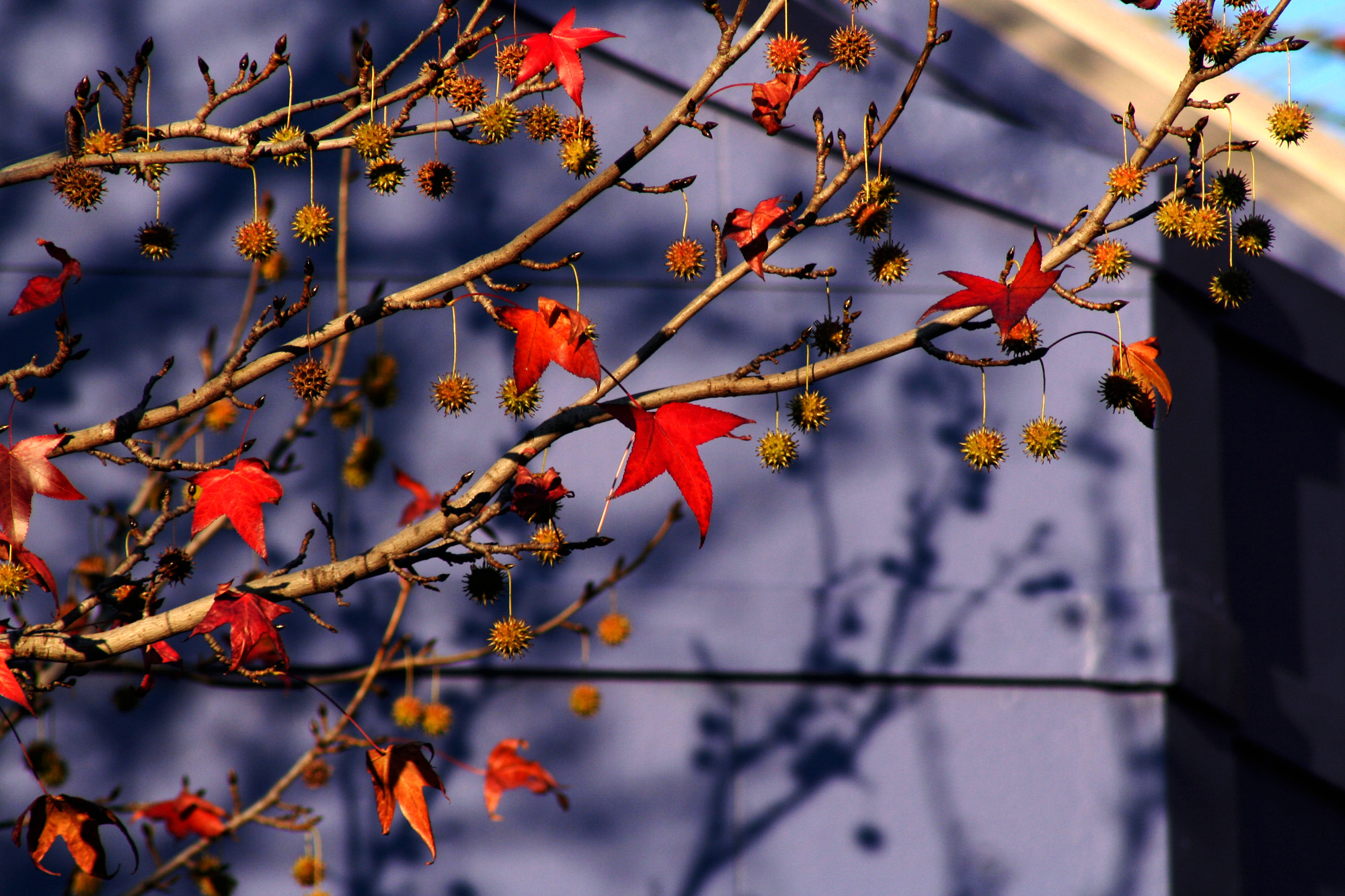
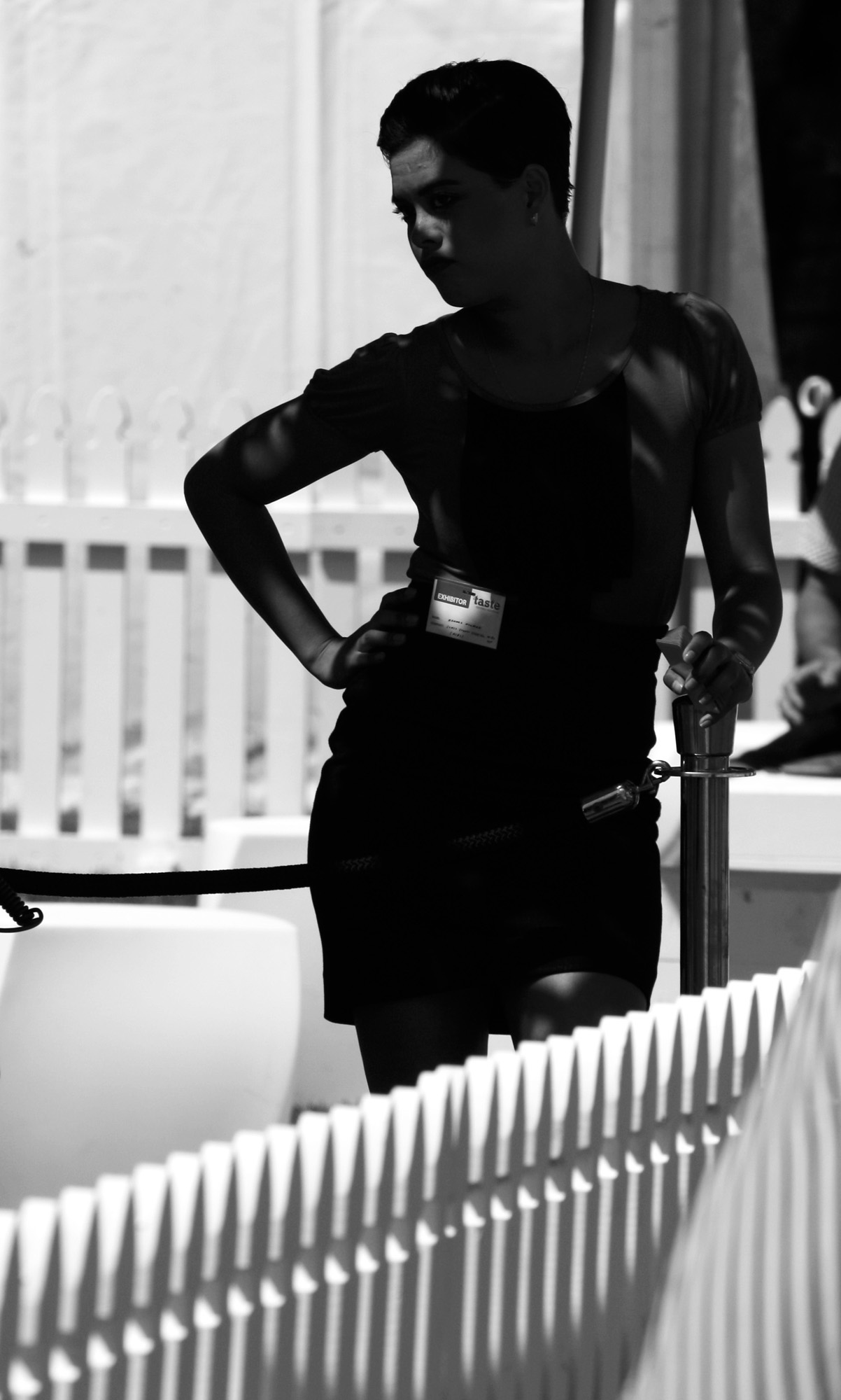
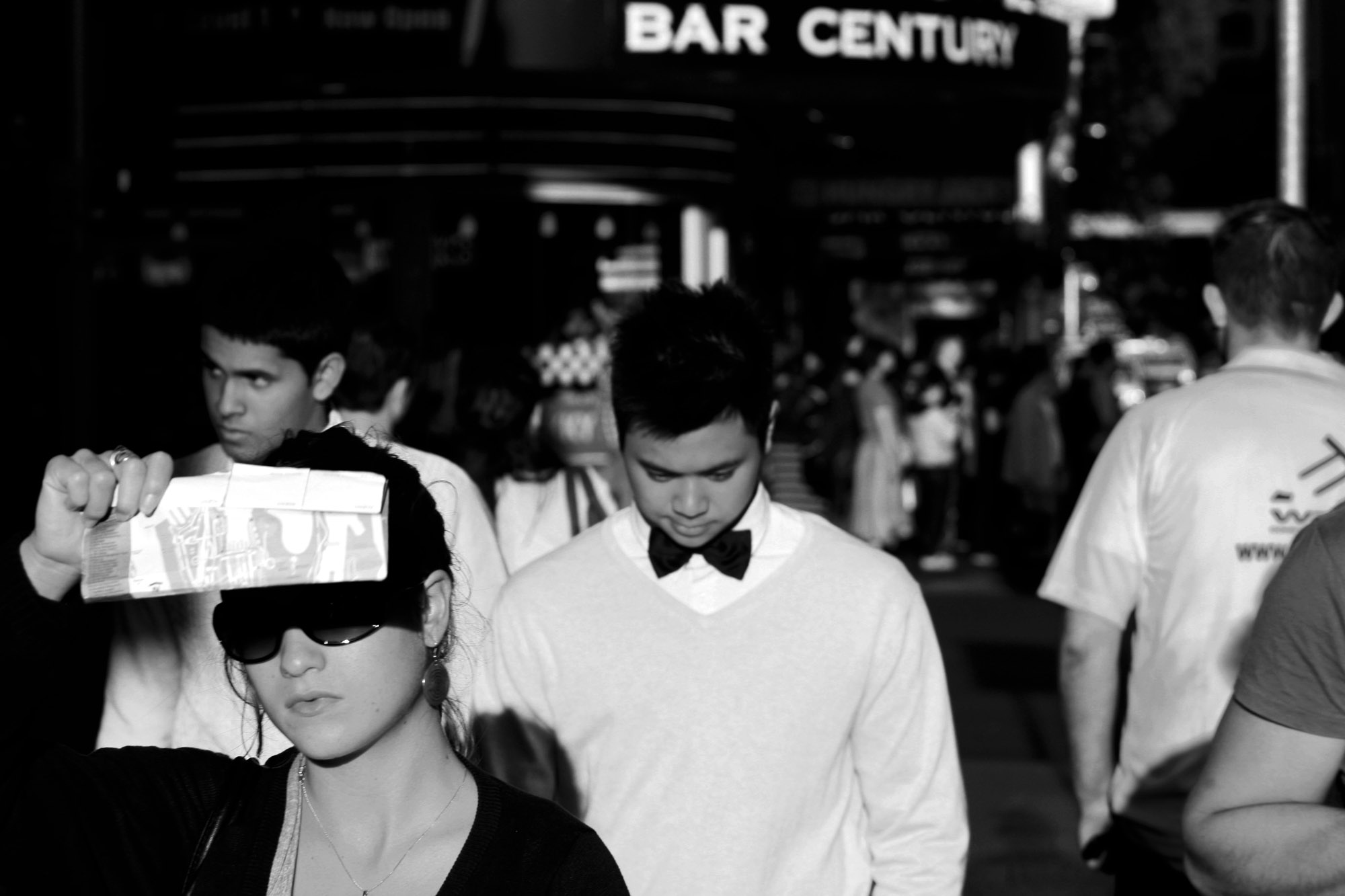
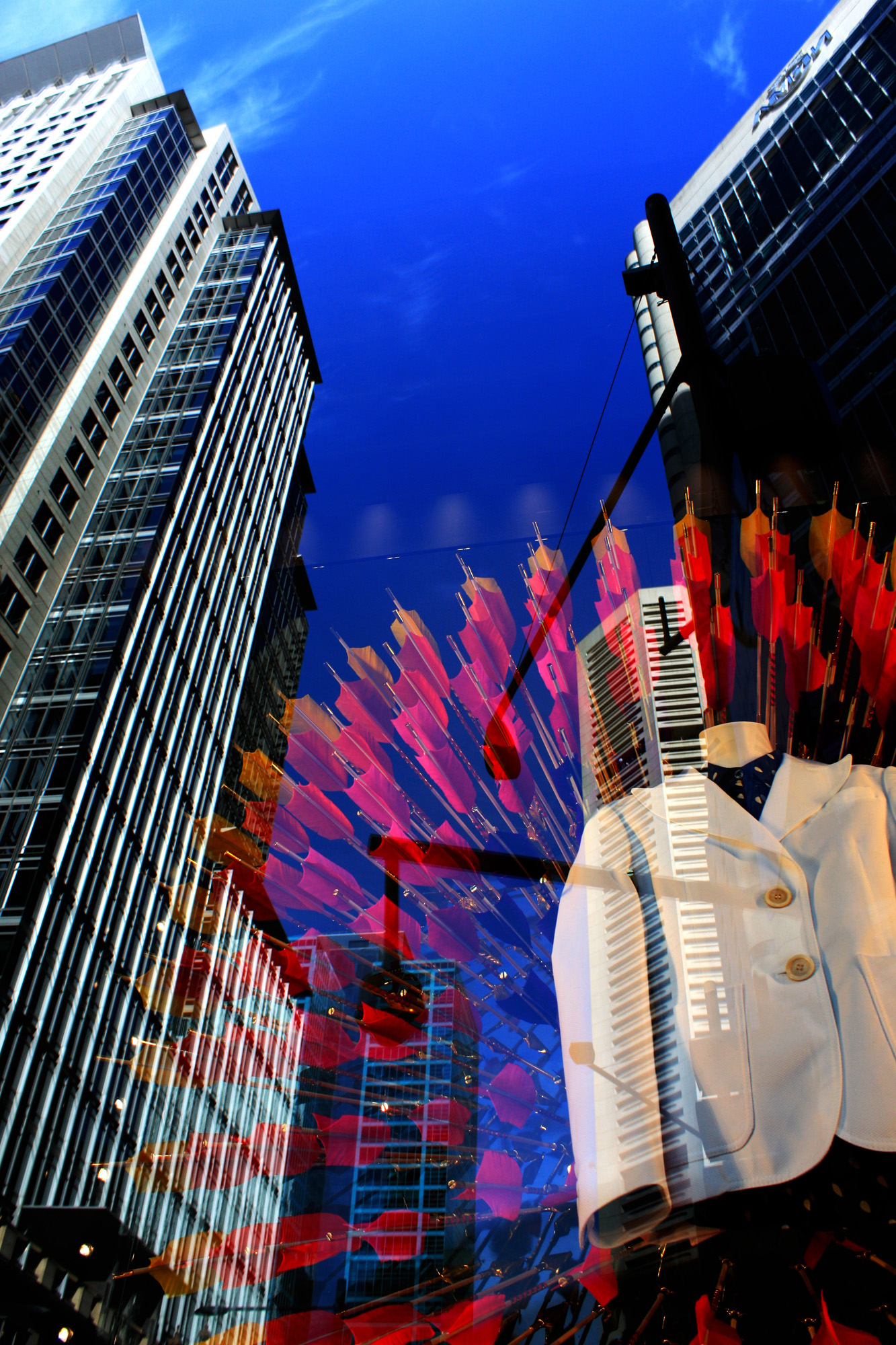
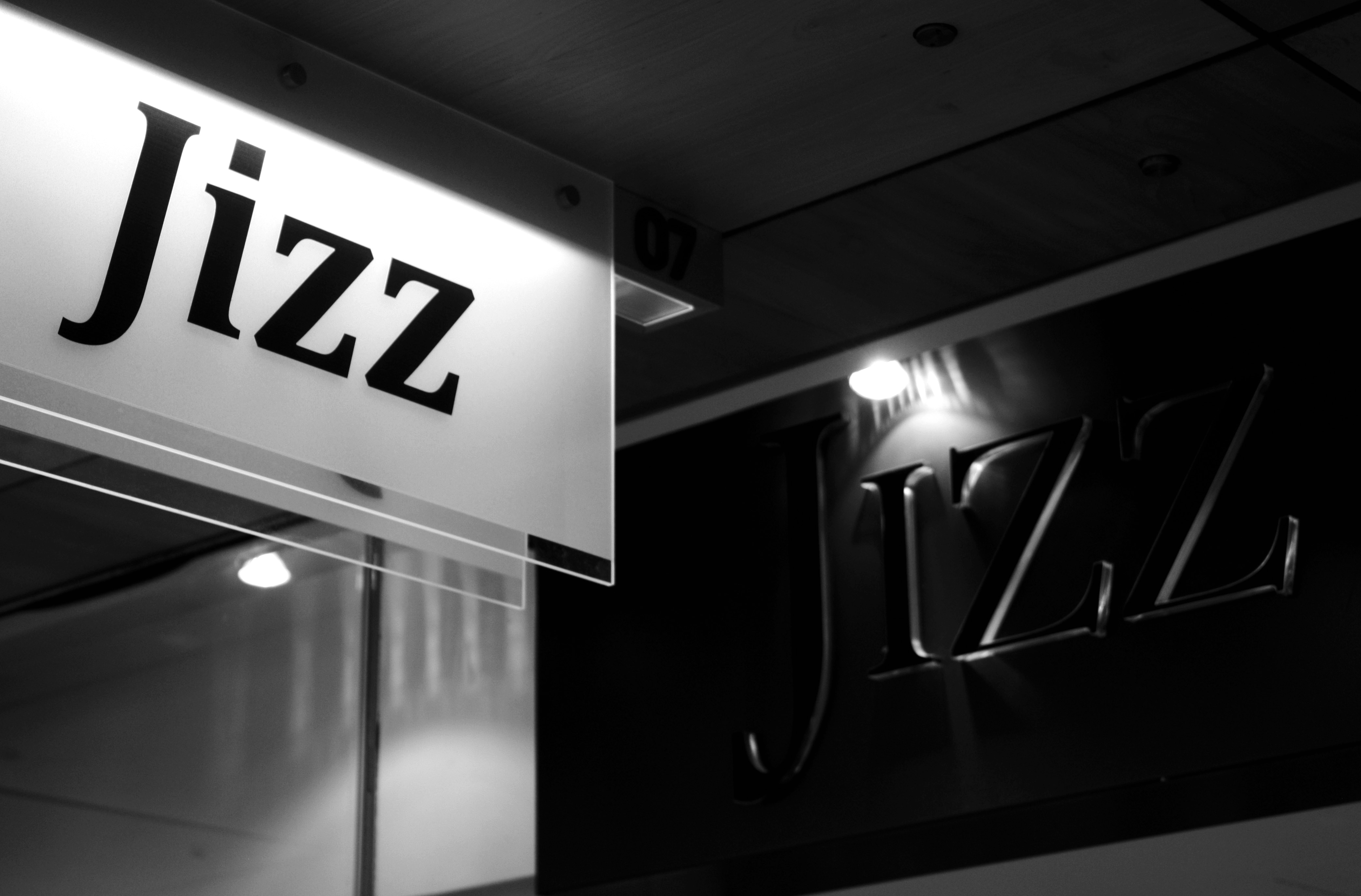
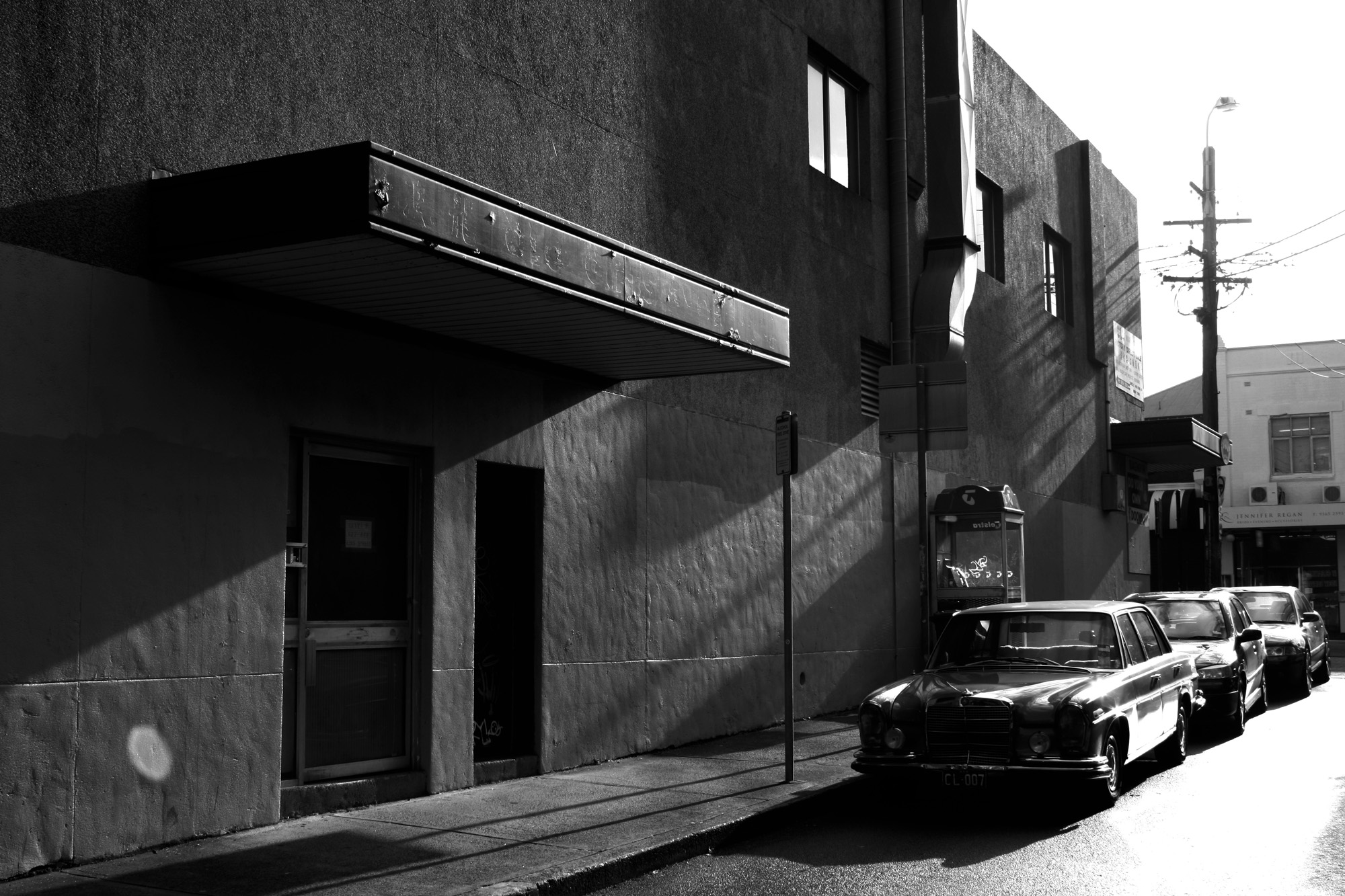
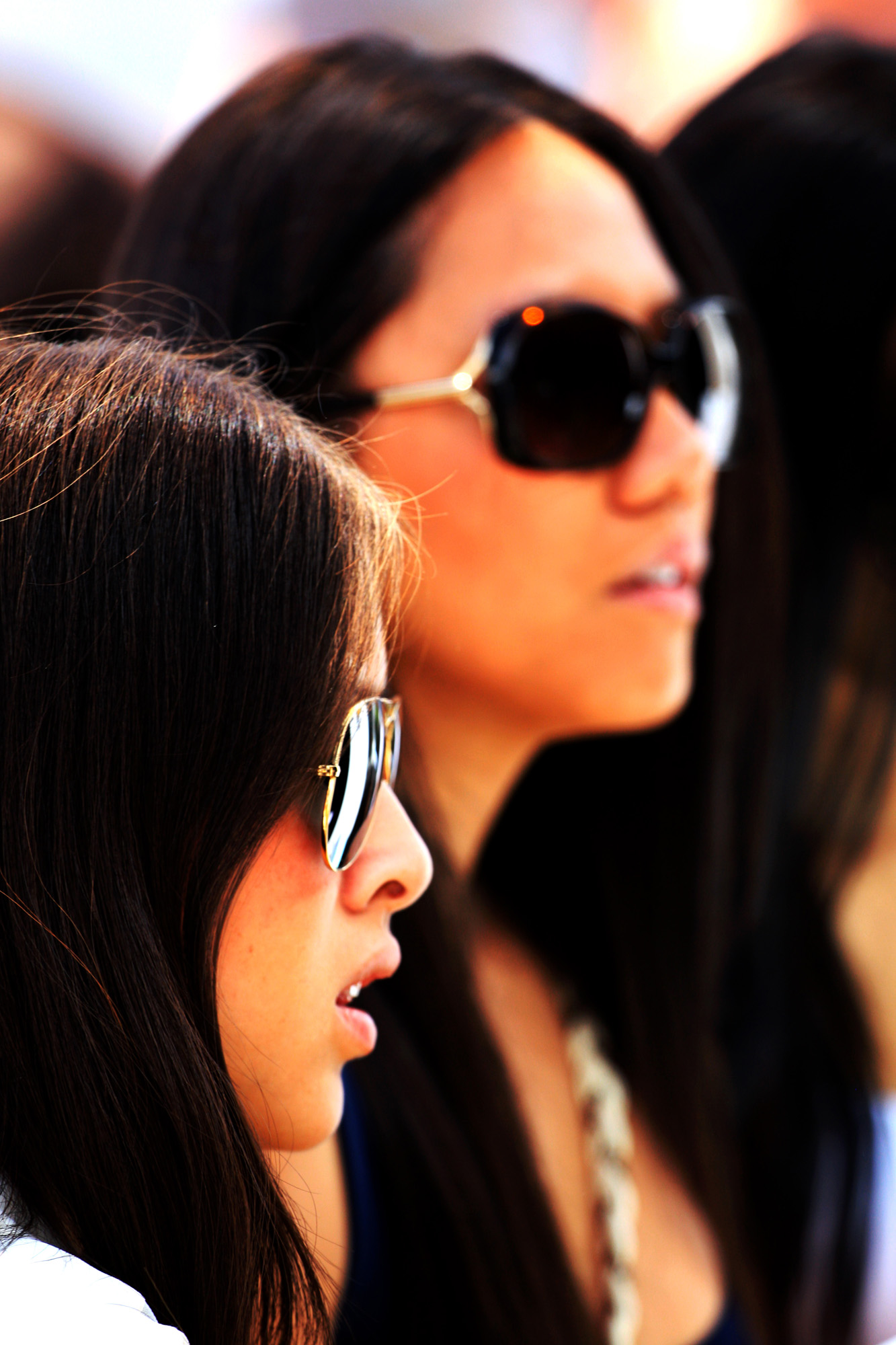
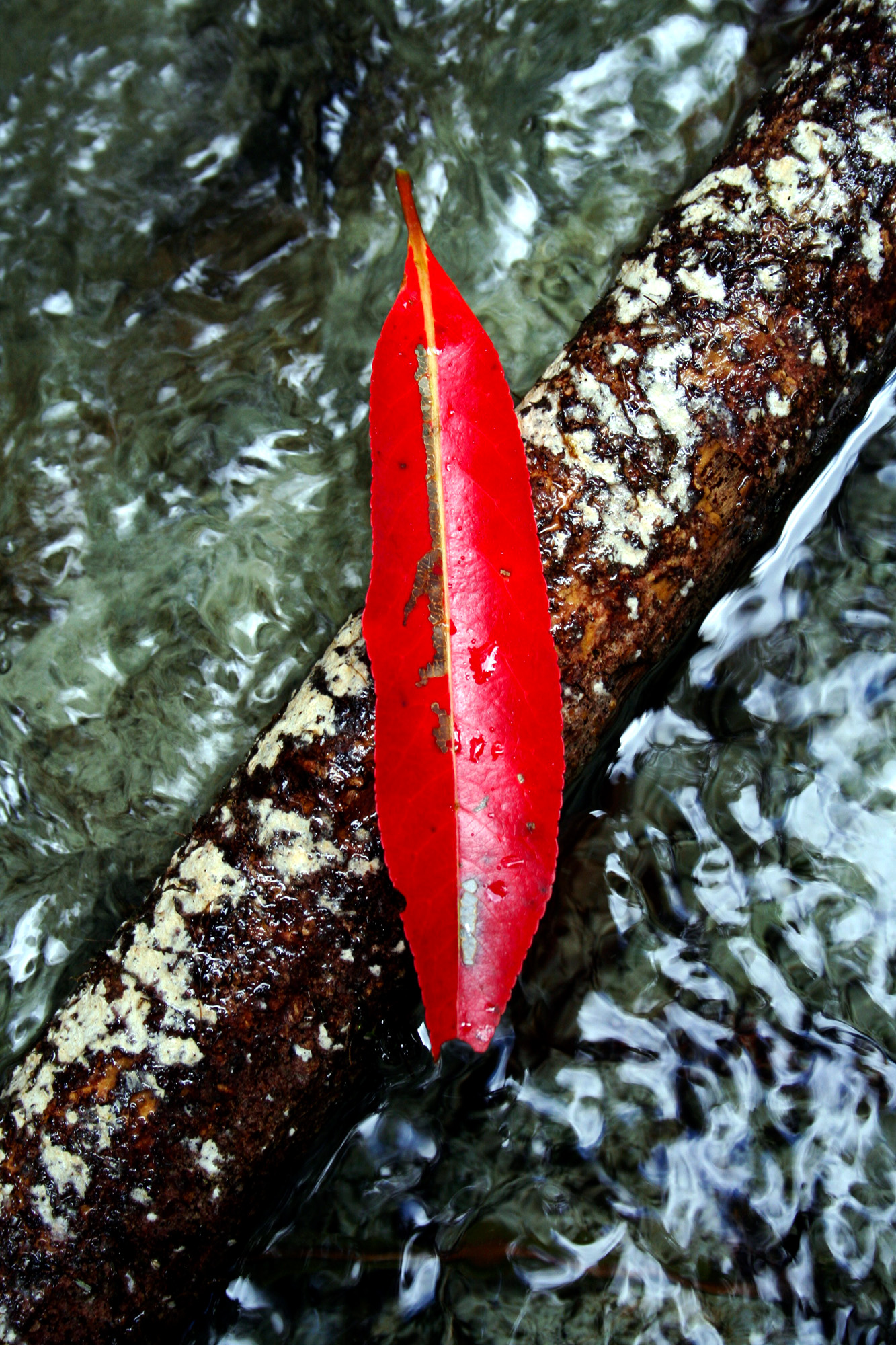
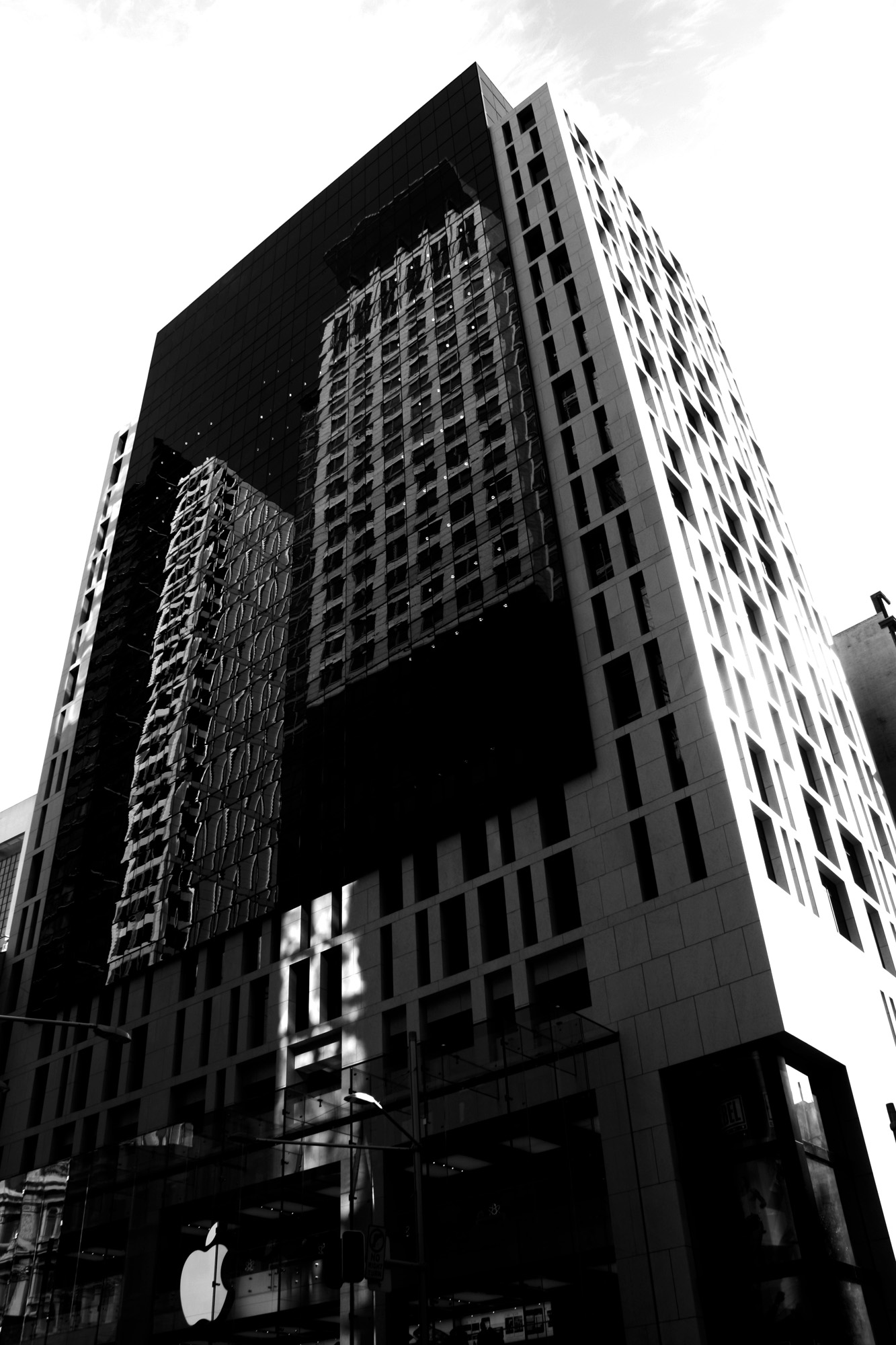
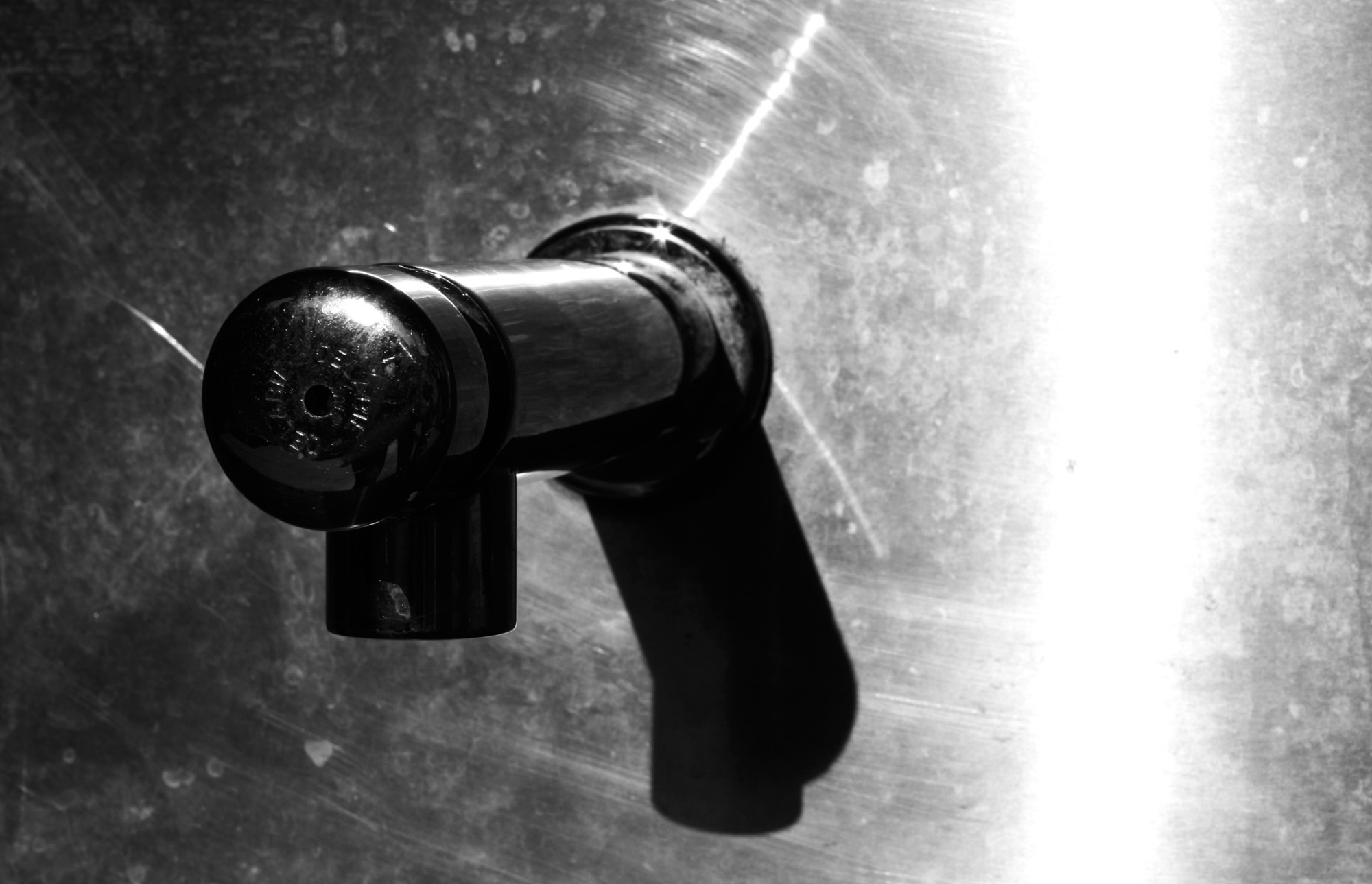
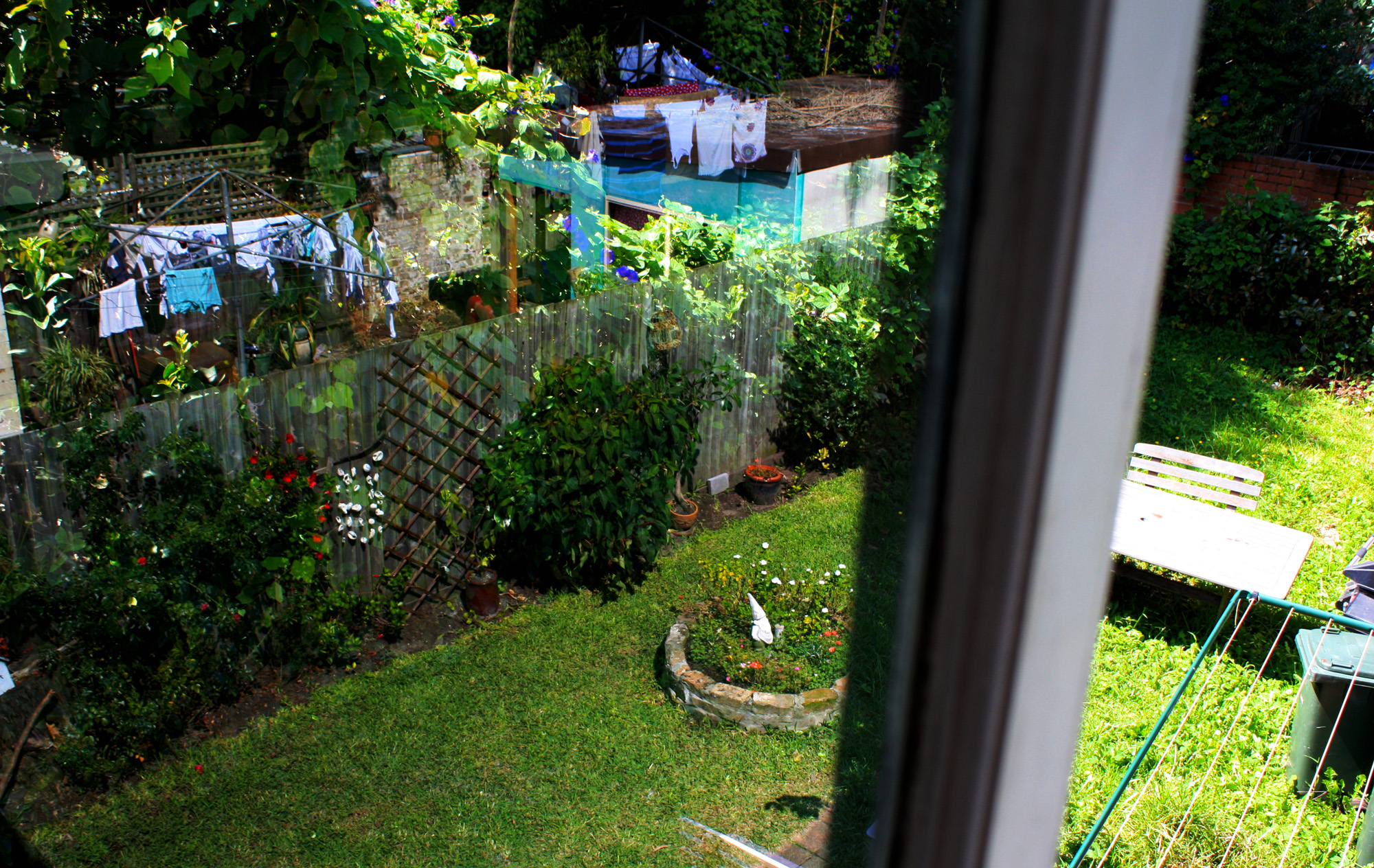
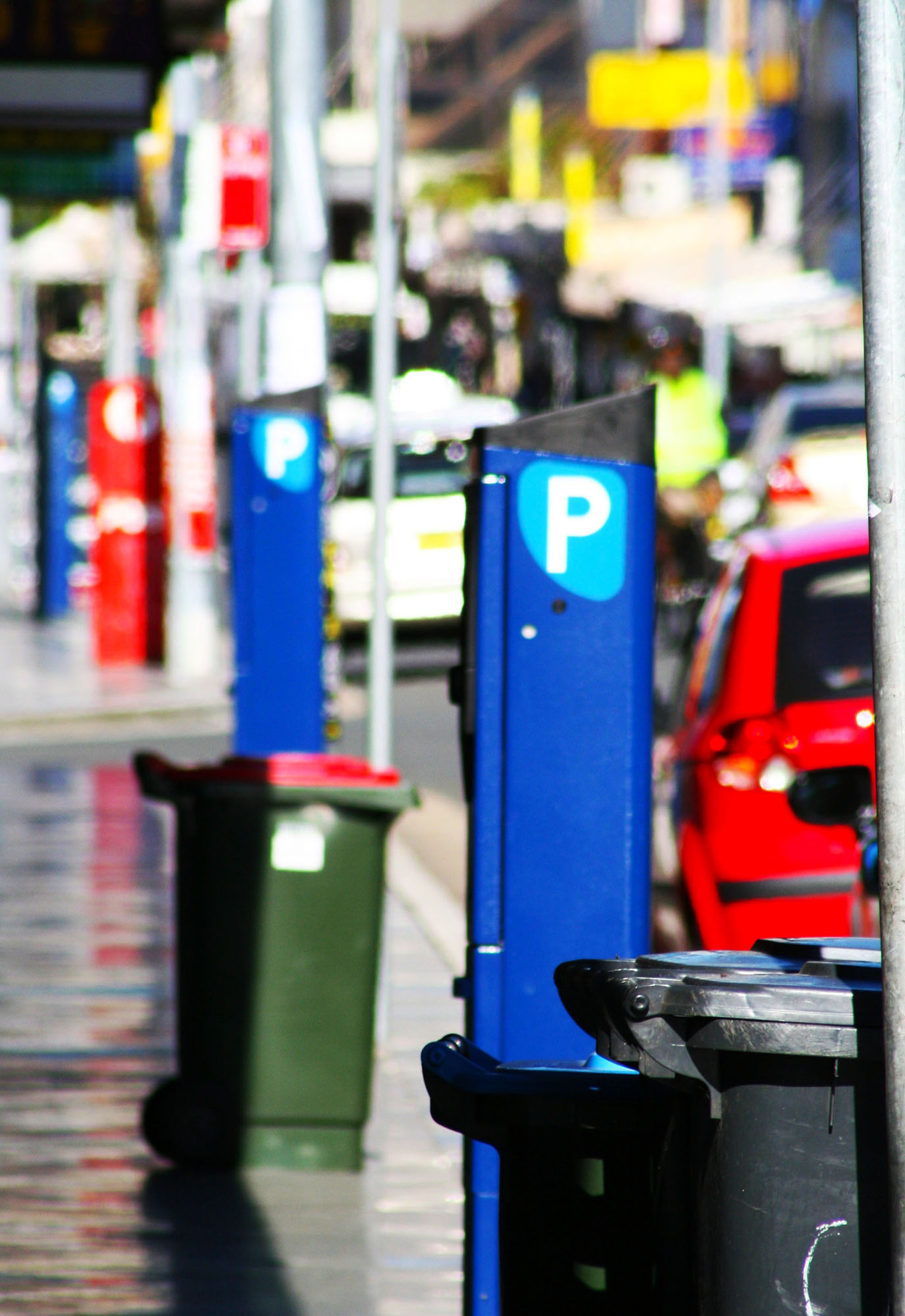
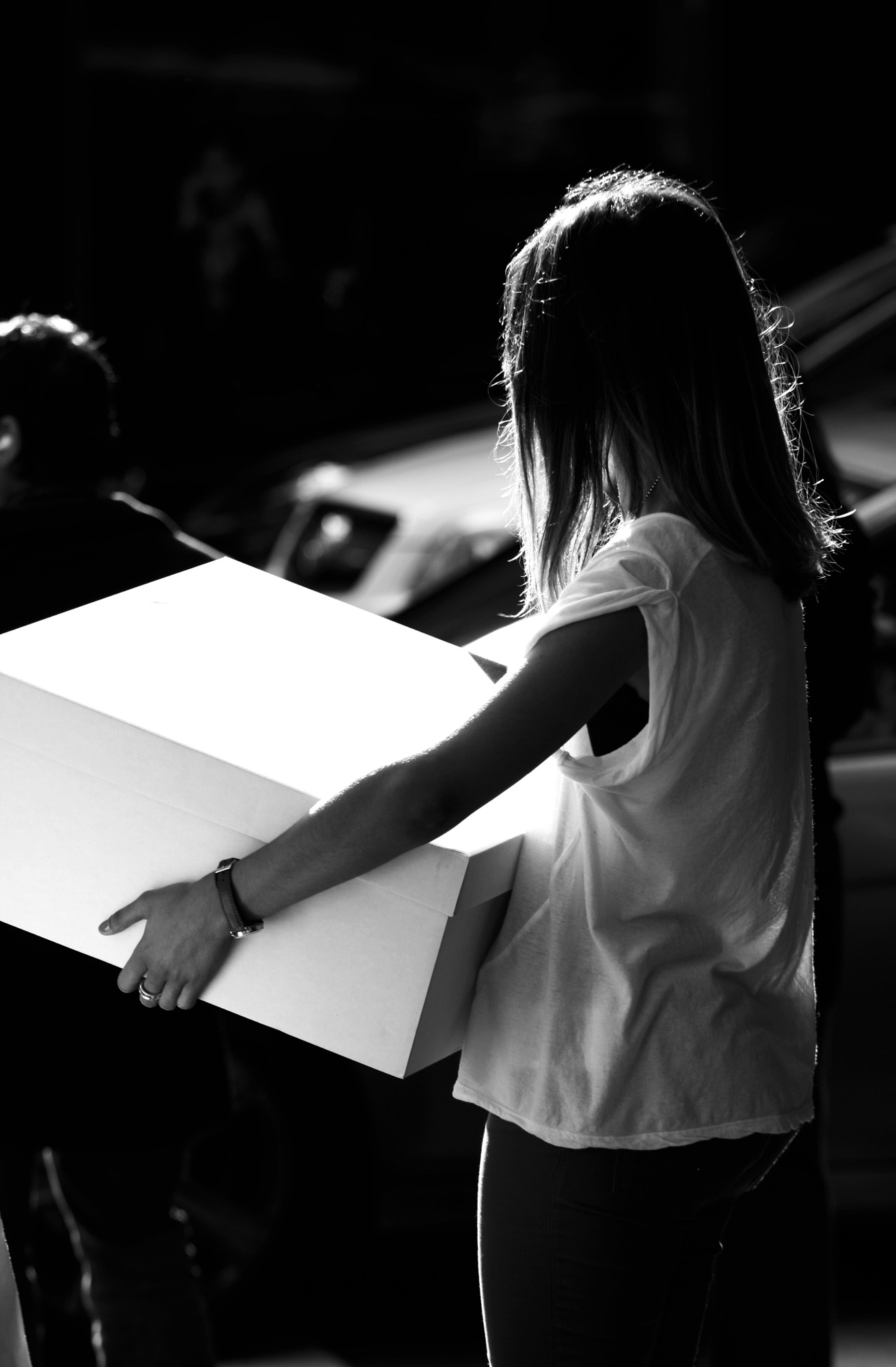
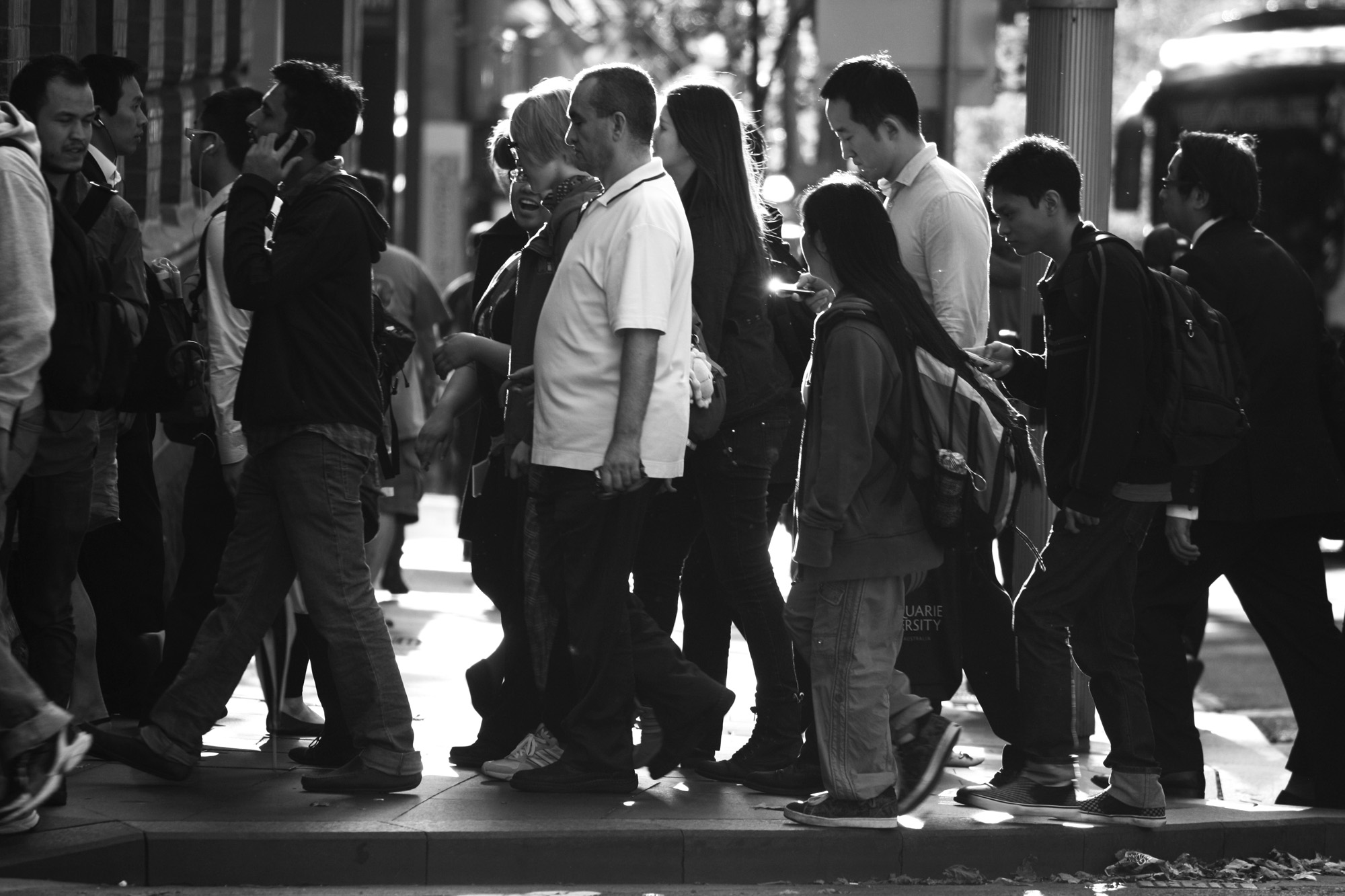
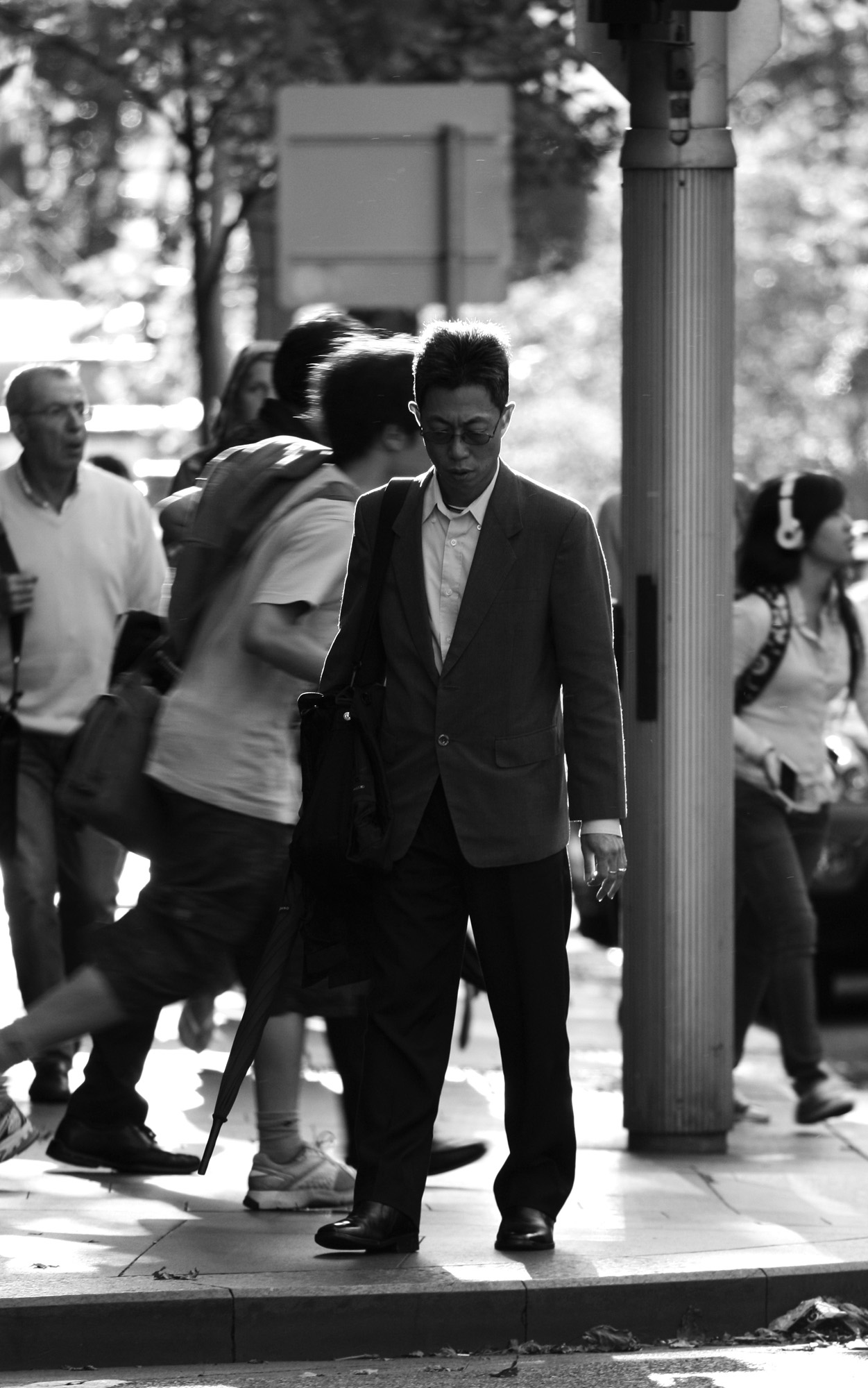
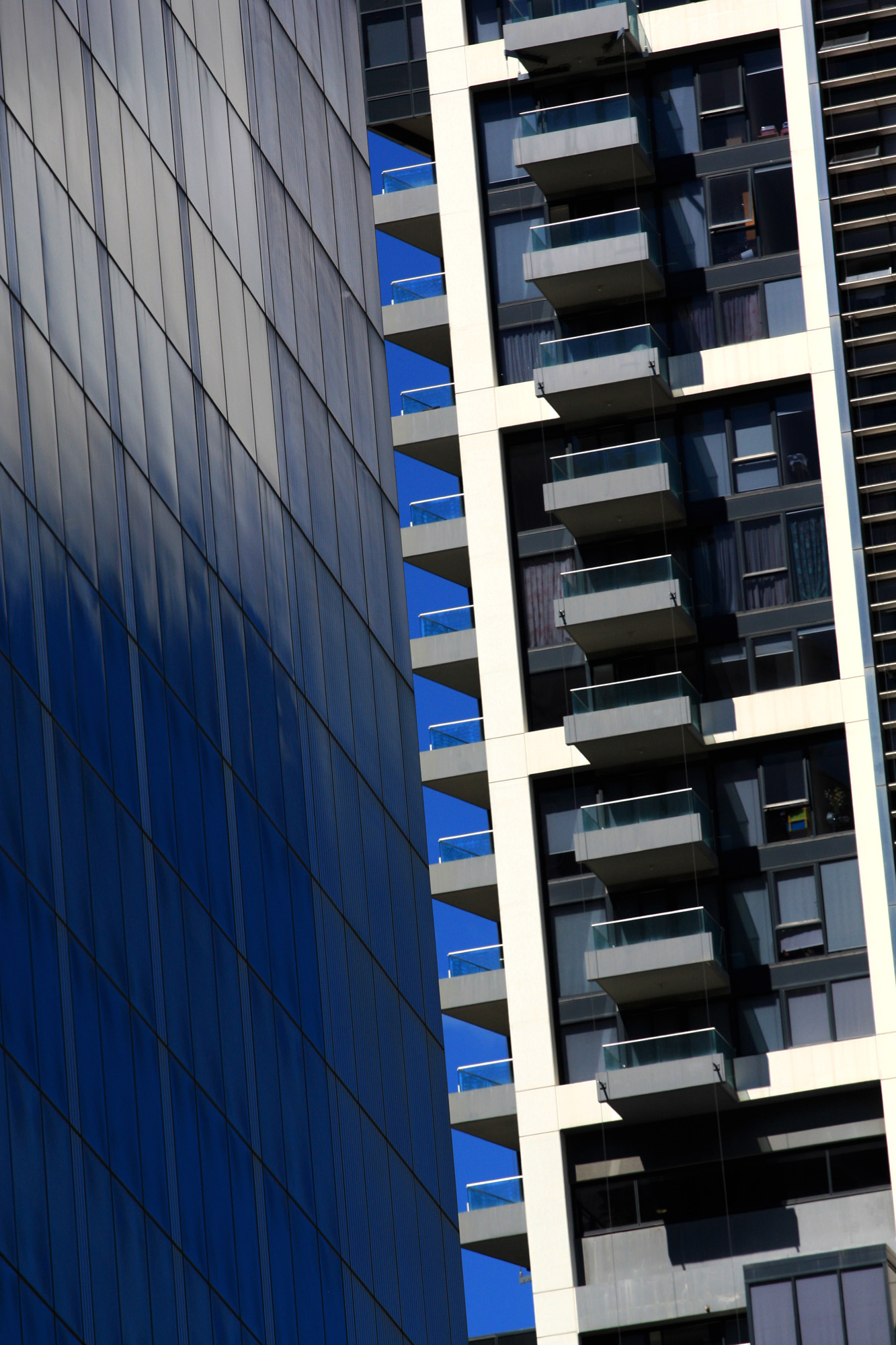
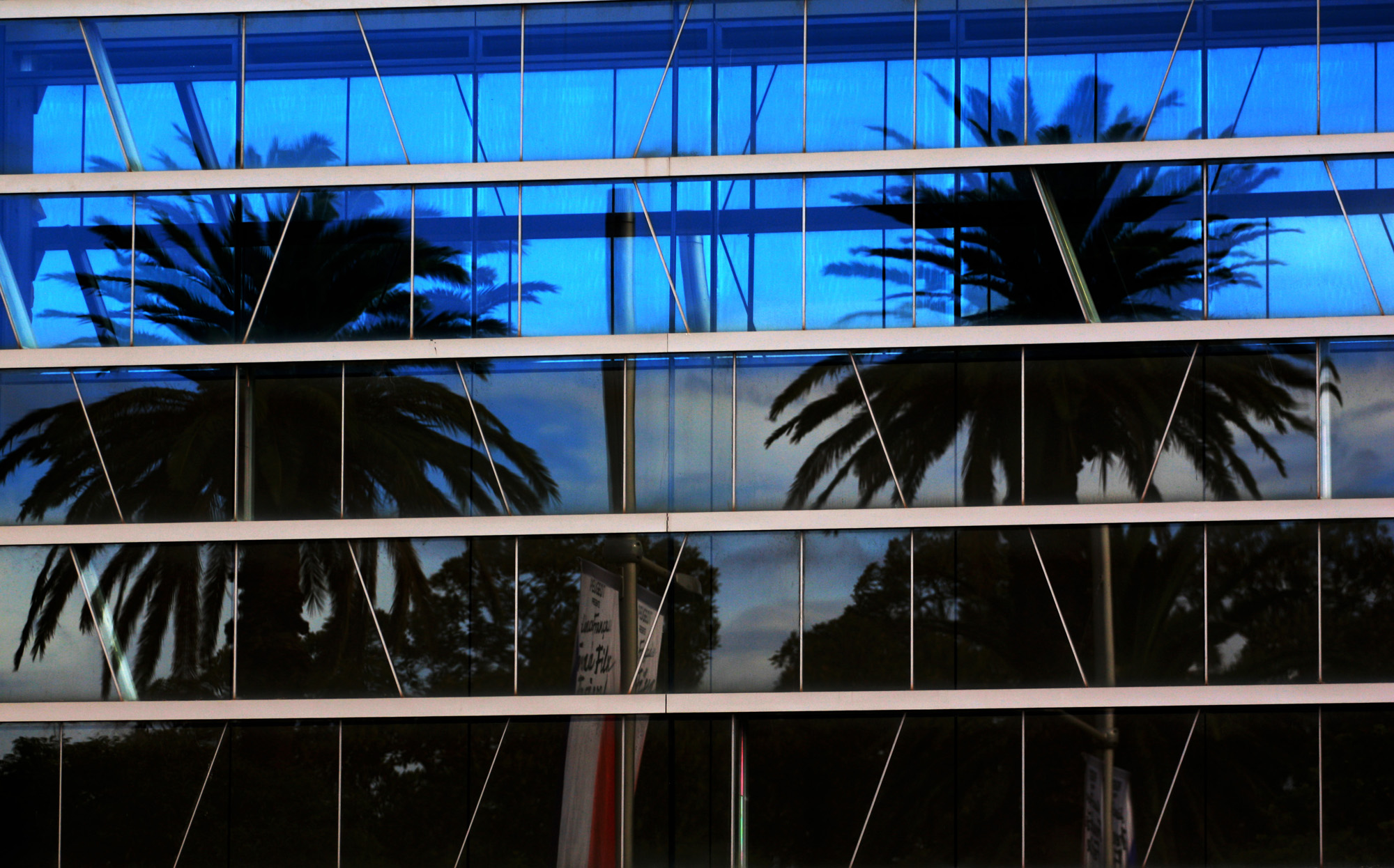
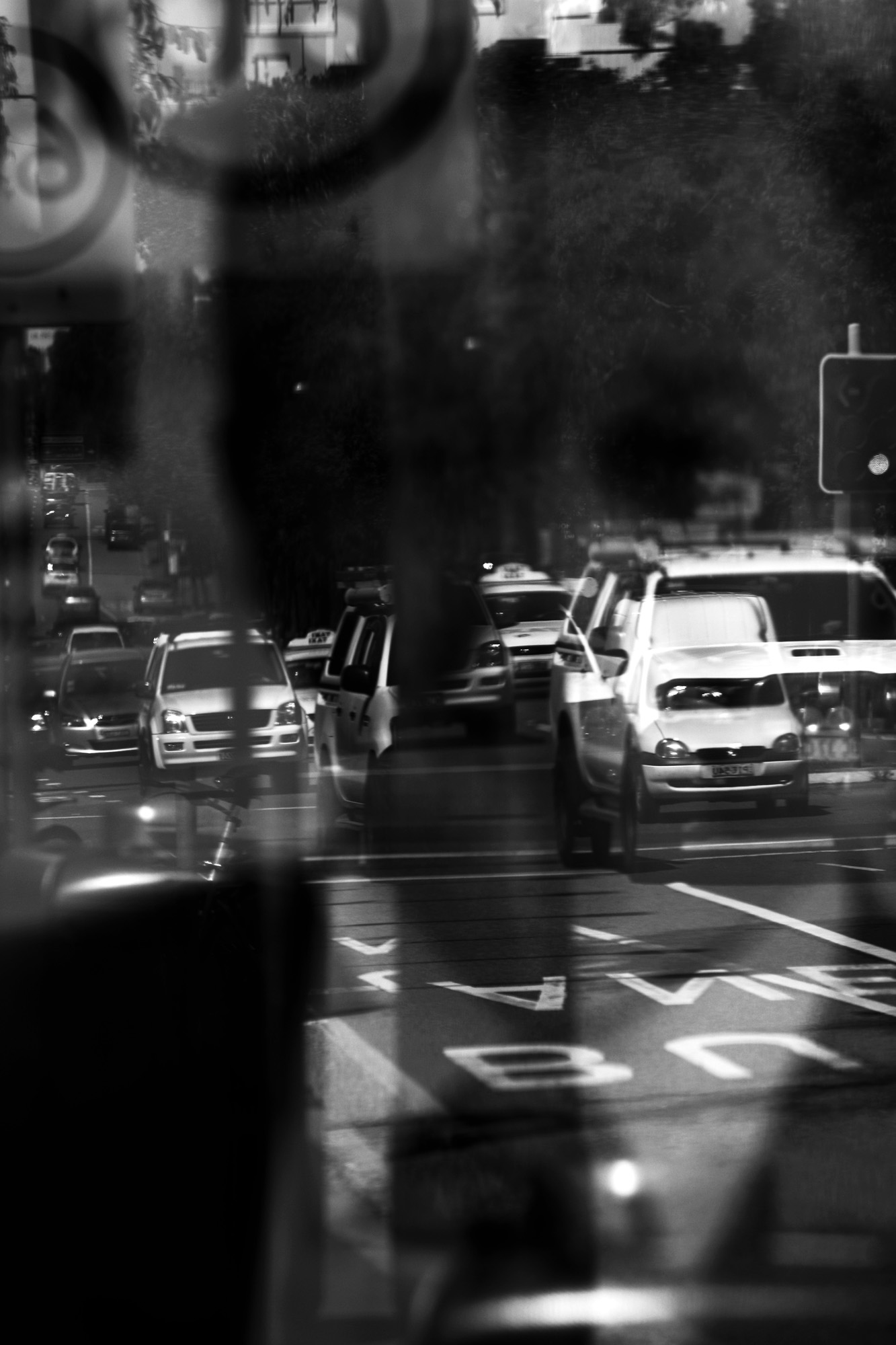
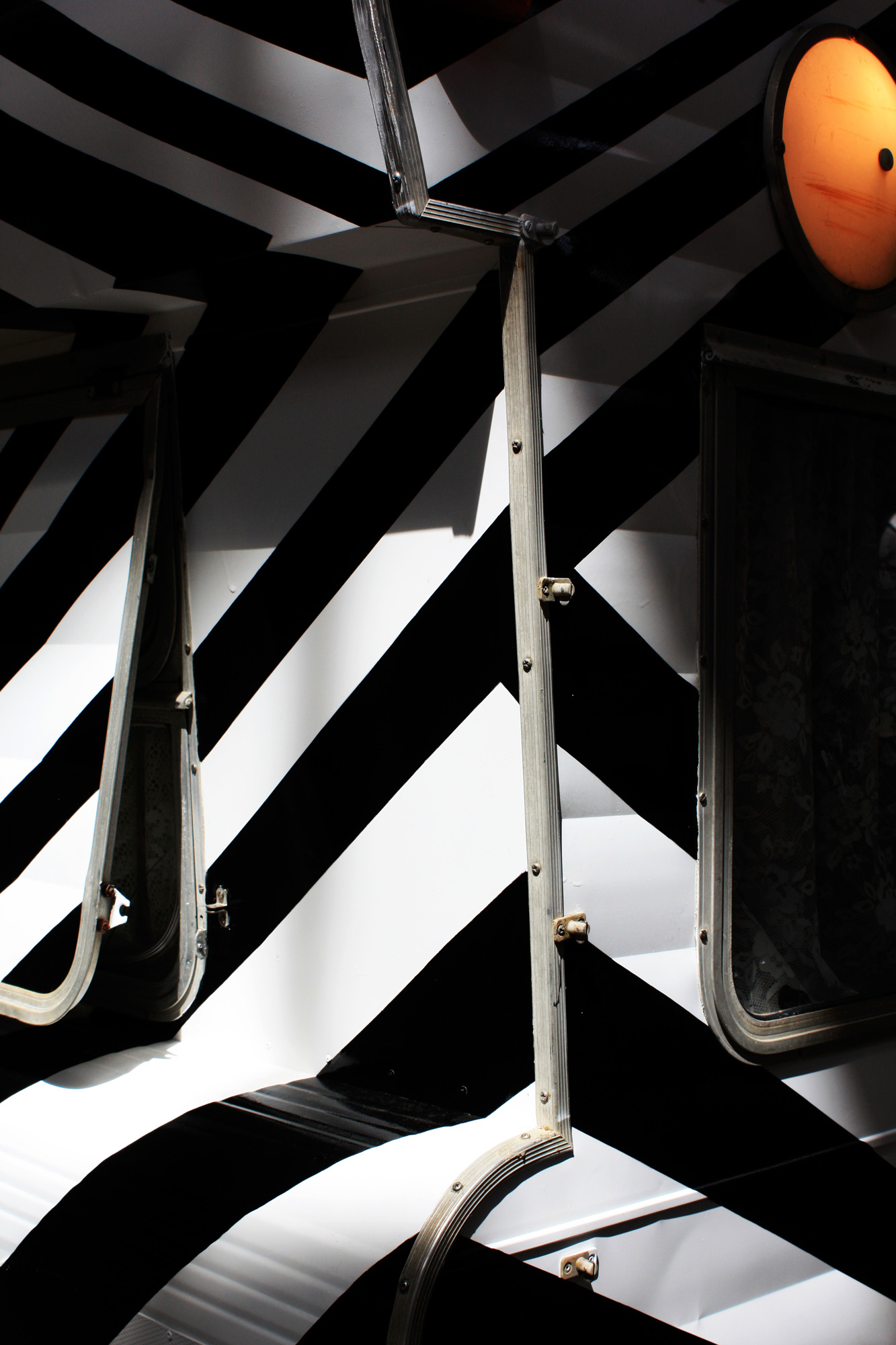
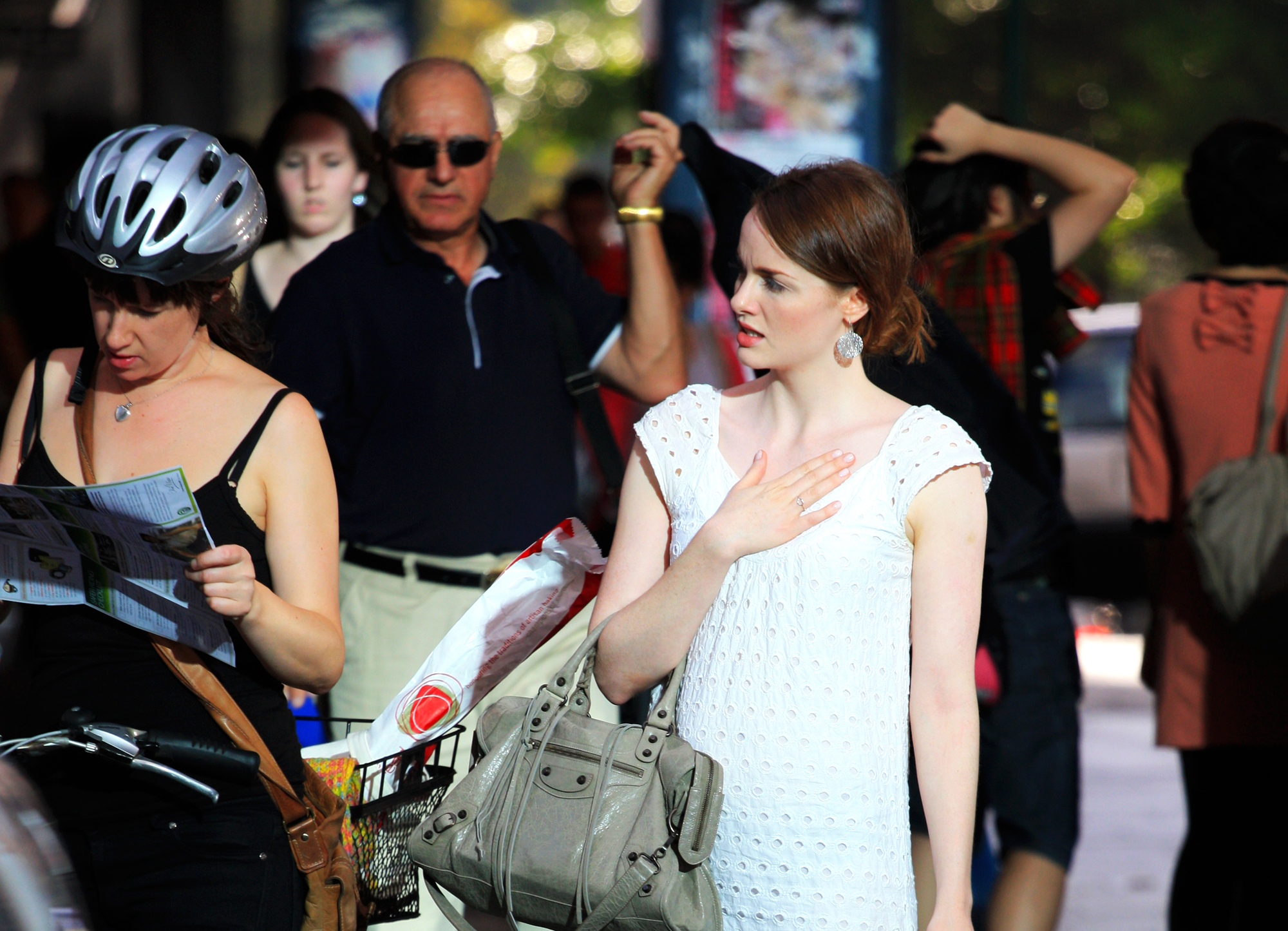
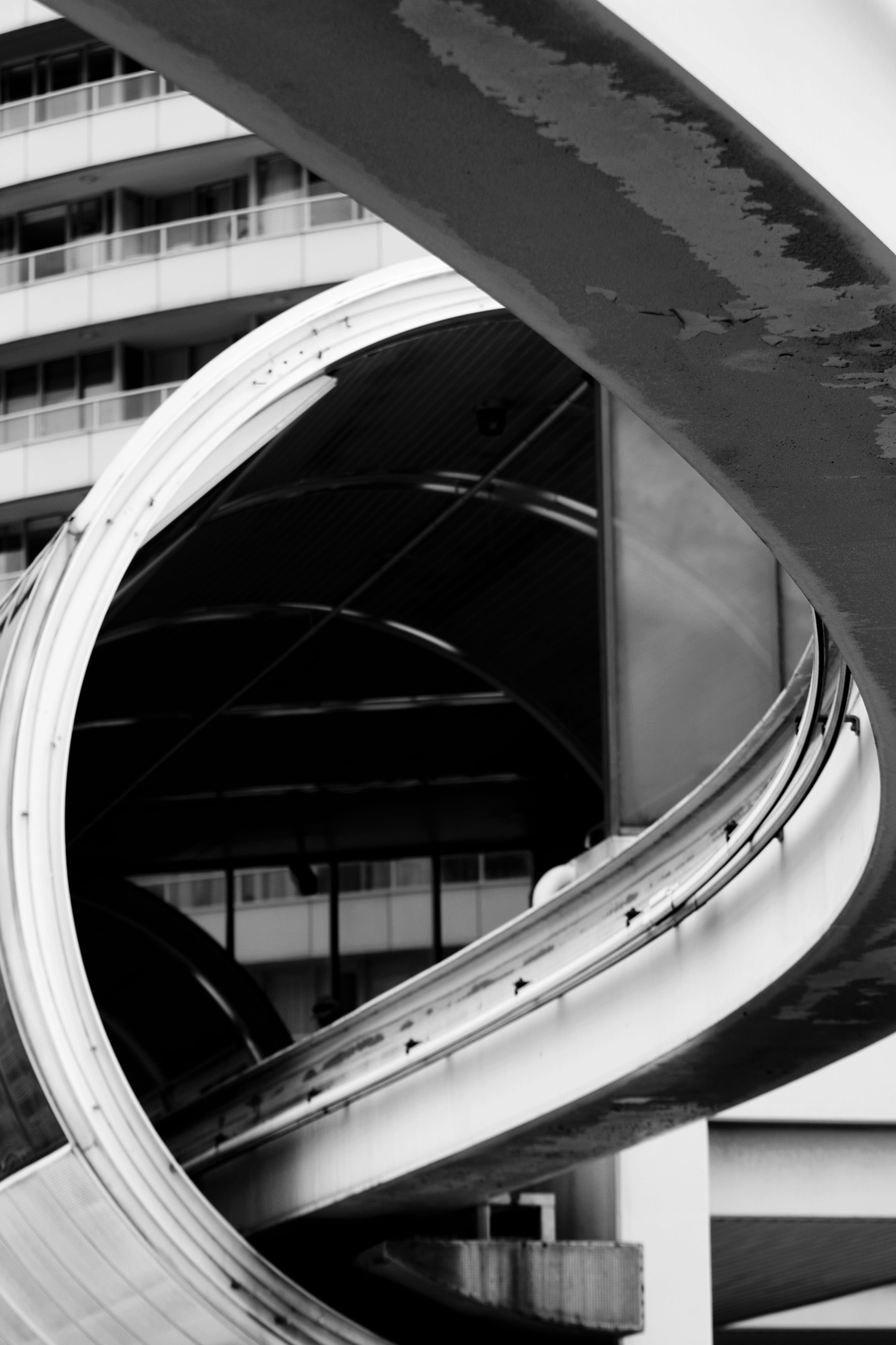
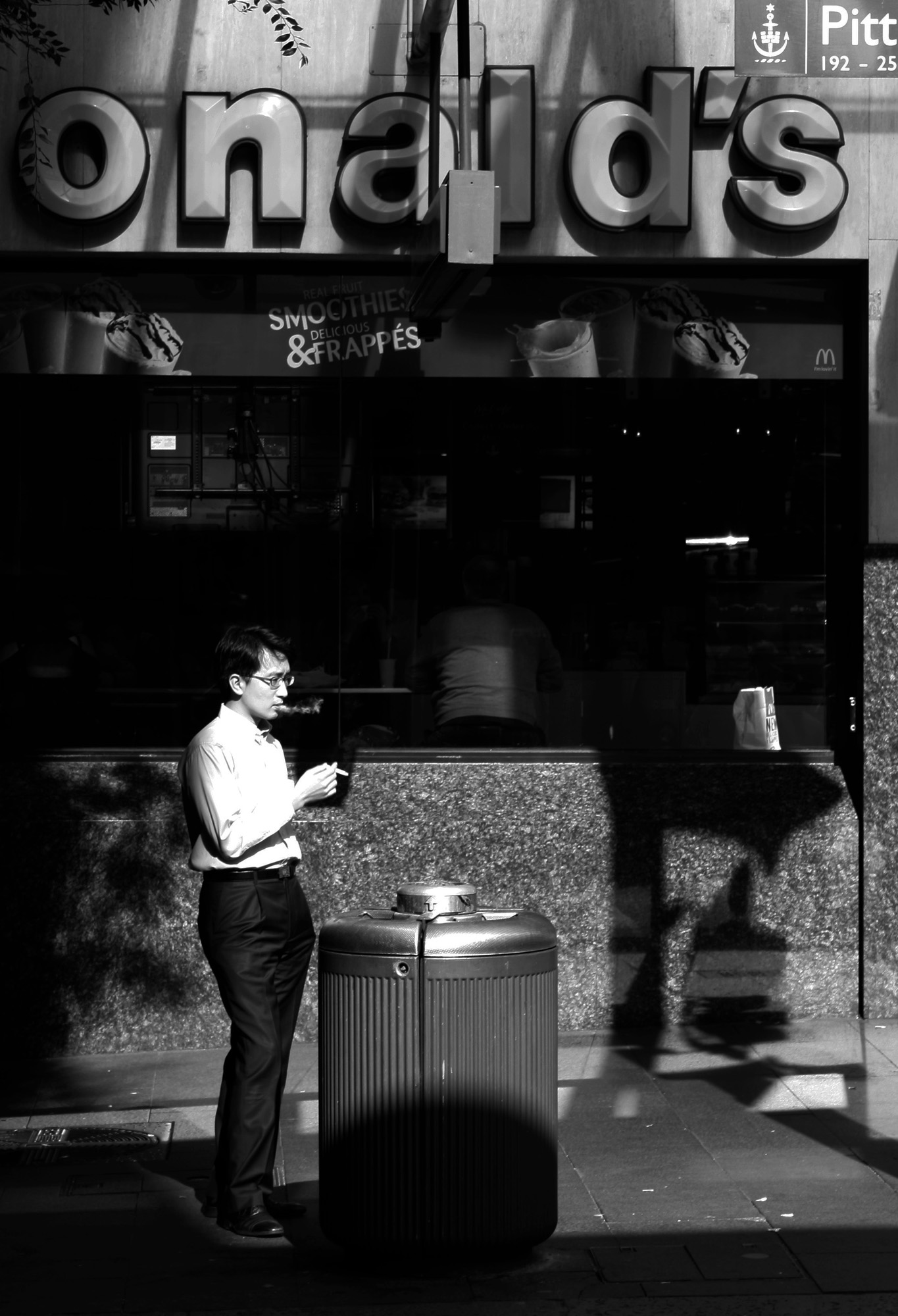
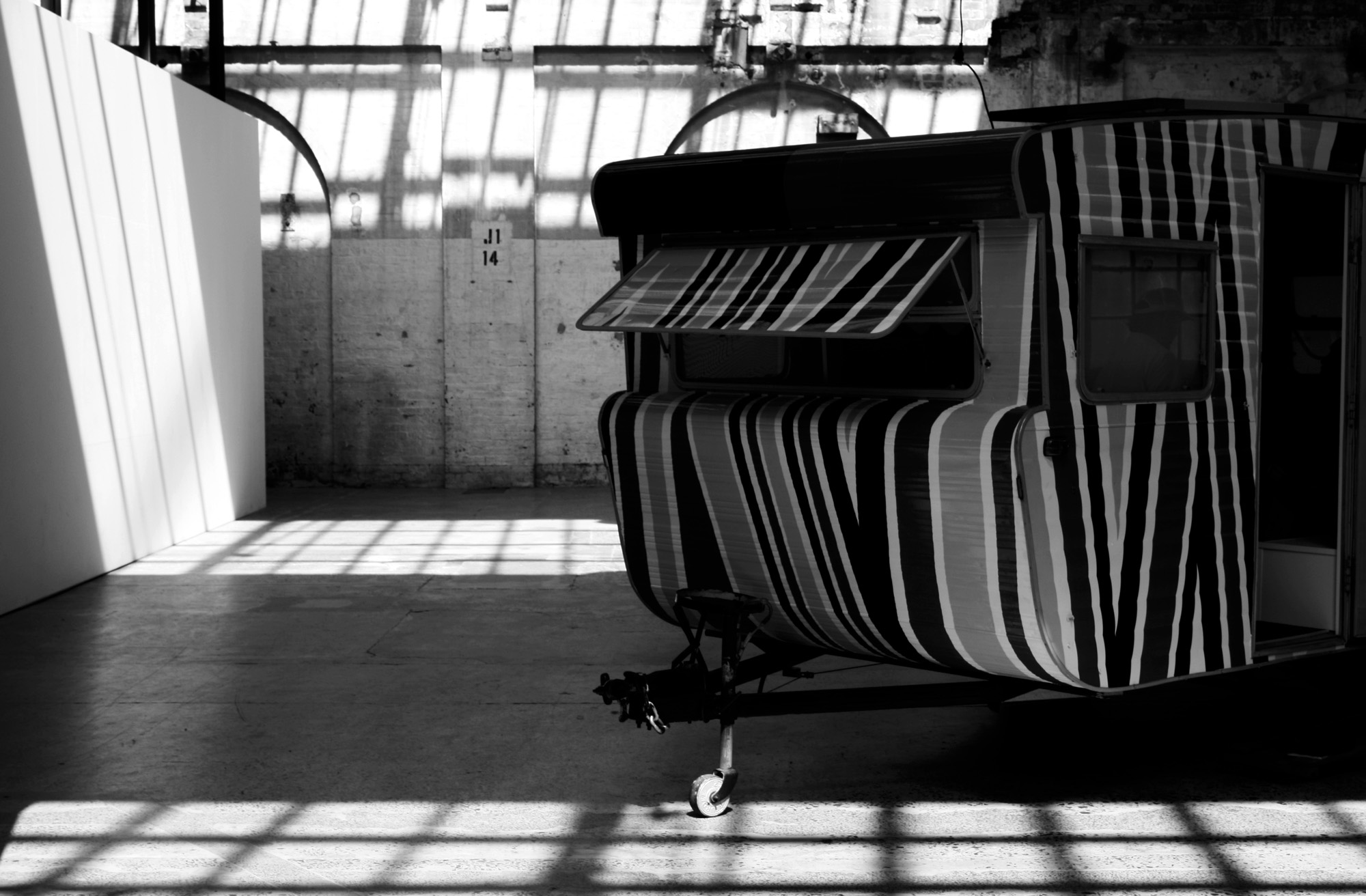
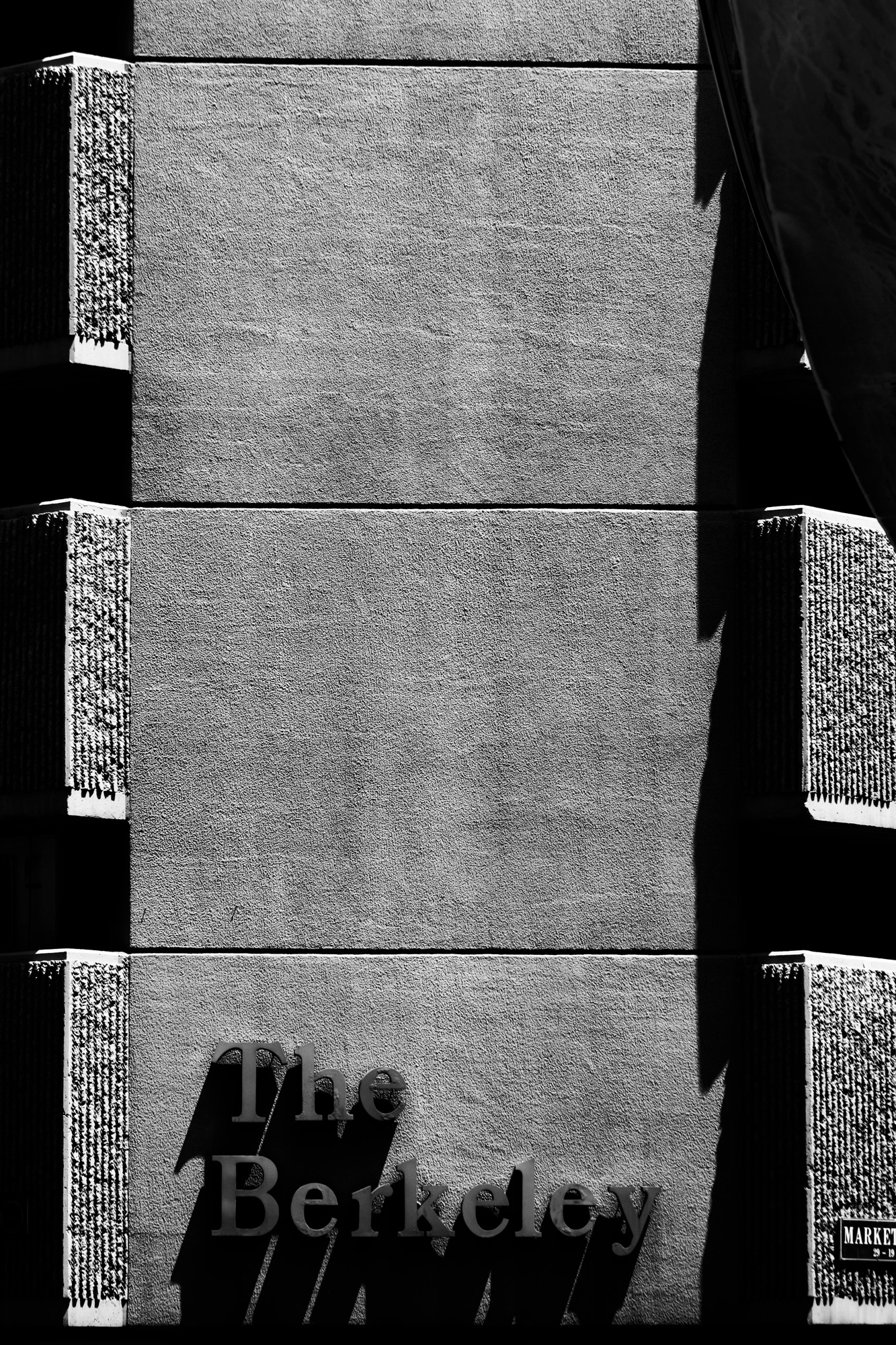
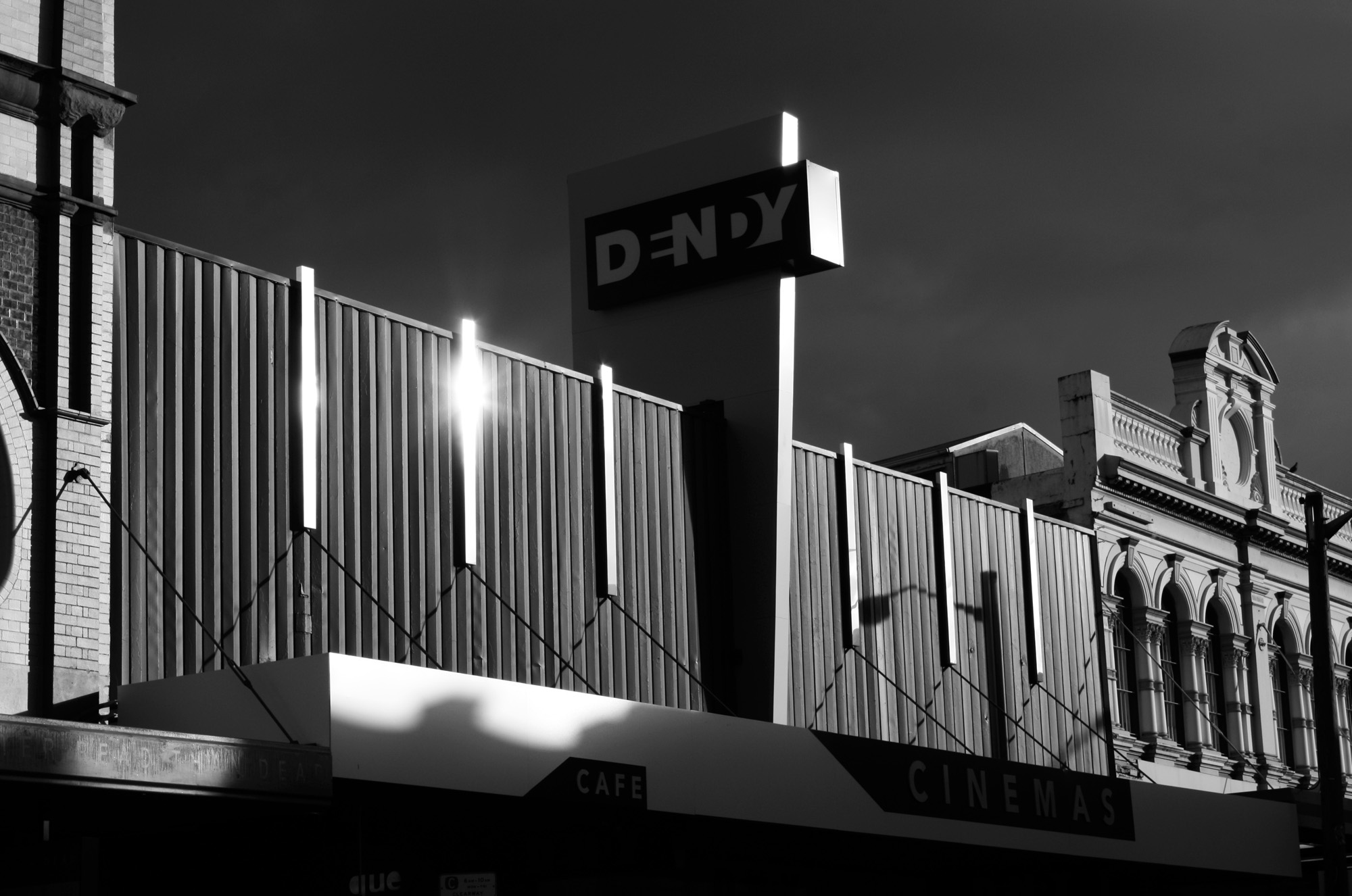
Have been enthusiastically photographing architecture again, some of which is reflected here. Equally, it must be said, I remain enthusiastic about photographing people – but it’s been nice for the last week to step away from the 200mm lens and keep things at bay. I’ve included some older photographs in this collection, which is really a sort of latter day enthusiasm for summer. Lately the weather has been lovely and crisp – a perfect March of mild heat and cool shadows, with now some extra bite. Going to the beach quite a lot recently has been very uplifting and generally everything seems positive. I suppose that too is reflected here, which is indicative of a softer, happier mood. Go well!

















Posted in Photography, Sydney on March 17, 2012| 7 Comments »
Posted in Photography, Sydney on March 10, 2012| 1 Comment »


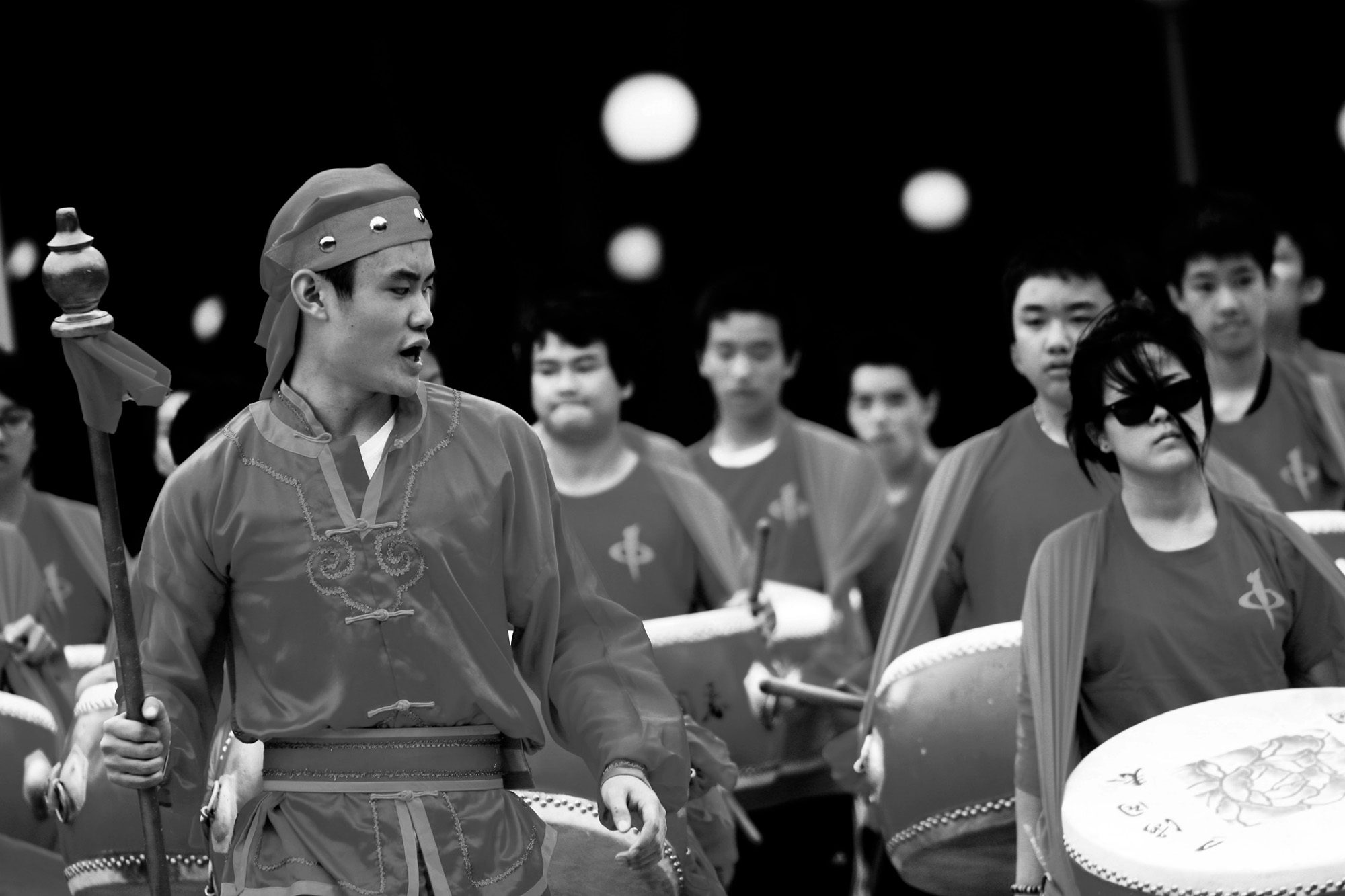
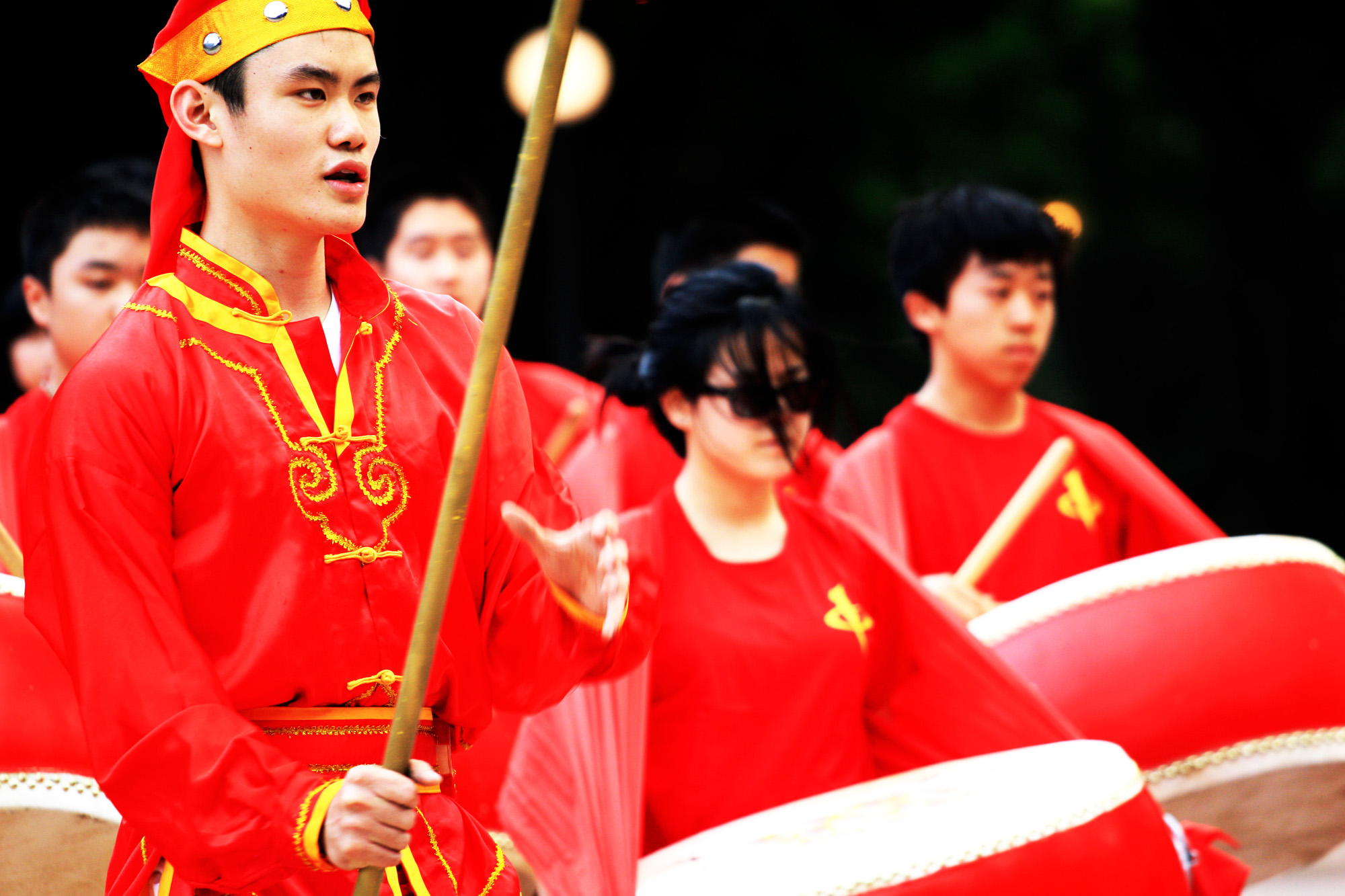


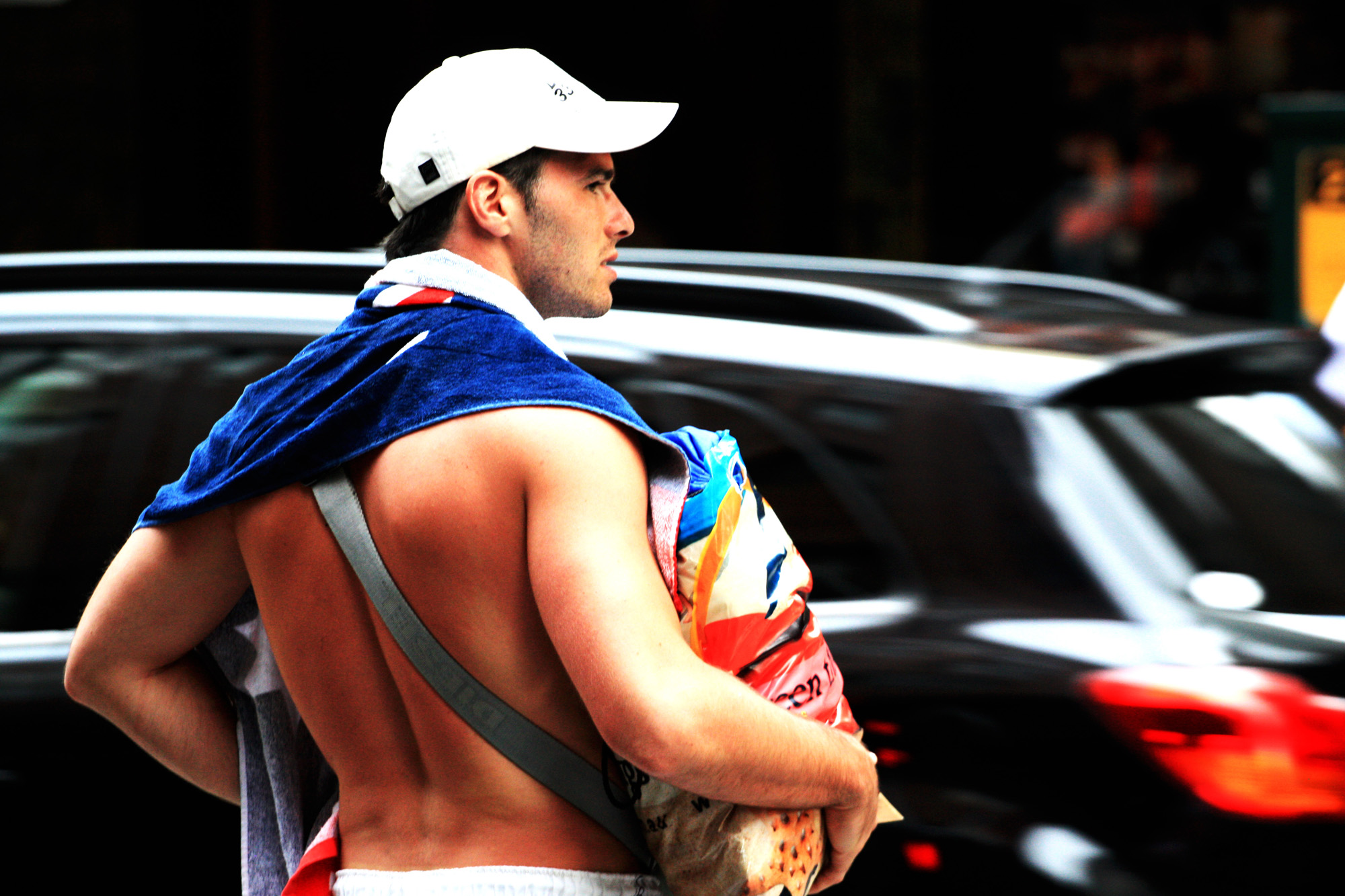
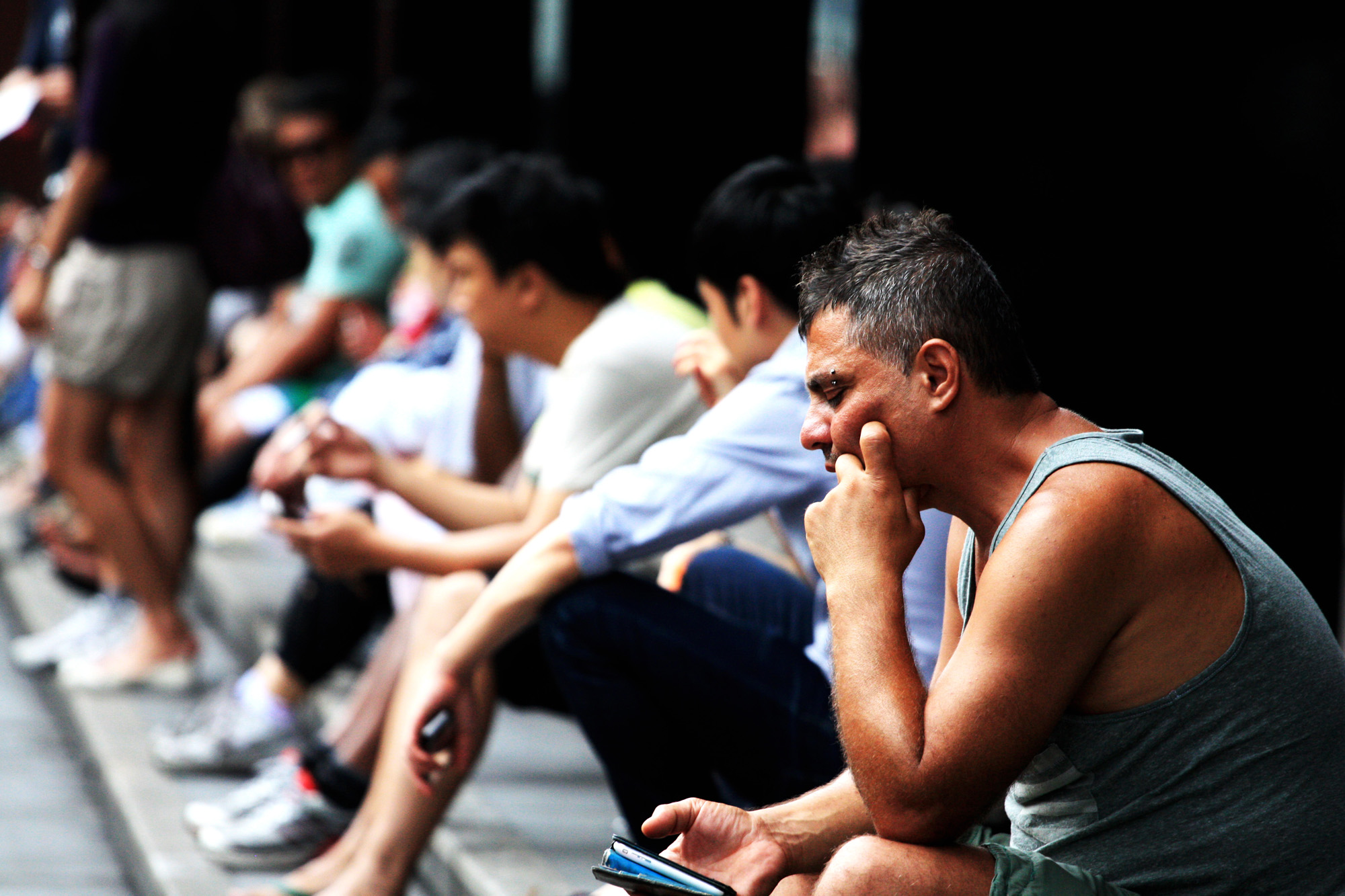
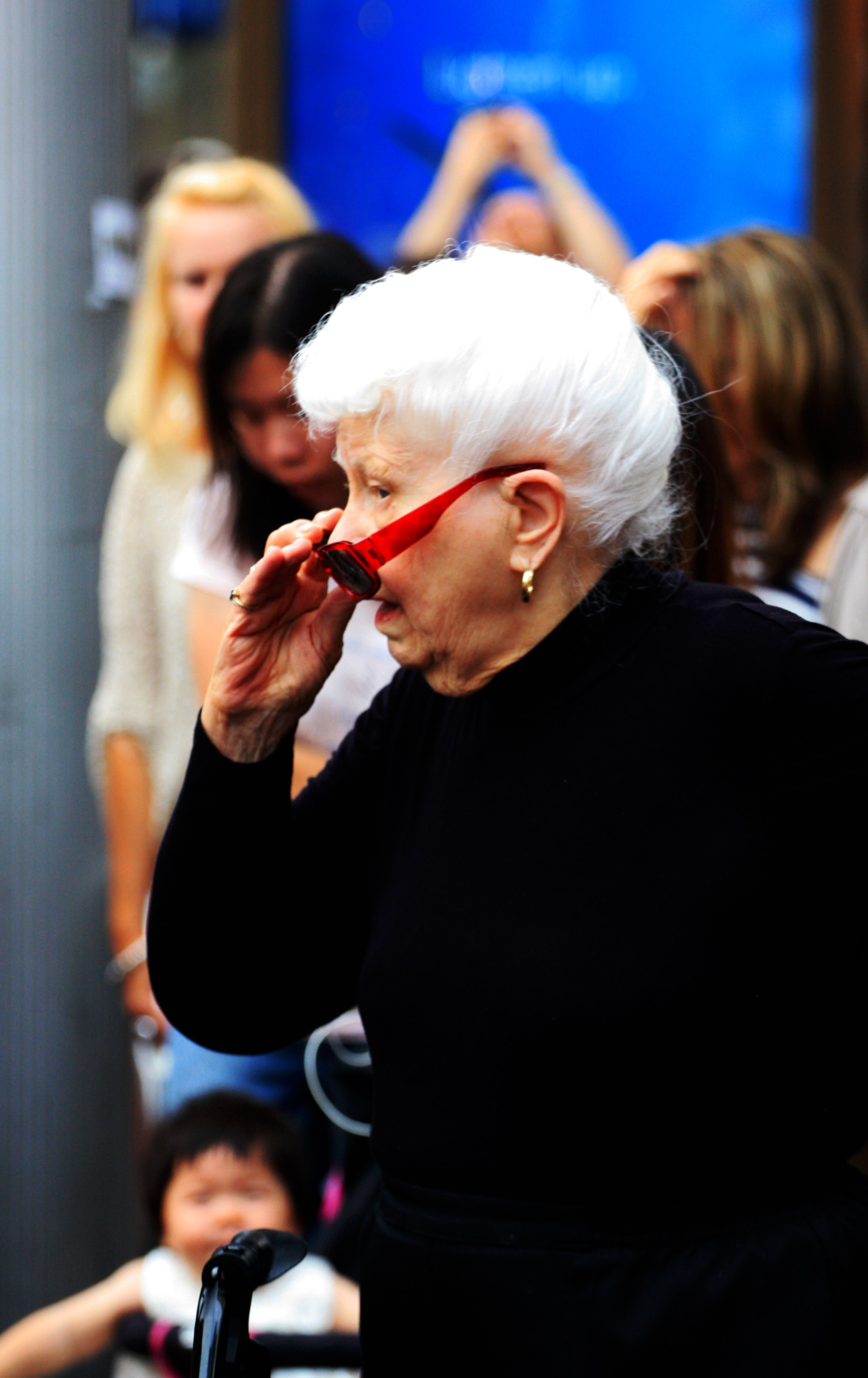
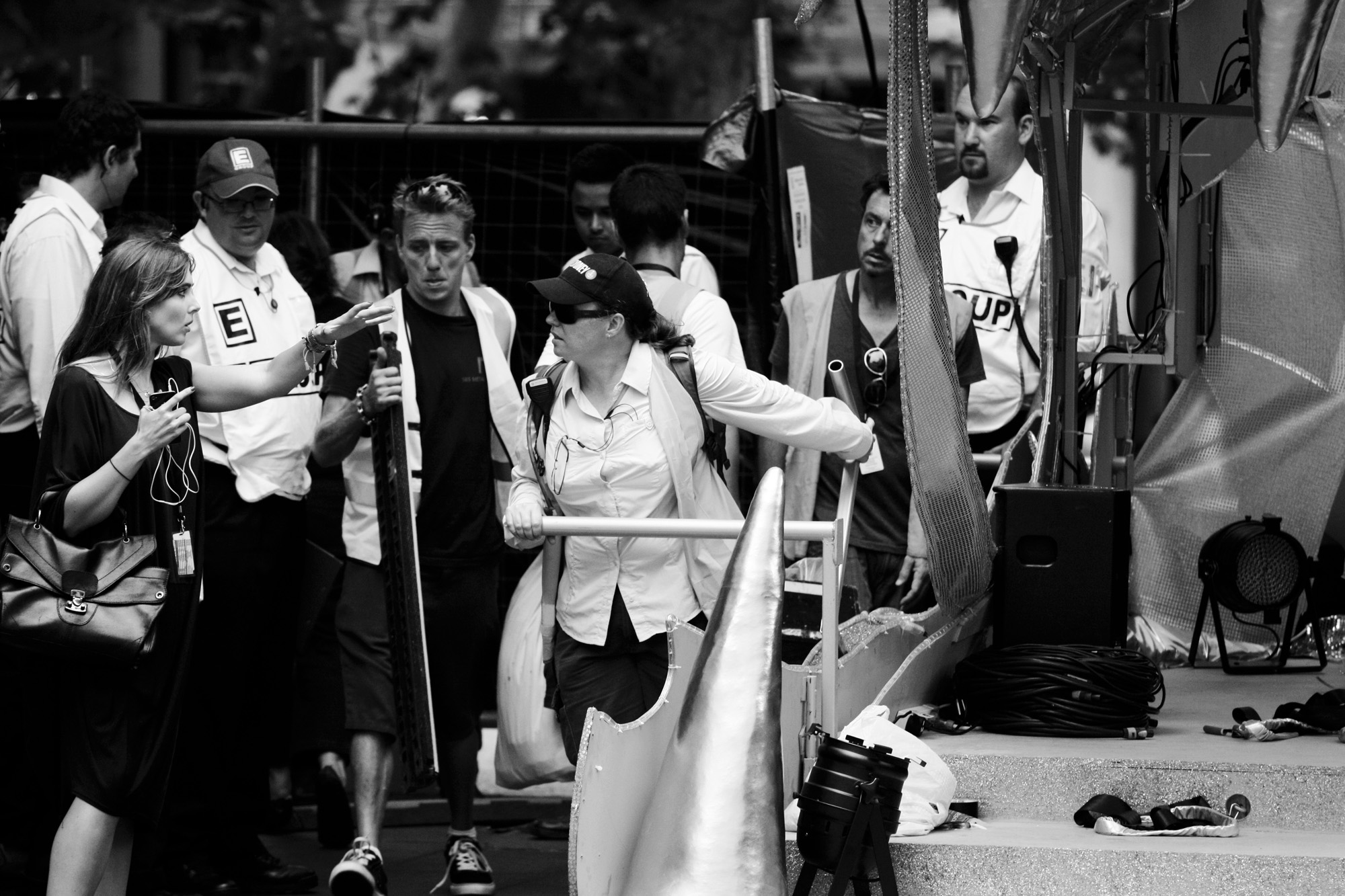


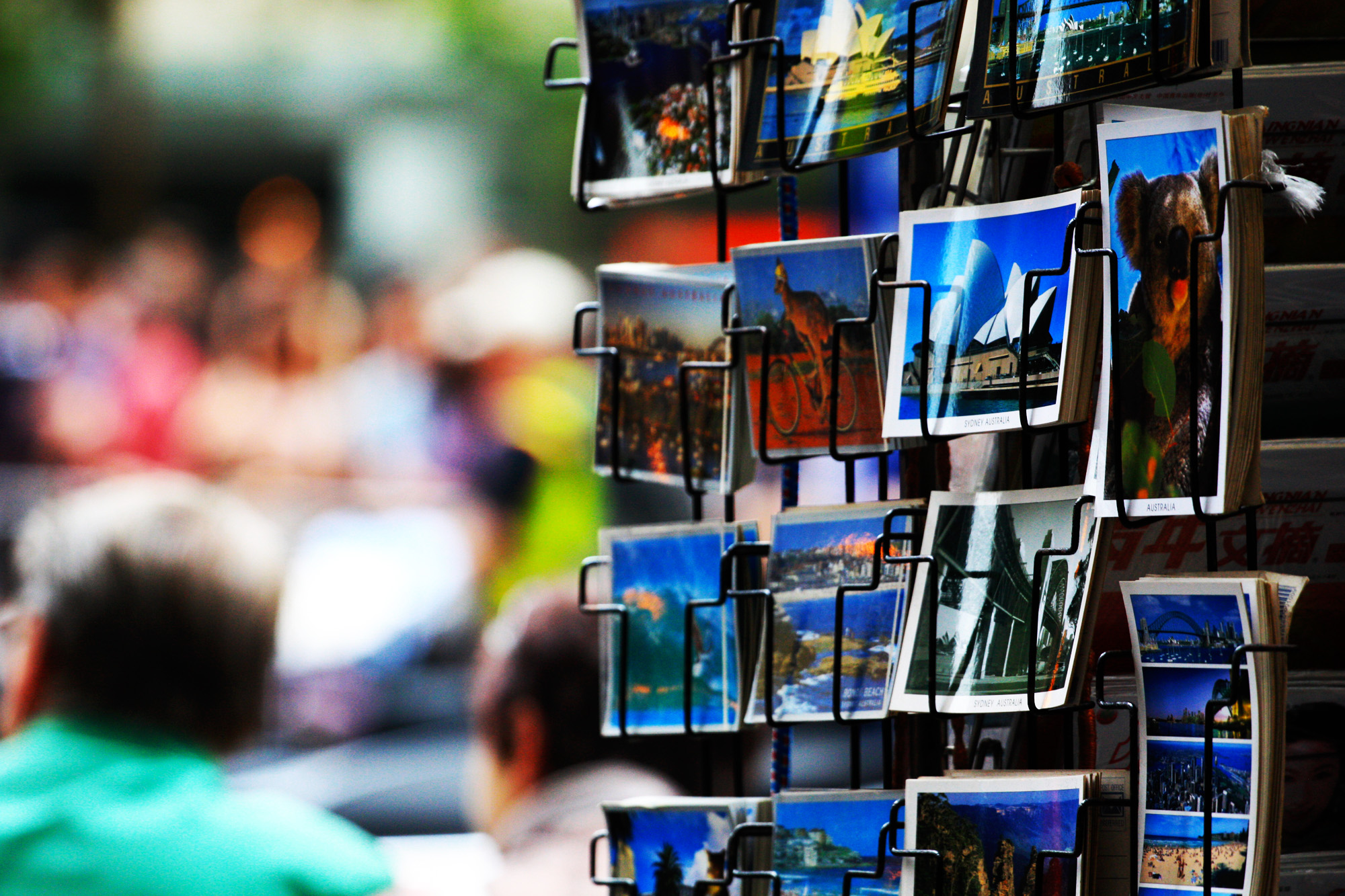

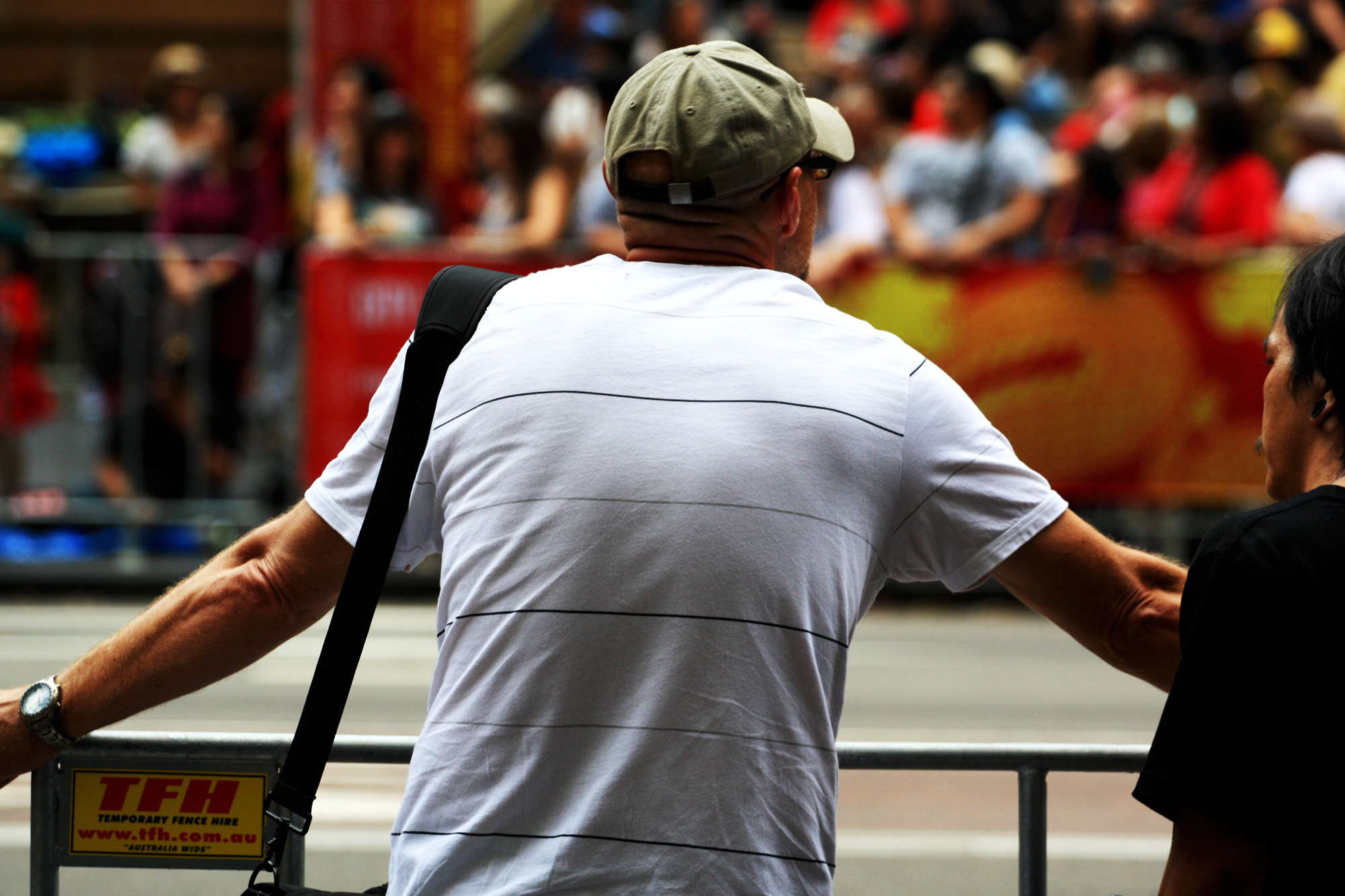


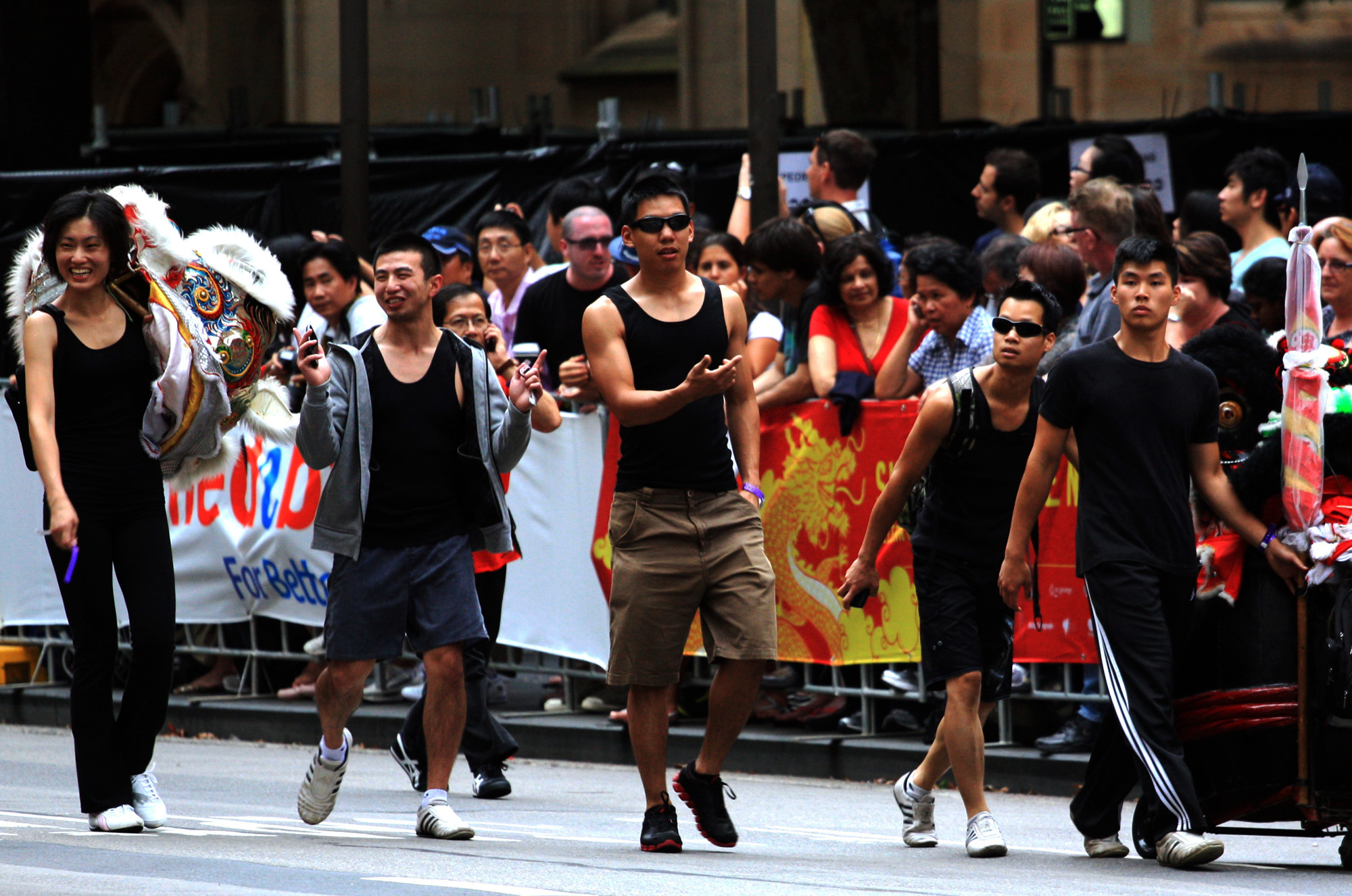


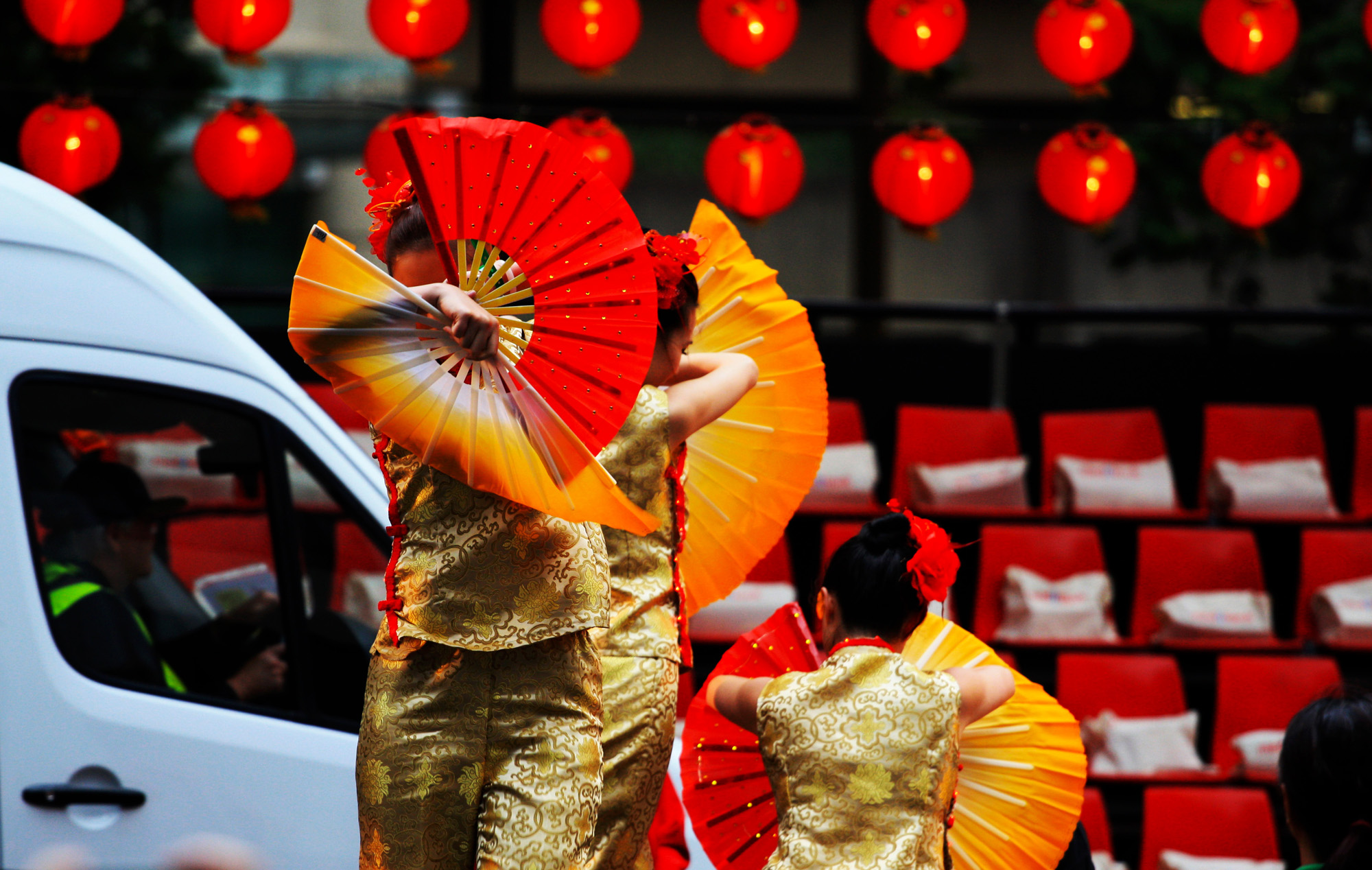
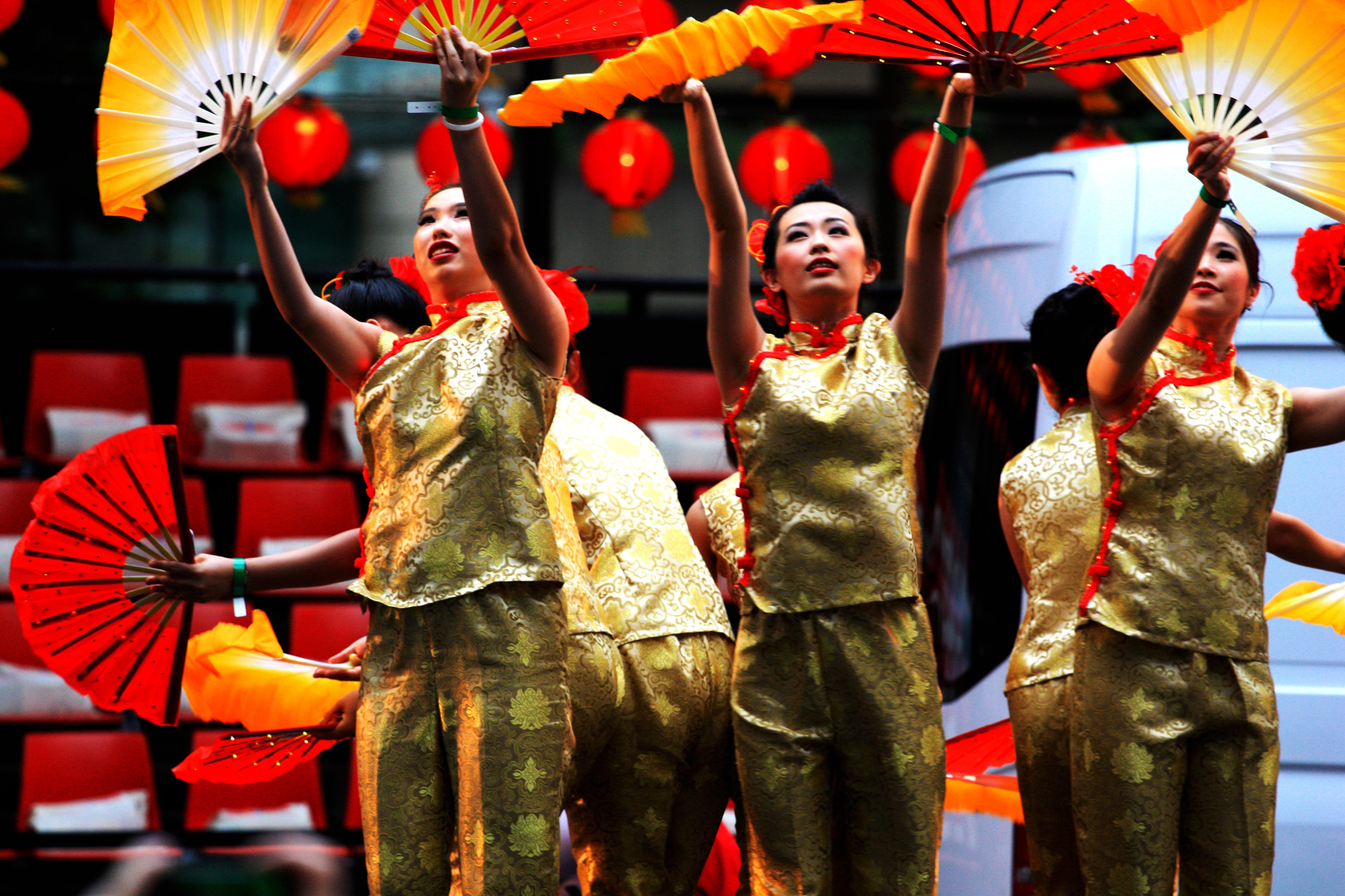

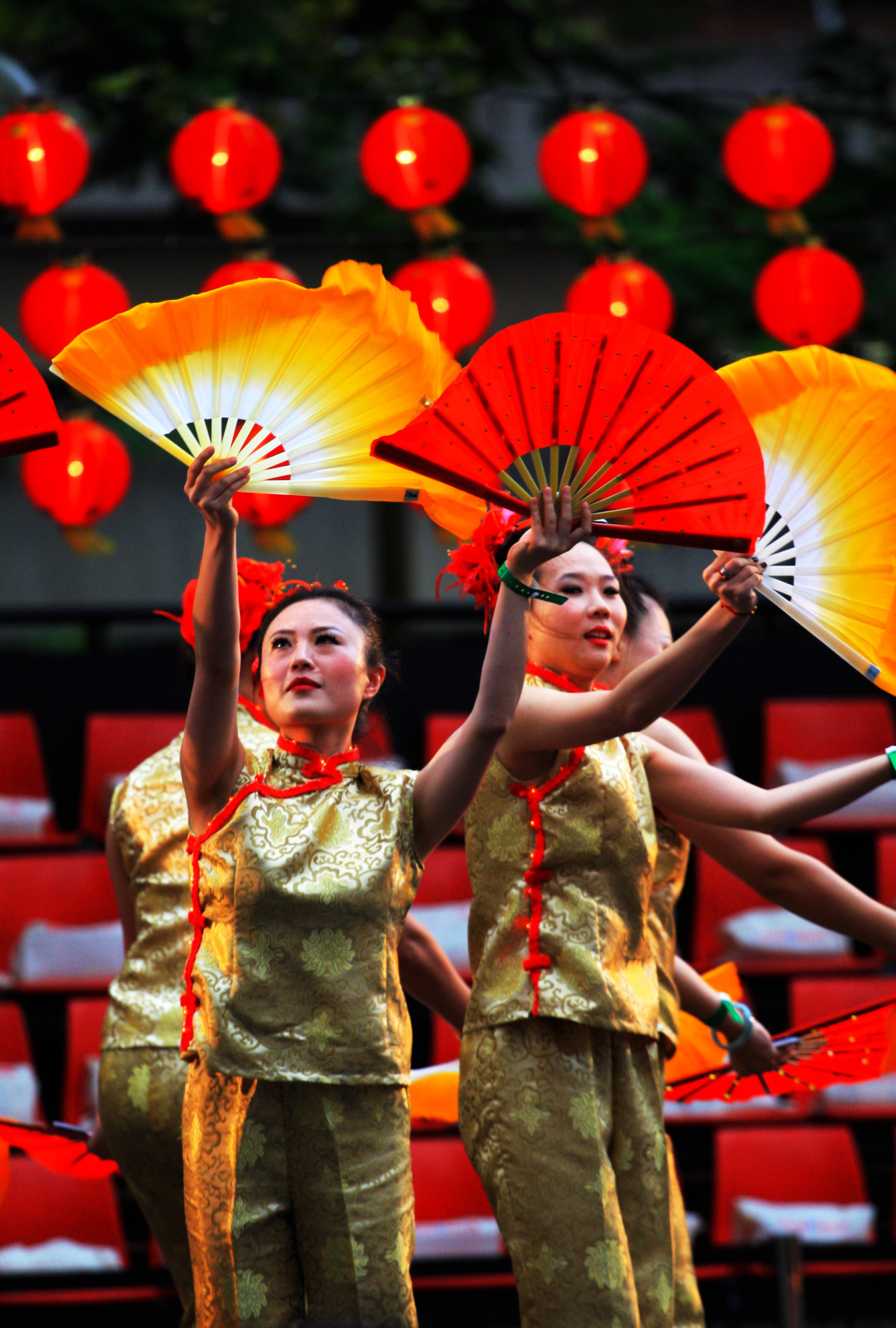


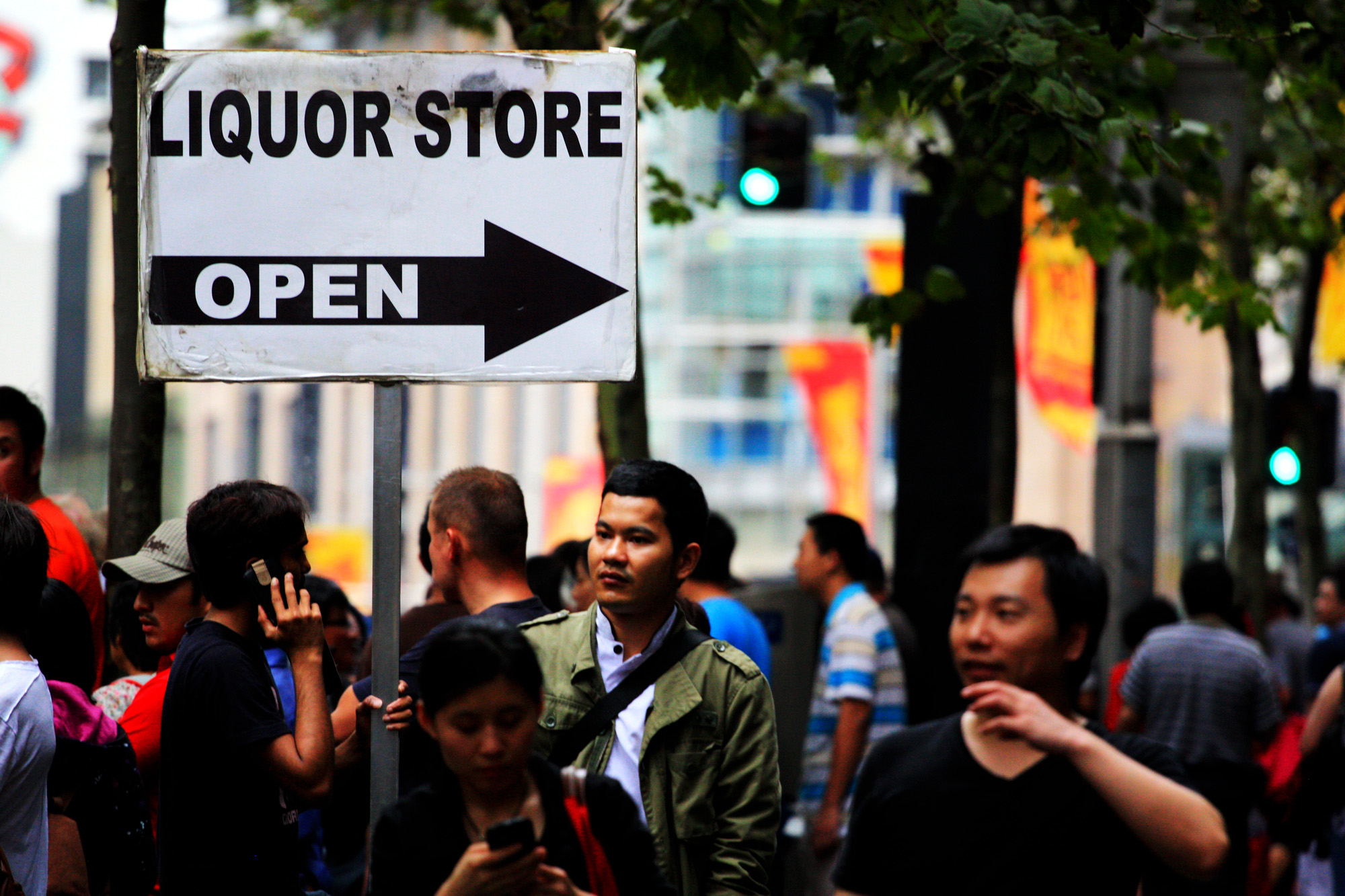


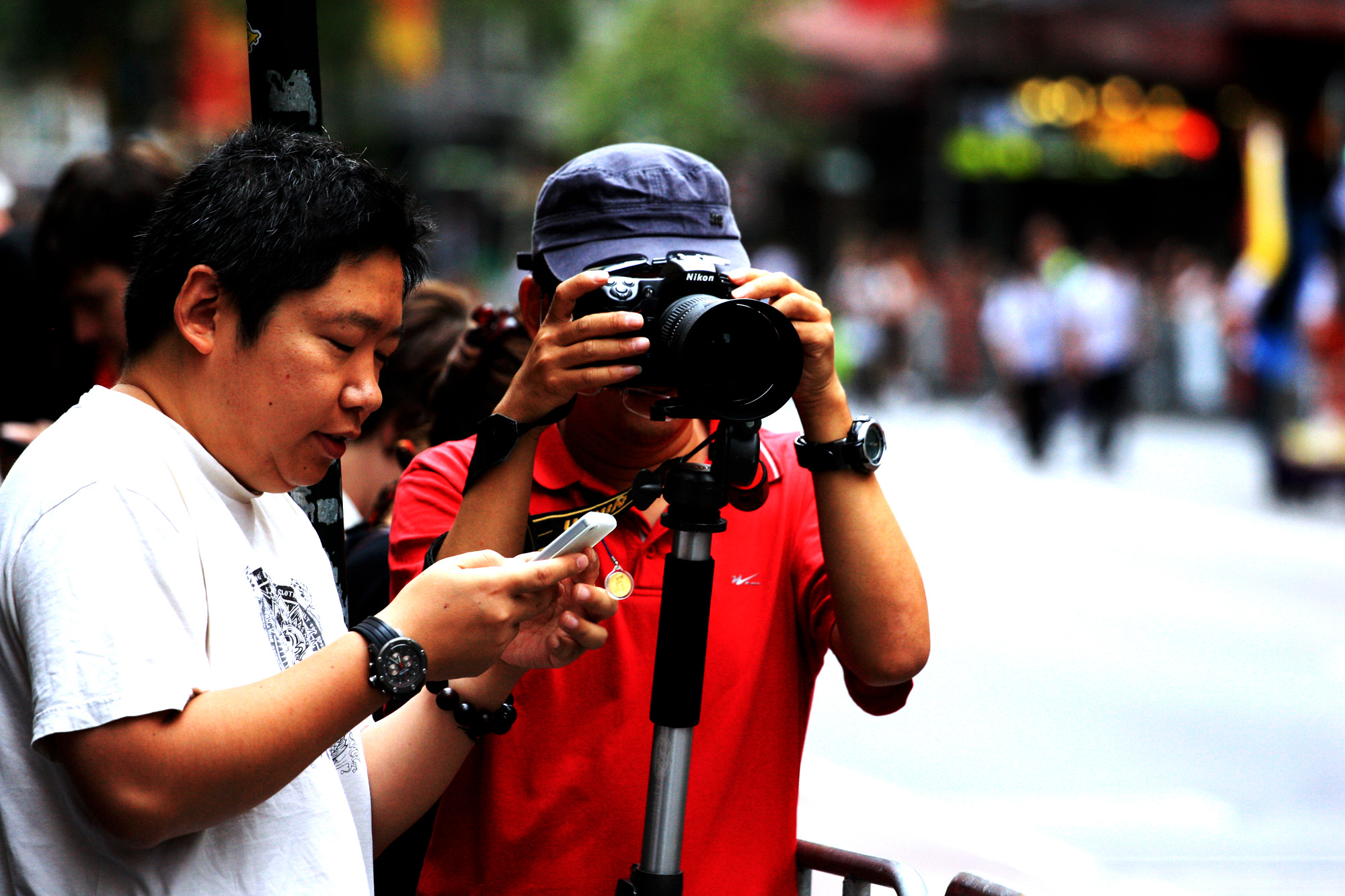
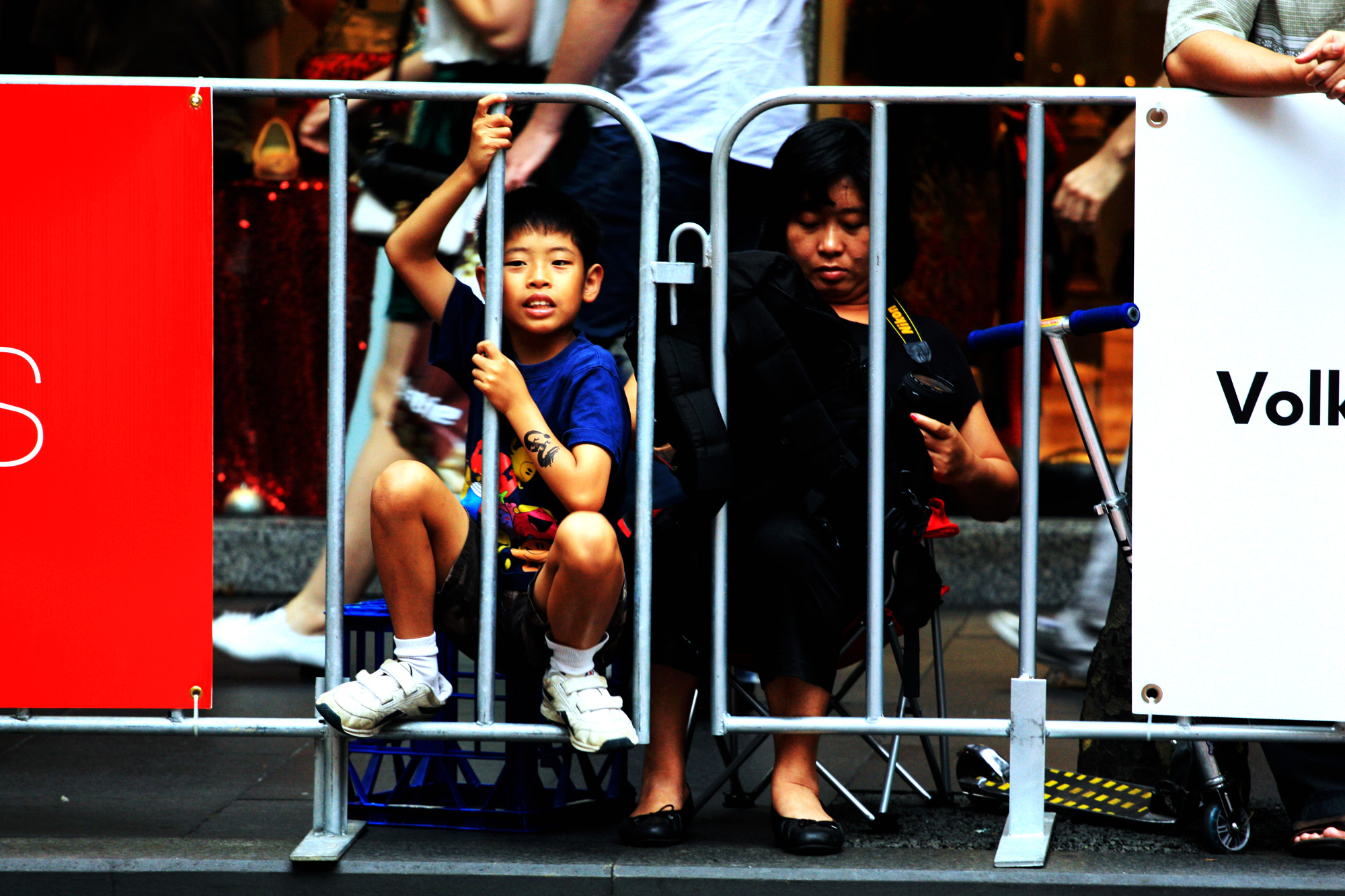
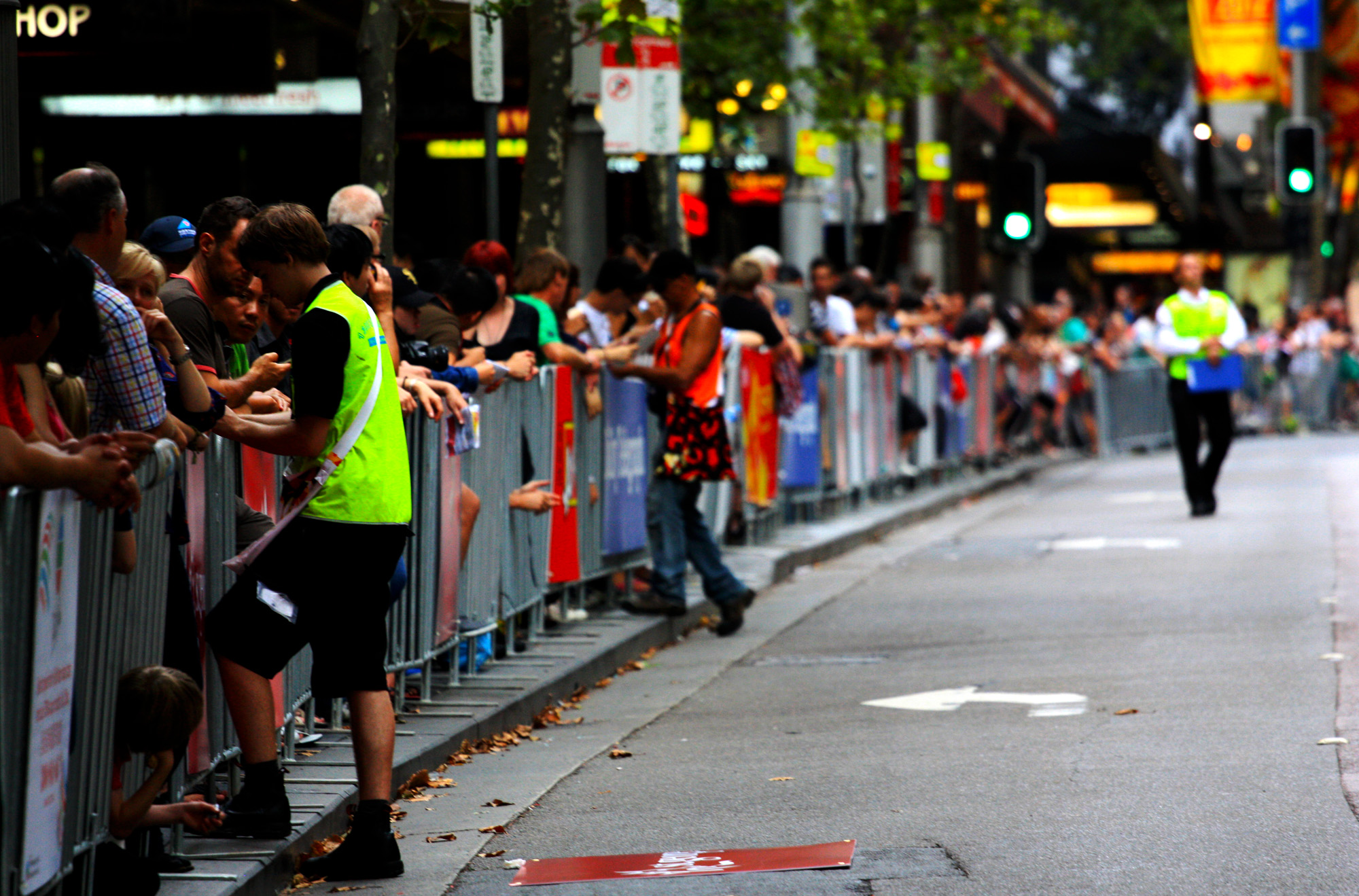
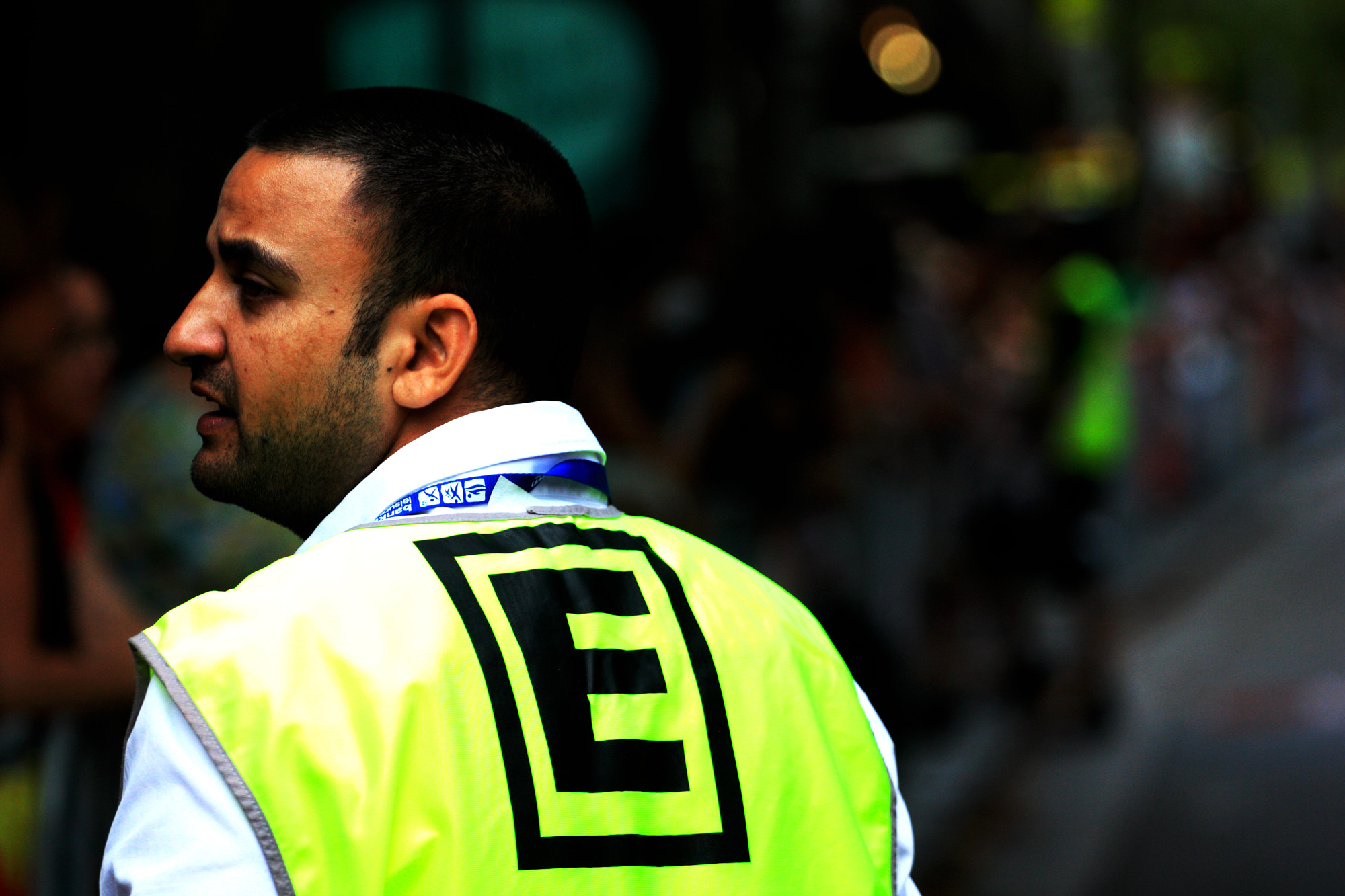
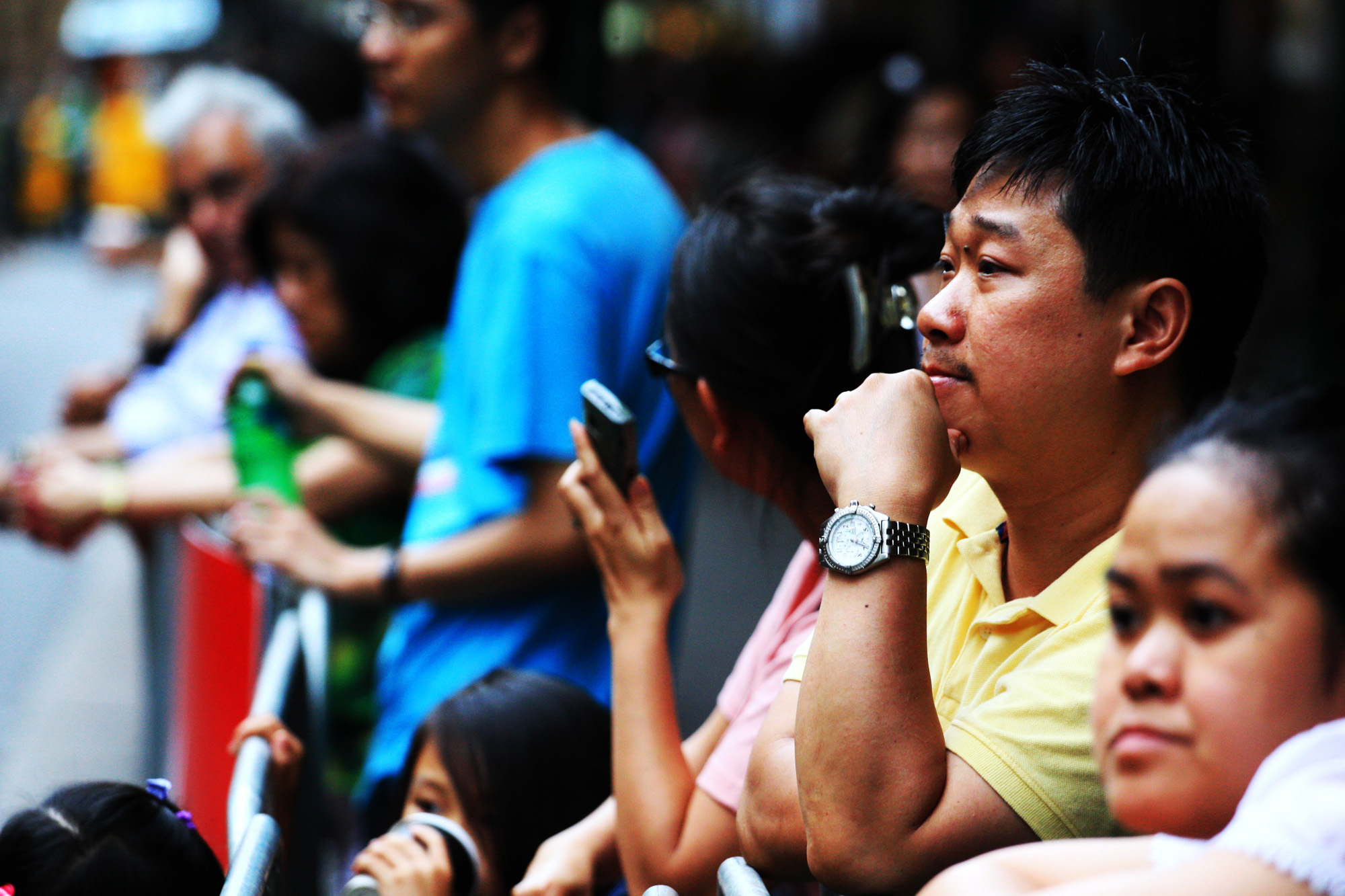


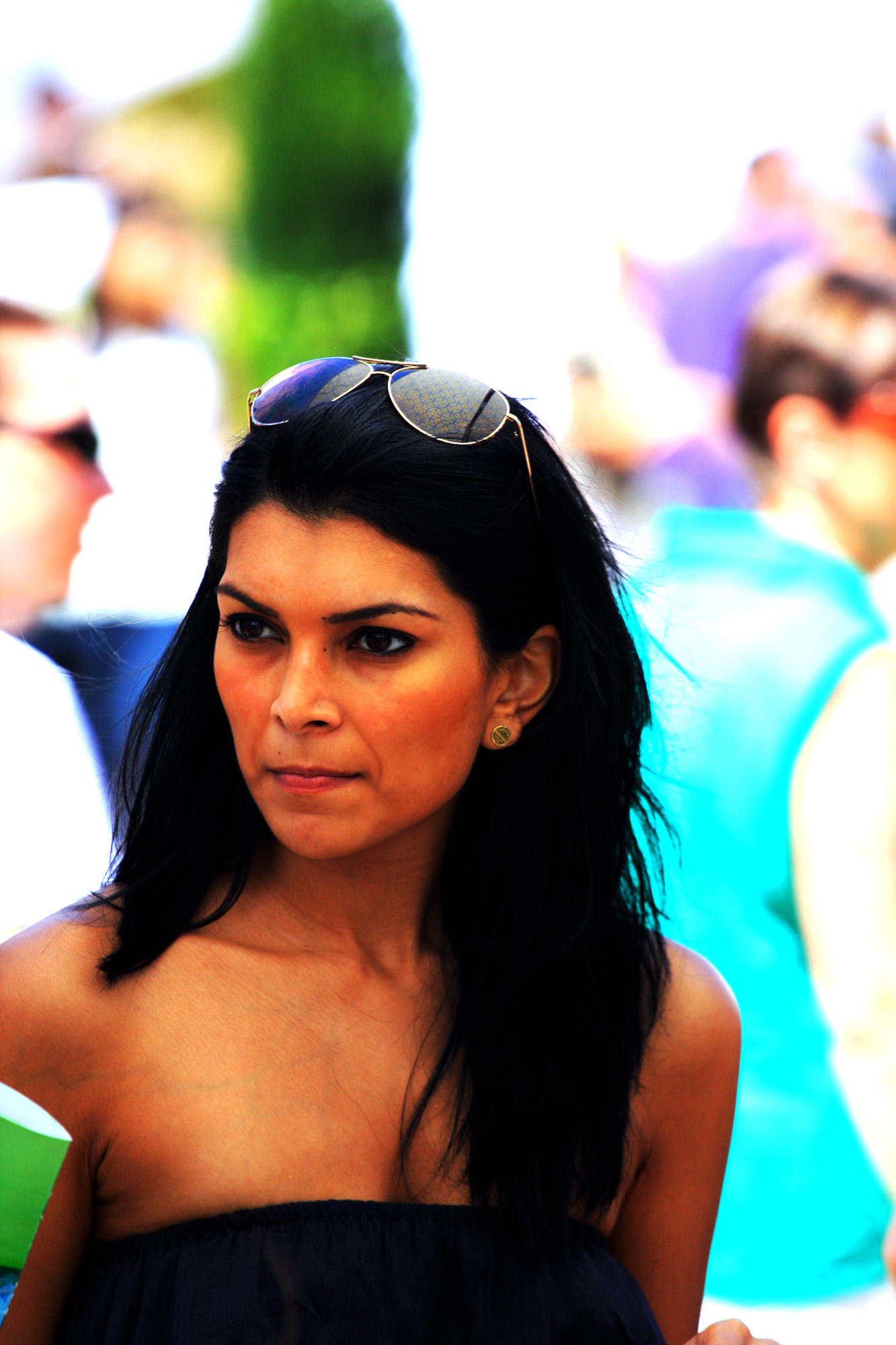
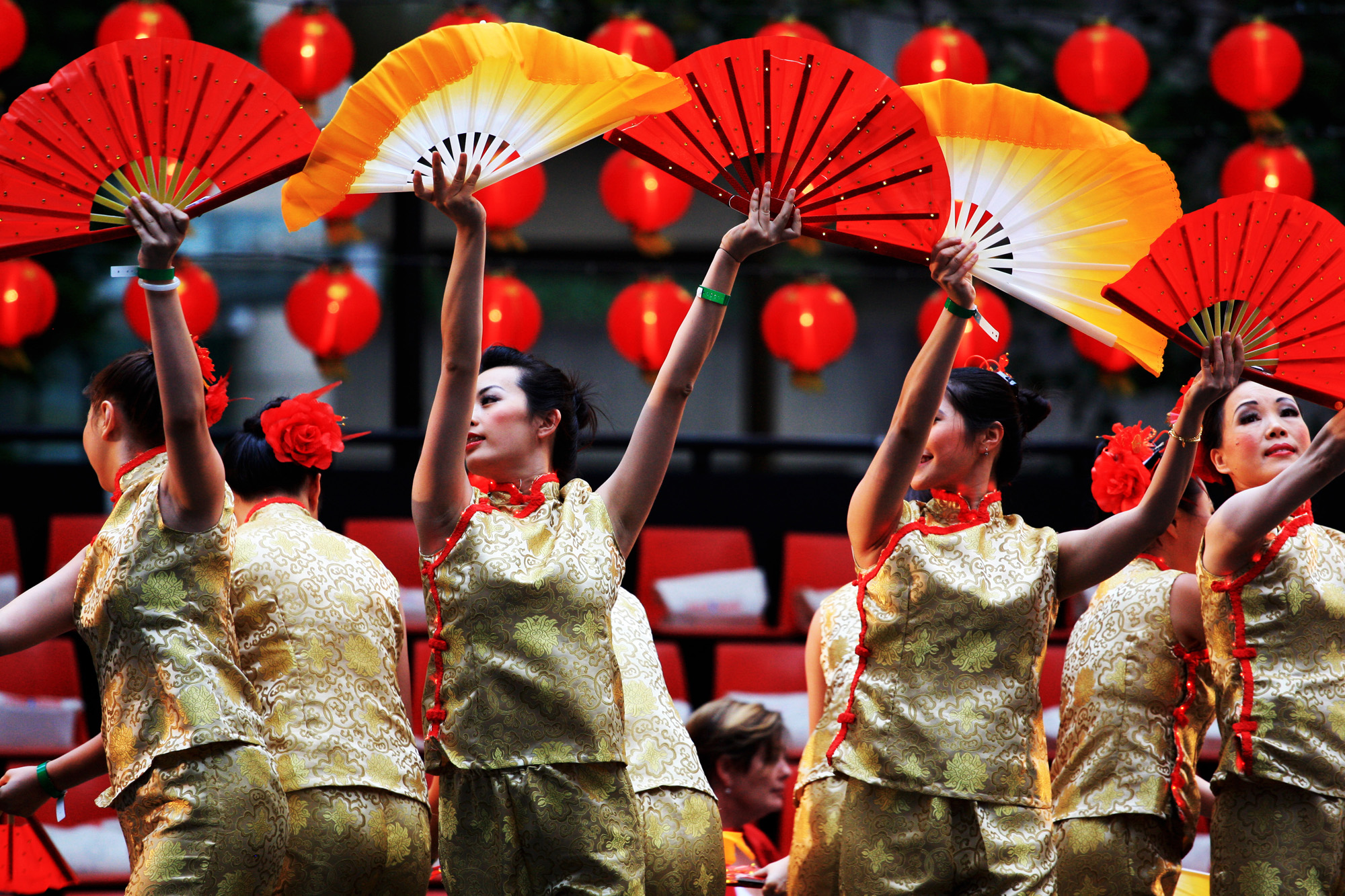
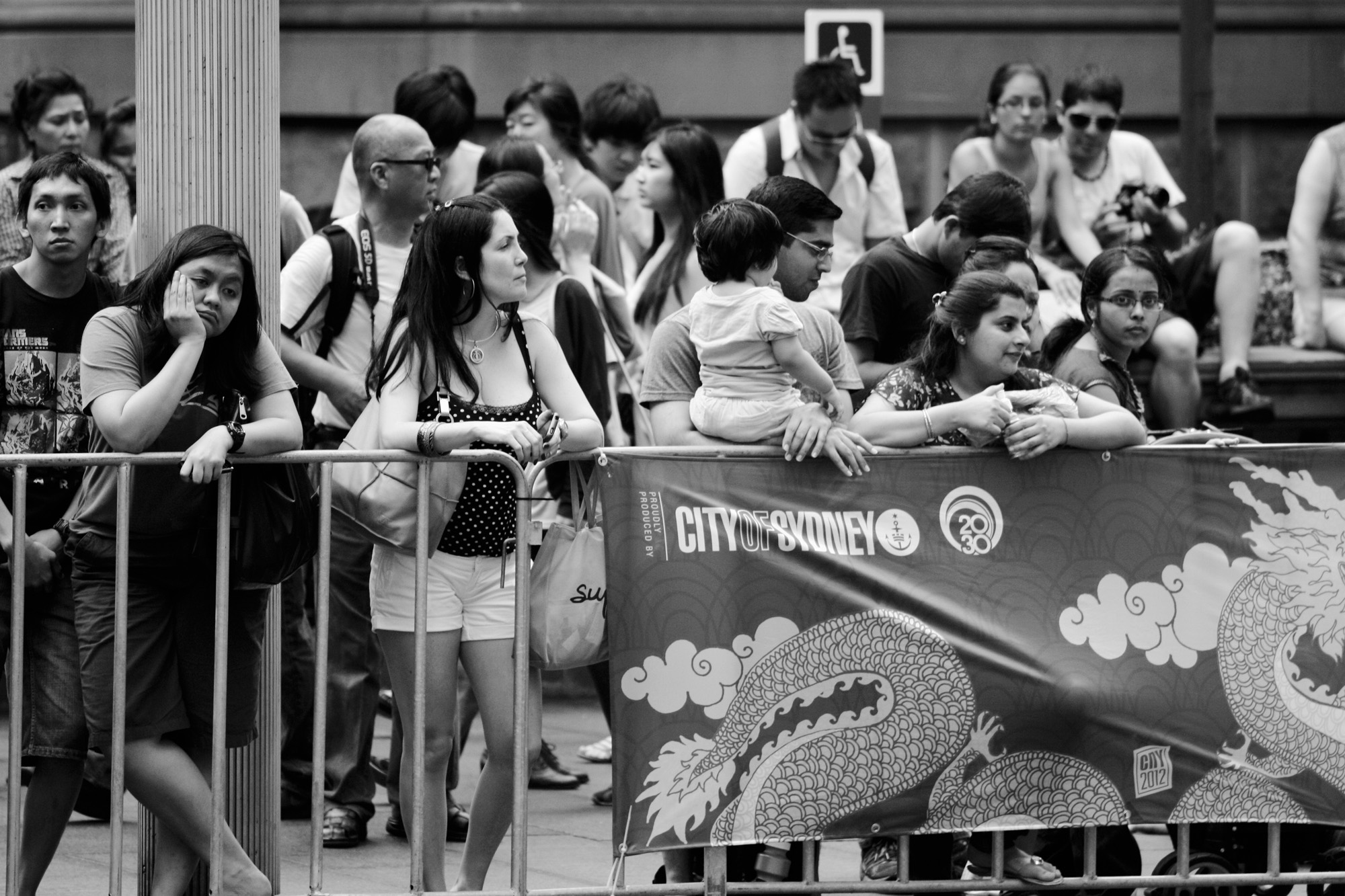
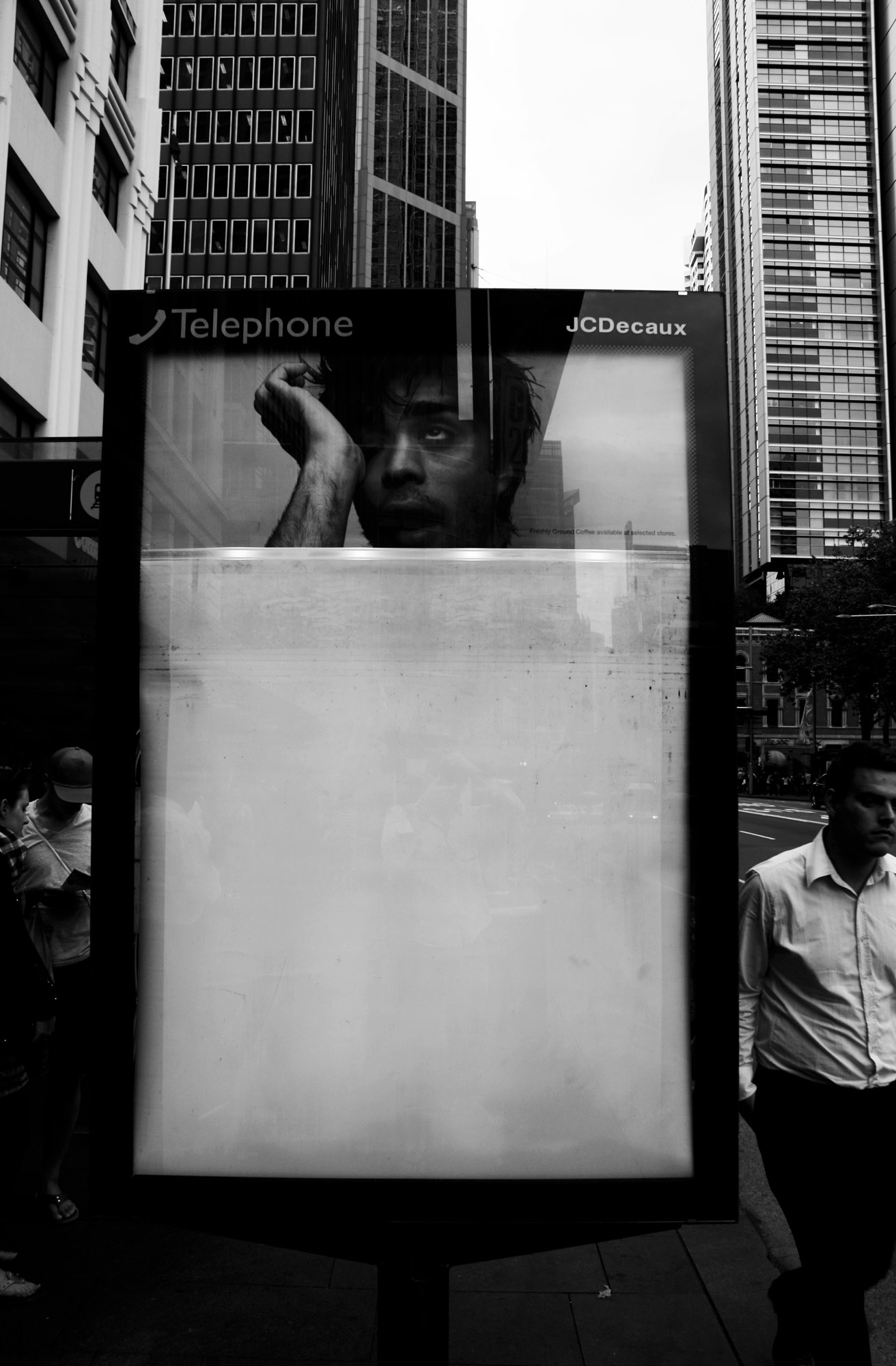
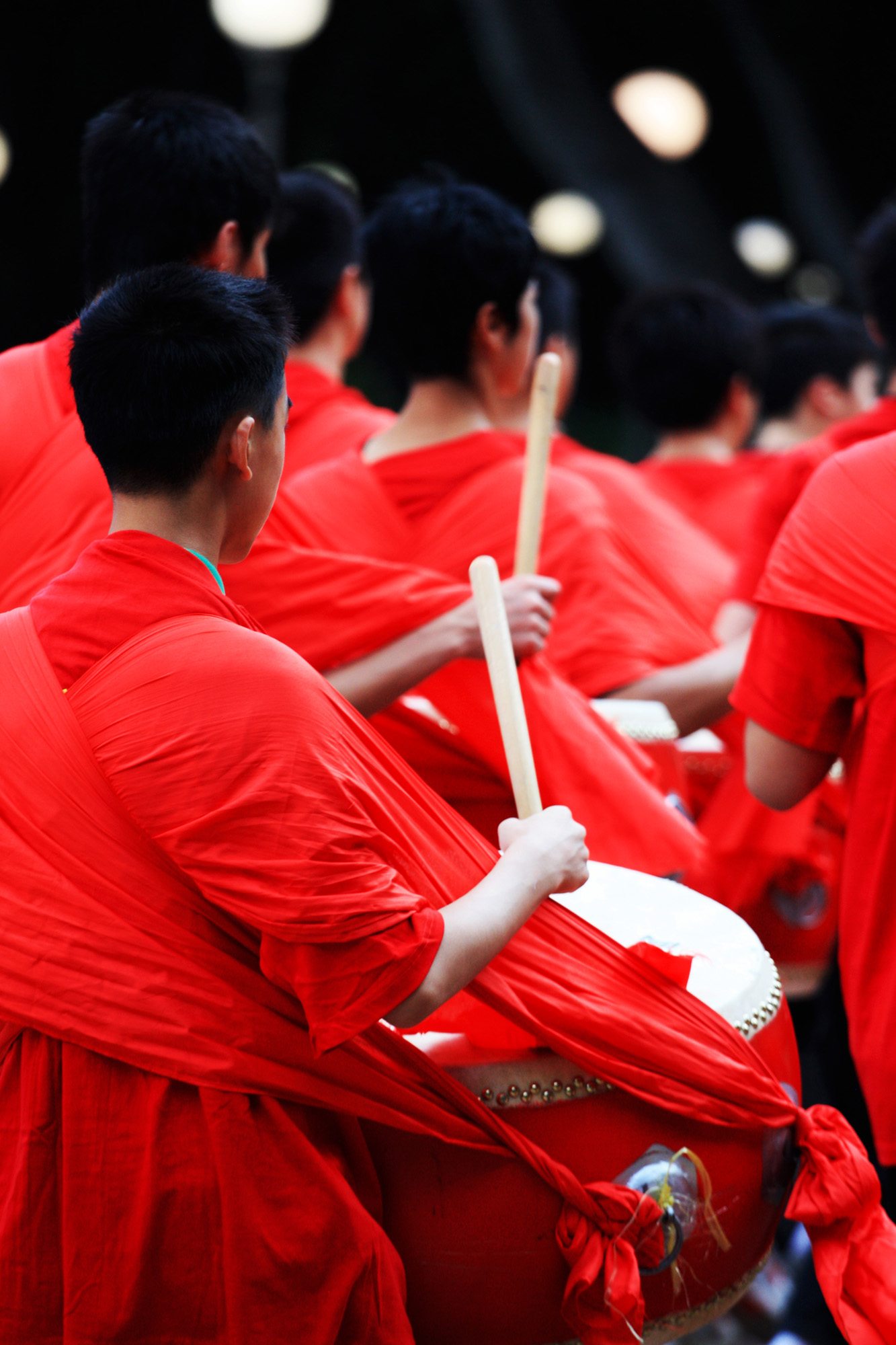
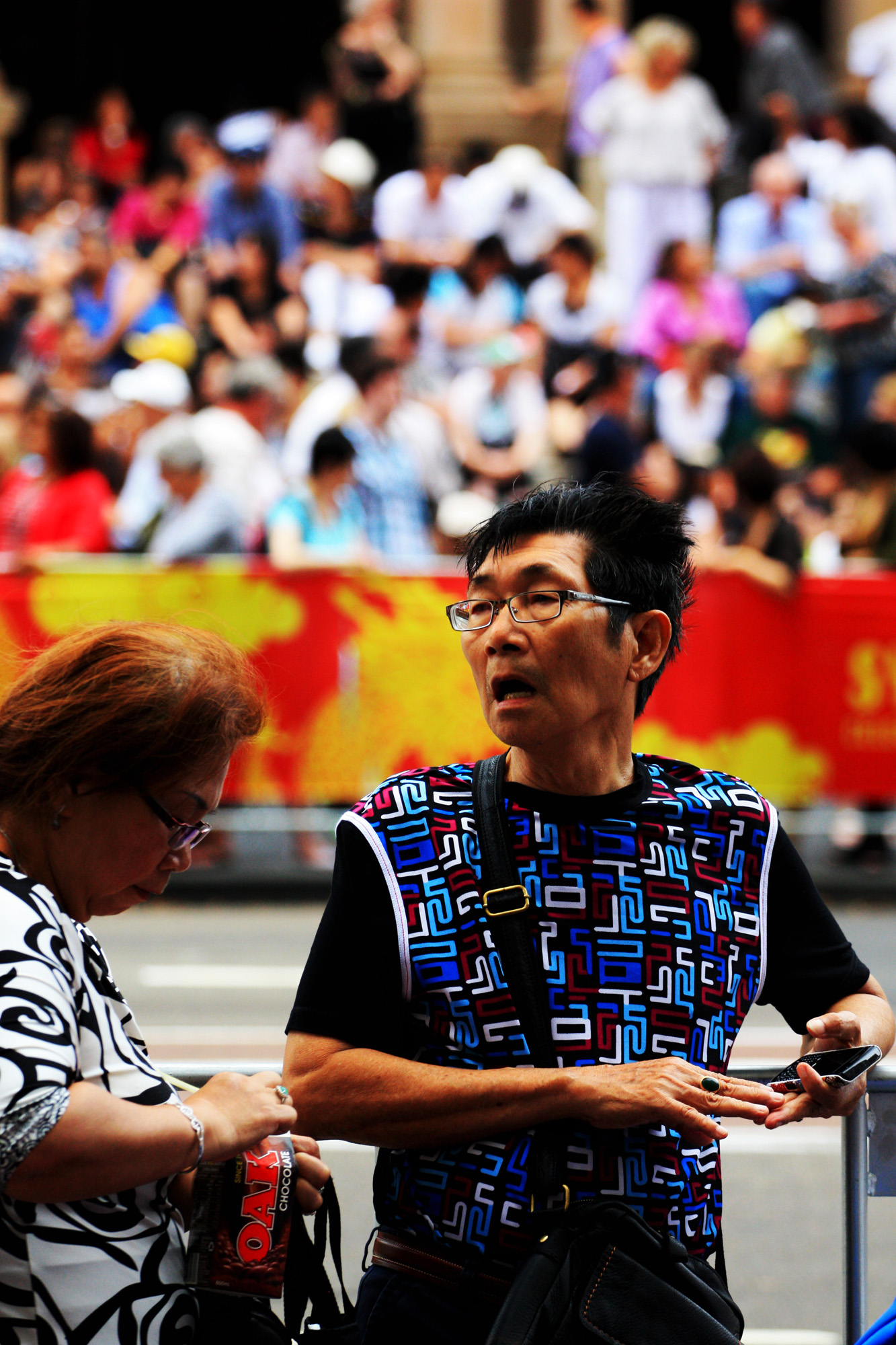
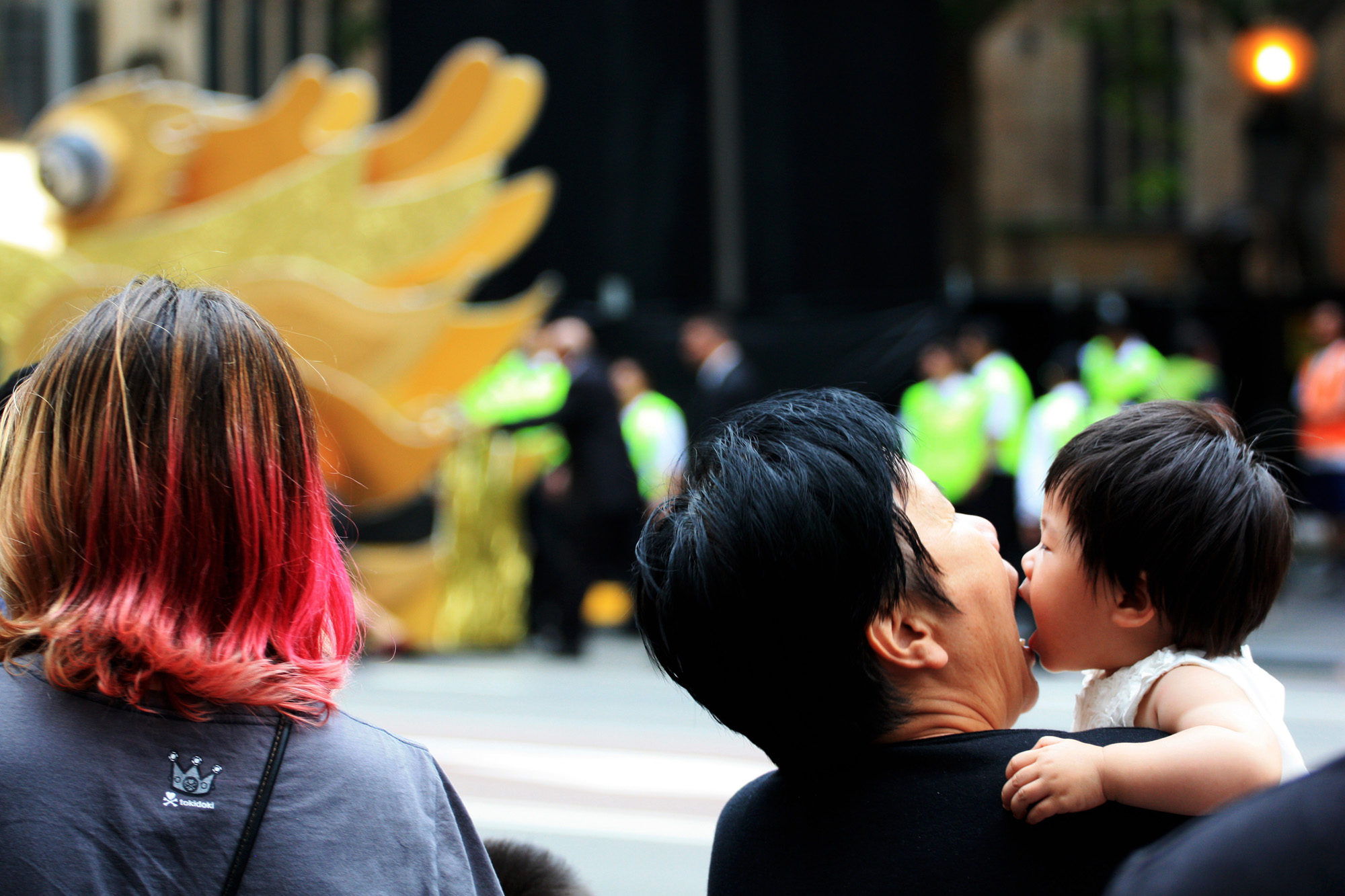
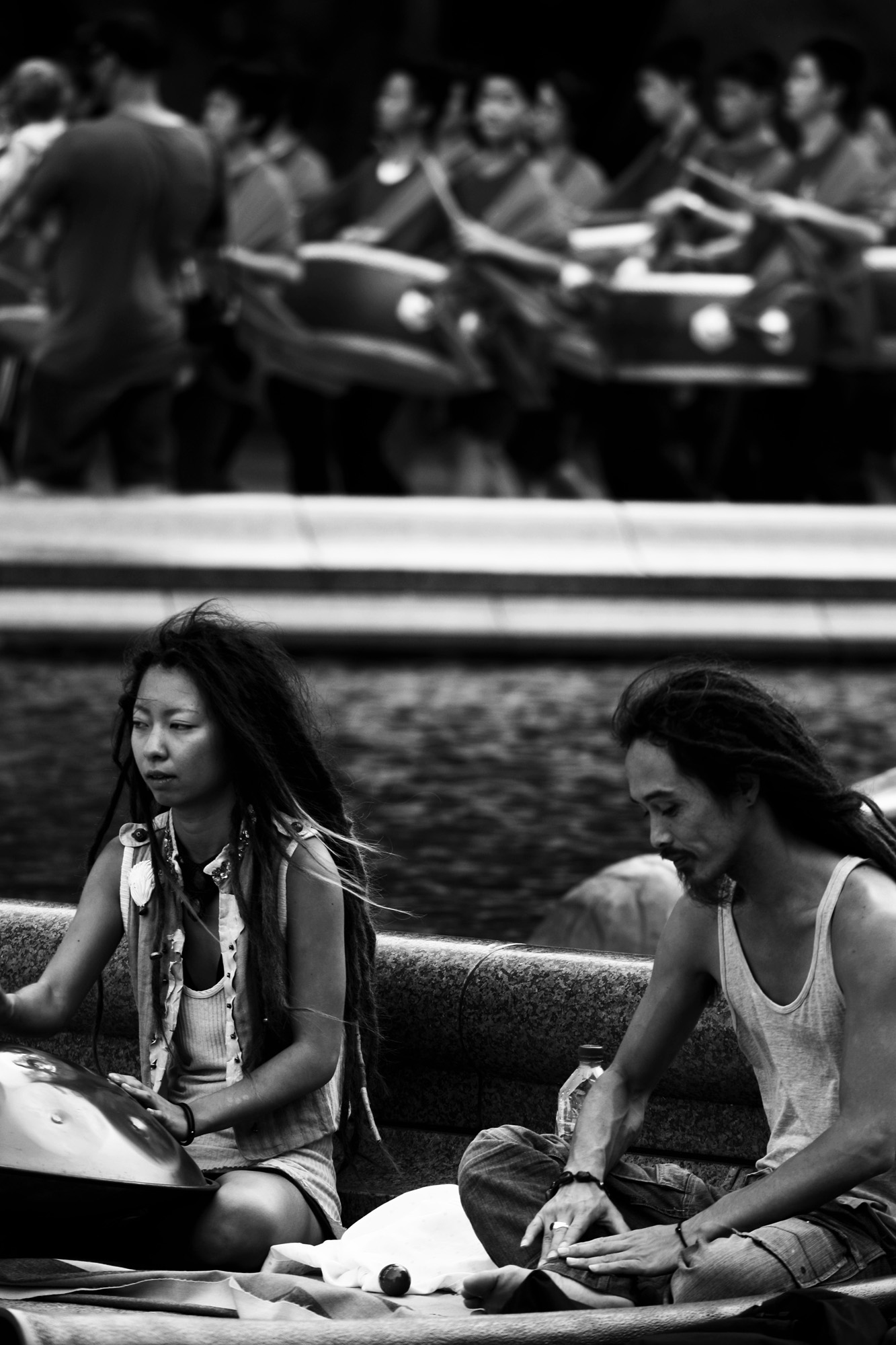
I went back and had another look at the photographs I took on the afternoon of the Chinese New Year parade in Sydney and found quite a number I’d overlooked. Once I began editing them, I realised they would comprise quite a sizeable collection and decided to publish them together. In the end I was very happy with this collection of portraits. There certainly are a lot of characters out there, and somehow it gives me faith in humanity that each person truly is an individual. I wish I had stayed for the parade.
Best wishes all, and happy Chinese New Year (if very belated)
Posted in Photography, Sydney on March 8, 2012| 4 Comments »

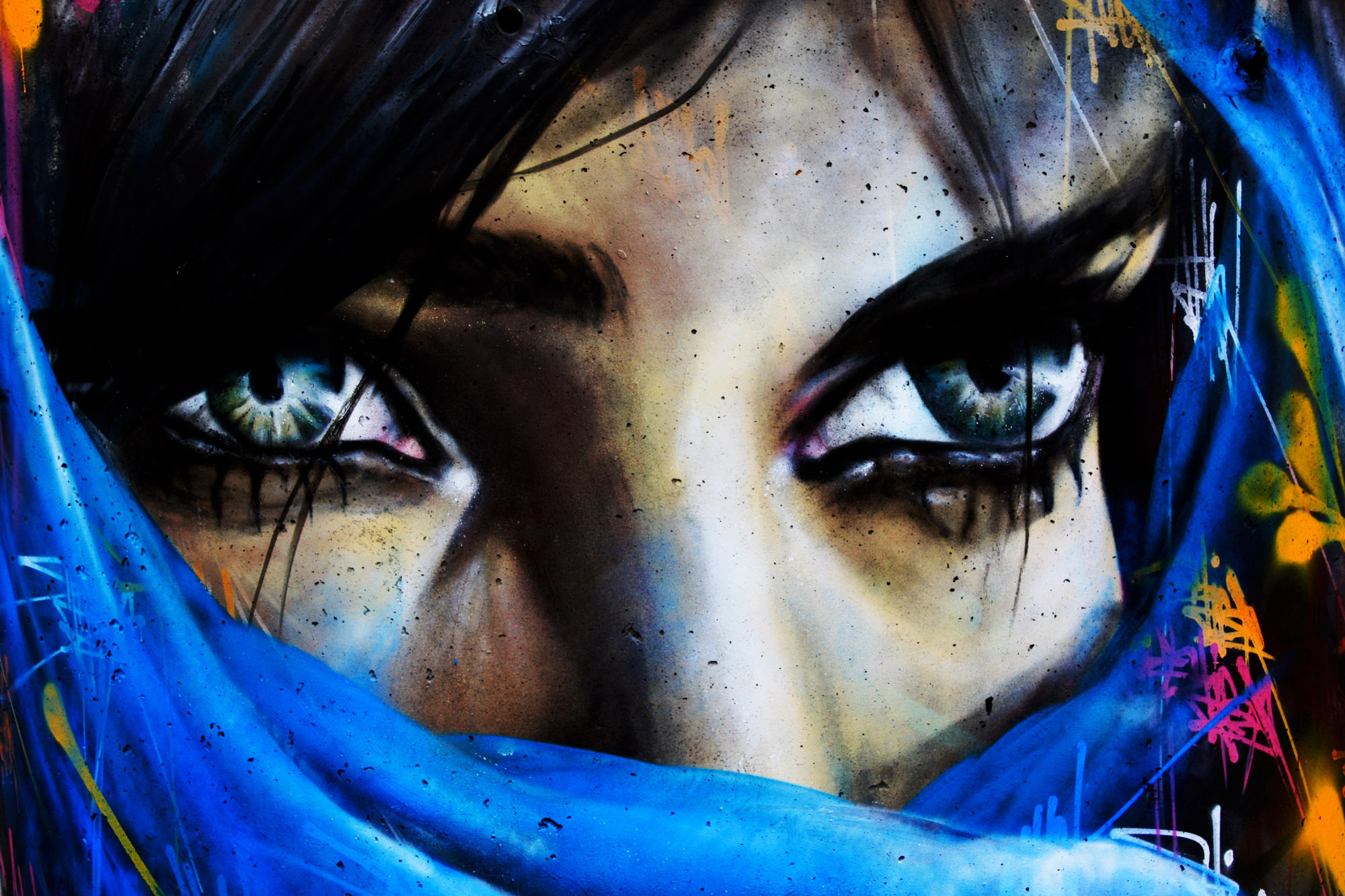


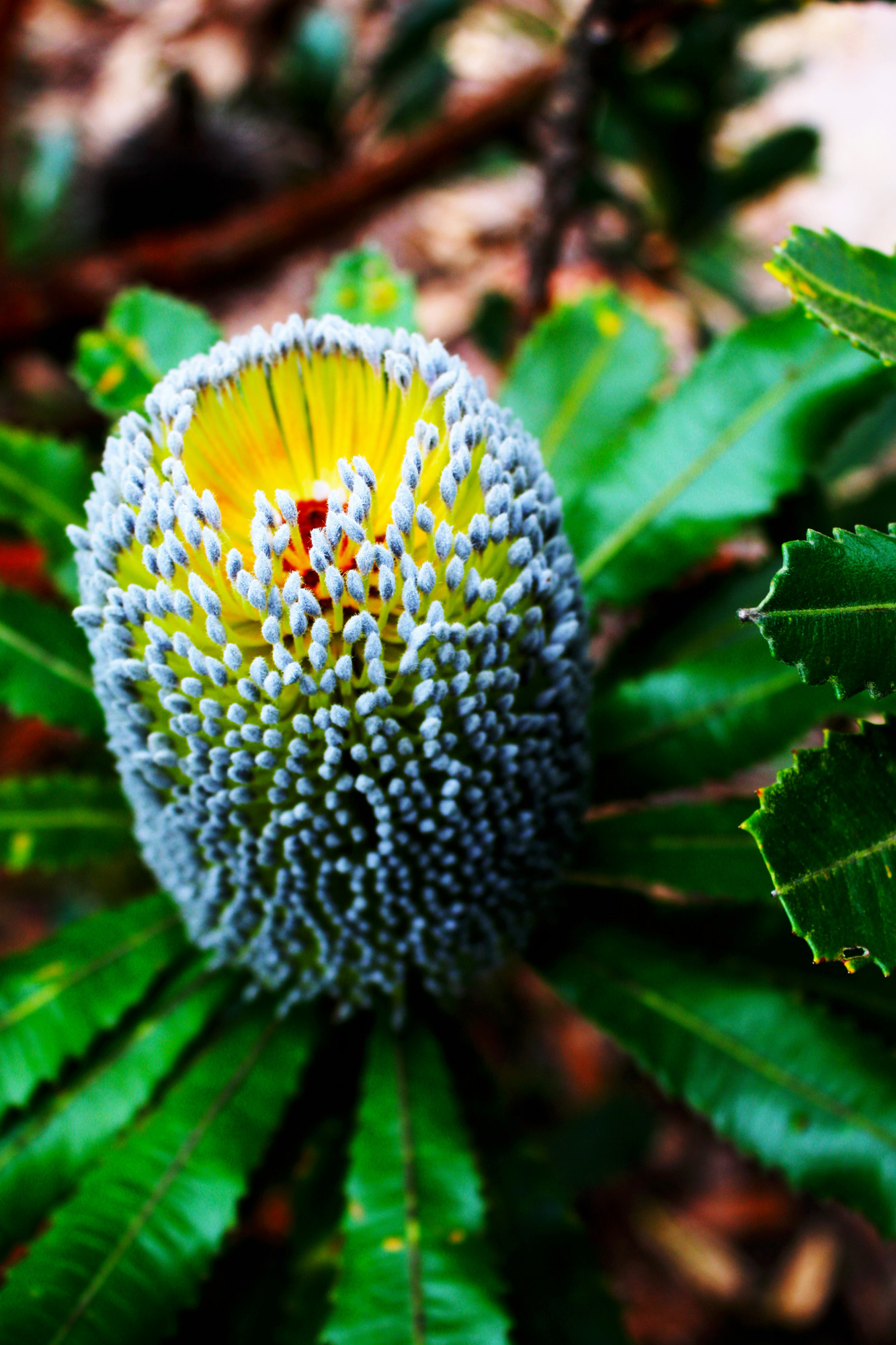

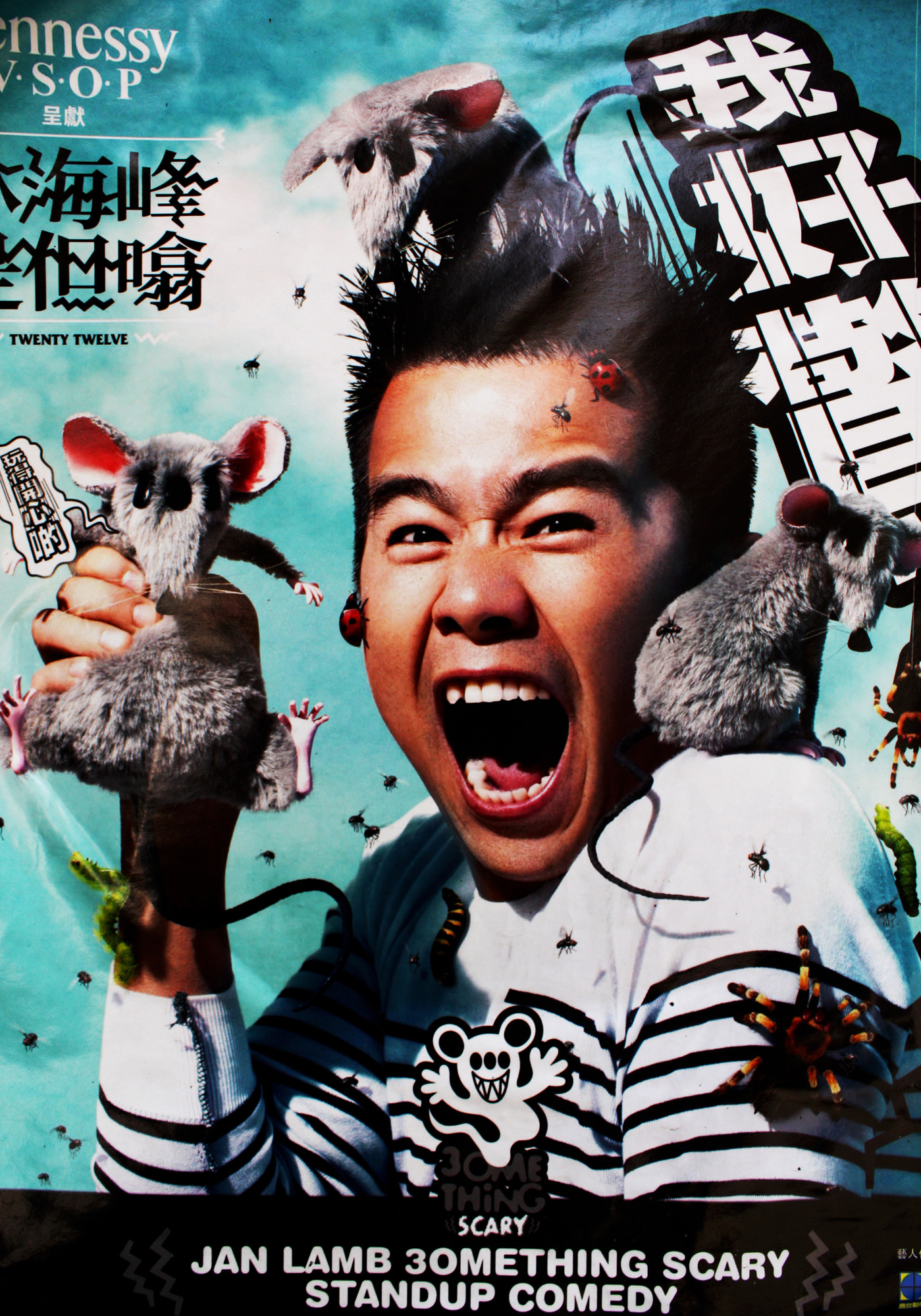





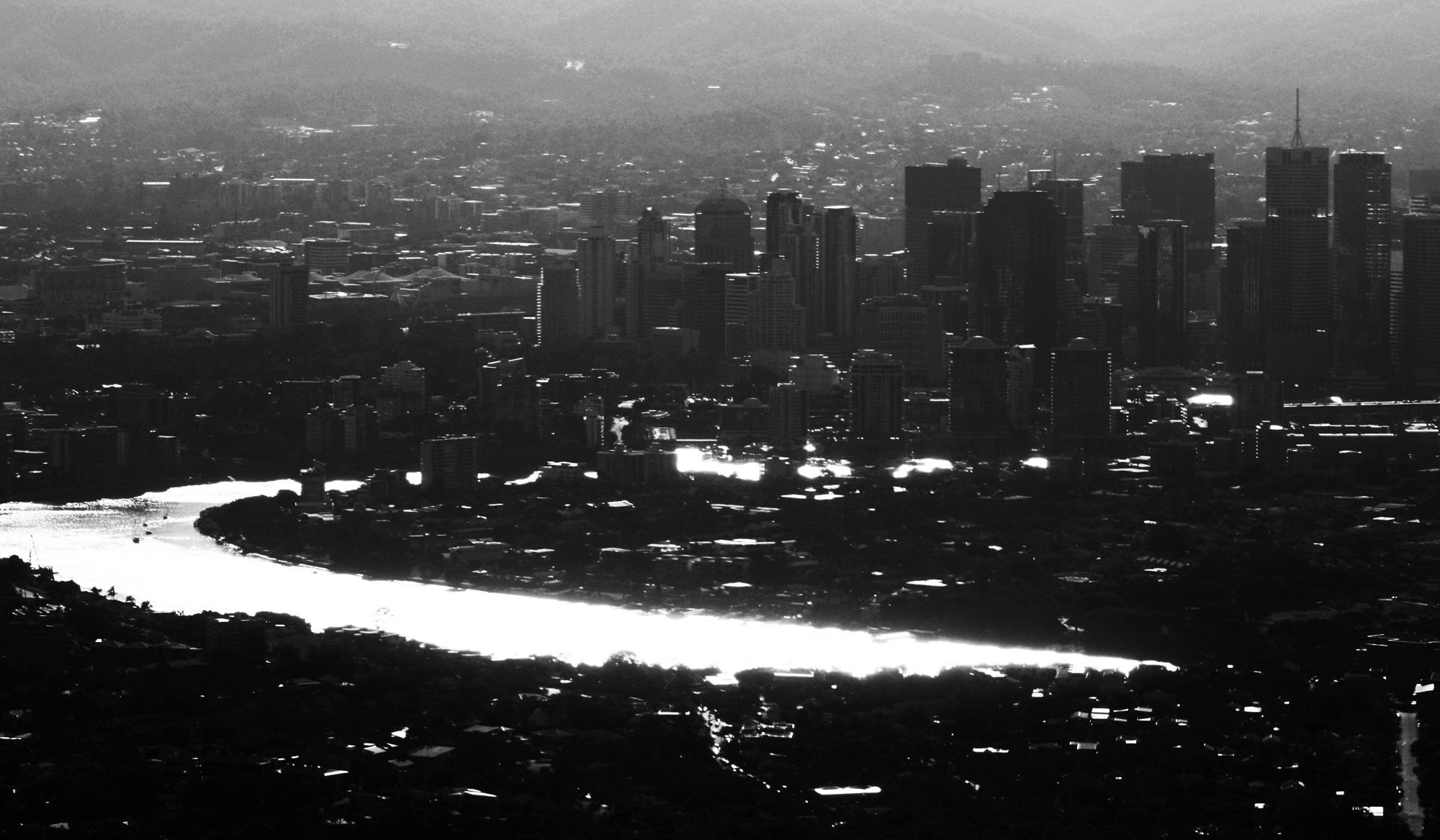

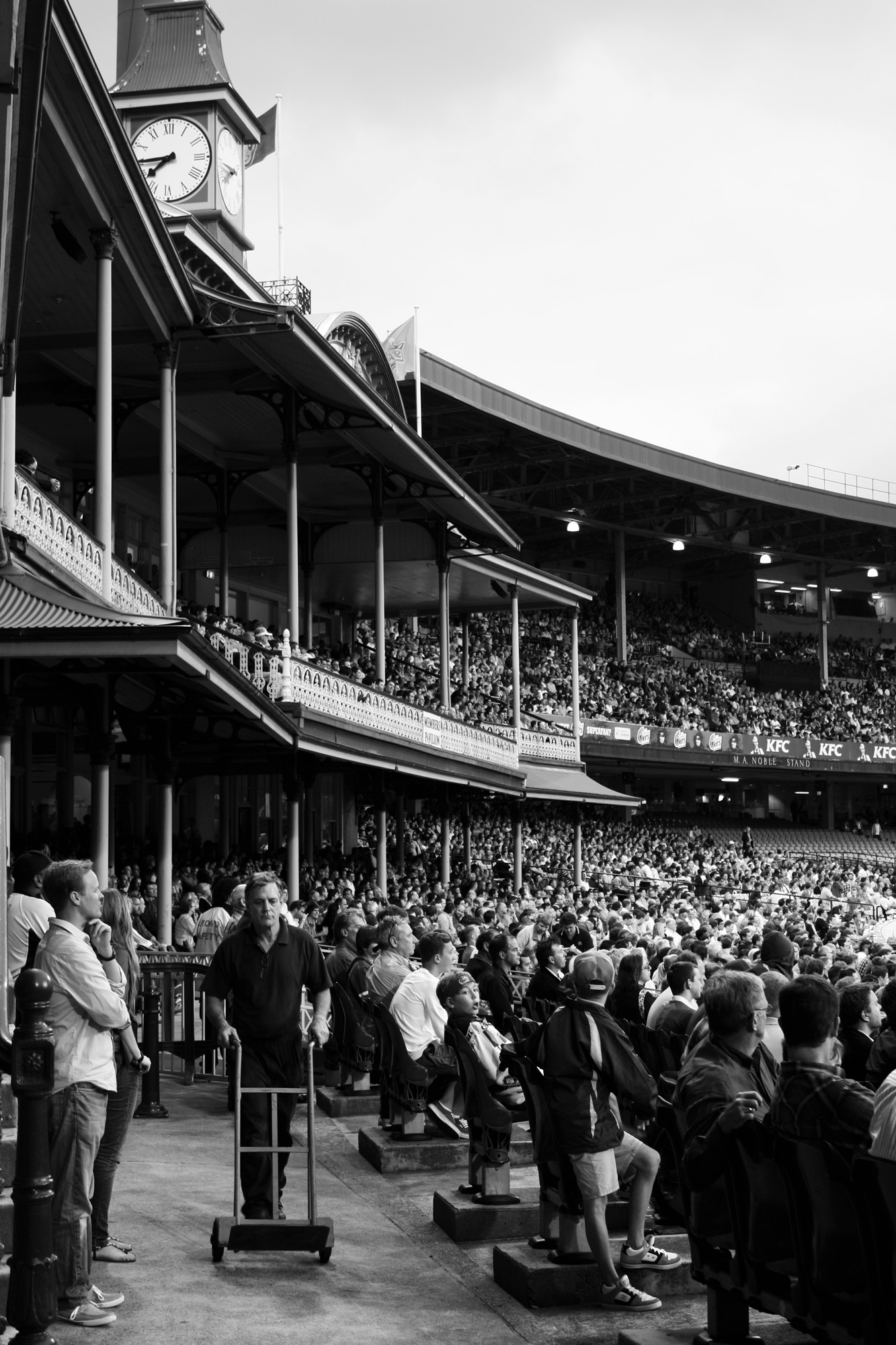




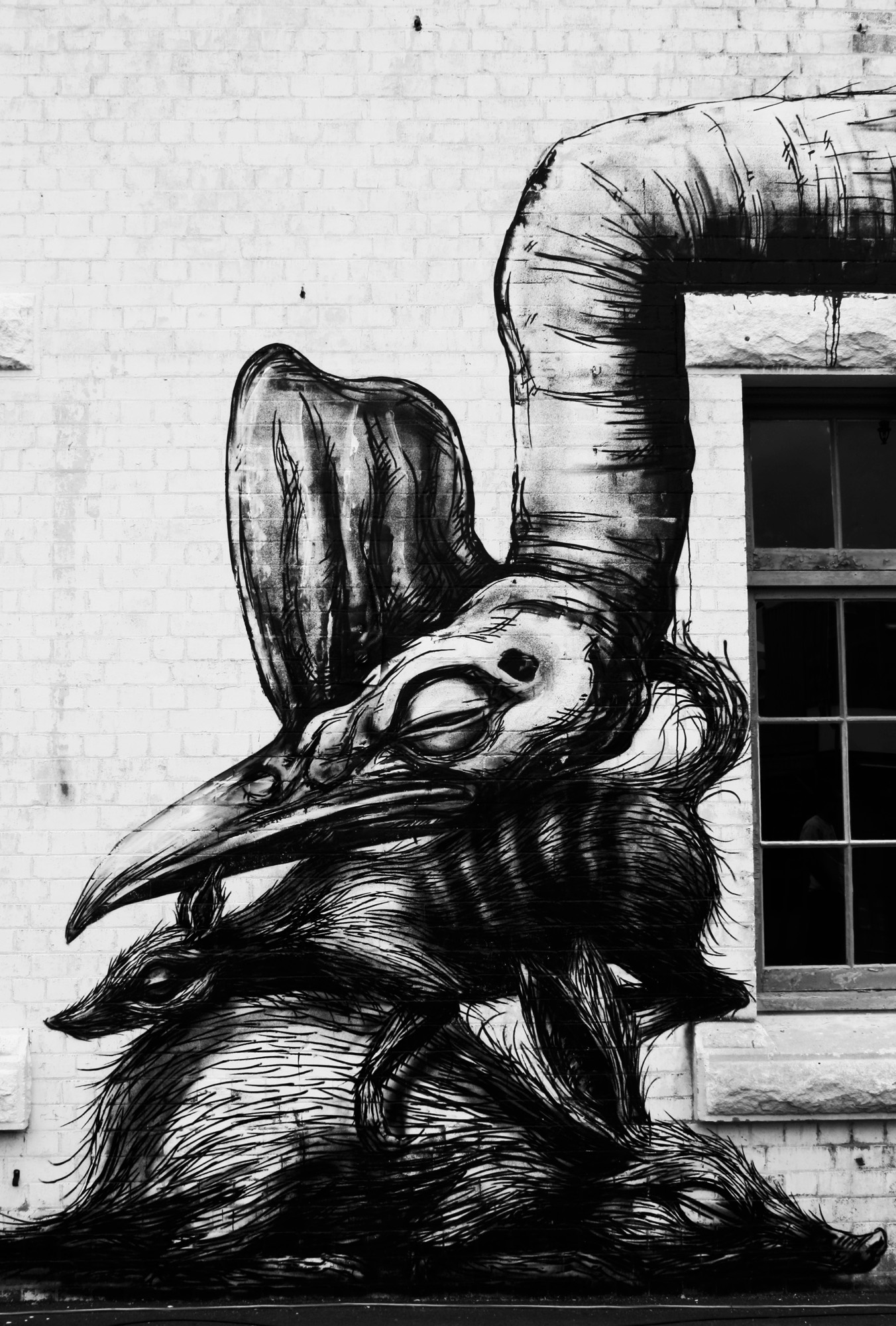


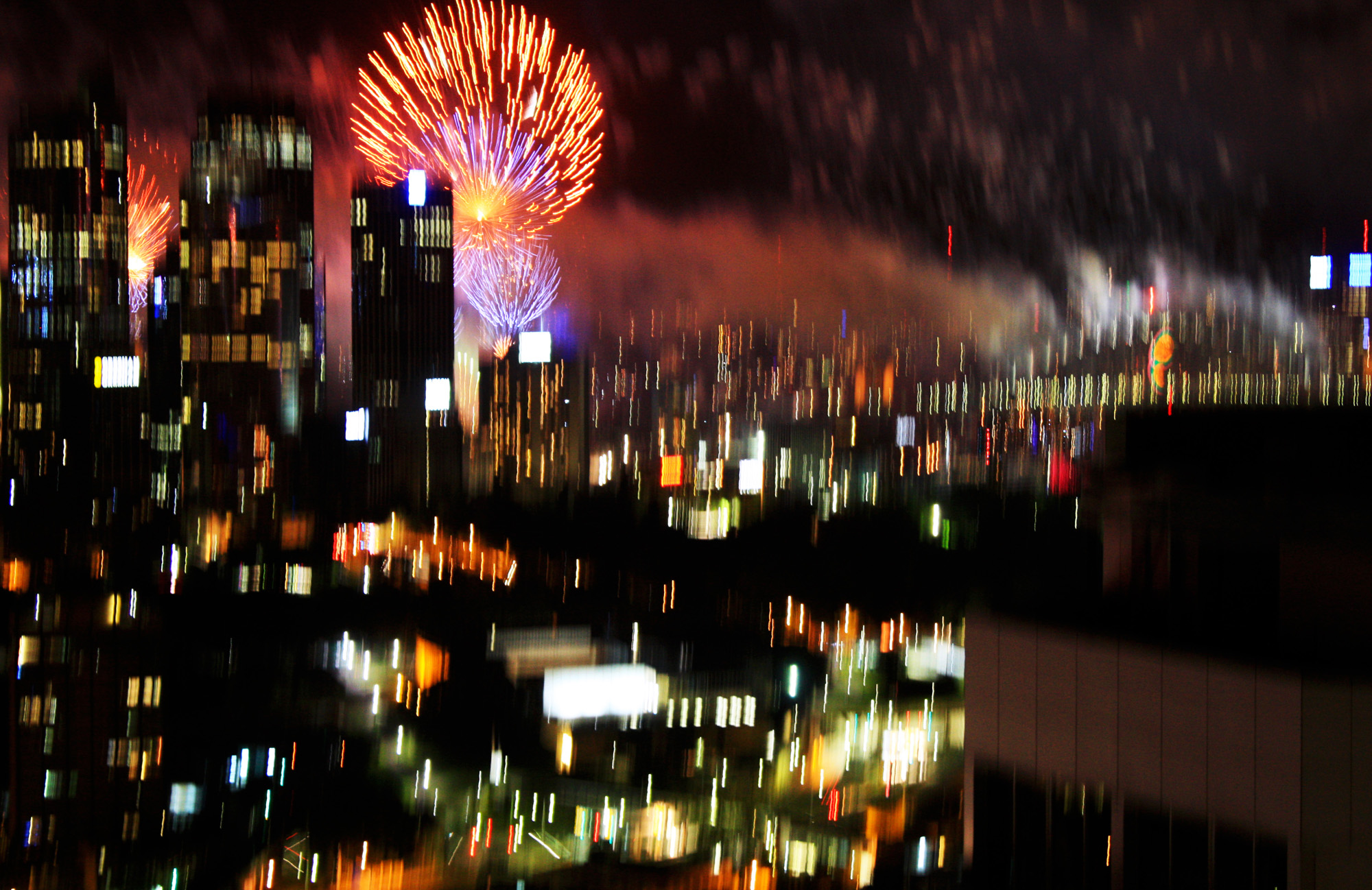


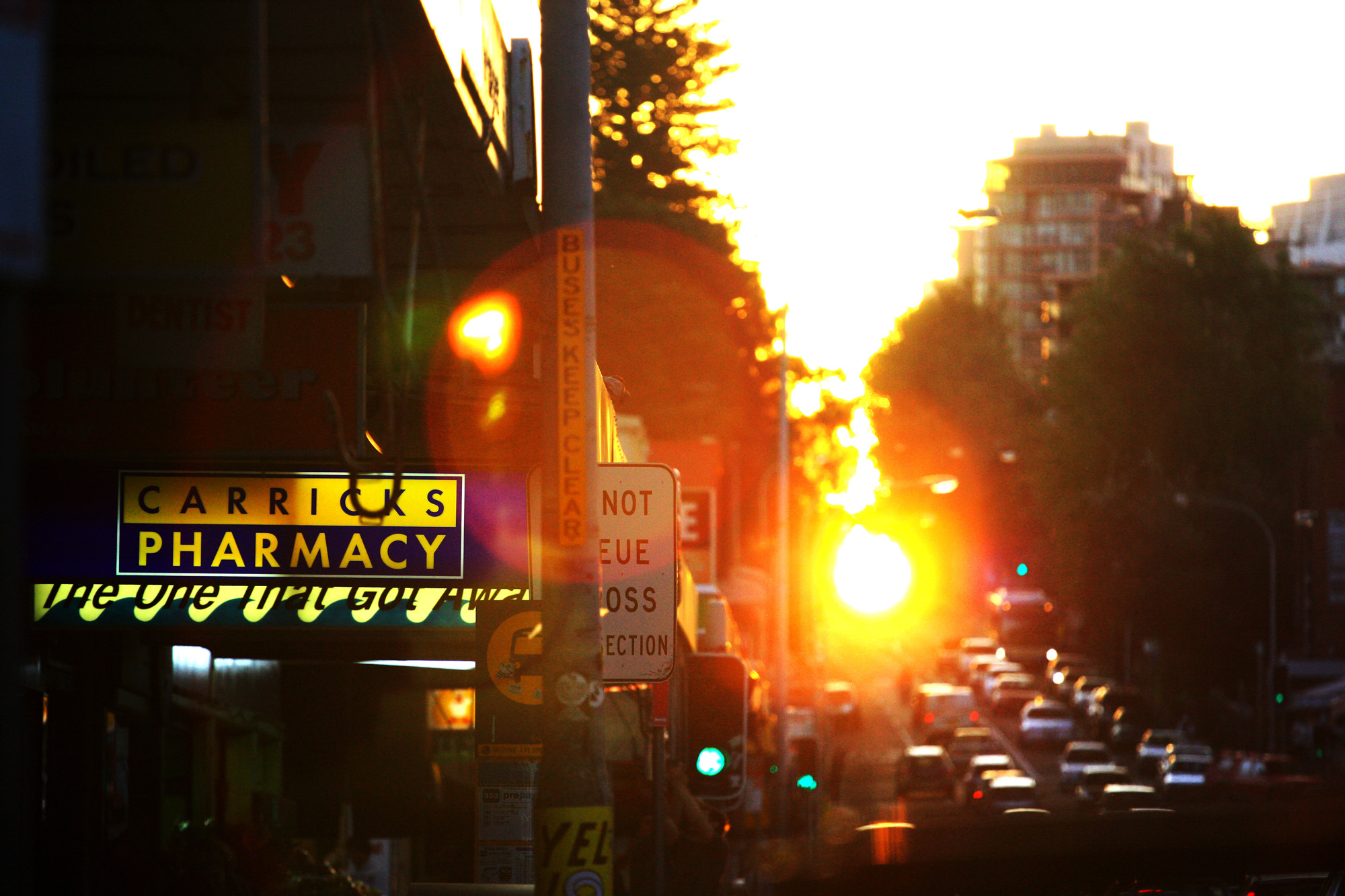
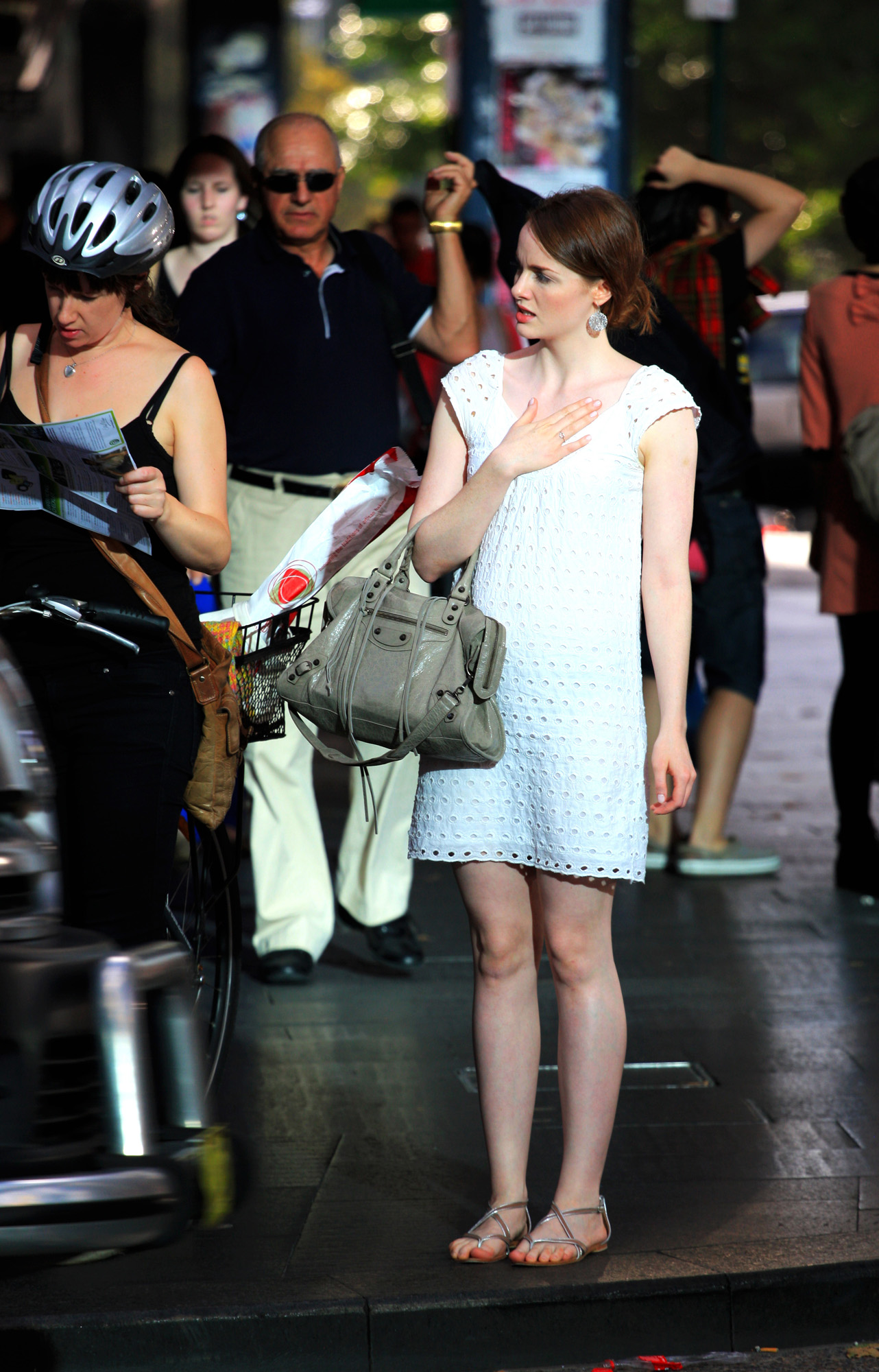
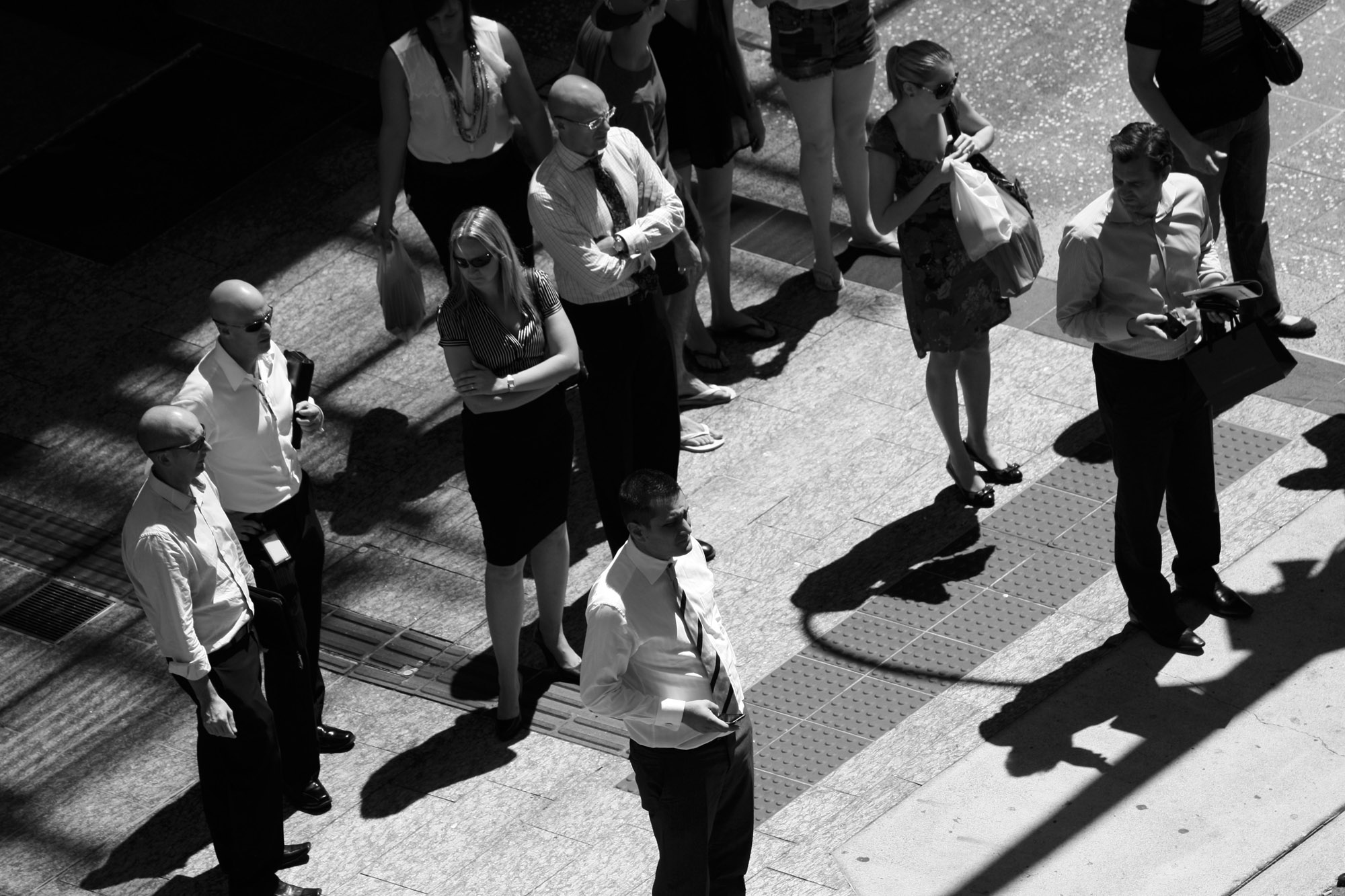
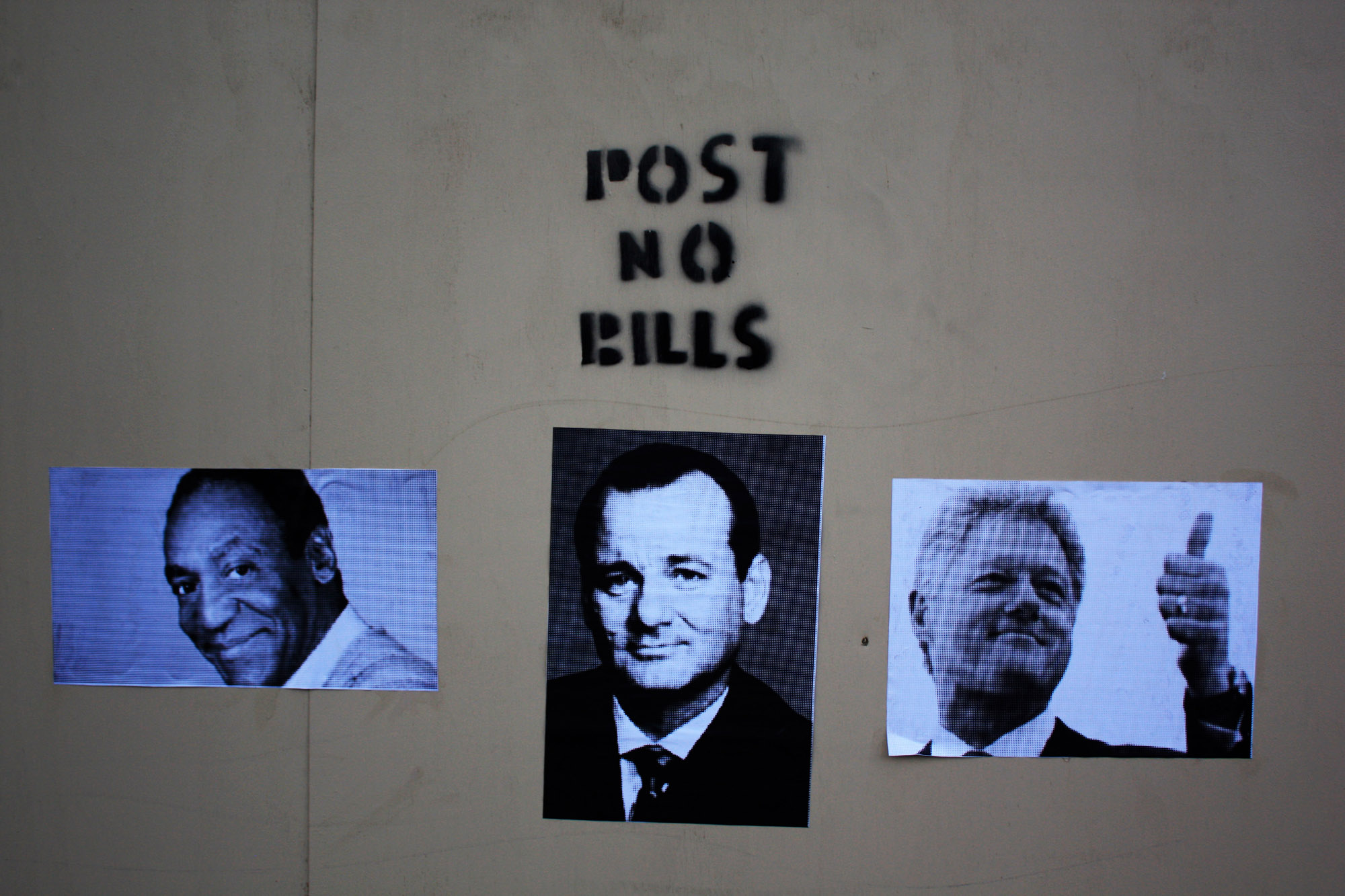
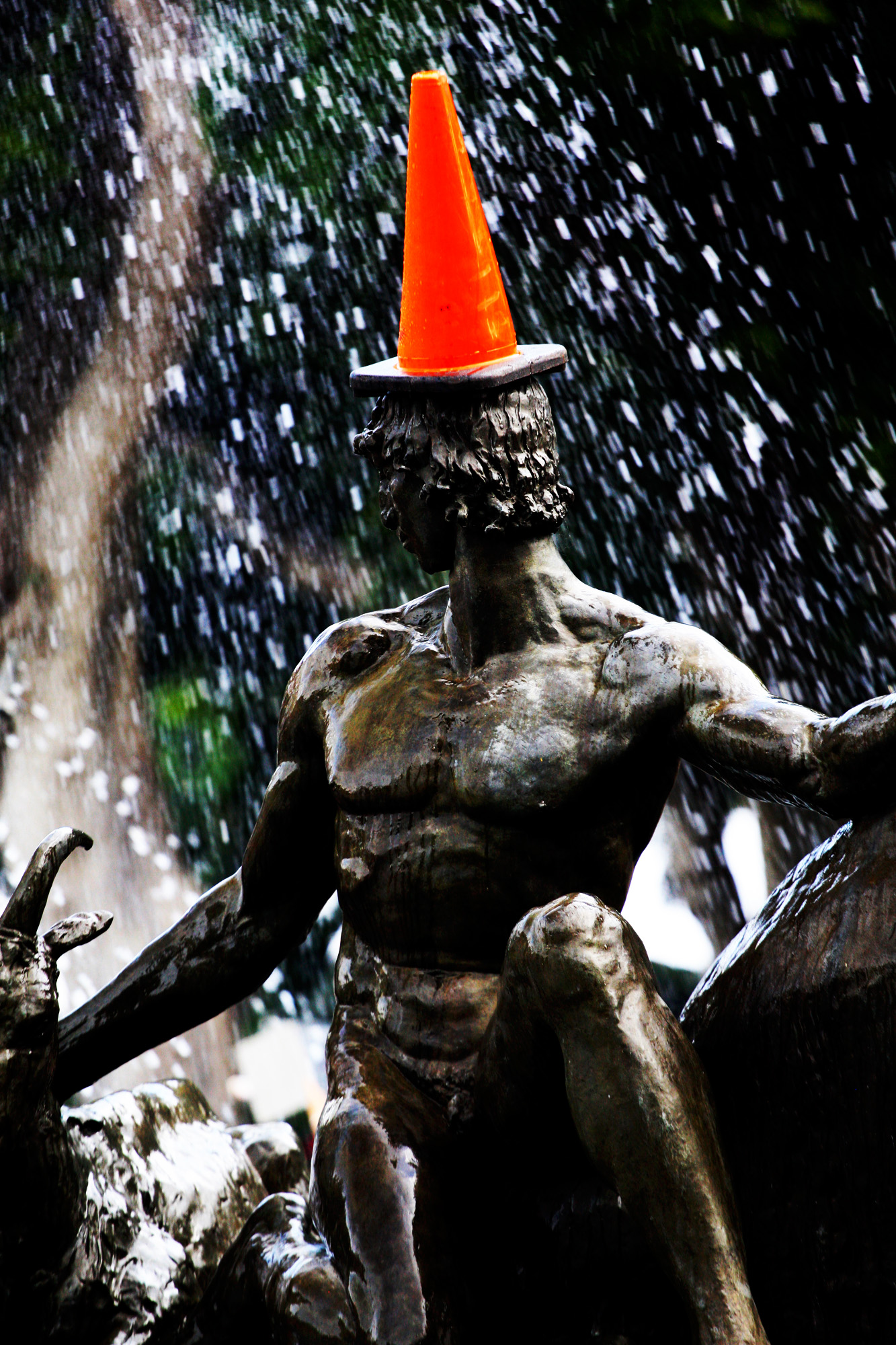
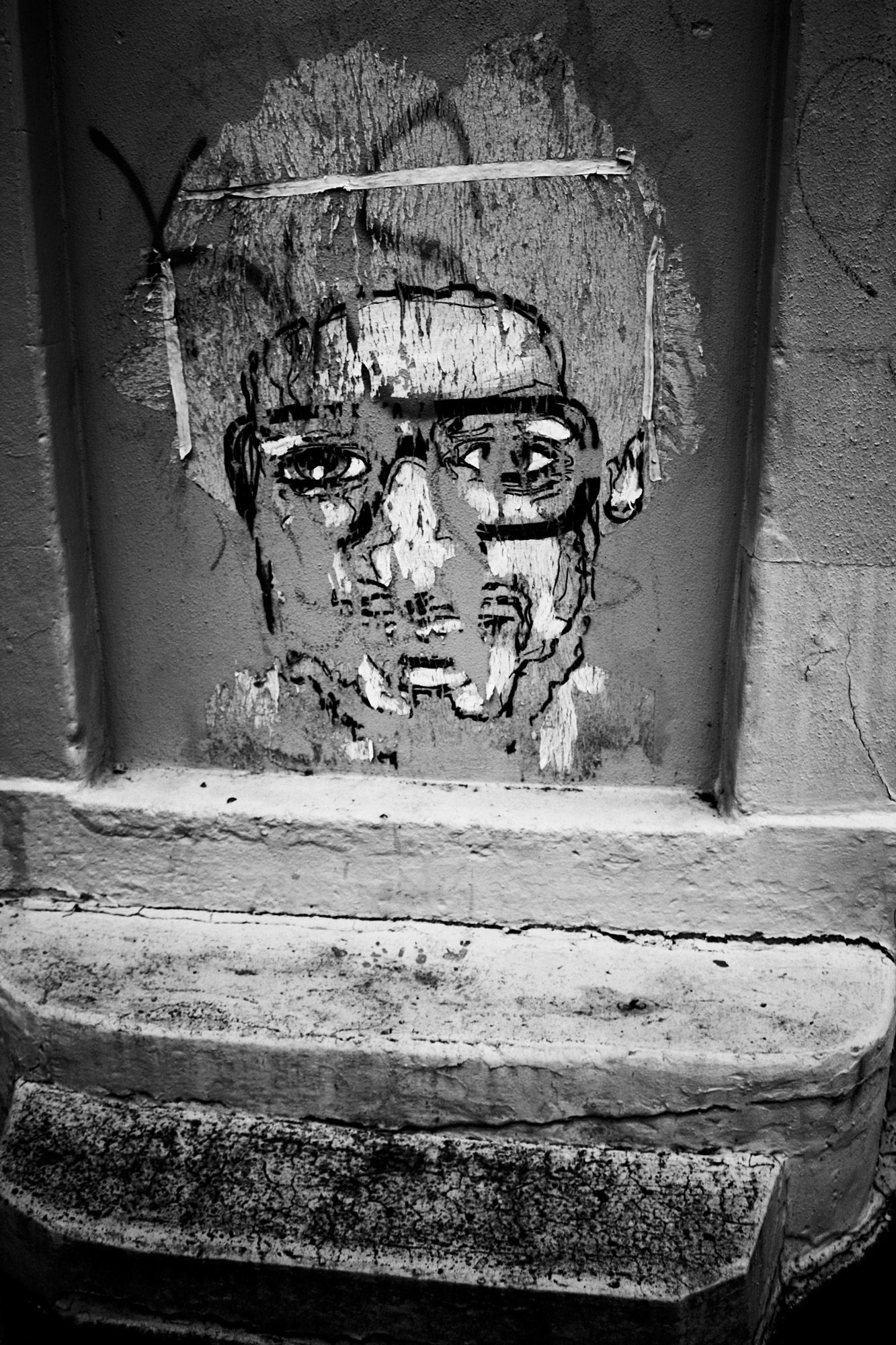
This is a somewhat random collection of not especially great shots, but rather a bunch of curiosities and vignettes. The amusing, everyday and grotesque seem to abound wherever I look and I’ve just been snapping really, rather than working the lens a great deal. I’d love to have more time to plan shoots and go for specific targets and themes, but instead I’ve just been carting the camera about and flinging it at whatever crossed my path. Hopefully the next collection won’t be quite so random and lacking in striking images, but for now, this serves well as a sort of photo diary of recent encounters, discoveries and moments. Stay well peeps!

Posted in Darjeeling, India, Memoir, Photography, Travelogues on February 22, 2012| 10 Comments »
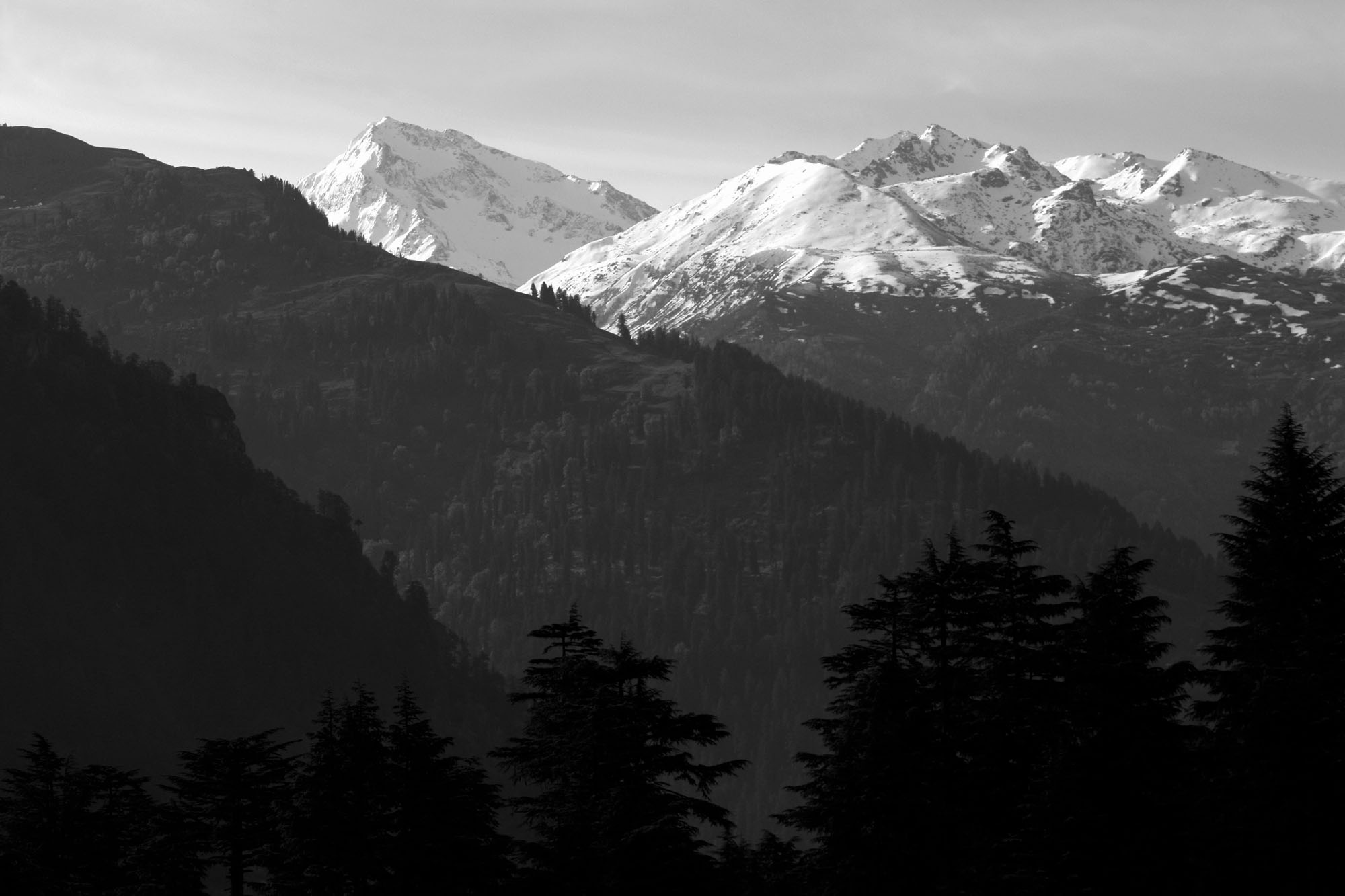
Having come to Darjeeling in part to see its views of the Himalayas, I felt frustrated when the horizon proved to be continually covered in cloud. Only in the late afternoon of my first full day did I manage to catch a glimpse of the mountains; when heavy rain cleared the mist and fog from the sky. The break in the clouds was brief, however, and by the time I reached a decent vantage point, the view had vanished.
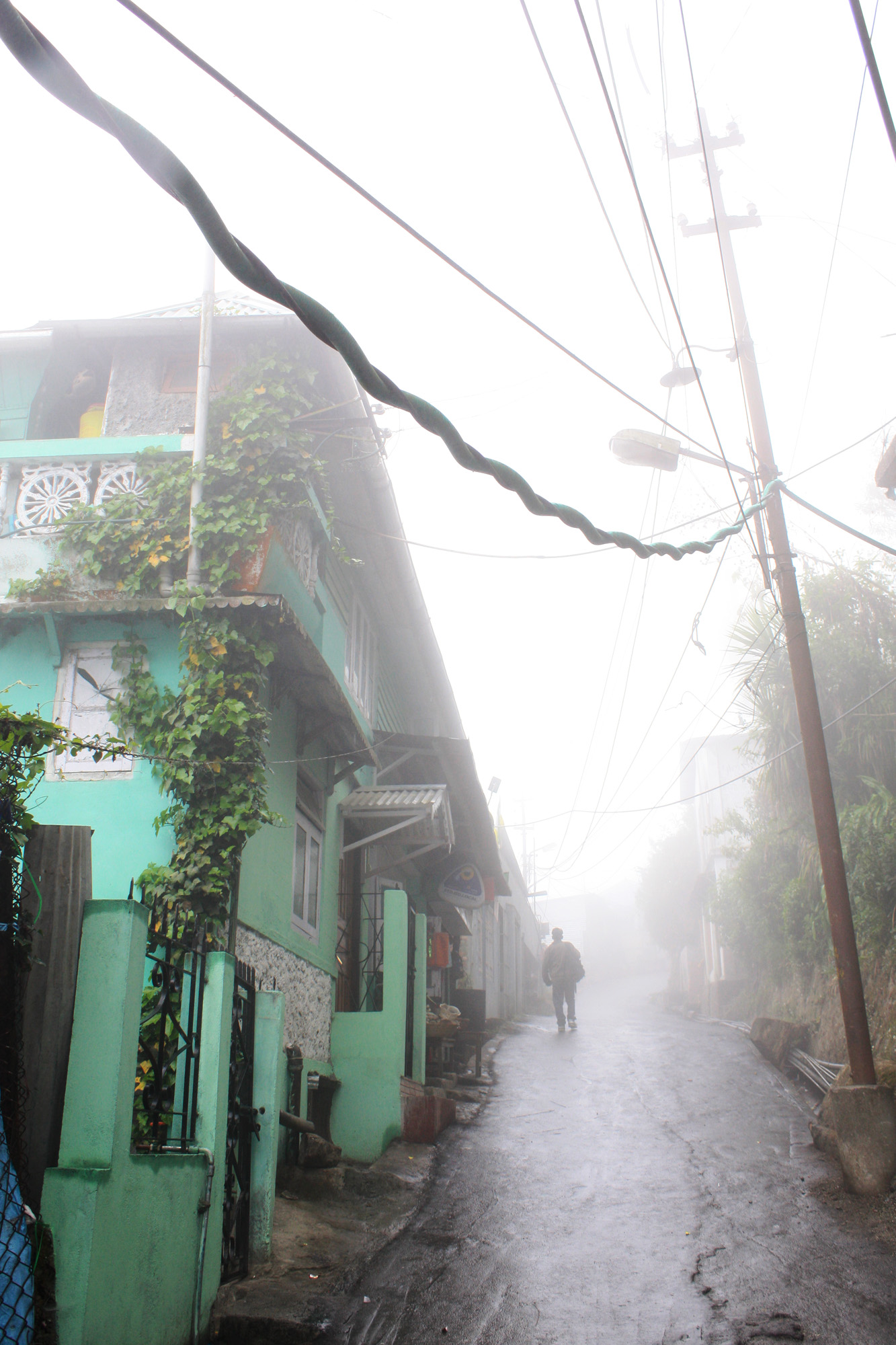
This was, by no means cause for despair. For, by way of beautiful compensation, the following two days had seen the town entirely shrouded in heavy fog. The beauty and wonder of it were ample entertainment and I could probably have continued to photograph the silhouettes and shadows without ever getting bored. Indeed, the fog proved so beautiful and entrancing that I almost forgot about the mountains altogether. Almost.
I have always had a great love of mountains and snow, possibly because of Australia’s relative lack of them. There are the Snowy Mountains in southern New South Wales, with a roughly eighty to one-hundred day ski season. Yet the highest mountain, Mt Kosciuszko, is a mere 2228 metres, and lacks the drama of other, more elevated peaks. There is, of course, the Great Dividing Range, a vast line of mountains stretching for roughly 3500 kilometres down the east coast of Australia, making it the third longest mountain range in the world. Yet, the Great Dividing Range formed some three hundred million years ago during the Carboniferous period and has suffered significant erosion since. These are very old mountains on the planet’s oldest and flattest continent.

If Australians want to see high mountains and better skiing, they traditionally duck across the Tasman to New Zealand. Still, despite the significantly more impressive peaks of New Zealand and their year-round snow-caps and glaciers, the highest mountain, Mt Cook, or Aoraki, is only 3754 metres tall. If New Zealand does not suffice, then Japan, Canada, or the European Alps are the likely choice for skiing, with The Andes, Rockies and, of course, the Himalayas, also featuring prominently on the mountaineering circuit. For most Australians, therefore, snow and high mountains are exotic – and elsewhere. For some, no doubt, they have little appeal against the perhaps more obvious attractions of paradisiacal beaches, yet for me, who was never especially fond of the hot climate, high, snow-capped mountains are the ultimate dream. They are impressive not merely for their staggering reality, yet also for their fantastical implications; being so long evoked throughout my role-playing childhood as the home of dragons, frost giants and hard, uncompromising barbarian folk. Just looking at mountains is enough for me, and I could likely do it all day without ever getting tired.
So, despite the great beauty of the fog, I was dying to see Mt. Kangchenjunga, which, at roughly 8500 metres high, is more than six kilometres higher than Mt Kosciuszko. This very thought – eight and a half kilometres, up into the sky! – was enough to give me goose bumps, and the brief glimpse I had caught of it had confirmed for me that it looked uncannily tall against the Earth. Determined to see the mountain properly, on the evening of day three, after another gorgeous day in the enveloping fog, I decided to stay in Darjeeling until I had done so. If it took a week, then so be it. But one day surely, perhaps just one morning, the horizon would be clear and the full glory of the snow-capped peaks revealed.
On my fourth morning in Darjeeling, therefore, I rose at 0500 AM and parted the curtains. It was still very dark outside, yet the sky had lightened just enough to see that it was clear. The dim stars overhead faded towards the horizon, from which the day was beginning to spread. The mist that had cloaked the town for the last few days had lifted, and whilst it was still too dark to make out the line of mountains in the distance, I felt confident that I should get lucky on this occasion. I ran to the shower, washed up and dressed, then set off with my kit into the cold morning.
Darjeeling was quieter than ever at this time of day, but once I neared Chowrasta, the main square at the top of the town, there were signs of activity along the street. Shop doors stood open with the owners sweeping their floors; on the wooden stalls hugging the road, vendors were already laying out their wares: fruit, vegetables, poultry and the like. On the edge of Chowrasta, in their ramshackle tarpaulined shelter, the tea-wallahs I’d become so fond of the day before were setting up. I checked my watch – it was still only five-thirty. How hard these people must work, for they continued serving until almost ten at night! Opposite them, the concrete stables were, for once, full of horses. Several of the handlers dozed on the steps, and I wondered if they were stoned already.
Being, shall we say, rather naughty, I had, just two days before, purchased a bag of marijuana from these so-called Pony Boys, who provided joyrides around Chowrasta, and along the road that ringed Observatory Hill. The night before I had prepared a couple of joints in hopeful anticipation of a clear morning, or as a form of consolation should things prove otherwise, and it was with one of these tucked behind my ear that I crossed the square and set off down the road beside the hill.
I expected it to be very quiet and largely free of people, yet, walking around Observatory Hill on its eastern side, I was astonished by the number of people exercising. Many of the locals were out running already; men and women of all ages. I passed a lot of joggers and groups of people doing stretches and aerobic exercises against the metal railings. Despite having been a keen runner for many years, even when I’m in an early-rising phase, I’ve never been able to exercise this early in the morning and have long been jealous of people who woke up feeling so energetic. The people were all very friendly, both to me and to each other, and I was surprised by how many used English greetings amongst themselves: “Hello” and “Good morning.”
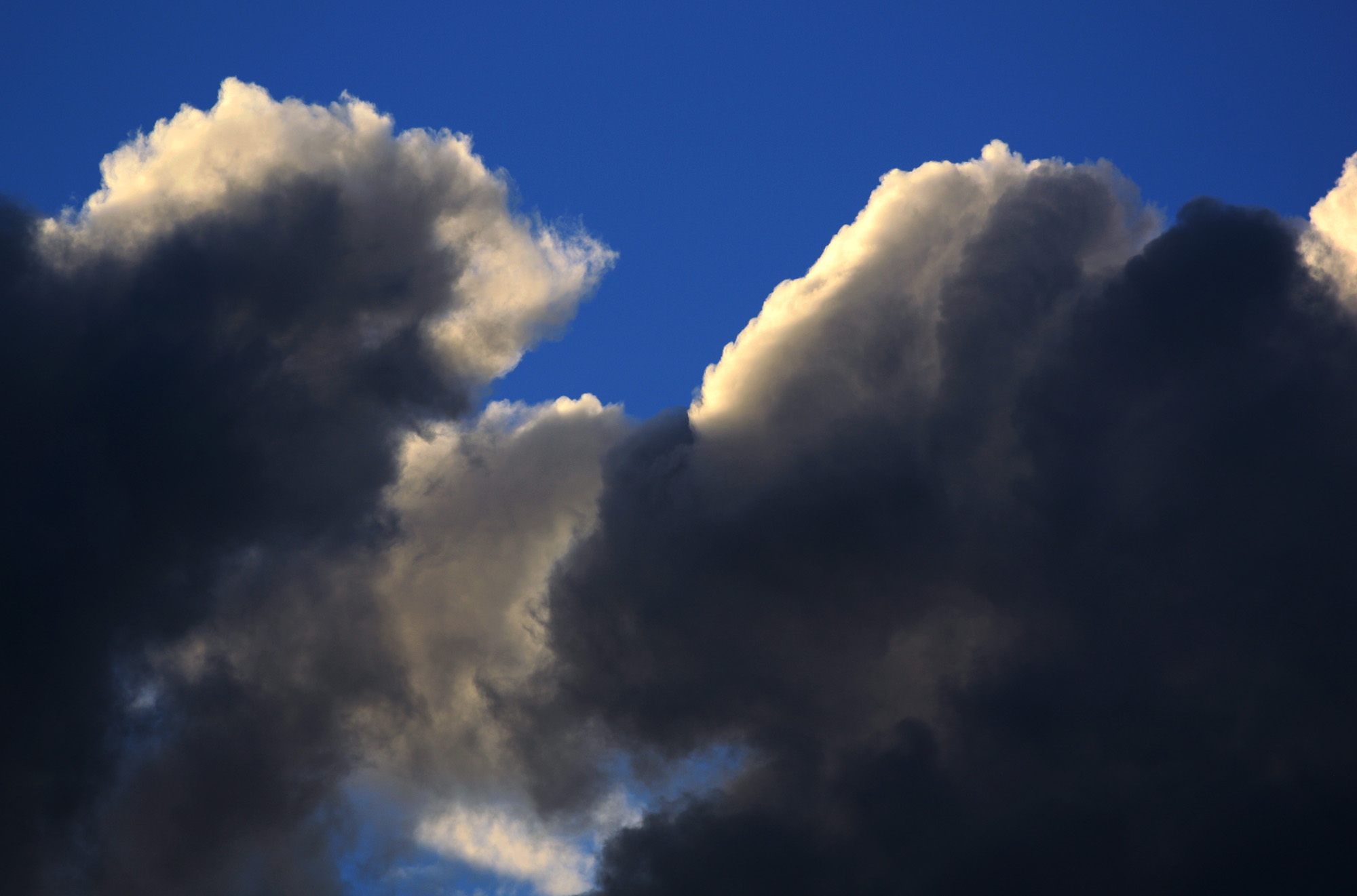
When I rounded the corner to the northern side of the hill and saw the horizon, I felt a sudden slump in my hopeful mood. The sun had not yet risen, though now the sky was light and clear, but the mountains were dressed in cloud and remained invisible in the distance. In their place were great stacks of cumulus of varying heights. I imagined the shape of the cloud might somehow reflect the size of the mountains underneath, yet without any real sense of scale or proportion at such a distance, I might have been horribly wrong. Either way, the mountains were not to be seen.

I did not want to give up hope just yet, for in truth I knew very little about the meteorological conditions and reasoned that perhaps the sun might rise and burn away the cloud. There was obviously less moisture in the air today, which felt much more dry and crisp. It had a mild sting in it, as cold, clean air will do, and this gave me further hope that the day would not be so humid and thus less foggy.
Unable to see the mountains, I continued walking and focussed on photographing the valley below and the locals performing their exercises. When I reached a lookout I had discovered a couple of days earlier, I stopped, deciding this would be the best vantage point should conditions prove favourable. It was a shelter of cast-iron, with a corrugated sheet-iron roof, under which sat long, old-fashioned park benches. One of these bore the inscription Darjeeling Health and Fitness Club (I think), and it was a very popular place to congregate for early morning exercise. Around the shelter and benches, before a steep, wooded descent into the valley below with its rounded slopes of tea, were roughly twenty men and women performing stretches, jumps and running on the spot. To the side of them stood a Buddhist monk with a large, round, hand-held drum, like an outsize tambourine. He was humming and banging on the drum, facing the east where the sky was ever lightening, singing in the dawn, I can only imagine.

I figured there was likely another twenty-odd minutes before the sun actually rose, so I walked to the back of the road, where Observatory Hill rose steeply, and began to climb a steep watercourse. Before long I was thirty metres up above the people below, with an excellent view to the hidden mountains on the horizon. I took the joint from behind my ear and, feeling ever the fugitive, crouched behind a shrub to smoke.
I was soon joined by a friendly dog; a healthy and clean stray who was scavenging for food in the trees on the hill. She nuzzled in and sat down beside me, deciding we were to be friends. I patted the dog just a couple of times, not wishing to encourage her too much for fear of having her sit outside the hotel for the rest of my stay. It was difficult not to show more affection to this attractive, light-brown bitsa. I hadn’t had much in the way of company for some time, and as the marijuana put me once again into very high spirits, I wanted nothing more than to play and wrestle with this lovely dog, then buy the poor thing a great feast and give it a bath.

The sun, however, was rising and I needed to focus my attention on getting the shots. I took some from where I sat; switching lenses repeatedly for a wider or longer focus, then descended back to the road. The dog followed me down, but had the decency not to hang off me. She skirted the exercisers nervously, wondering which way to turn.
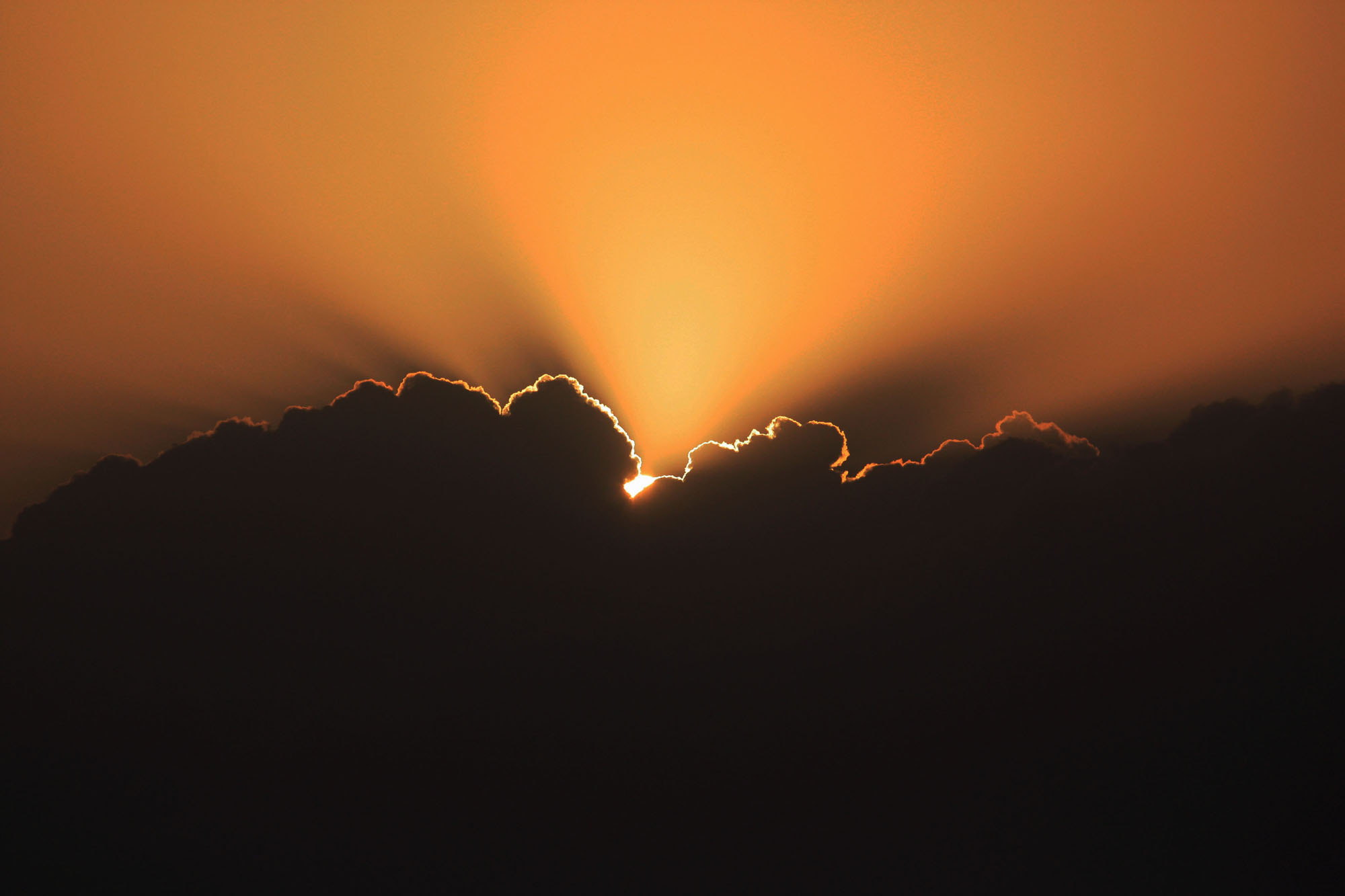
The monk’s drumming and droning was all the more intense now in my heightened state, and I felt completely in the zone for shooting, targeting people and scenery alike. Just above the layers of cloud in the distance, long, bright rays of sun were spreading in triangular fans. The cotton wool, popcorn clouds, beautiful in themselves, were rimmed with a fiery gold that burned in the back of eye. Below, on the slopes and in the valley, the tin and iron-roofed houses nestled in a light mist that blew like puffs of smoke. Where the hills spread out in lower undulations, the rich green of the orderly tea plantations was washed with drifting coils of mist.

The monk continued his slow beat and droning, and I, taking refuge behind my sunglasses, watched from a short distance, shooting video. I wanted more stability for the long-range focus and, not having brought my tripod this morning, I soon moved to one of the benches, alongside the shelter, and rested my camera on the rail in front. On either side the locals continued their exercises; huffing and breathing loudly, but otherwise, doing their routine without a word. The valley below made a pleasant subject for study, and I spied on the activity of tiny distant people and dogs, drifting through the light cloud that brushed the tree tops. I could hear the happy singing of children from a school a couple of hundred metres down the slope; a dawn chorus of upbeat, unbroken voices, both energetic and joyous. What time did school begin here? Such happy singing seemed a very positive way to start the day.

When, at around 0630, the sun climbed atop the rounded crenulations of cloud, there was a splendid murmur of excitement. The lens flared with the light that shot in clear beams from the small orange arc of sun. The sun rose rapidly and the light fanned quickly across the hills and valleys below. The tree-tops lightened, the fog shone white, and the locals doing their exercises seemed to find an extra spring in their step. It was a powerful and uplifting vision, without a hint of anticlimax and, though I longed to see the mountains, I was happy indeed with this burst of sunlight.
I sat and stood and sat again, photographing the scenes around me in the growing brightness. I continued to hope that as the sun grew higher and hotter, it might burn away the cloud below and reveal the snow-capped peaks of the mountains. Was this the beginning of a dry, warm, clear day in Darjeeling? Was I about to be treated to that mountain view at long last?
It was now that I noticed a change in the valley below. The mist that had, until recently, been sparse and thin, began rapidly to thicken. In the warming sunlight, the abundant moisture was evaporating and gathering into pockets of cloud above the vegetation. Slowly the iron rooves and tea plantations became more difficult to see as these blooms of mist spread and floated until, after about ten minutes, with the sun now well clear of the clouds on the horizon, the scene below was almost entirely shrouded.

This gathering cloud now sent up a long, thin coil of white mist. It rose in a tall column that stretched up high above the tallest trees near where I sat watching. This column of rising moisture began to widen, fattening until it grew dark and dense, like a pillar of thundercloud. At the top of the column the mist very abruptly spread sideways, like a flat mushroom cloud, colonising the sky with fog.
Once this process was underway, the speed with which it continued was astonishing. The sun, it seemed, rather than burning off the cloud, was having quite the opposite effect; vaporising all the moisture in the valley and lifting it into the air. From a meteorological perspective, it was absolutely fascinating. The spreading cloud soon covered the sky immediately above, blocking all direct sunlight. The treetops began to dim, the golden wash turned silver then grey as the hills and valley below vanished completely from view.
Soon the entire sky, as far as I could see, was covered in haze and cloud. Great waves of fog rolled up the slopes and onto the heights where I sat, brushing my skin with cool moisture. By the time the clock struck seven, the fog had smothered everything. I could see no more than twenty metres.
This marvellous meteorological event was too exciting to allow for disappointment. So much for the mountains – I was perfectly content to spend another day in thick fog and try again the following morning. I took another joint from my packet and wandered back along the road I had followed to the look-out.
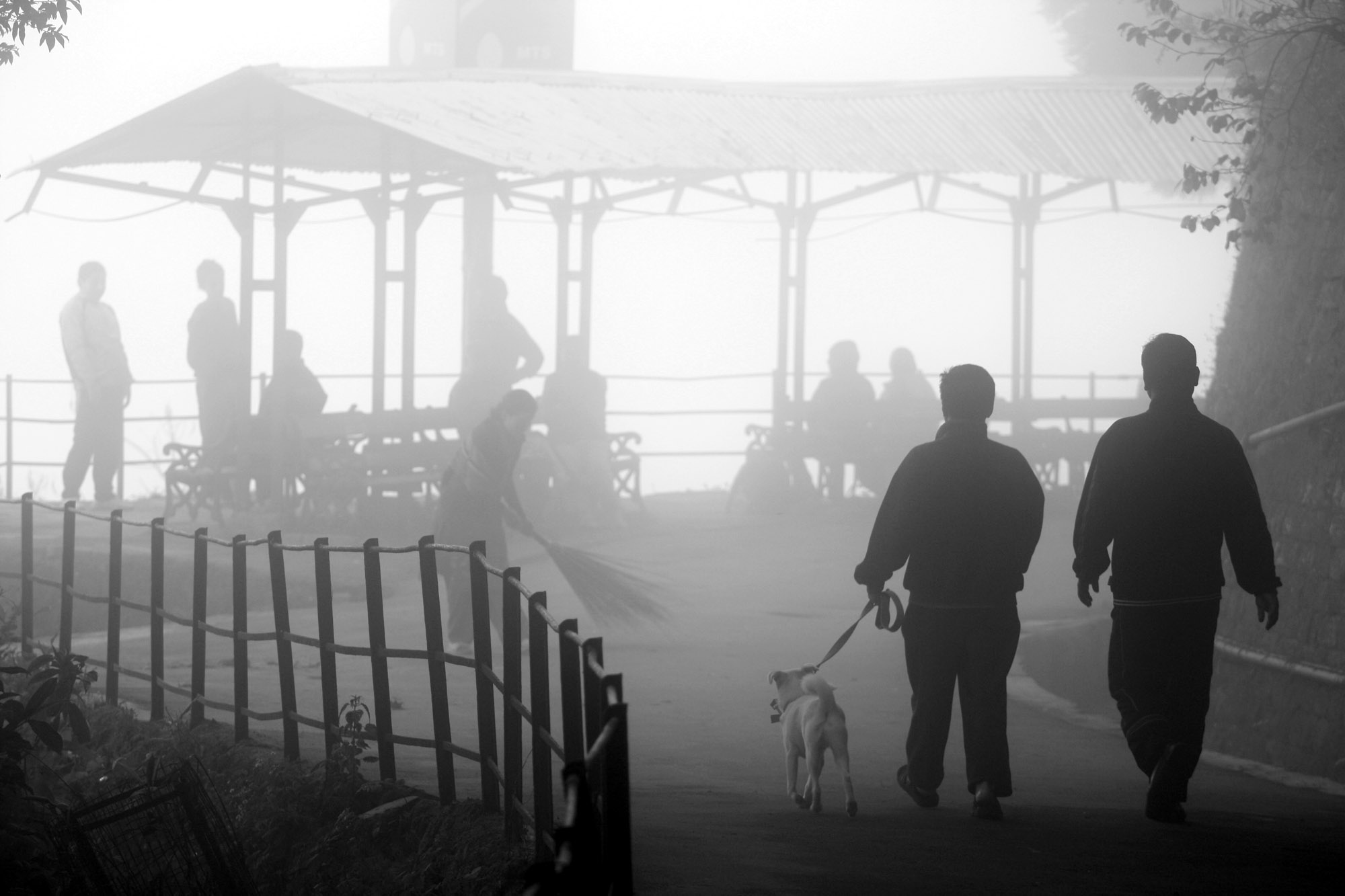
Silhouettes appeared against the wan backlight, and the trees, now full of enticing shadows through the filter of fog, seemed especially fecund with their newly wetted leaves. I smoked took photos, looking back towards the “Darjeeling Fitness Club” where several locals were still doing exercises. Their shapes made excellent subjects and I kept the camera trained on them for some time.
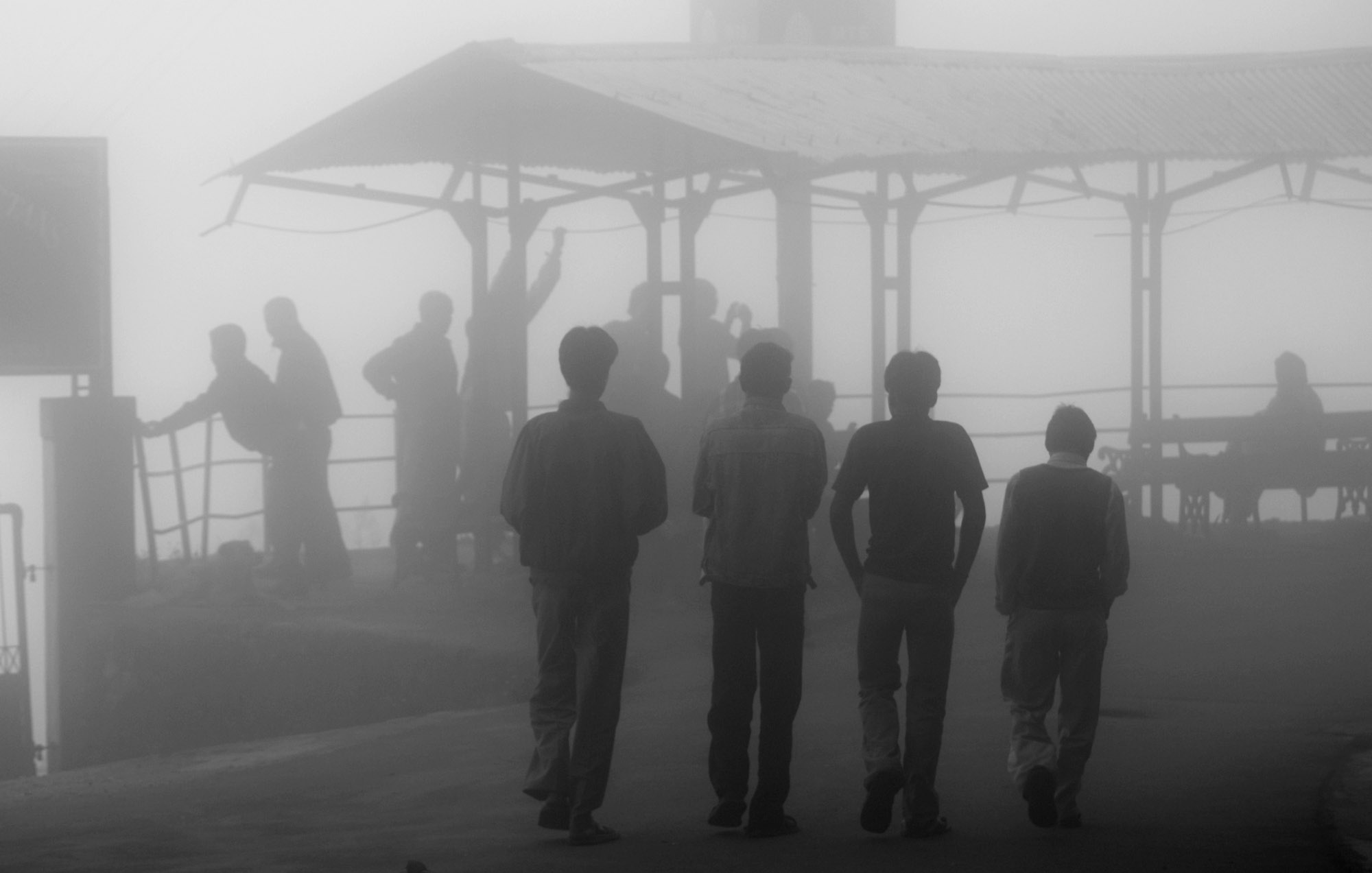
I drifted back into Chowrasta, towards the chai place on the edge of the square which I had adopted as my own over the last couple of days. The man and two women were all there, and the place was fully operational. I ordered tea and a chilli egg bun and sat down on the bench to watch them at work. It was sad how much I loved what they did, yet could not possibly love their life. To work such long hours and to be so constantly busy was not something to which I could relate. It was hardly a new sensation, this wonder at the workers of the world who slog it out all day. Yet, sitting so close to this dynamic trio, who gave me such pleasure with their excellent tea and lovely, simple food, I felt a passionate hope that they should find enough time to be happy outside of work. At least they were their own bosses, and perhaps this was the life they chose, but it didn’t exactly look easy. I stayed there almost an hour, and drank three cups of the best tea in the world.

Over the next five days, I repeated that morning almost exactly. I rose just before five AM, showered, dressed and set off towards the same look-out. There was, at Ghoom, the highest railway station of the Darjeeling Himalayan Railway, a very famous and better situated lookout called Tiger Hill, to which many people ventured in the morning to see the mountains. This, however, was equally contingent on the sky or horizon being clear and, without such conditions, it seemed pointless for me to take one of the many early morning jeeps there.
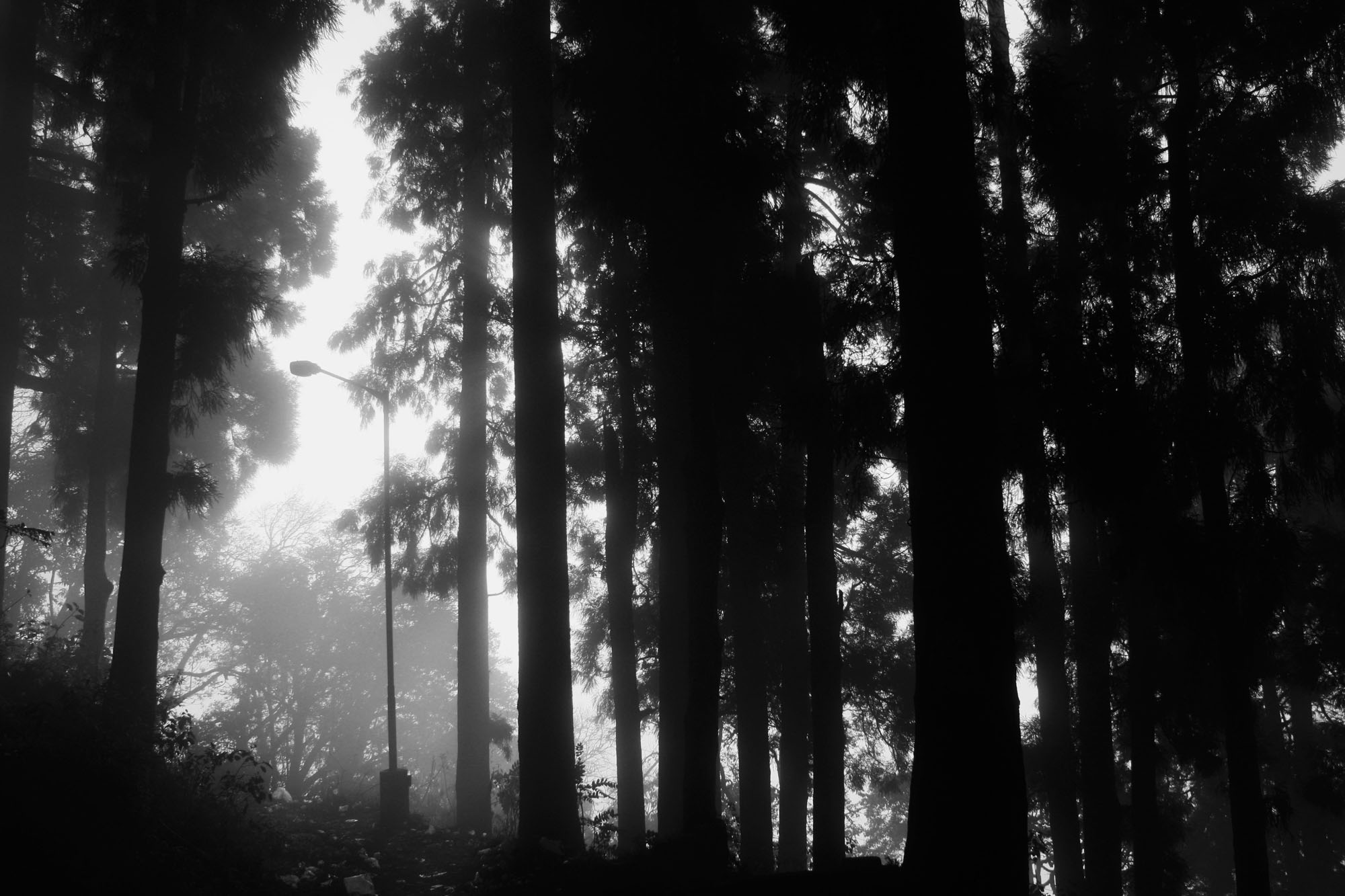
Every morning over the next five days, I carried the same hope around Observatory Hill: that today would be different; that the sky would clear completely for a spectacular view. Sadly, however, on every single occasion, the entire horizon was covered in fog.
In the later mornings and afternoons, with never a sign of the distant cloud lifting, I wandered around town, photographing the workers, shops and the closer views.
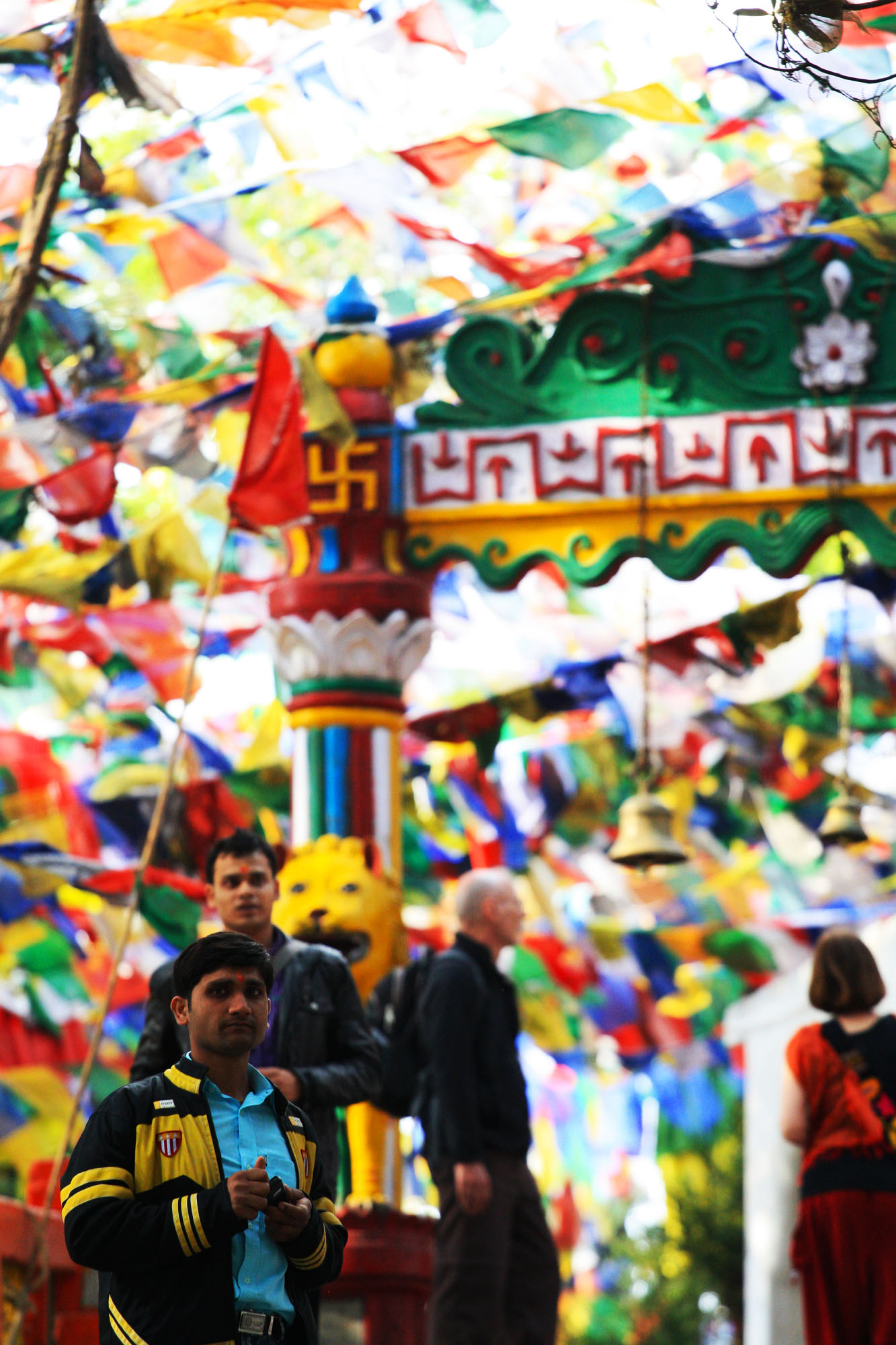
I spent some time up on top of Observatory Hill, stoned, lost in thought, watching the colourful flags of the Buddhist monastery flap in the persistent breeze.

I spent hours sitting with the monkeys at the back of the monastery, watching their antics, squabbles, grooming and occasional surliness. Some days I wandered quite a way out of town, floating along the curving roads through the smaller, surrounding villages. I walked up into the forest and sat amongst the trees; smoking, reading, dozing, lying, thinking, thinking, thinking.

I saw a man with a prize pig, a most flamboyantly feathered chicken, women breaking rocks for a roadway.

I walked all day, looking for photographs and vignettes. I followed the railway out of town into some of its slightly grubbier quarters.

A small, quiet man showed me around another monastery. He told me its quaint, unassuming history, then a story of the school they hoped to build if only they had the money. I made my donation on cue, then left, feeling disappointed with both him and me.
Every breakfast lunch and dinner was spent at my favourite chai wallahs. I never learned their names, and we hardly ever shared a word, but we had an unspoken friendship that lived in our genuine smiles. I was certainly curious about their lives, but, knowing how much I value my own privacy, I did not want to pester them with a bunch of personal and anthropological questions. I figured that if I just kept ordering tea and food, and they kept making it so well and serving me in so friendly a manner, then we already had a strong enough relationship.
When, on my ninth morning in Darjeeling, the horizon was once again covered in cloud, I gave up all hope of seeing Kangchenjunga. Two days before, I had booked my ticket – from Siliguri to Delhi – and I wasn’t about to miss my flight. I sat and watched the mist rise from the valley once more, then walked back to Chowrasta for a final breakfast.
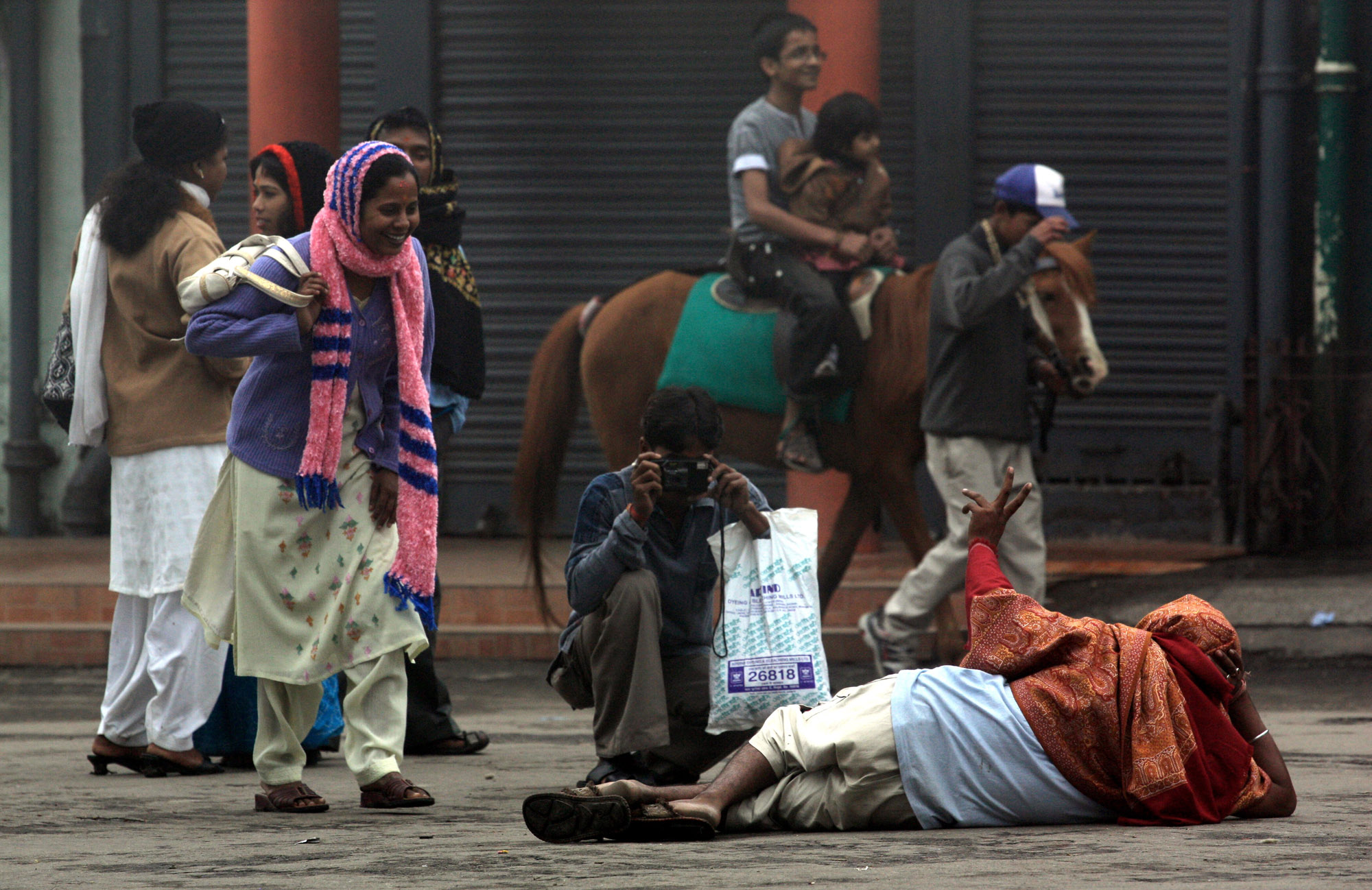
On the way there, I passed the very Pony Boy from whom I had bought a bag of marijuana almost a week earlier. He was standing holding the reins of his horse, grinning enough to show his blackened teeth. He recognised me and said:
“Are you going riding again today, sir?”
“No. Thankyou!”
I laughed and smiled at his conceit. How sad and happy this little encounter made me feel. When I sat down on the bench and ordered tea a few moments later, I felt a choking thickness in my throat. How could I leave Darjeeling, having become so used to the place, and with my mission still unaccomplished? Did I not feel as though I were stagnating, perhaps even on the brink of a sort of dissipation, I might well have stayed on.

I knew that there could be only one cure for this growing burden of loss: to get back on the road and find new places and people. From Delhi I was flying on to Amritsar, right across India in a day, and after that, it was anyone’s guess. That morning, sitting there for the last time, I drank four cups of tea and made a new plan. From Amritsar, I would head north up into the mountains of Himachal Pradesh and see the Himalayas around McLeod Ganj and Manali. If the road was open and I could make it all the way to Leh, then so be it.
As many attractions as India might hold, the need for mountains was in my blood, and anyway, I preferred the cooler climate of higher altitudes. My mission in Darjeeling was indeed as yet unaccomplished, but if I couldn’t see the mountains here, then I would travel until I saw them somewhere. I had at least another month up my sleeve, and nothing, whatsoever, was calling me home.

Posted in Photography, Sydney on February 16, 2012| 1 Comment »
Posted in Darjeeling, India, Memoir, Photography, Travelogues on February 8, 2012| 17 Comments »
It is not especially easy to find cigarette papers in India. This first became apparent in Jaipur, when I wanted to roll up a little something. I had just returned from ten days travelling around Rajasthan and my contact, Sunny, had been kind enough to donate a small rock of hashish. I crossed the street that afternoon to the local general store near my hotel, which sold cigarettes, assuming they would also sell papers. Yet, when I inquired of the man behind the counter, I was told otherwise. Baffled but by no means thrown, I walked around the corner where there were two small, free-standing booths which also sold cigarettes and chewing tobacco.
“Do you sell cigarette papers?” I asked.
“No, sir,” said the vendor. “Up the road. Near the roundabout.”
“And the other guy?” I asked, pointing to the other booth.
“No, sir. Roundabout.”
He pointed up the street.
The roundabout of which he spoke was a couple of hundred metres down a long road. On the way, I passed quite a number of small businesses and stopped in at three general stores, thinking surely someone must sell cigarette papers. Again, my plans were thwarted. When I did finally reach what was a colossal roundabout, beneath an overpass, with small shops and booths circling it, I expected to be at last rewarded for my efforts. Yet, when I asked the shopkeepers, all of whom sold cigarettes, not a single one of them sold papers.
Now I was indeed thrown. Did no one in India roll their own cigarettes? It seemed like just the place for it, considering how popular rollies were amongst the budget minded, and India, sadly, is not exactly a rich country on a per capita basis. If no one sold cigarette papers, and not having spotted any shops selling chillums, I had little choice by to compromise. I bought a cheap twenty-pack of Navy Cut, resigning myself to carefully emptying and repacking the cigarettes, after having “enhanced” the tobacco.
When, roughly three weeks later, I went looking for cigarette papers in Darjeeling, the situation proved no different. Walking back through the heavy fog, armed and dangerous after a successful and picturesque score in Chowrasta, I asked in every single shop I passed, only to be told no. Oh well, I sighed, there’s always that battered packet of Navy Cut in my bag.
Upon reaching my hotel room, I lay down on the bed and took out the bag of weed I’d collected from the so-called Pony Boys, or, rather, the horse-handlers down in the square. It was a large if lightweight parcel, roughly the size of a very healthy potato, full of stick and twig and seed, and lots of dry, leafy marijuana. It certainly didn’t look impressive, but it had a fresh and natural smell which was a refreshing change from the heavy, pungent, hydroponic wipe-out buds circulating round Sydney in this day and age. Either way, there was plenty of it, and it had, after all, been recommended by a gruff Queenslander, who seemed to know his business.
It was not yet ten o’clock and, having risen early, the day seemed destined to be a very long one. Lying there, with the curtains wide to a view of faint outlines in cloying fog, I pulled some sprigs of weed from the bag and began diligently to remove the small, oval seeds. There were so many of the little buggers, that this task took me the better part of forty minutes, after which I had produced an impressive pile of mix. I hopped up and emptied three cigarettes by carefully rolling and squeezing them between my fingers. Then, having blended some tobacco with the marijuana, proceeded to re-stuff the cigarettes, ably aided by a pen. By ten forty five, I was ready. I took a warming shower, dressed and gathered my things.
Just before leaving I paused by the window, taking in the limited view. Since arriving in Darjeeling two days ago the town had been shrouded in mist and visibility did not extend much beyond the foreground. Only on the afternoon of the day previous, when it had rained heavily, had the sky cleared for long enough to catch a glimpse of the Himalayas in the distance. It was an impressive glimpse, but very brief, for the dispersal of the clouds lasted just a short while, and soon they had reformed their ranks.
On the street below a family of carpenters rested on the pavement outside their shop; at their feet a carpet of shavings. I watched them a while and photographed them, before deciding that I could likely get away with smoking a joint there and then.

I tested the wind direction with a licked finger, took a smoke from my packet, struck a light, and crouched by the window. Feeling rather deliciously naughty, enjoying this fugitive act, I inhaled as Bill Clinton never did, with zeal and gusto. The smoke went straight to my head and I wobbled a little on my heels, but, determined to do things properly, I diligently smoked my way to the filter, exhaling in carefully directed puffs, guiding the smoke away from the closed, neighbouring window.
When, two minutes later, I stepped out into the roiling fog, I was as high as a weather balloon.
“Sensational,” I muttered, and set off towards the carpenters. Feeling rather louche and chummy, I couldn’t resist a rather baroque greeting as I walked past, and waved with both hands, spewing forth hellos. The two men and a young boy responded warmly, and it was at this point that I realised just how ridiculously happy I was. The high I was experiencing was of the most rare and upbeat variety, and its effect was growing in strength with every passing minute. For the last two days the mist had fascinated me and already its beauty had won me over. Yet now, intensely stoned, feeling marvellously fit and rested, having been travelling for a month already, full of wonder and curiosity, the magic of what I was seeing exploded inside me like a bomb.
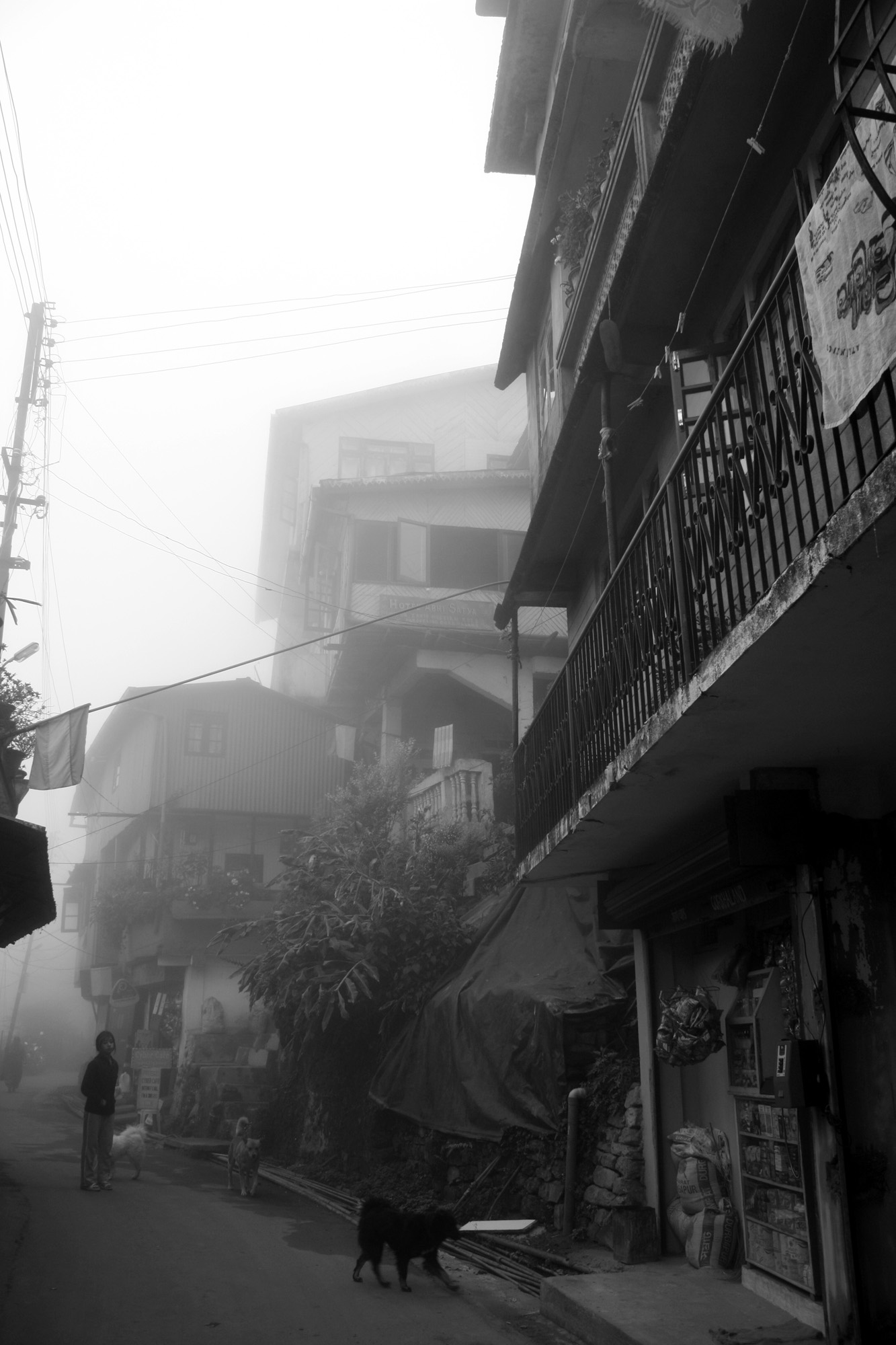
Despite six years spent living in Cambridge, which could, on occasion, become enveloped in mist rolling in from the fens, I had never seen fog anything like as thick as this. Since the blanketed morning it had increased its hold over the town, turning even the most derelict and mundane subject matter into something breathtakingly beautiful. Tears welled in my eyes and my jaw-dropped; I was thankful that in the thick mist, the few people I passed could not see my face clearly, for I could barely control my expressions. My throat was thick and my lips wobbled. I felt a burning in my heart and was flooded with a feeling of love; love for the fog, love for the cool air, love for the buildings, love for the passers-by and the curled-up dogs. The world was a pencil sketch, viewed through tracing paper. It shifted and whispered itself through the droplets, soft and muted.

I strolled onwards through the moist air; my camera at the ready and Sigur Ros in my ears. The houses, shacks and shops, huddled together along the route, loomed in and out of focus. The figures in attendance, crouched inside their stalls, seated cross-legged next to their wares, were quiet and patient. They seemed in many cases very poor, and I hoped that their lives were happy and their hearts at peace.
The mood and pace of Darjeeling was so very unlike the insistent whirlwind of the India I’d seen so far. Perhaps it was the influence of Buddhism, the cooler climate, the different ethnic blend, or their relative isolation from the weight and competition of the population at large, but whatever the case, it was a pleasure to be left alone.
I passed the stables and the tea-wallahs I’d visited that morning.

Only now did I feel slightly conspicuous, as though the so-called Pony Boys, from whom I’d bought the weed in the first place, might soon be pointing and laughing at me. Feeling far too positive to allow any paranoia to take hold, I shrugged away the sensation and wandered out into the middle of the square, where the horses stood calmly about. Despite the relative cool and the heavy fog, the square was very busy. The orange and white-striped benches along its edges were full of locals relaxing; reading newspapers, drinking tea, smoking cigarettes and in one case, playing a game of chess. People milled about in the centre and periphery; tourists, bringing children for a pony joyride or shopping in the stores along the western side of the piazza, and locals, trudging back and forth, carrying loads and pushing carts, or simply taking a stroll.

It was a pleasure to photograph these people, but having hung around the square on several occasions already, I wanted to explore further and see new sights. On the eastern side of Chowrasta was an alluring road that led down the less-developed side of the mountain. It was impossible to see where it went in the heavy mist, yet, considering how incredible everything looked and having no specific goals other than to revel in the beauty of the day and take as many photographs as possible, I set off down this narrow street.
The fog so far had been very thick indeed, yet once away from the mass of people and the tightly packed houses and shops, it grew thicker still. Without the warmth of the people and kitchens, the moisture did not disperse so readily and, a mere two hundred metres down this side road, the world closed in as never before.

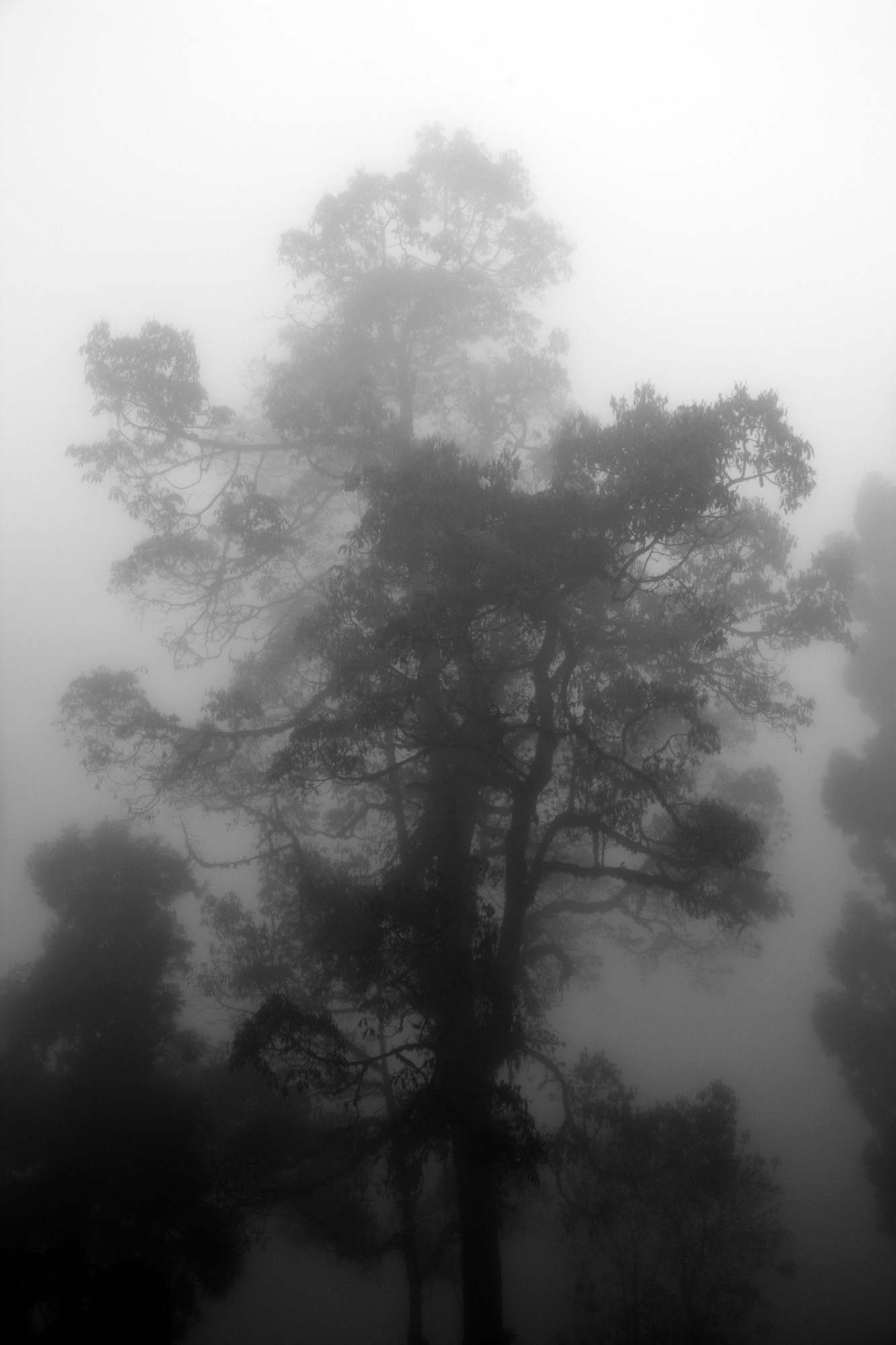
I was stopped in my tracks, breathless with excitement. Above me the trees were embraced by cloud, rising up in ever-paler shades of grey.
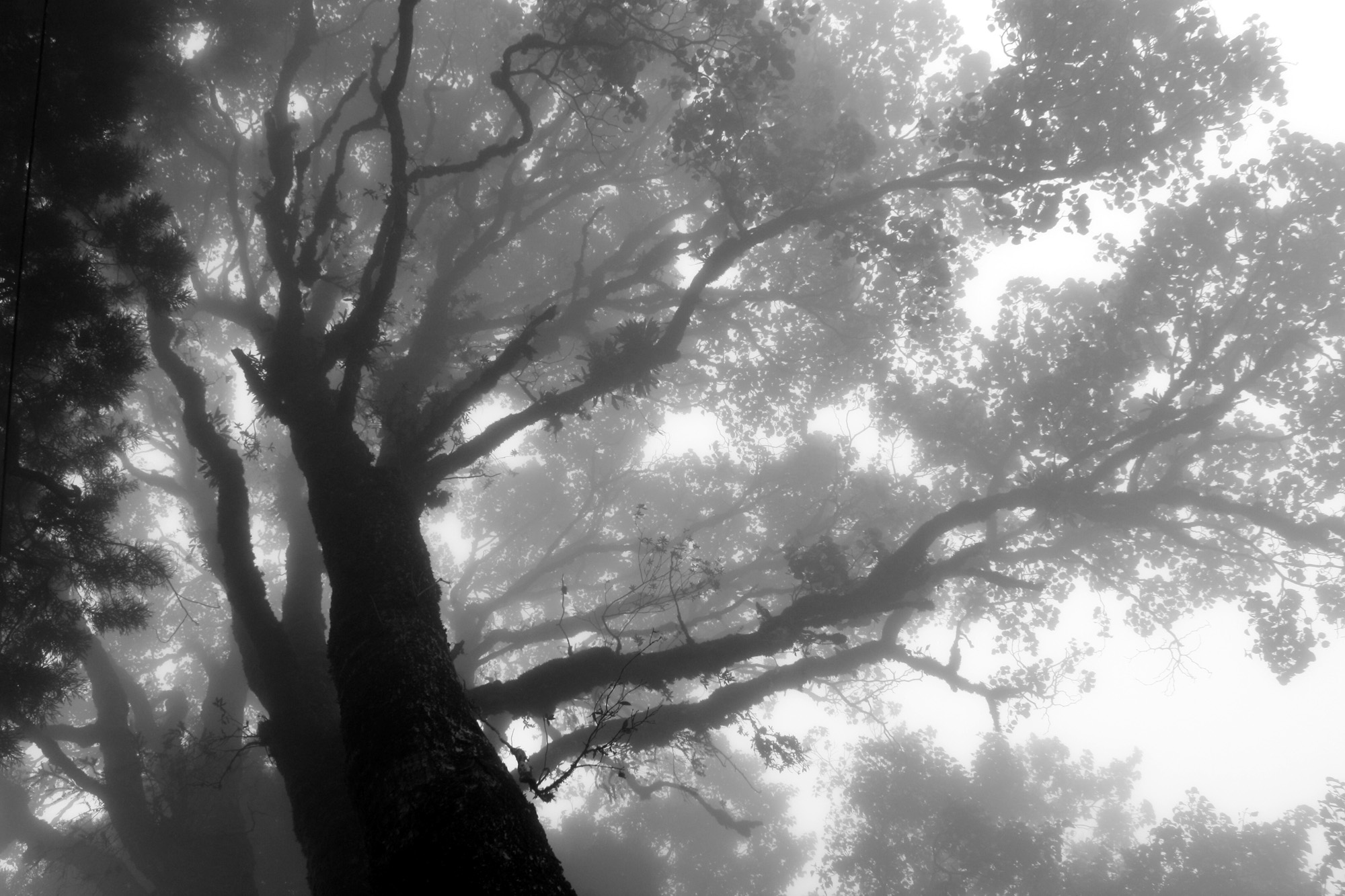
The density of the air was such that within small spatial increments visibility dropped alarmingly until the merest ghosts of branches could be seen. I stood there, overcome, looking up into the branches, shaking my head and muttering expressions of disbelief. I took out my video camera to film the mesmerising trees, trying to comment on what I was seeing.

I soon stopped talking, for there was too much emotion in my voice and it kept cracking with pending tears. How could anything be so beautiful? How lucky was I to be right here, right now, completely off my chops?!

A family of three – an older couple and their adult son – all wrapped in bright orange or yellow shawls and blankets, stopped me to say hello.
“We are here, on holiday, from Kolkata,” the younger man told me. “It is very nice to get away from the heat!”
We shook hands and I took their photograph. When I showed it to the old man and said, “Very handsome!” he seemed extremely pleased. We all laughed and smiled and shook hands again, and in less than a minute, I was on my way, smiling at just how much warmth and friendliness the Indians had shown me since arriving in their country.
The road wound down along a natural contour, passing Buddhist shrines, tall trees and occasional houses and shops.
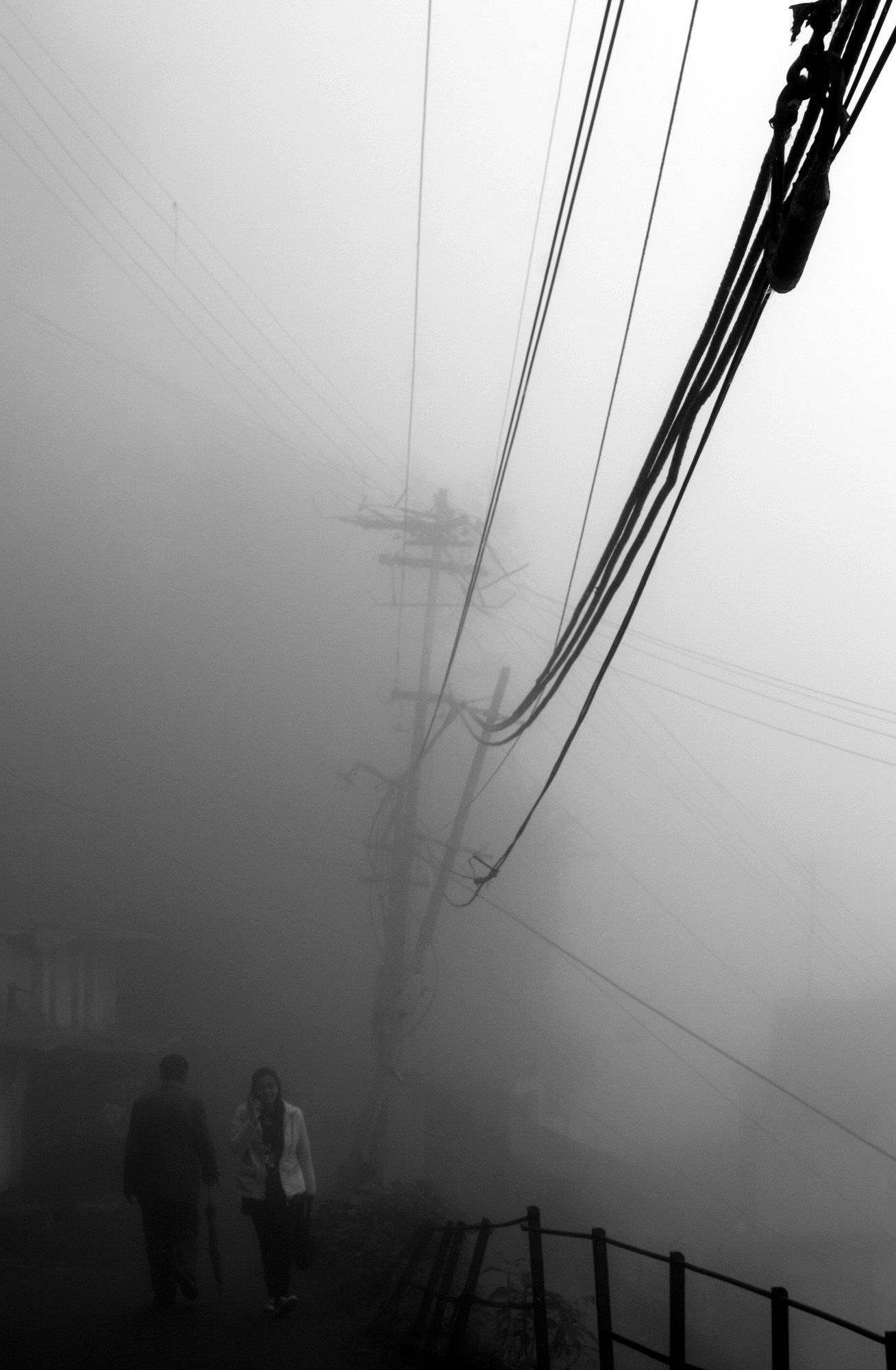
After a stretch, I came to a cluster of buildings – too close to town to be called a village, but otherwise so in its likeness.
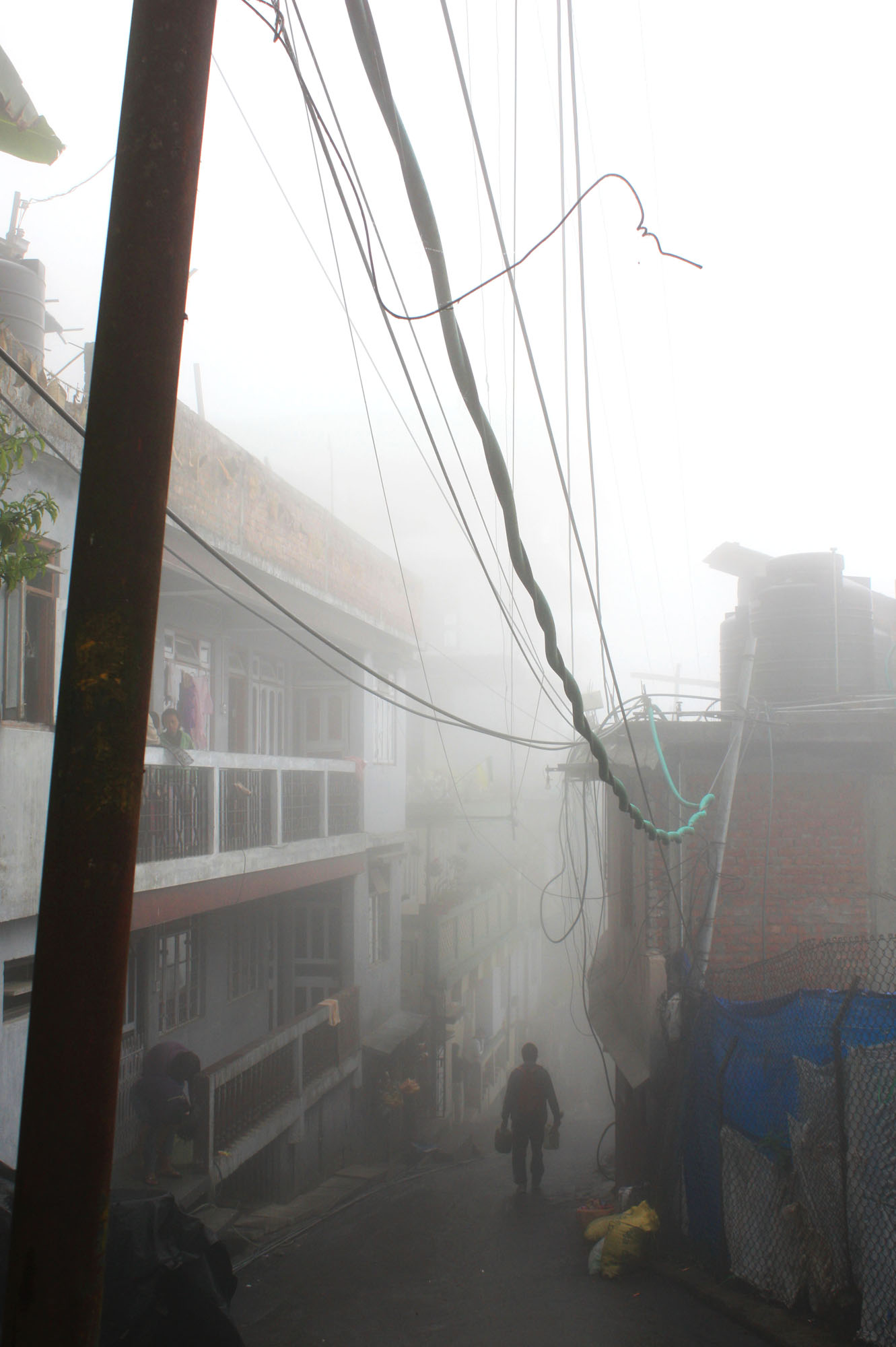
The steepness of the road made its vanishing point more daunting, as though this were the last stop before the end of the world. I passed between these silent houses, again surprised at how quietly and patiently the locals sat in their doorways and shops.

An old man emerged from the fog, wearing two large square tins on his back. I followed him slowly, through the village and down to a bend in the road where a lone shop perched on the brink of oblivion.
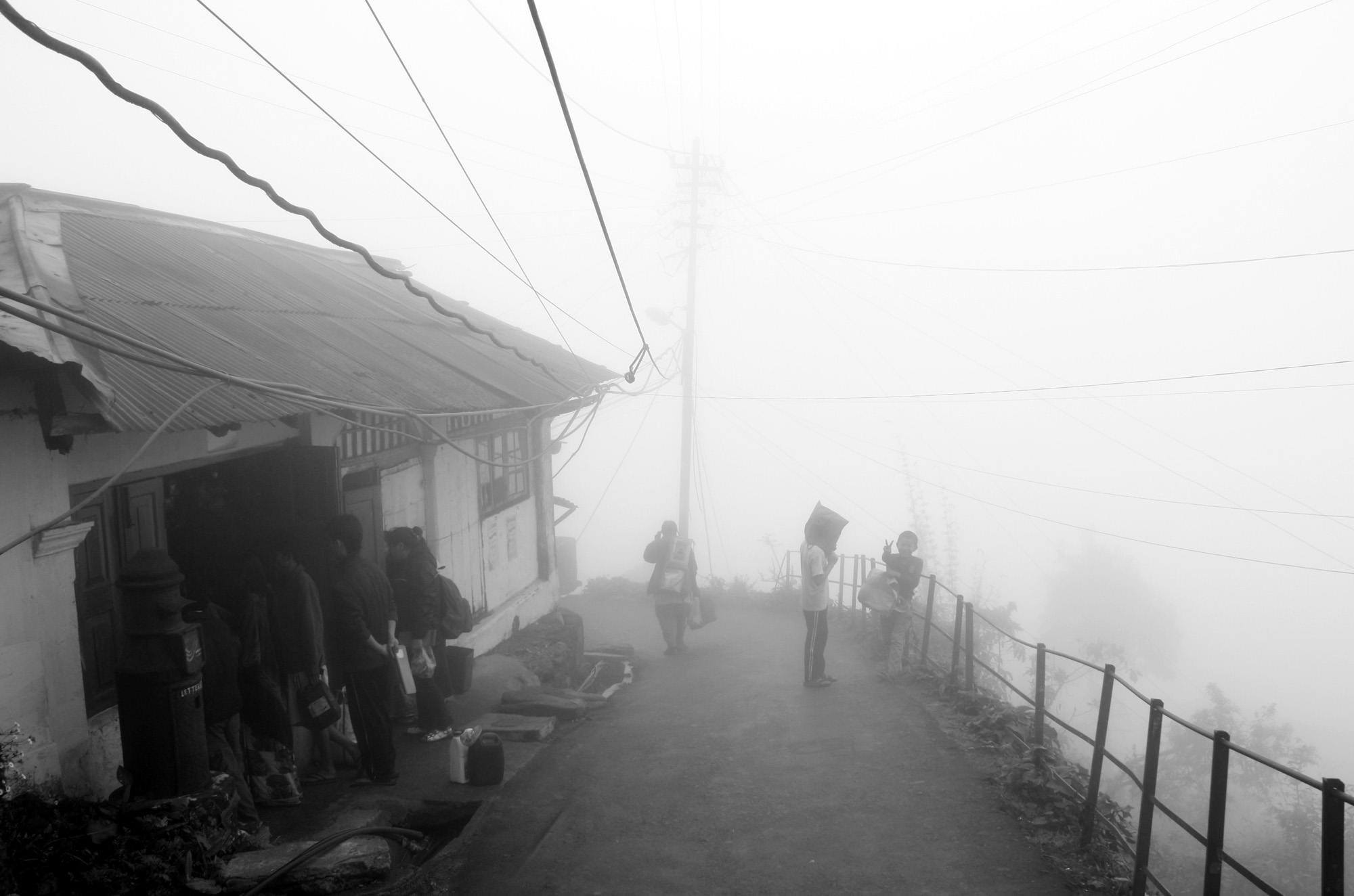
The man took one of the tins from his back and placed it on a low concrete wall. At first I thought he was resting, but then a young boy approached from the shop to buy some of what he was carrying. I watched from a distance, but could not see what he was selling through the fog; perhaps milk or oil, or even cheese?

After taking more photographs, I continued down the hill. Slowly, but surely, the number of houses diminished and the road grew increasingly lined with trees.
Five minutes later found me standing beside a row of cute wooden houses, their weathered boards and unsquared lines only magnified their beauty. I have long fantasised about such small, cosy dwellings; for their privacy and intimacy and simple provision of basic necessity. The houses didn’t look especially warm, however, and the man of whom I asked if I could take his photograph, looked cold. I felt a somewhat hypercritical taking this shot, suspecting that thousands may have done so before me. So much for my vision of privacy and intimacy!

The road soon turned in a hairpin, with a dirt road running off the bend. With an hour and a half having passed since leaving my hotel and thinking that now might be the time for another joint, I stepped off the bitumen and walked twenty metres up the dirt road. The road was backed by a wall of dripping ferns and dew-laden grass clumps, whilst in front was the swirling nothingness. I took out the cigarette packet, extracted a joint and stuck it in my lips. Again, feeling excited and ambitious, I smoked the whole thing. As I stood exhaling into the cold air, looking over the edge of the road, I blinked in amazement as a faint outline revealed itself. I tried to focus my eyes through the fog as it shifted and rolled and saw what looked like a monastery below. Then the intensity of the fog diminished in the face of a momentary breeze, revealing what was indeed a Buddhist monastery.

I hurried back to the road and followed it down the hill. It soon turned again, back in the direction of the monastery, and I walked quickly towards it, keen to have a look. The monastery slowly materialised to present a bright face, veiled and wan with mist. It was a tall, square building, with a tower at each corner, painted with lavish designs in blue, red, green and gold. The curling patterns and images had a floral, almost organic quality, as though a colourful, symmetrical mould had grown on the structure. The flair of the portico and façade, with its rounded columns, gave the monastery a slightly garish, yet beautiful stateliness.

I kicked off my thongs and wandered inside. The wooden floor was satisfyingly worn, and the rich interior contrastingly cold. I noticed a monk in the corner and, not being sure of the protocol, decided not to take any photographs. Instead I merely stood for five minutes, hardly moving, slowly turning my head to follow the many bright images on the walls and ceiling; peering from the low light.
Once outside again, I felt inclined to press on. I’d taken off my headphones, but now decided I wanted music again and chose the Guo Brothers, performers of traditional Chinese music. The haunting and exotic mood of the music combined well with the atmosphere, and I set off away from the monastery with renewed purpose.

Just around the corner from the monastery the road steepened and spilled away into a another small cluster of houses and flats. I paused on the top of a small rise, suddenly feeling very hungry indeed. It seemed that after all this walking in the mountain air and two brilliantly uplifting joints, the good old munchies had finally kicked in. Not wanting to distance myself too much from the momos and tea of Chowrasta, I turned around and headed slowly back up the hill.
Posted in Memoir, Photography, Sydney on February 3, 2012| 7 Comments »

| M | T | W | T | F | S | S |
|---|---|---|---|---|---|---|
| 1 | ||||||
| 2 | 3 | 4 | 5 | 6 | 7 | 8 |
| 9 | 10 | 11 | 12 | 13 | 14 | 15 |
| 16 | 17 | 18 | 19 | 20 | 21 | 22 |
| 23 | 24 | 25 | 26 | 27 | 28 | 29 |
| 30 | 31 | |||||







































 Tragicocomedia
You must be logged in to post a comment.