Feeds:
Posts
Comments

Archive for the ‘Photography’ Category

When I woke up the on my second morning in Darjeeling, it seemed as though the day had been cancelled. I pulled aside the curtains to a view of next to nothing. A pea-soup fog had settled over the town and visibility was reduced to the powerlines outside my window. The eerie, wan sunlight at the back of it leant the fog a disquieting luminescence; a sheet of pale gold leaf behind the swirling, moist air.

I stared in wonder and caught occasional glimpses of the ghostly satellite dish and the iron rooftops; their outlines seemed characteristically oriental, like the tops of pagodas. Darjeeling’s quaint brand of orientalised colonialism made it the most distinct indication of the long tenure of the Raj I’d yet seen in India.

I peered out into the corridor was greeted with curious sight. Down the other end, the door to the fire stairs had been left open and the fog had seeped into the passage. It too was lit by the glary white of the hindered sun and the corridor, cold, tiled and light blue, brimmed with arcane mystery.

I walked to the end and looked out from the landing. The road below offered up the occasional silhouette; a dog, a person, a rooftop, a passing car, but little else. It was a quiet world; the sound damped down by the heavy air.

I hurriedly got my things together and set off into the fog. It was seven AM and the street was eerily silent but for the squeaky sound of a panda bear-like dog mauling a foam box. I patted this playful beast and continued down Dr Zakir Hussain Street which ran along the ridge towards Chowrasta, the main public piazza on the top of the town. There was no one about, but plenty of dogs; huddled together against house and shopfronts, curled into balls along the road, nestling on door-steps.
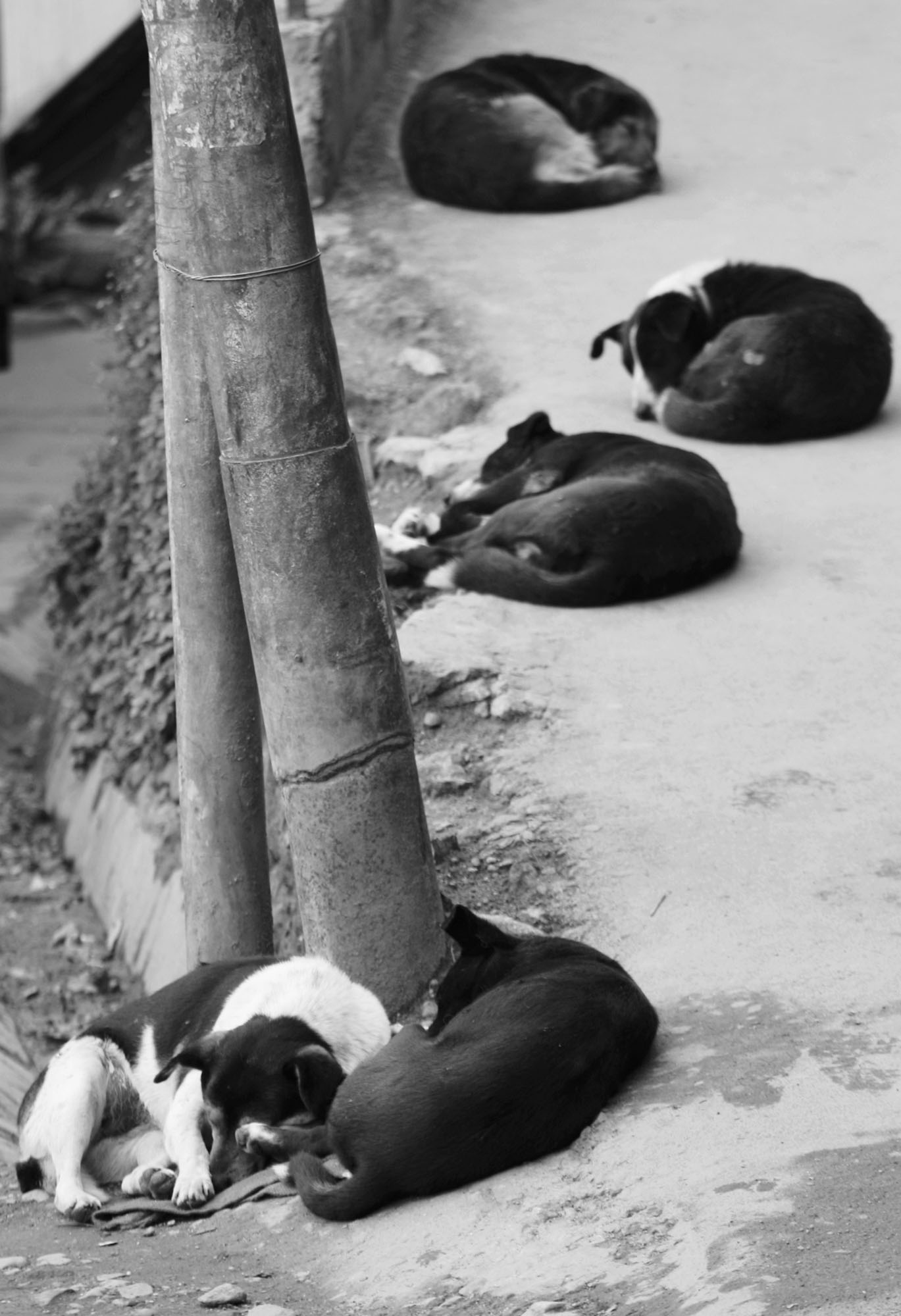
They all seemed friendly and not cowed; their worn faces and matted hair were less saddening when one considered their general robustness and apparent, ruddy good health. For the dogs of Darjeeling were certainly the healthiest, if not the cleanest, I’d seen as yet in India.

The street passed many a wide-open vista, where a view of the valley and mountains beyond opened out. Yet, with the rolling fog, so constant and thick and the peculiar, seemingly paradoxical heavy wetness and icy dryness of the air, all light and white like smoke, all cloying and dense like fallen clouds, it was impossible to see beyond the wire fence that hugged the street’s edge. Here and there a local emerged from a shop or house, transformed until just a few feet away into a pale outline.

Less than half a kilometre down this muffled street, it dipped steeply towards a junction and there I spied a café called Sonam’s Kitchen.

I had seen the name in the guidebook and, as is usually the case, it had all the hallmarks of a place that catered almost exclusively for tourists. I was reluctant to try it, but paused outside just long enough to catch a whiff of their excellent filter coffee. I realised how hungry I was and just how much difference a good coffee would make. A moment later, I was seated inside studying the menu.
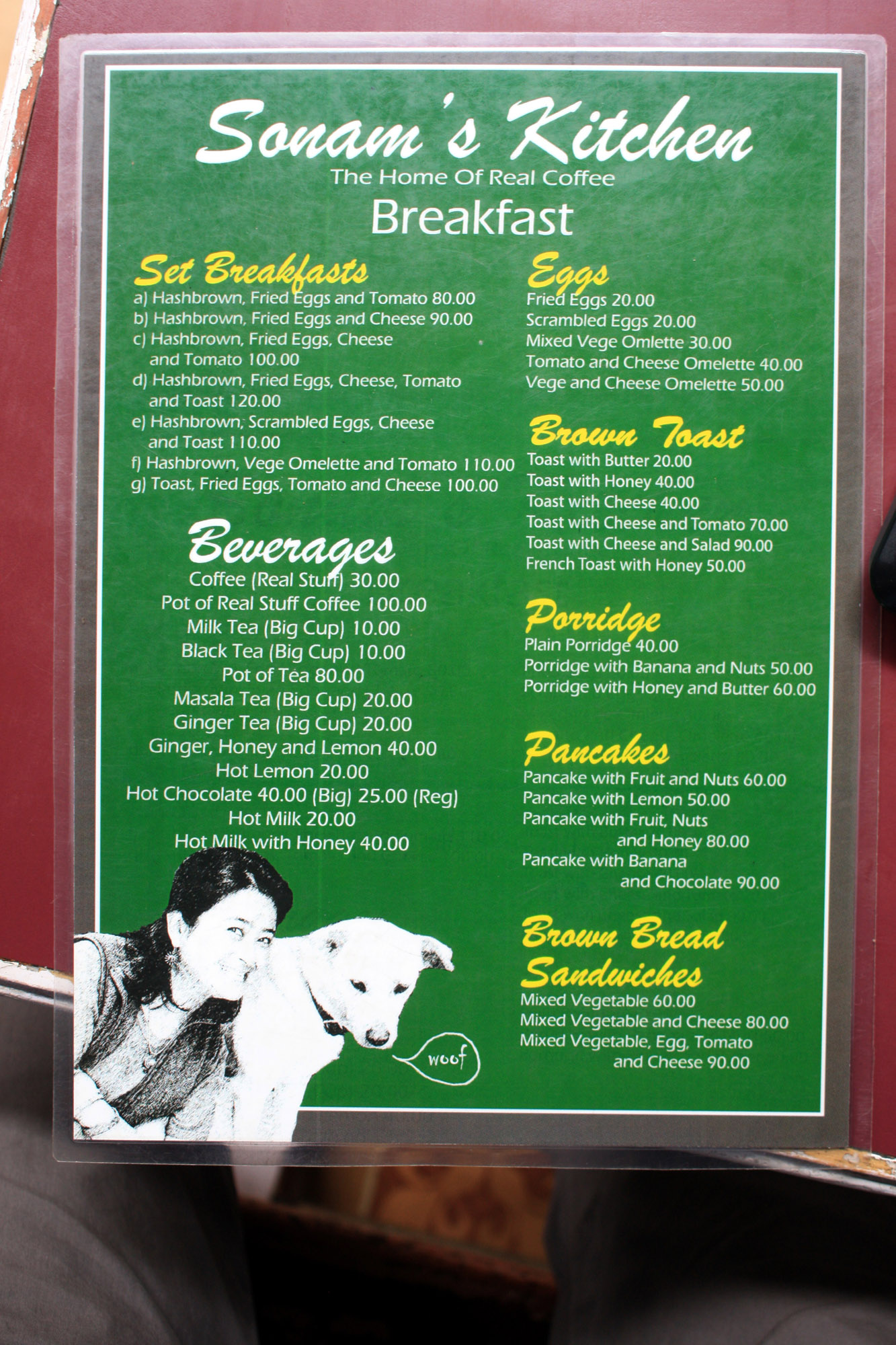
I ordered a pot of what they called “real stuff” coffee, along with eggs and hash-browns. It was comparatively expensive for India, but with fried eggs at just fifty cents, who on earth could complain? The lady who took my order was the same as the one featured on the laminated menu – Sonam herself. She spoke great English and was effusively friendly. I felt, as the name of the place suggested, that I was in someone’s home rather than a café or restaurant. Clearly this place was favoured with good reason.

I pulled out my laptop and surfed the internet, all the while eavesdropping on the conversations around me. When travelling I tend to be rather shy about approaching people, but once drawn into a conversation, I relax more readily with company than I would in my daily life. I spent some time playing the accent game; guessing where people were from. The tables were communal and around the time my food arrived, I was joined by an American, an Israeli and a Queenslander.

All three of them were travelling independently but, having been in town for a fair while already – two weeks in the case of the Queenslander – they all recognised each other. When they greeted me and asked where I was from, I was happy to be drawn into a friendly chat. They were good people and genuinely interested in the town and region, all with their own, quasi-anthropological zeal. They also seemed curiously as they ought to; the handsome young American, well educated and scholarly, with an old world politeness only the new world can produce; the glowing Israeli, tanned and well-fed, full of questions about the spiritual nature of the locals; the gruff and rugged Australian; realist, pragmatist, egalitarian. Rather unexpectedly, within five minutes the conversation turned to girls and growing marijuana. The American had experience of it in California; the Israeli had grown his own and liked a smoke as much as the next man, but, most importantly, the Australian knew where to get it.

“All this talk is making me want to smoke,” I said.

“Not hard in this place,” said the Queenslander.

“Really? How so?”

“Just talk to the pony boys.”

“The pony boys?”

“Yeah, the pony boys. The guys down the road.”

“You mean the dudes with the horses. In Chowrasta?”

“Yep, the pony boys.”
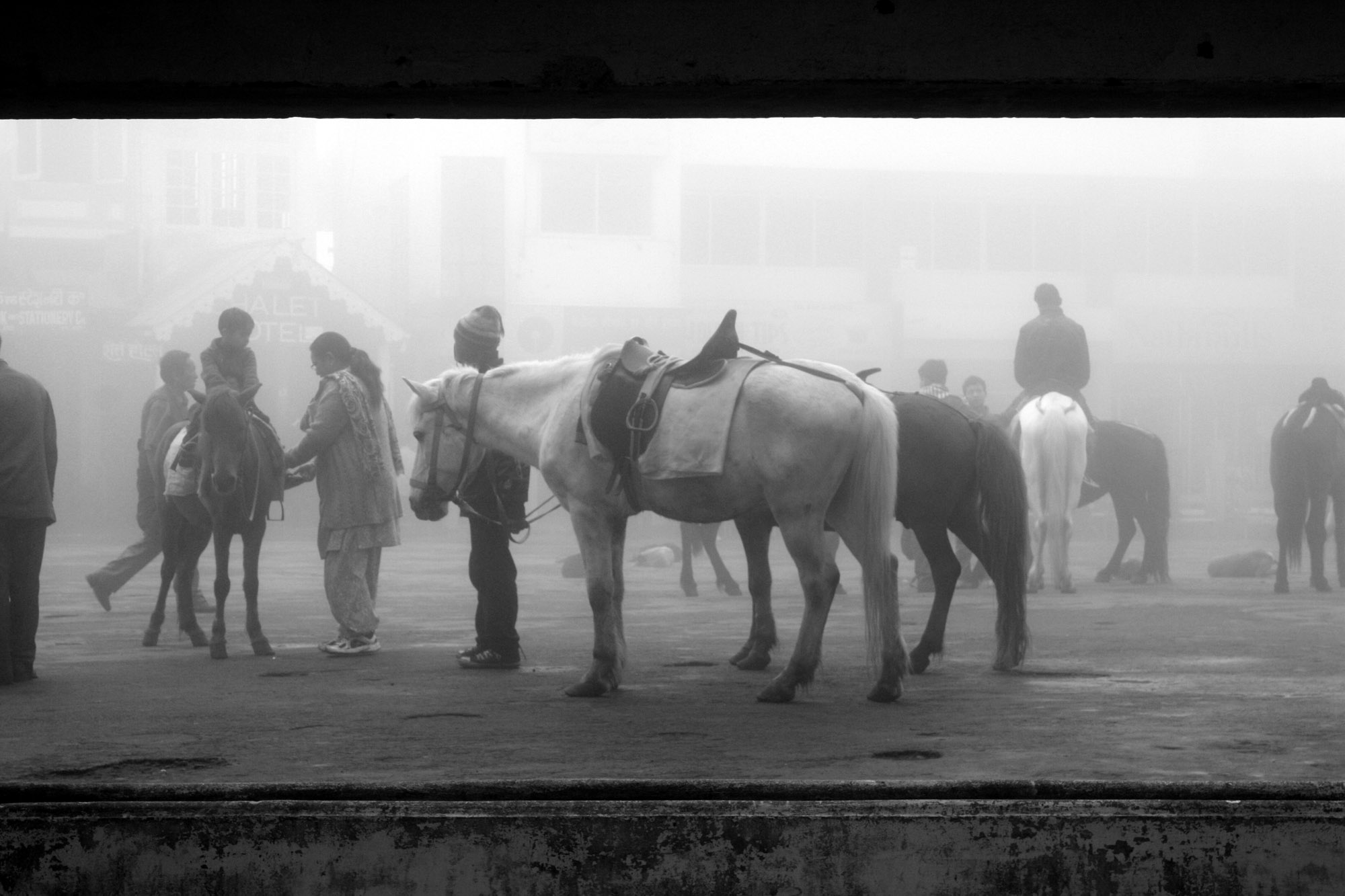
I had passed the so-called pony boys many times the day before, strolling up and down Dr Zakir Hussain Street which, along the stretch before it met with Chowrasta, was a popular thoroughfare lined with stalls and shops. Right on the edge of the square was an old concrete stable with space for roughly ten horses. These horses, traditionally used for transportation and communication, were now primarily used in giving joyrides to children and tourists. They weren’t exactly what I would have called ponies, in the miniature sense, but they were certainly small and slightly-built horses. According to the Queenslander, the pony boys also made a little extra from the sale of marijuana.

“Just look at their eyes,” he said. “Like piss-holes in the snow.”

“Goodness! I hadn’t noticed. Are they all baked?”

“Yep. They’re off their chops. Go have a look.”

“I think I will.”

I took a big sip of coffee, thinking how delicious it would be to get smashed in these winter wonderland conditions. I had smoked a little hashish in Rajasthan and Rishikesh, but had kept things pretty clean since then.

“So,” I pressed, lowering my voice. “Have you actually bought some from them?”

“A couple of weeks ago.”

“And?”

“It was great. Very dry and seedy, very natural, wild stuff. But it’s got a great high on it and it’ll have you giggling like a little girl.”

“That is very tempting. How much did you pay?”

“Five hundred, for a bag like this.”

He shaped his hands to indicate a pretty serious nugget, about the size of a decent potato.

“It’ll take you forever to get the seeds out of it. But fuck it, you’re on holiday.”

I laughed at his laconic humour and knew my mind was already made up. Until I scored, I’d be salivating for a smoke like Pavlov’s dog.

I finished my breakfast and stayed chatting until my seat was required for someone else. When I left the café, I walked straight down the street to where the stables were, through a fog even heavier than it had been before breakfast. Only when I reached the line of stalls at the bottom of the hill, where the collective human warmth had caused the mist ever so slightly to dissipate, could I begin to see more than twenty feet. The stalls were a great spectacle in themselves. Mostly selling vegetables, these simple wooden huts, roofed with tarpaulins and plastic sheets, were attended by people who often sat cross-legged next to their wares.
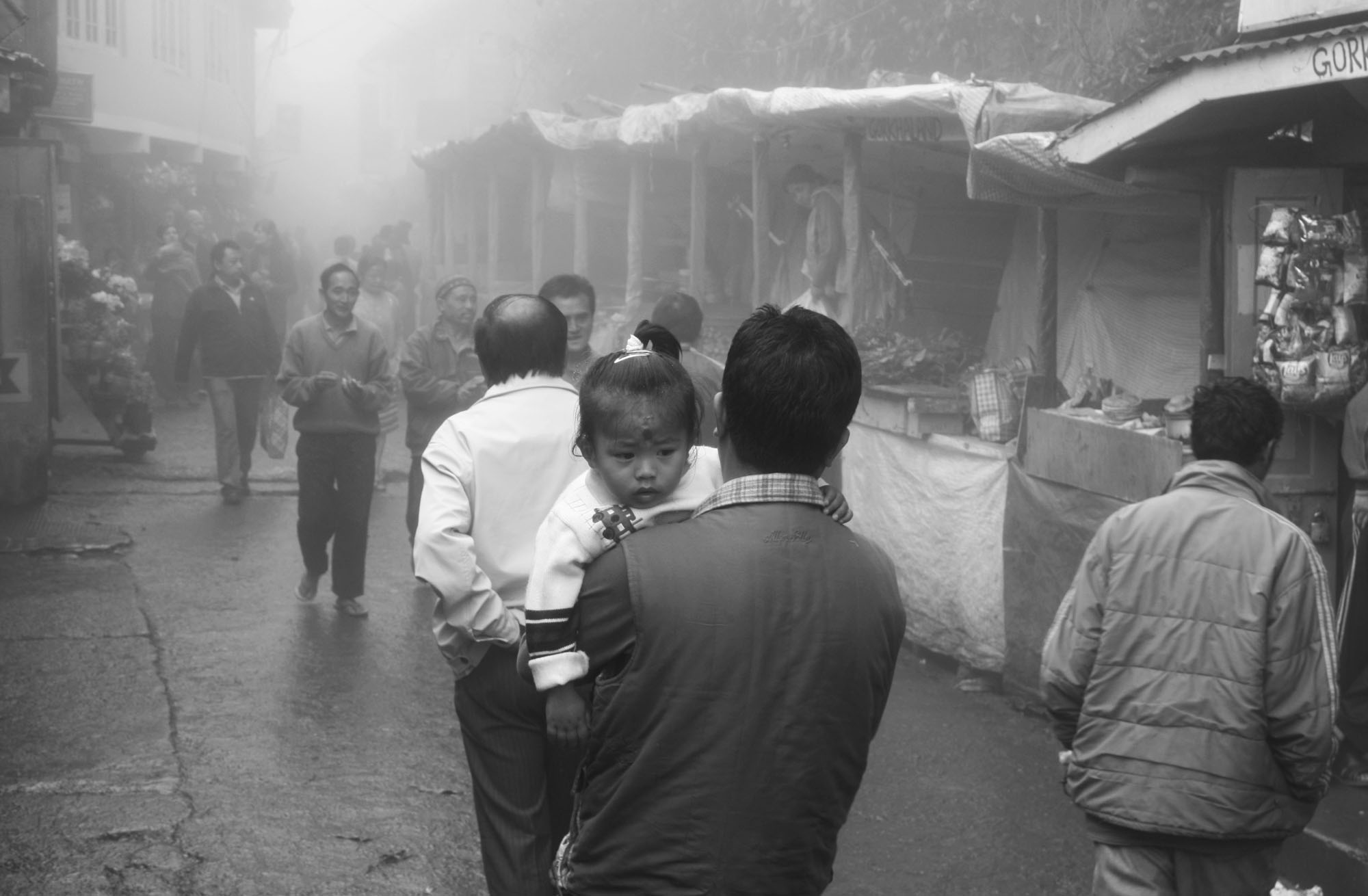
The stables sat directly opposite two most excellent chai wallahs, who also cooked simple local cuisine in a steamer and wok. I sat down beside some locals on the long bench at the corner chai stand and ordered a cup of tea. I then turned my attention to studying the scene. There were just two ponies currently in the stables, the rest being out offering rides to children. Only an old man, whom I had seen there throughout the day before, was present, sitting on a step. Out in the square were the dim outlines of people and horses.
There was little hope of seeing their eyeballs, let alone their faces at this distance, in this weather, so I turned my attention to the tea, which, upon my first sip, sent me into paroxysms of pleasure. It was, without a doubt, the best cup of tea I’d had since arriving in India. It was only really at this point that my location hit home. Darjeeling – one of the tea capitals of the world!
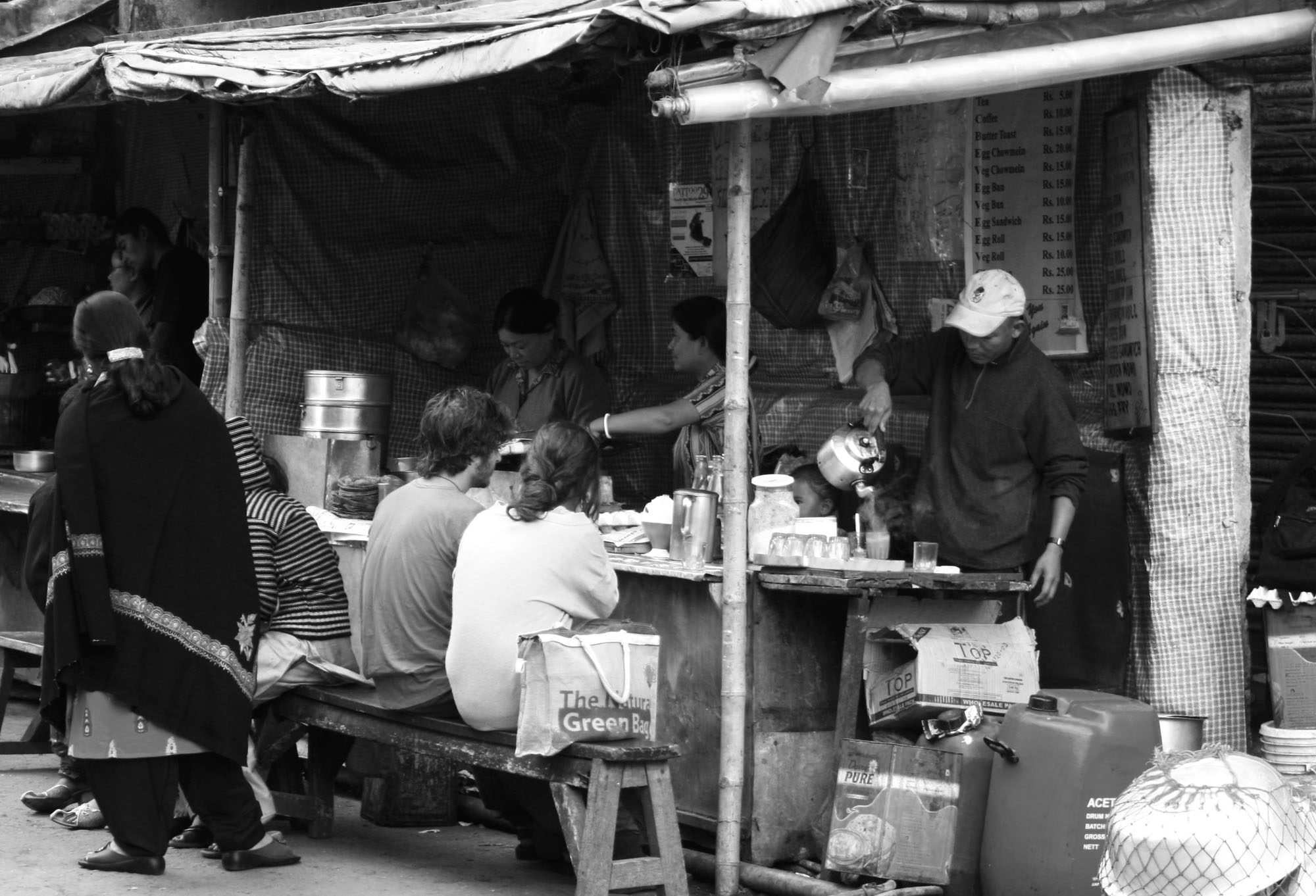
I now studied the people behind the counter. There were three of them, two women and a man, all Nepali, likely in their mid thirties. They seemed to have their own particular role behind the stall. The man was in charge of the tea; using a large tin kettle in which he placed what looked like a home-made tea-bag the size of an apple. From this steaming hot kettle he would pour the tea into the regulation small tumblers one found right across India, mixing in sugar as desired and powdered milk. I was, initially, disappointed to see him use powdered milk, but by the time I’d finished the cup I was convinced that I’d never drunk anything so delicious in my life. I ordered another cup – at five rupees a piece, a little less than twelve cents – and watched the two women. One, whom I suspected was the wife of the tea man, was in charge of the cooking. She stood behind a large wok on a gas cooker, cooking noodles, frying eggs with chilli and heating buns by pressing them against the hot wok. The other lady, whom I guessed, again with very little evidence, might be a sister of one of the other two, was in charge of the momos. She stood marshalling a tall pile of tin and bamboo steamers, filled with what looked like delicious dumplings. I was astonished to realise that a mere fifteen rupees bought eight to ten of these soft, hot, fresh momos. Whatever was to come, I knew I’d be coming back this way for lunch.
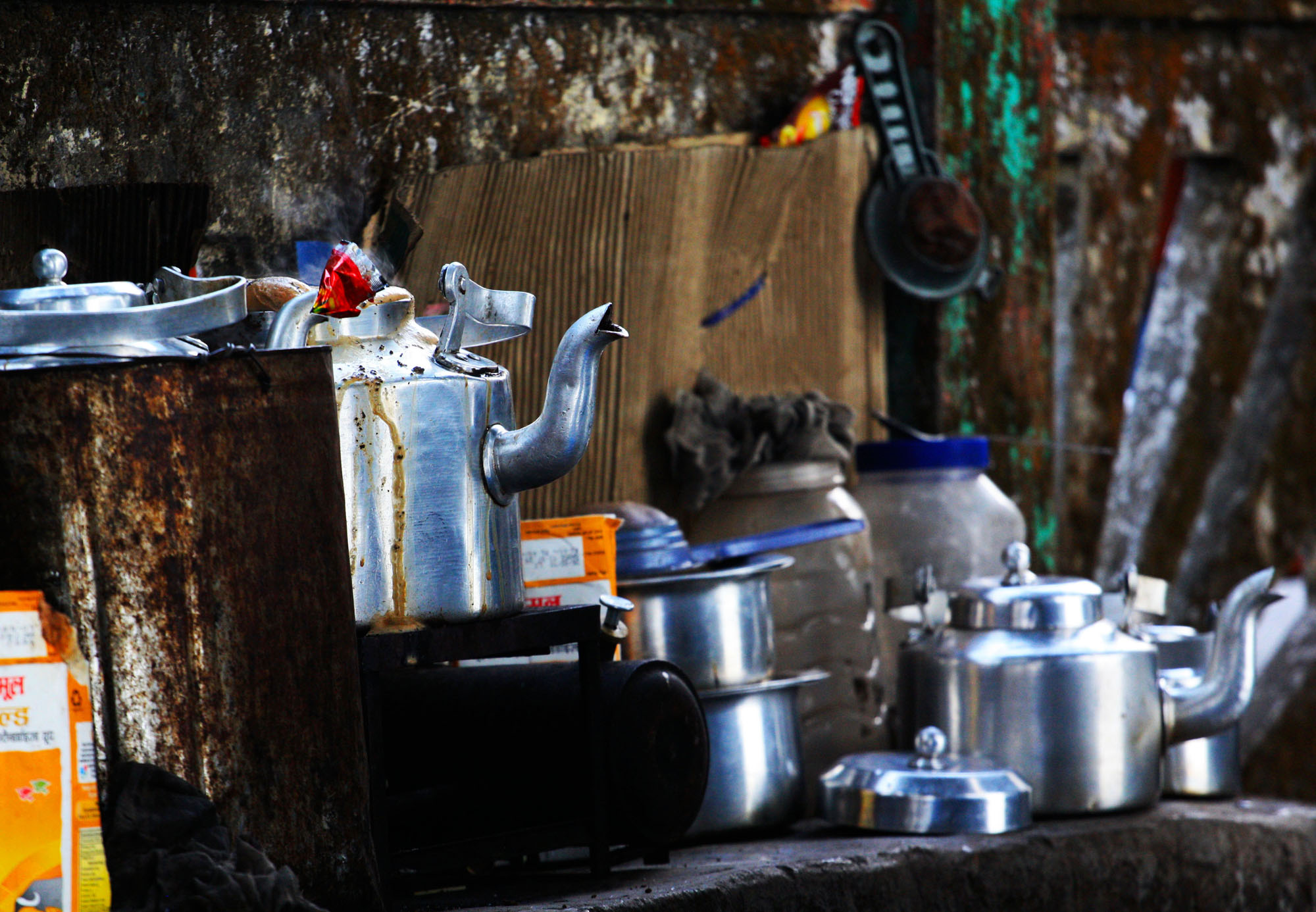
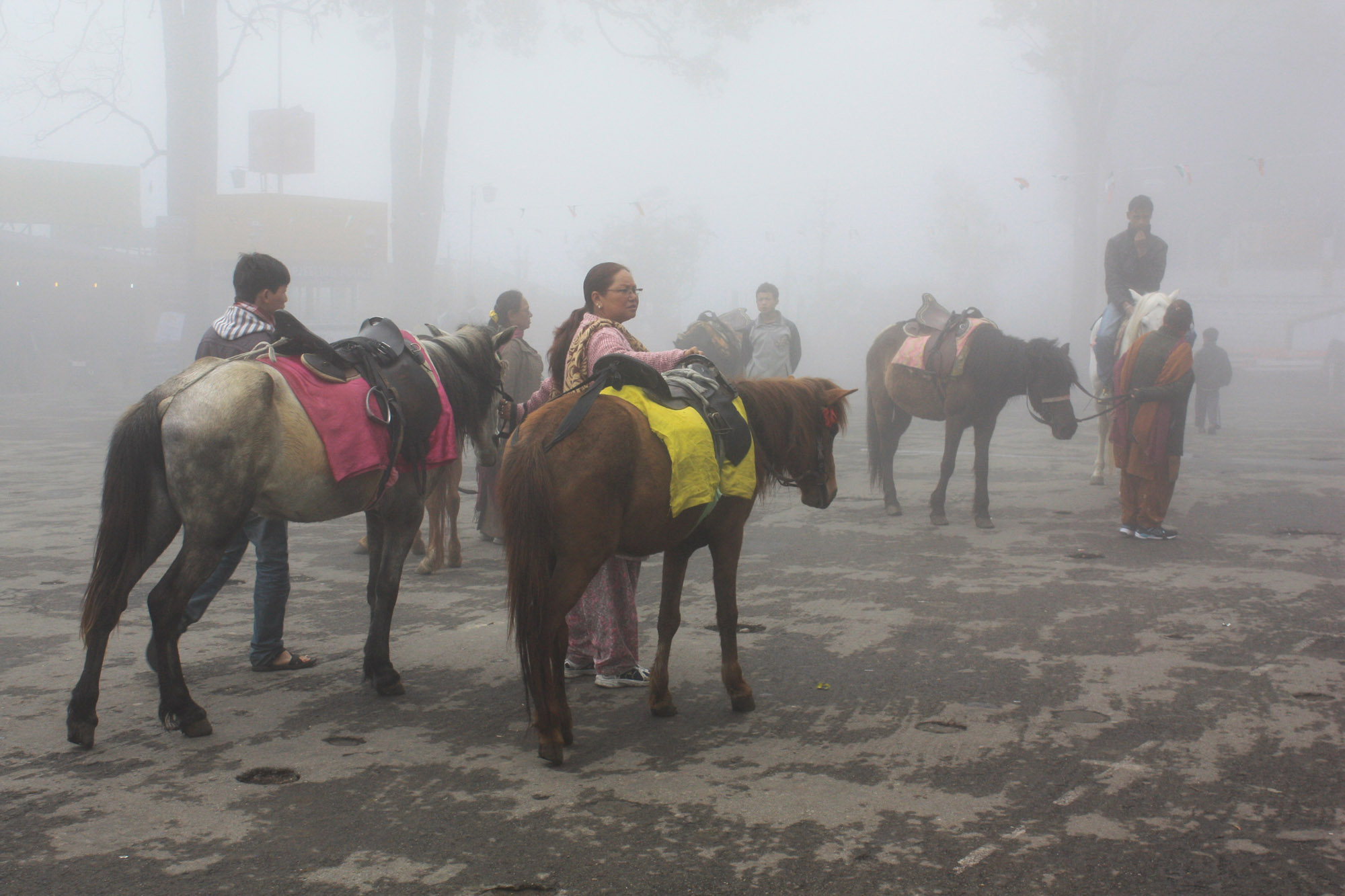
When the tea was done, I thanked the people and stood up. Now fully fortified against the cold air, I had to work on my resolve to make an approach. I walked straight past the stables and out into the square, slowly walking towards the group of pony boys with their horses. The mist was especially thick out in the middle of the square and the Japanese cedars that lay behind the ring of orange and white park benches were lost a mere half-way up.
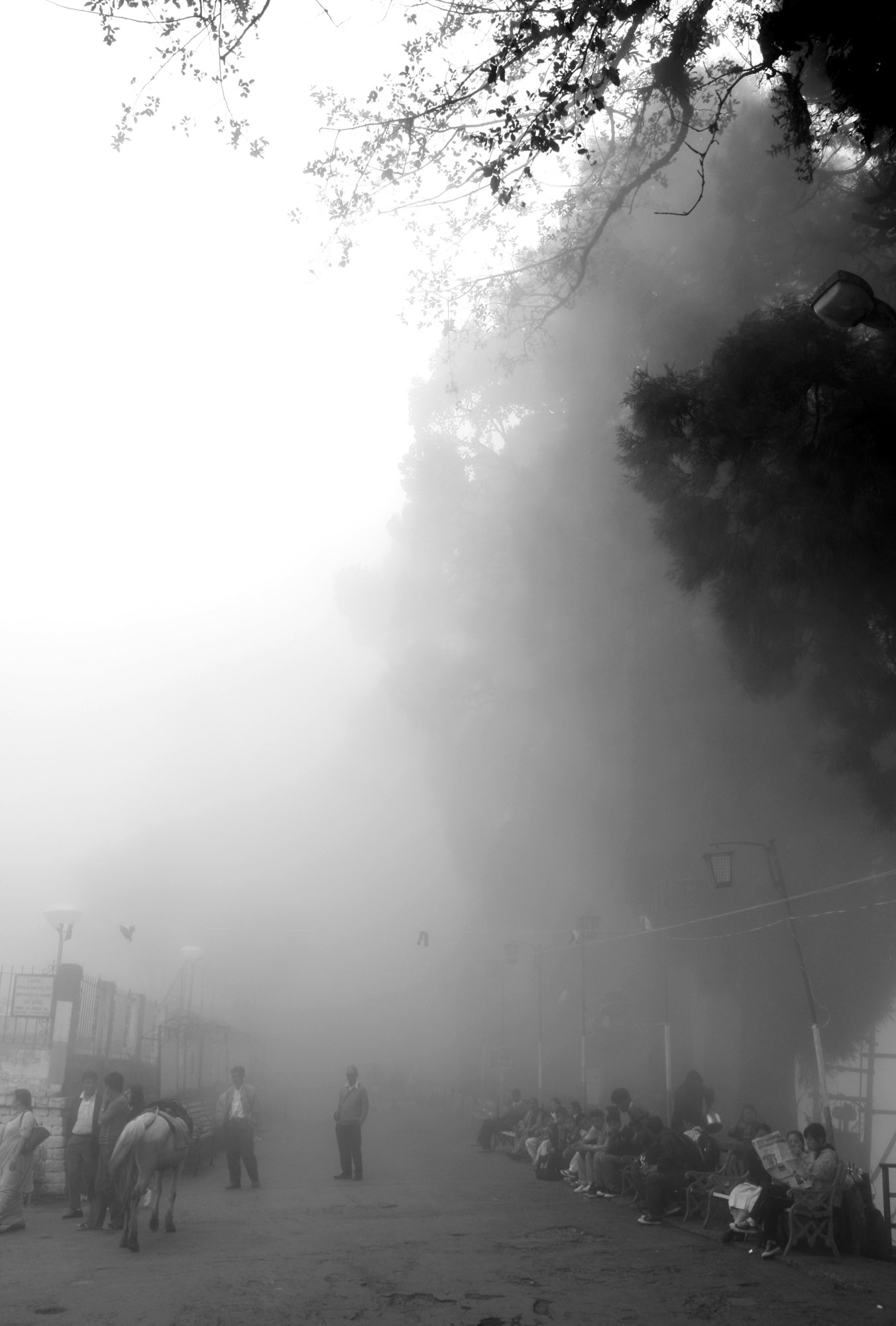
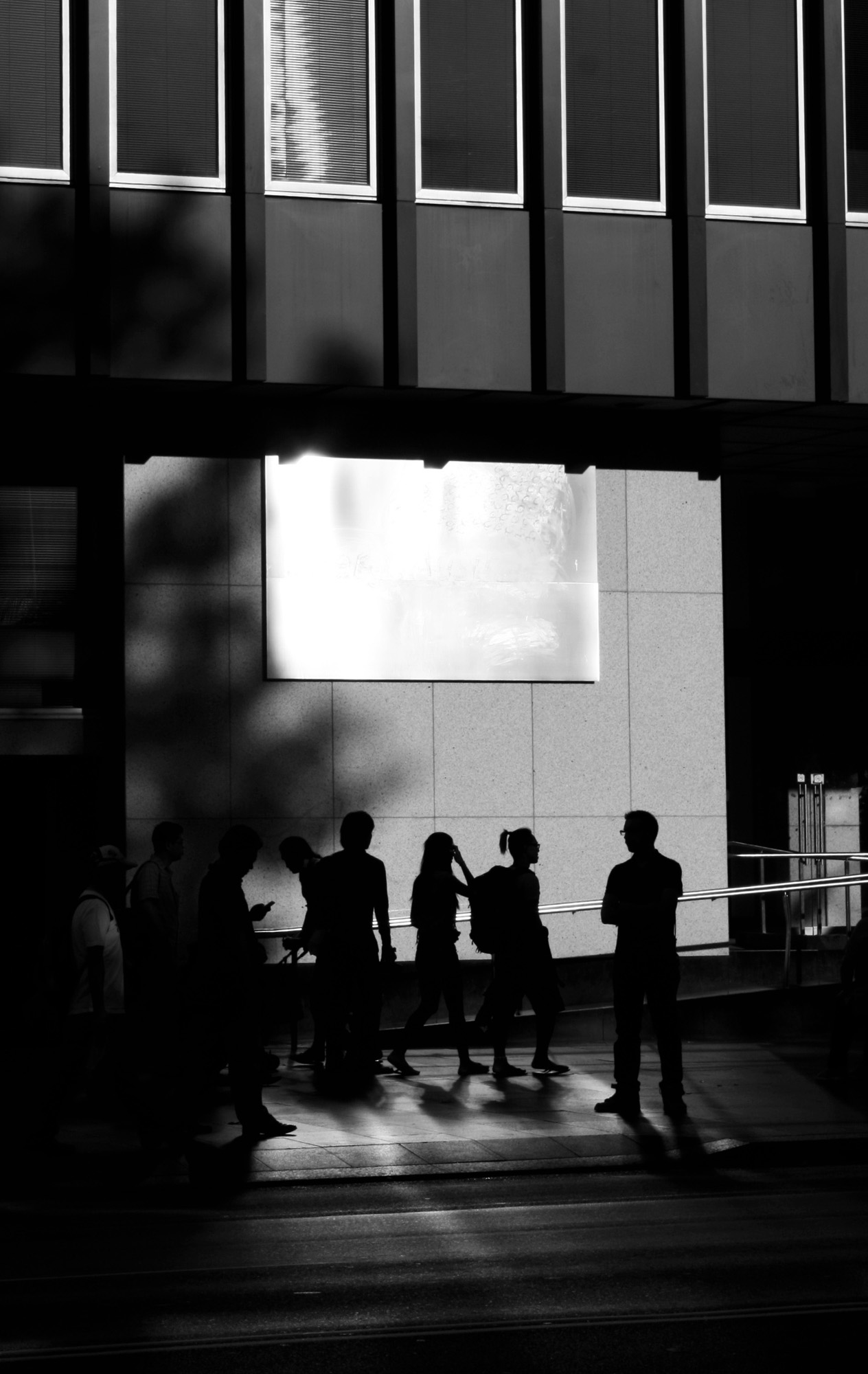
I hovered about for a while, feeling somewhat apprehensive. I wasn’t so much nervous as reluctant; not wanting to get involved in a misunderstanding that had the potential to turn sour. I watched the fellows for a while. They made very photogenic silhouettes in the fog and I took some photos whilst observing them. Many Indians come to Darjeeling when the weather heats up and this year was already particularly hot. In recent days Delhi had seen the temperature sore to fifty centigrade. The holidaying families were very distinct amongst the Ghorka, Nepali and Tibetan community. Several lucky children were being treated to rides.

I edged closer to the unengaged horsemen, wondering how much English they might speak. Would it be too confusing to begin with “I was told…?”

I tried to see their eyes. Who looked the most wasted? Fortunately, the first one I approached – a short, curly-haired man with a dark brown pony in tow – looked completely and utterly stoned. The whites of his eyes were the colour of lightly-flavoured chocolate milk and his pupils were hardly to be seen. I nodded to him and had his attention.

“I heard that if I wanted bhang, I should talk to the horsemen.”

The man said nothing, but examined me closely.

“I want to get some bhang, some grass… I was told to speak to the horsemen.”

He continued to look at me, clearly totally oblivious to my cryptic remarks. I knew I had to word things more simply, but was nervous and verbose.

“Marijuana,” I said.

“Marijuana?” said he. “Marijuana, three thousand.”

“Three thousand? No, no, not that much. Less.”

“Three thousand.”

“No, less.”

“Ten grams.”

“Smaller, smaller.”

“Ten grams, one thousand.”

“Ten grams, one thousand? Deal.”

Considering that twenty-five bucks usually bought one gram in Sydney, it seemed a pretty decent deal.

The pony-man gave me a big, slow, stoned smile.

“You go here.”

He pointed down the street that ran from the southern end of Chowrasta. “Down here. I talk to boss.”

With that, he was off, suddenly energised, with a distinct and unexpected spring in his step. I felt quite pleased with myself and couldn’t help smiling. I was going to get baked after all! I drifted down the side road as instructed and lifted the camera to my face, returning to my disguise as a regular tourist.

The side road was especially misty and it was clearly a good place in which to make a deal. There were some local carriers resting with their loads underneath one of the tall cedars, and I walked down past these, stopped and turned back to face the town. I reached into my bag to find my wallet and got the money ready in my hand then took a few photographs of the shapes in the mist.

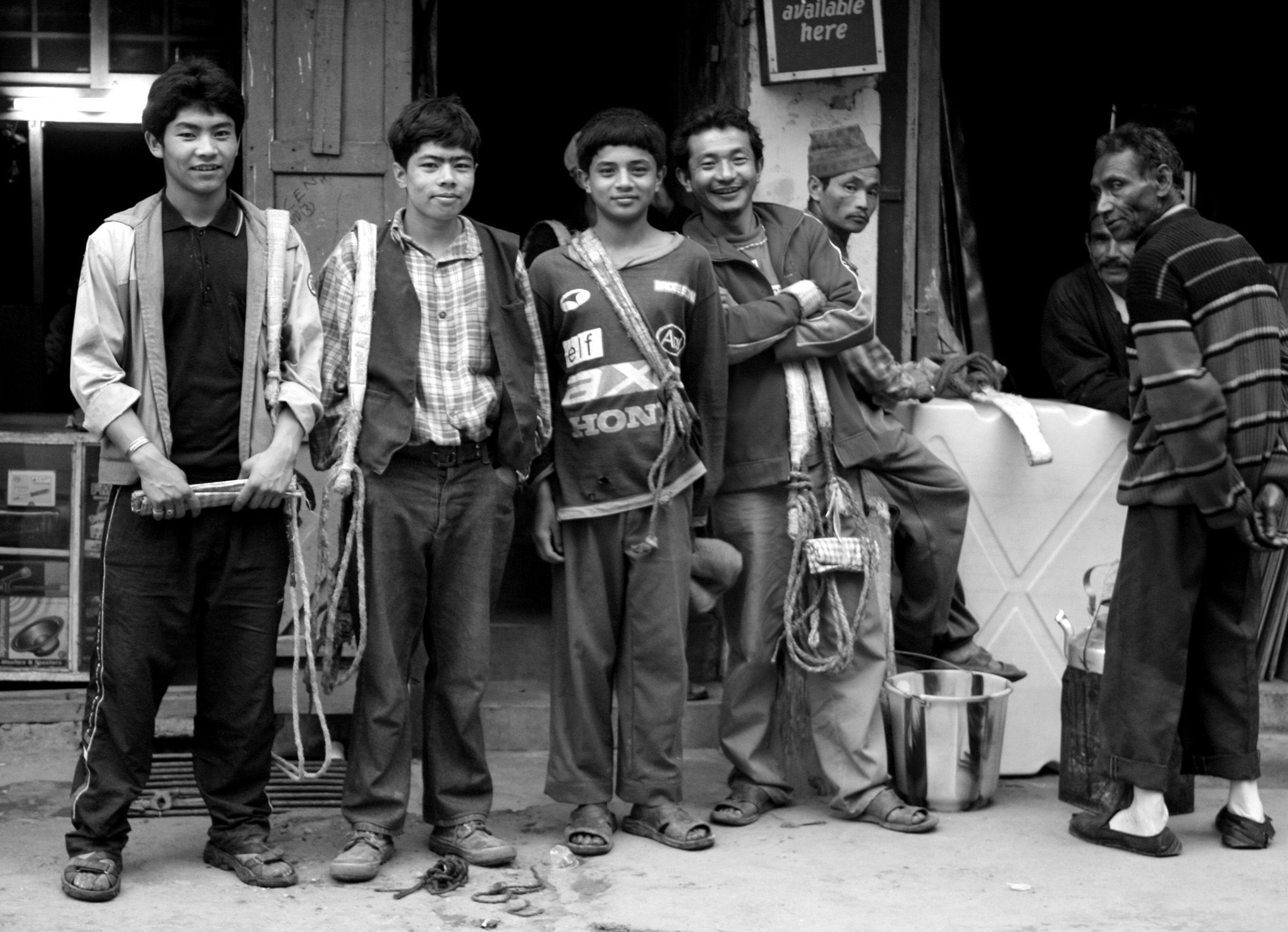
The carriers picked up their loads, slowly rising, a little stiff. They walked bent forward, stepping like giants, their parcels supported by ropes around their foreheads. How strong their necks must be! When the carriers disappeared from sight, I heard the rapid clop of galloping hooves. Through the swirling mist, the shape of the mountain pony-man appeared, a mere ghost at first, but soon he burst through and materialised in front of me. He pulled up his reins and brought the horse to an abrupt and dancing halt. He had a broad smile on his face and seemed to spring in tune with his mount on the saddle. I knew instantly that he was profiting handsomely from this and figured I should be paying about five hundred, as my informer had done. Still, it was a mutual happiness, as we were both about to make each other’s day.

He guided his horse until he stood right next to me.

“Here,” he said. He reaching down, holding a plastic bag tied with a rubber band. I held up the thousand rupees and took the weed from him. It was a large bundle. Light, springy, and leafy, I suspected, but certainly copious. Finding out whether or not it was actually weed would have to wait.

“Thank you very much!”

I shoved the weed quickly into my pocket and offered the pony man a salute. He said nothing, merely smiling and nodding, then wheeled his horse and rode off into the oblivion of the fog.

I walked away quickly, firstly away from the square, feeling an urgent need to get away from the scene of the crime. A moment later, I gathered my wits and turned around, heading back towards Chowrasta. The time had come to buy some papers and get on with it. I began a determined march back to my hotel room. Why wait after all?

Read Full Post »

Had I known what the weather would be like for the next eight days, I might have acted more promptly. I had come to Darjeeling not only to see the marvellous hill-town, but also for its famous views of the Himalayas. It never occurred to me that seeing them would prove so difficult.

The first morning I awoke in Darjeeling the horizon was shrouded in a veil of haze. The room was cold with the seeping air outside and for the first time since arriving in India, I nestled under the blankets, feeling deliciously comfortable. The last two days had been exhausting days of travel – from Rishikesh to Delhi, across to Siliguri courtesy of Kingfisher Air, then up to Darjeeling by jeep – and I was happy to take it easy. I sat on my bed and snacked on biscuits, reading about the town.

Darjeeling had only come into prominence in the second quarter of the nineteenth century. The locale first came to the attention of the British East India Company (BEIC) in 1828, when a delegation of company officials stayed in the town and realised how suitable the site would be for a military sanatorium. In 1835, the company leased the area west of the Mahananda River from the Chogyal of Sikkim, traditional rulers of the region. Over the next fifteen years, the population of Darjeeling grew one-hundredfold, thanks to the company’s policy of attracting workers to the region, mostly of Nepalese origin.

When, in 1849, the British East India Company Director Arthur Campbell was imprisoned by the Sikkim Chogyal, the BEIC sent a force to free him, resulting in the annexation of 1700 square kilometres of territory. In the following decades, the BEIC strengthened its grip on the region, gaining control of the passes through the hills, the town of Kalimpong and the area east of the Teesta river, from the Sikkim. In 1864 the town became the official summer capital of the Bengal presidency and by 1866 the district had assumed its current shape and size.

Commercial tea cultivation began in the region in the 1850s and many schools were set up by missionaries. In 1881 the Darjeeling Himalayan Railway was opened, connecting the town with the plains far below and further increasing the pace of the town’s development.

When, after independence in 1947, Darjeeling was merged with West Bengal, tensions began to increase between the largely Nepalese population of the hill towns of Darjeeling, Kurseong and Kalimpong, and the Bengali population of the plains below. The Nepalese population agitated for an autonomous state and the recognition of the Nepali language as the official language of the region. The latter request was granted in 1961. When, in 1975, Sikkim was recognised as an independent state, it again brought calls from the people of the mountains for a separate state of Gorkhaland, with occasional eruptions of violence. In 1988 an agreement between the government and the Gorkha National Liberation Front resulted in the creation of the Darjeeling Hill Council. This, however, did not quell calls for a separate state, and agitation and protest continue to this day. In 2011 the government granted further concessions, with the creation of a new and autonomous elected body called the Gorkhaland Territorial Administration, which, whilst not governing a separate state, has more powers than its predecessor.

I found myself quite fascinated by the town’s history and was keen to explore further. Not only did Darjeeling offer exciting views, amazing geography, fascinating architecture, great tea and an interesting ethnic blend, but, perhaps most importantly, the large Nepali population guaranteed one thing: momos – and I love eating good momos.

At half past nine I found the housekeeper in the corridor outside my room. As soon as she saw me, she said:

“Your room is ready.”

“Great. Can I move now?”

“Yes, yes. Come, I’ll show you. It’s here.”

The room was diagonally opposite, across the hall – a mere ten feet away. She opened the door and presented it to me. It was smaller than the previous room, but with a double bed, coffee table and chairs, wall-mounted television, a bedside dresser and a stunning, wide-angle view of the drop into the valley below and across the foothills. At four hundred rupees, a mere ten dollars Australian, it also came with a large en suite. I stood by the windows and thought of the views I might expect when the sky cleared. For now, the horizon was covered in cloud and haze, and I could barely see into the floor of the valley below. The mist rested like hands upon the hilltops, fingers stretching down the wooded slopes.

It took two minutes to shift my few belongings and, at ten o’clock I set off in search of breakfast.

I followed the road down the hill, past the little restaurant and shop in which I’d dined the night before. After a steep and winding leg the street levelled out at what appeared to be another informal jeep-stop. Here the road split into two tiers and, at this junction of climbing streets, stood a triangular building with a rounded prow: Keventer’s restaurant. I’d seen the name in the guide book and knew it to be rather famous, as a shop, in the downstairs section, but primarily for its café / restaurant upstairs. What made this Raj-era throwback popular, apart from its relative antiquity, was the amount of meat on its menu.

Since arriving in India, I hadn’t eaten any meat whatsoever – this despite ordering a mutton biriani in Rajasthan, which contained two large pieces of gristle that I promptly discarded. Here at Keventer’s they offered a variety of meat products, almost all made from chicken and pork: meatballs, sausages, bacon and the like. I sat right near the kitchen – a counter behind which men cooked methodically – in the run-down old interior. Around the walls hung pictures of the views across to the mountains, which only served to whet my appetite for the peaks I’d come to see.

I ordered pork meatballs and bacon and eggs, drawn wholly in by the old world atmosphere. The view offered a splendid fore and mid-ground of rusted, corrugated rooves and wonky wooden frames stacked down the forested hillsides.

The coffee was not great, but passable, and I soon fell to chatting with two young Indian guys; students up from Calcutta. They were friendly and charming and curious about the photos I ’d been taking. After a while they invited me to drinks that evening, and I said I’d certainly consider it, though I knew somehow that I wouldn’t go and felt an early regret at this. Having spent most days walking and taking photographs through the daylight hours, I was almost always too tired to be sociable at the end of the day. I was also enjoying staying completely off the booze on this journey.

After breakfast, I took a long walk around town; down to the bottom of the town, where I’d arrived the night before.

I wandered through the back streets, up and down long flights of steps; found a lane with closely packed stalls behind which men and women worked with old Singer sewing machines. I shook hands with locals, answered their friendly inquiries as to where I was from, and eventually wandered into the meat market. There, in this dirty old shed hung with carcasses, I chatted with several of the butchers and asked them about their work.

One man approached me and said:

“Come with me. I’ll show you how I make mince.”

He led me to a corner of the shed, where, on a heavy, round wooden chopping block, using only a machete, he threw down pieces of meat and hacked them into mince with swift, strong blows.

“How long have you been doing this for?” I asked; a little squeamish from the proximity of his fingers to the blade.

“For twenty years,” he replied. “I am the mince man!”

I watched him hack away at the mince for a couple of minutes; lifting the blade just a short distance and bringing it down with surprising force and accuracy. I took out my video camera to film his impressive action, and it wasn’t long before he had turned the large chunks of fatty meat into finely chopped mince.

“There,” he said. “Mince.”

“Bravo!”

I thanked him for showing me his trade and farewelled him.

I continued my wandering about town, plunging into the tight alleyways of shops and stalls. As with so many places in Asia, the businesses tended to group together according to what they sold: spices, shoes, tea, vegetables. I drifted in and out of the lanes, taking photographs here and there. Most people were friendly and generous with their smiles. Unlike other places I’d been in India, rather than trying to sell me things, they seemed merely to want to be acknowledged.

I took a walk around the circuit of Observatory Hill, then returned to Chowrasta, the main piazza at the top of the town. The horizon remained shrouded and I could see only the foothills. These, however, were beautiful in the dull light; wet and fecund, cool and, here and there, dressed with tea.

Three o’clock found me sitting in another Raj-era café, Glenary’s bakery and restaurant, situated just a little up the hill from Keventer’s. The pale mint walls, white wooden beams, wicker chairs and corrugated iron roof gave it a classically colonial appearance. I sat in the back section, like a wide, closed-in verandah, where a bay of windows faced the valley and the still-obscured mountains. I surfed the internet, ate pastries and drank two rather disappointing cups of tea. As the afternoon had progressed, the air had become increasingly damp with pending fog, until finally, at around a quarter past three, it began to rain.

Having been in India a month during the dry season and having seen no rain for some time, the idea of rain had hardly occurred to me. Perhaps some uprush of humid air from the Sundarbarns had met with the chill mountain breath and dropped its bucket, but whatever the case, once the rain began, it came down hard as hell. It poured for two hours, with little let up, striking hard on the iron roof. It was as beautiful as it was surprising, and for a long while I sat and watched figures darting through the wet below, with torrents in the gutters and cascades from the rooves. The pigeons opposite, huddled under the eaves, were positively ruffled on their multi-generational pile of droppings.

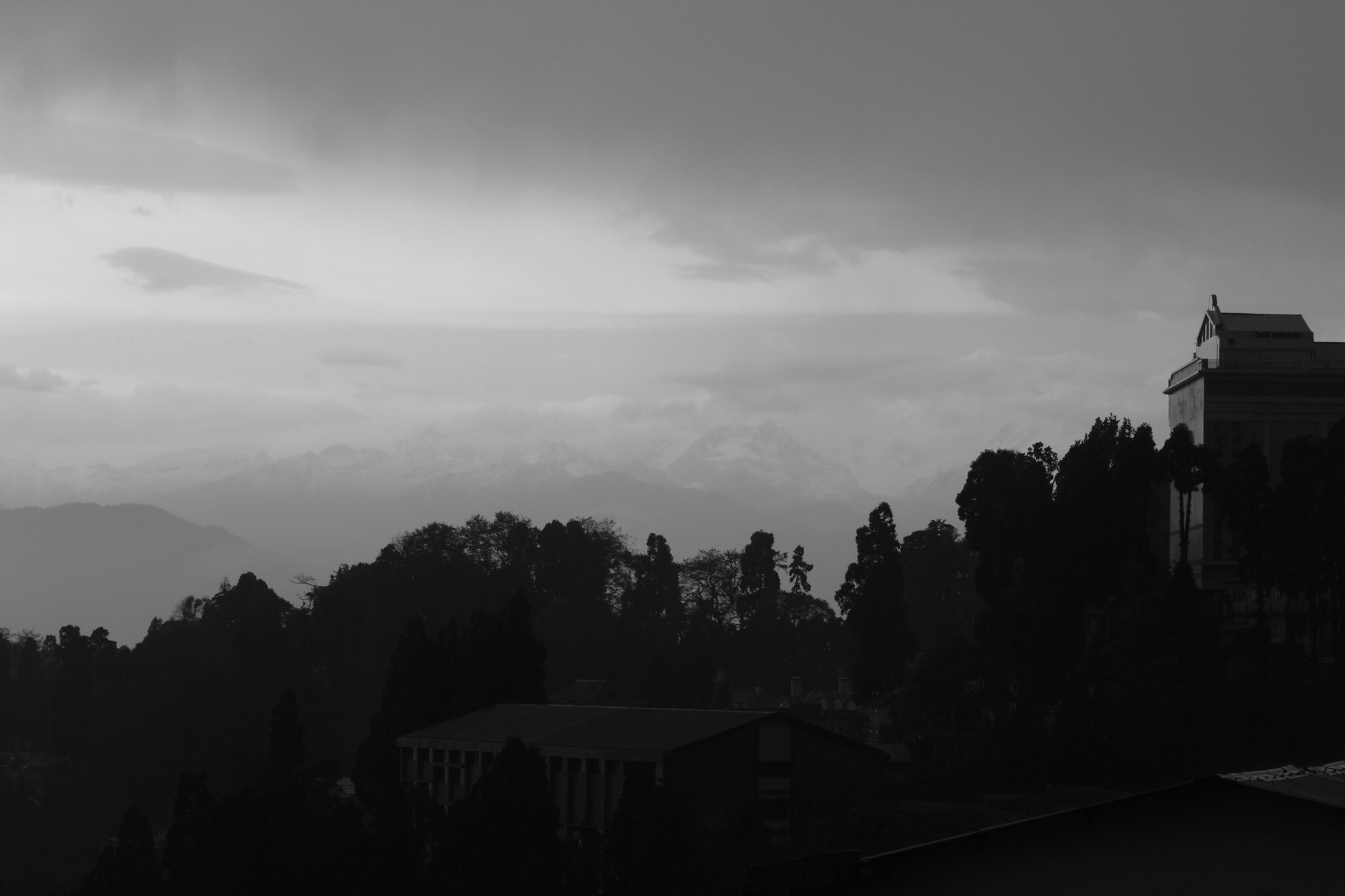
When the rain did finally stop, something extraordinary happened. I was sitting, face pressed close to the glass, watching the play of mist and light across the valley, when suddenly the clouds parted and opened a clear view to the horizon. All the haze had been washed from the sky, which was transformed to a pale blue, dotted with cotton wool clouds. I tried to shoot through the window but the curve of the hill blocked the bulk of the view. I wanted a clear line of sight, for I was dying to see Mount Kangchenjunga, the third highest peak in the world at nearly 8600 metres tall.

I stood up, stuffed my lap top into my bag, sorted myself out and hurried off. It was still drizzling a little, and, worried about my camera, instead of going straight to find a vantage point, I decided to head back to the Hotel Tranquillity (sic) to pick up the small but sturdy umbrella I’d packed in a moment of boy-scout foresight. I raced back to the hotel, which took a good ten minutes, grabbed my umbrella and was about to head off, when I heard voices from the roof, just up the next flight from my room. I walked up the stairs where a door opened out on a flat concrete roof, flooded with rain. Here I found Tenzing, the hotel’s owner, talking with two other guests.

“Hello!” said Tenzing. “Come to see the mountains?”

“I hope so!”

The two other guests were also Australian and we smiled and nodded at each other. Their attention, however, as mine was soon to be, was rooted in the distance. And there, sure enough, was Mount Kangchenjunga. I gasped when first I saw it, amazed by its sheer size. How high up it seemed to go into the sky. It had an unnatural quality to it, as though its extension from the Earth was somehow impossible. How could anything be so big? The towering peaks of stone and snow were nothing short of fantastical. The only problem was that much of the view was blocked by an inconveniently placed radio antenna, a hill and trees. I could see roughly half of the mountain, and that through a tilting of the head and shifting of angles.
I looked as well as I could, but the lack of a clear line of sight was simply too frustrating. I needed a new vantage point, for now clearly was the time to go shoot the mountain. I took a few snaps, made some cheery remarks, then fled down the stairs and out onto Dr Zakir Hussain Street, figuring I should make for the road that circumnavigated Observatory Hill. I scurried down the street towards Chowrasta, past all the stalls, butchers, fishmongers, bakers, fruit and vegetable sellers, chicken and egg sellers; many of them seated up on the boards of their wooden stalls.

When I reached Chowrasta, however, I could see already that I was too late. The sky in the distance was thickening again with white mist and soon everything would be hidden. I broke into a run, down along the side of this hill with its famous monastery and tall Japanese cedars. Yet, by the time I reached the far end of the road, the mountains had once again vanished behind haze and cloud. I stood cursing, deeply regretting having gone back to get my umbrella, and shook a fist at the sky. I wasn’t sure quite how long I was planning to stay in Darjeeling, but figured that some time in the next couple of days I ought to see clear skies. The rain began to come down again and I popped up my umbrella. Stuff it, I thought, there’s always tomorrow.

Read Full Post »

Read Full Post »

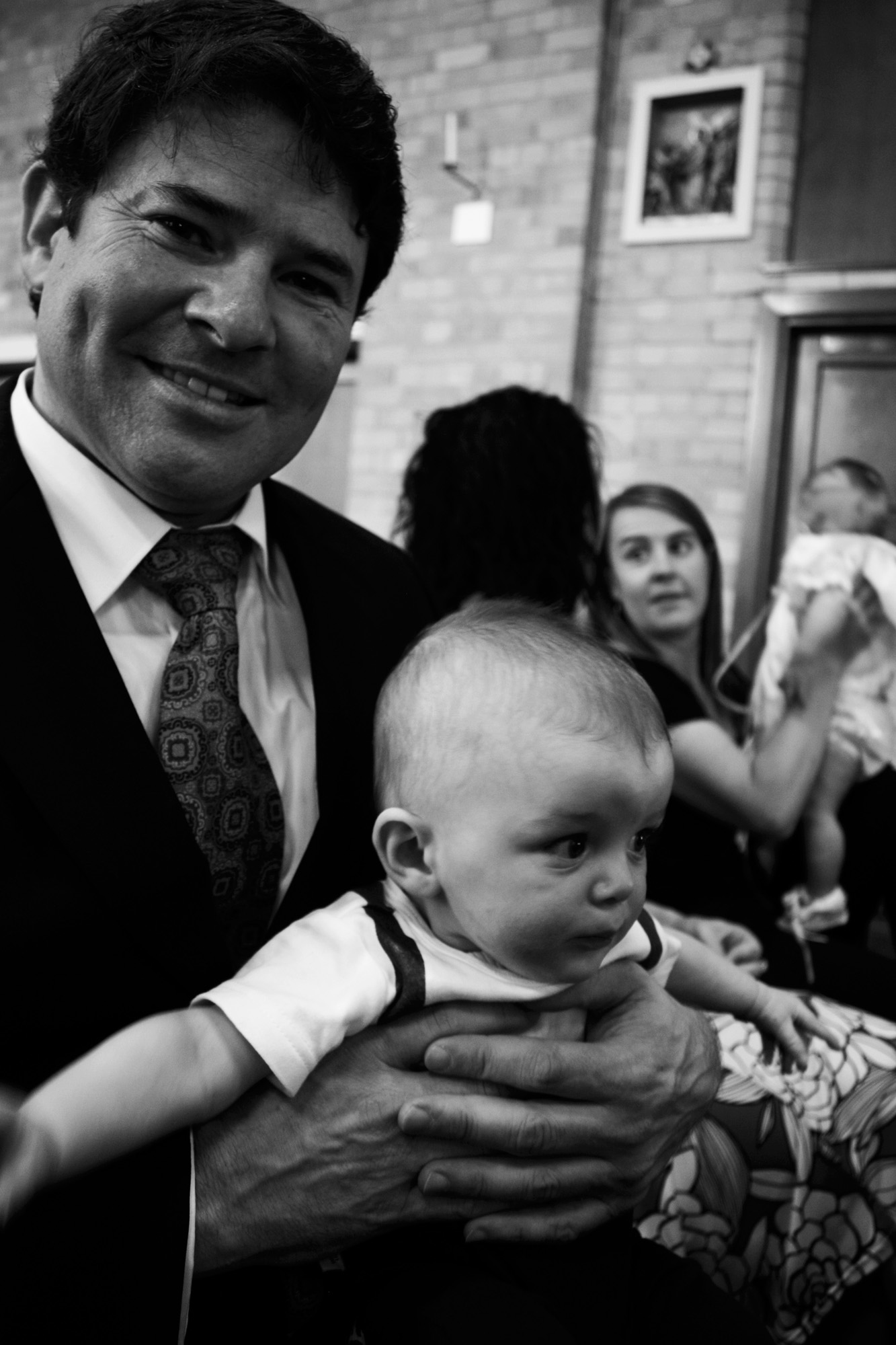
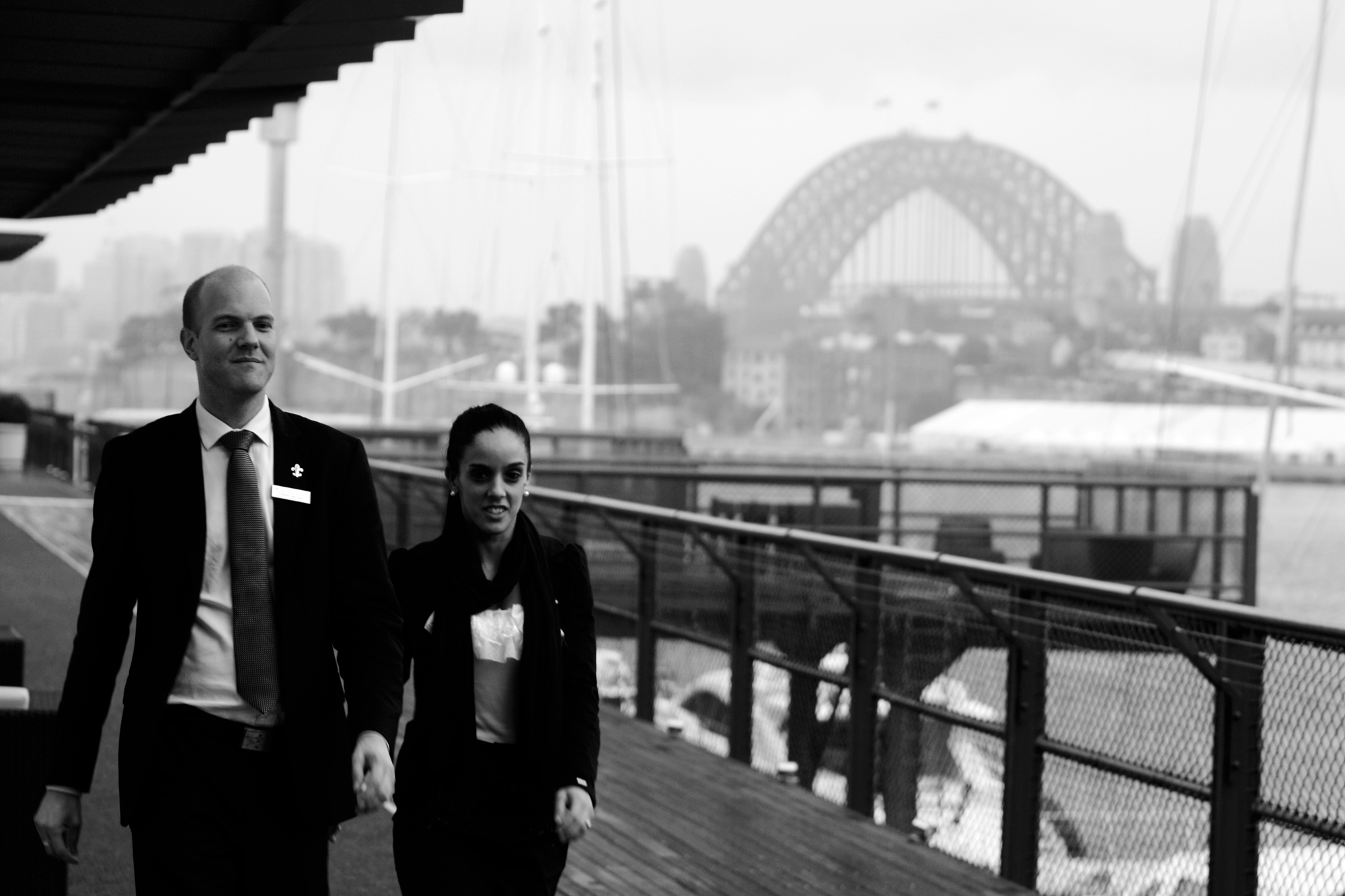
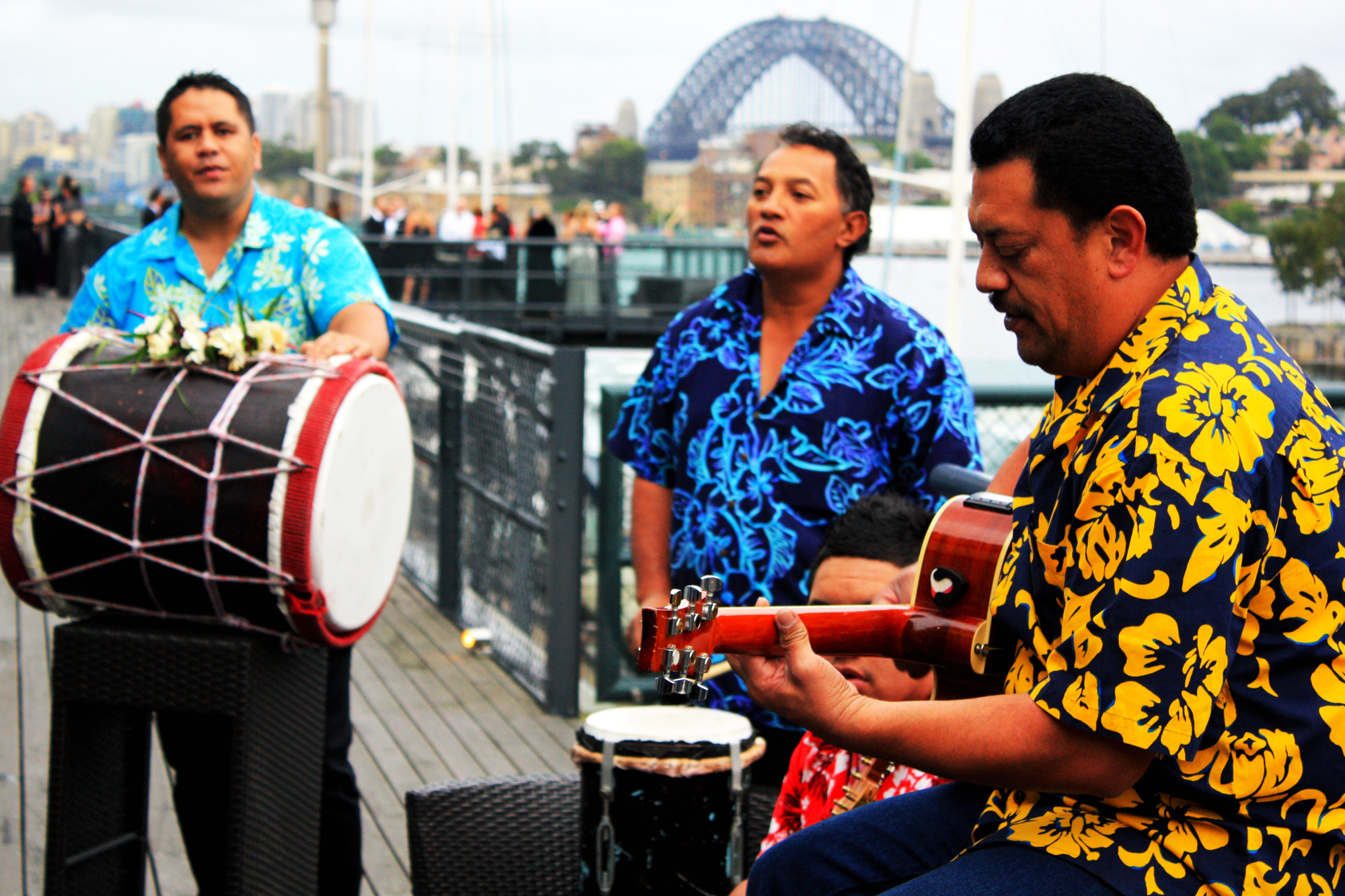
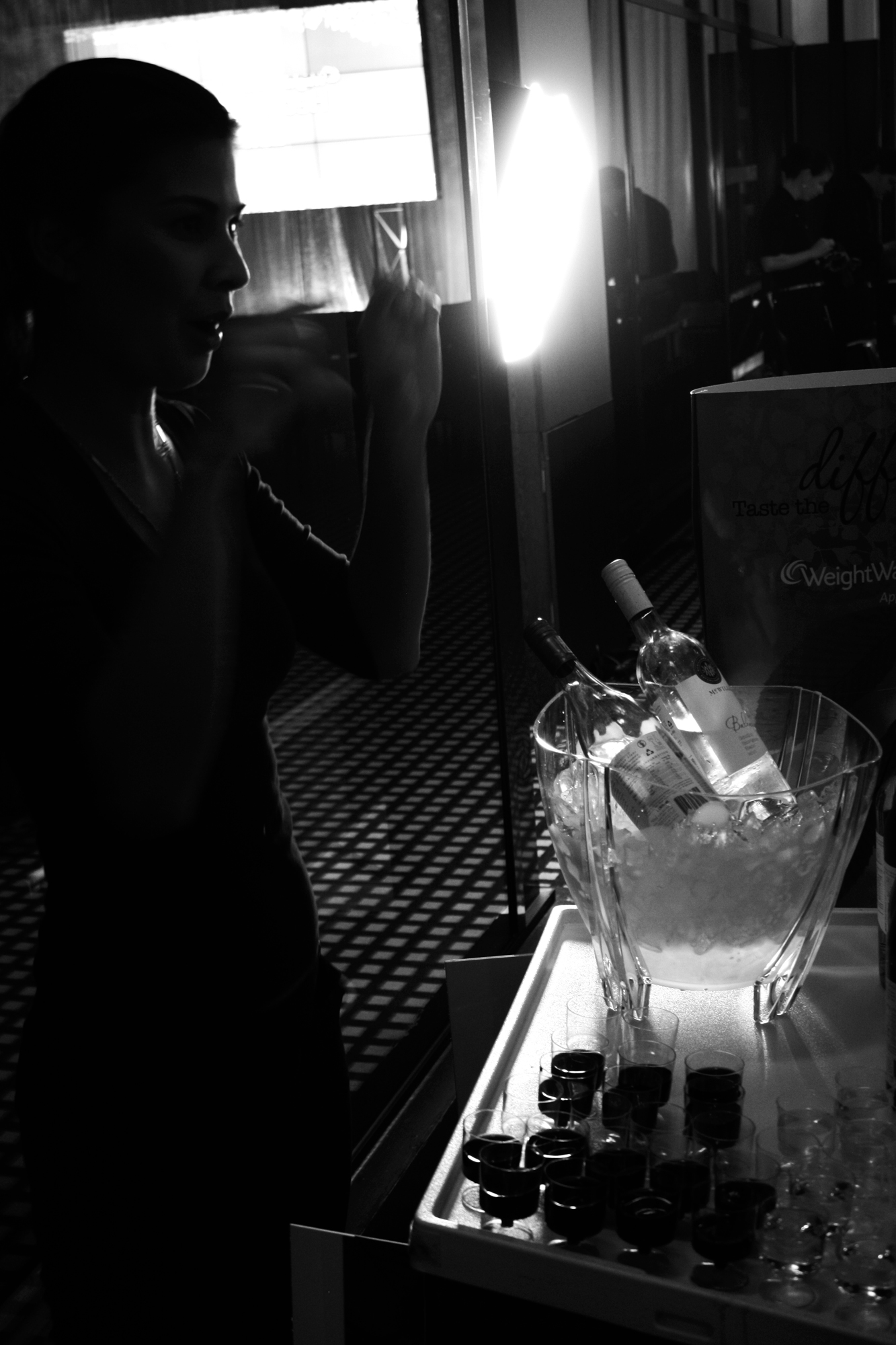
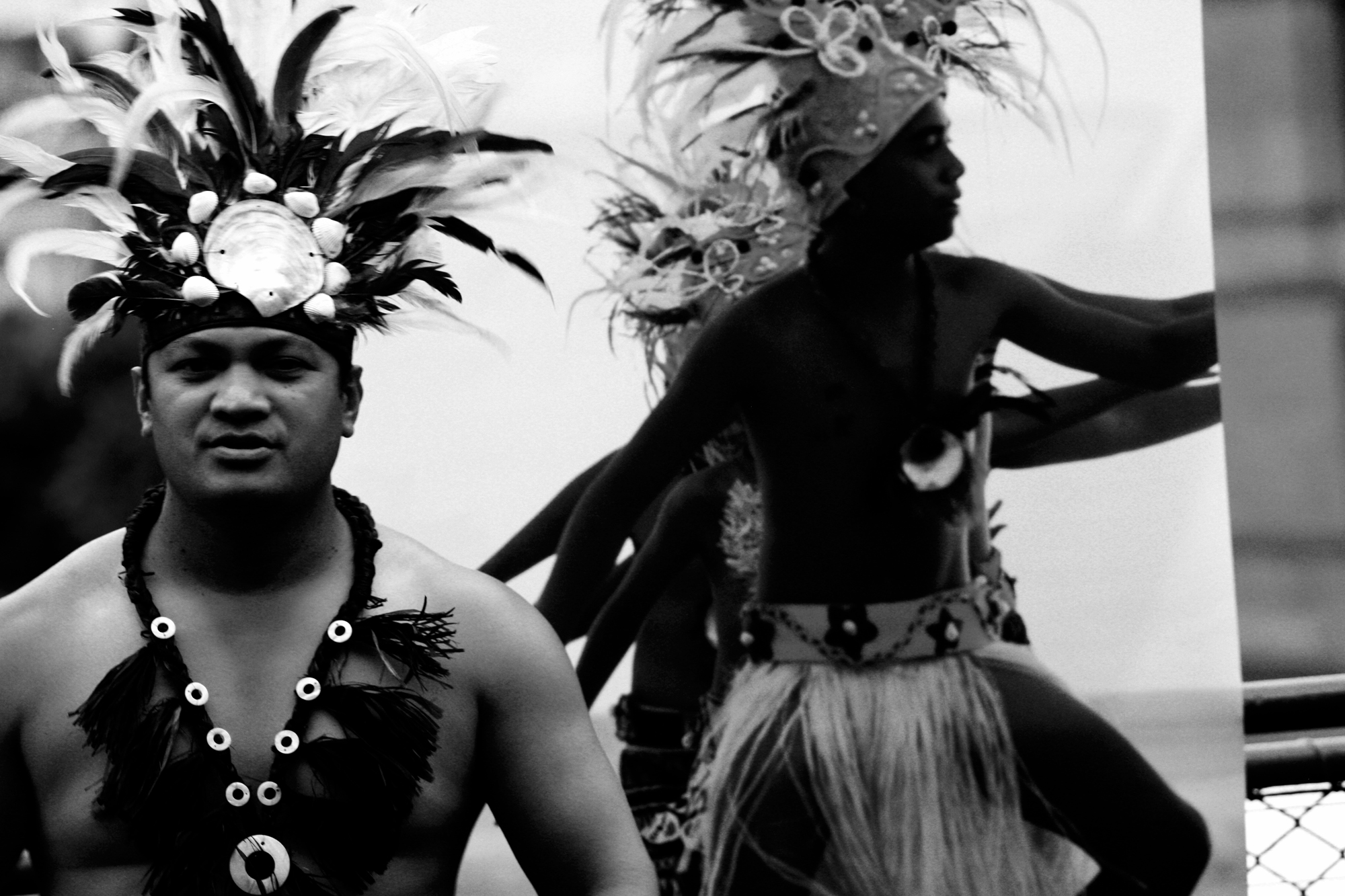
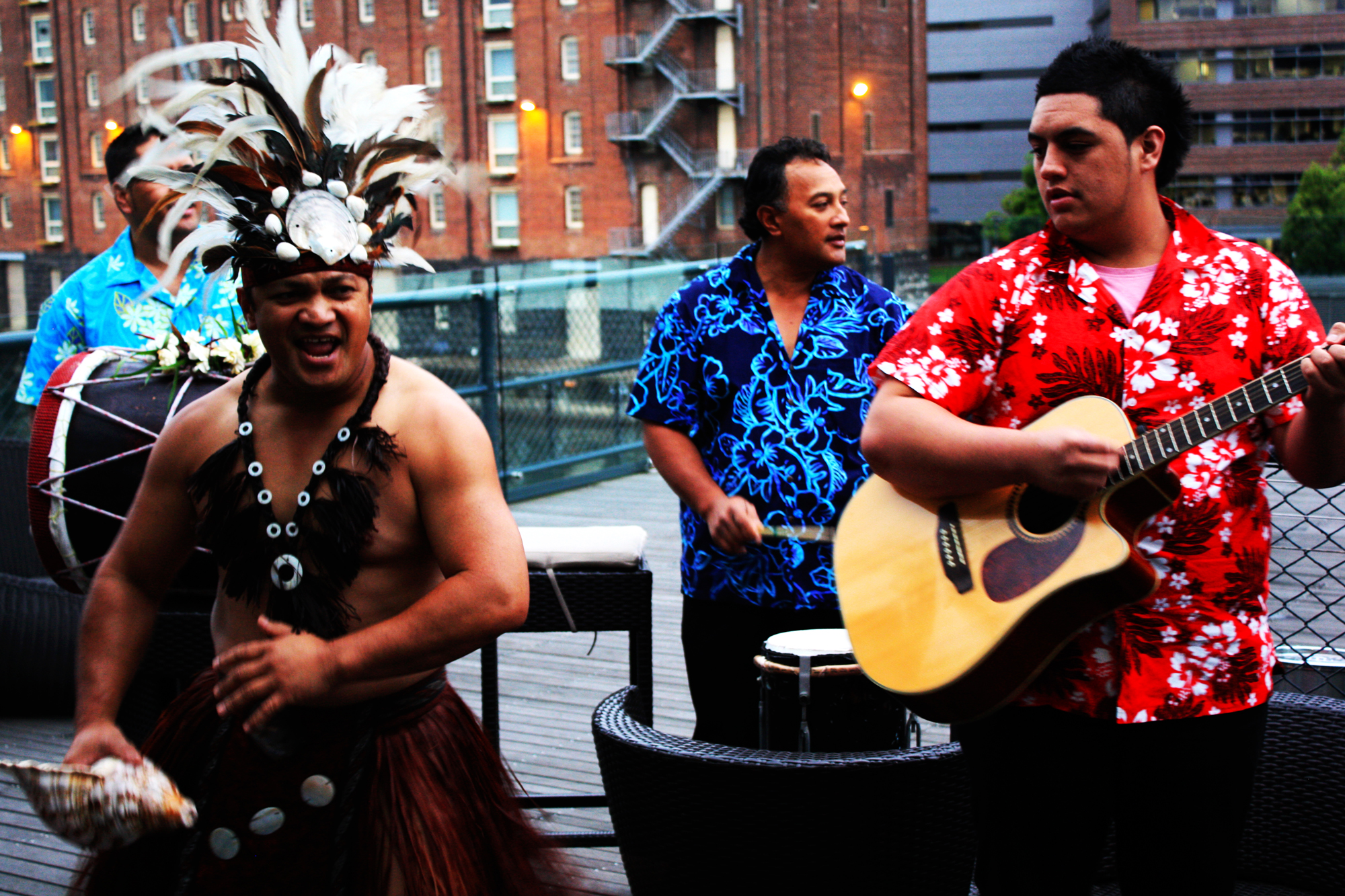
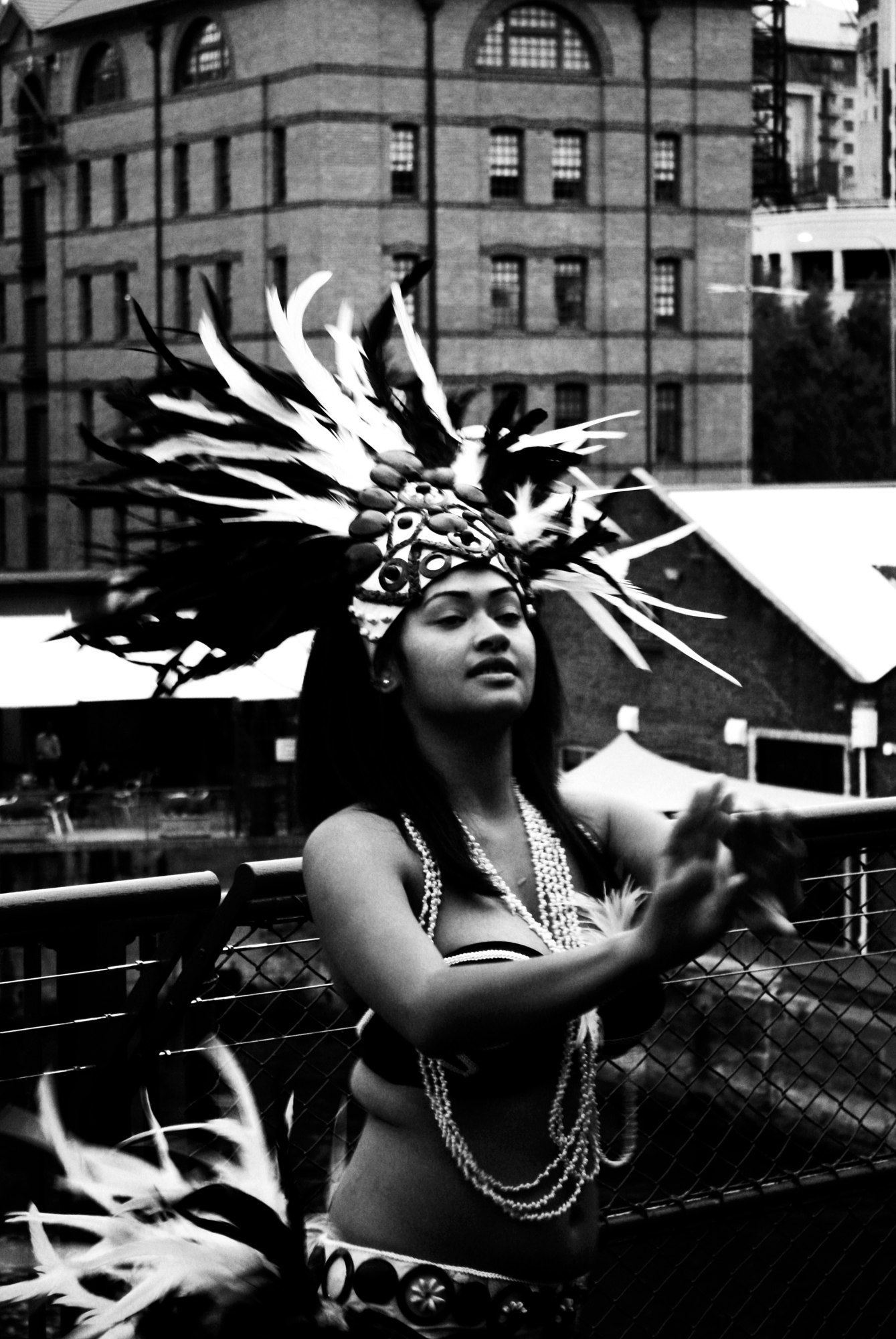
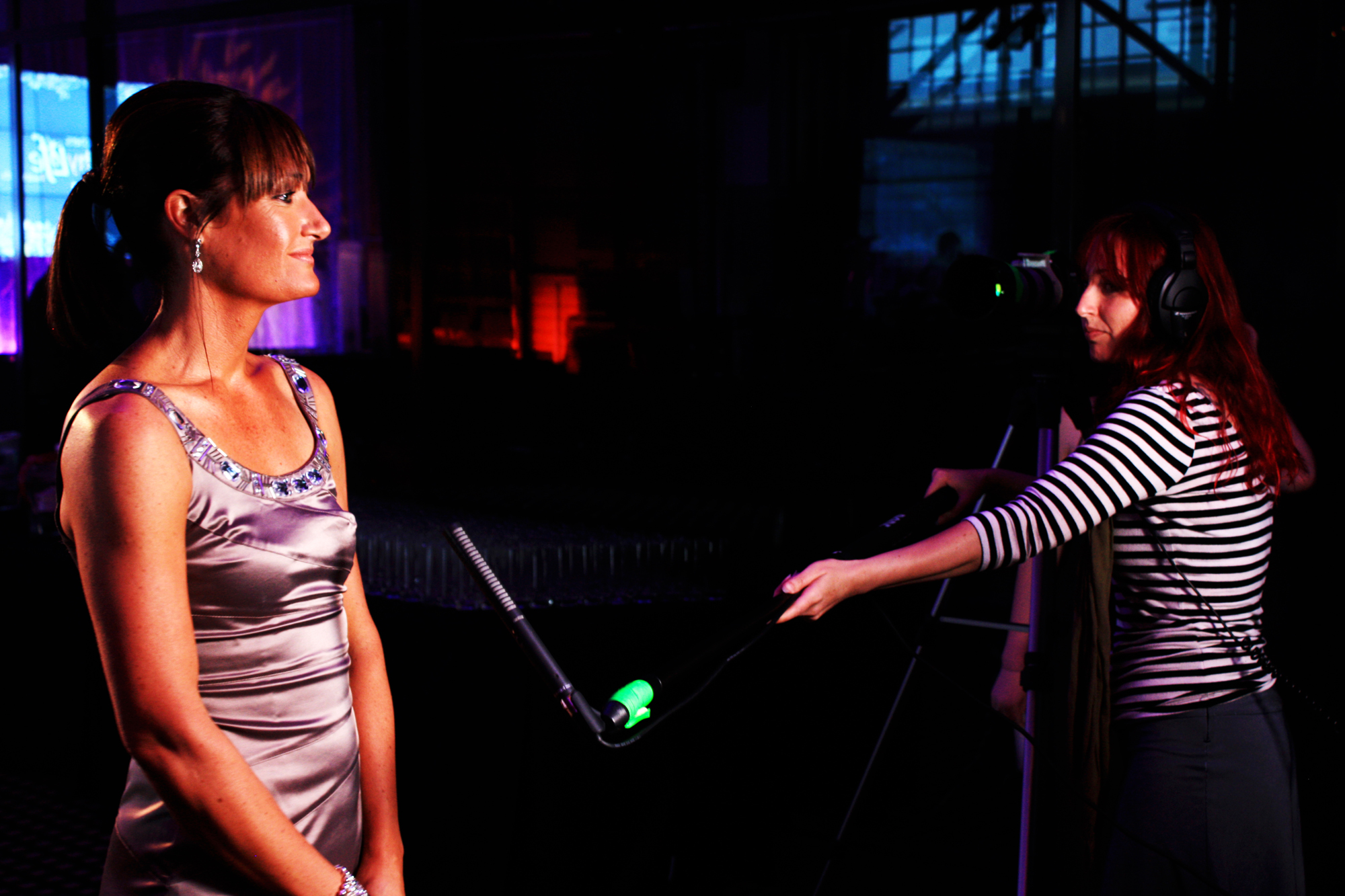
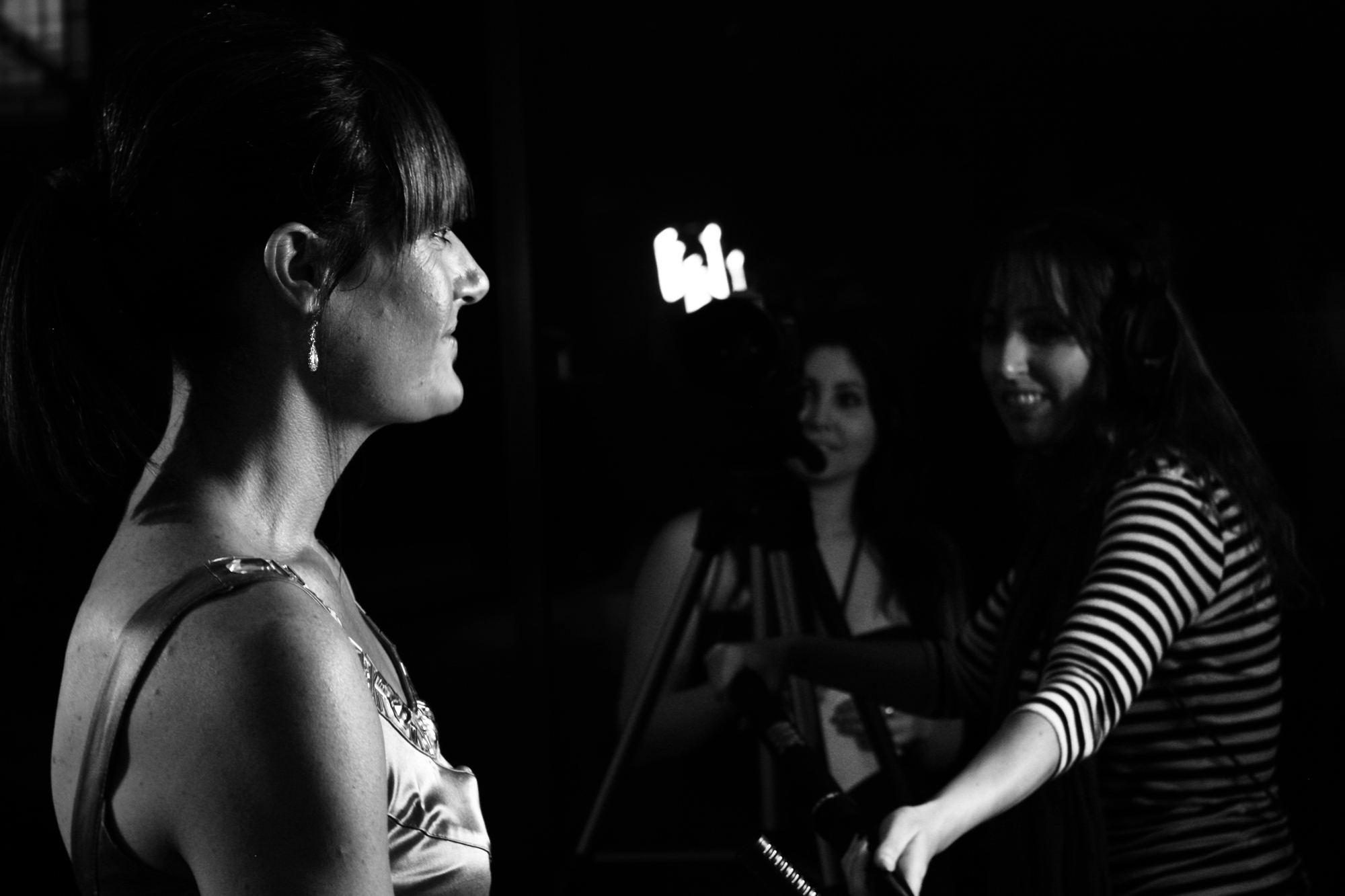
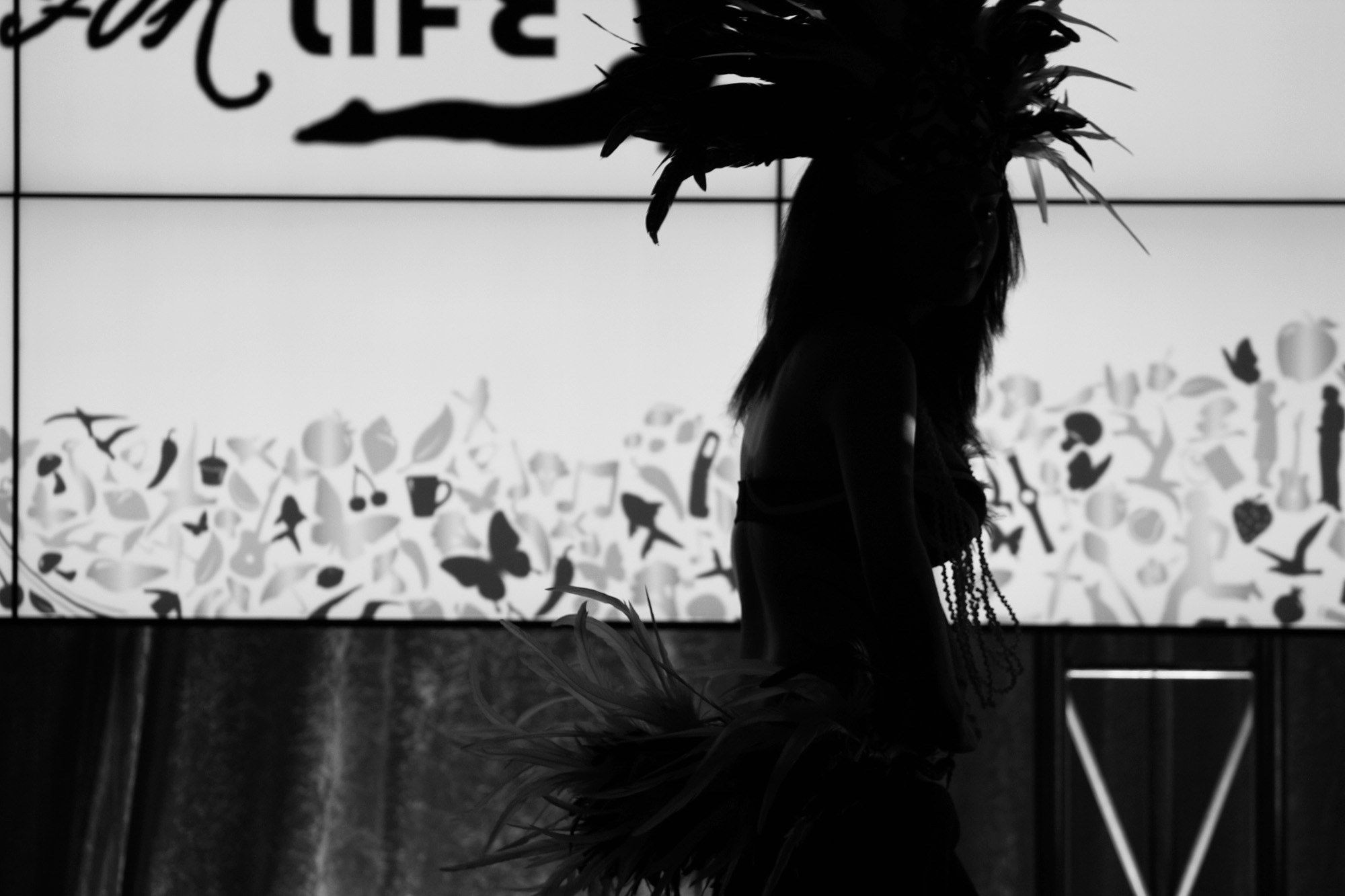
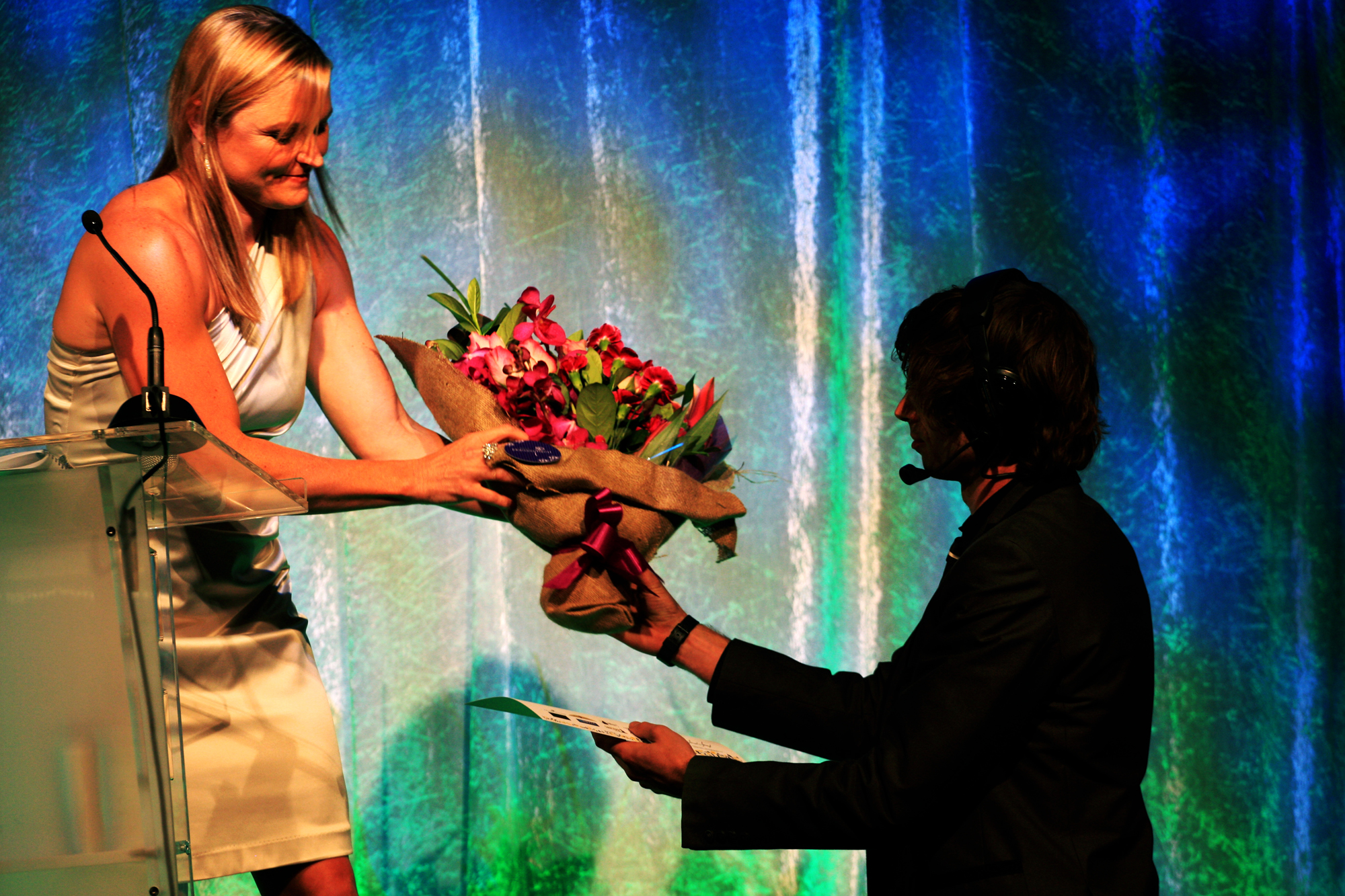
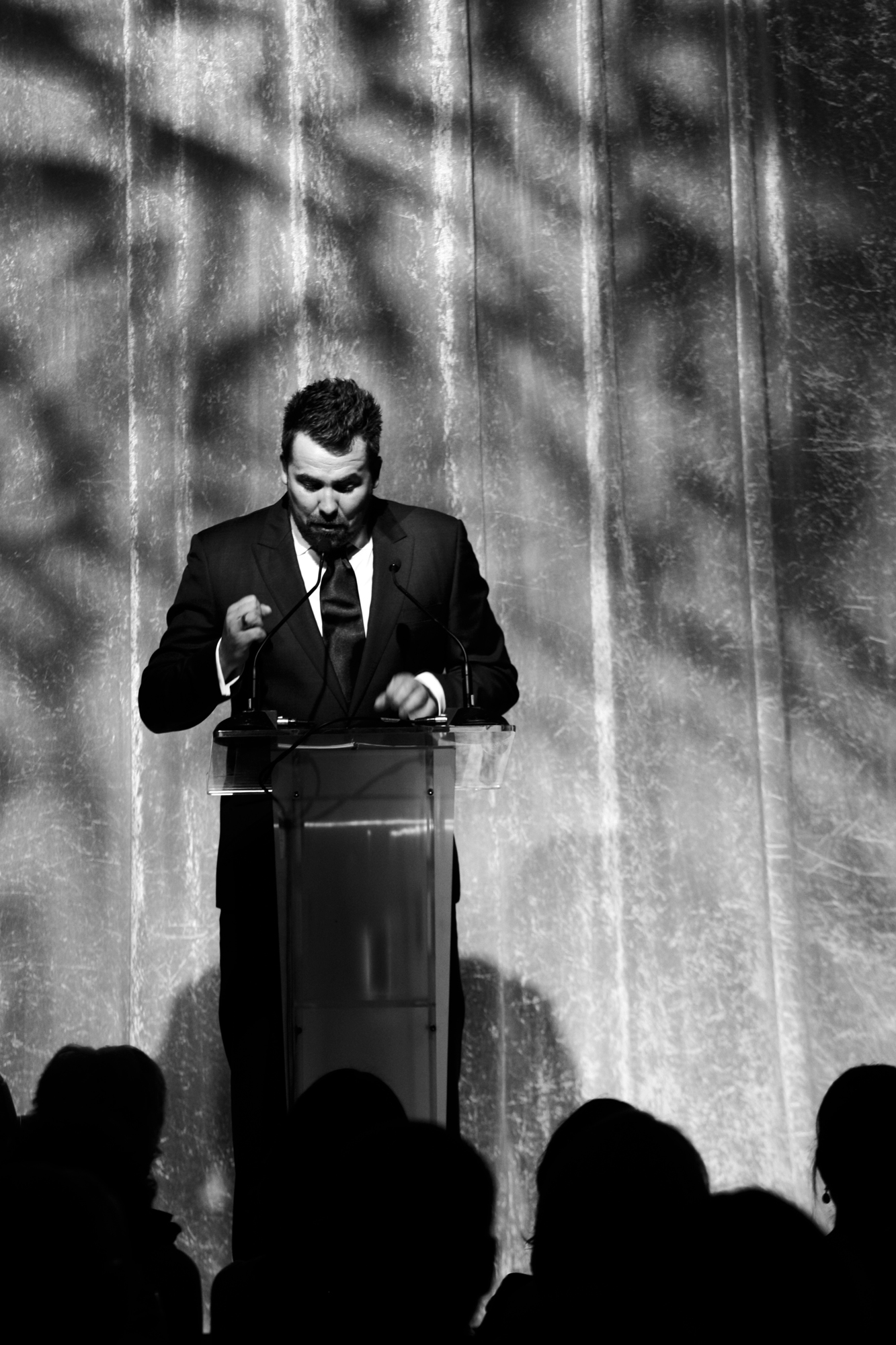
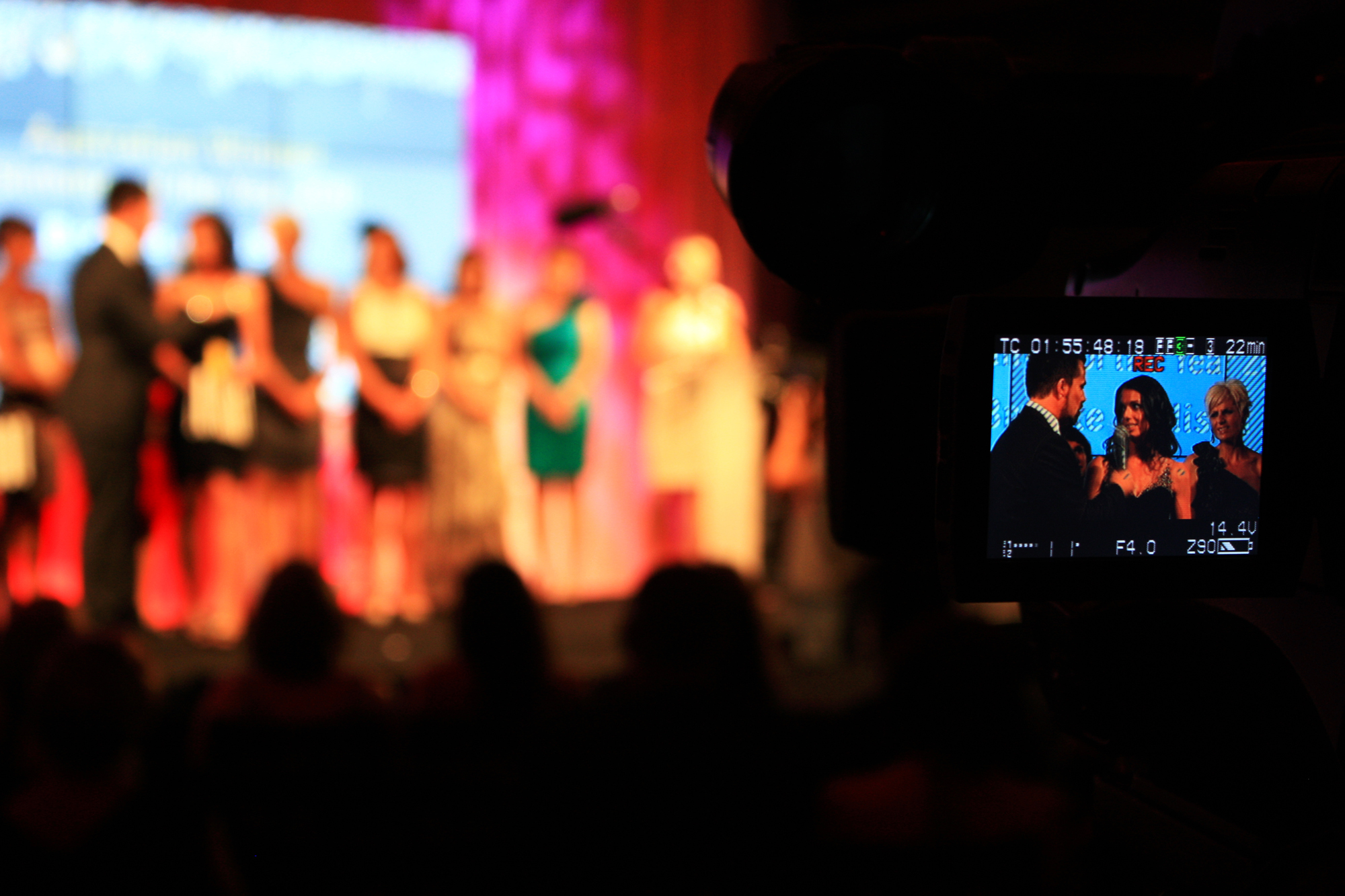
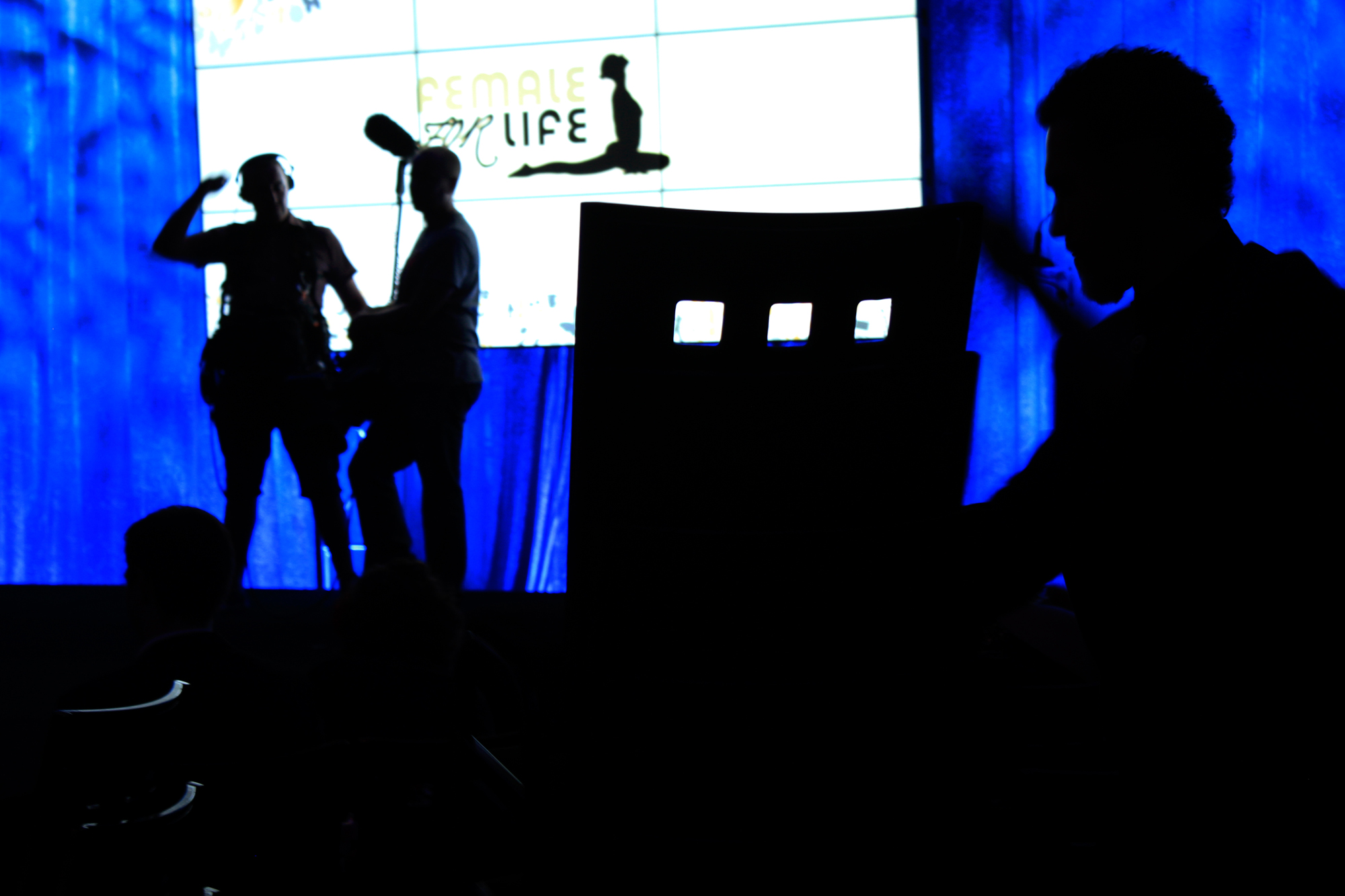
Here are a selection of photographs from my first paid job. It was a fun evening – the Weight Watchers Slimmer of the Year awards, or something along those lines – held at Doltone House in Sydney Harbour, near Jackson’s Landing. As the event was already being photographed and videoed by other people, my job was to prowl around the edges and take more candid, arty photographs of the event. I worked pretty hard throughout the evening and didn’t stop shooting for almost four hours, during which time I took around 900 images. From those I ultimately selected roughly ninety for the final package and edited them in a seven-hour spree that very night, staying up until dawn, oddly zealous about finishing the job.

The photographs featured here are those which I liked the most from the evening, with perhaps a few too many of the Fijian musicians!

Read Full Post »

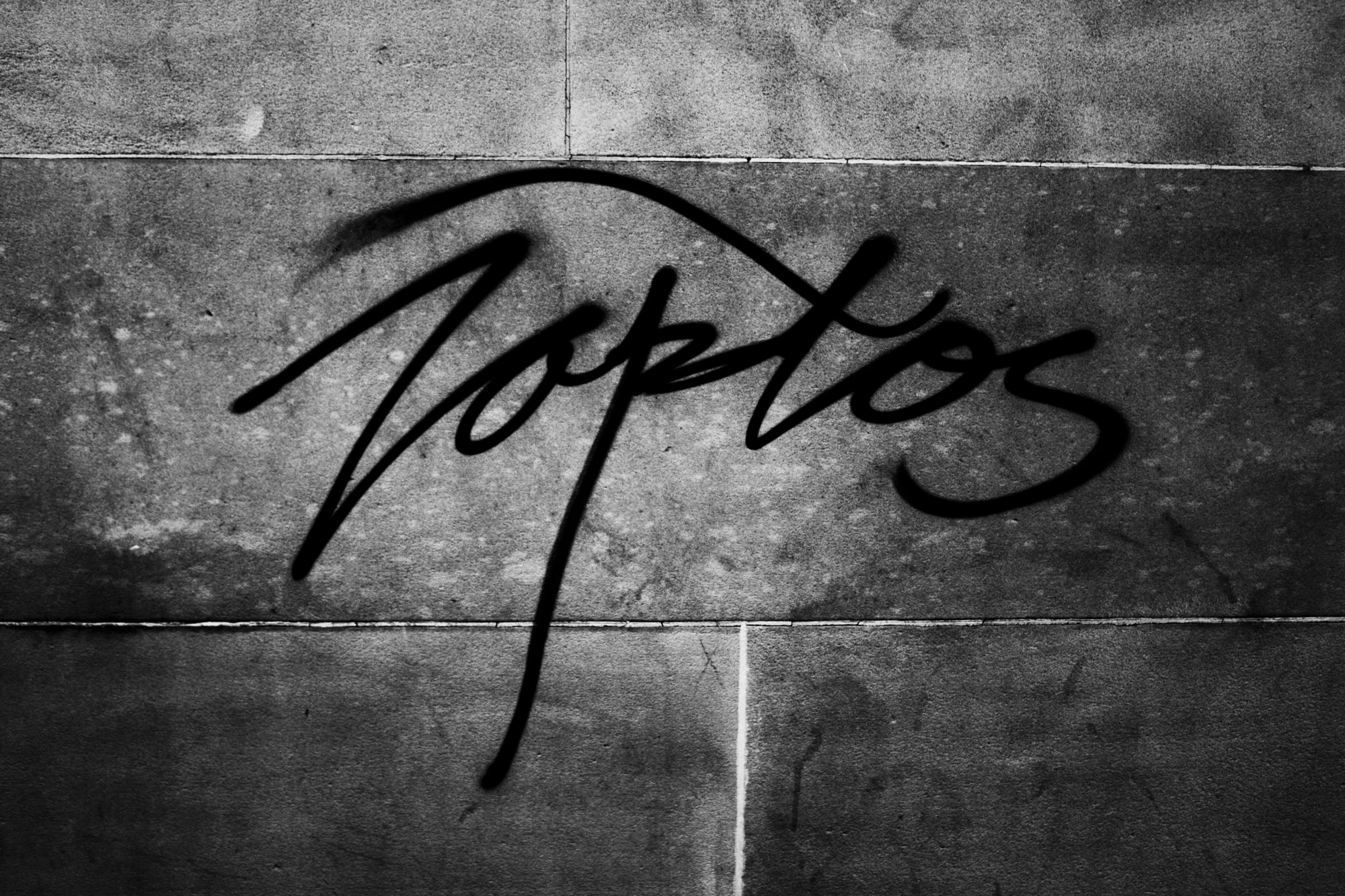
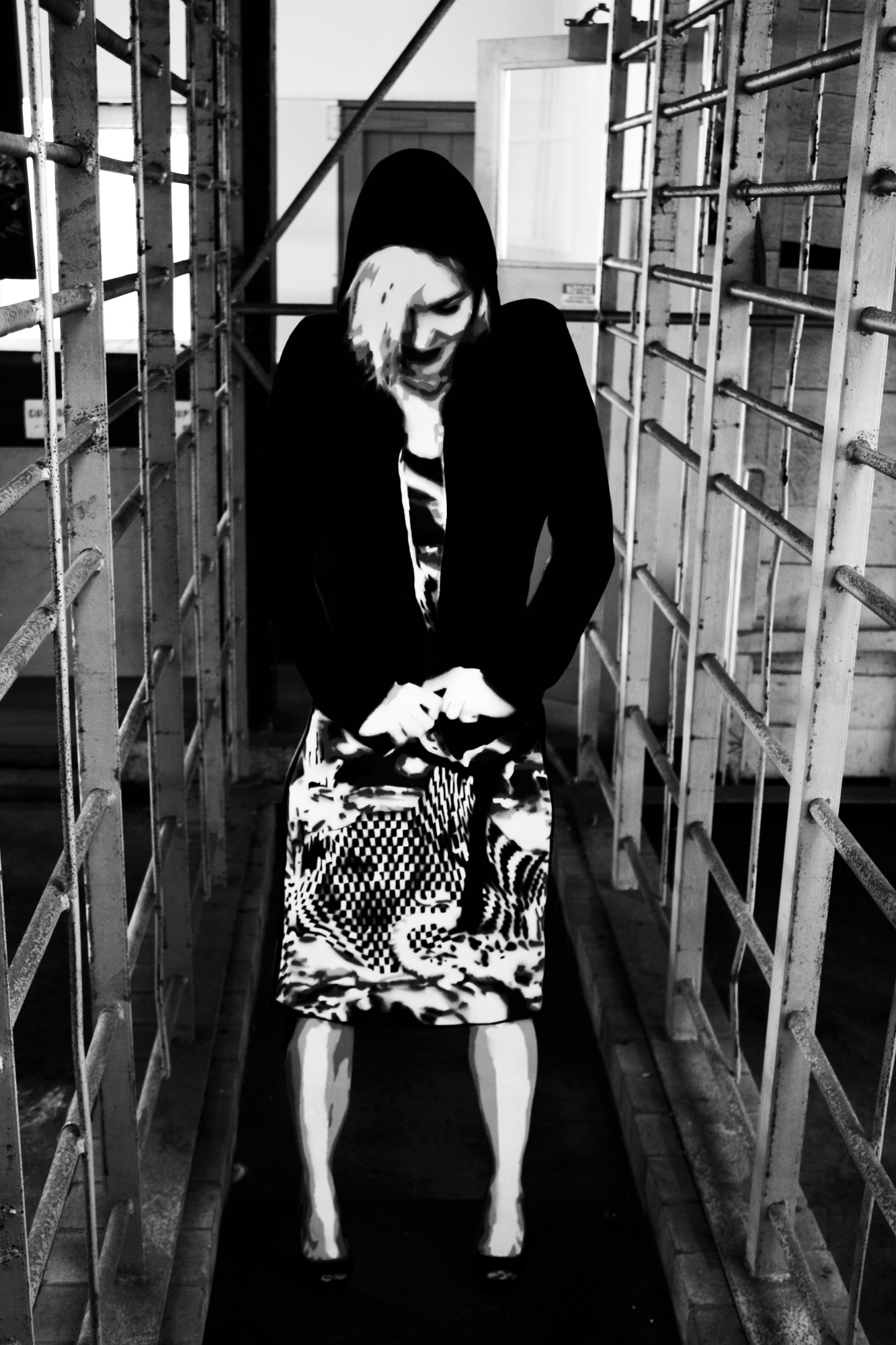
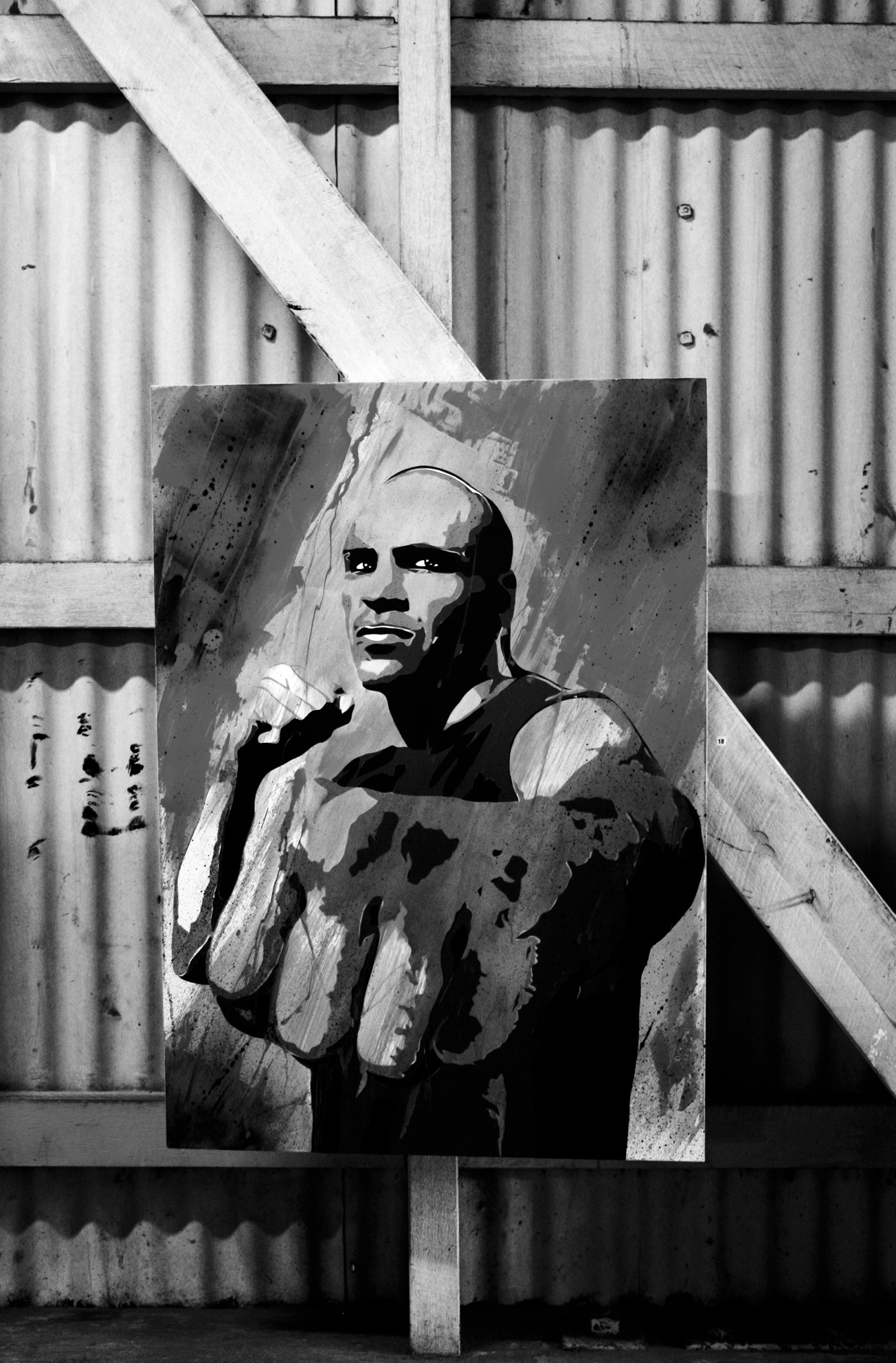
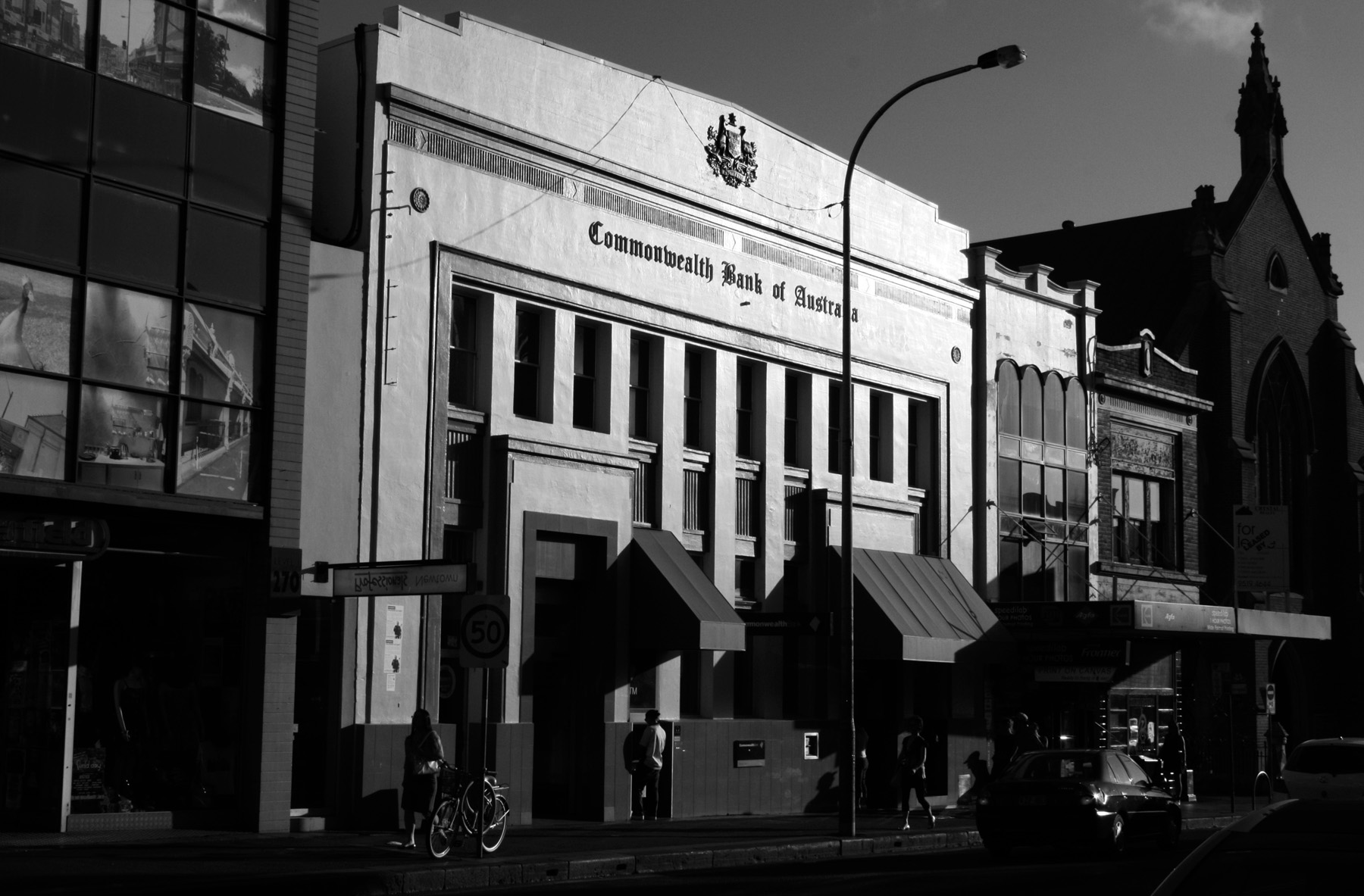
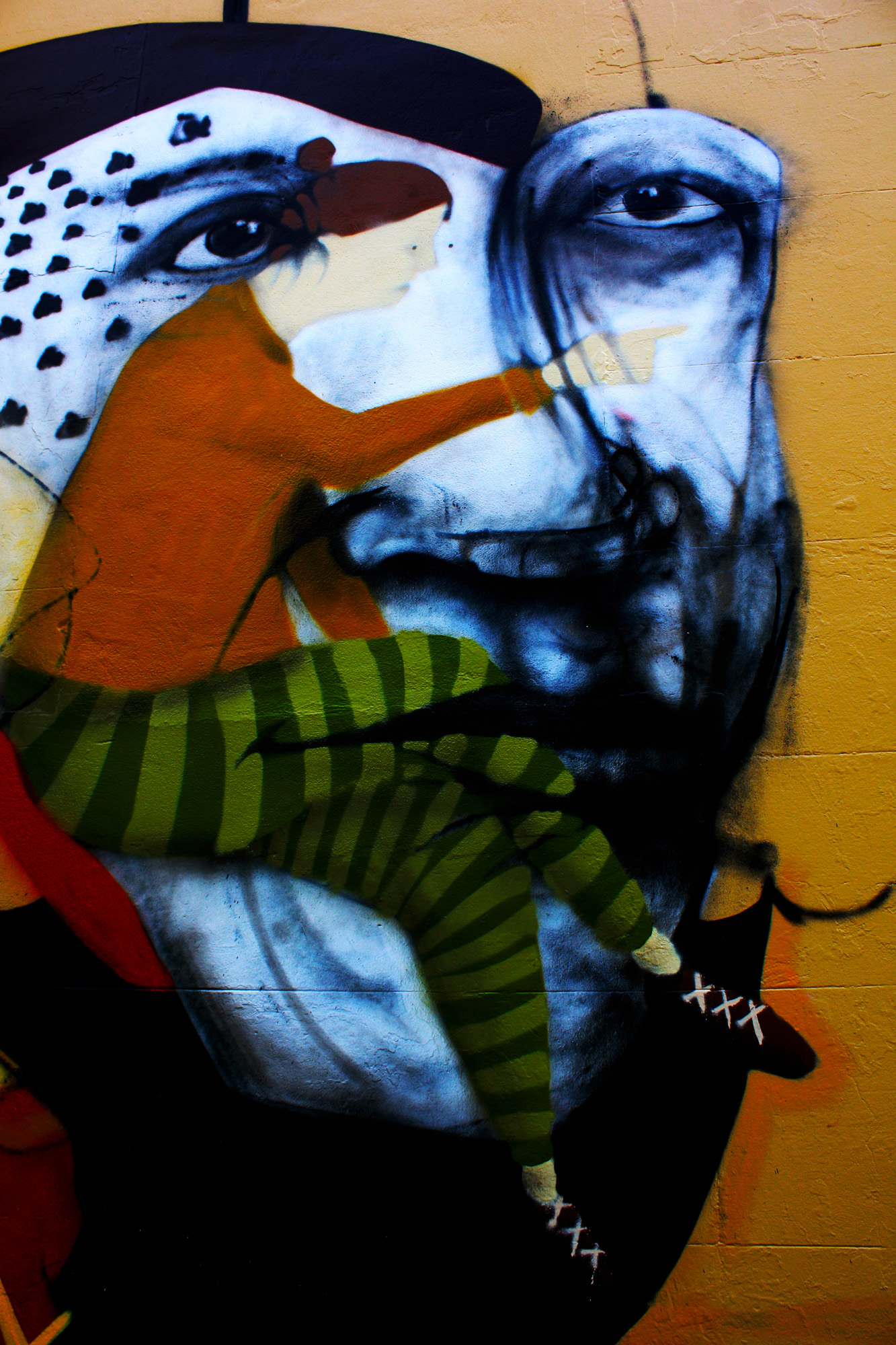
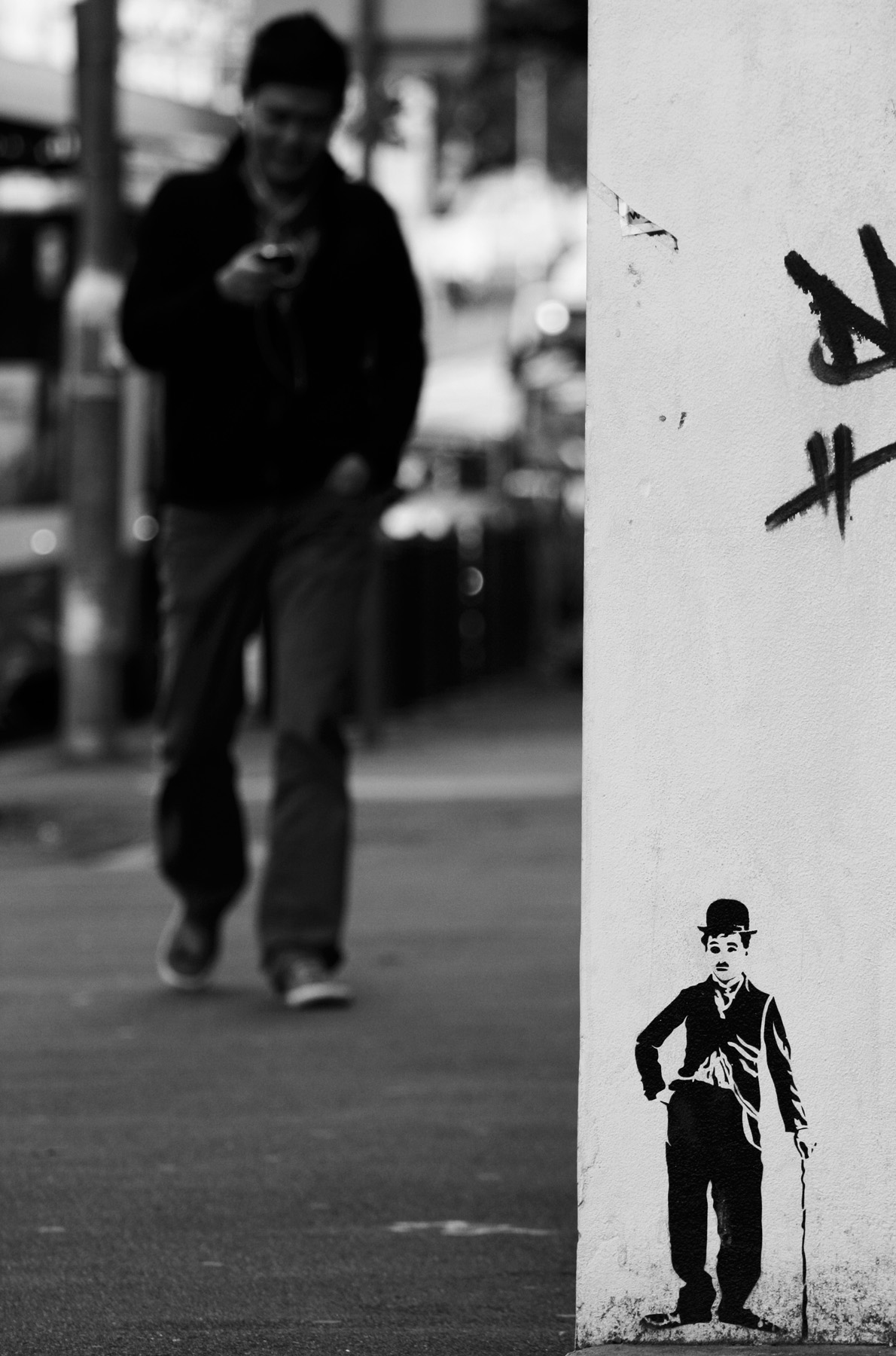
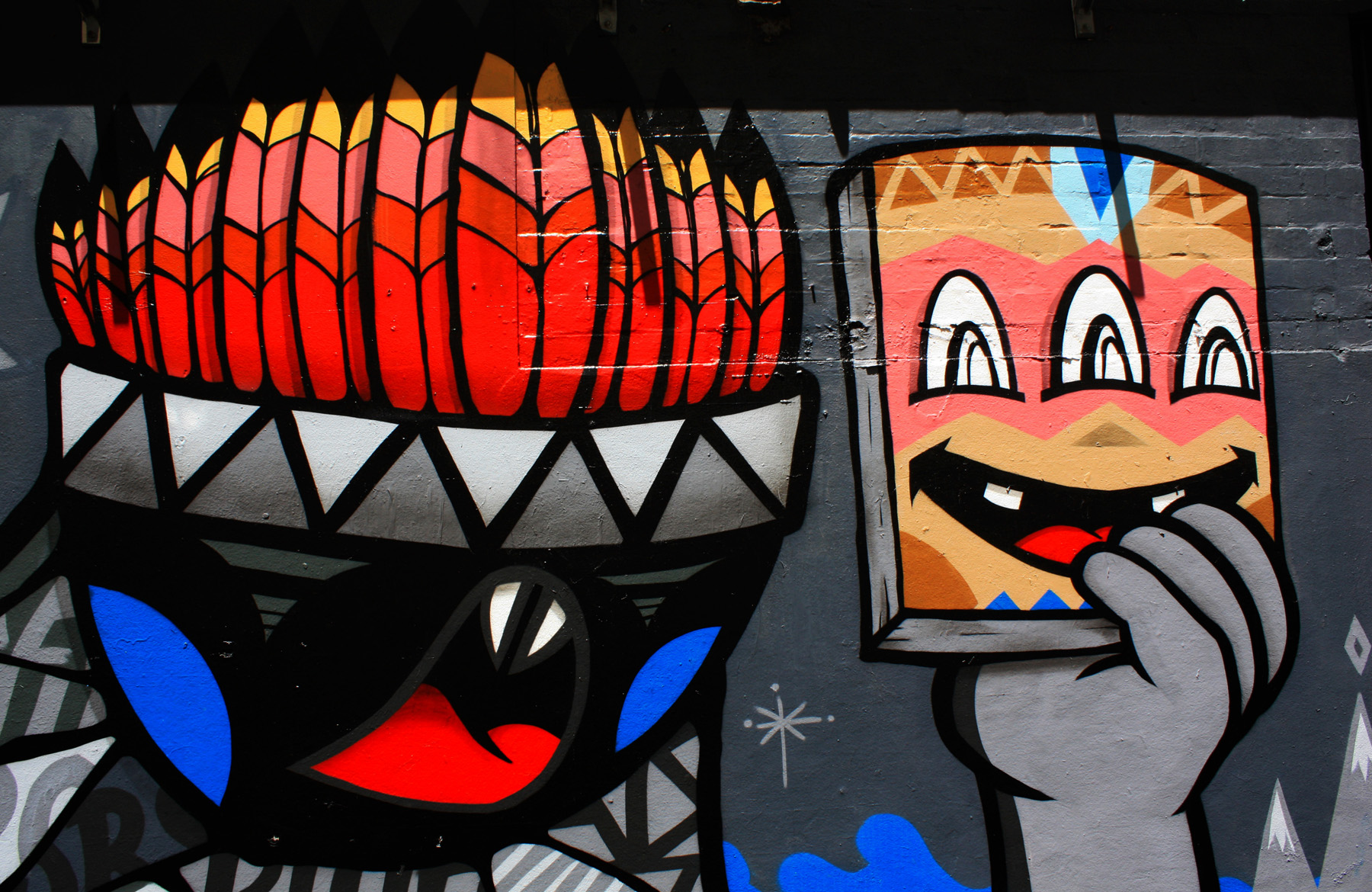
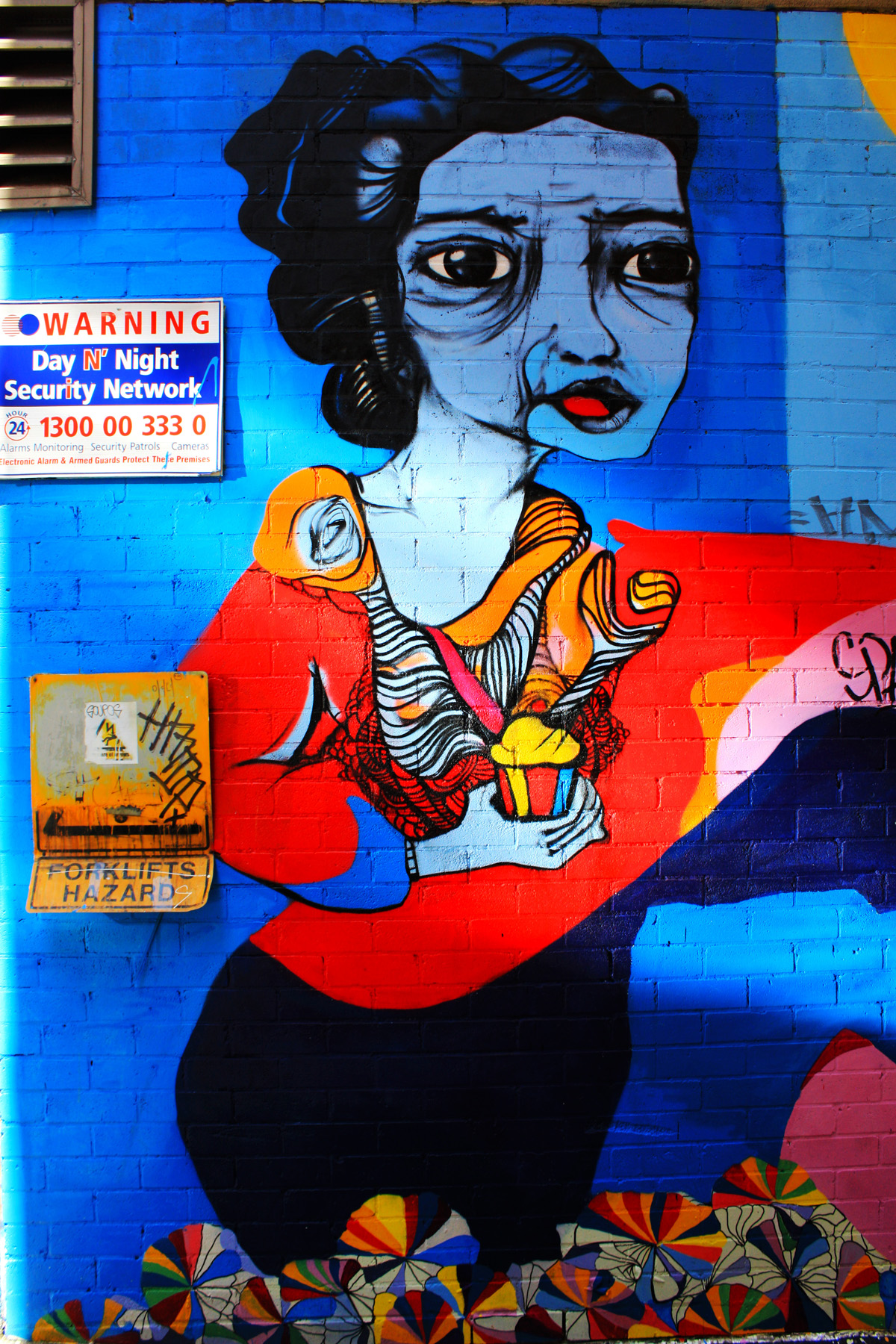
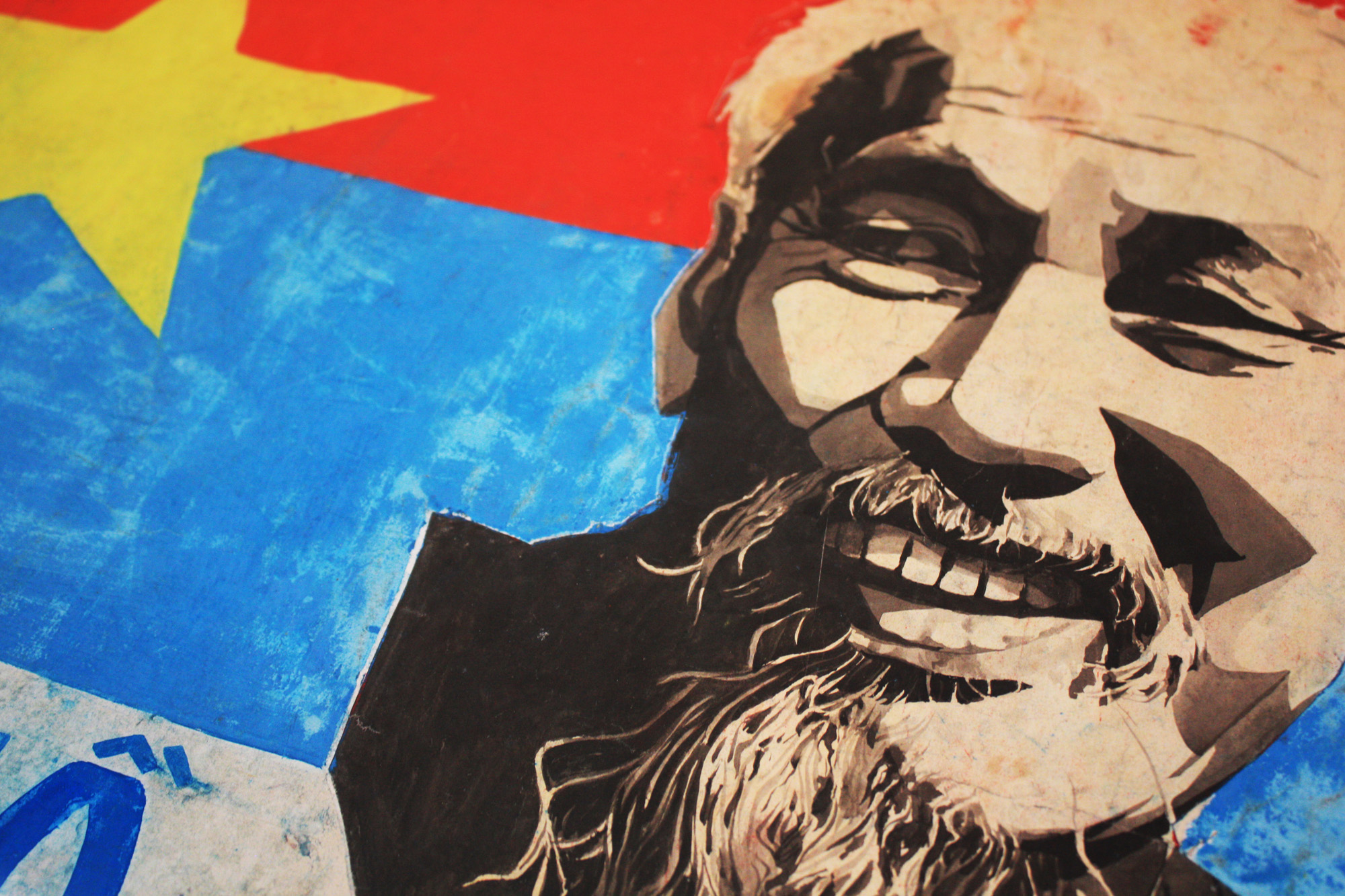
I recently attended the OUTPOST street art and graffiti exhibition on Cockatoo Island in Sydney Harbour. I had never actually been to Cockatoo Island before and was very impressed by the ways in which this former industrial site is being utilised. It makes for an excellent exhibition space, as well as a good venue for festivals, concerts and the like. The timing of this seemed surprisingly appropriate, as it comes shortly after my having developed more of an interest in contemporary street art around Sydney. I recall a few years ago a friend from Melbourne lamenting the lack of stencil art and other, more creative and, indeed, political forms of street art in Sydney. Whilst Melbourne may still be ahead on this front, Sydney has certainly taken to stencil art and there seems to be a greater diversity of styles of graffiti generally, many of which are immediately recognisable as belonging to particular artists.

I must confess that I’m hopeless on the attribution front. I should take more of an interest in the artists themselves, yet seem to have a blind-spot for tags and signatures on murals, which all too often are left out of the composition when I take a photograph. Perhaps it’s time to reintroduce the old photographer’s notebook.

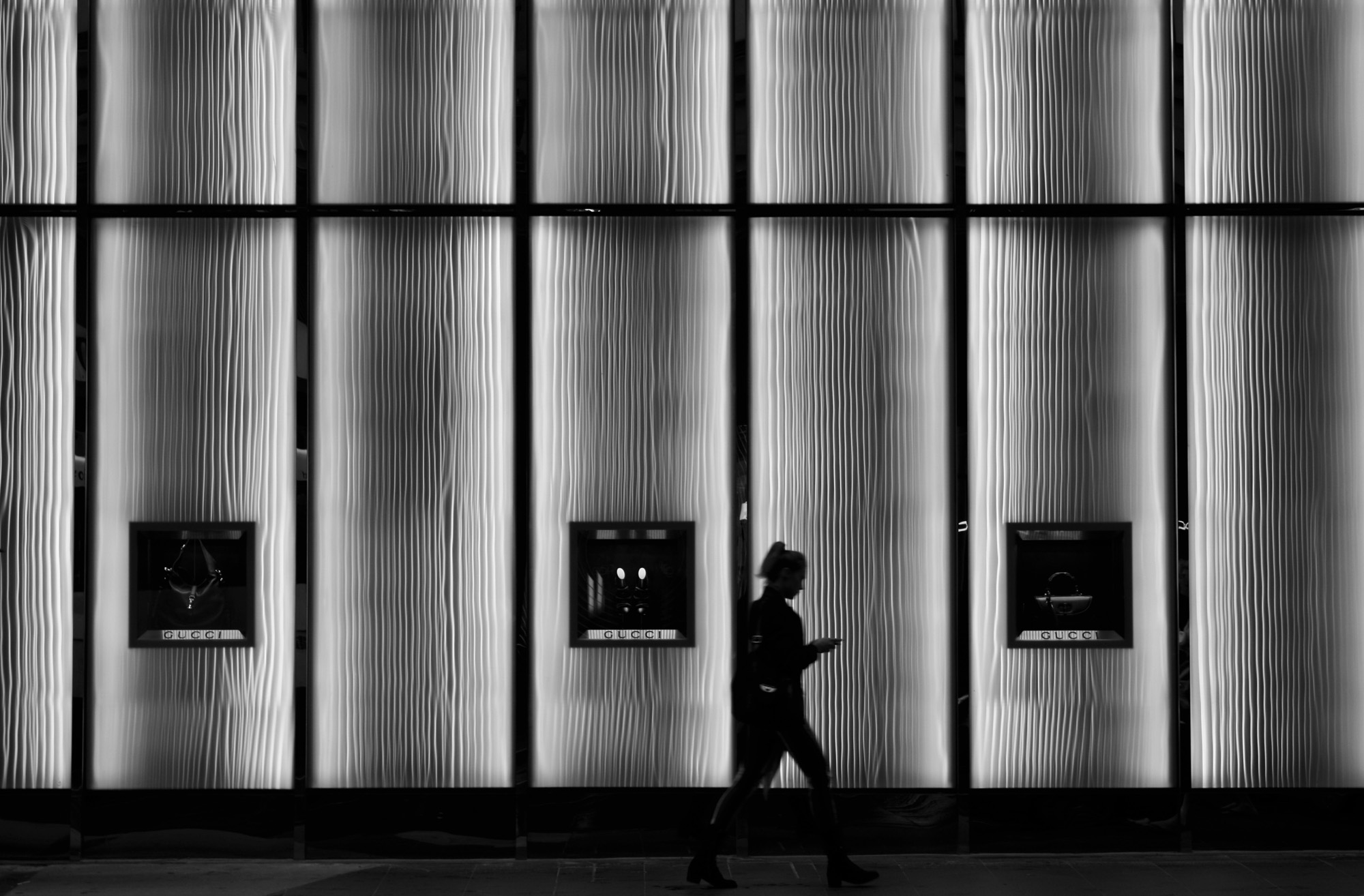
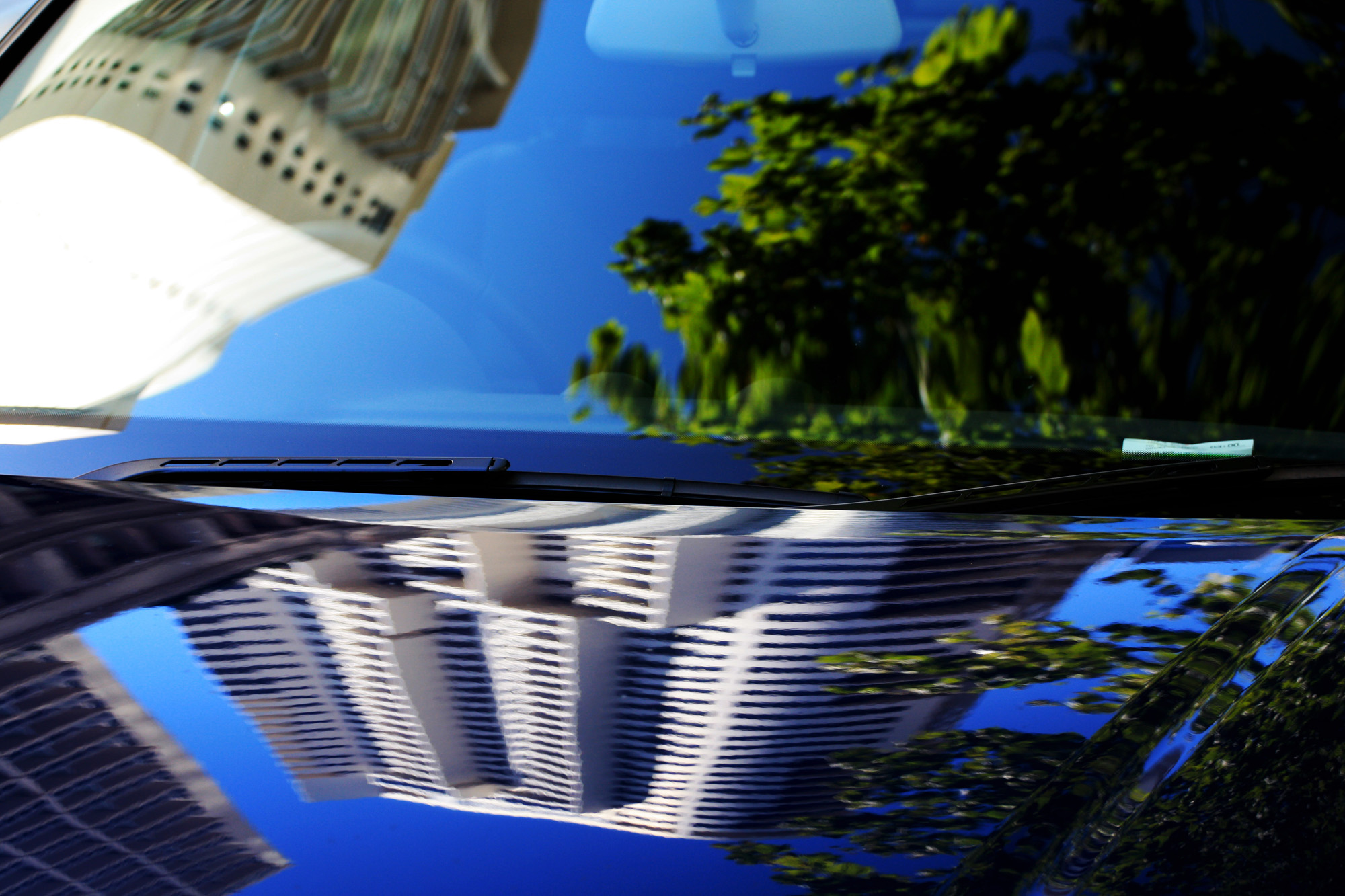
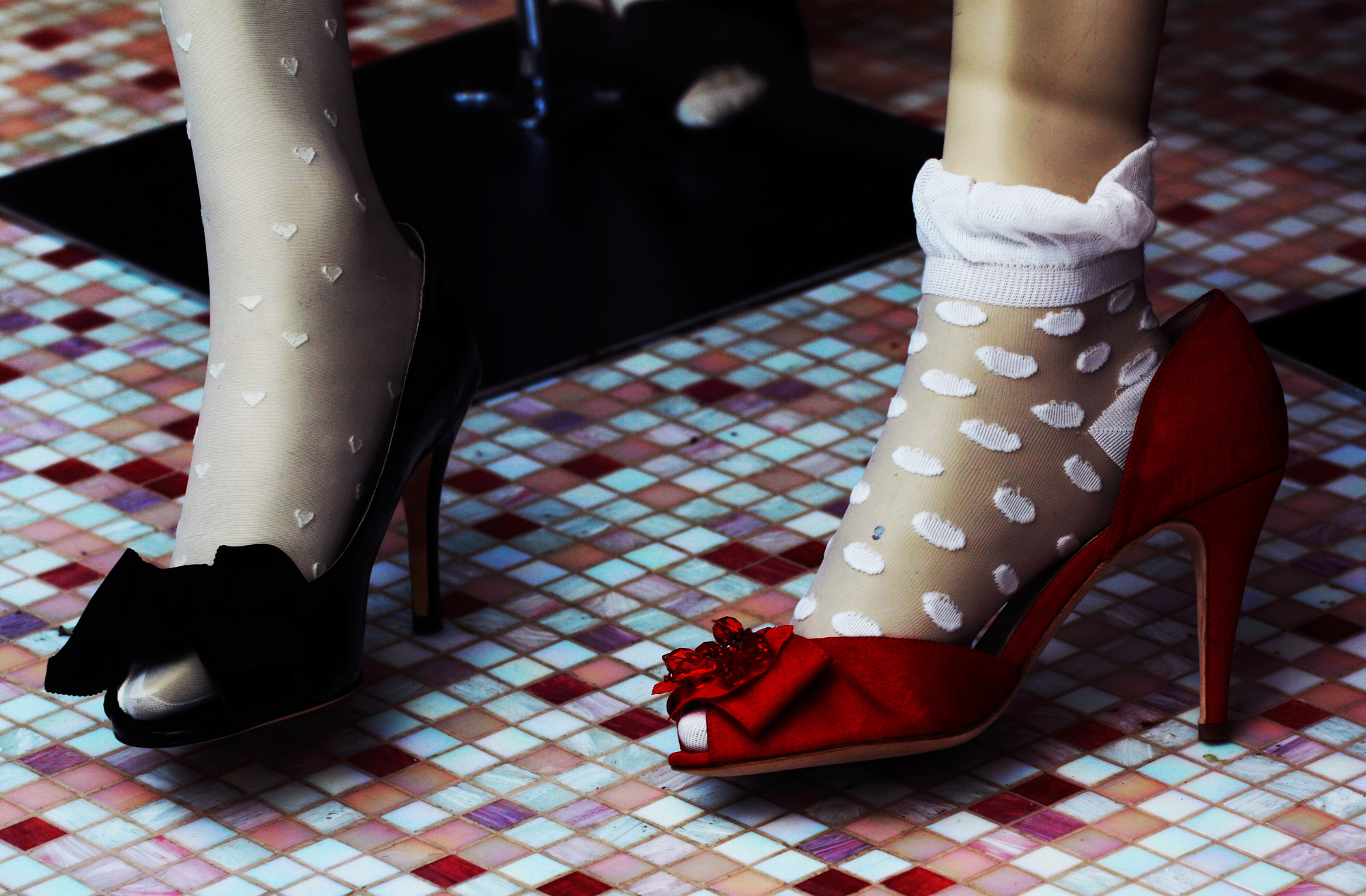
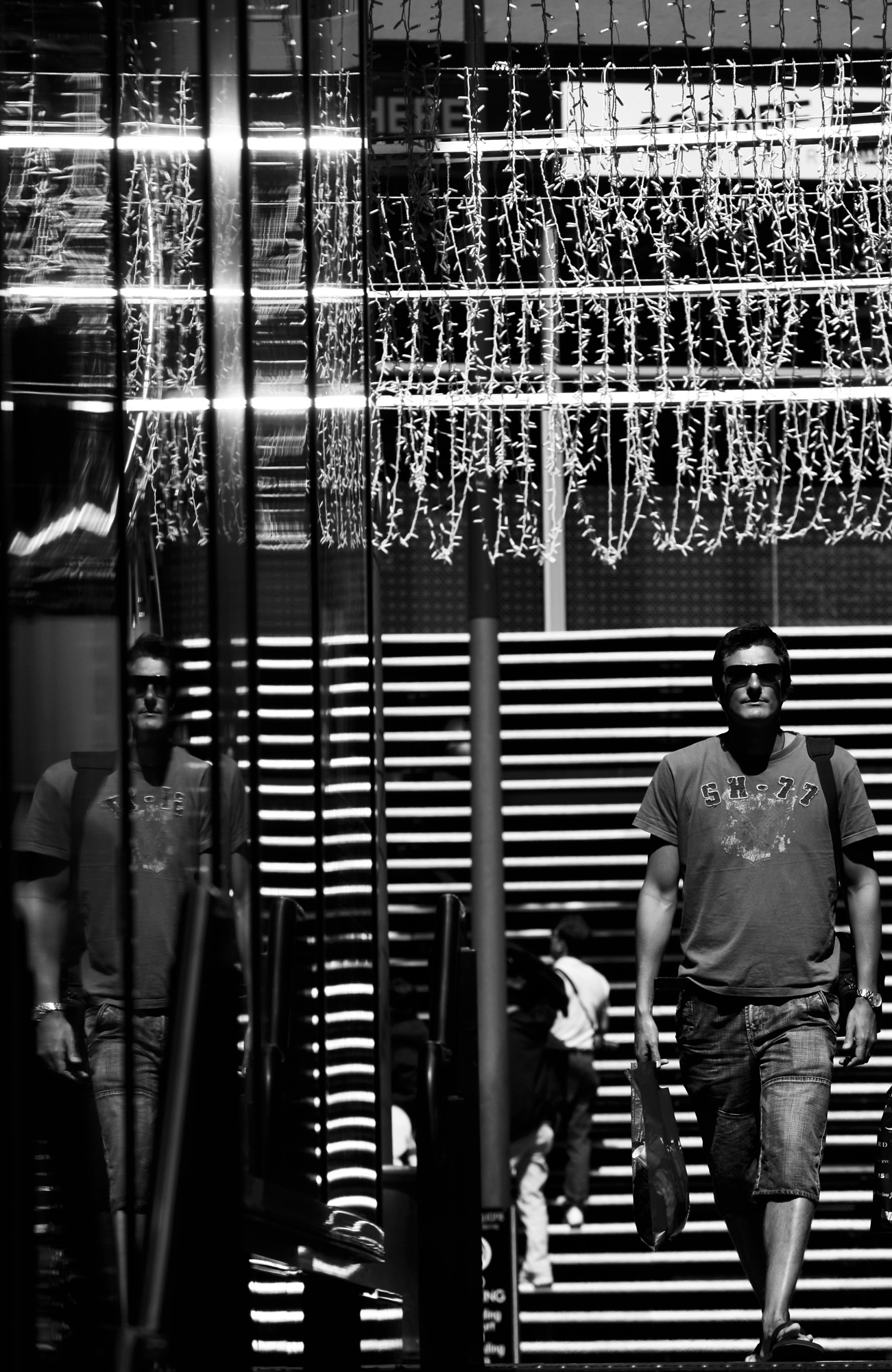
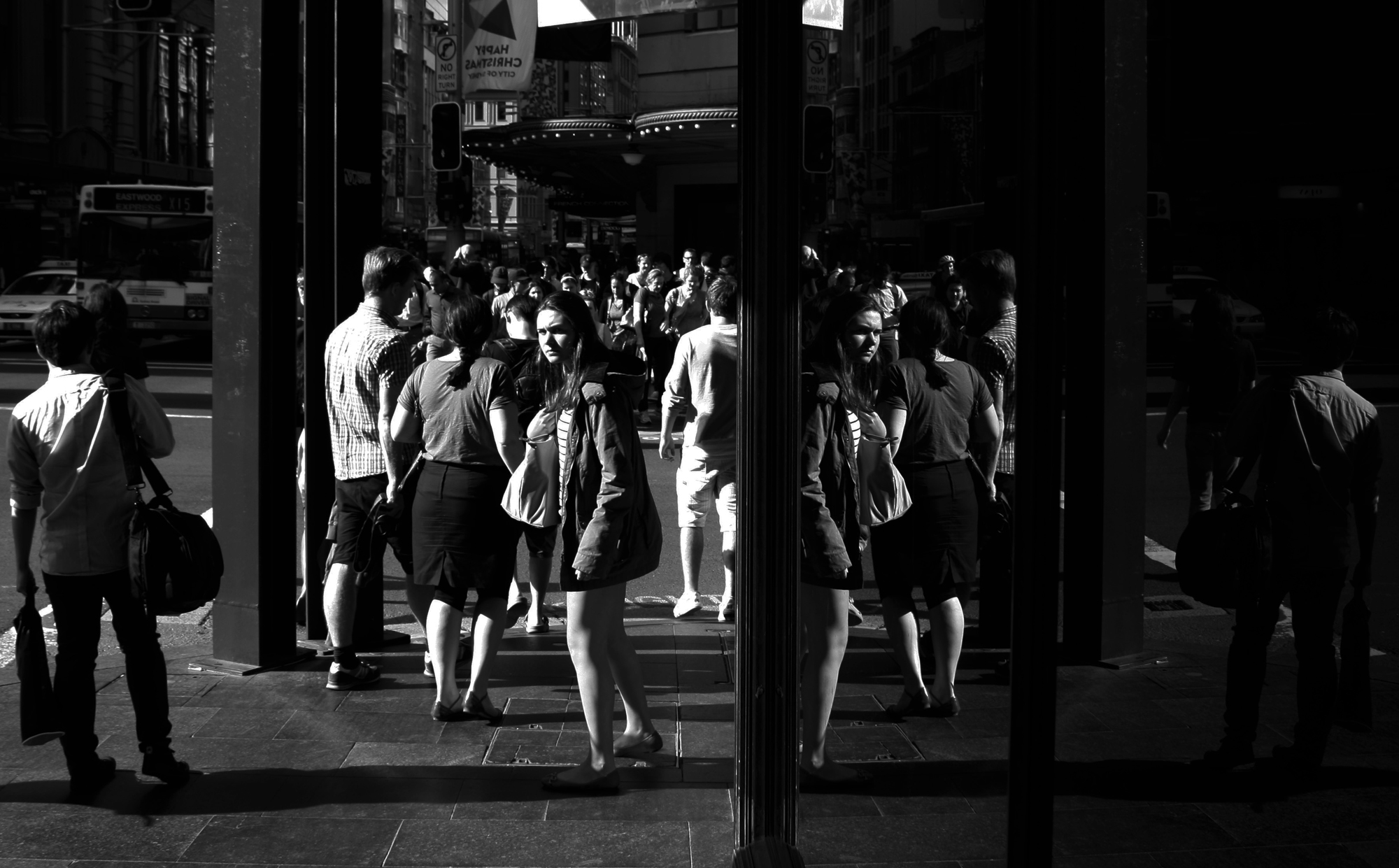
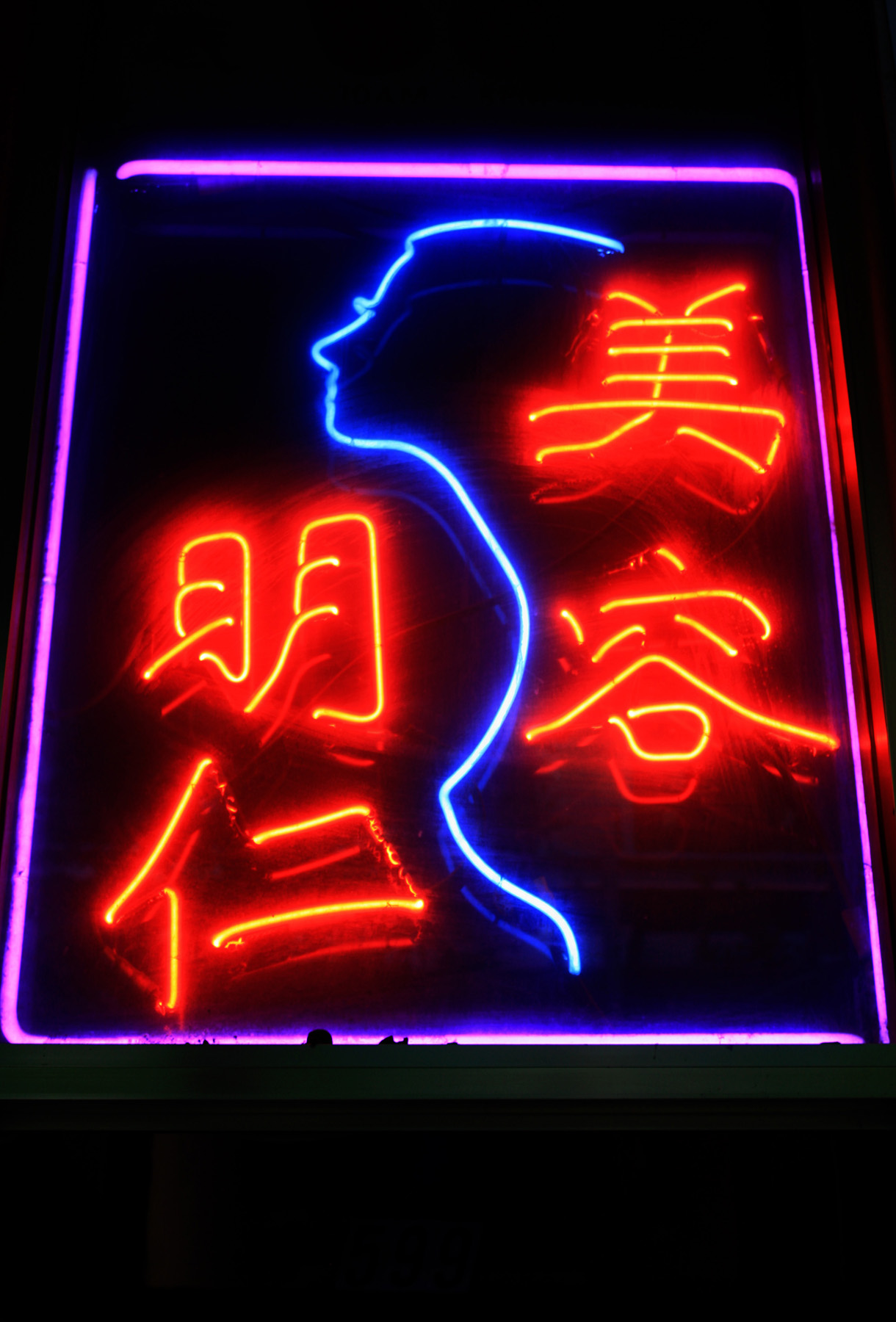
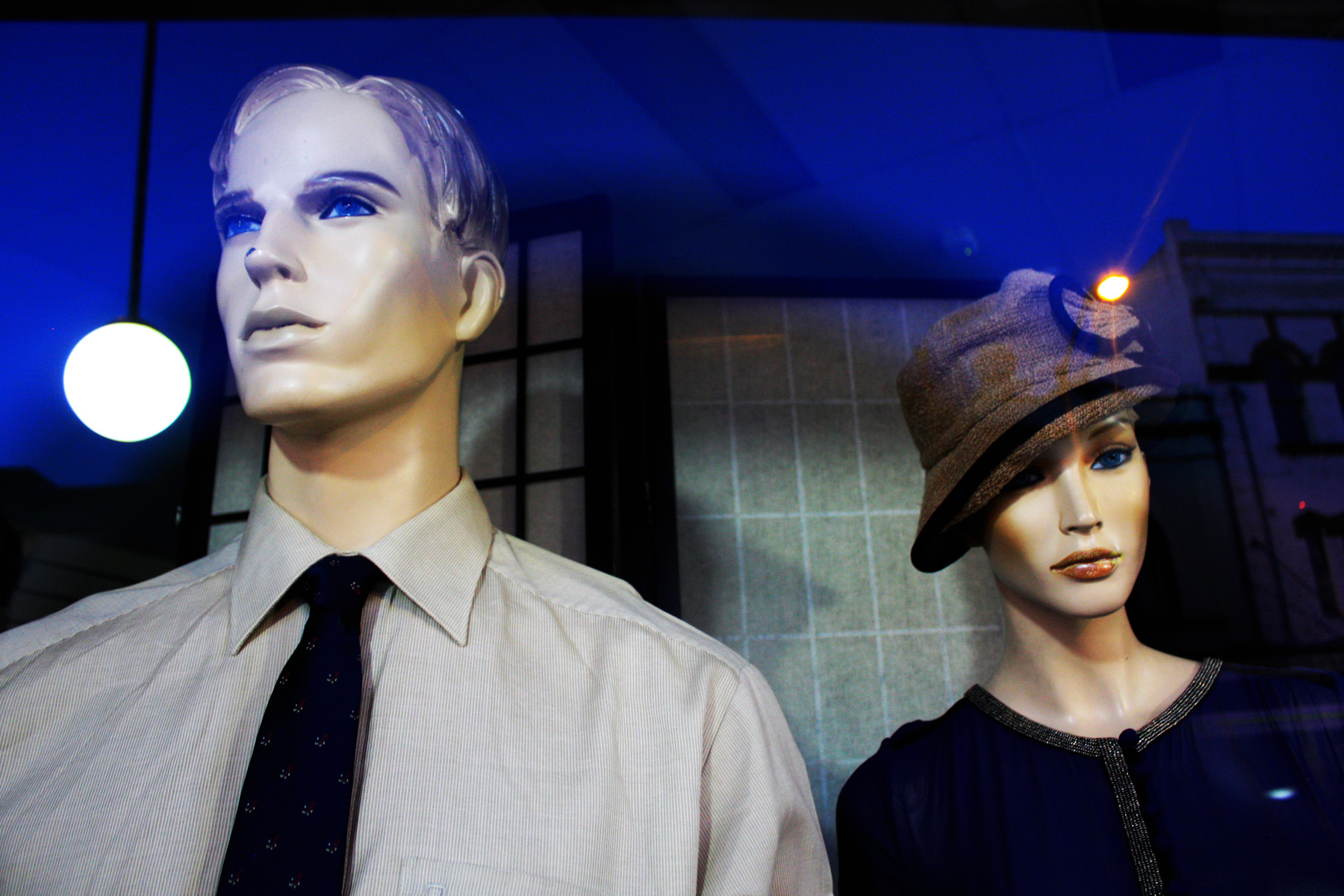
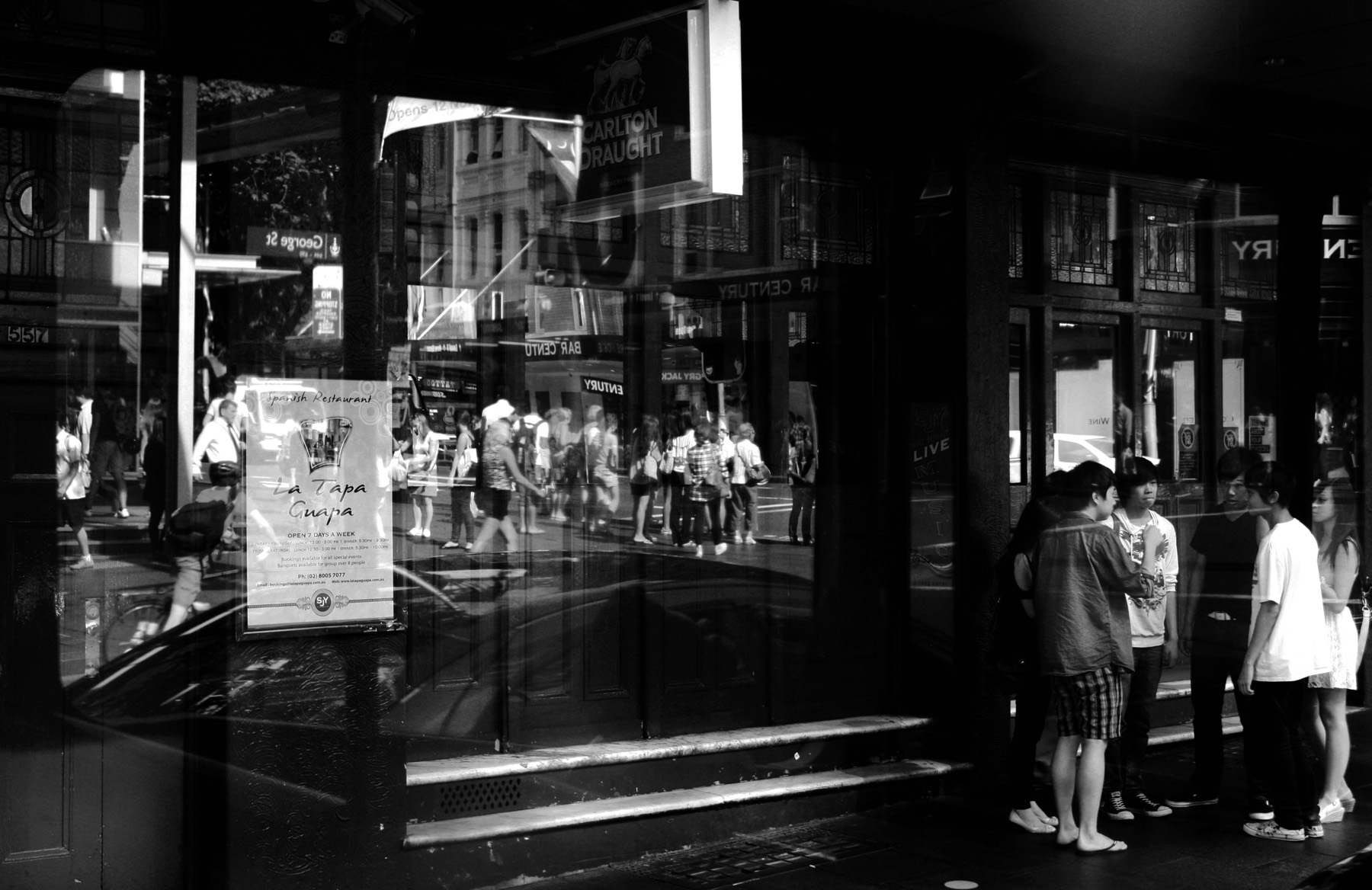
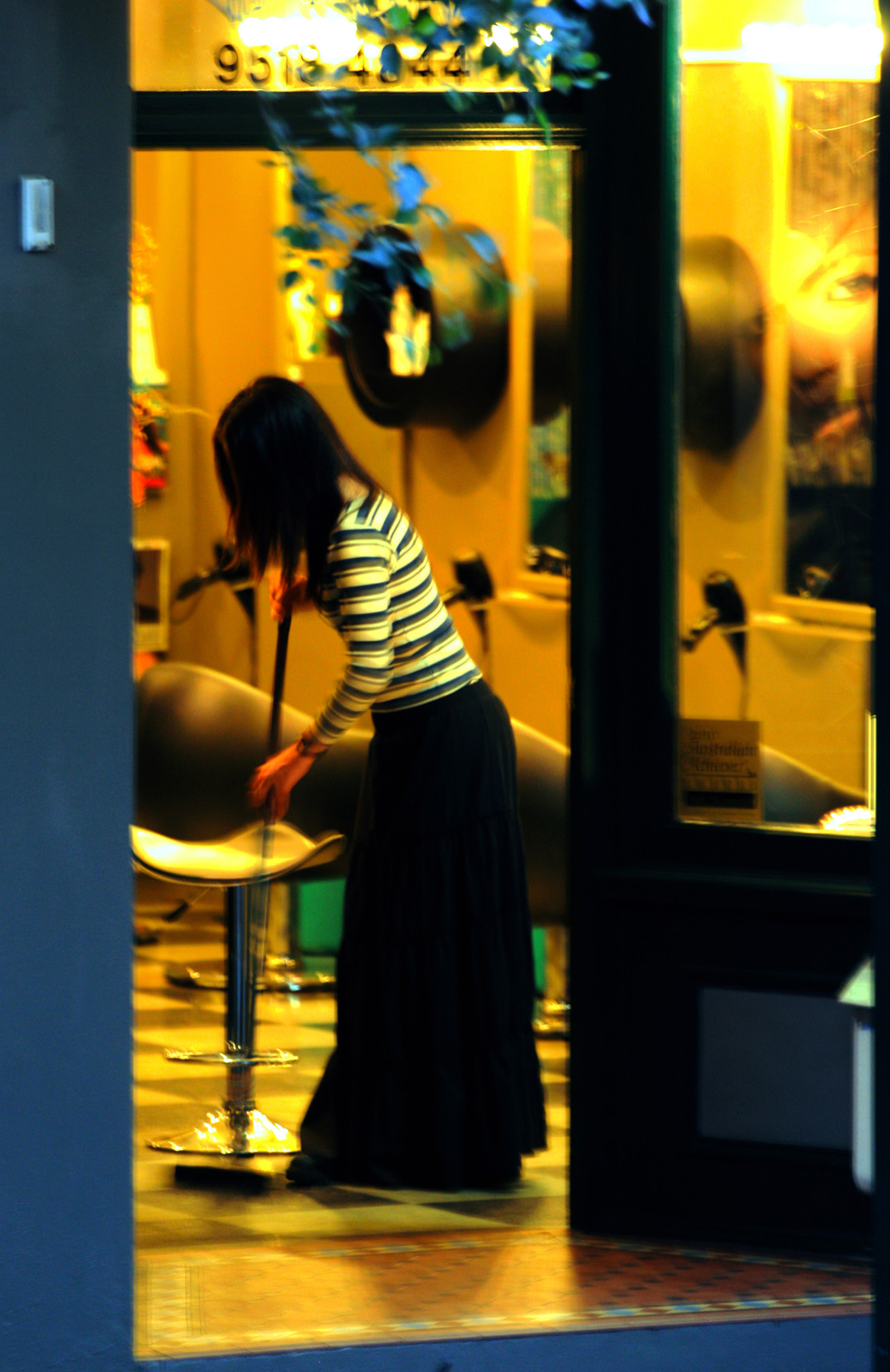
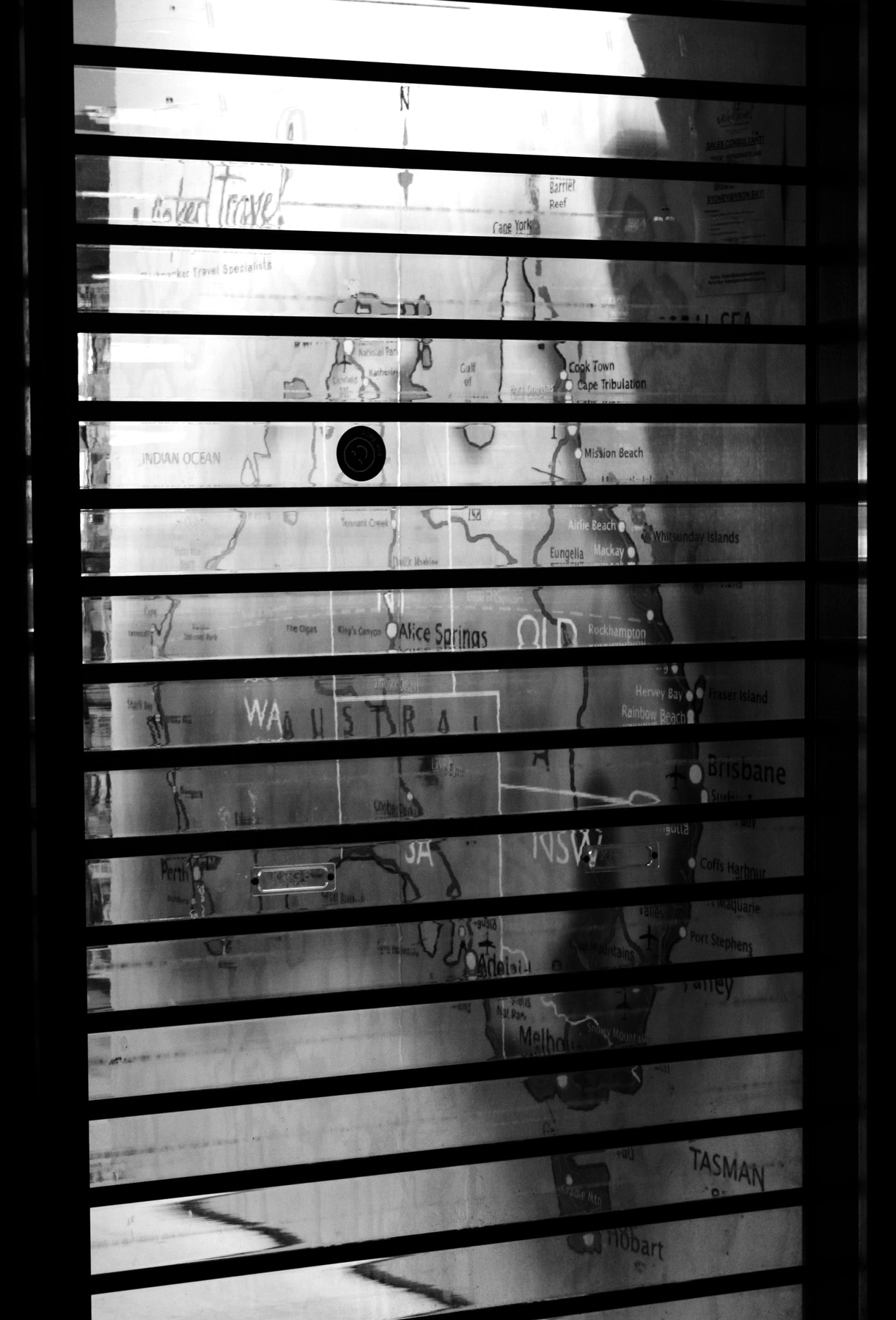
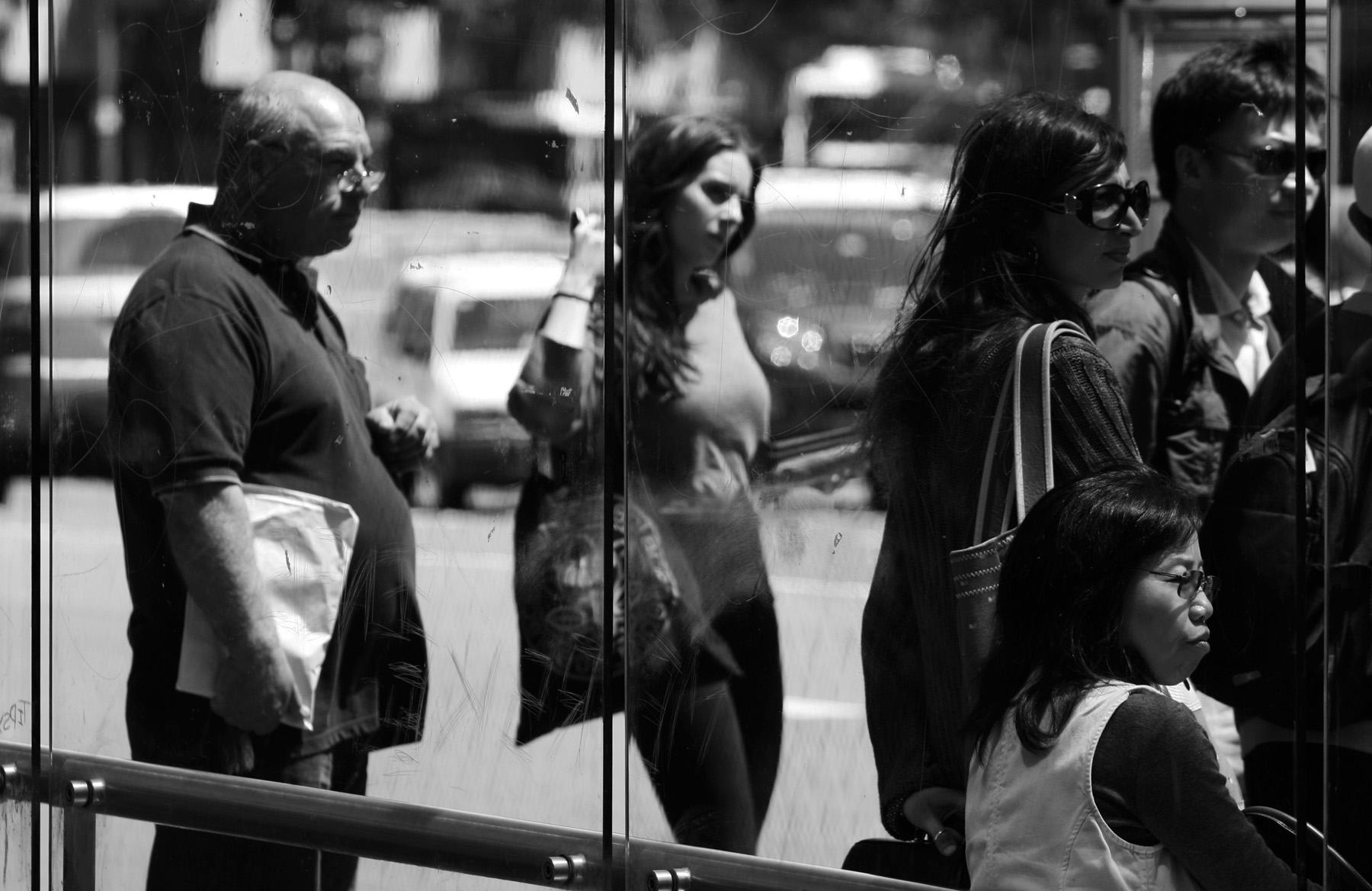
The other current point of fascination is shop windows, both on account of their content and their reflections, but also a combination of the two. It’s nice to have an almost-human subject that does not move, just as it is equally nice to be surprised by the unexpected rhythms of human motion.

Then, of course, there is the hottest topic of the summer: The weather.

The rain has kept on coming and the many lovers of summer seem baffled. I suppose sunshine is the predominant narrative of Australia, in much the same way that the bush and, subsequently, the beach, has dominated Australian identity. These are all narratives that I have, at various times, embraced and rejected with equal enthusiasm. After a pale and indoor childhood of nerdy pursuits, I finally took an interest in outdoor activities with the arrival of puberty. By the summers of 1991-93, I went to the beach almost five days a week. From December 1995 to late April, 1996, I lived at Bronte and swam at the beach pretty well every day. Soon after this, my excitement about summer began to wane. In 1997, after a five and a half month trip around Europe, I returned to a more bookish, autumnal and wintry mood. This despite an undercurrent of yearning, almost poetic in character, inspired by Lawrence of Arabia, for a desert aesthetic: I painted my Glebe apartment a combination of sky blue and pale desert sand.

When I lived in England from 1999 to 2003, I craved the beach, hot weather and sunshine. I remember enthusing, with my good friend Chris, about “stinkers” – really disgustingly hot days that began very hot indeed. If anyone can recall New Year’s Day 2006, when it was 38 by 0800AM and ultimately hit 46 centigrade, then you know what I’m talking about. Stuff died. People died. Yet once my time in England was through, I realised how little of a sop the hot weather and beaches of Australia were, compared to the urban centres, archaeological sites, museums, galleries, and indeed, more mountainous landscape of Europe. Since then I’ve hardly gone to the beach at all, despite enjoying it every time I do. Unless a lift is on offer, getting there seems more hassle than it’s worth. Without the beach, summer is almost entirely redundant, with the exception of a dimly flickering interest in the outcome of the seasonal cricket tests…

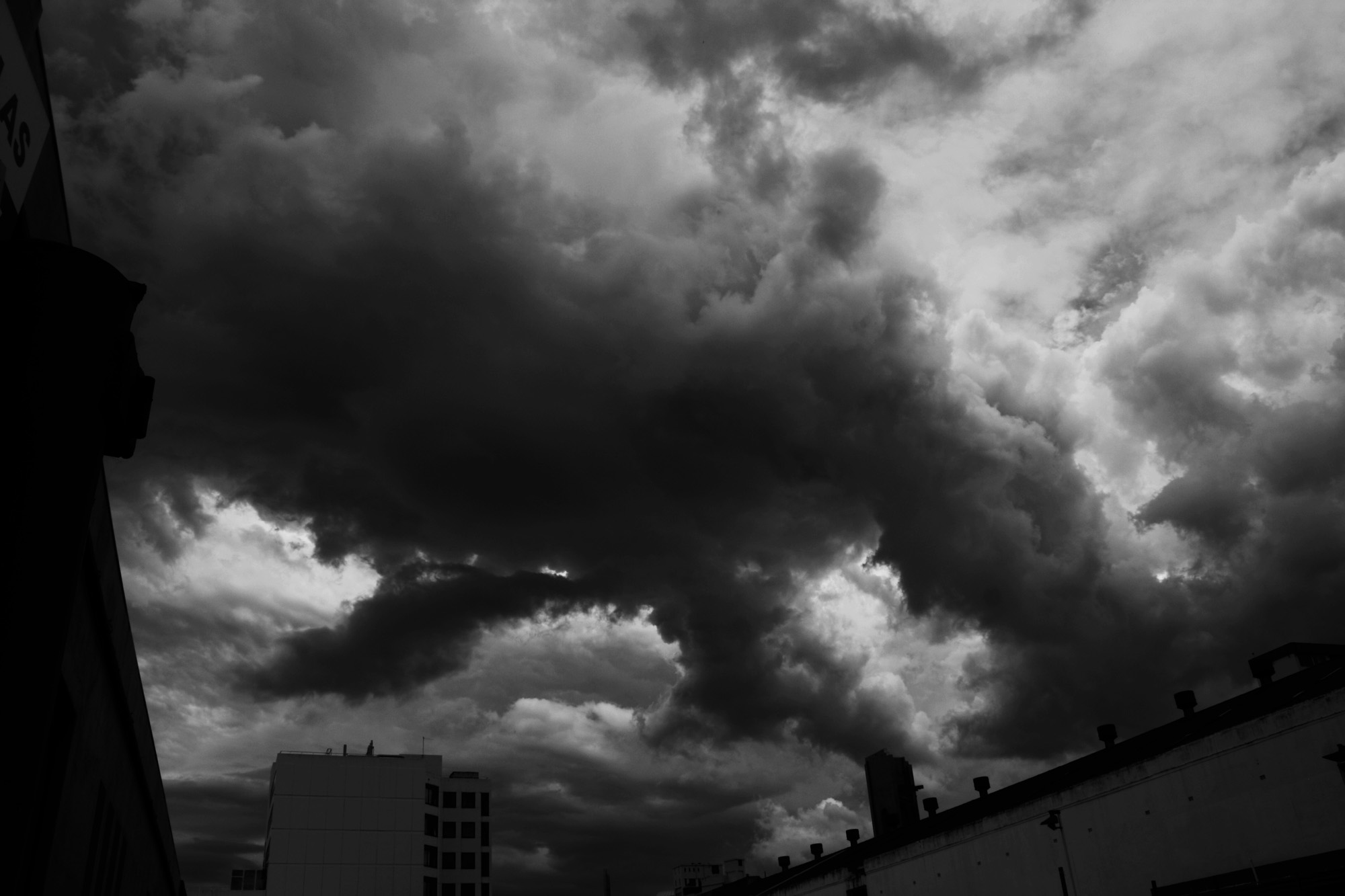
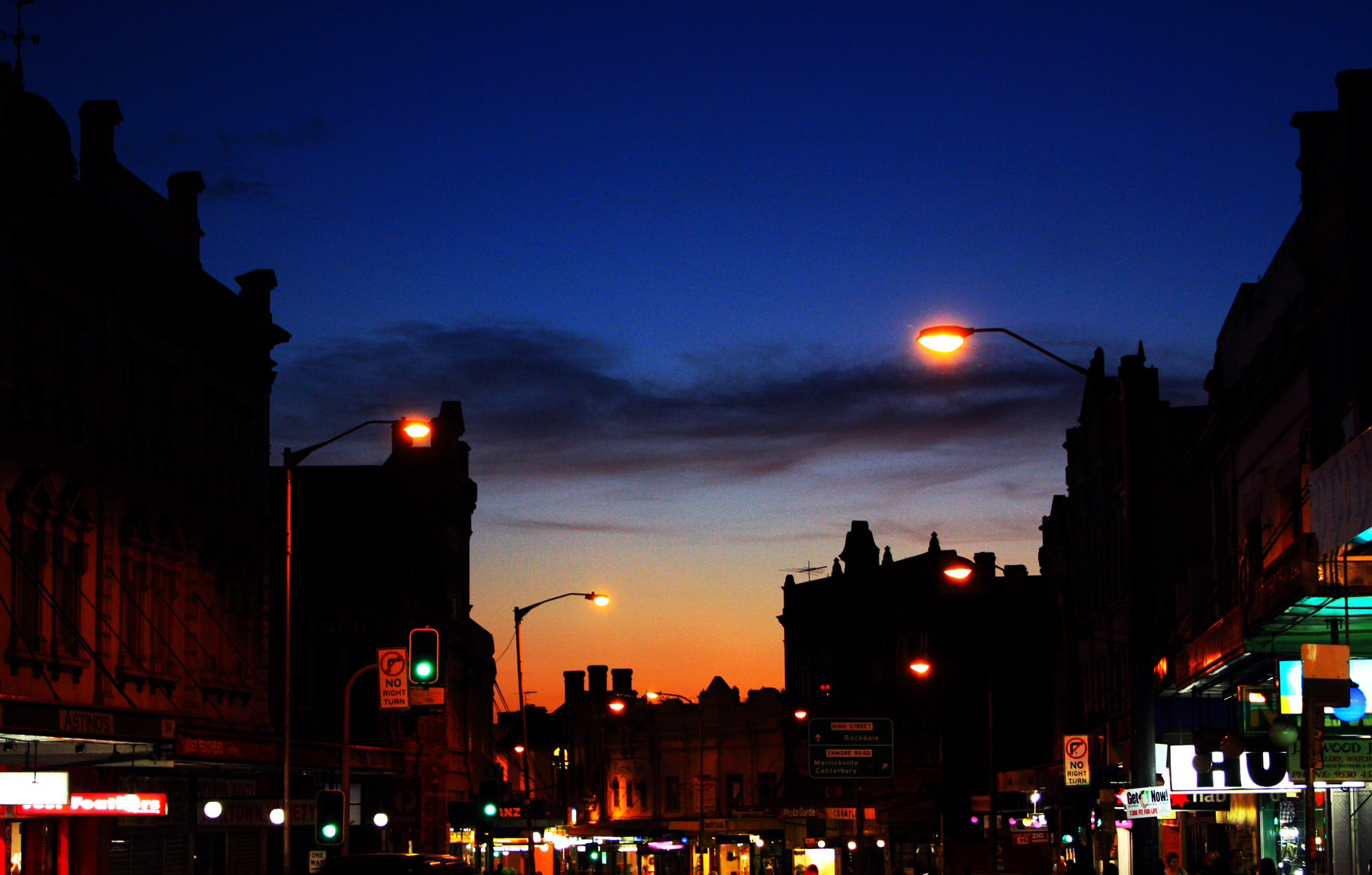
So, we’ve been privy to plenty of rain, plenty of incredible cloud formations, plenty of slick, wet streets and almost endemic umbrella use. Not a day goes by where I don’t check the radar from the meteorological bureau to see how best to prepare. I’m people will curse me for wishing so, but I do hope the summer continues as is; anything to spare me from the horrors of humid February!

Read Full Post »

Downpours aplenty

So, the rainiest and coolest start to summer for years continues. Perhaps I’m mistaken, as even last year was a very wet and variable summer, yet I don’t recall such unseasonal weather since January 2000, when I returned from Cambridge for a three and half week “reality check.” Reality didn’t check out, incidentally, and I was rather pleased to be back in England in the end.

I do feel a little perverse in celebrating this weather and acknowledge that most people love sunshine and warmth. I too love sunshine and warmth, within reason, though I used to love it a whole lot more. When I first moved to the UK in September 1999, I felt a quite incredible longing for the summer on which I was missing out, one of the principal reasons for my reality check. After some time in England I began to adjust and came to realise that there is no such thing as “bad weather.” If asked to define it, however, my inclination would not be to say rain and grey skies, but unbearable heat and humidity. The cold I can do something about, and in England, it’s not even really that cold, but when it’s sticky and forty degrees and I can’t go to work nude, life sucks. So long as it isn’t hostile, and generally I find heat more hostile than cold, and so long as I can achieve a level of comfort, the weather is welcome to do its own thing.

In truth, for me, weather is all about aesthetics, mood and comfort. The wet sheen of freshness that rain brings; the cool crispness of a mild autumn or spring day; the bracing chill that presages a frost; the sheets of ice on roadside puddles; the tendrils of cold across window glass; the eternal wonder of snow; the patter of rain on a roof; the electric, bruise-hued sky of a thunderstorm; the surreal clarity of a rich blue sky, the massed clouds of a rolling weather-front… There is so much pleasure to be had from interesting weather, such a range of moods and themes to indulge, such wonderful sights to see. I could watch and listen to rain all day and not get bored; waking up to a downpour seems even more beautiful than dancing sunshine, and lately, there have been many downpours indeed.

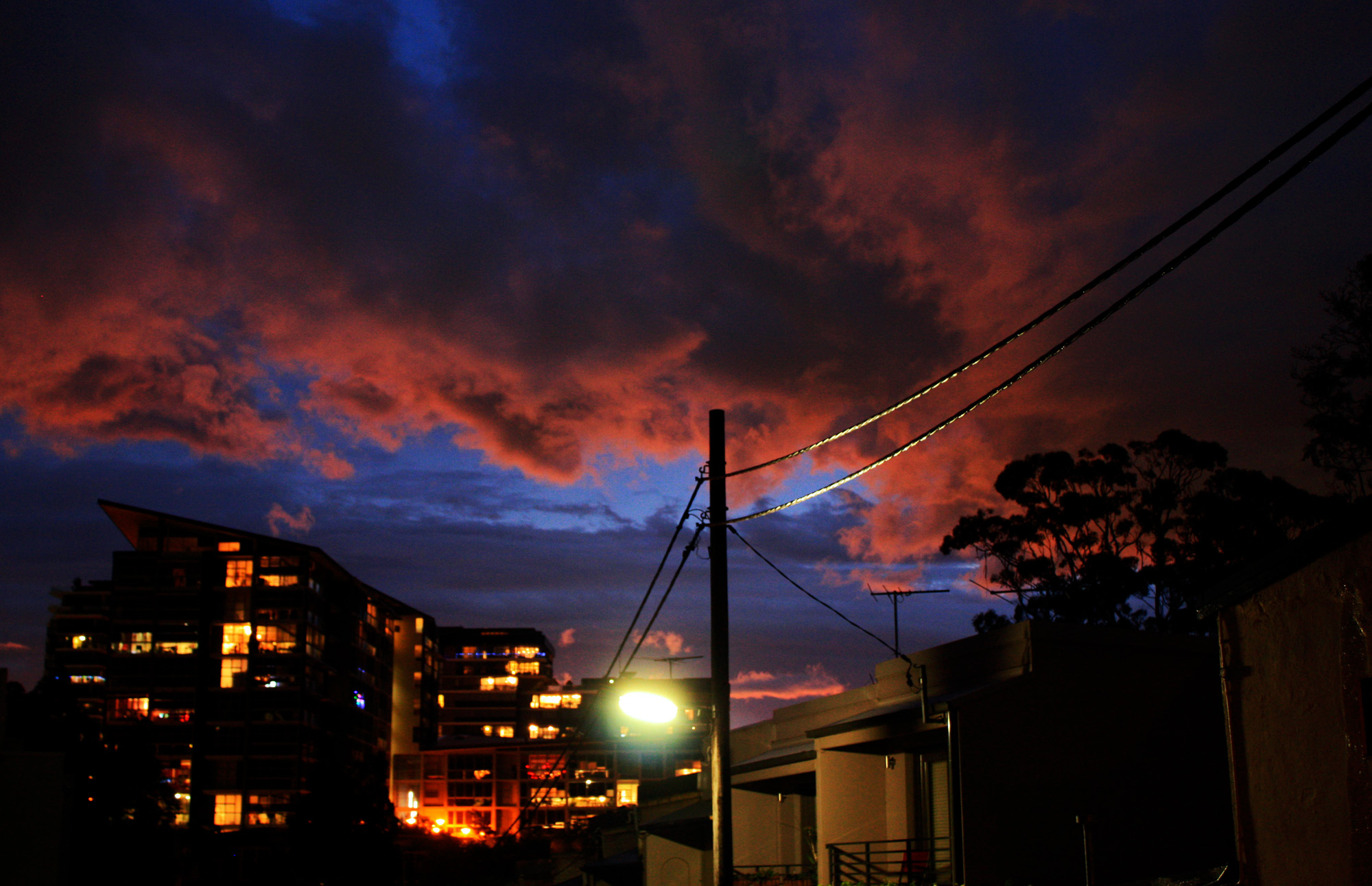
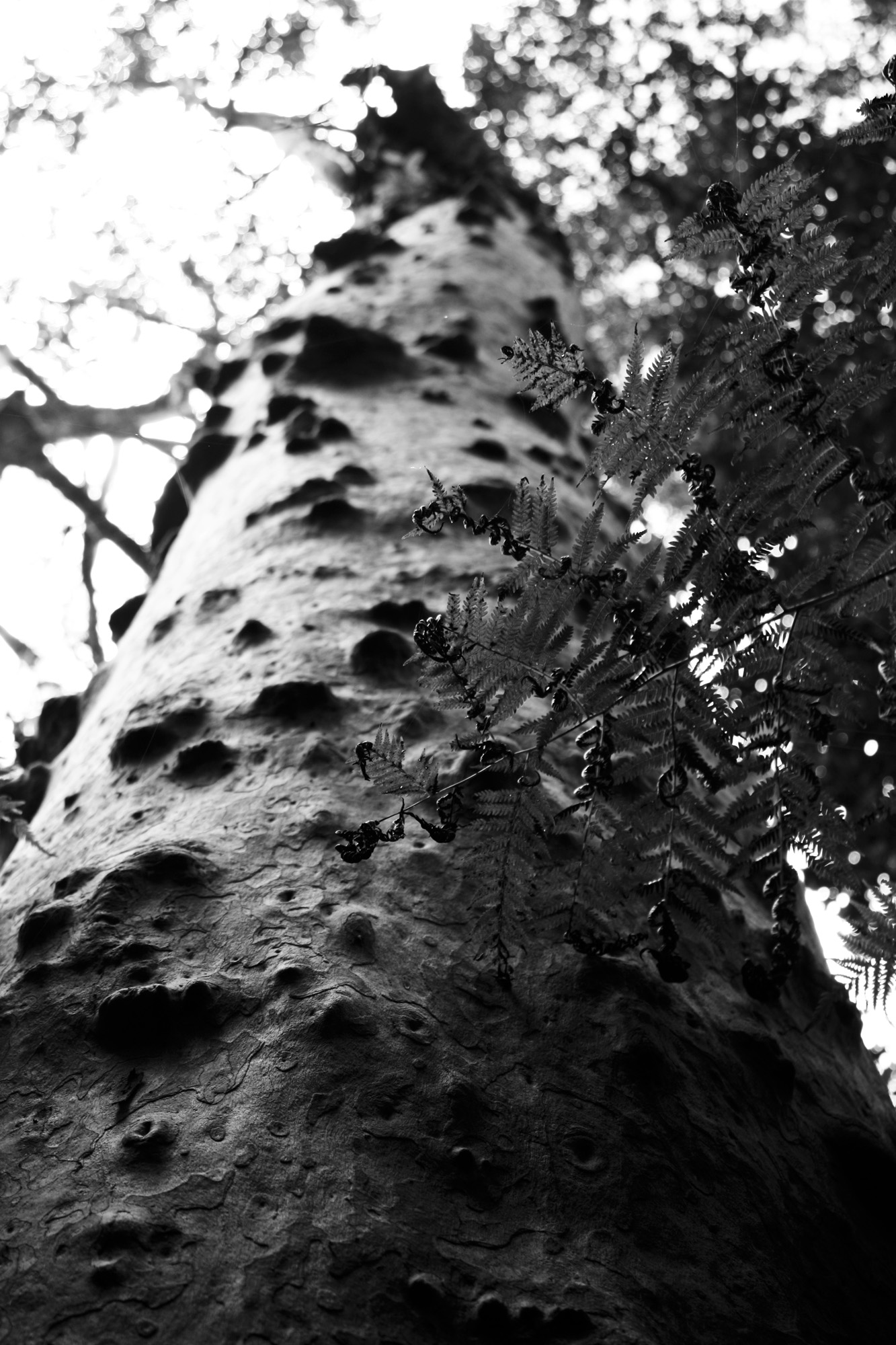
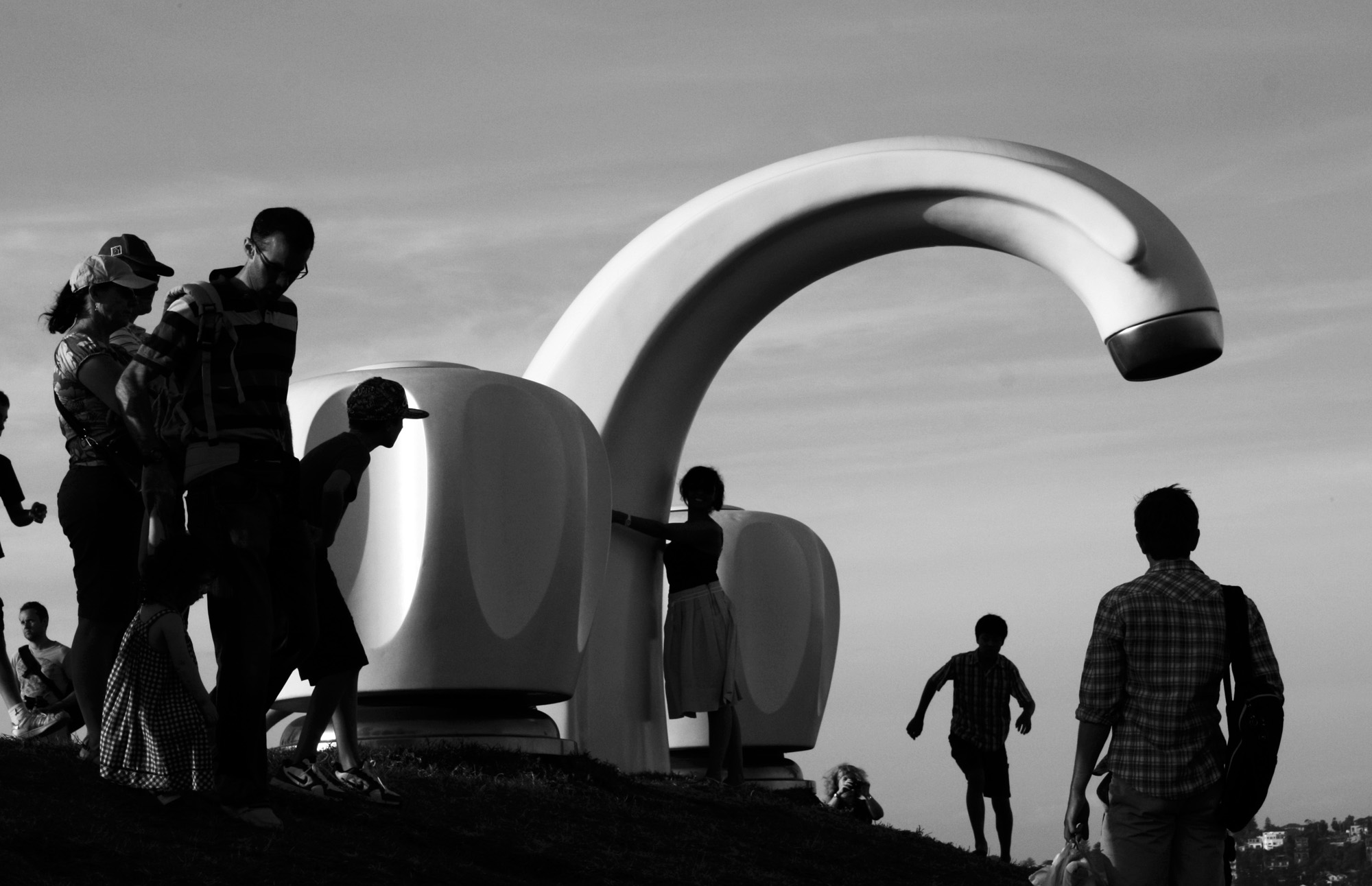
And so, above is another collection of photographs: some heavy skies, some graffiti art, sunsets, architecture, people – the usual subjects. One of these photos I consider to be the best I’ve taken for a while, namely, that titled “Watchful”, from the sculpture by the sea exhibition. The fortunate arrangement of the figures around the great conceit of a gigantic tap was a very lucky strike indeed. Either way, you be the judge, and for now I shall sign off.

Read Full Post »

Heat and Rain

I always have a bit of a hard time with summer. As much as I like the idea of it, the reality is often long periods of total and utter discomfort. I guess I can’t do much about the fact that humidity is my kryptonite. Recently the weather gave us a taste of summer, and whilst the temperatures registered were only in the low thirties, the stifling humidity made it especially unpleasant. Some are well equipped to deal with warm weather, but the sudden heat seemed to discomfort just about everyone.

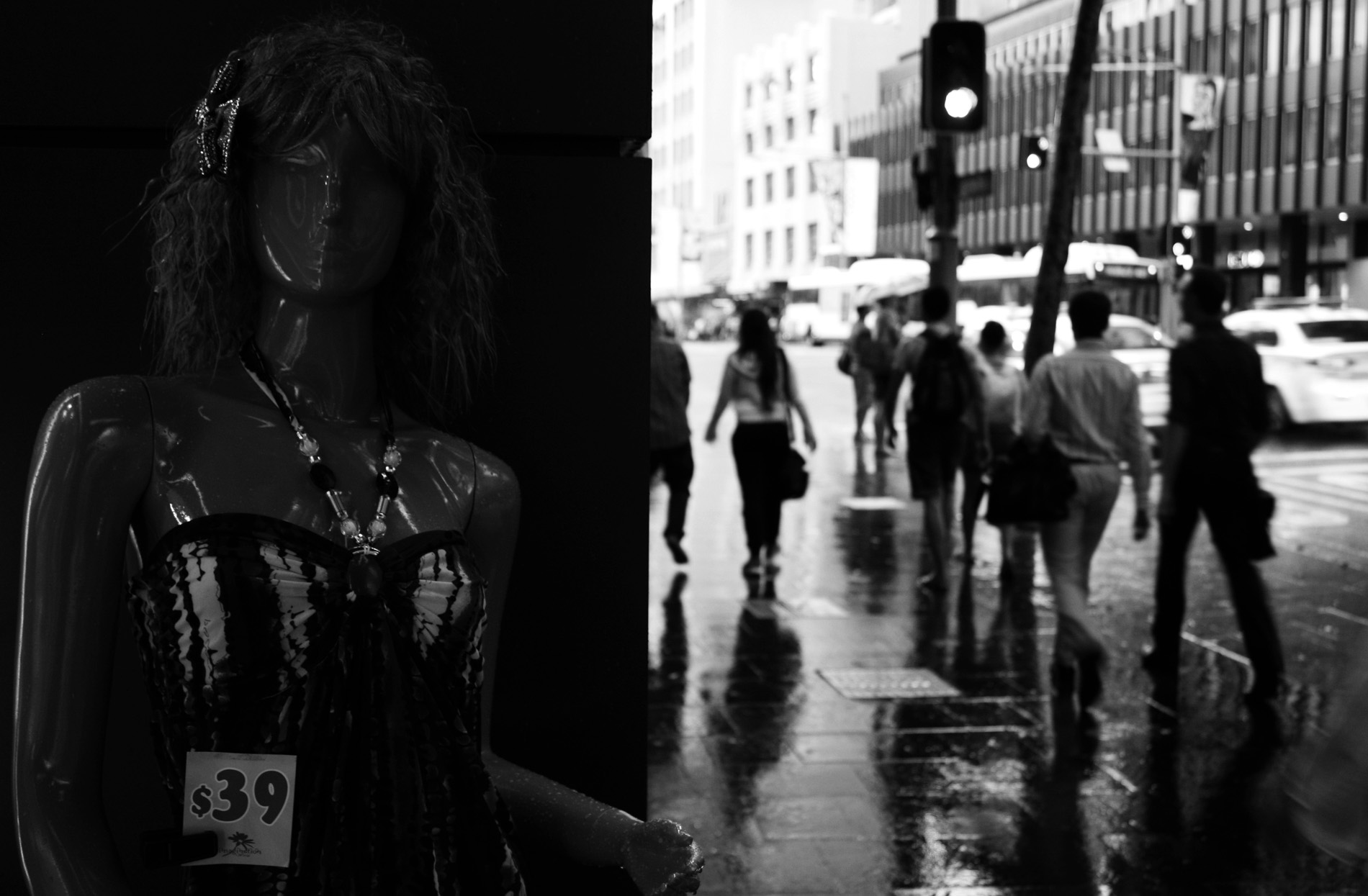
What a pleasure it was, therefore, when the storm broke on Monday afternoon, and, indeed, again, more vigorously, on Tuesday. The city is far nicer in the rain, and fun to photograph. The silver and black reflections on the wet surfaces give a stark cleanness that it otherwise lacks. The silhouettes are huddled or posing with umbrellas, and many people run across open spaces, offering instant drama. The cars for once become allies on account of their headlights, which cast great shadows or backlight passers-by. It was nice to be out shooting in the rain, and out walking in it full stop.

Dixon Street, Chinatown, seems to have had markets at night of late. I’m honestly not sure what their schedule is or whether it will happen again at all, but they’re worth a look and have a great buzz of activity around them. Should you chance upon them, you will find plenty of the usual unwanted trinkets and baubles, but also a good deal of grilled, barbecued and wok-fried dishes on offer. Besides the many stalls down the length of the mall, many of the shops remain open late, selling more crap you don’t need, but also, for example, excellent pork buns!

And otherwise, I’ve been trekking around the good old inner west. It has its troubled pockets and many eyesores, but it’s a cracking place filled with great beauty and some rather robust, industrial architecture. The ever-harried stretch of Parramatta Road between Sydney University and Leichhardt can hardly be called attractive, yet it certainly has something going for it; the bite of reality, perhaps.

And so, enough talk! More photos from the last week…

Read Full Post »

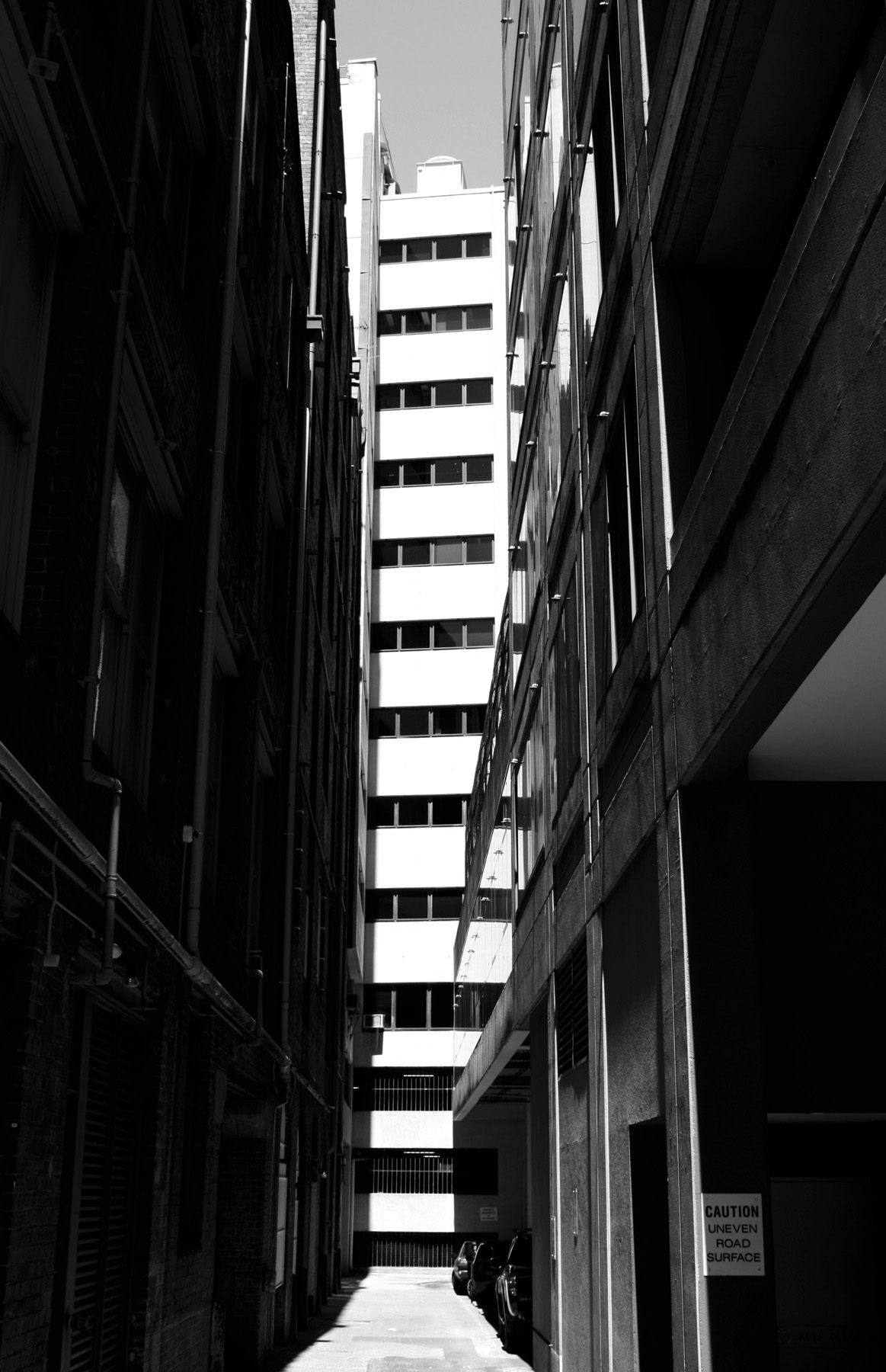
Having been working in the city for the last three and a half years, first on Castlereagh Street and, since last October, George Street, I’ve developed something of a love-hate relationship with the place. It is, in its own way, rather ugly at times; crowded, noisy, busy and dotted with blackened gum. Along Pitt Street, the monorail sits like stitches on a sore, old wound; its pylons covered with grime and the ill-fitting papier maché of advertisements. In other places, the smog-darkened concrete, the dusty marble cladding, the spattered glass of the many tired, generic buildings, looms above the pavement. There are places where the skyline is boxy and dull, where contrasting architectural ambitions sit like class warfare writ large. There are places where aesthetics have not had a look in; where the roller-doors and security grills guard the crooked shopfronts that wear their clashing colours like bad fashion.

Yet there are also places where aesthetics have won out. Viewed from the Botanic Gardens, the skyline is certainly something to behold. Tall and impressively weightless, the more thoughtful and picturesque designs of architects like Renzo Piano give the city a distinctly timeless modernity. The clean sheen of the newly renovated Pitt Street Mall is a congenial oasis amidst the traffic-huddled streets. The open view of St Mary’s across Hyde Park is genuinely grandiose; the trees and fountains of this expanse, the pool of reflection, the long avenues under the canopy, all offer respite. The Art Gallery, the Gardens and Domain are arguably outside the CBD, yet so close as to have a very intrinsic relationship with it and give direct refuge from it.

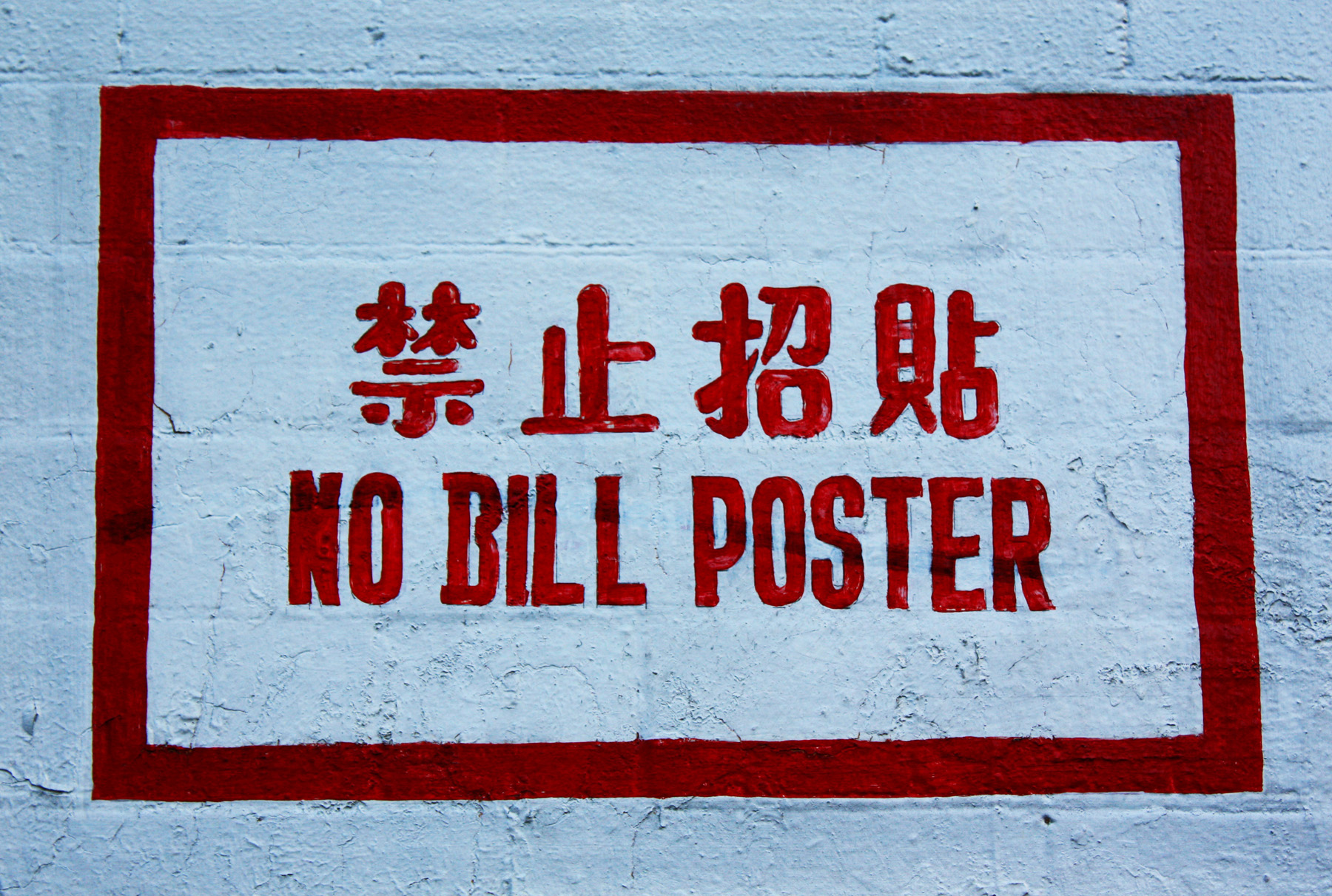
Inside, behind the facades, beneath the pavements, countless holes in the wall offer a range of snacks and diversions. In these places in particular, the Asian-ification of Sydney moves apace. From Town Hall down to Railway Square, and even beyond, from Elizabeth Street down to Sussex Street, the dominance of Asian shops and business is very apparent. A whole range of new Korean and Japanese restaurants have opened in the last few years; along with ever more shops selling foreign groceries, Asian fashions, accessories and trinkets. The expansion of Chinatown might be commercially driven, yet it is also a cultural phenomenon that reflects the growth of one of the few true communities that inhabit the CDB. Personally, I see it as a great improvement. The new life downtown is not only far better than the empty wasteland of two decades ago, it has made the slummy end of the city centre truly exotic.

There is also a powerfully vibrant energy to the city. The old, carpeted pubs that hang on the corners from Park Street down to Central; the Windsor, the Criterion, the Coronation, the Edinburgh Castle, The Sir John Young, The Century Tavern, Stratton’s Hotel, all these places fill in the late afternoons and spill their noise and patrons onto the streets. It all seems, at times, rather cheap and tawdry; very lowest common denominator, tasteless and with little attention to detail, yet the pubs, the take-aways, the convenience stores, the internet dens, the gaming parlours, the multiplex, the discount fashion shops, the bubble tea and Ramen joints, the hairdressers and dry-cleaners, all give this end of town an exciting buzz.

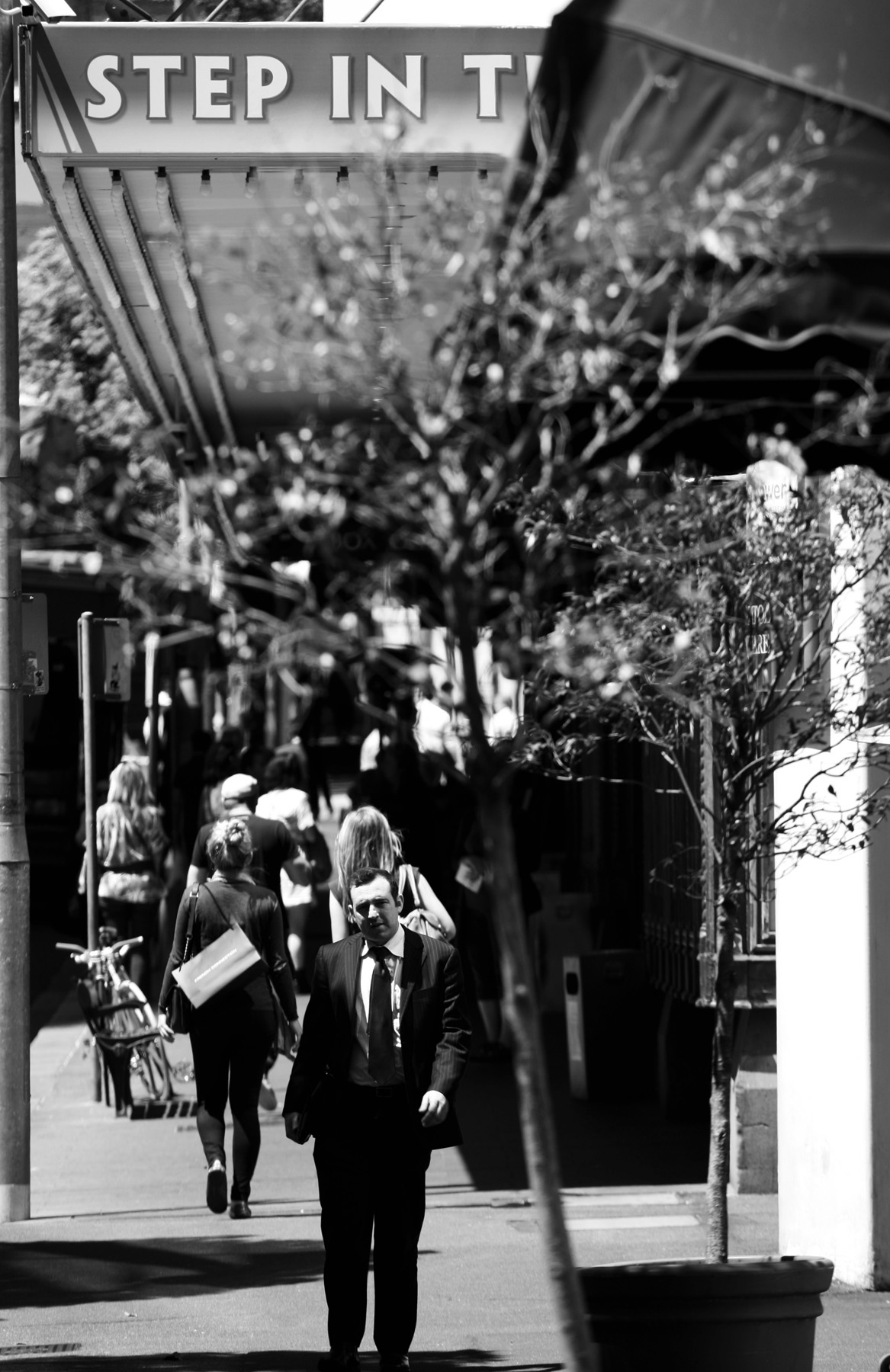
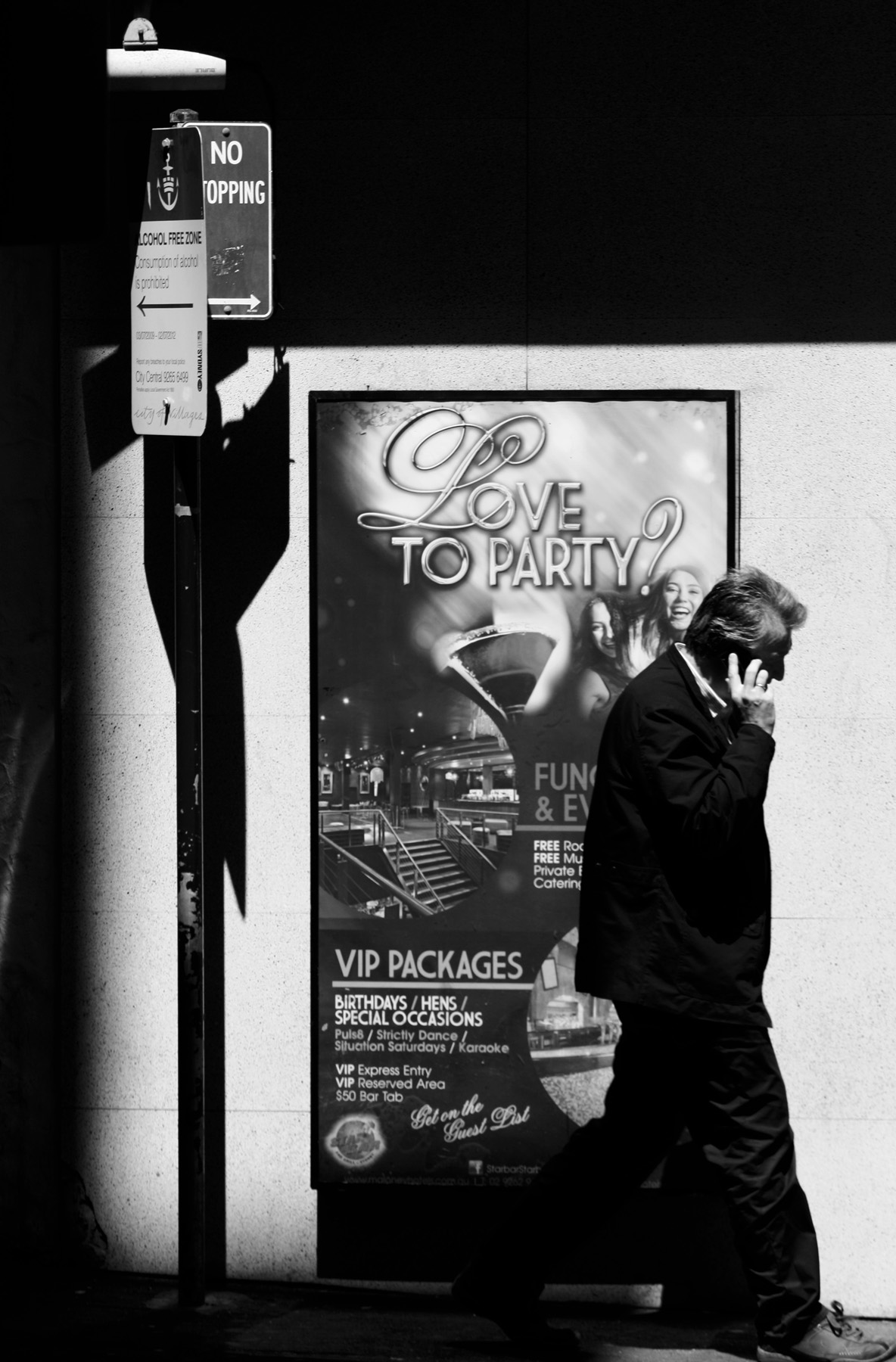
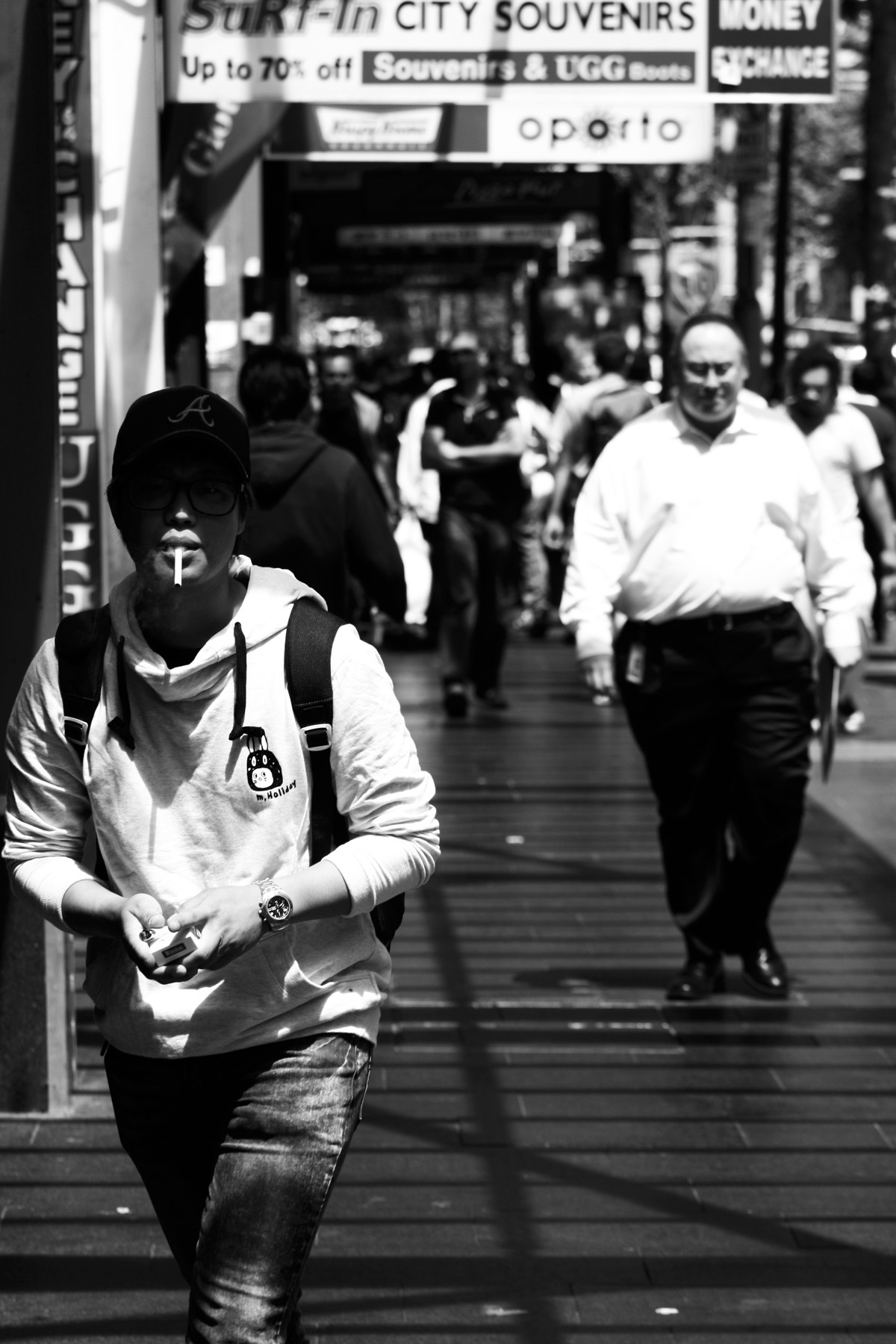
The city does indeed make an interesting subject, and every day, when I get off the bus at Town Hall, it feels like being right in the middle of the mayhem. The buskers, homeless people, charity fundraisers, shoppers, students, suits, service staff, all mill about, busily doing either something or nothing. It’s oddly thrilling, if rather disappointingly unattractive. Still, such is life!

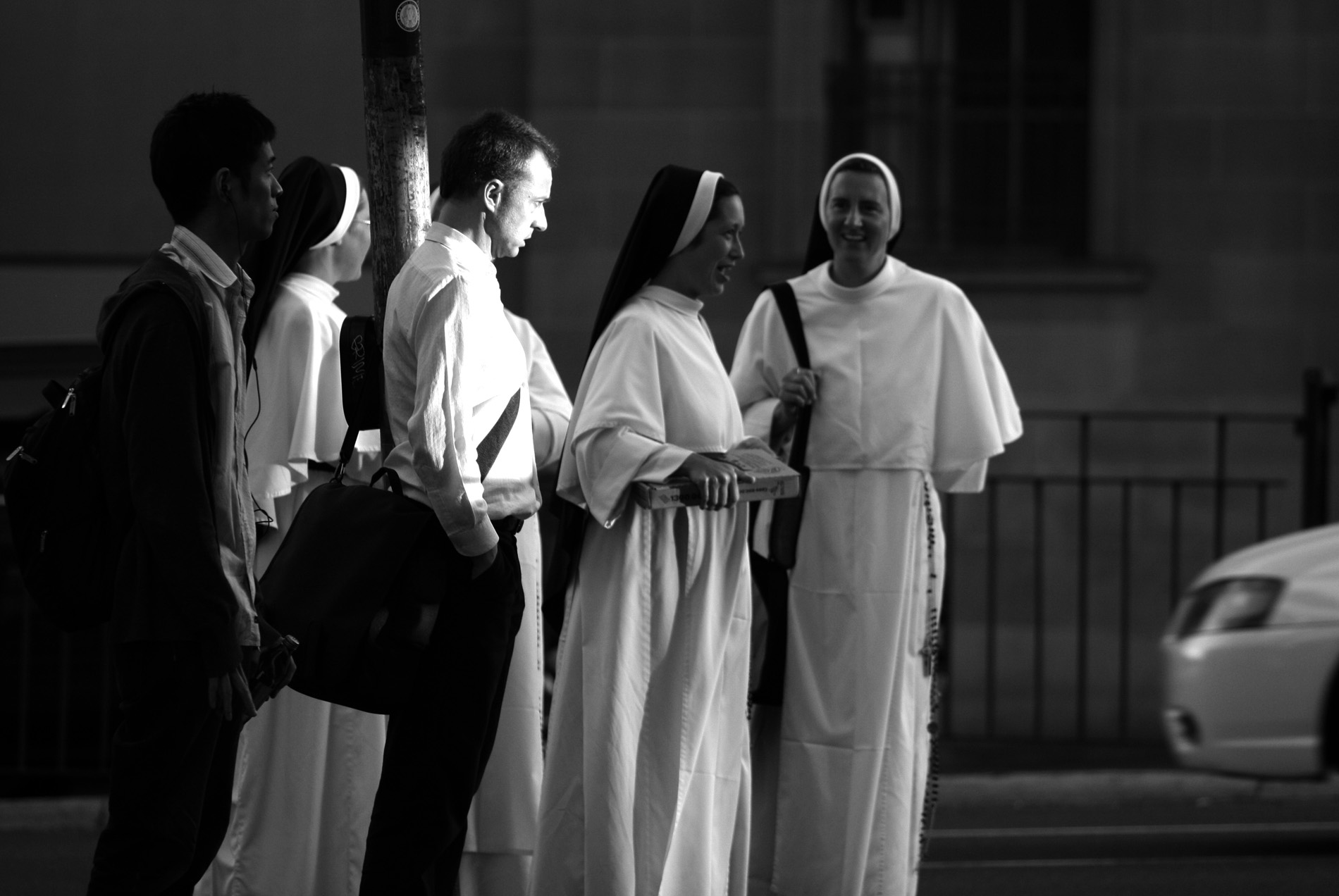
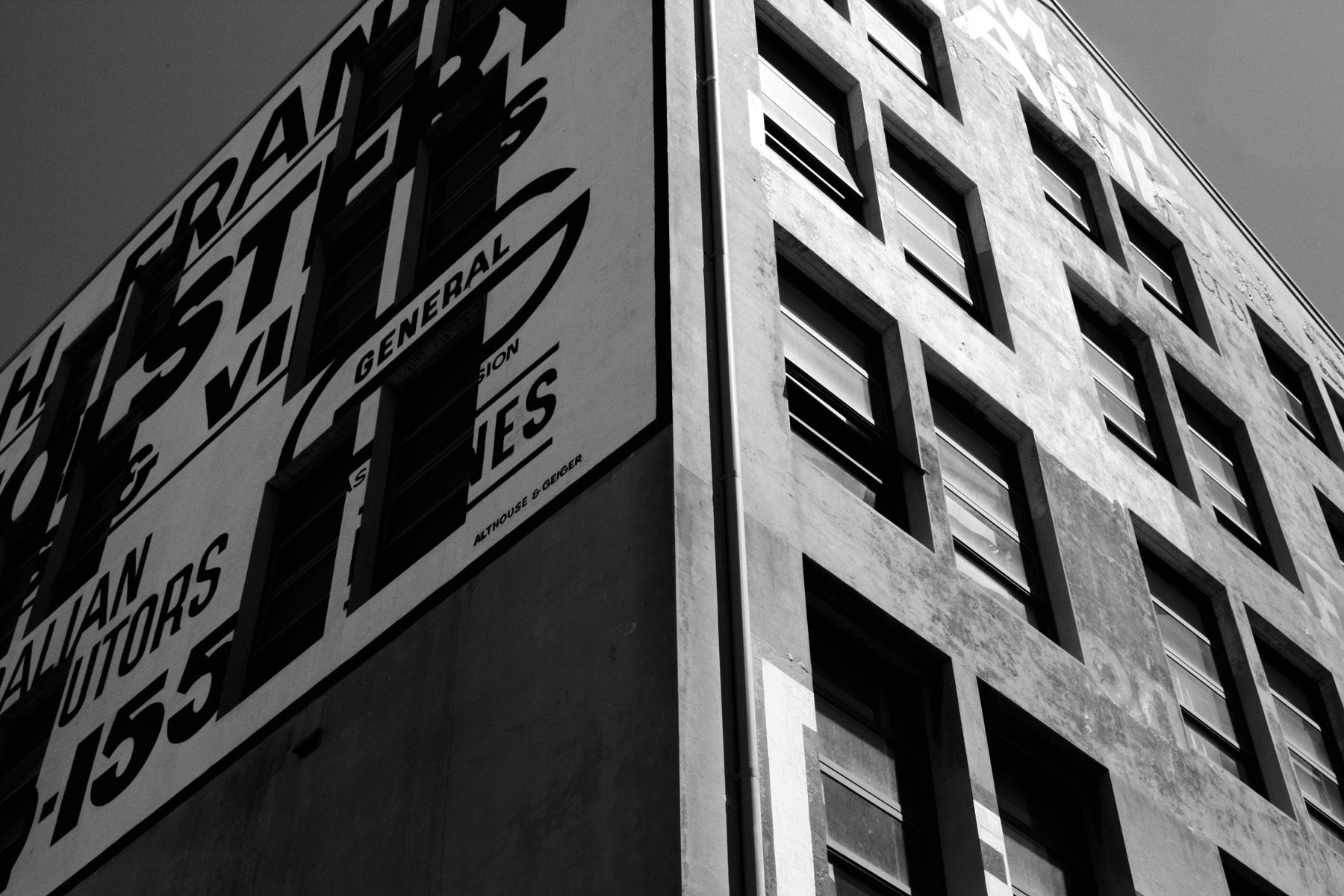
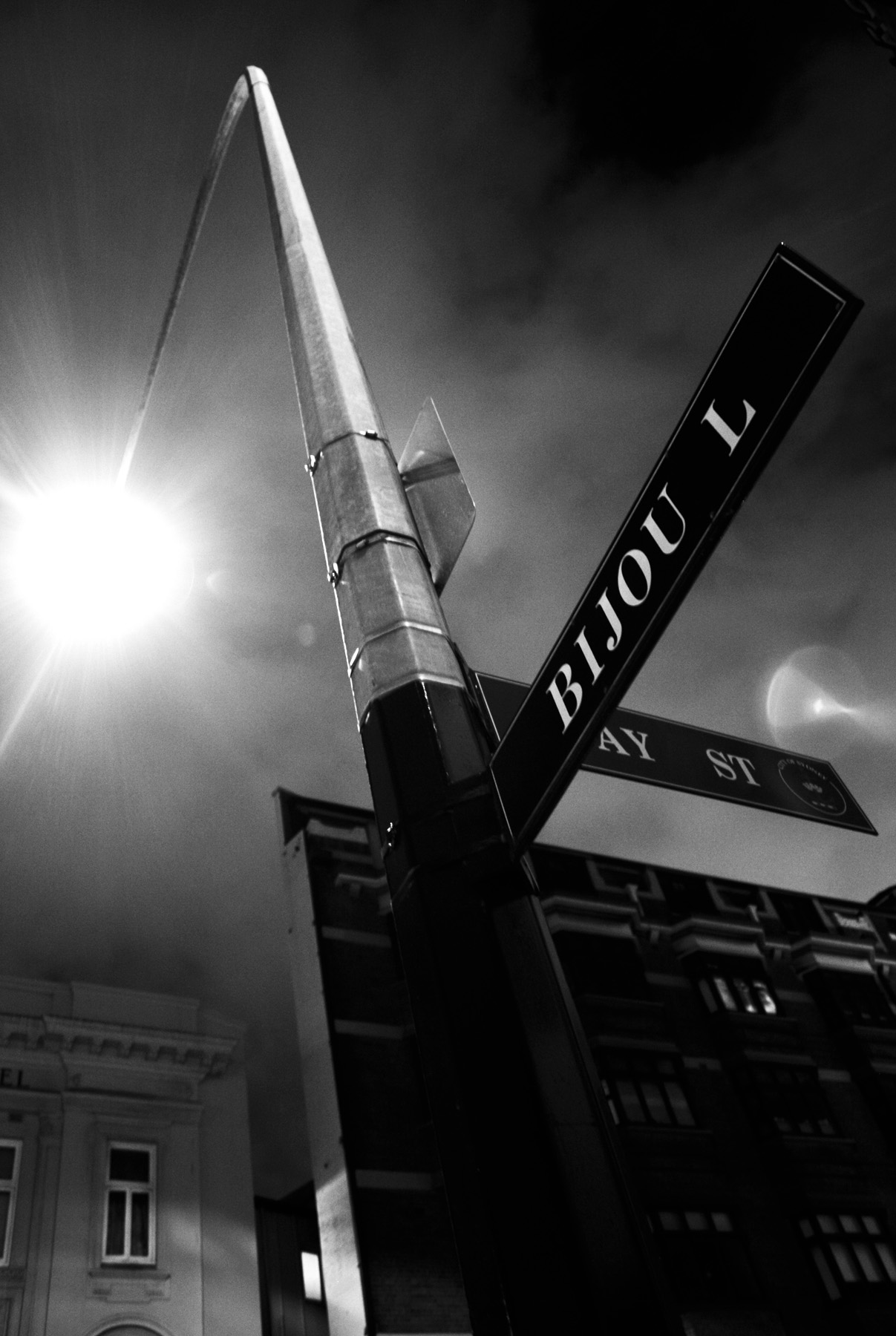
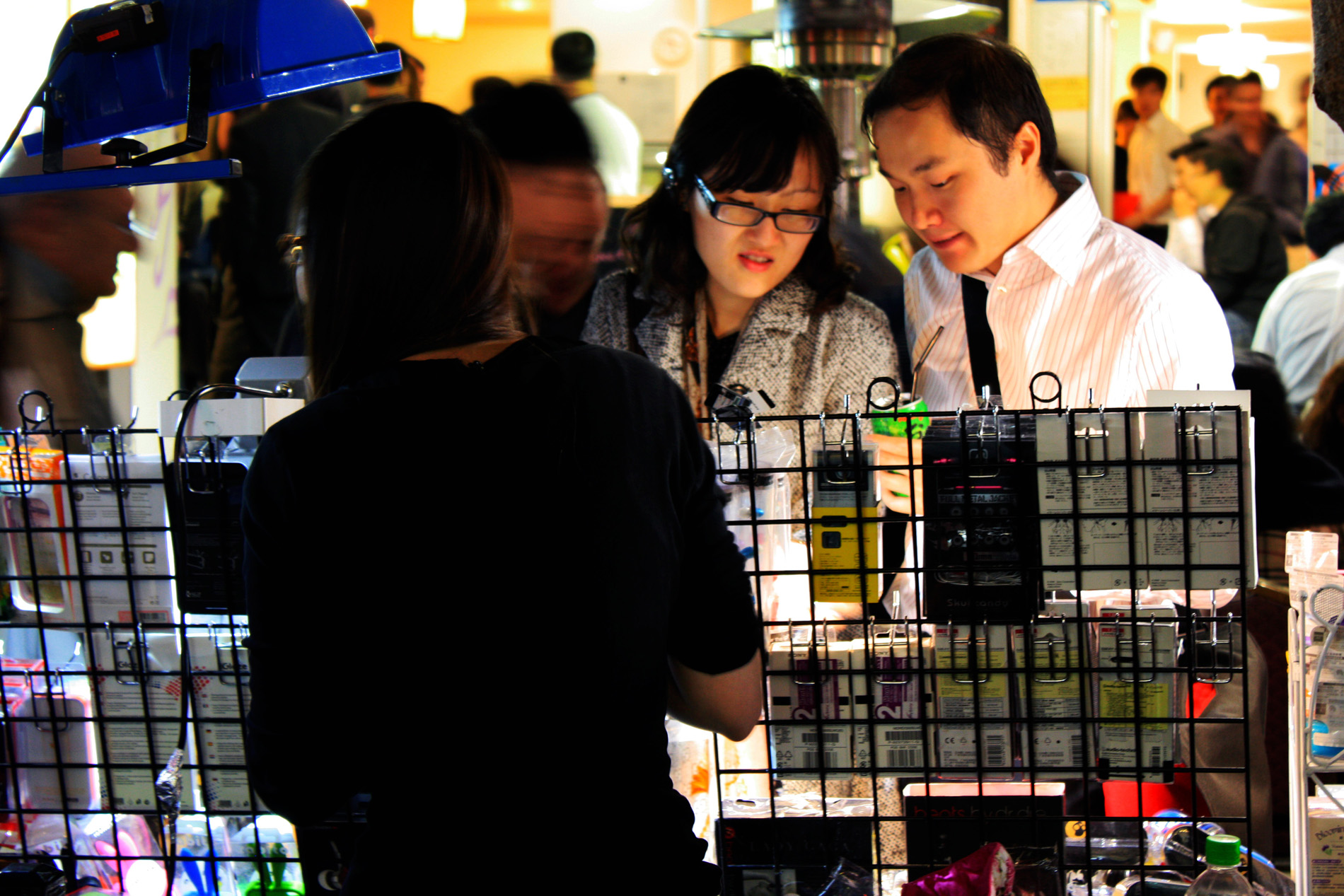
These photos, of course, don’t necessarily reflect all mentioned above. They are mostly taken downtown, but there are also some from Newtown and Glebe, and a couple from a very good Hallowe’en party. But still, I had to write something! Enjoy.

Read Full Post »

Rainbow Zebra

I never expected to see a rainbow zebra when I rounded the corner into Castlereagh Street. Yet, there it was, splendid and radiant, standing before two more conventional black and white zebras. For a brief moment I was minded of the term “acid flashback”, but in truth, I recall no rainbow zebras during prior encounters with LSD, so figured these were new kids in town. What surprised me most of all, however, was that they should be painted on the wall of Stratton’s Hotel; a rather old school pub – not without rustic charm – married to a youth hostel. Indeed, as the local pub of JET English College, before we moved to George Street, it had obtained some small regard and was affectionately known as “Strap-ons”.

Still, it was, in effect, the jug-swilling haunt of city office workers – not the rummest of crowds, nor entirely uncongenial, given sufficient rope – and not a place I pictured festooned with imagery that was, at least somewhat, psychedelic. So, the good news is that Strap-ons has tripped out and Sydney is now home to a small population of zebras, who are, I think, seriously cool (featured below). What is perhaps even cooler is the portrait of the woman on the wall opposite, across the little laneway. The style of the artist, particularly with regard to the features, suggests to me that it is the same painter who did the walls in the back garden of Sappho Books in Glebe.

Anyways, here is another collection of photographs from the last ten days or so. I didn’t set out with any particular purpose in mind, though most of these shots were taken whilst actively seeking shots. I’m just never quite sure where I’m going to look next and tend to wander about. In accordance with this habit of drifting, I’m including a couple of snippets from poems I was sorting through a short while ago. They are meandering and prone to non-sequiturs, but there you have it.

So, reading through Olympos again – named after a city in southern Turkey, not Greece – I had very visceral memory of the scuff and feel of ancient floors and realised how desperately I miss walking around archaeological sites. As a means by which to study architecture, ponder the eternal verities, take good photographs, have a picnic, get a tan, feel awed and privileged, there are few better activities. The poem commences with a rather forced evocation of Roman interiors and the city itself. The Italicised section of the poem below is actually the translation (not mine) of a funereal inscription from the archaeological site at Olympos. The site is quite impressively overgrown with forest and spreads through the trees, a short walk from a wide, glorious beach. I recommend a visit! As to the poems, they’re just here to be thought provoking : )


Olympos

Pompeian rooms, dusty, buckled

reliquaries, shuffle and scuff

with emptiness. The Augusta’s

triclinium, frescoed with tired

fruit garlands…

In Trajan’s market sparse is the jink

and shout of a once gnashing trade.

While, against the sky, the Colosseum,

rings with the horns of traffic.


The ship sailed into the harbour last

and anchored to leave no more.

No longer was there any hope

from the daylight or the wind.

After the light carried by the dawn

had left, Captain Eudemos

there buried the ship; with a life

as short as a day like a broken wave.

http://bit.ly/MonsterLove


Dresden

Dresden wears its patches like a man

showing a piece of skull

he was lucky to live through losing.

Read Full Post »

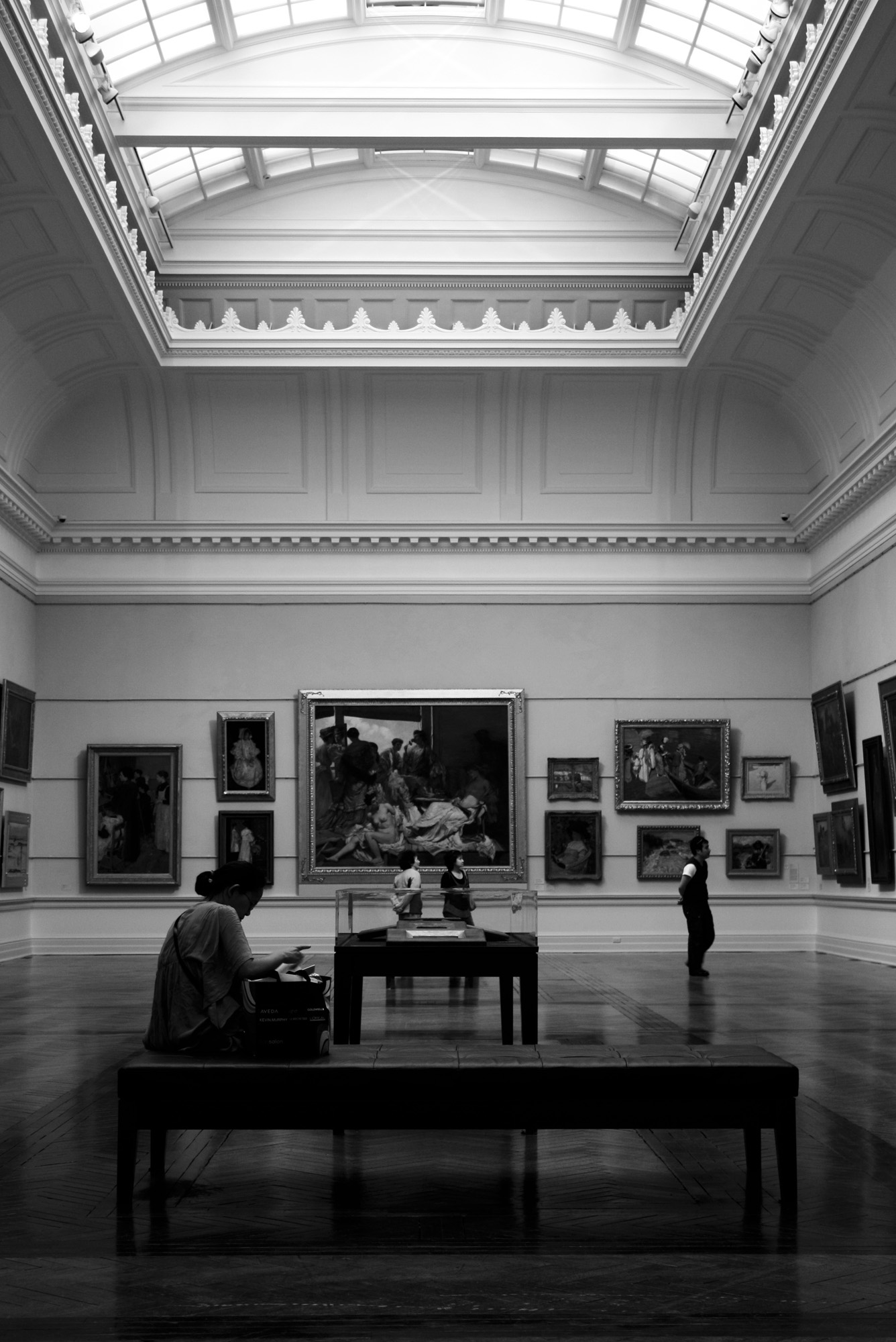
Lately I’ve been going to the Art Gallery at least once a week and often twice. I’ve always been very attached to the place, indeed, it is the thing I like most in Sydney. I used to drop in about once every two months to look at my favourite paintings, see an exhibition or visit the gift-shop, but in the last year I’ve gotten into the habit of going every Wednesday night and / or Sunday afternoon. The main attraction is the free cinema there. For the last eight weeks, I’ve been to see the films accompanying The Mad Square: modernity in German art 1910-1937 exhibition, almost all of which have been stunning. I especially recommend Sunrise: A Song of Two Humans and The Last Laugh, both directed by F.W. Murnau, who is most famous for his 1924 film Nosferatu. But I digress…

The point being that the Art Gallery is a marvellous place. The collection is quite extraordinary, and in some cases quite surprising for Australia. Consider the Bronzino portrait of Cosimo de Medici, which, perhaps with the exception of the Rubens self-portrait must surely be the most valuable painting in the gallery. Not that that should matter, and the 19th century Australian landscape artists, alongside the admirable and cute collection of French Impressionist painters are far more congenial.

There are many things to enjoy in this place: the vast top foyer with its distant views of Woolloomoolloo Bay and long reflections of light, the contrasting architectures of the structure, the café, the East Asian collection, the new galleries containing recent Asian acquisitions, though the modern Australian section and gift-shop are currently closed for renovations. I’m excited to see the results of the refit.

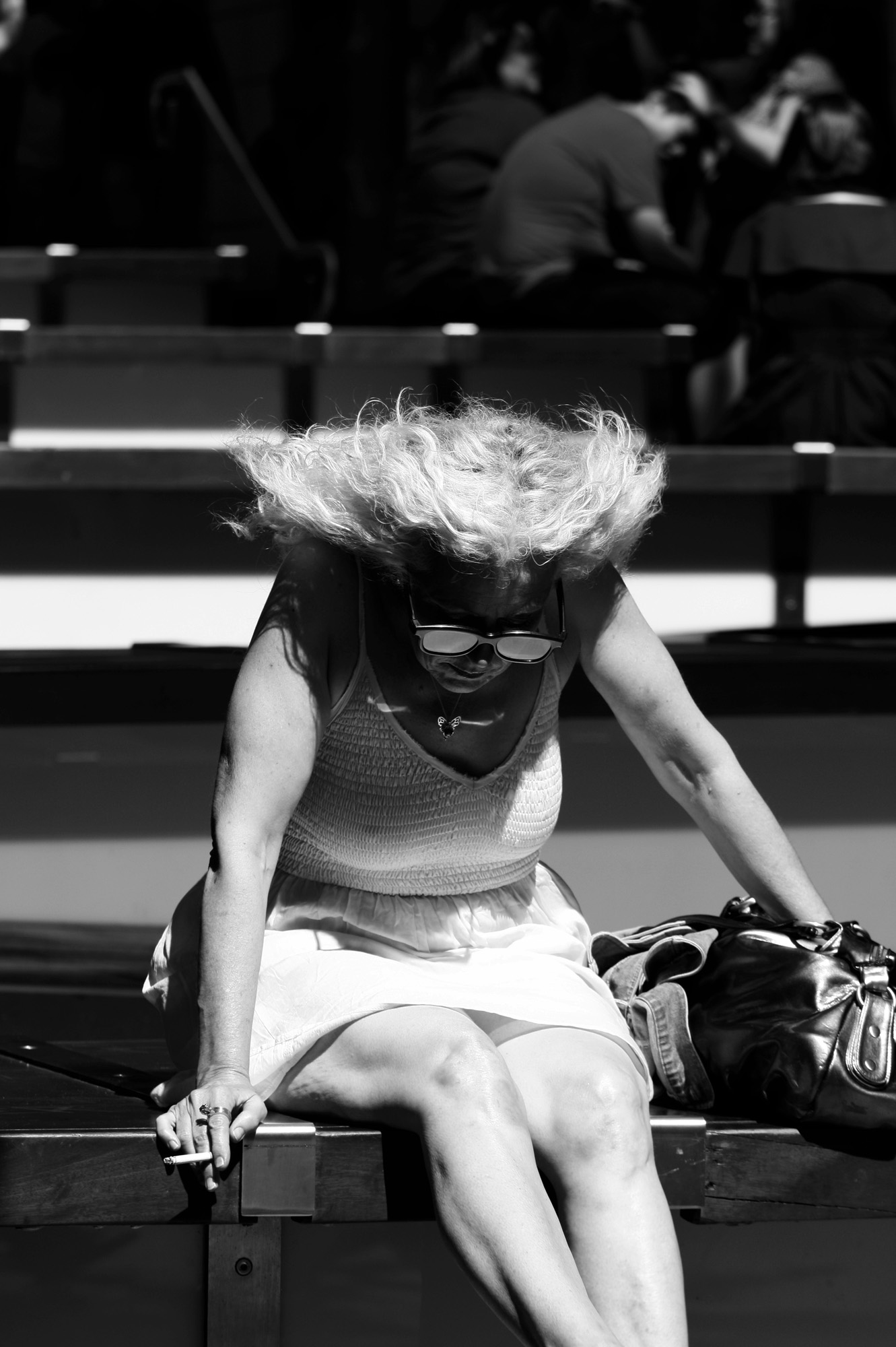
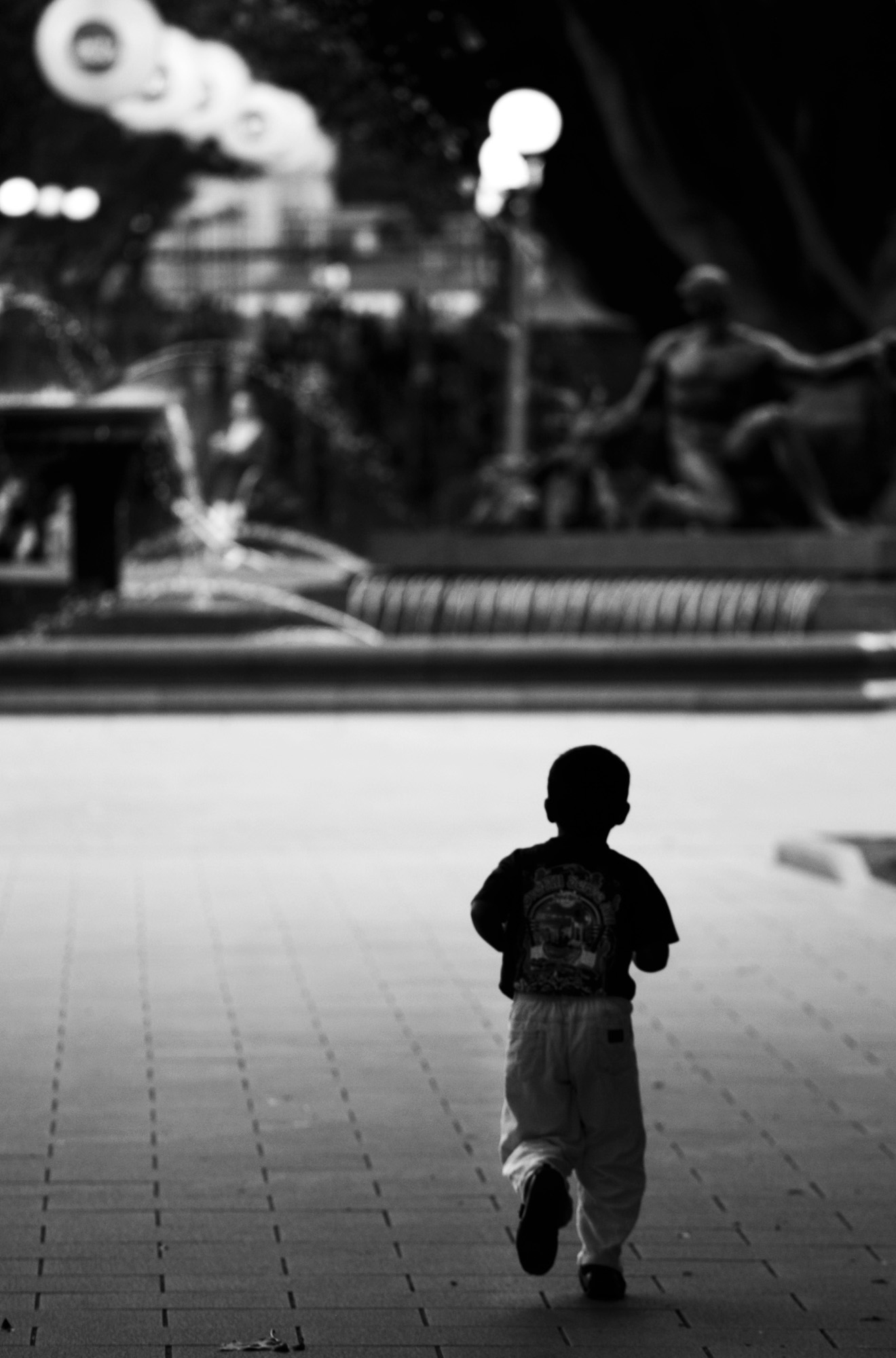
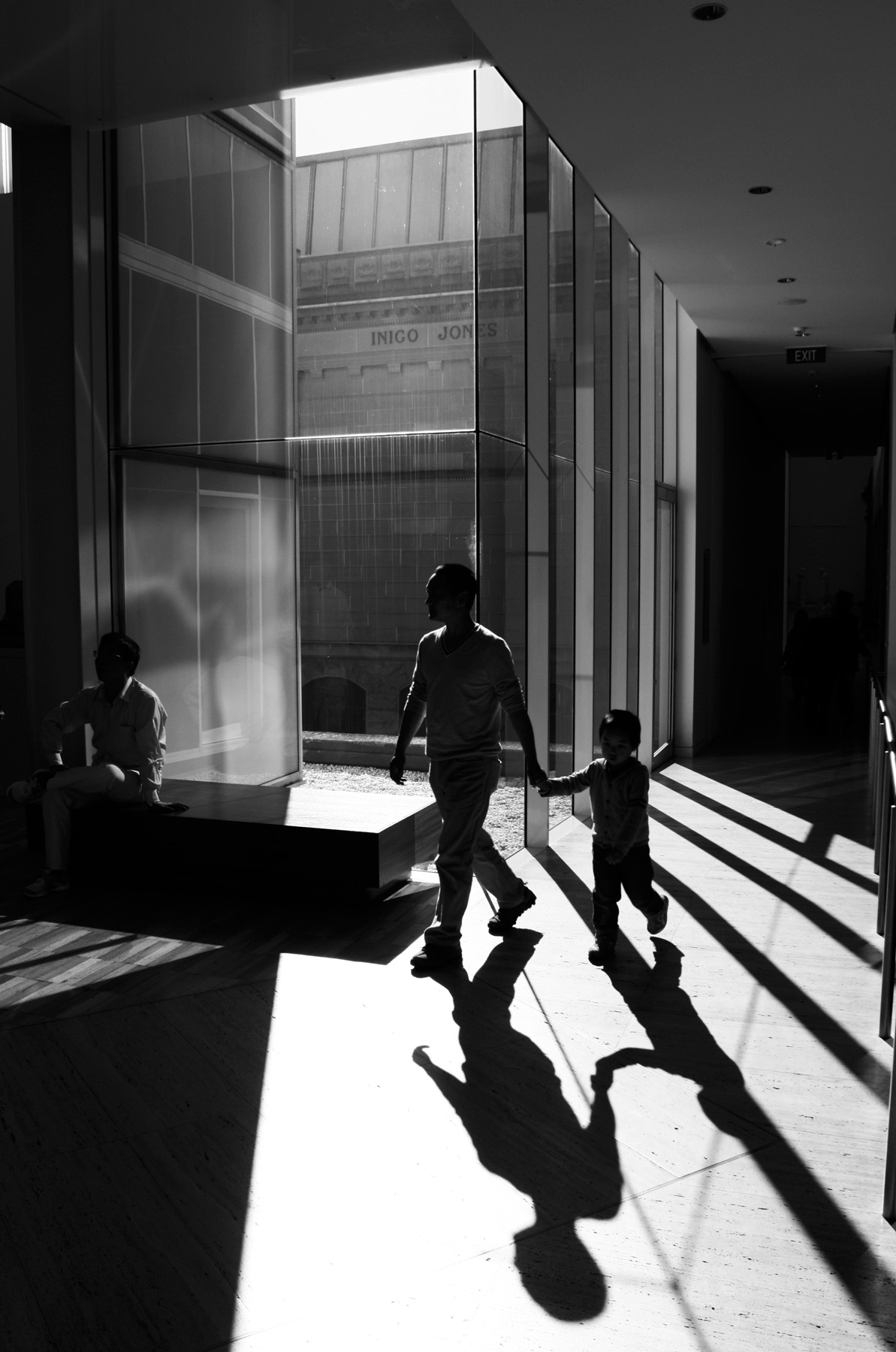
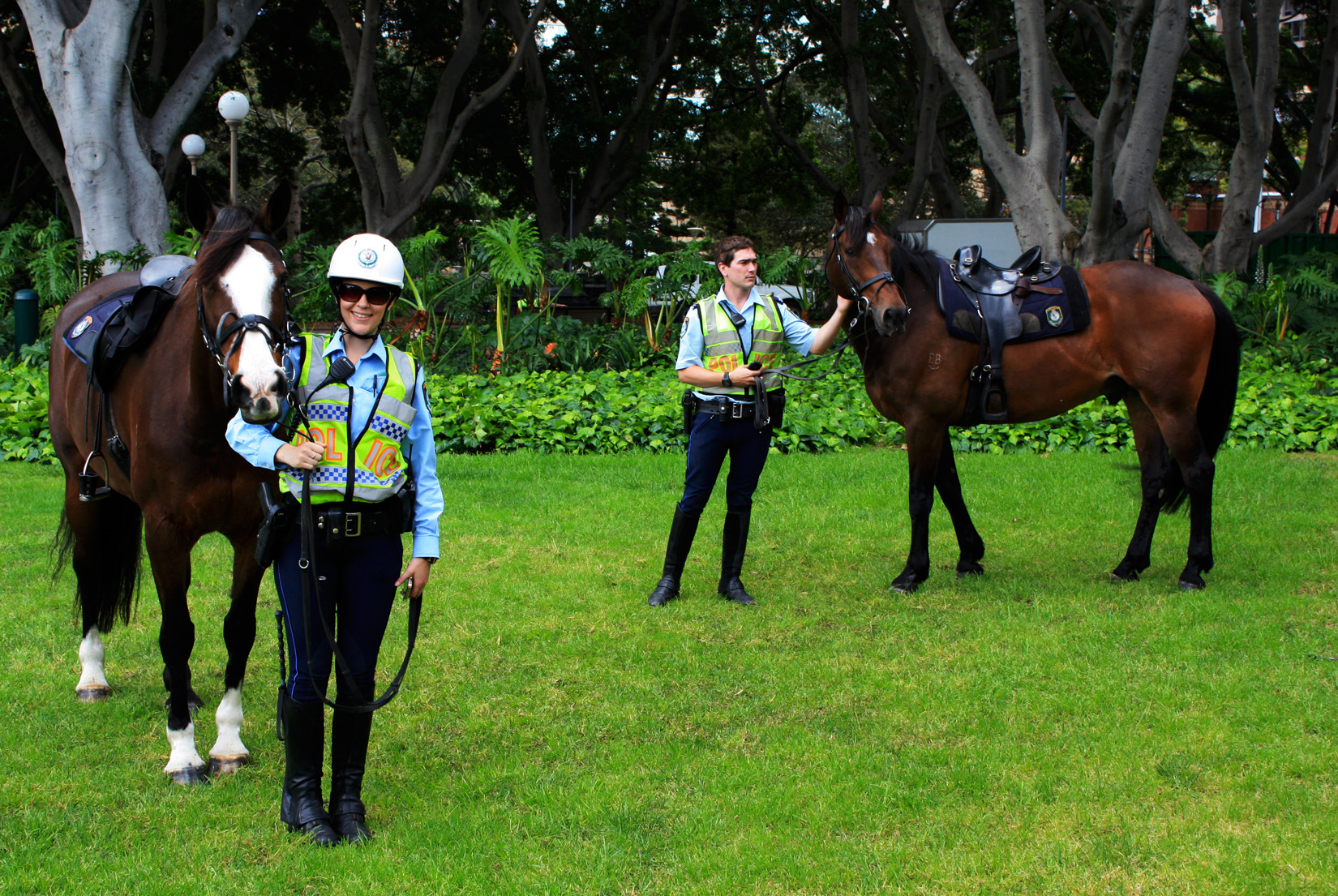
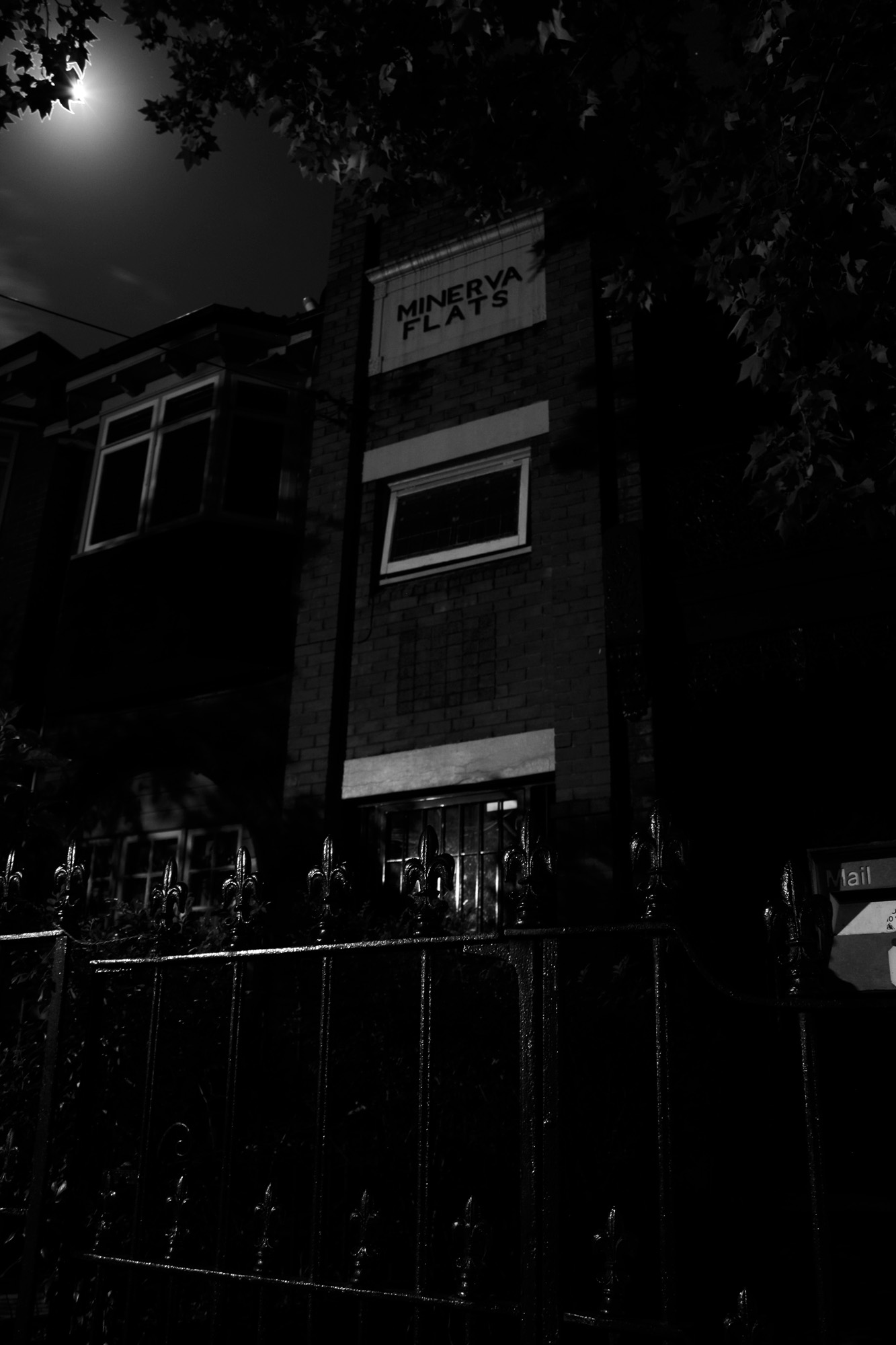
Anyways, so I’ve been shooting in the Art Gallery and around, and doing the usual business of trawling around George Street, Pitt Street, Chinatown etc. This has been a lot of fun and I seem to keep meeting people whilst on the street shooting. I’ve also been getting back into photographing Glebe and enjoyed a nice walk around in the full moon on Wednesday night. So, without further ado, here is the results of another week of sniping : )

Read Full Post »

« Newer Posts - Older Posts »