Feeds:
Posts
Comments

Archive for the ‘Photography’ Category

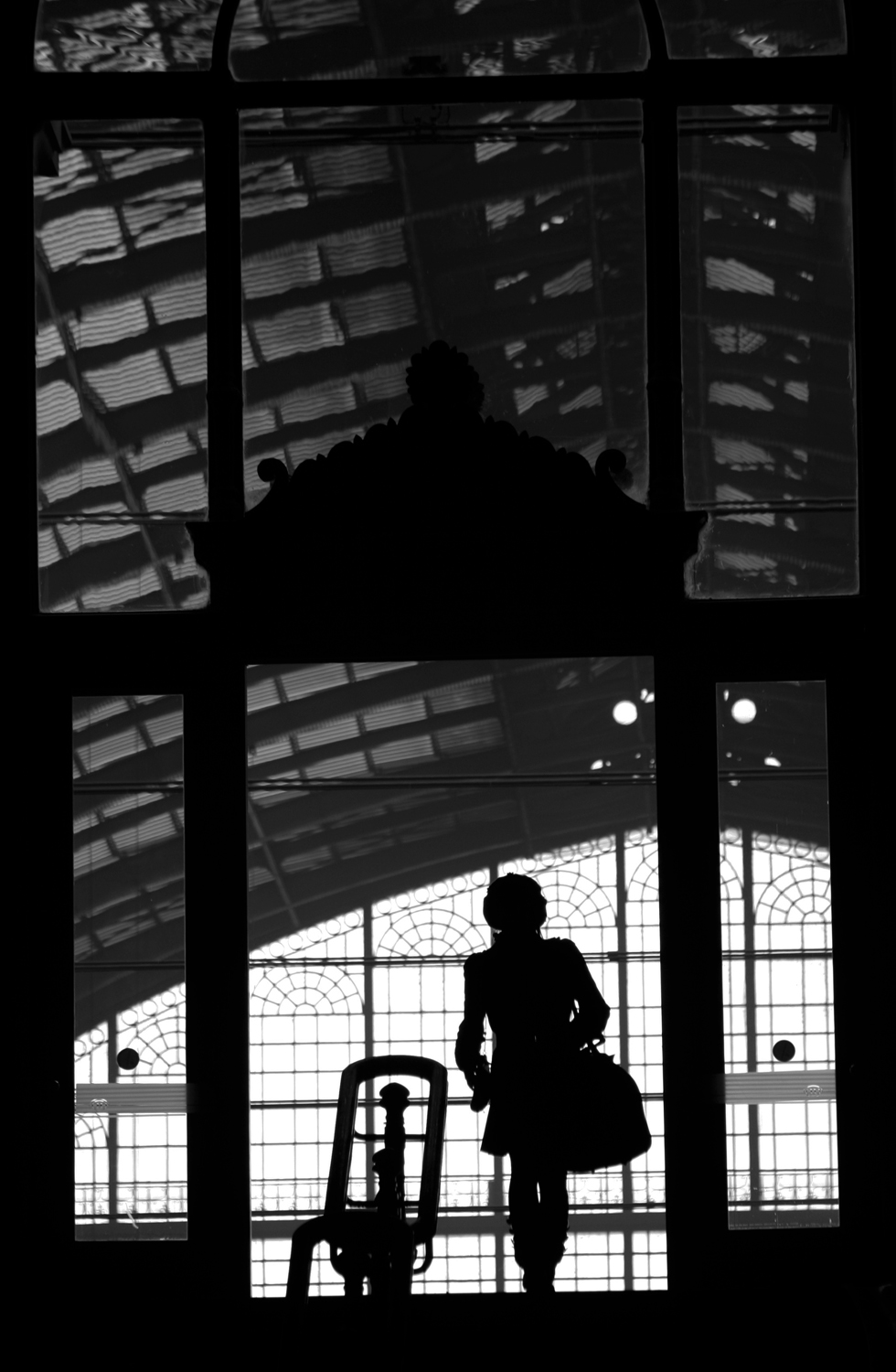
Antwerp Central Station, Feb 4, 2007

Antwerp Central Station, Feb 4, 2007

For a while there I considered this photo to be the best I’d ever taken. Upon seeing this shot, some hours after taking it, I fell immediately in love with it and remember going so far as to e-mail myself the file in case of some unforeseen disaster, like being mugged and robbed, or flipping out on mushrooms.

This photo was taken on the 4th of February, 2007 at the central train station in Antwerp, Belgium on a freezing cold day. I had just arrived from The Netherlands, where I’d spent a couple of very strange days doing what was only natural in Holland – eating shrooms, smoking weed and visiting art galleries to stare in wonder at Dutch Masters like Frans Hals and Johannes Vermeer.

The Lonely Planet made Antwerp sound fairly interesting, but I never made it very far into town. Indeed, inadequately clothed (I was on my way to Paris via Brussels to meet my then GF and, whilst carrying ample layers, had not, out of either blind hope or uncharacteristic ill-preparedness, brought a coat), I made it about two hundred metres down the road before feeling the pinch and turning back. I know only too well that very few cities look appealing around their central train station (are there any that do?) but on a cold, grey day, Antwerp seemed so large and inhospitable that I longed for the quaint intimacy I knew Bruges could offer. I still had, as my father used to say, “the wherewithal” to get seriously high, and figured this experience would be considerably more pleasurable when safely ensconced in a medieval town.

I took the next train to Bruges, where, sure enough, I flipped out on mushrooms, but not at the expense of my camera, or indeed, this photograph. I still treasure it, though the tiny, half-degree tilt in the uprights on the right side of the frame never ceases to bug me. Such is life.

Read Full Post »

5354 Hong Kong butcher 2

Hong Kong Butcher, July 2009

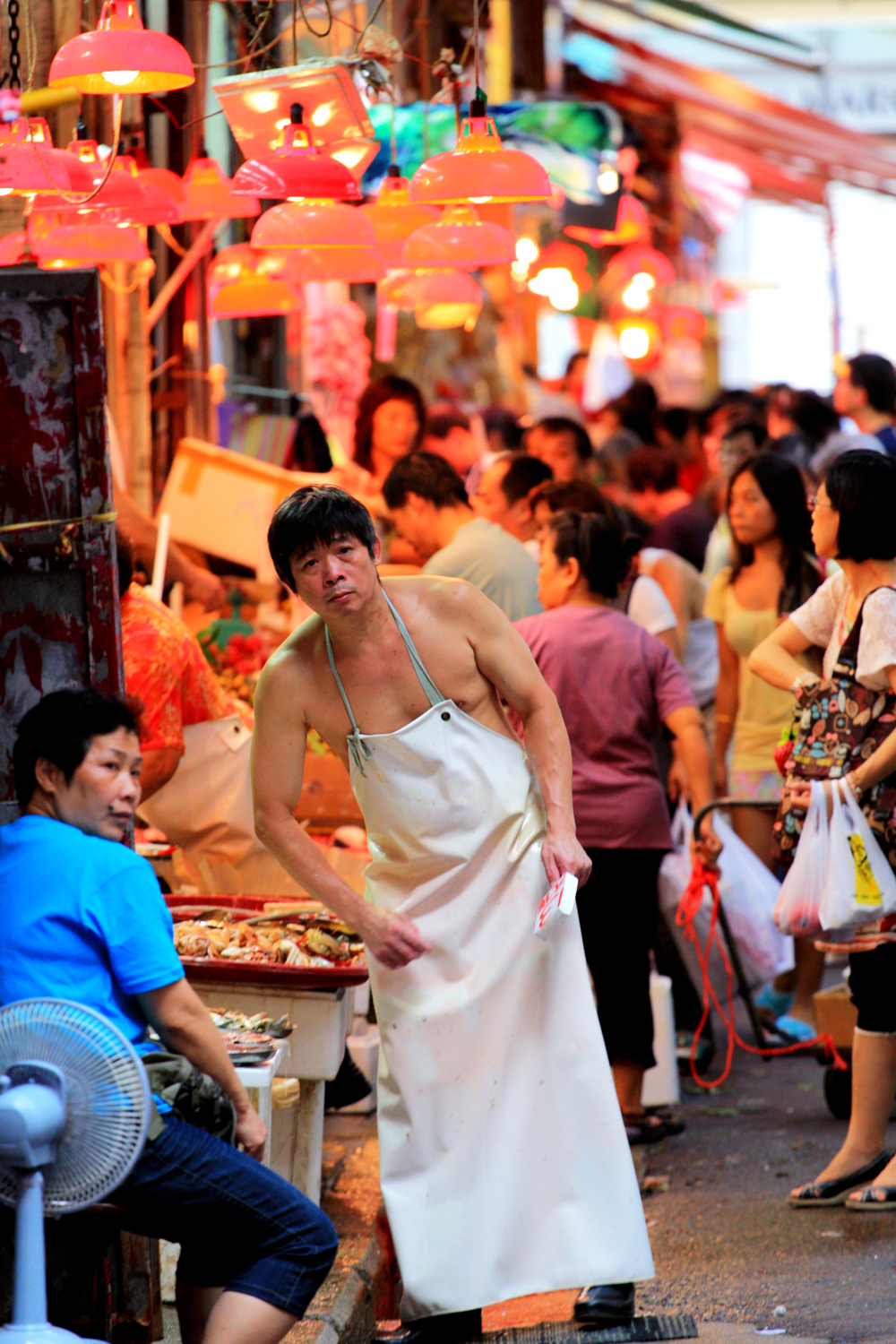
I stumbled upon this meat market whilst walking around Wan Chai, across the water on Hong Kong island. At least, I think that’s where it was in HK – part of the pleasure of wandering aimlessly looking for subject is not really knowing where you are. The area was full of interesting shops and market stalls on the street – or so I recall. I’ve always loved shooting in markets – especially when they’re down and dirty. The smells, the colours, the noise, the array of curiosities – and, of course, the people. Shooting wise, markets can be difficult subjects because there is often so much going on and so much stuff about that without a clear subject, the impact can be lost in the minutiae of the scene. The lighting in indoor markets can also be hard to work with – especially when they are dark and the subjects lack clear illumination.

In this case I got lucky on all counts, with a clean shot of a clearly illuminated subject and nice lighting all round. But it’s rarely for technical reasons that I like a photo, and in this case, it’s really all about the eye-contact, the appearance of the man in his apron, and the hanging lights. Great colours and a fortunate, if slightly asymmetrical arrangement of the elements. I remember feeling very much caught out after taking this (I have several of this fellow, actually, though this is my favourite) and being slightly worried that he might shake a cleaver at me and tell me to clear off. Instead I wheeled off pretty quickly and had that great and rare feeling of knowing I was going to like the photos I’d just taken.

All in all, this was a great visit to Hong Kong (July 2009) at the end of a six-week trip through Singapore, Vietnam, Cambodia and Thailand. I’d been feeling very low for a few days for various reasons, but clear skies over HK and awesome subject matter all round cheered me up no end. It was very satisfying that, after having taken thousands of photos throughout the trip to this point, my favourite ones should come right at the end.

Read Full Post »

Most of the content on my blog consists of lengthy pieces of writing or collections of photographs, or some combination of the two. I understand all too well that most people don’t want to read pieces of such length, but the simple fact is that I want to write pieces of such length and, let’s face it, what is the point of a blog if it isn’t to write in as self-indulgent a manner as possible? Free of any editorial constraints, we can go to town and ignore the rules that dictate word length and format, along with accurate referencing. Perhaps it’s because I spent so long working on novels and longer format short stories, that I believe a blog post must be substantial in some way – at the very least, a thousand words, and at the very least, a decent collection of photos – maybe 15 minimum. Then I watch with a strange, almost powerless sensation of envy as other bloggers simply go and whack up one or two photographs with barely a line written and have praise heaped upon them. This feeling is especially ironic since it’s not really the praise that I’m interested in, though I don’t deny it’s nice, but rather, the feeling of having posted something worthy of praise. On this latter score, I am a victim of my own grandiose expectations of myself; mea culpa and all that.

For a long while now I’ve been toying with the idea of posting single photographs more regularly – personal favourites, with a paragraph or two of context and commenary to accompany them. I wanted not necessarily to focus on what I consider my best photos, but photos that I really like, for whatever reason – which may mean they are not technically great, but have an interesting story, meaning or emotional impact. I used to use the term “secret favourites” for songs which I loved that might not be the most obvious choice for a favourite song from an album with more obvious choices. Like, for example, David Bowie’s The Secret Life of Arabia, being my favourite song on his Heroes album. In this case, the photos I intend to examine are all “secret favourites”, though some, I’d like to think, will be so spankingly good as to require no qualification. Trumpets!

So, to Favourite Photo # 1 – which, whilst being numbered 1st, is not, by any means, my favourite favourite. It is worth pointing this out early on in the piece, that the numerical order in no way reflects preference. I shall try to mix things up as much as possible.

Tokyo, May 2006

Tokyo, May 2006

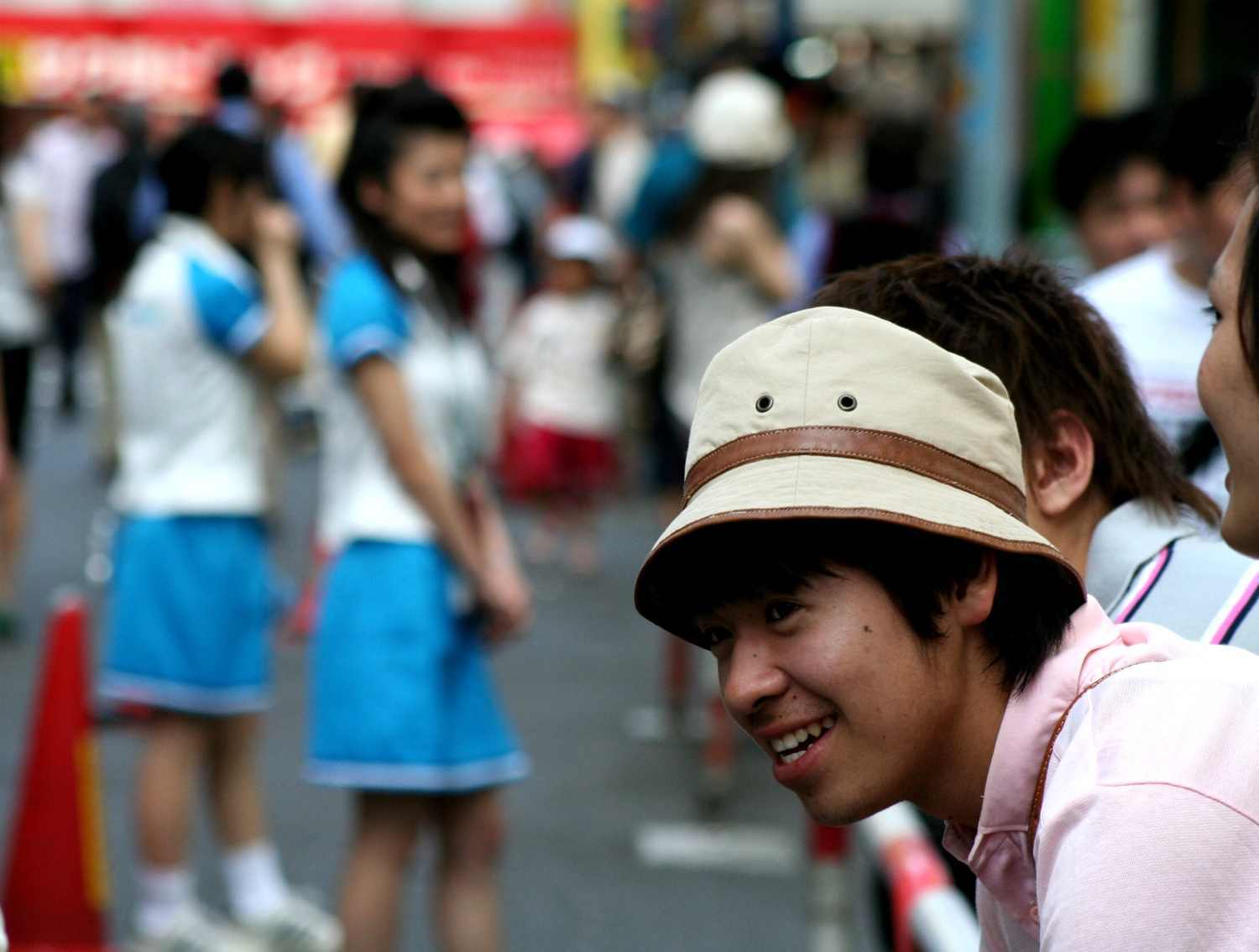
This photo was taken either in Shinjuku or Shibuya in Tokyo (I forget) in May 2006, whilst shopping for electronics. The guy in the foreground was sitting on a railing with a few mates, watching the beautiful girls standing outside the shops in uniforms handing out fliers. I watched them for a few minutes and they were clearly interested in the girls, but too shy to approach them or do anything about it. I guess they hoped they might be noticed. After taking a few photos of them, indeed, about three seconds after taking this shot, they caught me shooting them and were good enough sports to give me a lovely wave and big smiles all round. It was a sweet moment – they all seemed like nice young guys and I’ve always looked very fondly at this young bloke, hoping for his sake that he got laid in the end.

Read Full Post »

Rainy Season

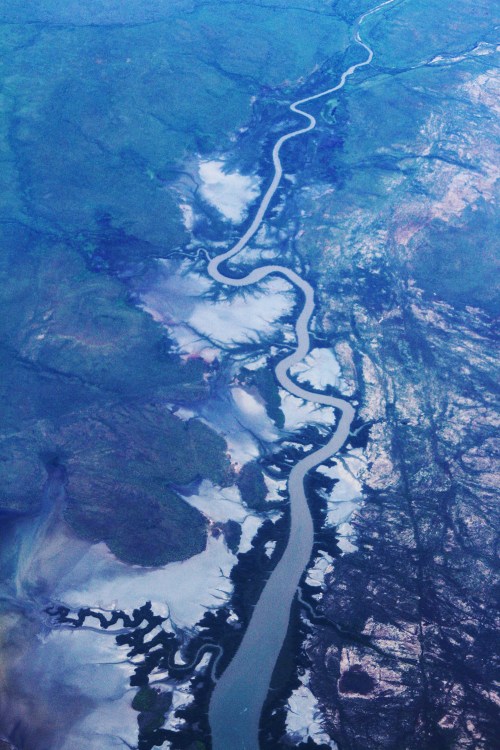
Four years ago I’d never been to Bali, and now I’ve been there three times. It has become something of a habit – either as a destination in itself or a stepping stone into Asia and beyond. At only six hours from Sydney, the flight is just short enough to feel smooth and easy. So short in fact, that I ran out of time to enjoy the various entertainments I brought along to pass the time. That’s a good thing, I suppose.

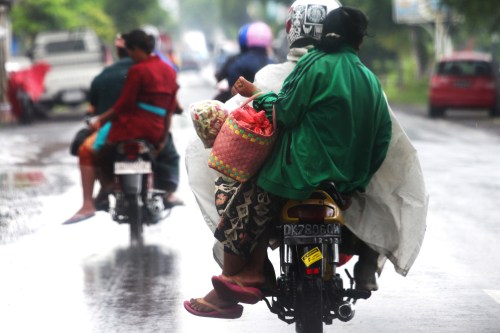
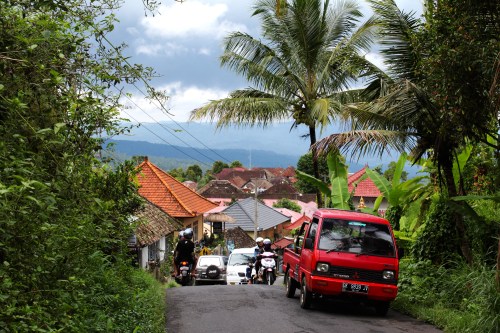
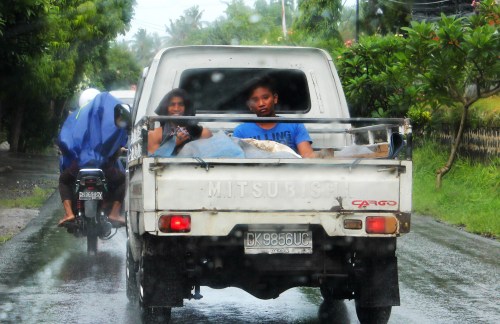
This was the rainiest holiday I’ve ever had. We knew it was the wet season and had both brought collapsible umbrellas, but this was the rainiest rainy season I’ve ever encountered. Rather than the regulation afternoon downpour, which did characterise the first few days, towards the second half of the week it rained pretty hard most of the time. Fortunately, I love rain, and only once did it prove to be a real nuisance – when we found ourselves without a hotel in Candikuning. The rest of the time, it was wonderfully atmospheric; drumming on roofs, bonnets and brollies, slicking the abundant lush foliage, and pleasantly cooling the air with fresh scents.

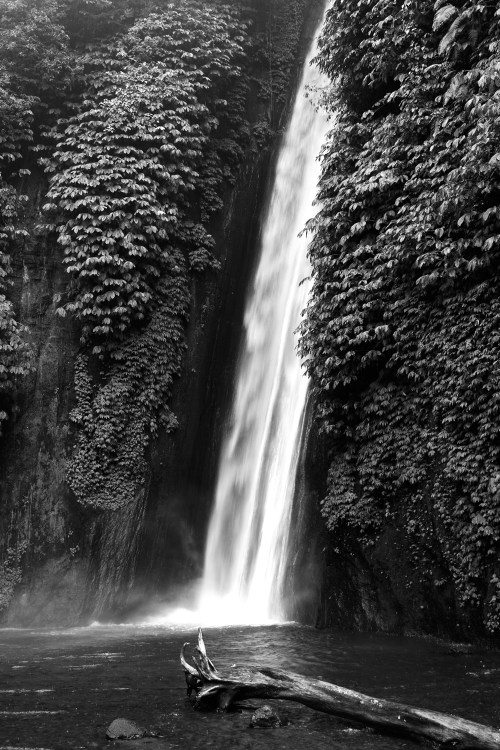
I don’t intend to go through this holiday in step by step detail, but rather cover the basics and toss in a few anecdotes. We flew into Denpasar as per usual and were picked up by a driver to take us up into the hills around Munduk, where we spent the first two nights.
8618

8706 Munduk

8708 Temple, Munduk

On the second night in Munduk, we stayed in the very same place my brother and I had stayed in four and a half years ago, which was surprisingly nostalgic (actually, not surprising considering I’m the most hopelessly nostalgic person I know).
8842 Waterfall, Munduk

8825 No women no cry

8901 Munduk ricefields

8928 Munduk 2

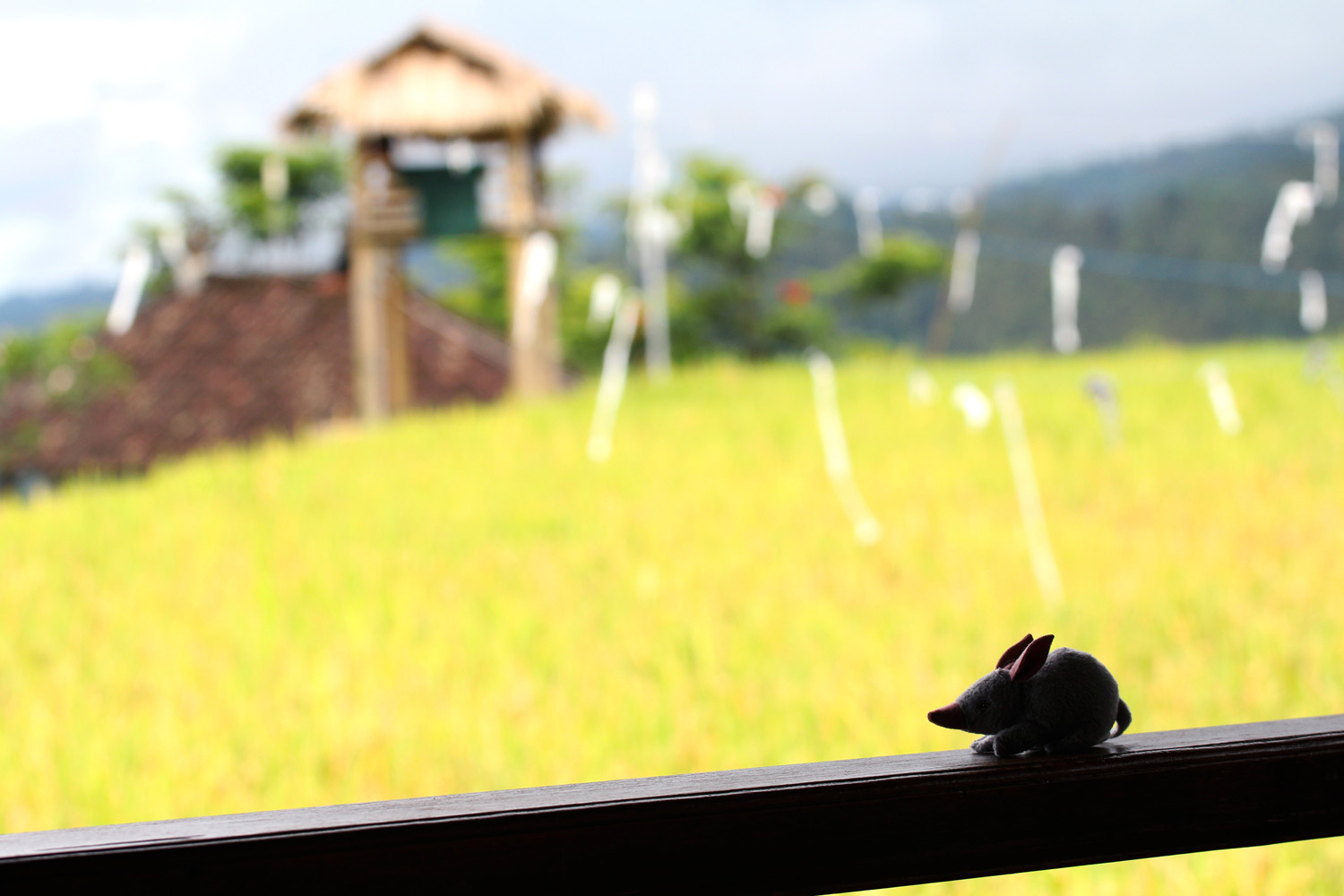
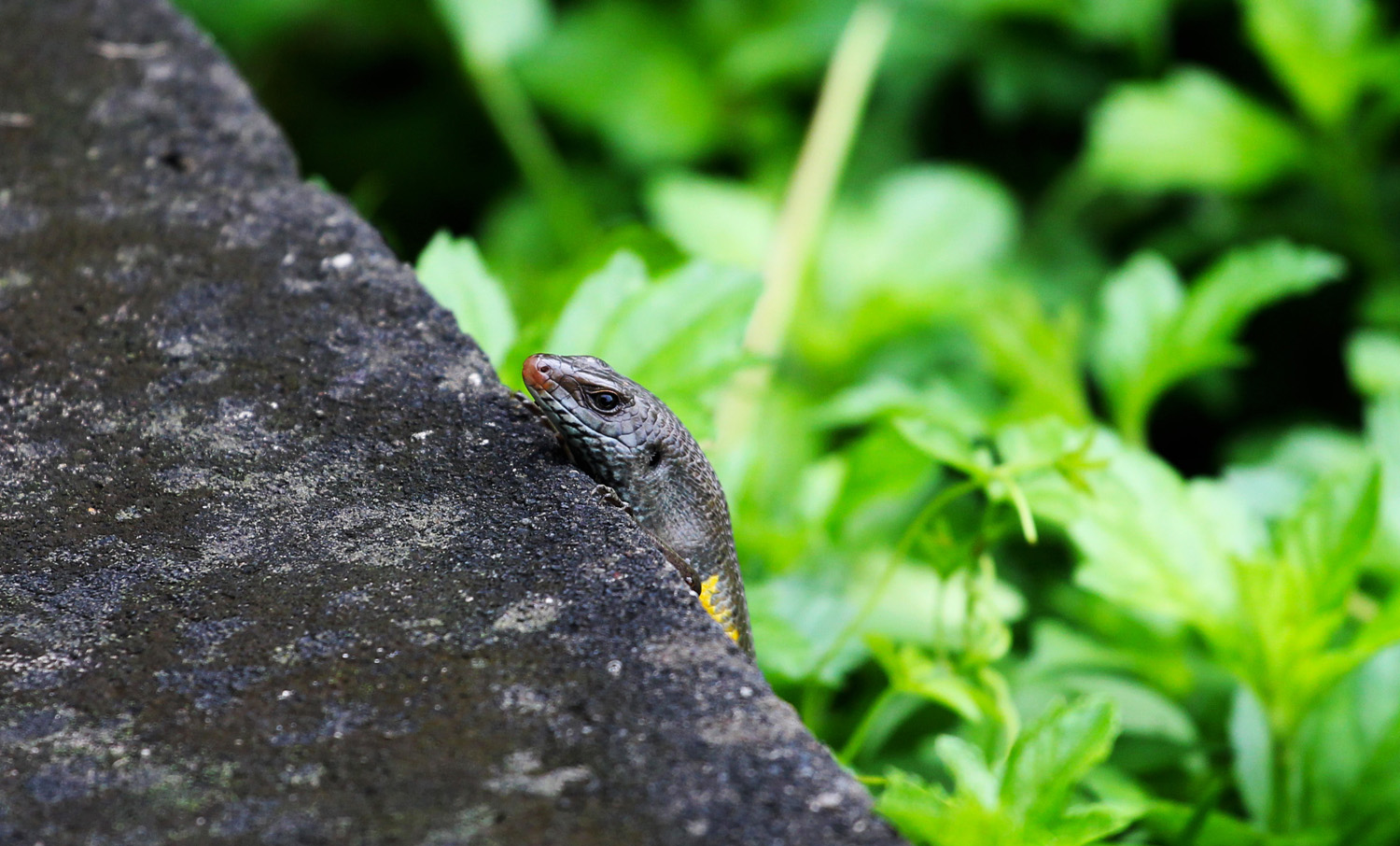
8930 Bilby, Munduk

From there we took a drive north west to Pemuteran, a coastal strip along black, volcanic beaches, where we assiduously avoided requests to partake in “activities.” Pemuteran offered up an interesting palette, with emerald green escarpments interrupted by patches of black volcanic cliff; black sand soft as soil on a beach strewn with orange and peach-coloured flowers not unlike hibiscus.
8939 Driving to Permuteran 2

8975 Road to pemuteran

8961 Road to Pemuteran

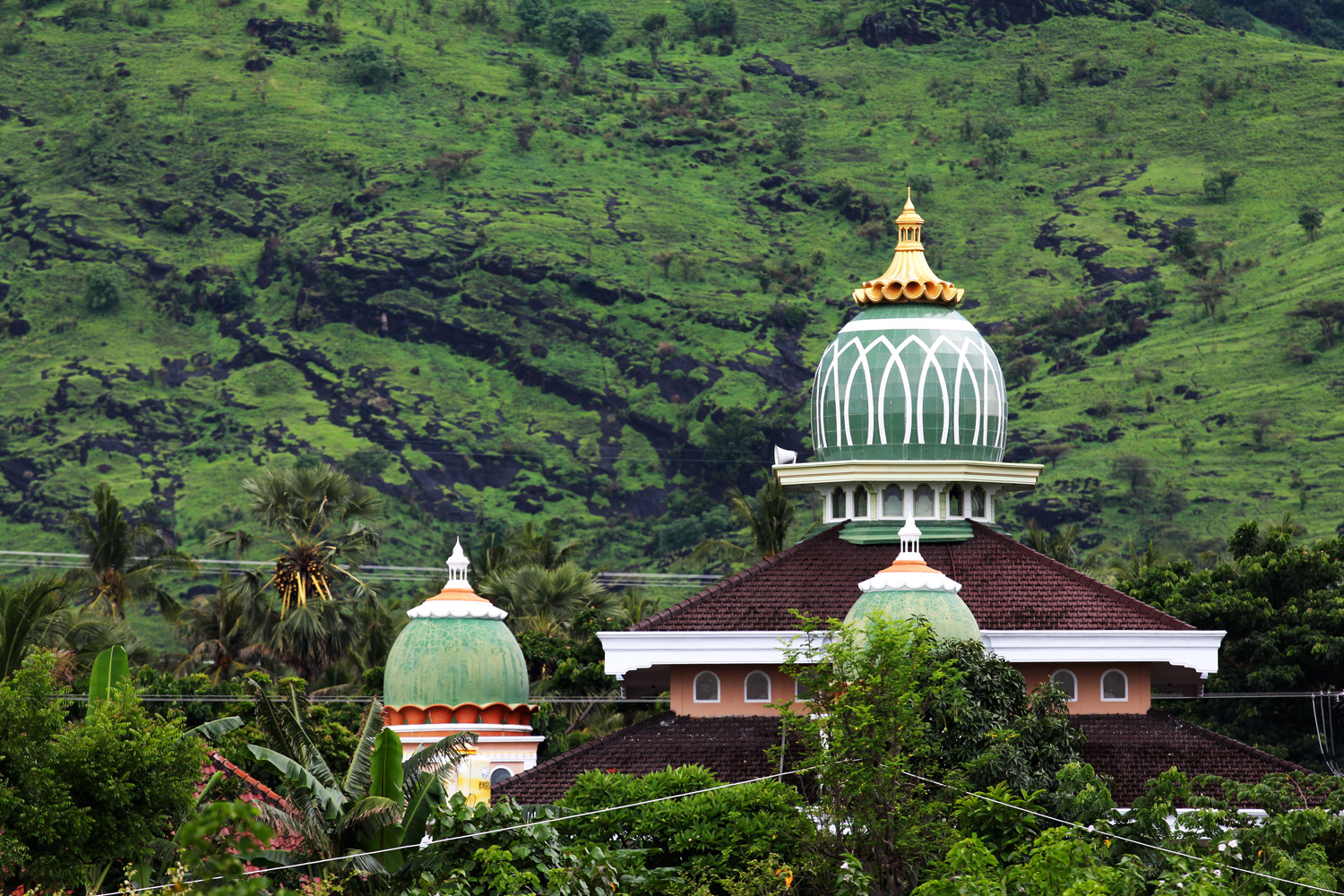
A green onion-domed mosque, young, immaculate cows amidst the blue and green outriggers beached along the bay, conical Javanese volcanoes on the horizon, all from the safe oasis of another beautiful, luxurious, indecently cheap resort, redolent with that curious blend of homeliness, perfection and transient soullessness.

9074 Pemuteran

9047 Permuteran

9049 Blue

9051 Boat, Pemuteran

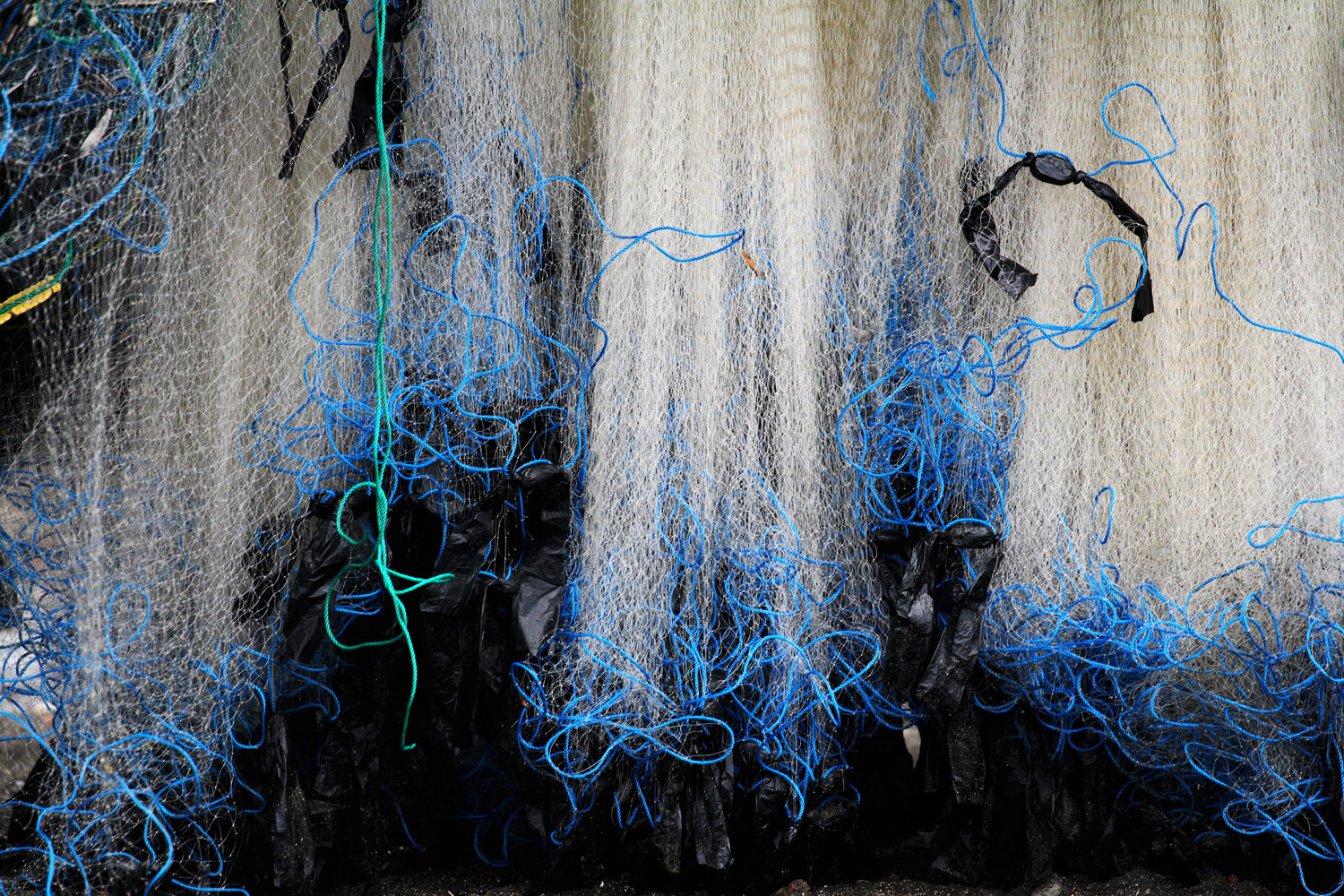
9091 Hanging nets

9087 Nets, Pemuteran

9100 Pemuteran, surf and turf

9127 collecting

8992 Adi Assri, Pemuteran

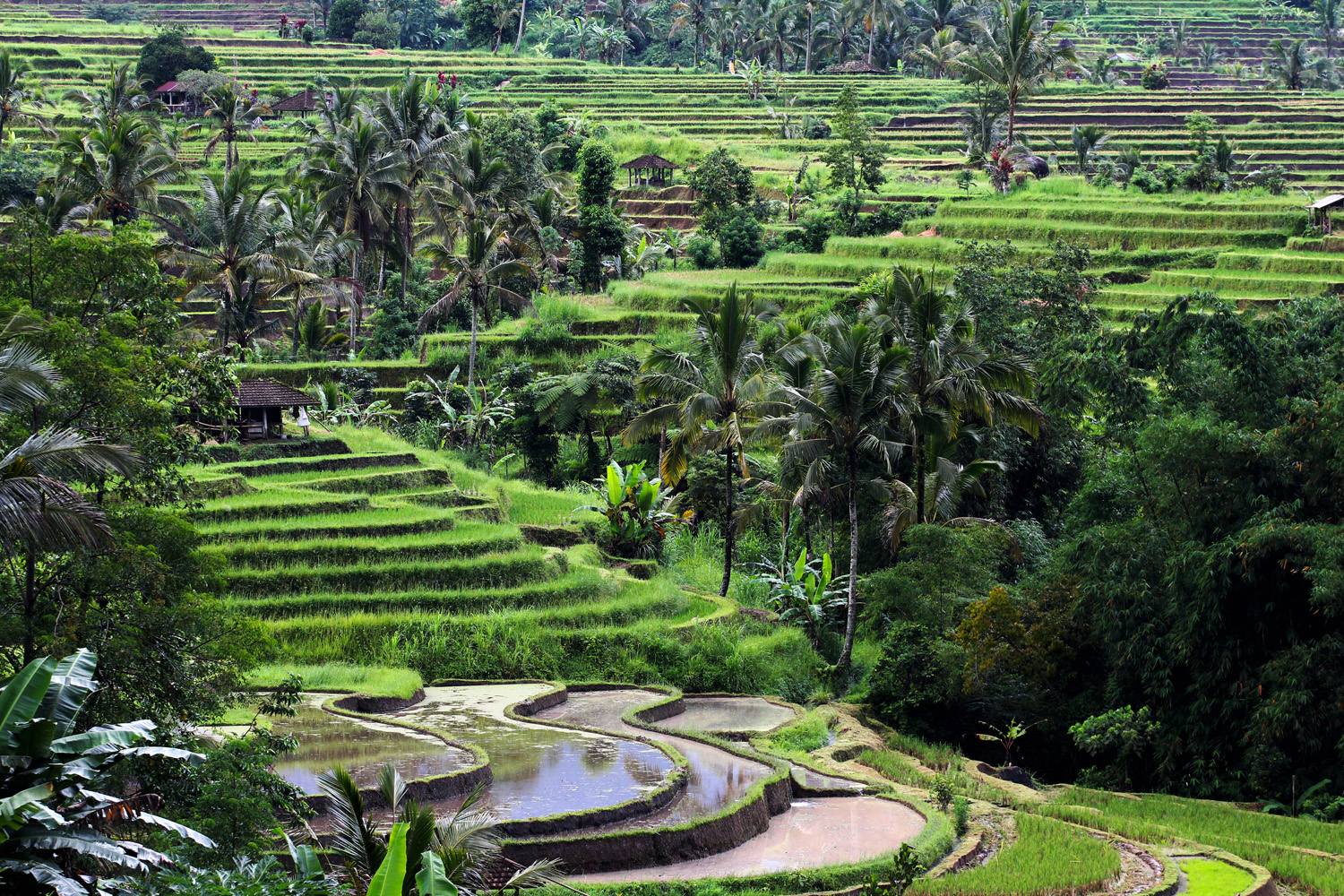
From Pemuteran, we drove to the Jatiluwih ricefields – a heritage protected area of rice terraces which have been in constant production for hundreds of years. The rain eased off to a mere sprinkle for the hour or so we spent walking around this beautiful place. It was especially attractive under the stormy skies, with filtered sunlight adding luminescence to the red rice crops.

9257 Bobble-head dog

9359 Jatiluwih ricefields

9324 Jatiluwih ricefields

9375 Jatiluwih

9314 Jatiluwih

From hereon the rain set in with real fury. We drove on through the downpour to Candikuning, where, at the height of the storm, we found out the hard way that the hotels we had in mind were all full. We bid our driver farewell, not wishing to inconvenience him further, and plunged into the rain and rivulet streets to see two awful musty hotels, whose abject cheapness was never going to be a good enough sell. This business, sloshing through a magnificently derelict road, shin-deep in water, brought us into contact with a most insufferable tout who at first seemed just irritatingly cheerful and assertive. He showed us to a dirty, musty room and so assumed we were going to take it upon showing it to us, that he was quite thrown when we indicated otherwise. We told him very politely, somewhat bemused, that we didn’t need his help, but he followed us all the same, hurling out offers. At first it was almost funny, but soon became rather tiresome. People in Bali, with the exception of some heavily touristed areas, are not usually so persistent, so it seemed out of place in this dead town. He also wearing a Soeharto tee-shirt, which didn’t exactly enamour me towards him. For some reason, I suspected he was from Java.

We got away and wandered into the market, where we downed umbrellas and sat in the local warung. We thought we were in the clear until our pursuer appeared again and sat at our table uninvited! Here he persisted in hurling constant, annoying questions about where we were from, what we were doing, which services we needed and the like, which we chose increasingly to ignore. Indeed, he only left when the owners, who clearly couldn’t stand him either – no doubt he had a reputation for acting like a big shot – asked him if he intended to order something, and when we began, quite simply to ignore him completely and pretend not to hear his words. A message for all touts out there – if you have no empathy with potential customers and don’t know when you’ve pissed people off to the point that they can’t stand you and are forced to pretend you’re not actually there, you should not be in the business of customer relations. The food in the warung, incidentally, was bloody amazing.

9390 Road to Candikuning

9423 Candikuning

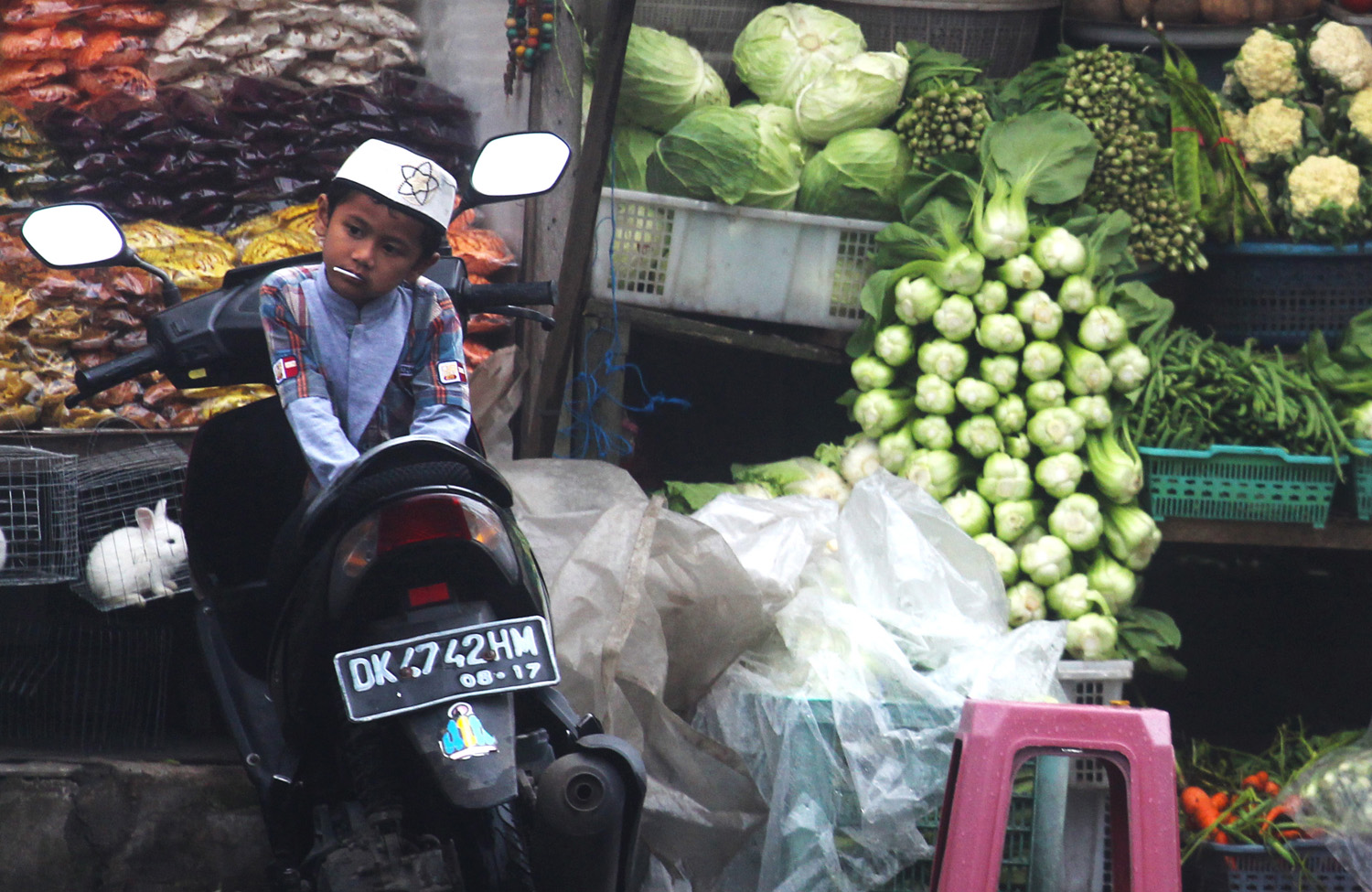
9460 Boy and rabbit 2

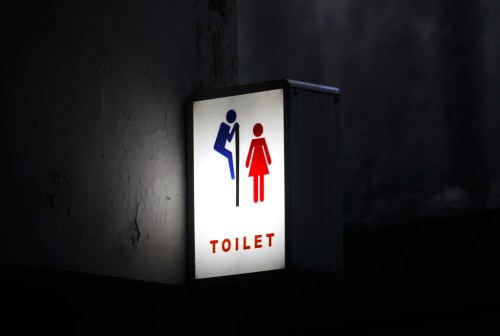
We organised a driver with some far more congenial and amusing locals, who had a much better idea of how touting can be done in an amusing and entertaining way. They were trying to sell me watches, but were good humoured enough to make fun of how “genuine” their watches were, and laughingly told me they would last a hundred years. He even used the term “100% pure plastic”, which warmed my heart.
9465 Servo toilet sign

We had said at the start of the trip that we would try to avoid going to Ubud and see other parts of the island instead, but stuck in Candikuning without a hotel and unsure where to go next, we figured Ubud, which we do rather like, would be a pretty nice lay-up in the rainy weather. So, two hours south with a couple of local stoners in the front, brought us to the Honeymoon Guesthouse. Like almost all hotels in Ubud, and indeed, Bali, this place was astonishingly beautiful. We chose the most expensive room, which was a mere sixty dollars, and was, like so many rooms in Bali, actually a suite with a huge terrace balcony and epic bathroom. The local architectural style, so old-world Asia, all stone and carved wood, bamboo blinds, four-poster mosquito net king sized bed, polished flagstone floors, high, pointed roof of wood and thatch, no ceiling, surrounded by lush gardens, dripping with rain. I went onto the balcony and spent the next five minutes in reverie, for this was my long yearned-for favourite melancholy mood made real.
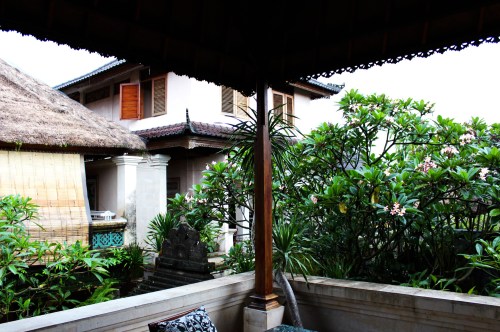
9480 Honeymoon Guesthouse

Ever since I was a child, all I’ve wanted is to be inside, looking out upon rain falling on plants, ideally in a jade green, evocative and beautiful place, with nothing to do at all, free to indulge a mood of nostalgia or fantastical escapism. Fed fatly on the fantasy genre, be it through role-playing games or literature, I longed for these worlds, which, somehow, I always imagined to be rainy. There’s something so compelling about rain – how it quietens sound with its pleasant rush and drum, how it smells so fresh and refreshing, how, in the often dull light it causes everything to wetly glisten. On that balcony, with its high outlook into trees and flowering shrubs, and views of the other hotel buildings – imposing, yet homely stone, elaborate wooden features, hanging screens – I felt such intense repose that I wanted to curl up on the divan and never say another word for the rest of my life. Someone had bottled the heart-wrenching sadness of Crouching Tiger’s lush and dreamy aesthetic.

Then, however, there were the frogs. The block adjacent to our room was vacant and overgrown – banana trees entirely covered with creeper, just a few propeller-blade leaves poked from the clambering carpet – and it was full of loudly belching frogs.
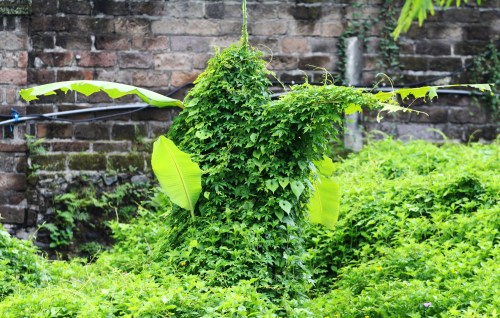
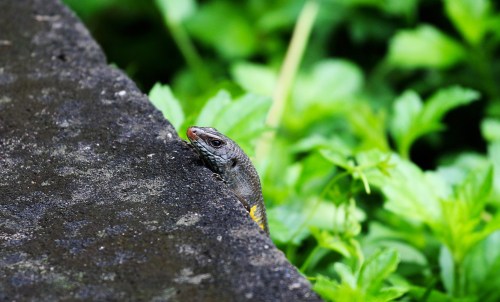
9566 Banana trees

9573 Ubud

The man who showed us to our room initially laughed them off. “Ha, the frogs,” he said. “Because of the rain.” We rather figured they would stop croaking at some point – surely they couldn’t go all night? Yet when we returned from dinner later (a smashing meal at Casa Luna, the Honeymoon’s celebrity-chef restaurant a few hundred metres walk away), the frogs were going harder than ever.

9521 Honeymoon

9528 Ubud

9519 Honeymoon

Now, it might seem ridiculous that frogs could be so loud as to drive you from your room, but there were so many of them and they must have had some real mother air-sacks in their throats, because the sound they produced, even with the doors and windows shut, was like having a group of men in the room, cupping their hands and clapping as loudly and resonantly as possible. Or, for that matter, a gang of drunken young men burping into megaphones. In ten minutes, I had a headache and couldn’t hear myself think. Sleep in that room was out of the question, so we had to toddle off down to reception and, after looking at three other rooms, move house, so to speak. I felt very sad to leave our perfect room, yet we moved into the very one I’d been looking across the balcony to, and it, though not as absolutely perfect as the first, was still, let’s face it, borderline perfect.

From no plans to visit Ubud, we spent three nights there. Partly because we didn’t feel like doing another journey after a bunch of longish drives over the last few days, but ultimately because I got sick. For the first time, I was struck with Bali belly, as it’s called, and spent a couple of days feeling weak and on the toilet. This wasn’t so bad in the end, because I didn’t really want to leave my amazing hotel room which also had a huge terrace “balcony” with divans on which to lie. I went to the local book store, bought a copy of The Life of Pi, hurried home before I pooed my pants, and spent the rest of the day lying on the divan reading. I’ve written elsewhere of how, when I had a similar stomach problem in India, I spent two days reading in a gorgeous room in Pushkar, and this was an equally lovely experience.

9719 Reading spot

9591 Ubud

9605 Ubud

9594 Ubud

9653 Creative tattoos 2

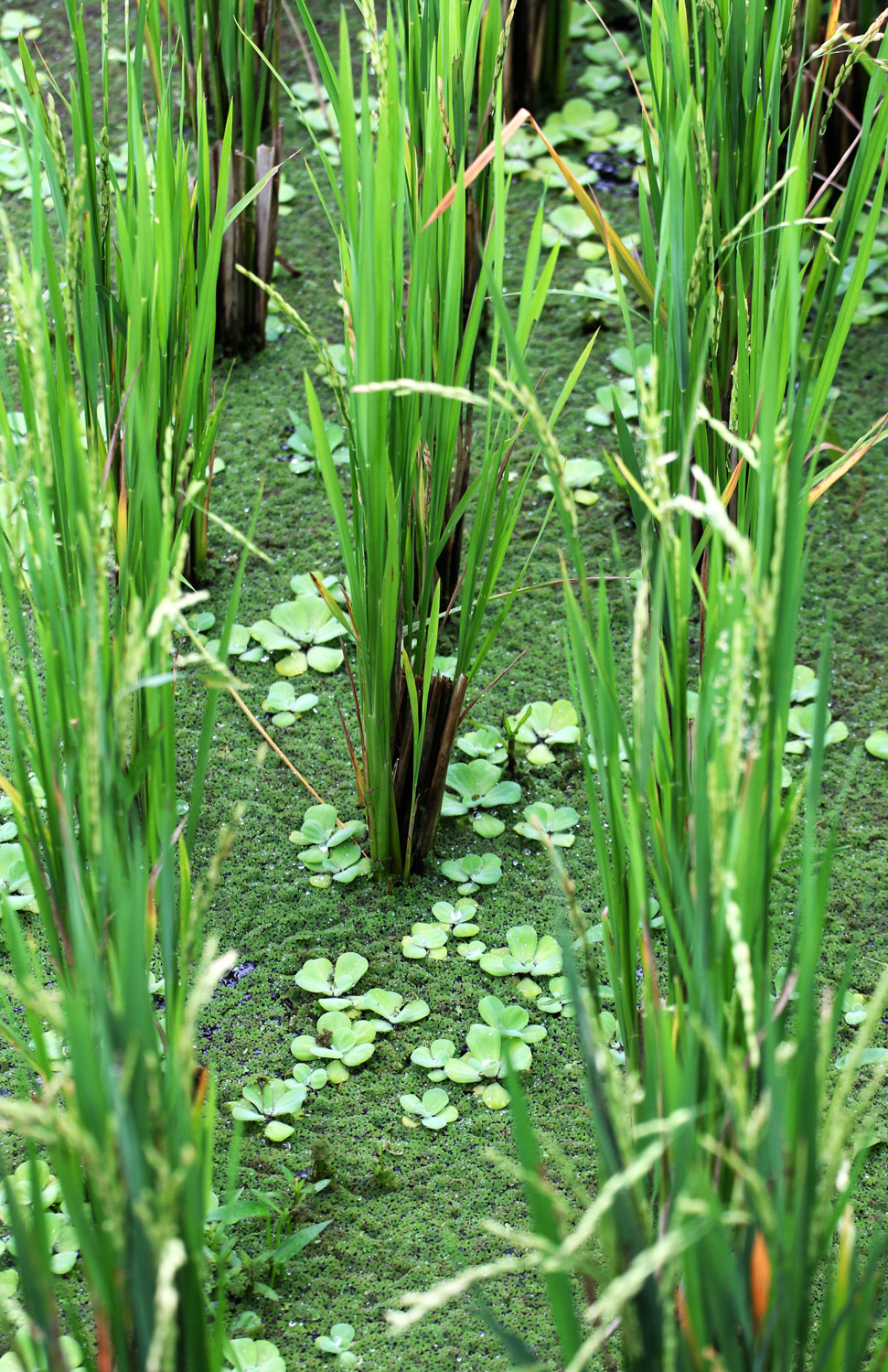
9598 Rice

9621 Ubud streets

9689 Ubud

When we finally left Ubud, the rain had set in permanently. We took a car all the way down to the Bukit Peninsula, where we had to wait three hours for our room to be ready, despite their assurances that arriving early was no problem, got jacked off, told them to forget it, walked down treacherous stairs to Bingin beach, sat a while under shelter from the rain watching the cranky surf, then went and found another hotel, checked in, found the bed to be too musty, checked out, grabbed a car and told the driver to take us to Balangan beach, totally on spec. Through bucketing, piss-down rain, past the basket-wrapped corpse of a lorry driver from Flores, who had tragically fallen foul of the treacherous weather, our driver took us to a bloody splendid place – another “perfect” resort, La Joya, with gorgeous “bungalows”. The inverted commas are appropriate here, because traditionally bungalows don’t have epic sliding walls of rounded glass, nor a “lovers corner” of plumped cushions tucked behind curtains, just to the side of the requisite four-poster…

9776 Bingin

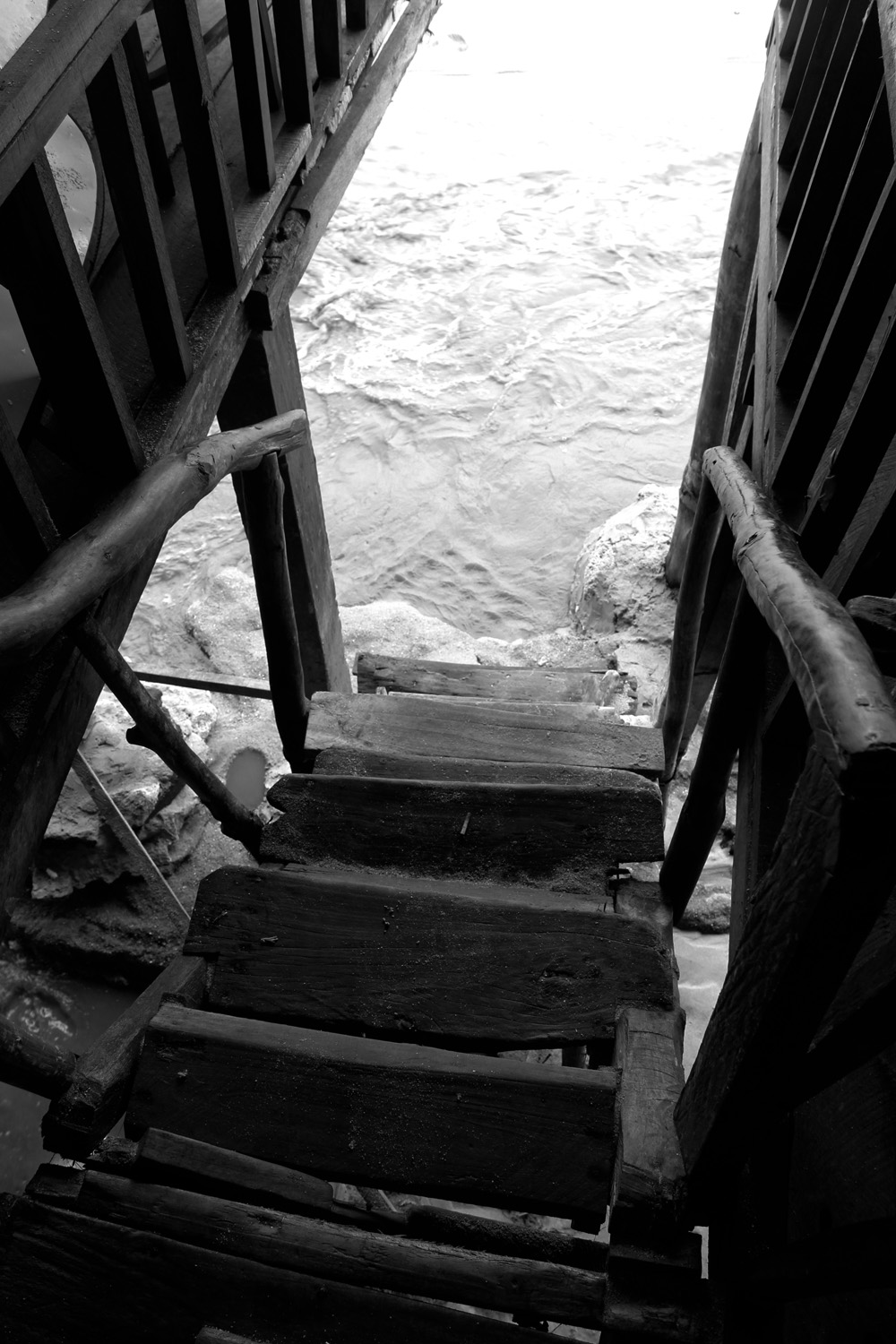
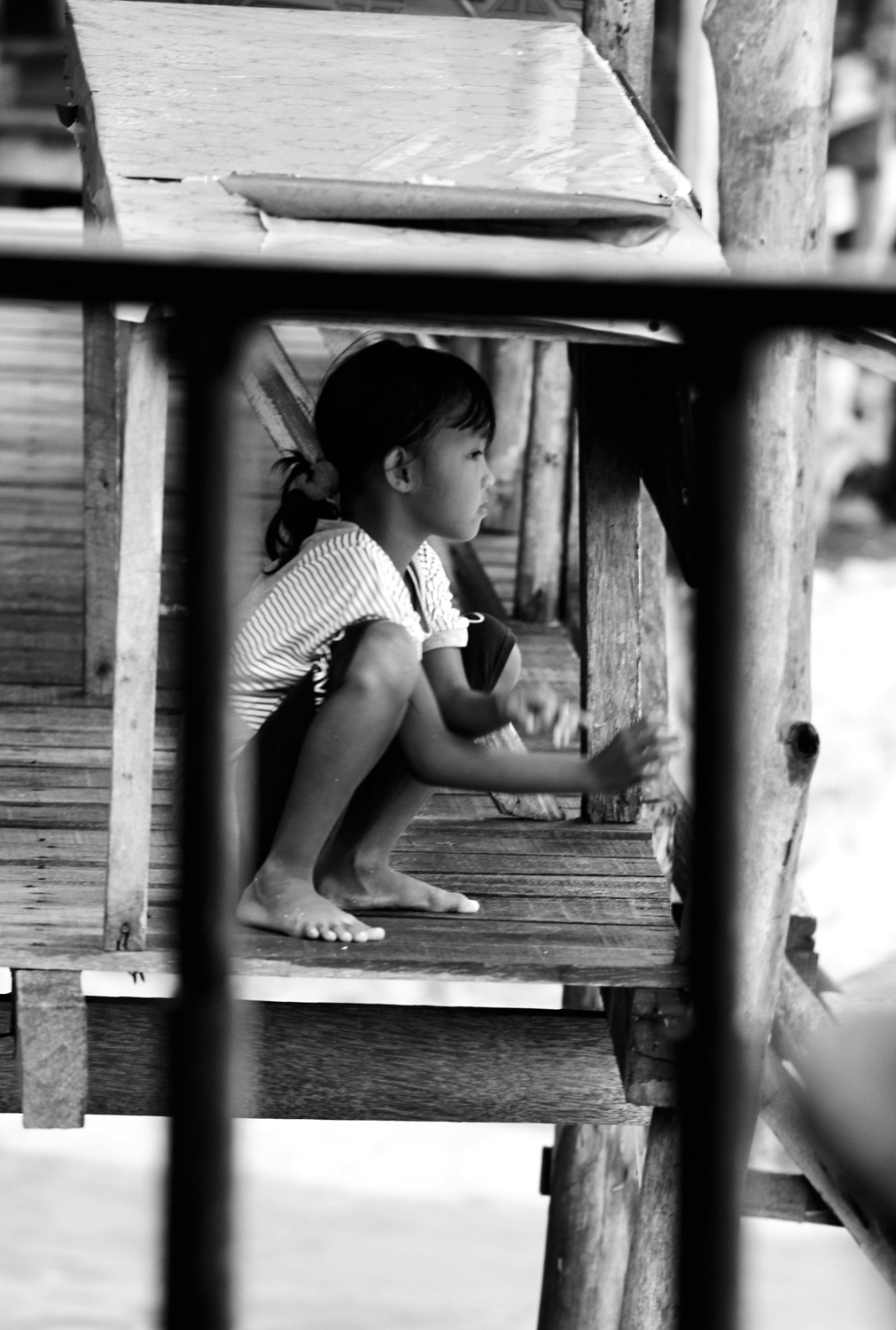
This again offered a sweet, melancholic reading retreat. It rained almost the whole time, and when we went to the beach, it was wonderfully apocalyptic. Indeed, I’ve never seen a beach so covered in drift-wood and detritus, fronted by stilted shacks beneath whose raised floors, the relentless, stormy ocean had eaten away most of the sand, and dangerously exposed the foundations. Driftwood, erosion, shambling shacks. It was like the aftermath off a tsunami, only the buildings were still standing. The churning water was full of soil washing down in the river that cut between the shacks. It roiled in the surf; brown water and soiled waves beneath the alienating sky; an uncomfortable colour, a sickly pallor, the decay of the end of days.

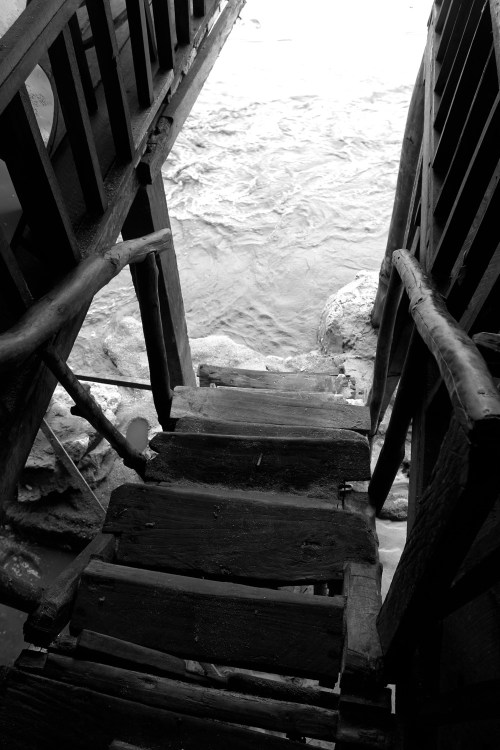
9957 Balangan beach

9868 shack stairs

9917 Beach kid

9896 Balangan beach

We took our fourth massage the following morning – the most hardcore of them all, which left me somewhat sore, and that was rather that. Paid an extra half-day at the hotel, chilled and swam and read all day, then took an early evening car to the airport for a late flight to arrive home Christmas morning.

All in all, a good break – a last minute, unambitious holiday where, for the first time ever, I had absolutely no goals, no targets, nothing. Indeed, the motivation was simply that it seemed crazy to have time off work and not go overseas. Equally unambitious were my photographic efforts. Point and shoot, stab and click, but not much attention to detail. Well, the results show this – some nice atmospherics, but nothing striking, and really, I’m okay with that.

Sort of.

Next time, the sniper is back in charge.

Read Full Post »
Sprang, Sprung

The following are some recent efforts, and the odd one not so recent. Warm winter, hot spring, though I do love the variability. A lot of sunshine of late, and as ever, the beach beckons…

8004 ANZ Building 2

8146 Flags

8327 Sculpture by the sea

8197 Tamarama

7705 Newtown peeps

1335 Lips

9332 Railway Square

8188 Tamarama 2

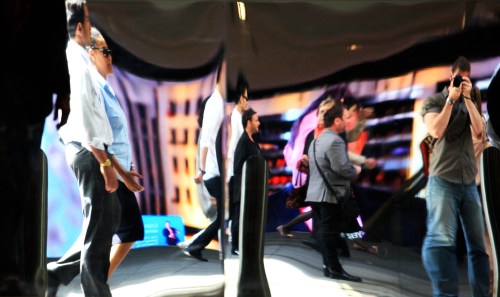
1982 City angles

8297 Sculpture by the sea

2001 Newtown Hotel

1861 Glebe Point

4123 Pitt street mall selfie

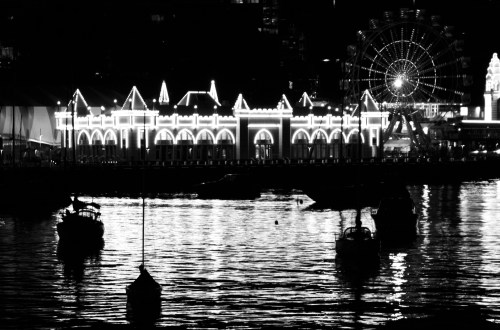
1510 Luna Park, Sydney Harbour

9224 Sunset from the wharf

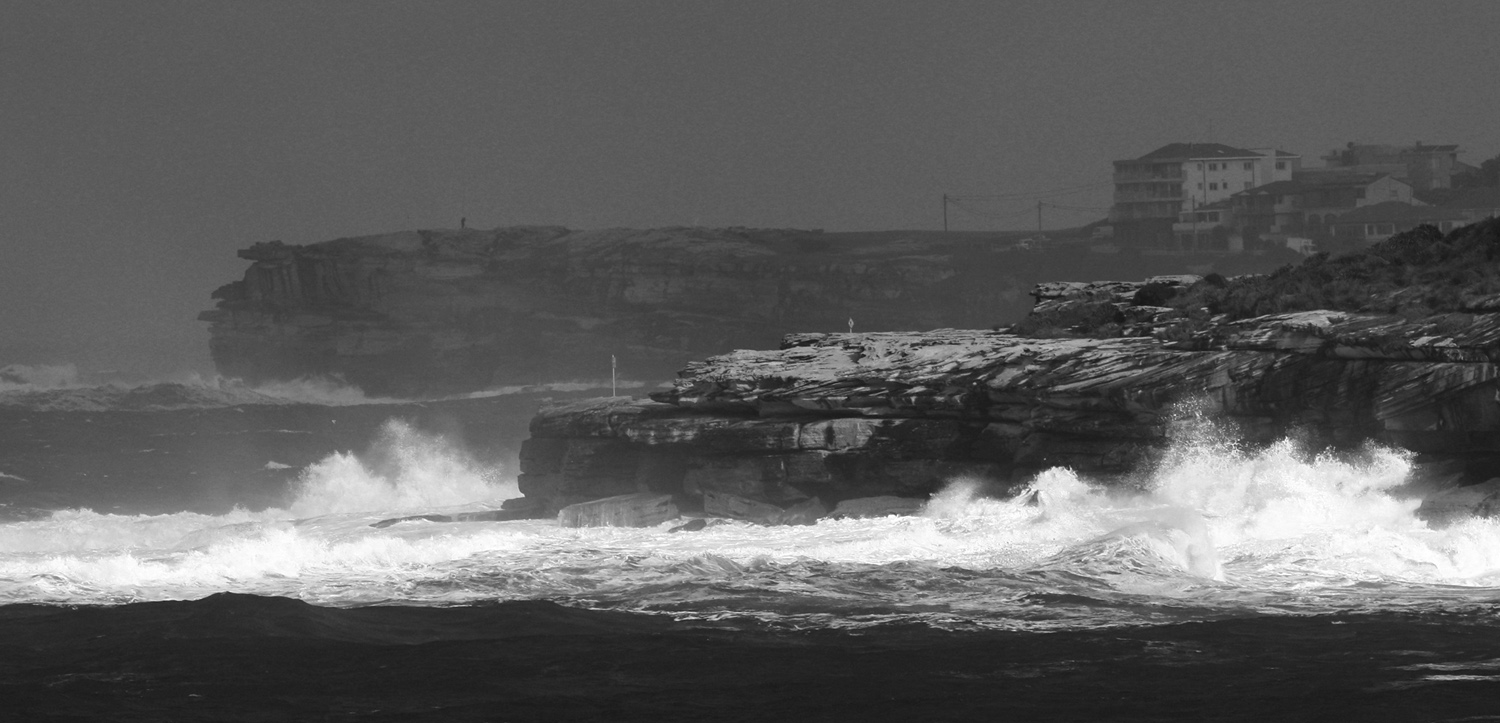
9779 Big surf off coogee

Read Full Post »

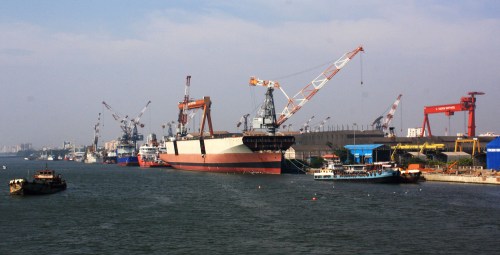
By a happy accident, V and I arrived in Fort Kochi just as India’s first ever Biennale got underway. We knew something was up as soon as we reached Ernakalum, the chaotic hub on the mainland, across from which Fort Kochi sits. From here one must take either a ferry or a long ride across several bridges to reach the old fort on its island promontory. The queues at the ferry ticket office were beyond even typical Indian crowds and contained a high number of foreign tourists, many of whom did not fit the backpacker profile. We had a long wait in the segregated queues – one for men, and one for women – mystified by the heartbreaking openings and closings of the ticket window. I came close to cracking in the hot press for the dusty box office – not even on the Tokyo subway do people cram so close. After perhaps an hour, we finally secured passage and were waved through the exit gates onto the pier. Here the low-slung ferry was waiting, at the back of the throat of a glittering, industrial harbour.

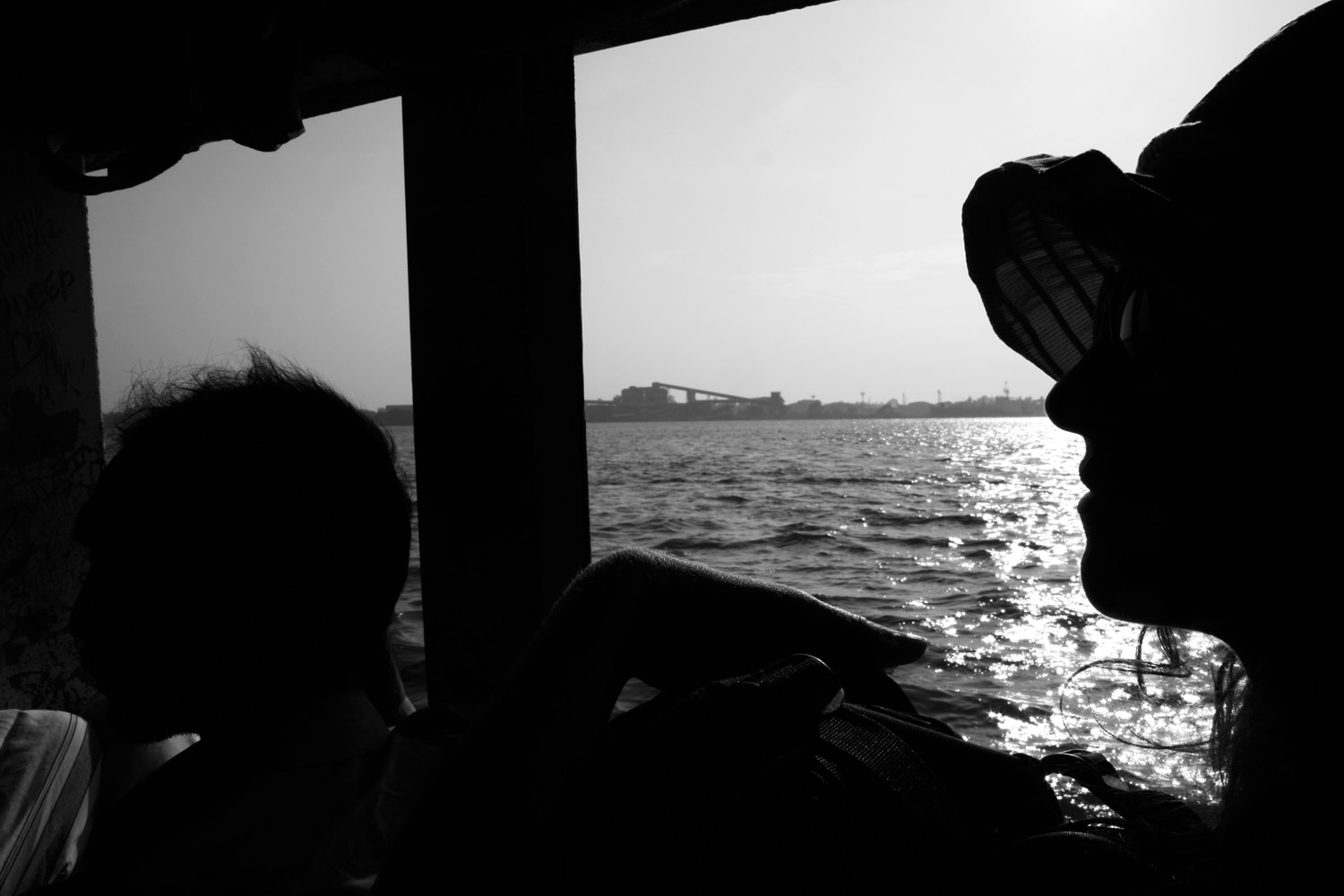
Ferry crossing, Fort Kochi

Kochi, port

We’d had a glimpse of the peculiar geography of this place on the way into Ernakulam, on a bus from Alappuzha. Chugging across the sunstruck water offered further insights into the arrangement of this huge, natural harbour. From the air, Kochi and Ernakulam appear as a network of rivers, channels and islands, much like the rest of the Keralan Backwaters, only in this case, thoroughly developed. Fort Kochi itself sits at the tip of a long finger of land stretching roughly north – south along the coast; one of the headlands across the harbour mouth. To the west it looks out into the Arabian Sea, from whence had come the Portuguese traders who first established a European colony here.

Kochi Map 3 crop

Dutch Kochi 1665

The site of Fort Kochi, originally occupied by a fishing village, was granted to the Portuguese in 1503 by the Rajah of Kochi, after the forces of Afonso de Albuquerque assisted the Rajah in defeating a local rival, Saamoothiri of Kozhikode.

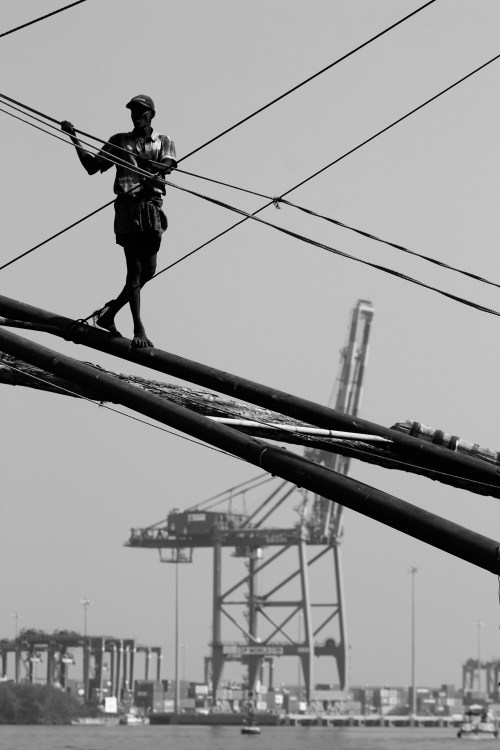
Chinese fishing nets

The Rajah gave the Portuguese permission to build a fort to protect their commercial interests – Fort Emanuel – the first association of this place with a defensive fort. In 1683 Fort Kochi was captured by the Dutch East India Company who ultimately made it the capital of Dutch Malabar. The Dutch reduced the area of both the old Portuguese town and the fort, and destroyed many of the public buildings. They developed the harbour and piers and constructed many merchants’ houses and warehouses, much of which survive today. In 1795, Fort Kochi was captured by the British, who further developed what had become a vibrant and important commercial centre on the Malabar Coast. Fort Kochi remained in British hands until Indian Independence in 1947. This rich colonial heritage has left Kochi with a mix of architectural styles which lends the old town a very European character, something immediately evident upon arrival.

Kochi

Stepping off the ferry we came face to face with one of the longest and thickest queues I’ve ever seen – the poor suckers waiting to get back across to Ernakulam. This crowd was a real mix of middle class Indians and foreign tourists, many of whom appeared to have been waiting for a long, long time to board a ferry. Whether we liked it or not, accommodation or otherwise, we were not getting back across in a hurry.

Our walk into town was a two-way procession – those entering and those leaving – past tired old warehouses and administrative buildings, many of which displayed signs for exhibits within and to and from which people joined and left the procession. Away from the docks and closer to the centre of town, the architecture became more intimate and residential and even more distinctly foreign – was this some dusty, forgotten, southern European port or a city in India after all? Huge fig trees loomed over the junction of Tower Road and Princess Street – the centre of town – creating a shady and remarkably quiet space. The relative absence of the many cars, buses and auto-rickshaws that give much of India a harassed vibe, leant this place an unexpected calm.

Fort Kochi, Biennale

Princess Street was a history lesson in itself. Just wide enough not to be called narrow, the melange of styles – half-timbered frames, Dutch and Portuguese colonial – with, in places, low, terracotta-tiled awnings – offered a charmingly disordered appearance. Nothing was quite new or polished and was instead pleasingly rusticated by time. It was here that we began our quest to find a hotel room, an exhausting process that took three hours and created such a mood of frustration and desperation, that it doesn’t bear recounting. Suffice to say that we eventually found adequate accommodation right where we had begun our search, just in time to settle our fractured nerves and head off in search of more fish curries.

Fort Kochi was crawling with hipsters and art-lovers. Before dinner we stopped in at a “family restaurant”, which everyone used merely as a bar, to find a crowd not unlike that of the Newtown or Surry Hills café scene. Indeed, the people all around us seemed to be from Sydney, Melbourne, or New York. There was a positive and excited atmosphere all about the town – not just from the tourists, but from locals who found themselves with a whole new clientele.

Biennale, Kochi

9737 Biennale, Kochi

Everyone seemed friendly and energetic; all sharing in this curious combination of place and venture. It was at this point that it struck us just how exciting it actually was both for us and for India that this event was taking place right here and now. As wanky as it sounds, I do firmly believe that art has a vitally important role in bringing people together and getting them to think – whether you like the art or not doesn’t matter so much – it’s a great stimulus to look at the world in a fresh way, however briefly.

Biennale, Fort Kochi

9711 Biennale, Kochi

0195 Fort Kochi

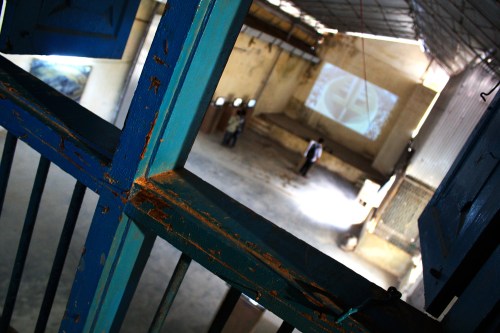
The next two days were dedicated to visiting the various exhibits of the Biennale – all covered by the same cheap ticket. Fort Kochi is an ideal place for a public display of art, full as it is of cavernous old colonial warehouses and administrative building in varying states of repair. After an excellent street breakfast, we began our wandering between these echoing, dusty places. Many of the sites appeared to be disused; cobwebs removed and floors swept, art installed and people invited in.

0080 Biennale interior space

0023 Violins Biennale, Kochi

0095 Pendulous

Much of the time the location was as much of an attraction as the art, which varied significantly both in scale and quality. We wandered up ladders, down long corridors, through unexpected courtyards and cloisters, in and out dusty old doors, at times completely taken by something, and at others indifferent but never really disengaged or disappointed.

0037 Kochi

9806 Biennale

0062 Staircase, old warehouse, Biennale, Kochi

9969 Biennale, Kochi

Without a doubt the highlight for both of us came ironically from a Sydney-based artist – Angelica Mesiti – whose high definition video installation called Citizens Band on four walls of a dark wooden warehouse room absolutely blew us away with its intimate portrait of four public performers and their incredible performances. The combination of the space and quiet, with the moving, intense music created by these individuals was mesmerising. Bukhchuluun (Bukhu) Ganburged, in particular, with his Mongolian horse fiddle and traditional throat singing, left us both in tears of wonder.

Even without the Biennale Kochi is a place worth visiting. It has a quaint and pleasing homeliness to it and many curious aspects on account of its history and geography. We ended up switching hotels three times in three nights, on account of the scarcity of accommodation during this busy time, but this also gave us new perspectives on the town, coming at it from different angles, so to speak.

0304 Pretty autorickshaw

9677 Photostat

9951 Friendly bloke on the bus

9625 Fort Kochi 3

0160 Fort Kochi

0273 Jewtown, Fort Kochi

9902 Gardener plus cricket game

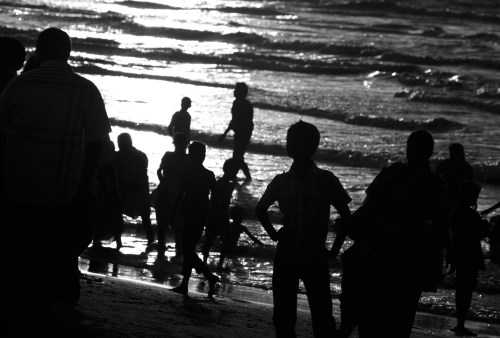
0394 Beach, Fort Kochi

0413 Fort Kochi, beach 2

0339 Beach, Fort Kochi

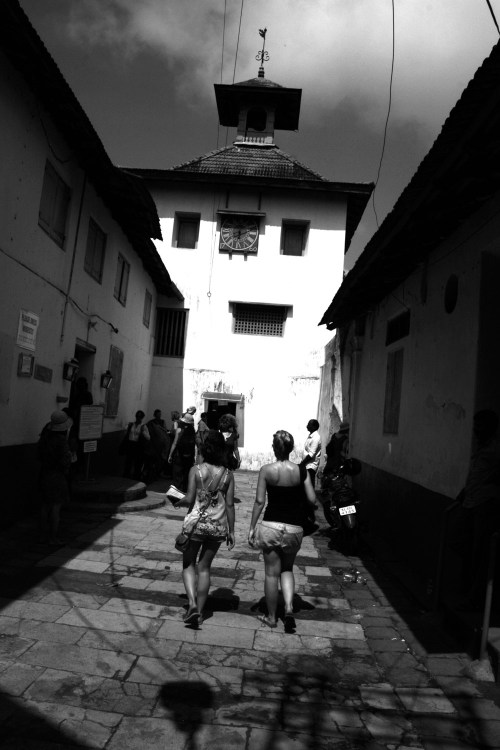
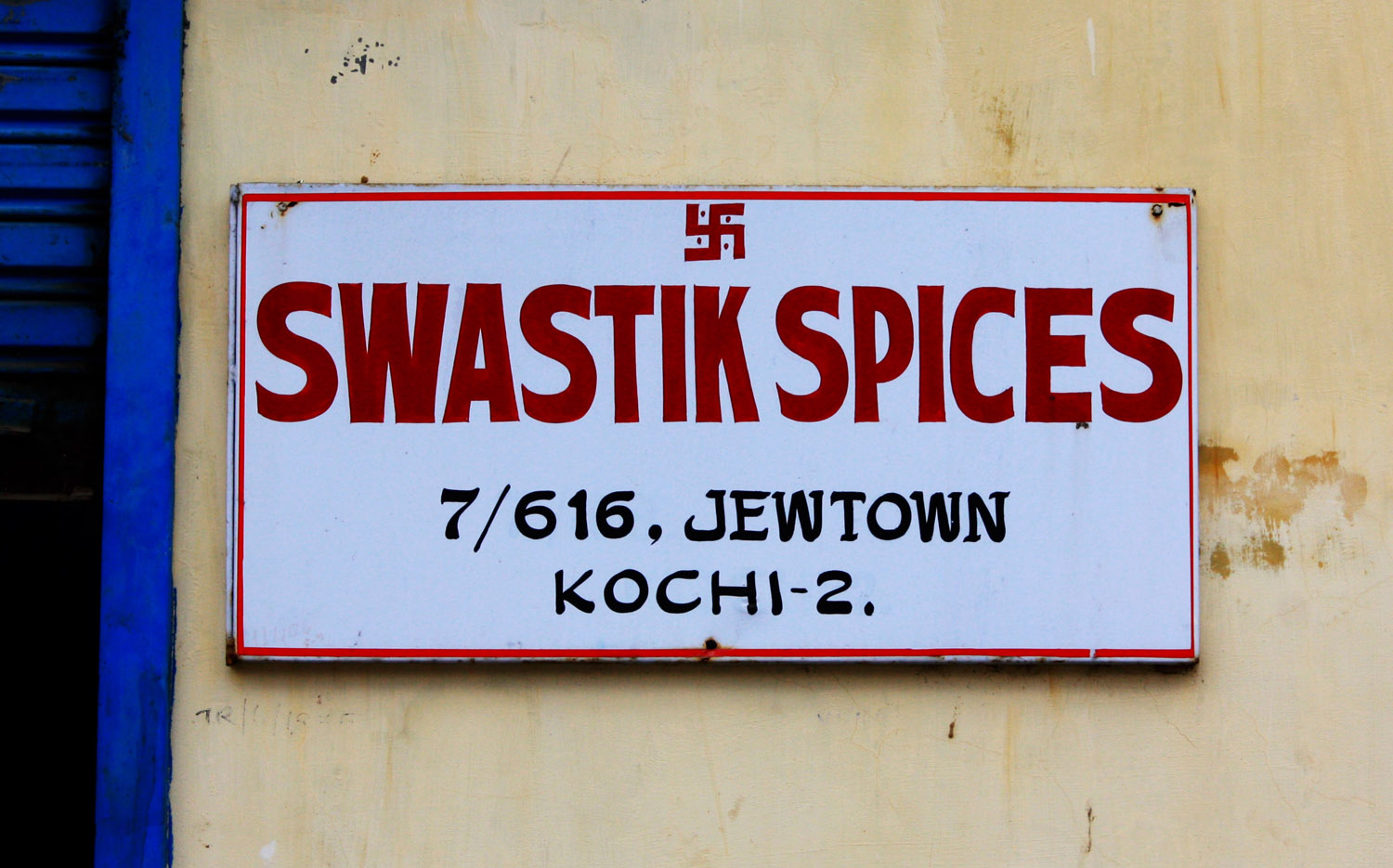
On our second day there, we took a rickshaw down to Jewtown – a place whose name rather too deliberately makes plain its origins. There is a beautiful old synagogue and warren of streets, and it is likely the one Jewish community in the world in which the swastika is displayed publicly – often with the names of local businesses. This must seem a most confronting and bizarre juxtaposition for any visiting Jews, and one is forced to accept that, after all, it was the Nazis who appropriated this symbol from its far more peaceful origins in and around the subcontinent.

0299 Holiday planners

0242 Jewtown, Fort Kochi

0267 Jewtown, Fort Kochi

On our final night there we dined at a place called Oceanos, famous for its seafood. I mention this as we had, over the past week, been on a quest to find the best fish curries in India. By this stage, we had been very successful on Varkala beach – discovering a restaurant whose name escapes me – where one could, whilst listening to the plash of the surf, eat juicy Kingfish Marsala that, flavour and texture-wise, ranks as the best dish I have ever eaten. On that final night in Kochi, we again struck gold with all three fish curries we ordered. Again, the fish was fresh, cut into large, tender chunks, and cooked to perfection in astonishing marsalas and the Spicy Syrian Catholic Fish Curry left us reeling in paroxysms of pleasure. I could not recommend this dish more highly, and quite literally, for I do not think there is any dish in the world that can top the orgasmic joy that flooded us both as we savoured every last morsel.

Chinese fishing nets, Kochi

0396 Fort Kochi beach

0330 Beach, Fort Kochi

9765 Chinese fishing nets, Kochi

Read Full Post »

Ancient Faces

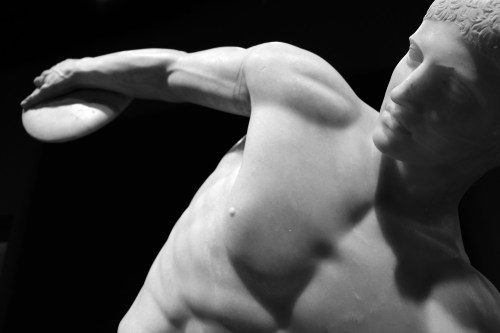
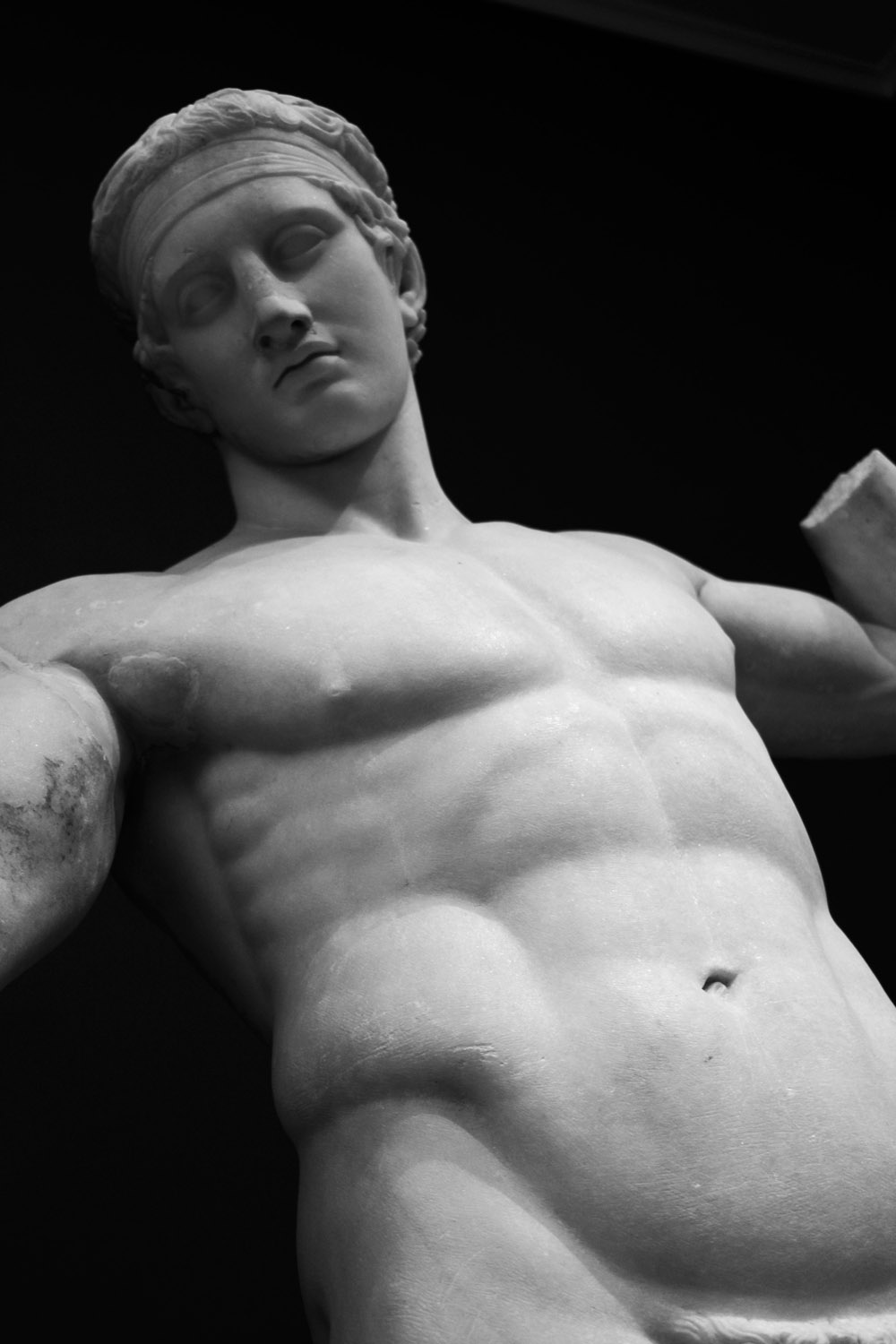
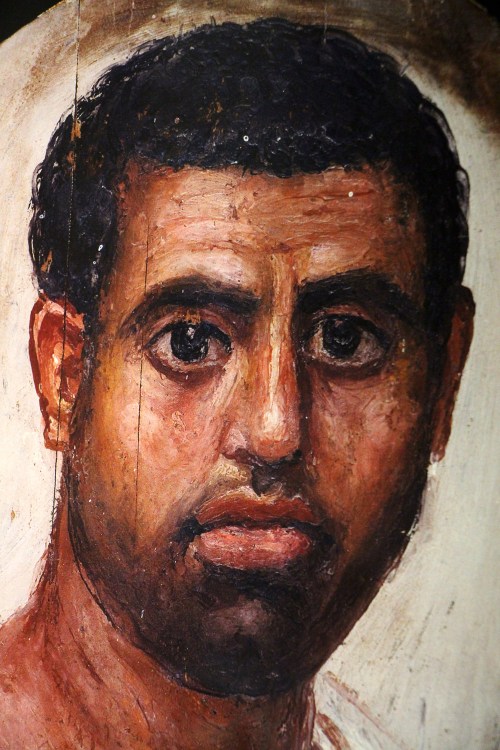
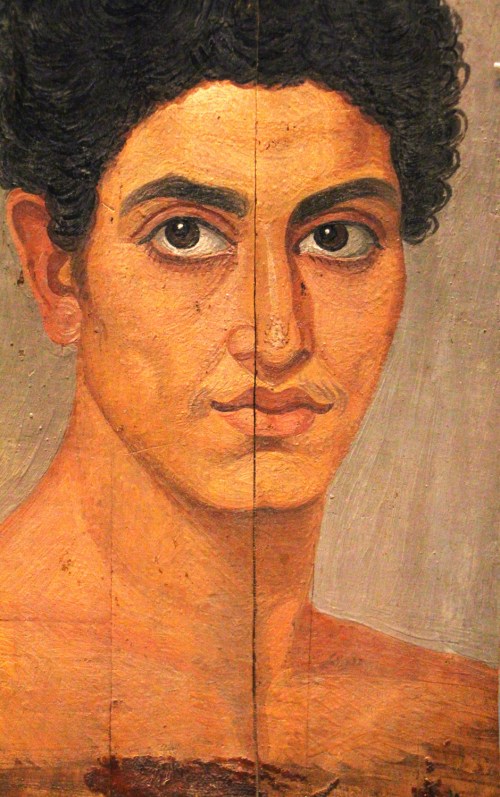
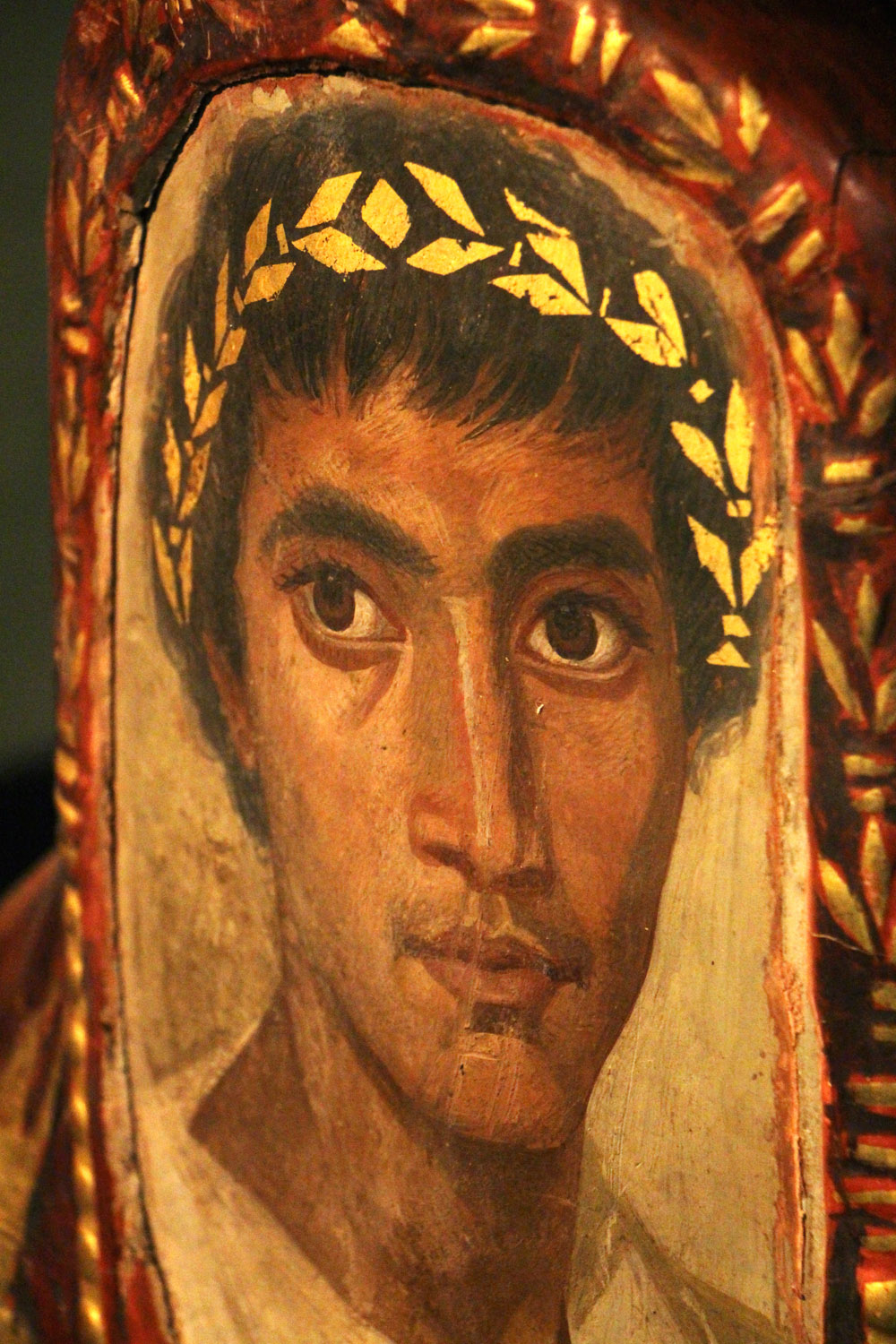
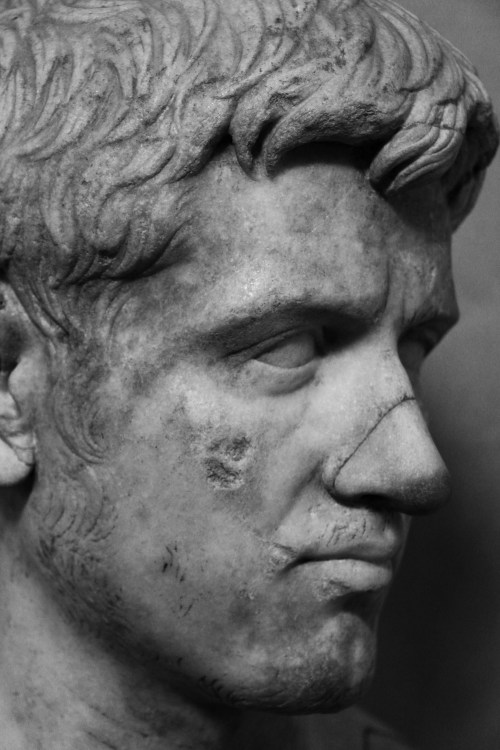
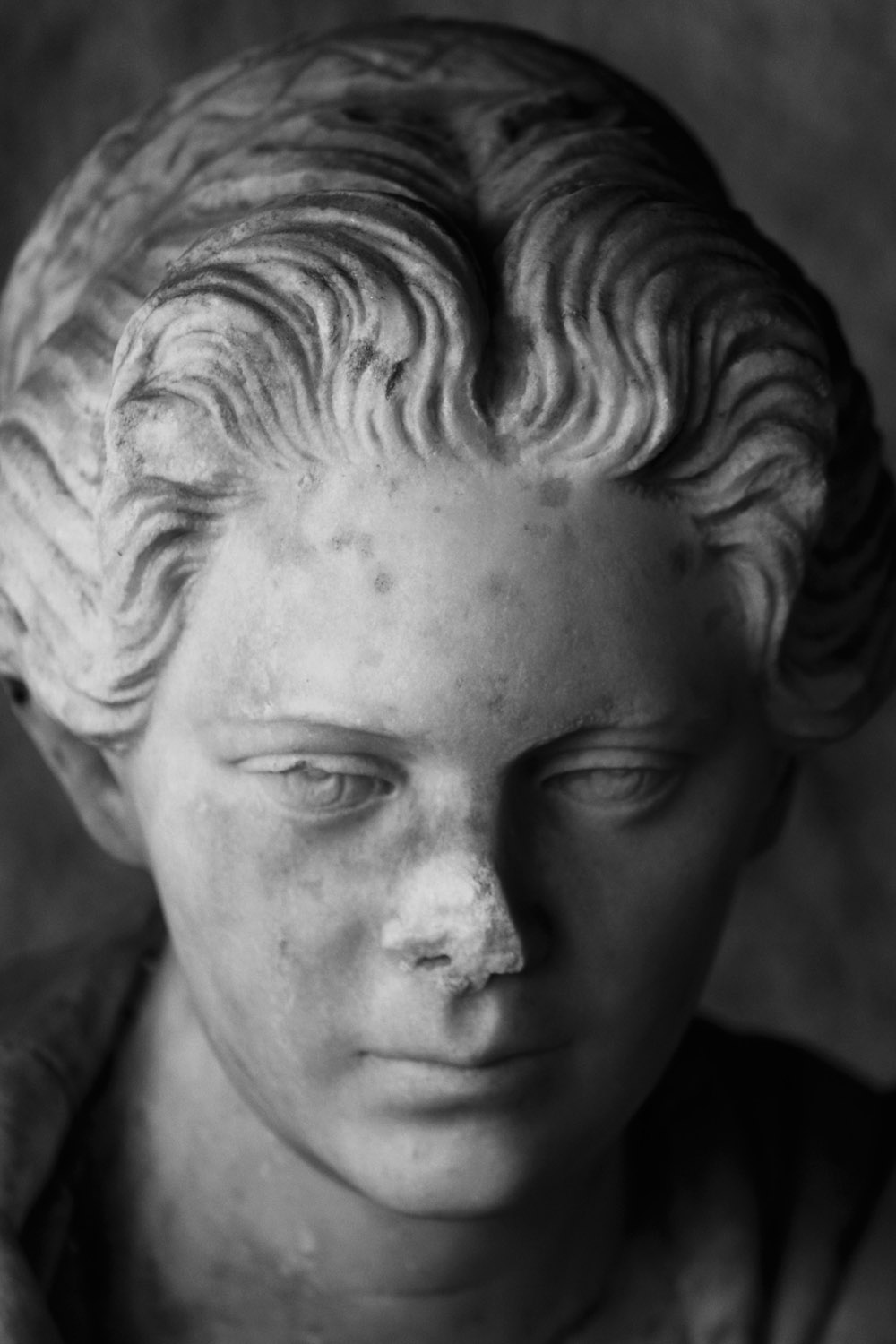
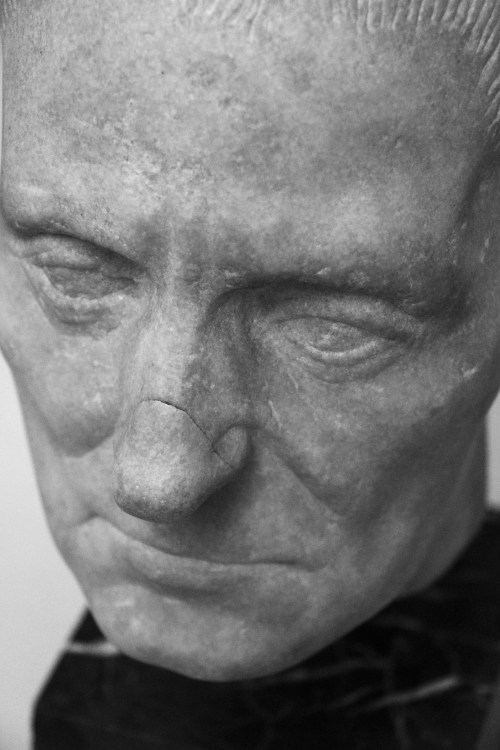
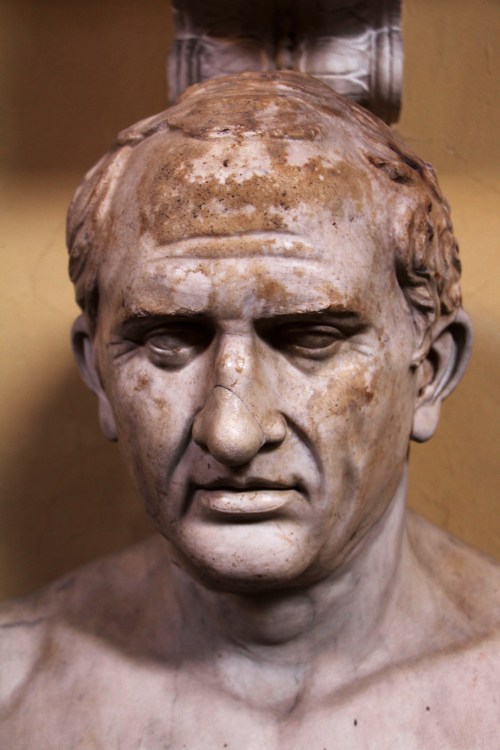
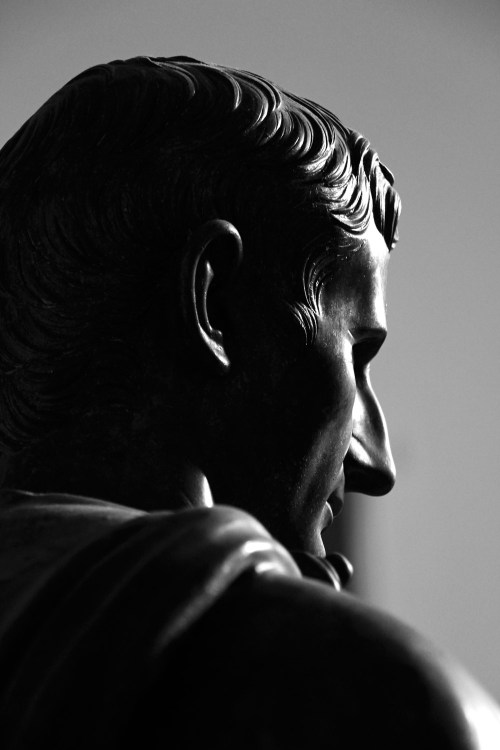
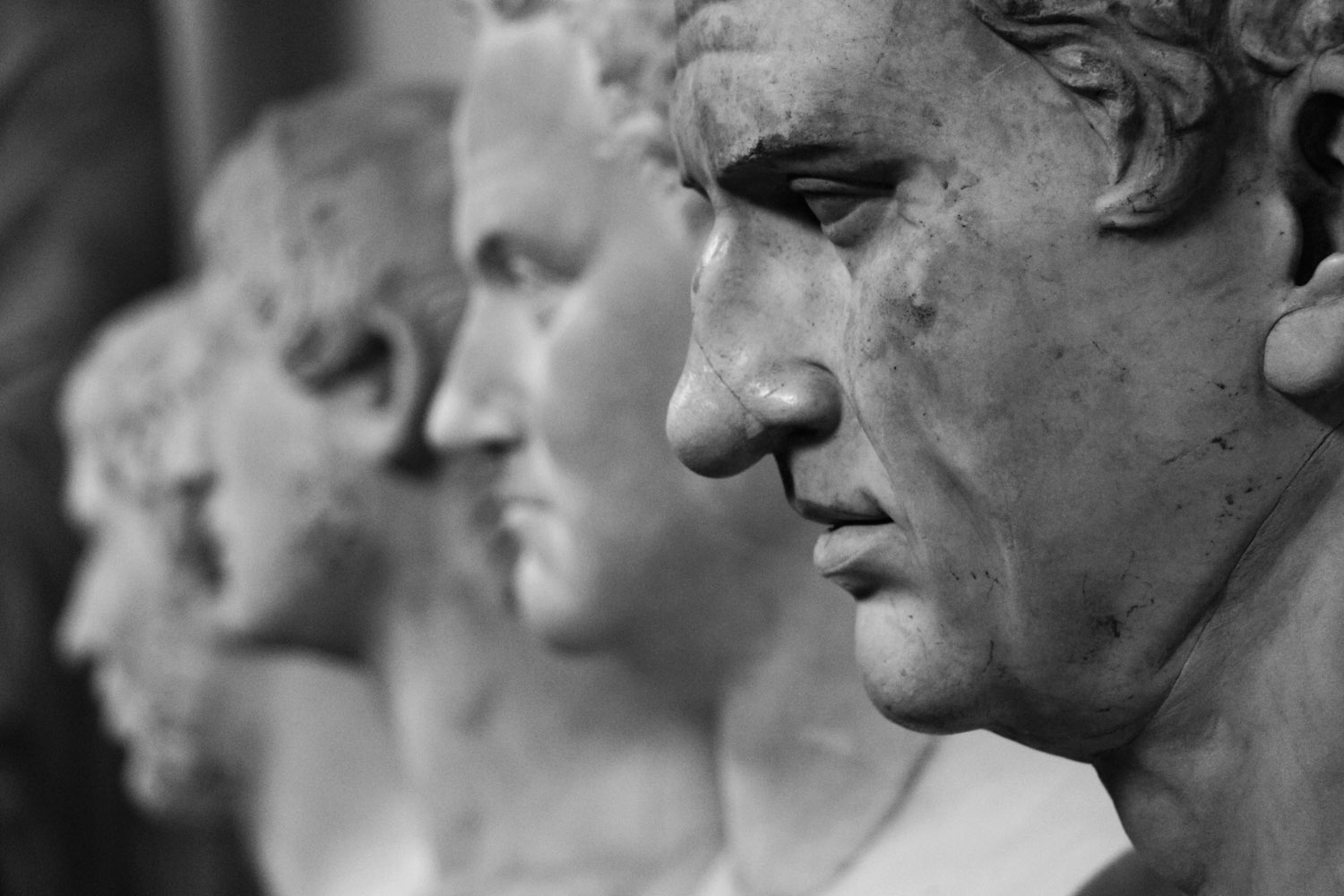
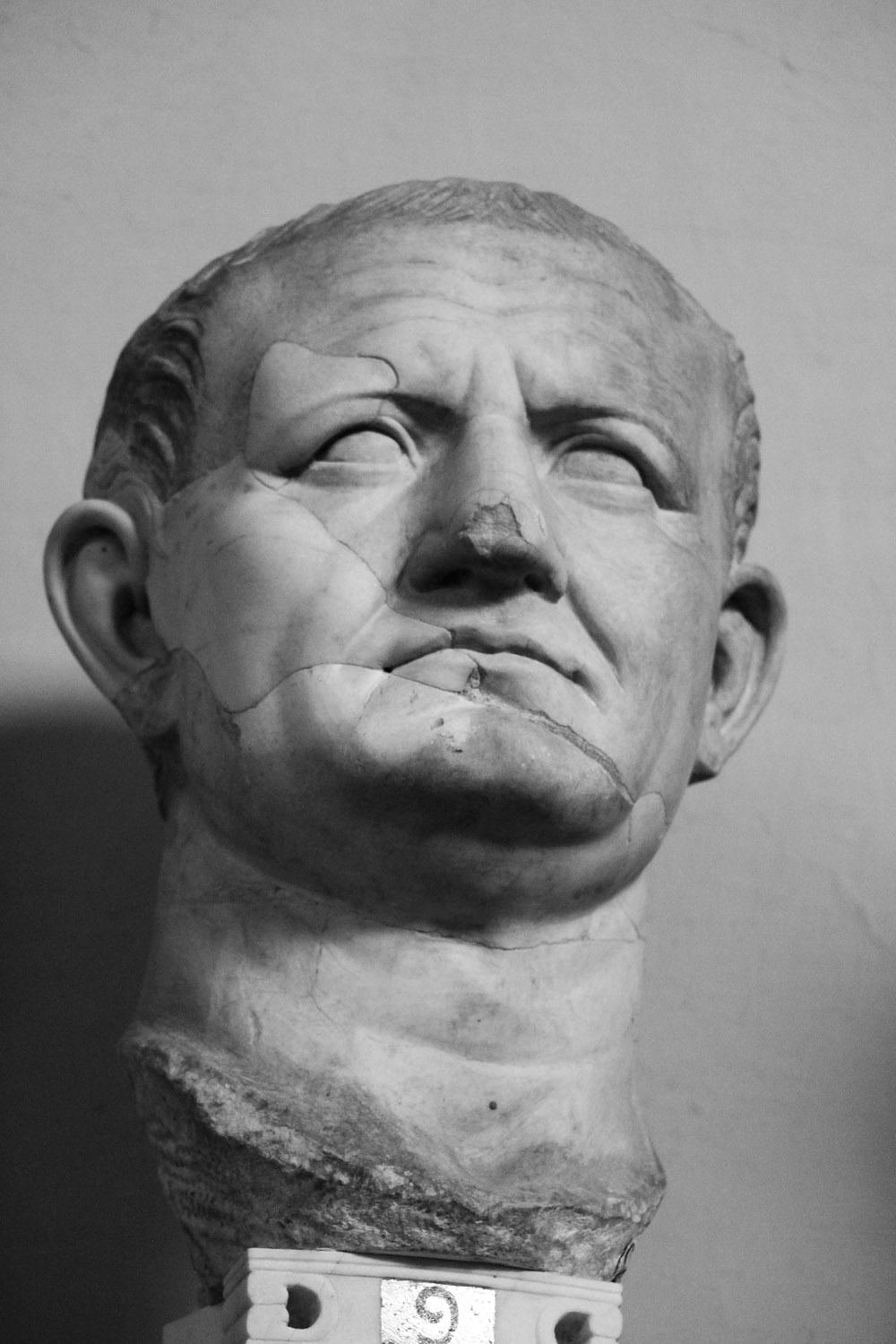
It is haunting to look into the faces of ancient people long dead, especially when they appear to be looking back at you. There are many thousands of examples of ancient and medieval portraits surviving from past civilizations for whom depicting the human form was acceptable – almost all, for that matter, prior to the rise of iconoclasm. Many of these portraits, however, are either stylised or idealised and whilst they may display certain individualistic traits, they often lack the convincing sense of having captured an individual as they genuinely appear.

Discobolos

Greek idealism

This, however, is not the case with Roman realism. Whilst the Greeks tended to make the features of their sculptures and reliefs more uniform and ideal, the Romans were into warts and all verism.

Roman realism

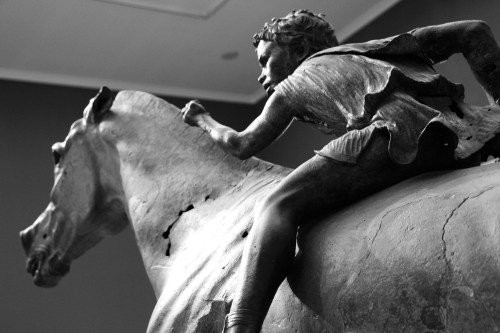
People are too often ready to criticise Roman art as somehow secondary to Greek – at worst, they are seen as a bunch of unimaginative copyists and imitators, who never had an original idea of their own, whilst at best they are considered to have adopted and perfected existing styles and techniques. Inevitably the Romans borrowed heavily from their predecessors – both Greek and Etruscan – just as any artist of any time is guided and influenced by the artistic context in which they operate. After all, their empire spread from a city once ruled by Etruscan kings in close proximity to the long established Greek colonies in southern Italy. The Greeks had taken landscape painting, mosaic design and sculpture to such a level, that there was little room left for progress so far as technique was concerned. Take a look at this life-size Hellenistic bronze of a boy jockey and racehorse from the 2nd-3rd century BC.

Perhaps, despite the astonishing skill and beauty of Roman art, it is for these reasons that we think of the Roman contribution as far more pragmatic  – architectural, technological, logistical. After all, the Romans invented concrete, the arch, aqueducts, waterwheels, the monumental dome, the force pump, greenhouses, hydraulic mining and the multifunctional pocket-knife to name a few.

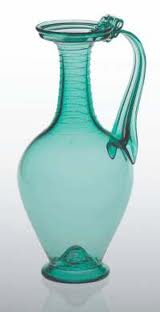
Yet the ancient world was by no means all Roman hardware and Greek software, so to speak. The Romans invented glass-blowing, for example, and, despite its fragility, we have countless examples of astonishingly fine Roman glassware to admire.

It is also important to remember that by the end of the 1st century BC, the Roman world incorporated all of Europe, West and East, including Greece of course, North Africa, Egypt, and the Middle East – a world rich in artistic traditions including and predating Greek contributions and refinements, and one that blurred the boundaries between “Roman” and other artistic traditions. The vast international, multicultural enterprise that was the Roman Empire, the world’s first truly global superpower, continued to thrive for centuries beyond this, during which time the blending of these cross-cultural influences continued. The Roman “Baroque” of the thriving second century AD is the technical high-point of this multicultural enterprise. In AD 212 Emperor Caracalla passed an edict extending Roman citizenship universally across the Empire. From thereon, where can one truly draw the line across this huge cultural melting pot as to who was Roman or otherwise? Consider traditions such as the Romano-Egyptian mummy portraits of Roman Egypt – a classic example of this cultural blending.

0149 Ancient face

0087 Romano-Egyptian portrait

0090 Late Romano-egyptian portrait

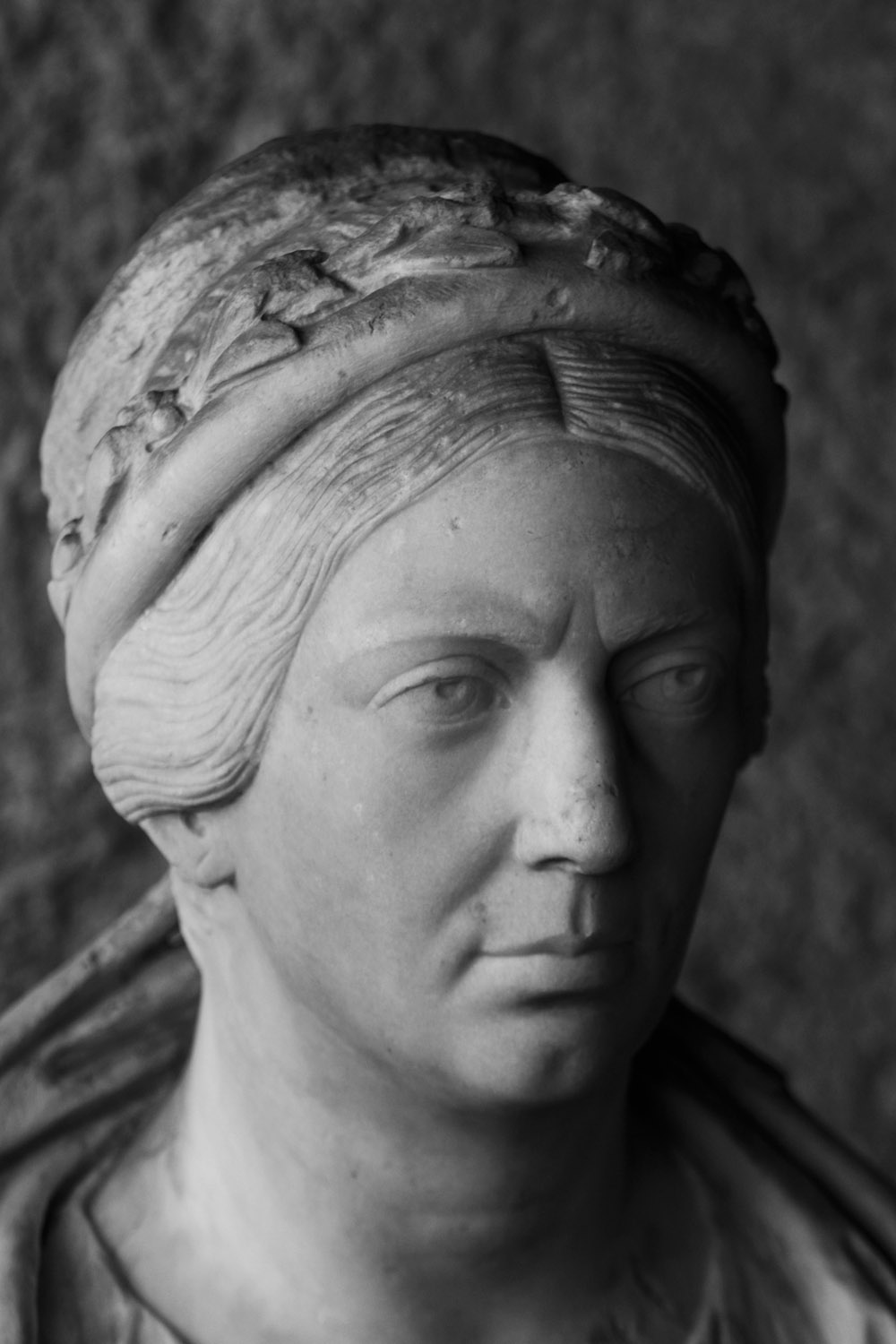
Yet, irrespective of all this, there is one outstanding and significant and distinctly Roman contribution to art – veristic portraiture. Whereas the Greeks were dreamers who preferred idealised figures and faces – most of which appear post-coital – the Romans tended towards an almost painfully acute realism.

Frowns, double chins, jowls, bushy eyebrows, laugh lines, stern expressions, baldness, all abound in Roman realist portraiture. And the portraits themselves are hauntingly life-like. This is no approximation of an individual’s appearance, but rather an exquisite rendering of a person’s insecurities, burdens, life experience and temperament.

5203 Ancient Roman

3992 Roman matron

5201 Living ancient

5209 Roman realism

Roman matron

0142 Ancient faces

5219 Roman matron

5197 Cicero

4289 Augustus

5217 Cicero in profile

5218 Roman realism

Artistically the tradition derives from an early Republican habit of keeping family death-masks in the house, usually displayed in niches in the walls. Wax portrait heads of ancestors were also displayed in public processions. With the early Romans being so focussed on discipline, both within the family and public life, one can imagine how effective being watched by ones ancestors might be as a means of keeping one in line. There was also a certain distaste for the indolence of Greek and Etruscan life and Roman realism was not merely a reflection of their austere virtues and military traditions, but also a reaction against the rendering of people with a divine aspect. The Romans, despite their love of Greek art, liked to keep it real when not romanticising the mythical past.

Part of the appeal of Roman realism is that it constitutes an appreciable form of commemoration to which I can relate. These days, we probably wouldn’t be happy if the only image we had of our parents looked nothing like them, but rather some stylised, or idealised representation. Sure, we want them to look their best, but we do want them to look at least somewhat like they did in life. So it was for the Romans.

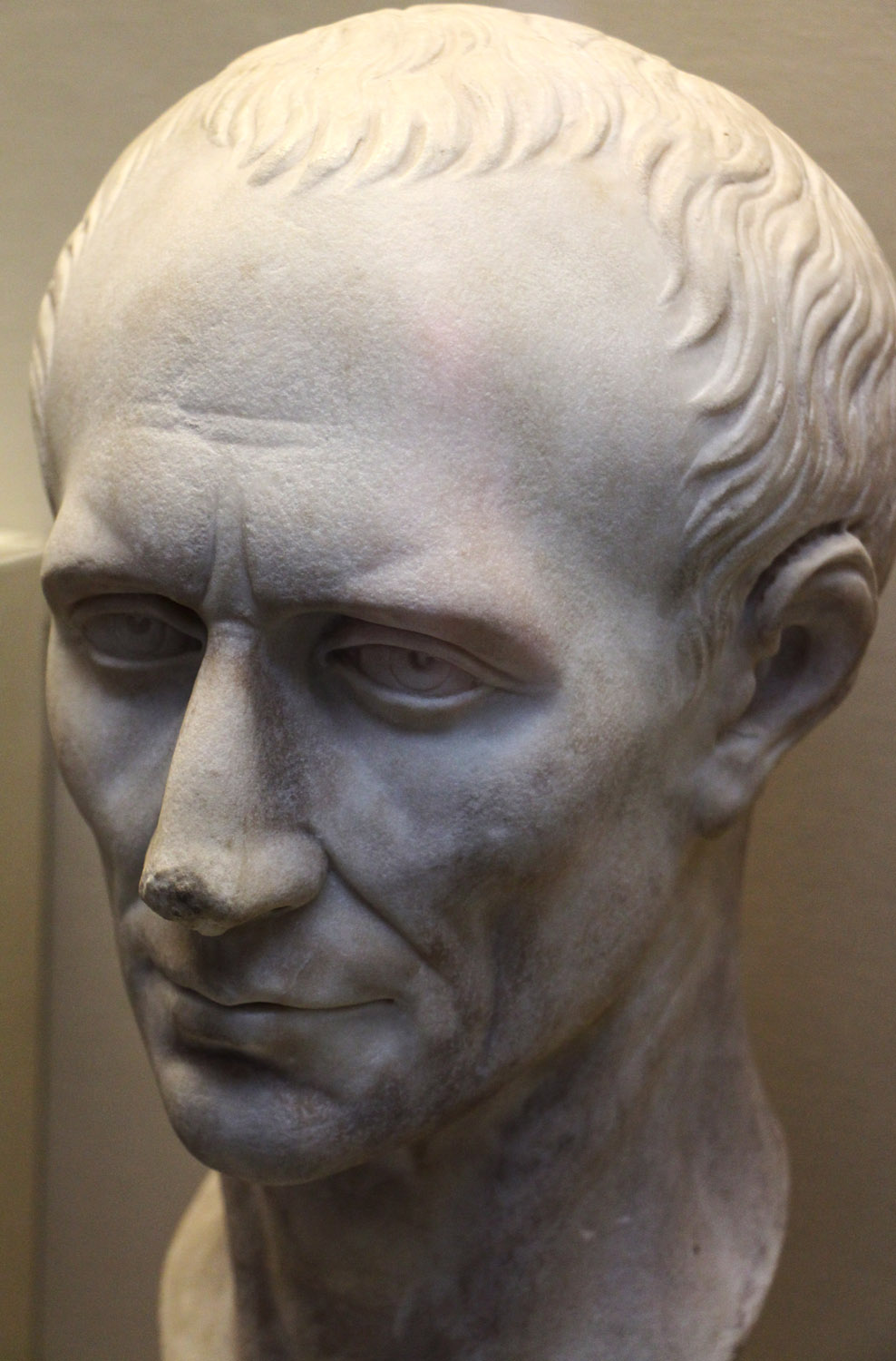
Consider this head of Julius Caesar, for example.

Caesar

Bearing in mind the skill of Roman realist sculptors, one gets the sense that this is actually what Julius Caesar looked like (though the amount of hair atop his head might be an exaggeration.) How many ancient figures, apart from certain prominent Romans, can we convincingly recognise as clear and distinct individuals and feel we have a real sense of their features? With the exception of some excellent earlier Greek examples – take Socrates, for instance – we have very few life-like portraits from antiquity outside the Roman period. Alexander the Great has a recurrent uniformity to his images, yet still they look like a gloss – an idealised, air-brushed image of a god-like youth.

Head of

His face contains some pathos, yet I remain unmoved by it.  Only with Roman realism do I feel convincingly that I have come face to face with people from the classical world.

Read Full Post »

Photo Bomb

I just returned from three and a half weeks in Europe to find that most of the photos I took are worthless. It’s one of the worst shocks I’ve had in ages, and have only got myself to blame. You may wonder how, in this day and age, shooting with a digital SLR, it might be possible not to realise that the photographs you were taking were substandard, but that’s the truth of it, I didn’t actually notice. Shoot me.

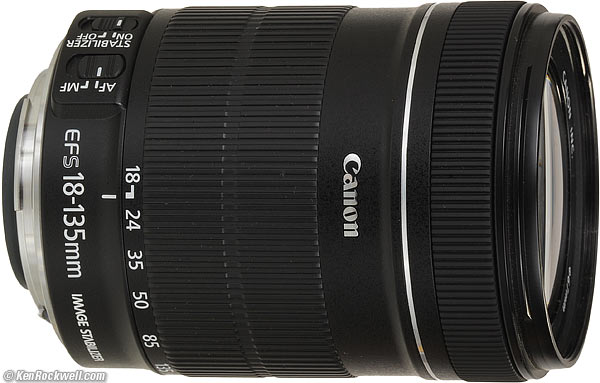
Just prior to leaving – indeed, the day before – I went into town to buy a new lens. My old 18-55mm had gotten dust or mould inside and was producing shots with scattered blotches. These were hardly noticeable, if at all, in night shots, but alarmingly clear and unattractive in every other context. I didn’t intend to spend a lot of money, but rather was happy to get another standard Canon kit lens, which had worked fine in the past. I prefer shooting with a 70-200mm L-series lens anyway and wanted the 18-55 mostly for landscape, interiors and night shooting.

Once inside the shop, feeling rarely flush with cash, I decided that now was the time to upgrade my camera as well, which would, after all, provide a new lens or two anyway. Having been for so long using a Canon 450 D, I was inclined to stick to the same series that had served me so well in the past and bought the 700 D. It was at this point that fate intervened in a way that I initially thought was fortuitous, but was ultimately to bring about my downfall. The store had no remaining cameras with the 18-55mm lens, but only the 18-135mm, which would come at the same price. This seemed fortuitous in that I liked the versatility of being able to shoot more open, landscape shots, and, where necessary, zoom without having to change lenses, which can be a bit of an impractical ball-ache in opportunistic moments. This lens, it seemed, would be superior to the other anyway. It felt like a score.

Cut to Europe a few days later, and me happily snapping away with my new camera and lens and feeling pretty pleased about it. So far as I could tell from the screen on the back, things were coming up clearly and smoothly and there was nothing to be alarmed about. Despite travelling with my laptop and backing up all my photo files onto it each day, I didn’t actually look at the photos at all. This might seem kinda careless and crazy, and in retrospect, I’m kicking myself for not doing so, but in truth, because I was travelling with V, I didn’t want to agonise about my shots and spend time going through them each night, and anyway, I was confident from having had only positive experiences with Canon lenses before. I had done this on my last two trips to India, and did it all the time in Sydney – shoot first and ask questions later, confident that I would find good shots when I got back and sorted through them all. I even recall zooming in on several images on the viewfinder and feeling satisfied with what the camera was doing. It seemed to me that the upgrade was, in fact, an upgrade. When I got home I would find the usual mix of good shots and bad shots, dictated not by the standard of the lens, but by my choice of compositions, angle and the like… So much for blind trust.

Unfortunately, on returning, I found that this so-called lens is in fact a total and utter turkey. I do not have one positive thing to say about it at all – I don’t know what kind of second-rate glass they use in it, but it can’t handle anything in low light at all, it does not focus properly, has an awful depth of field which means that, in most cases, one very small section of the image, at any range, is in focus, and everything else is not – leaving an ugly blurring effect like a badly out of focus shot for most of the image, rather than the charming, heat-haze effect of quality glass; its colour reproduction is appalling flat and dull, with thin, glaring skies and dirty ochres, it lacks contrast and silkiness in shadows, the edges of things are not crisp, it can’t deal with movement at all… in other words, it’s a total and utter bucket of shit and Canon should cease production and sale of this lens immediately.

Canon 18-135mm

What makes this all so bloody awful is that for me is that, lulled into a false sense of security about this lens, I shot with it most of the time because of its apparent versatility range-wise. Many times I thought about changing lenses, but decided it was unnecessary on account of being able to achieve the required range with the 18-135. How I wish I had made those changes! Now, instead, I find that almost 95 percent of the shots I took, including all night shots, all interior shots, and pretty much everything else, are unusable swill. It’s a dreadful blow and I feel gigantically disappointed to say the least. It’s not every day that you get to travel through the Greek Islands and spend a week in Rome on an eating, drinking and shooting spree. I guess I shall just have to go back and do it all again… bugger.


Read Full Post »

Black & Blue stuff

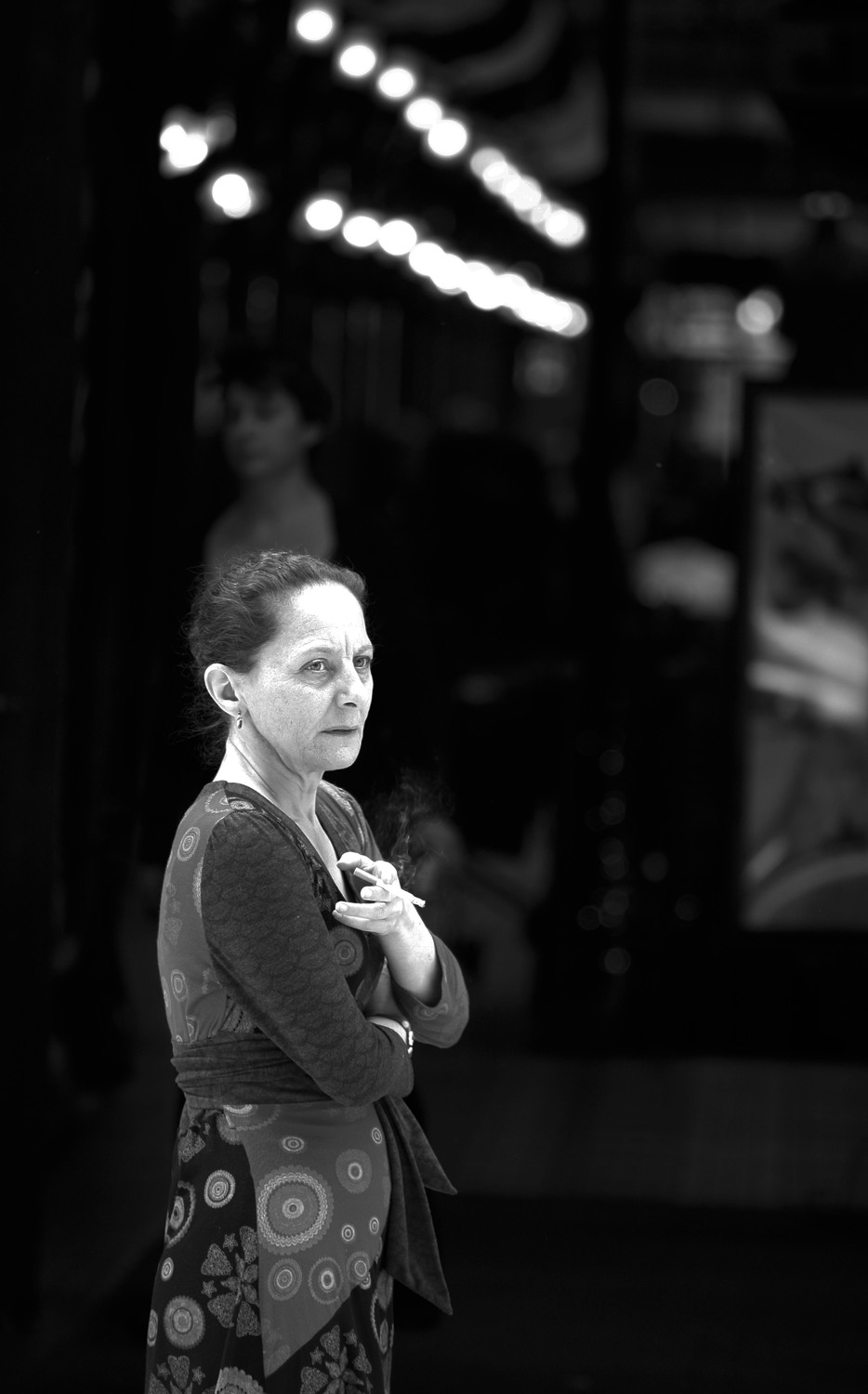
With the exception of the shots from the Skunkhour gig, these are all taken over the past few weeks. All of them are from the city or the inner west of Sydney. Slowly I’ve been warming up for an impending trip to England, Greece and Italy – leaving first thing Thursday morning. We’re flying into Londres : ) then, after four or five days in Cambridge, flying out to Rhodes. From there we are island hopping via Santorini and the ruins of Delos to Athens over ten days, before flying to spend a week in Rome. This trip is not about new discoveries but catching up and refreshing old favourites, and I’m especially excited about revisiting two places I’ve lived in previously – namely Cambridge and Rome. The last time I was in Rome was February 2008 – five years after I lived there. It seems about right, therefore, that I should head back there in 2013.

Thusly, I’ll be away for roughly 25 days and hence may not contribute a great deal to Tragicocomedia. I’m not ruling out contributing a hell of a lot either, but judging on previous form, there’ll be too much amazing stuff to look at and photograph and I’ll be adequately distracted. Either way, life goes on.

4067 QVB Smoker 2

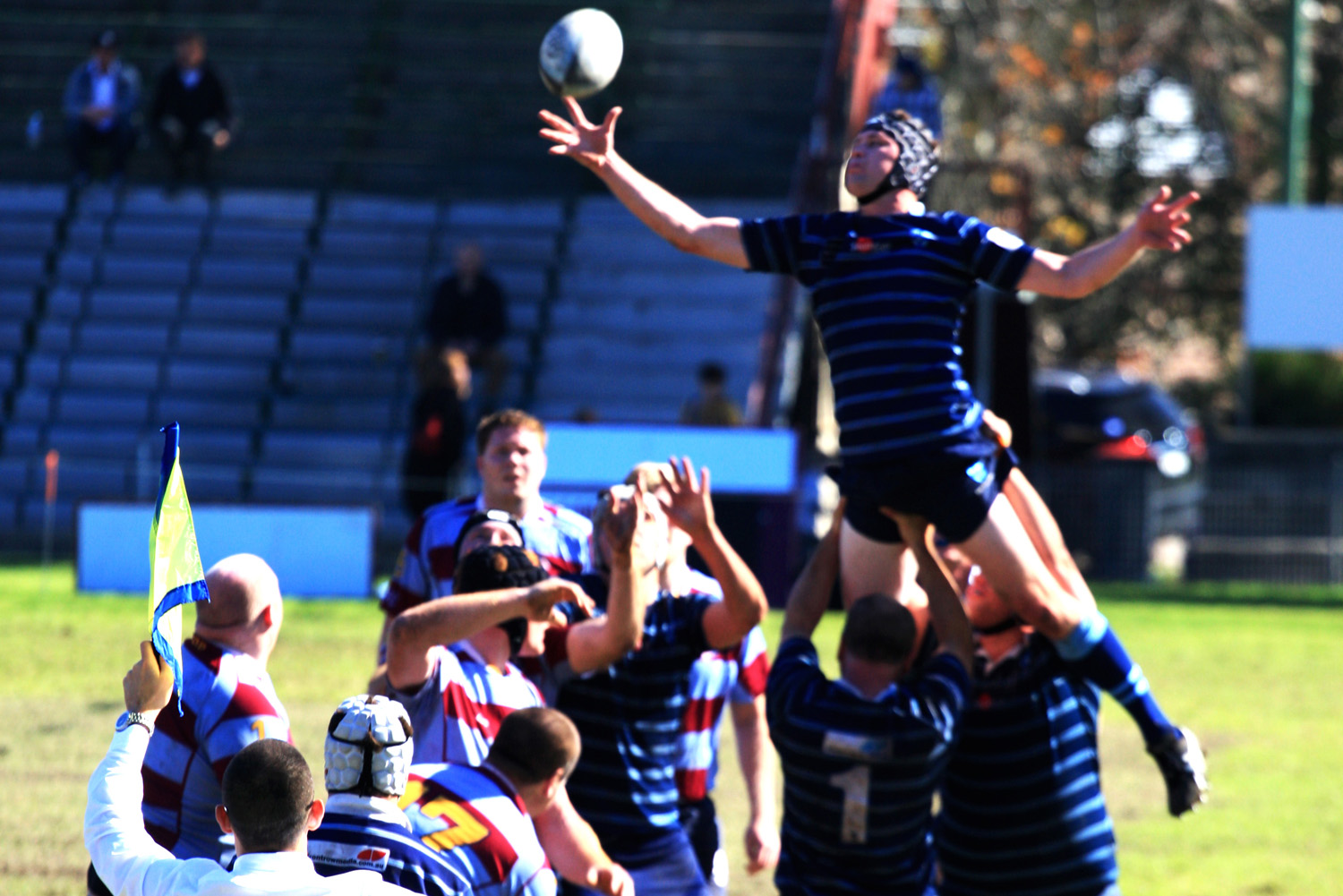
1028 Local rugby union

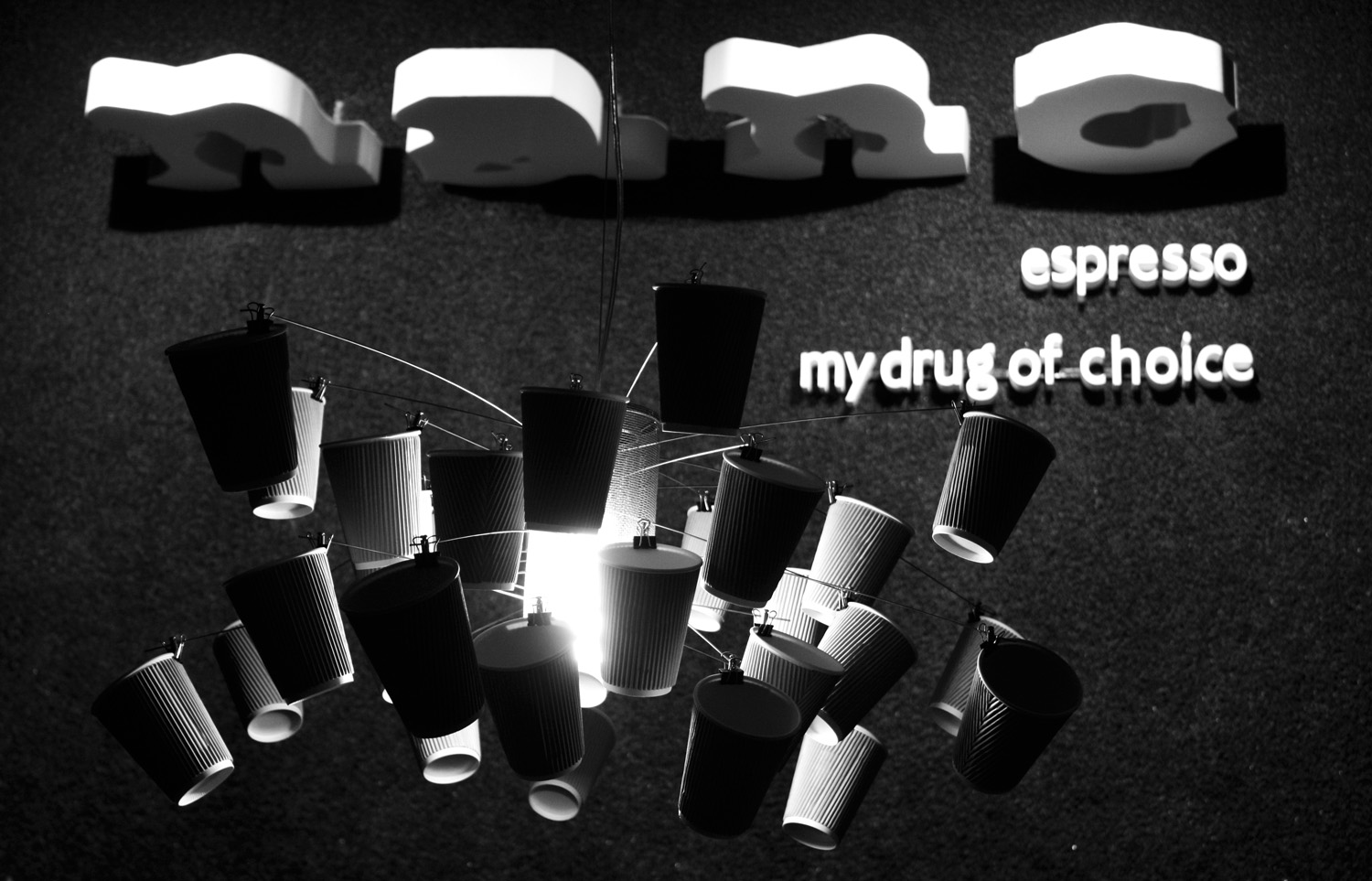
5562 Drug of choice

6002 Man on the street 2

1058 Purple dude

5792 Gig

5544 QVB Christo

5571 Back lane, Surry Hills

1030 Bunch of blokes 2

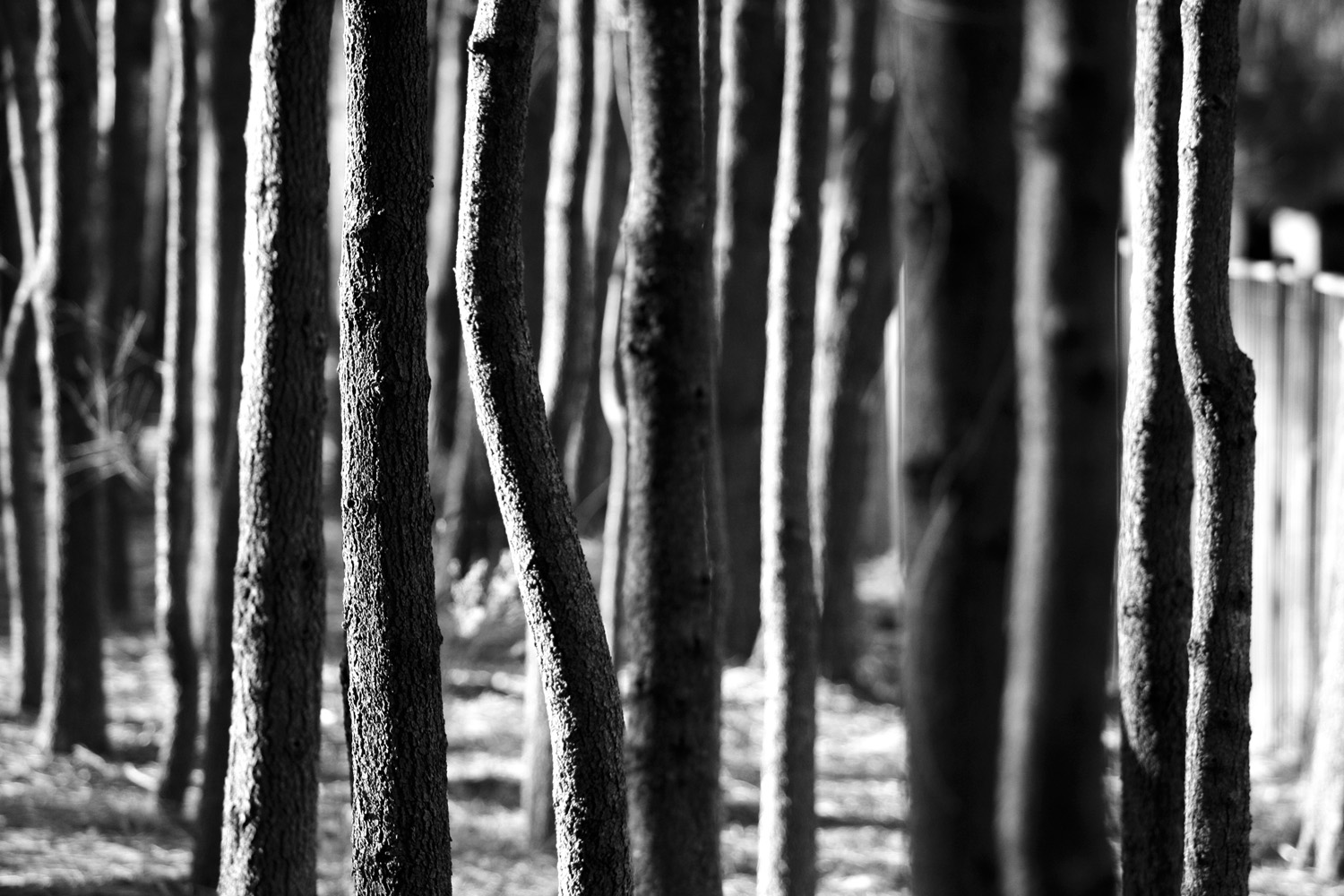
1602 Slender trunks

5031 Kirribilli markets

1969 Camperdown

1022 Parramatta rd selfie

6011 Door

1623 Glebe Point 2

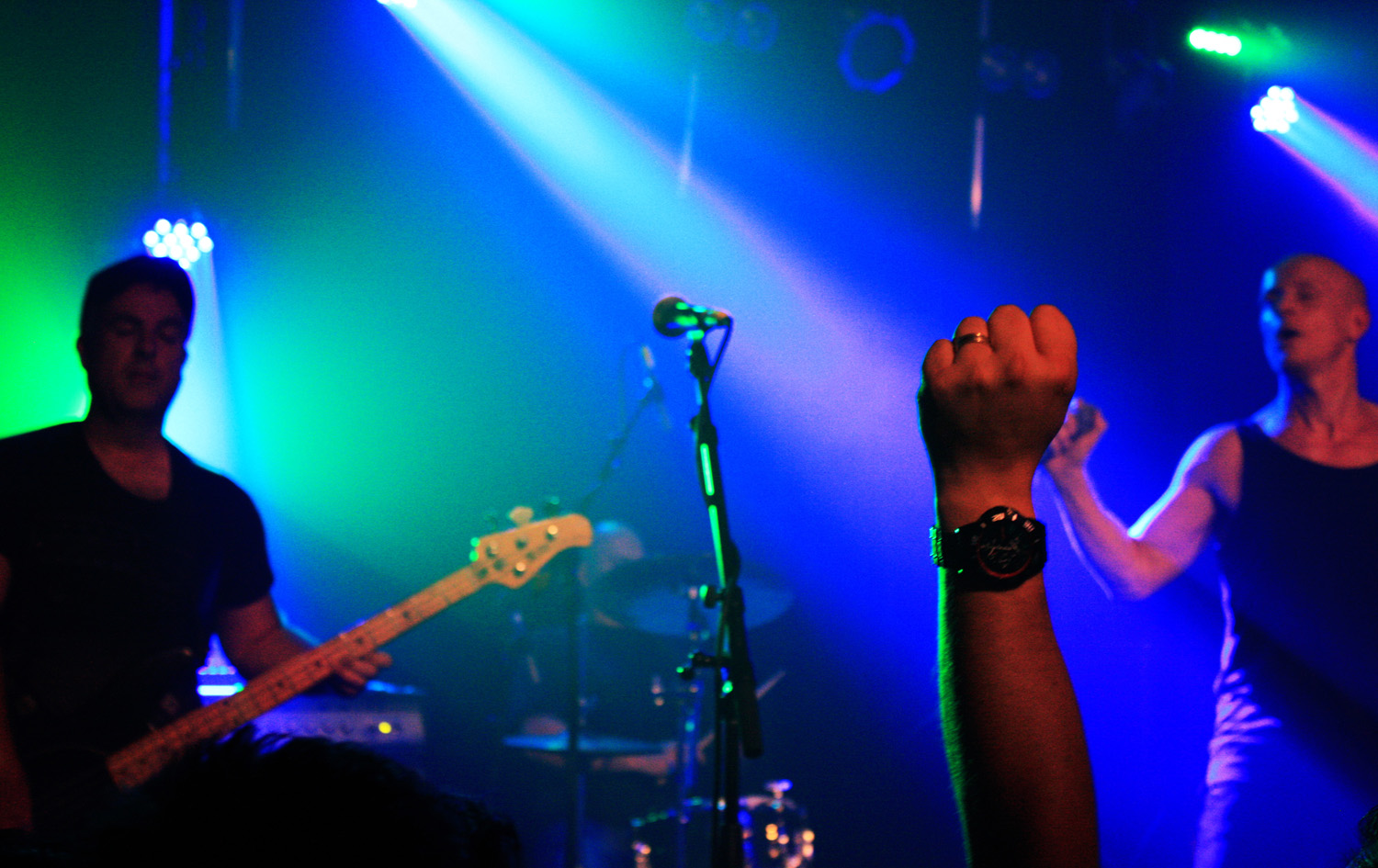
5656 Skunkhour

5083 Peace, bro

6015 Marble reflections 2

1682 talking

5643 Deano 2

1090 Triangle

1703 Big stuff

1848 Benevolent

5611 Buddha

1516 Afternoon snooze

1582 Trap!

Read Full Post »

Stuff wot I saw

This is a collection of recent shots from around Sydney, mostly taken along George Street, a regular haunt of mine for better or for worse. Been trying to work angles a lot more recently, something evident in this bunch of shots. As the title says, in a nutshell, this is just some stuff wot I saw : )

Agony and ecstasy

Camperdown

Reading the can

George street

Window display, State Library


George street reflected light

Surveyor 2

George street

Number 84

Chinatown

Stairwell

Carriageworks

Lifeboat 2

Read Full Post »
« Newer Posts - Older Posts »