Feeds:
Posts
Comments

Archive for the ‘Sydney’ Category

Interregnum

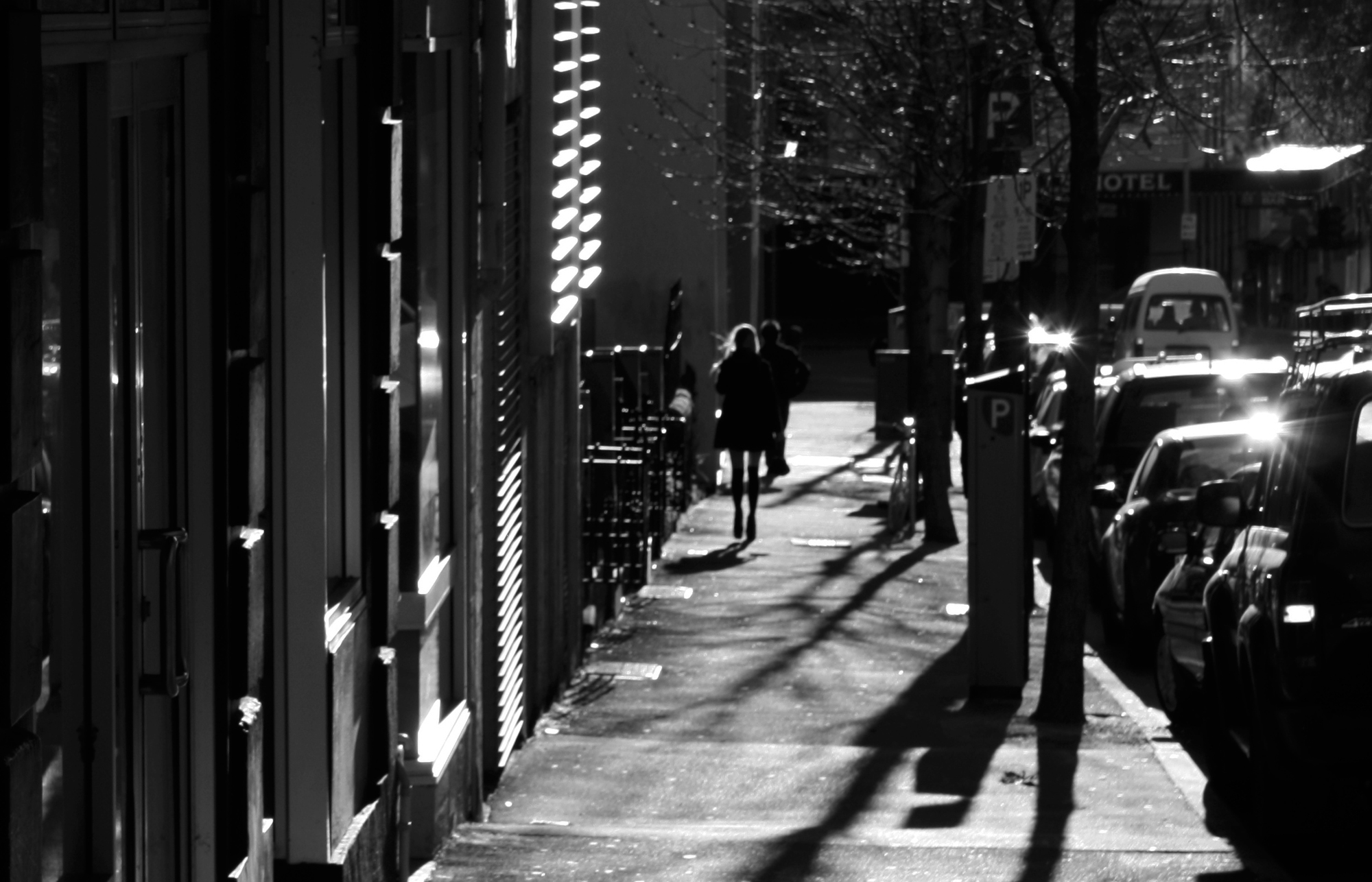
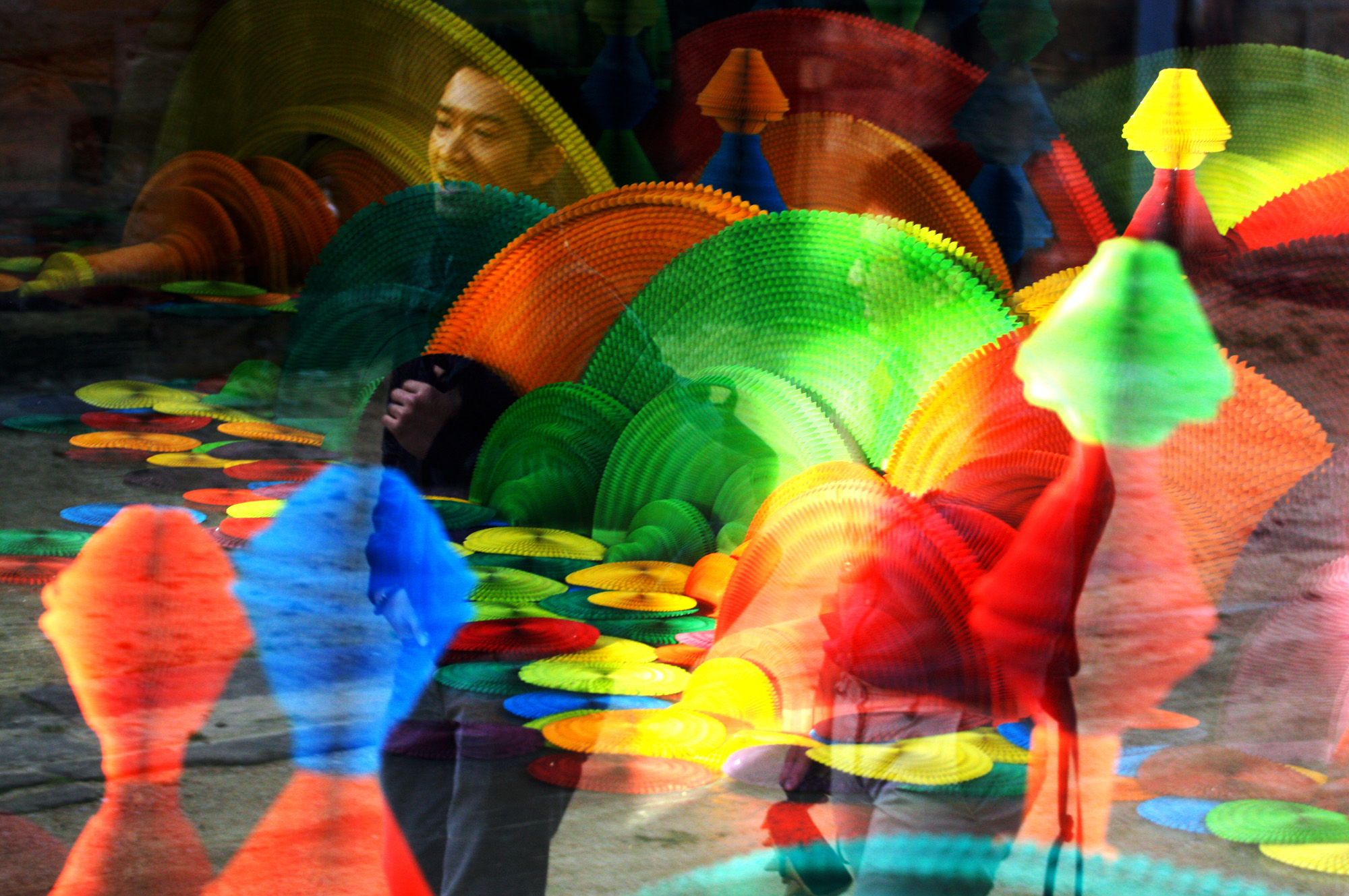
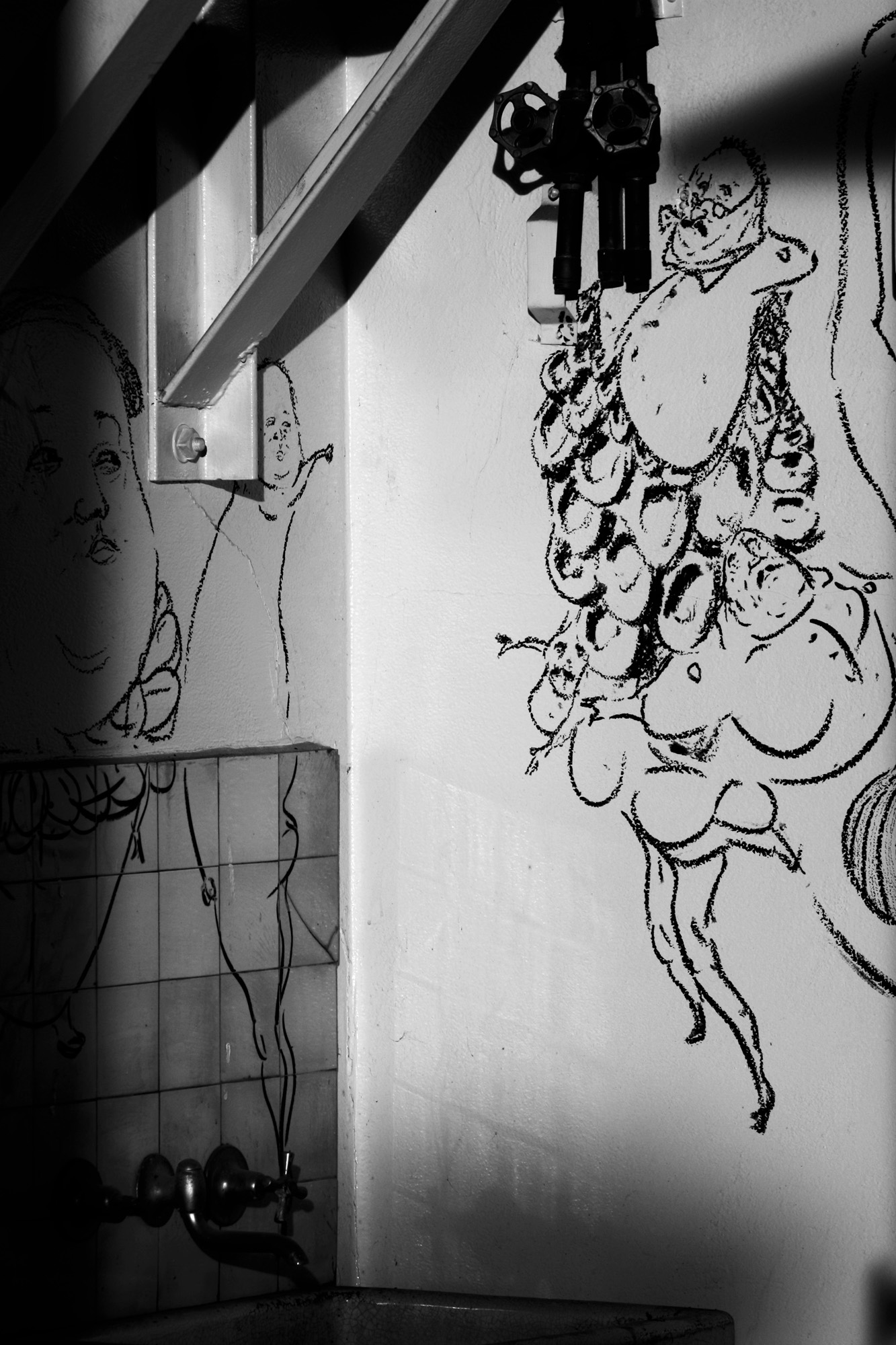
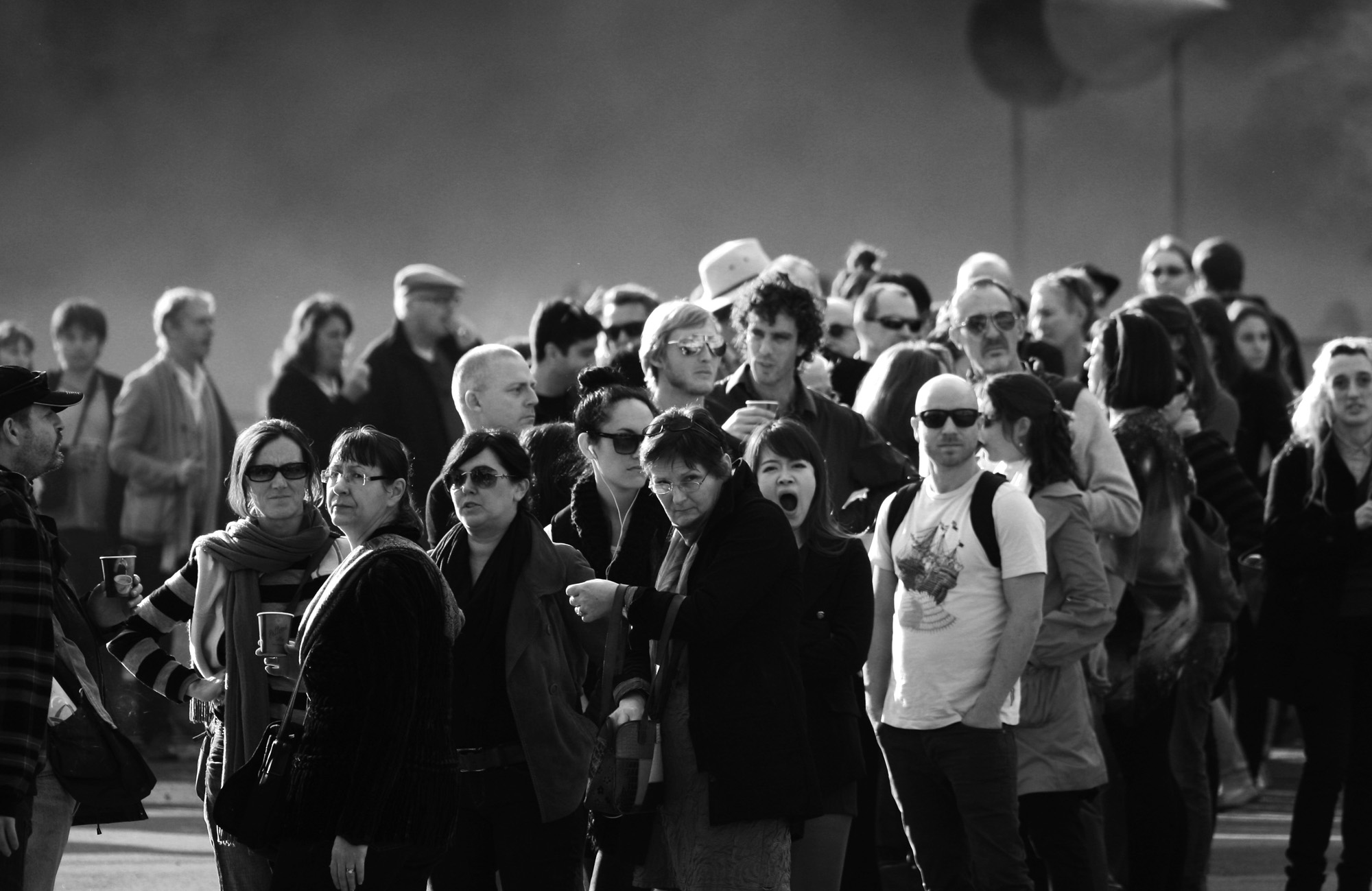
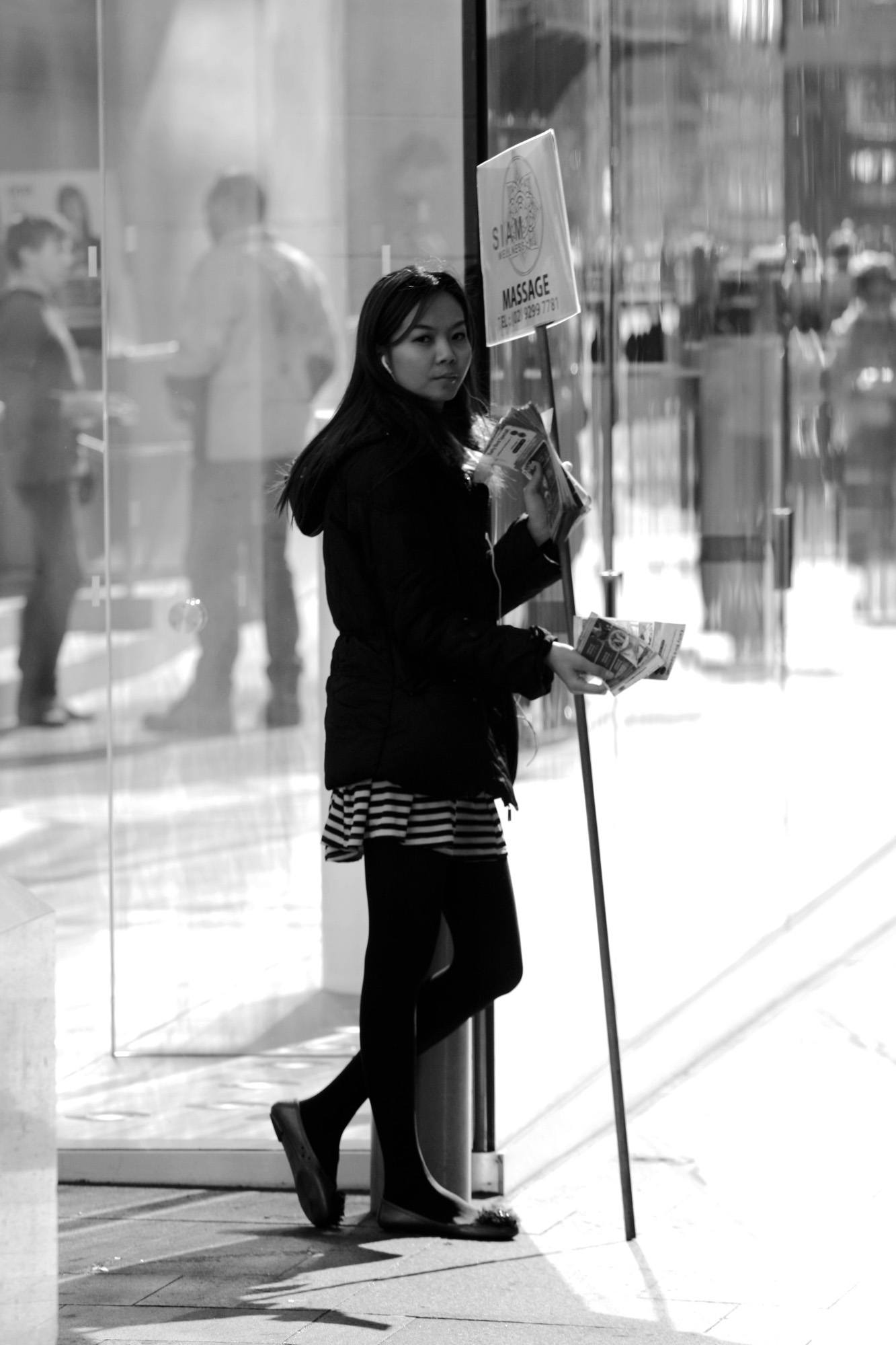
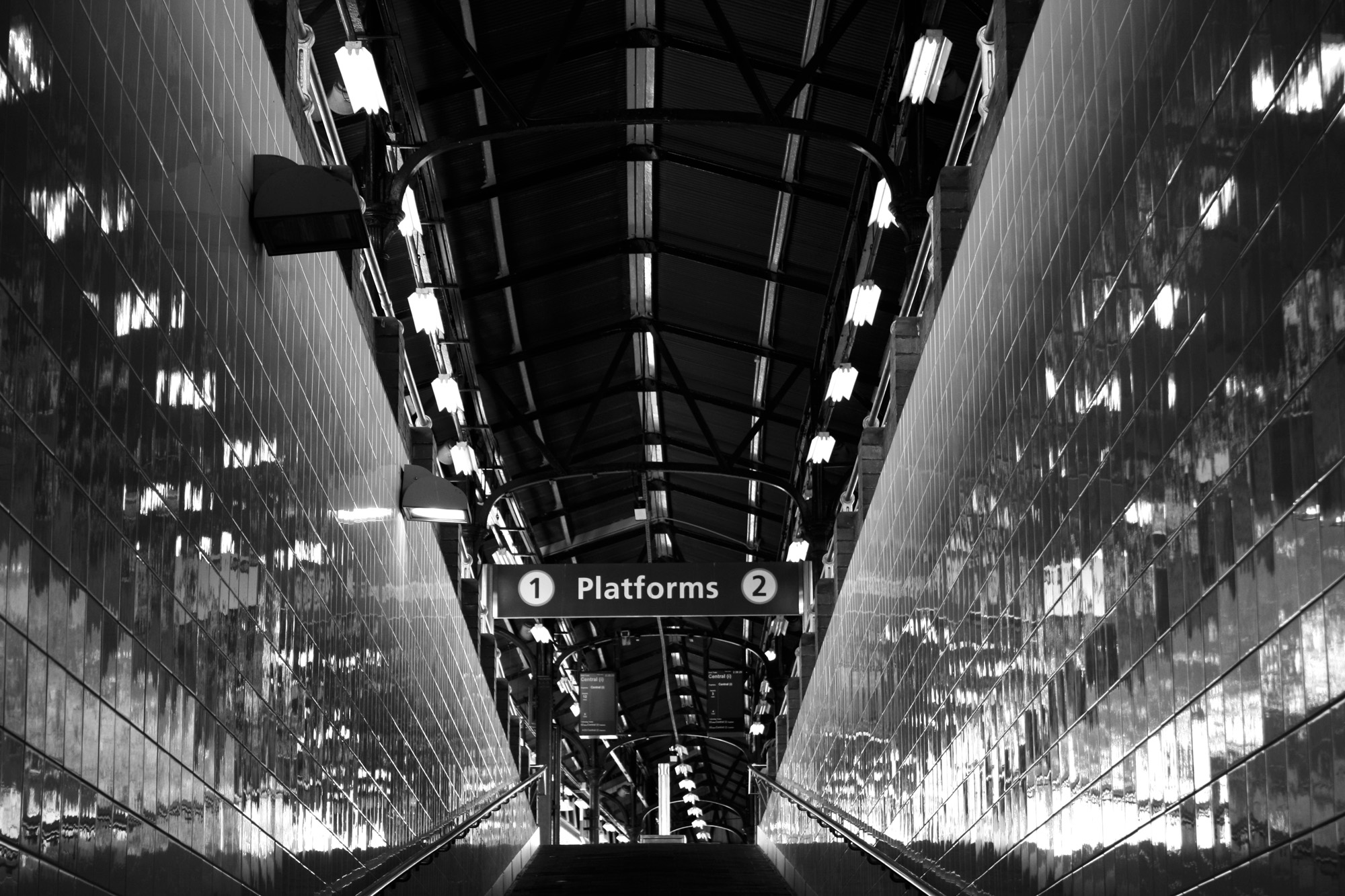
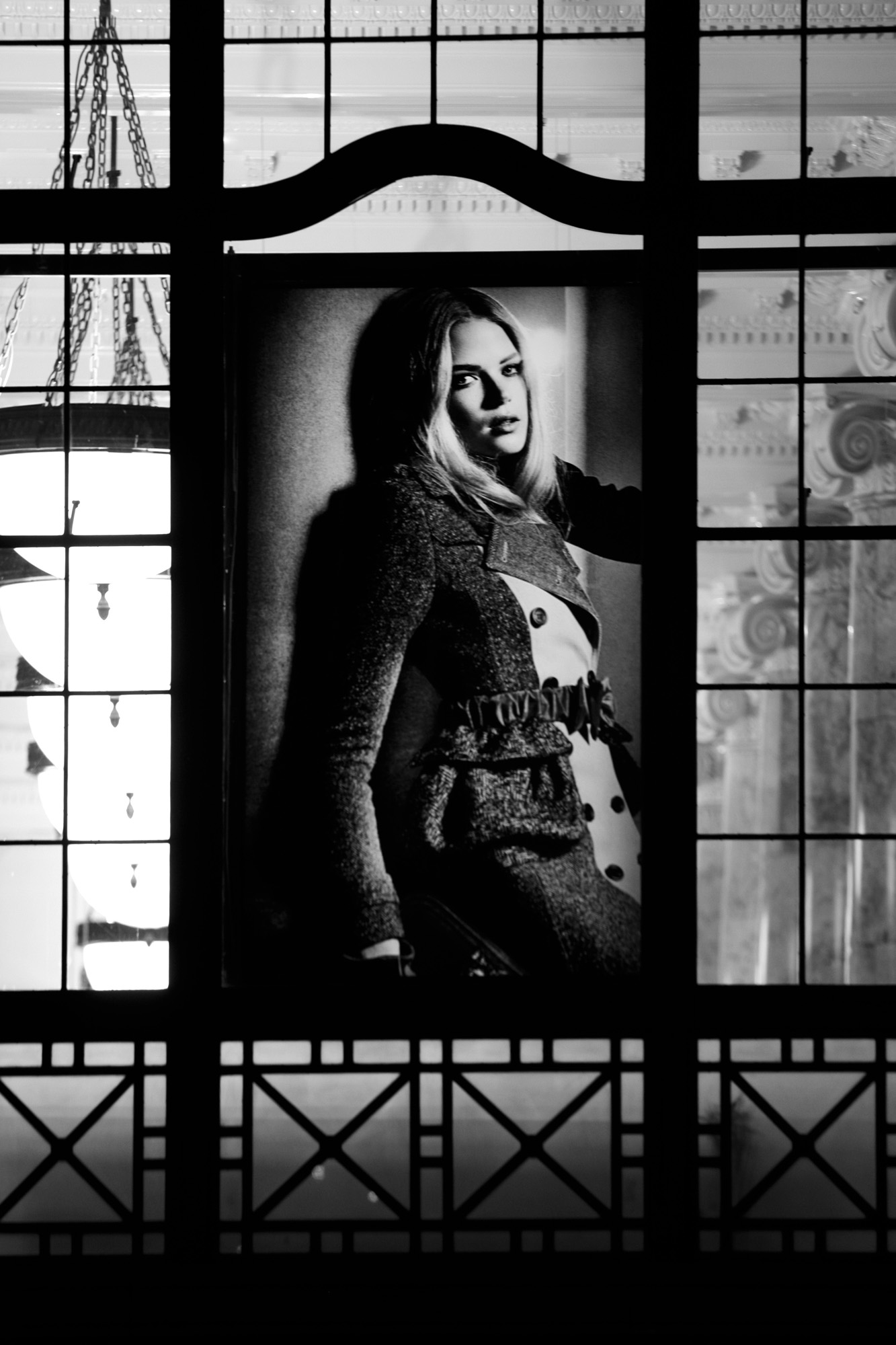
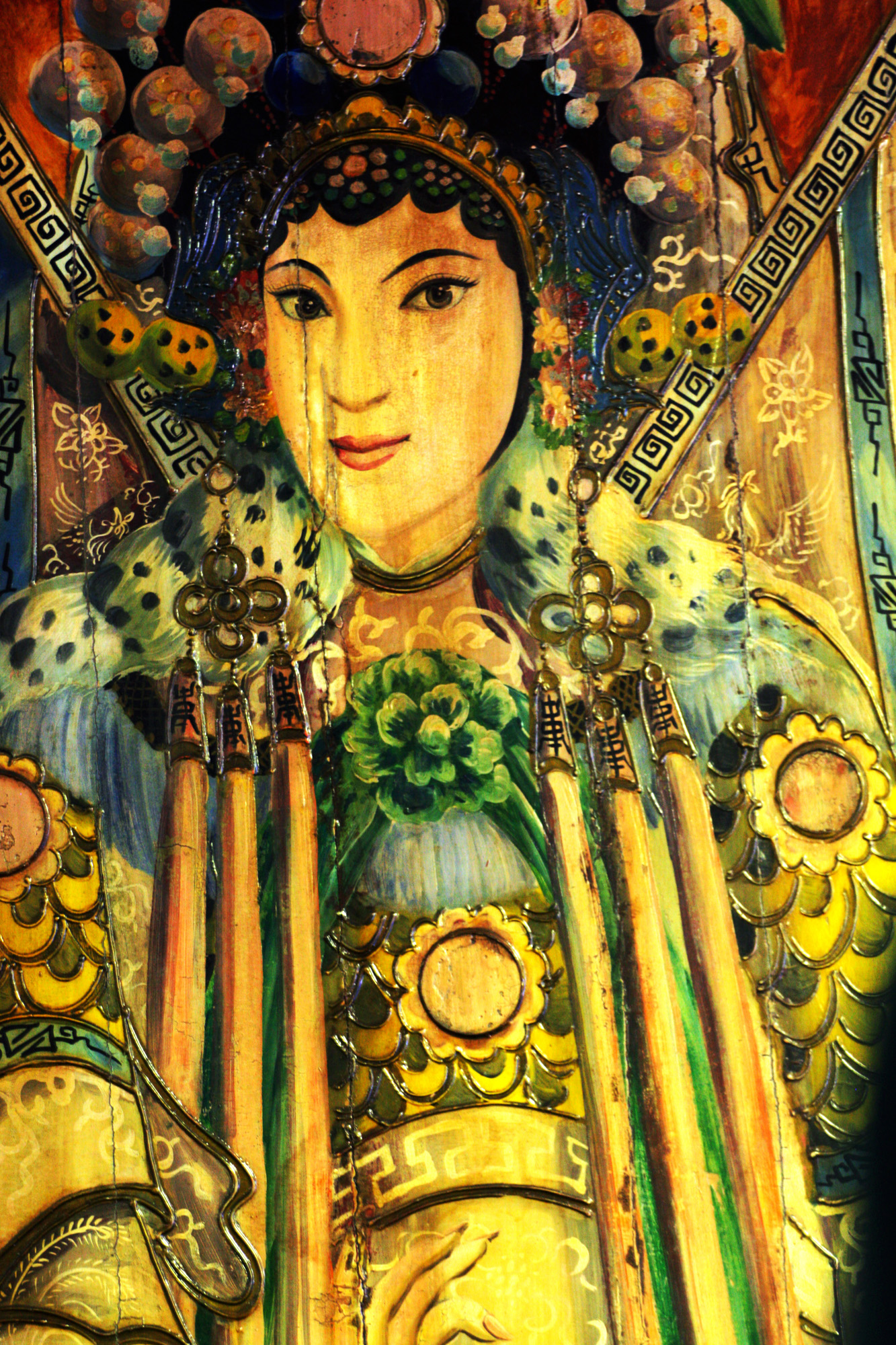
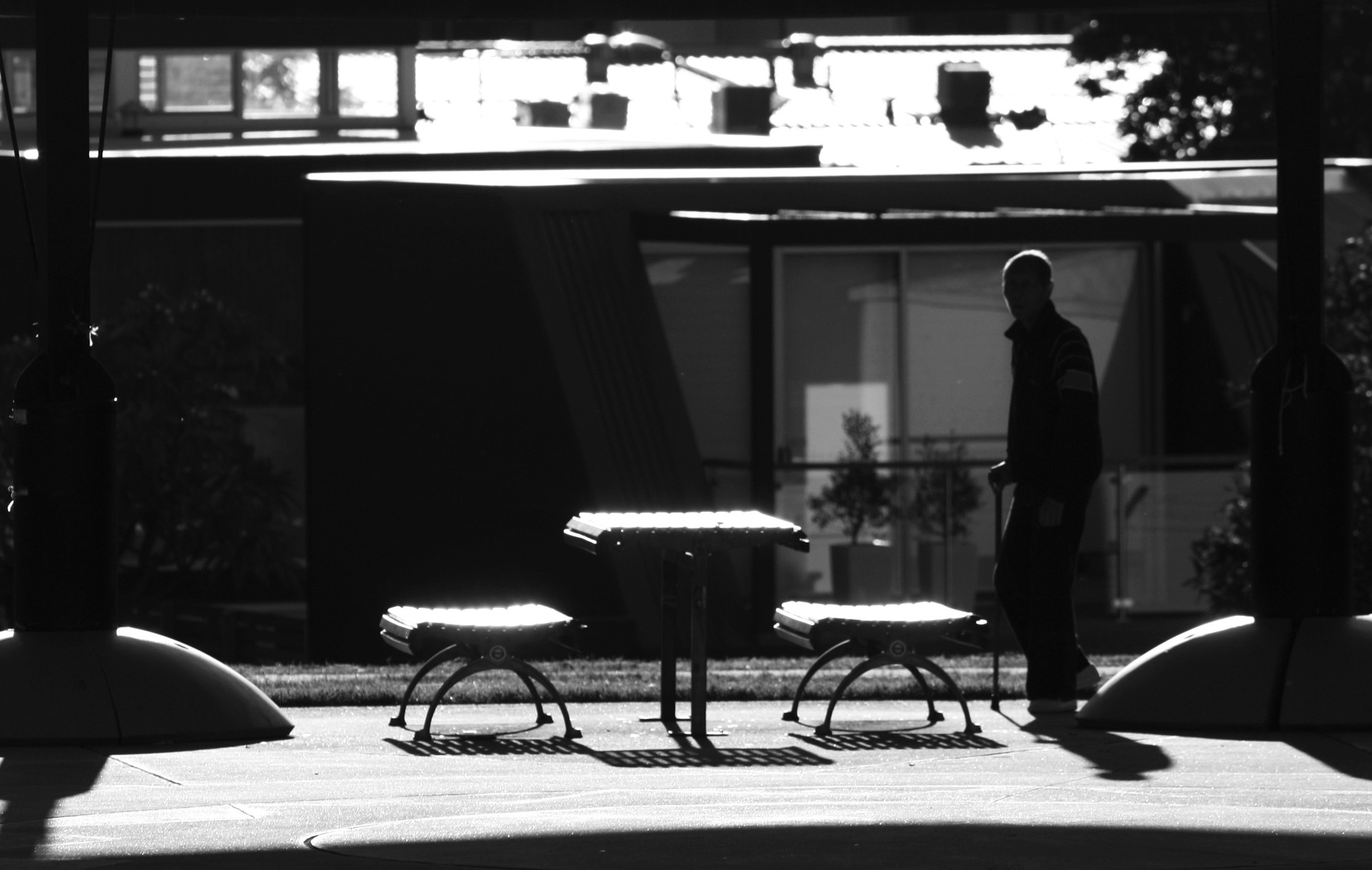
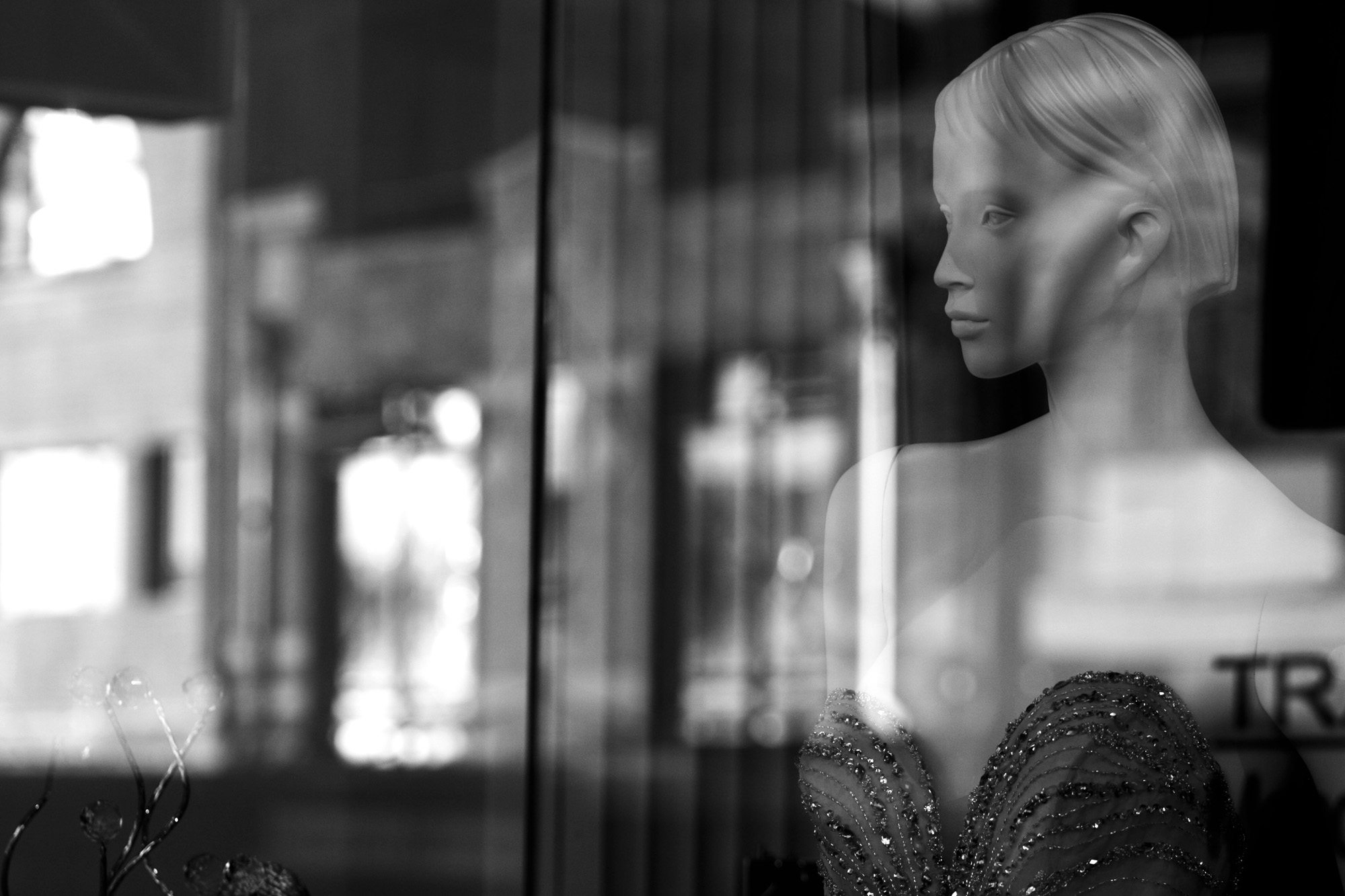
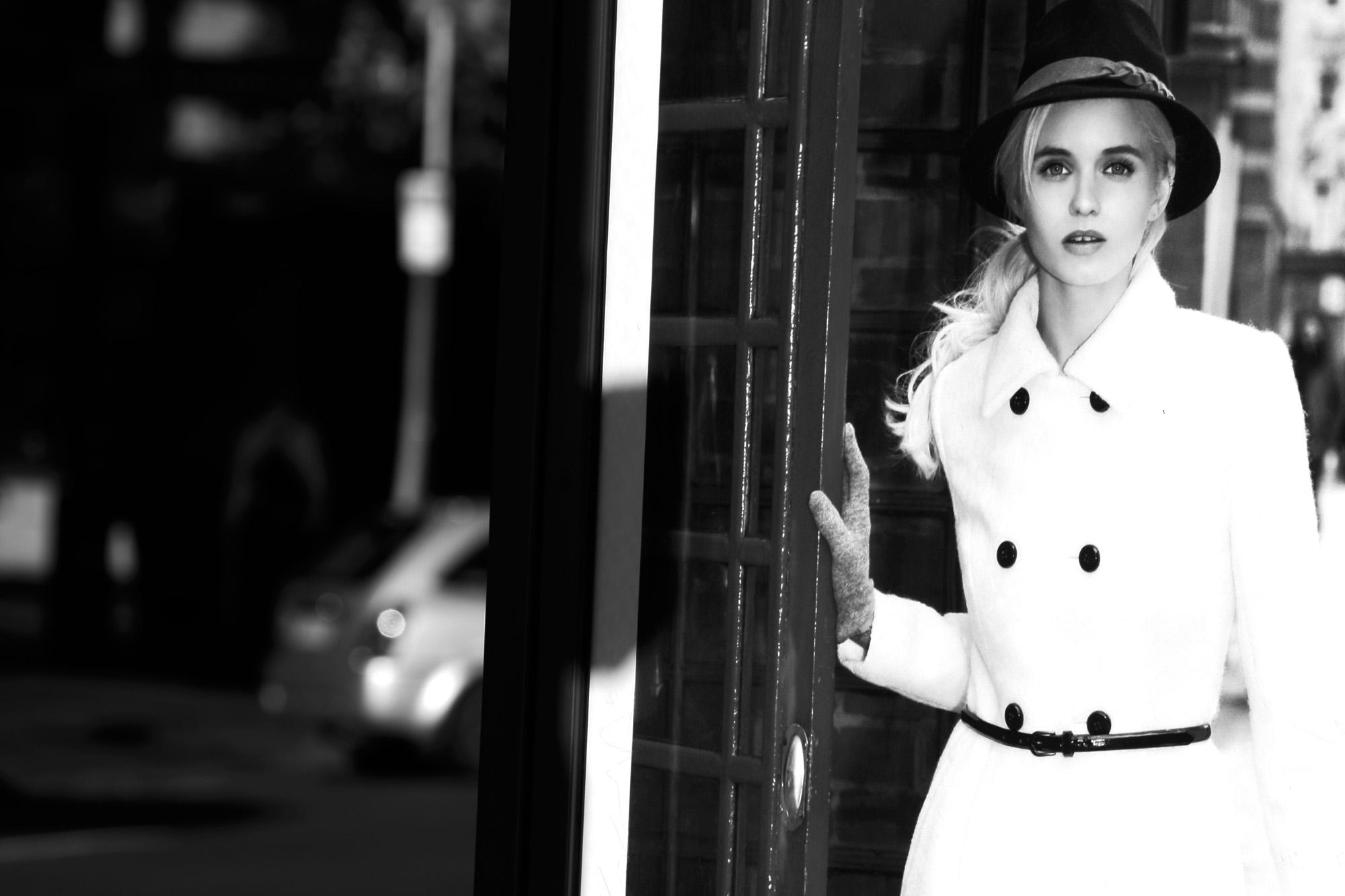
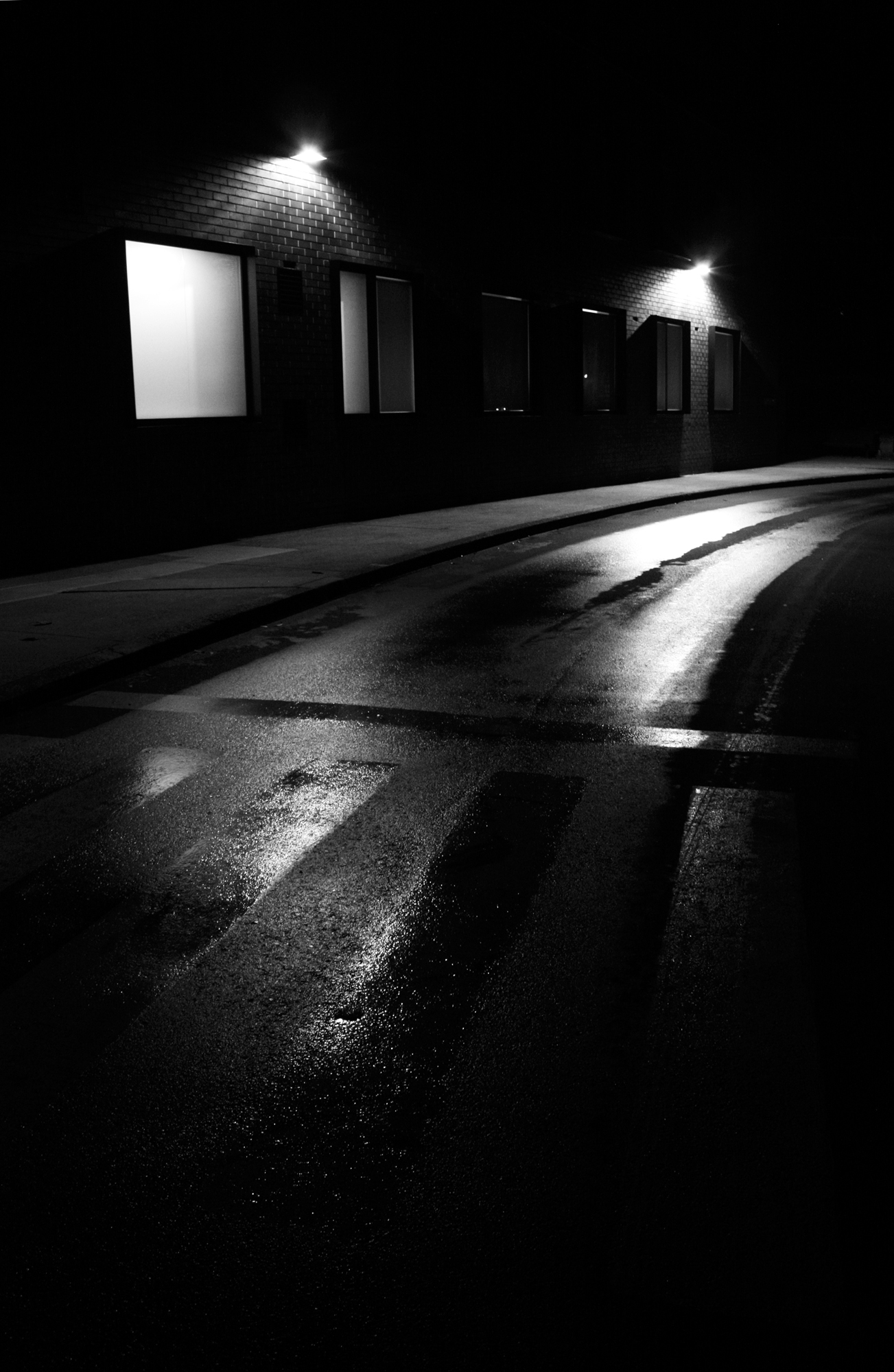
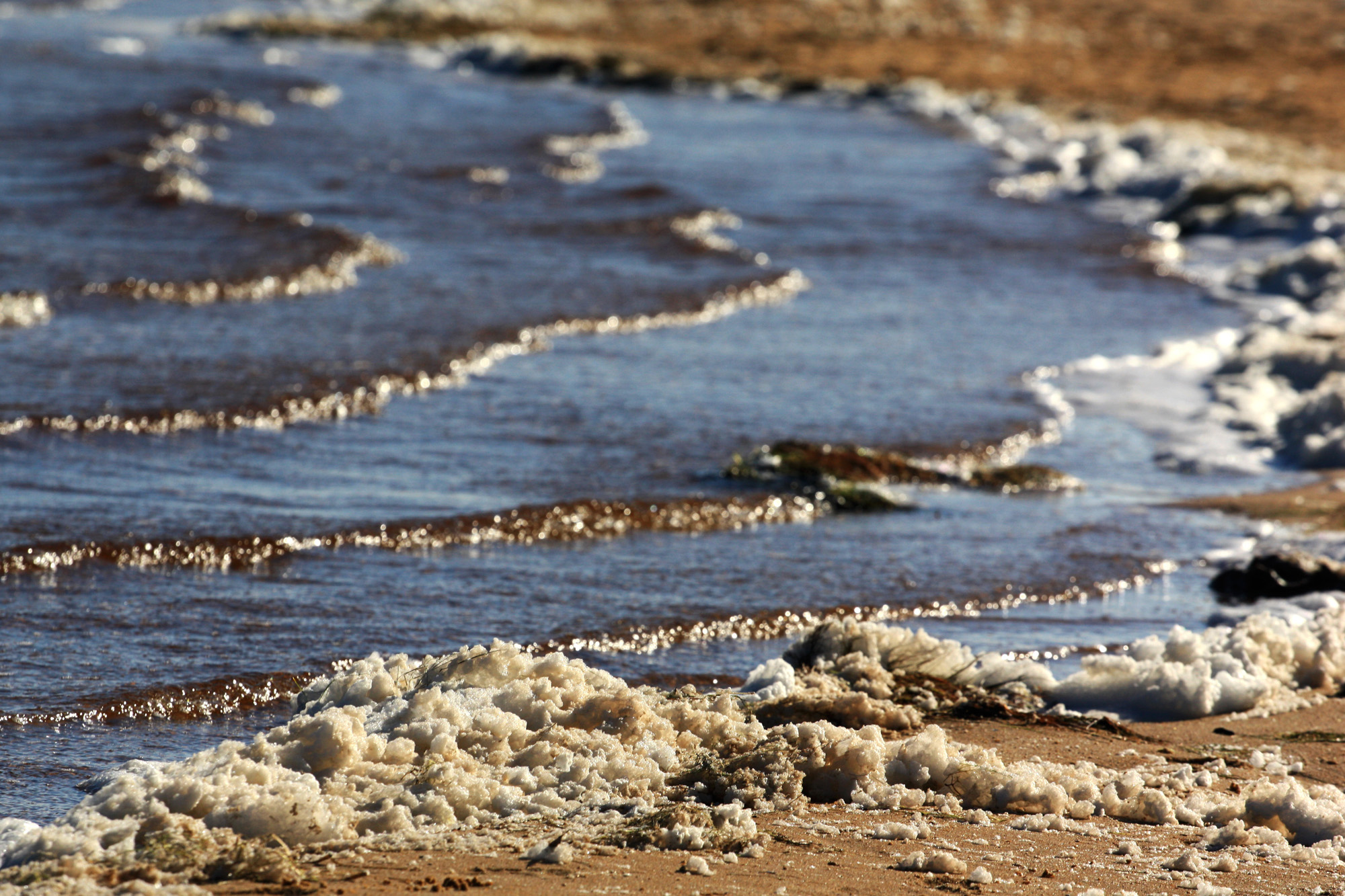
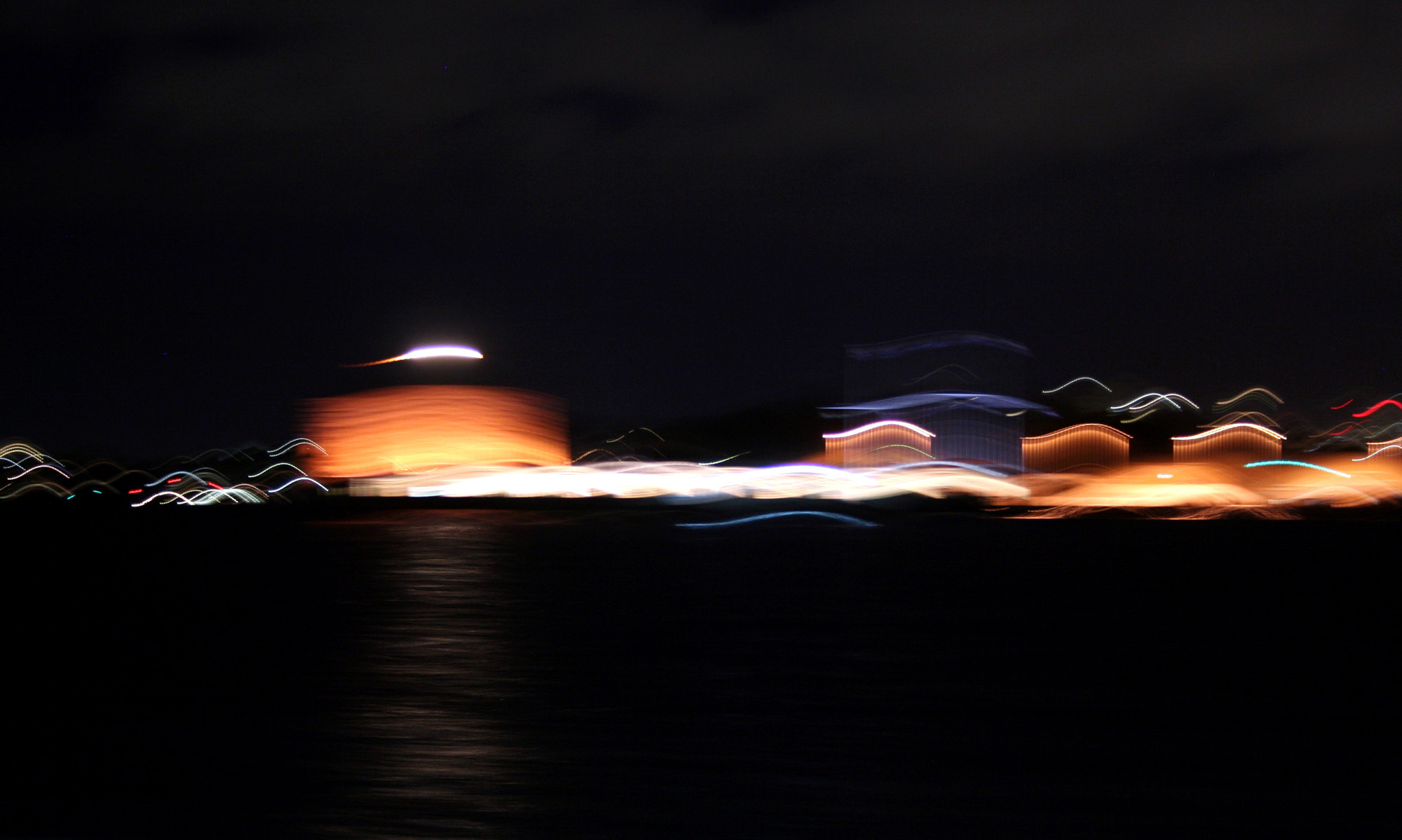
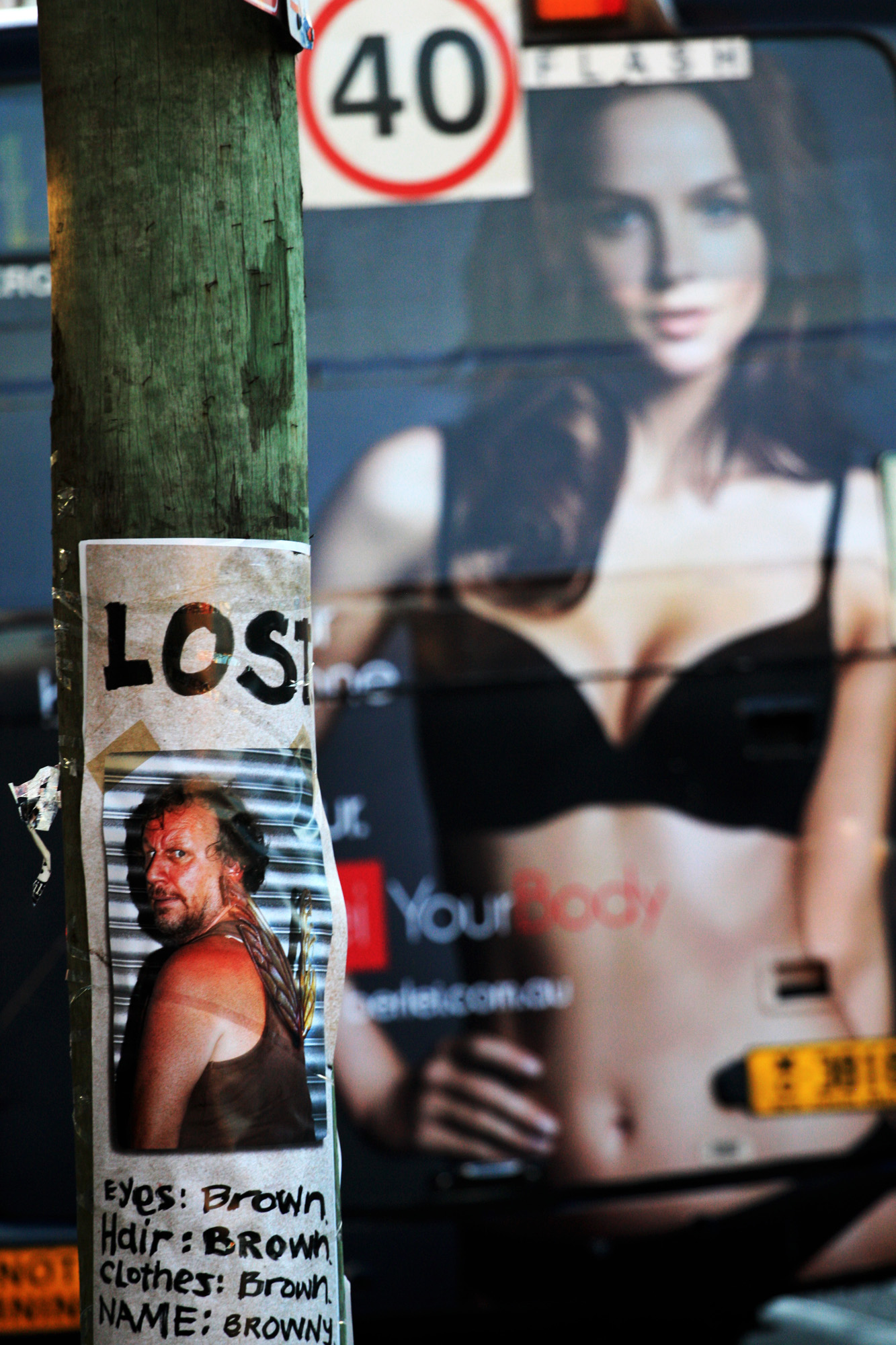
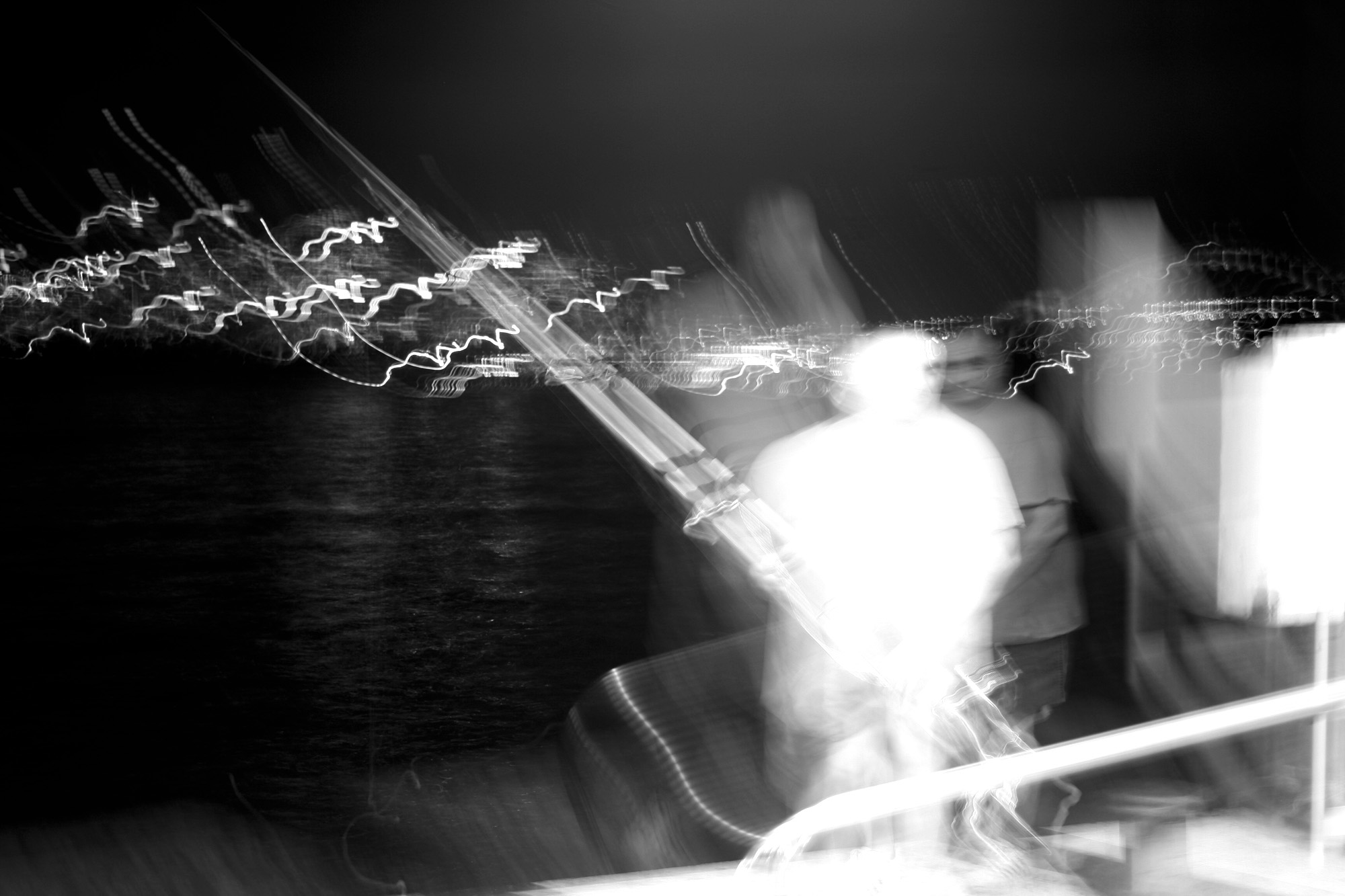
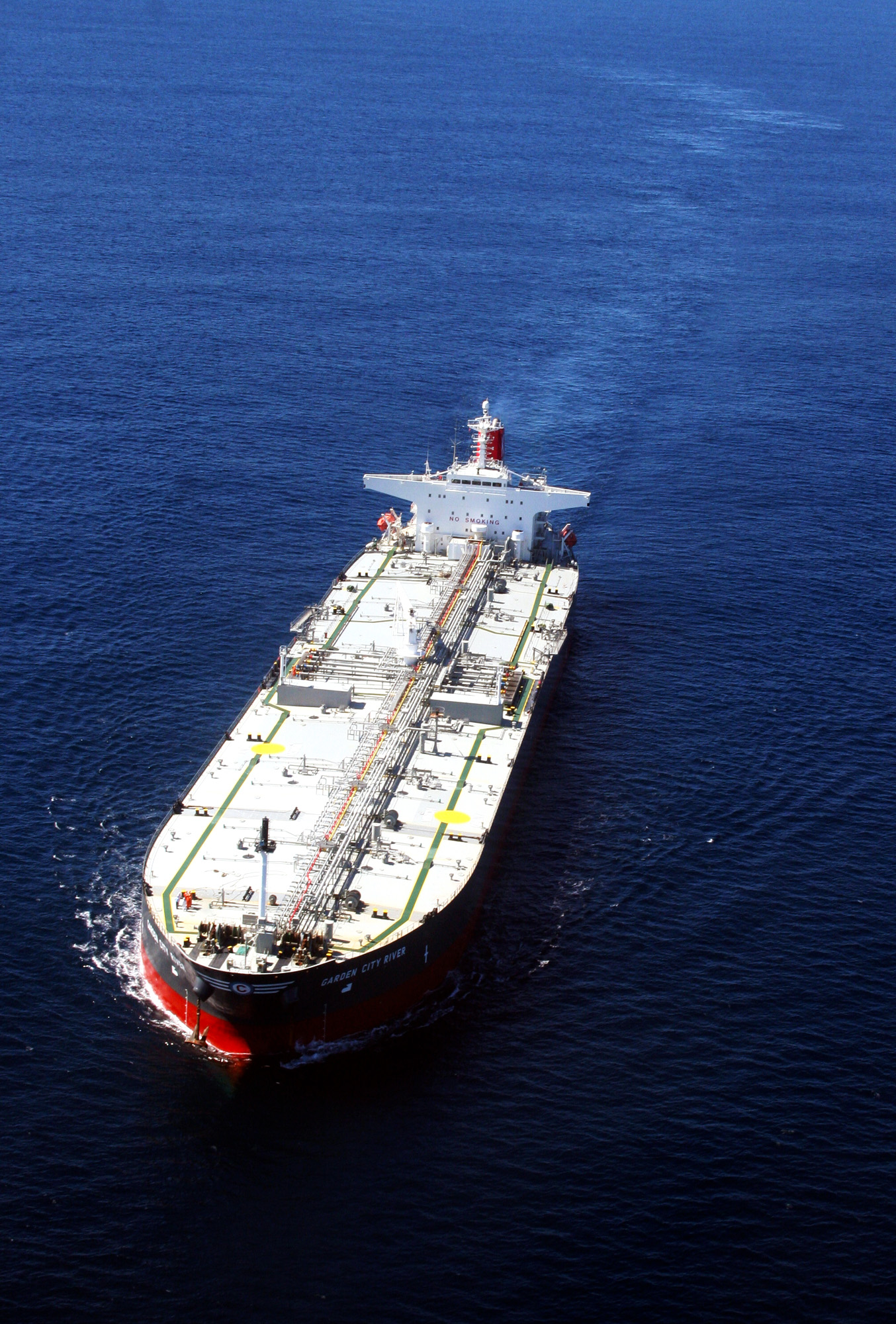
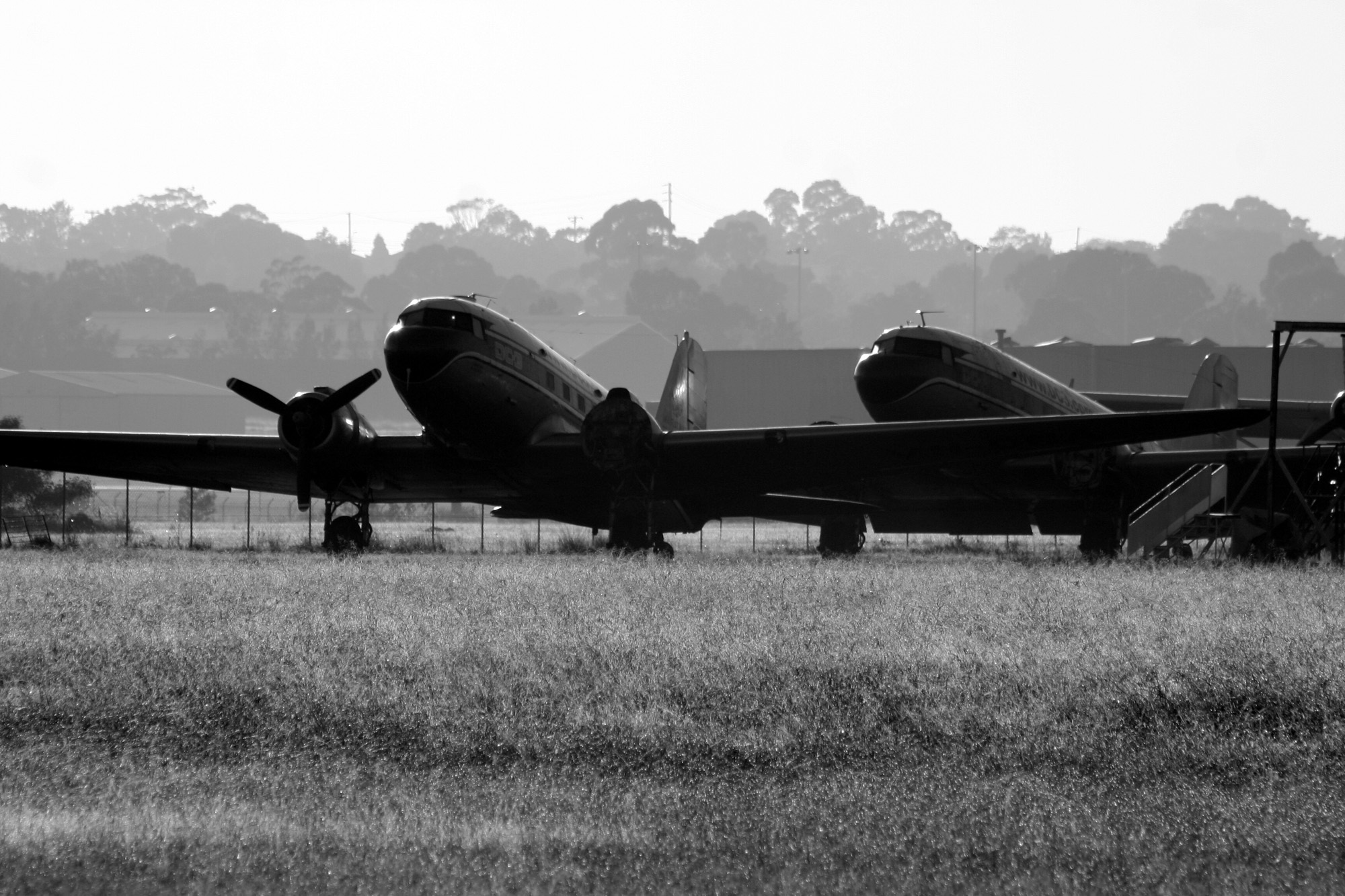
I’m not entirely sure why, but I haven’t gotten a lot of writing done lately. The best excuse I can conjure is that I’ve worked a lot more mornings in recent weeks, and the morning is my best time for writing. In fact, I find it difficult to write once I’ve left the house and my head has been filled with stimuli and distractions. It’s surprising what can put my concentration off – even a simple conversation with someone can shift me out of the clear-headed mood that the morning brings. Still, my little perch here in Glebe has proven as accommodating as ever and offers the promise of future writing sessions to make up for the recently rather slack rate of output.

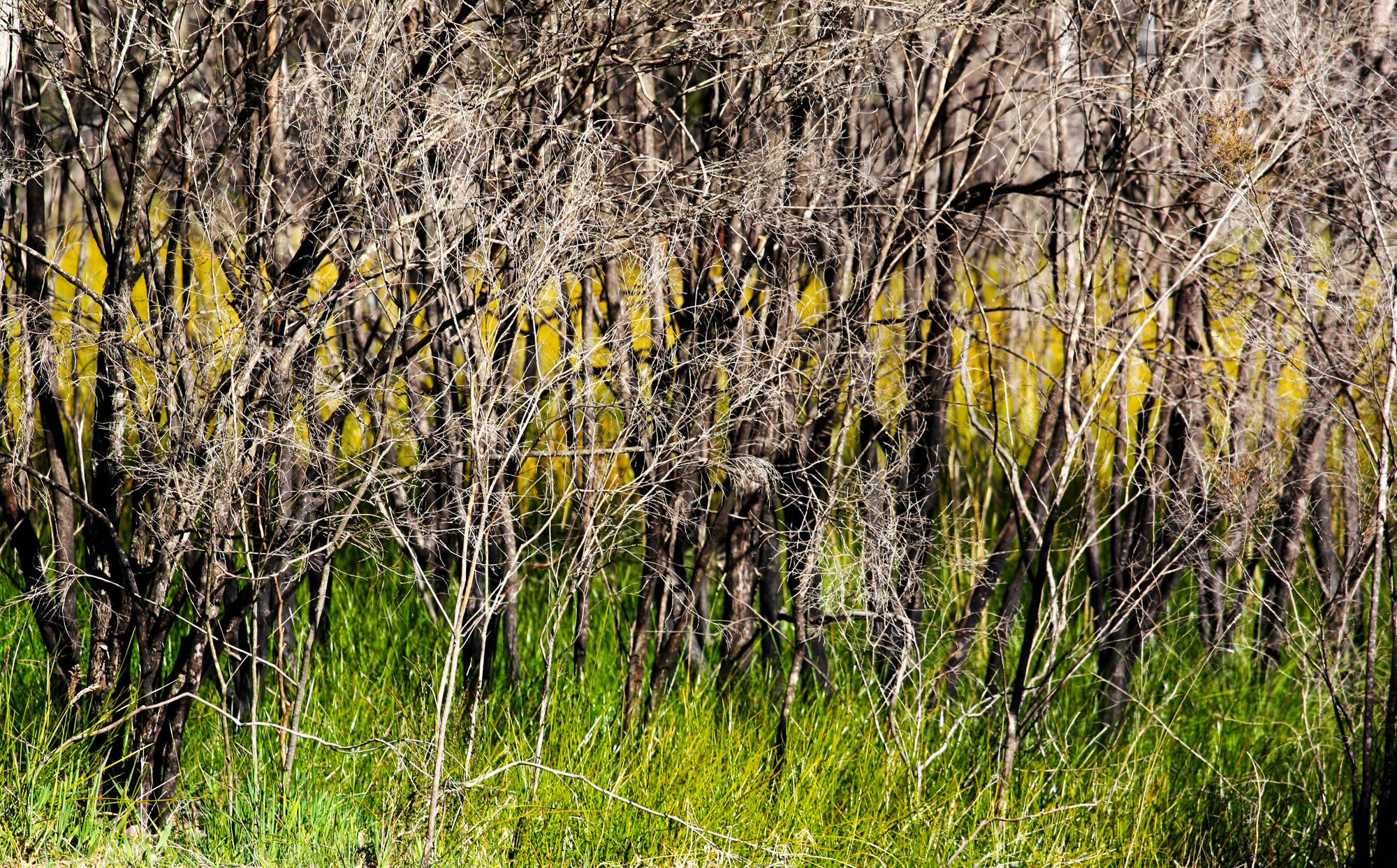
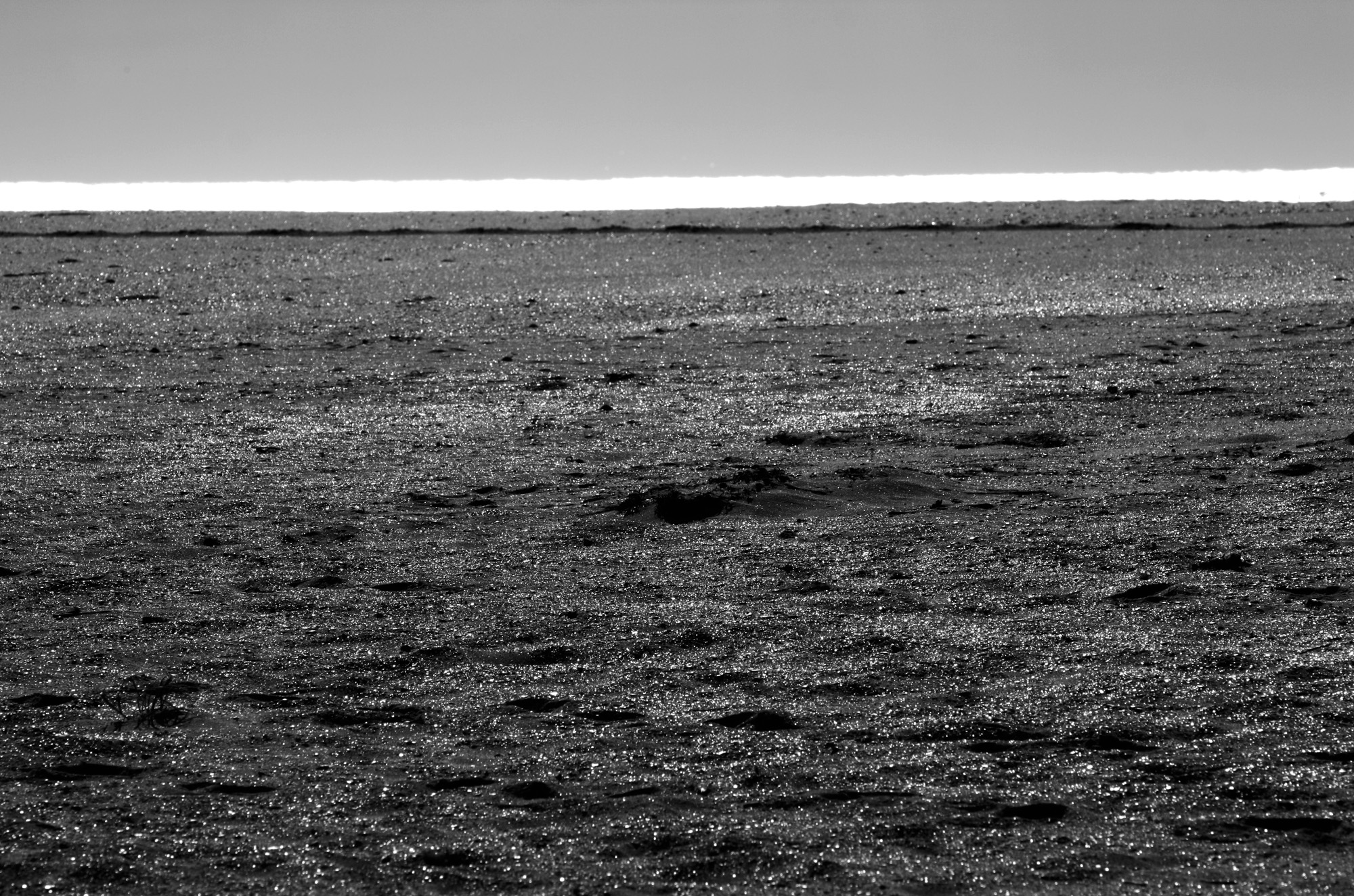
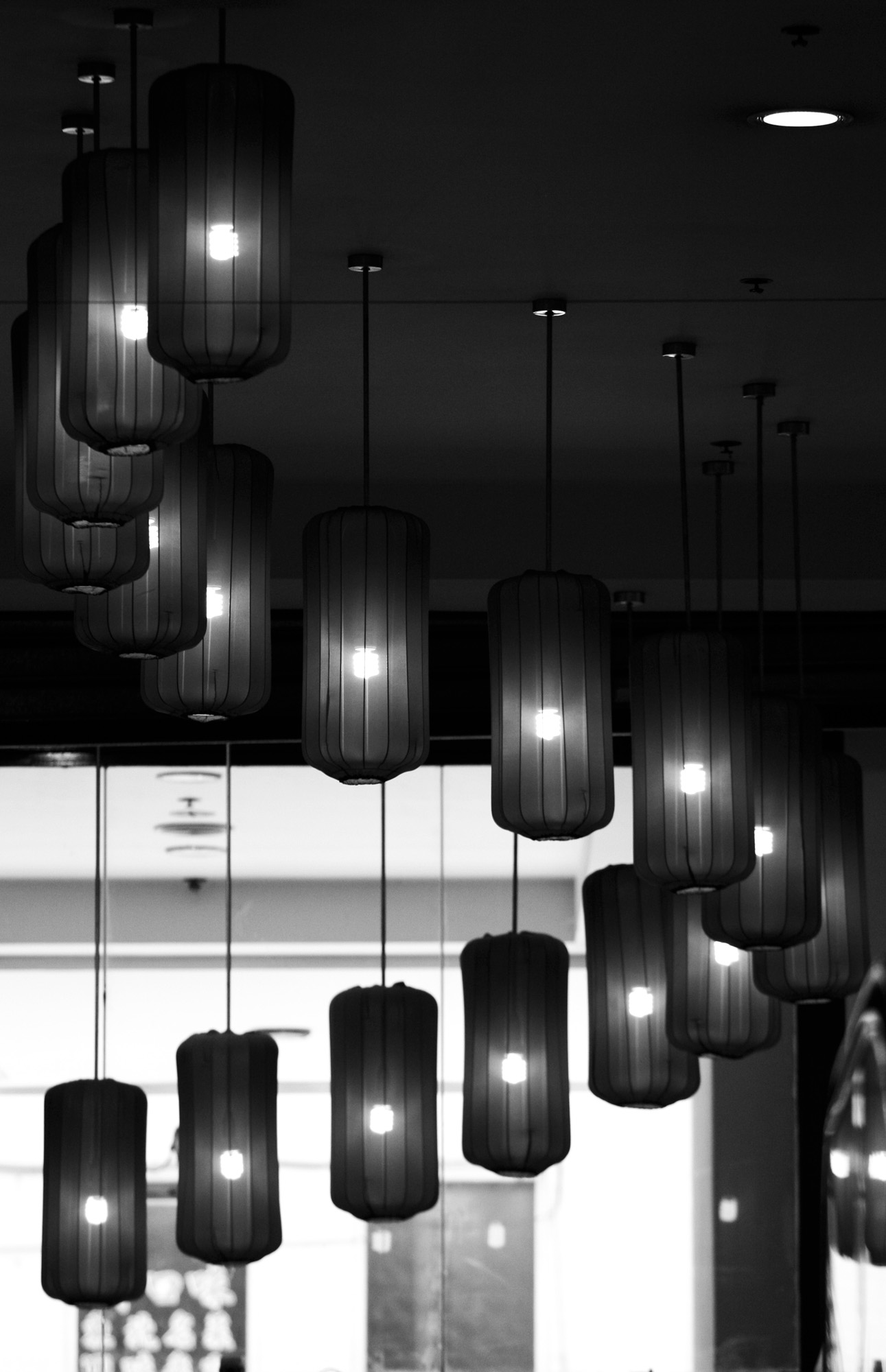
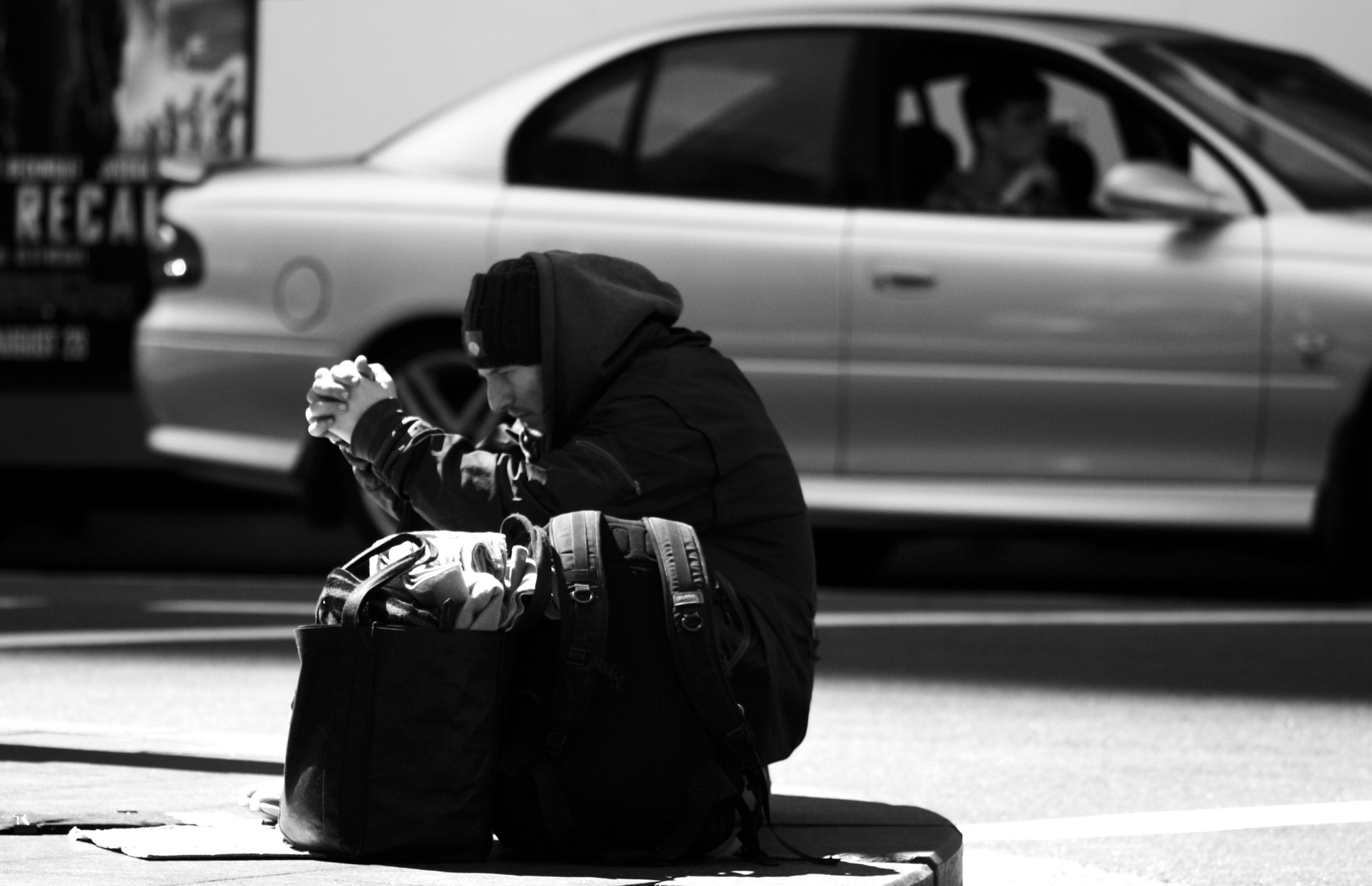
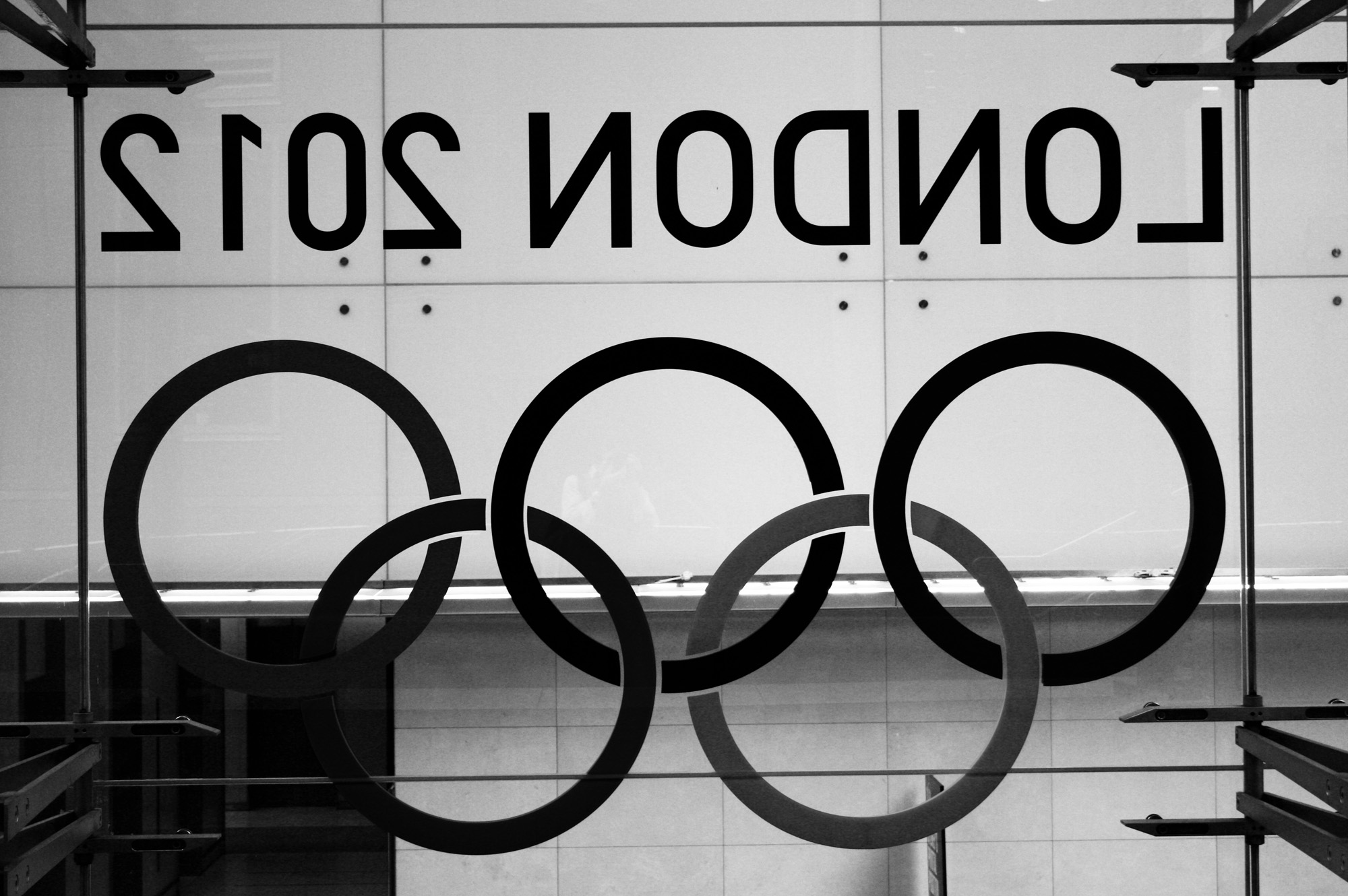
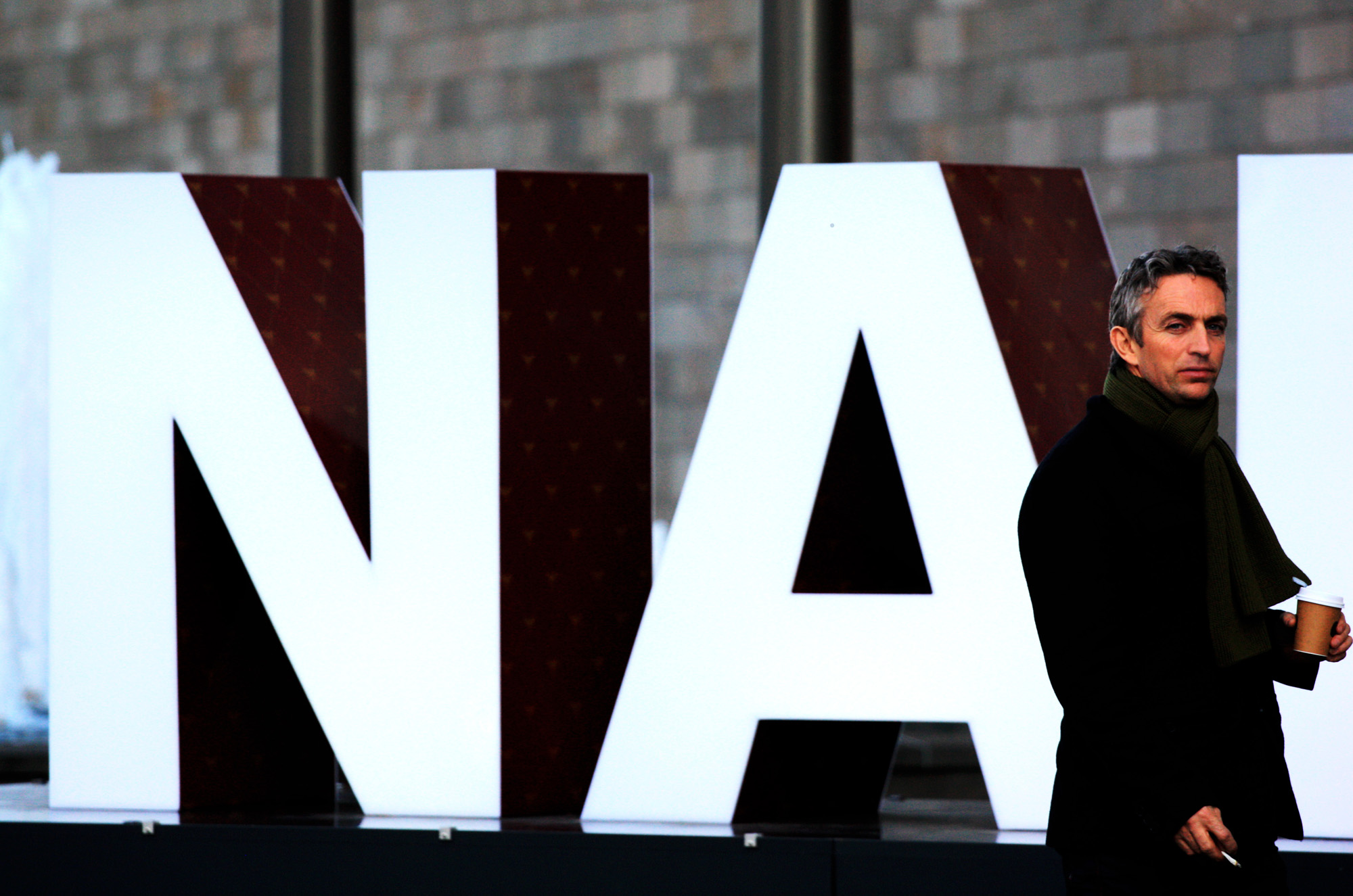
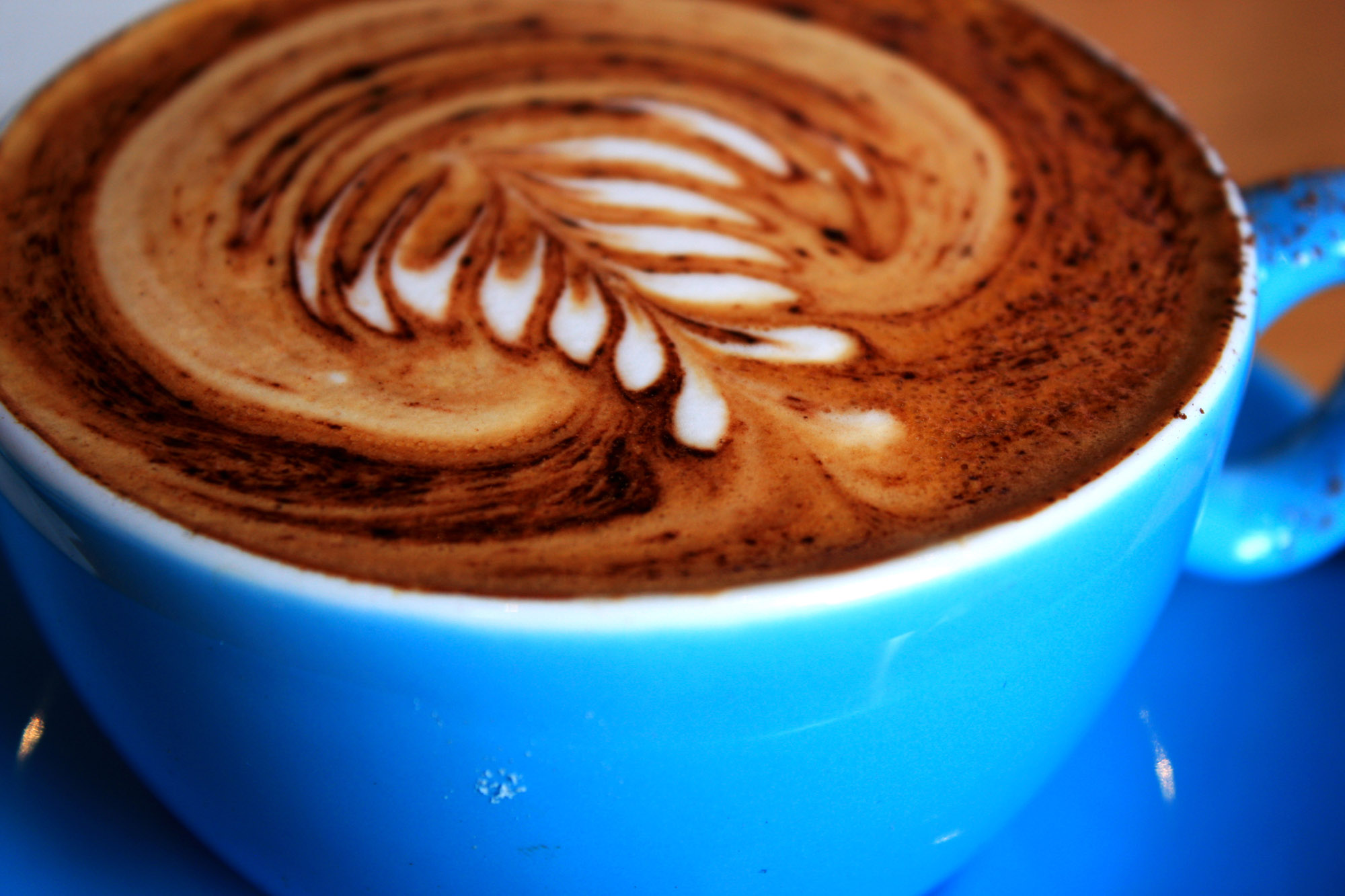
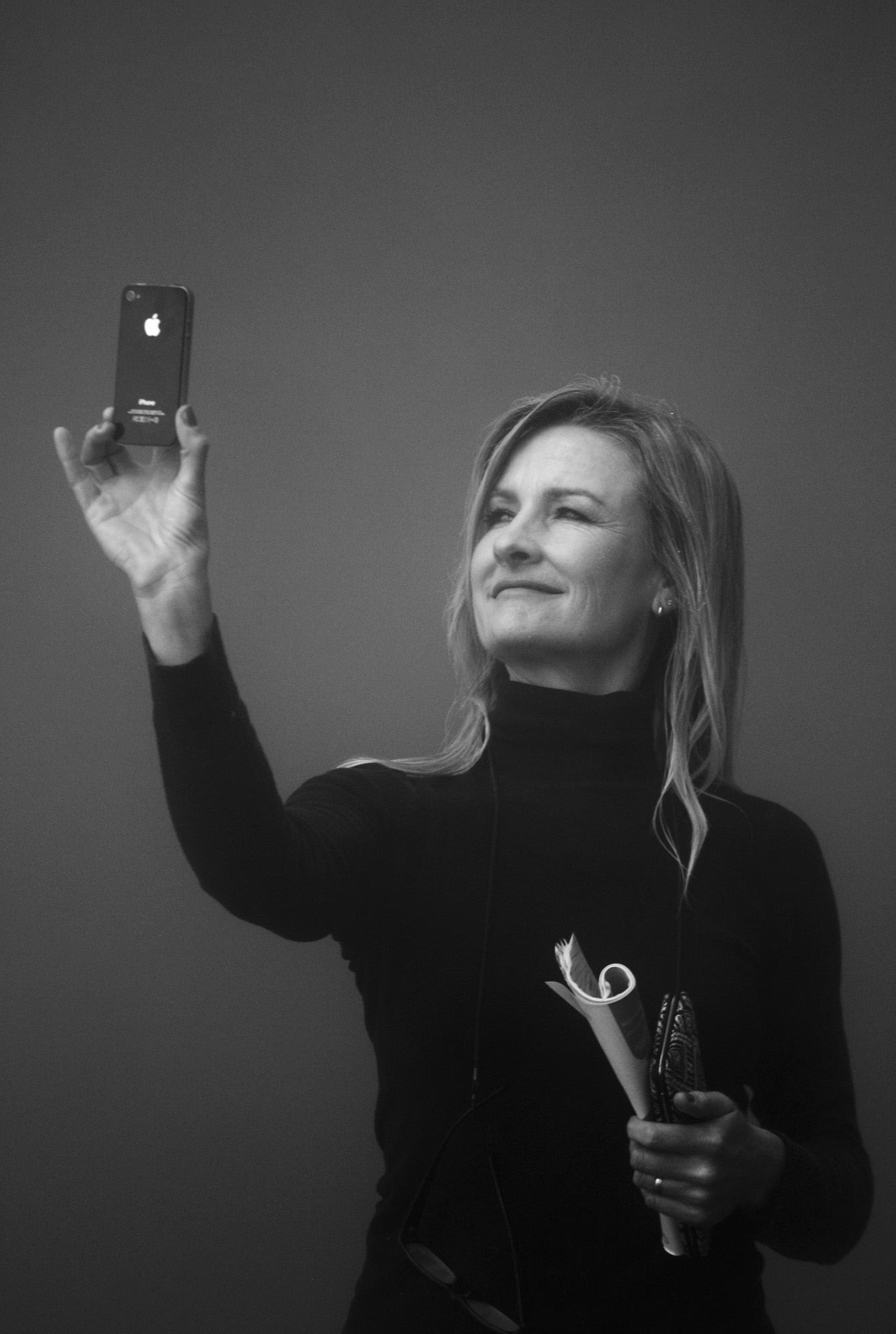
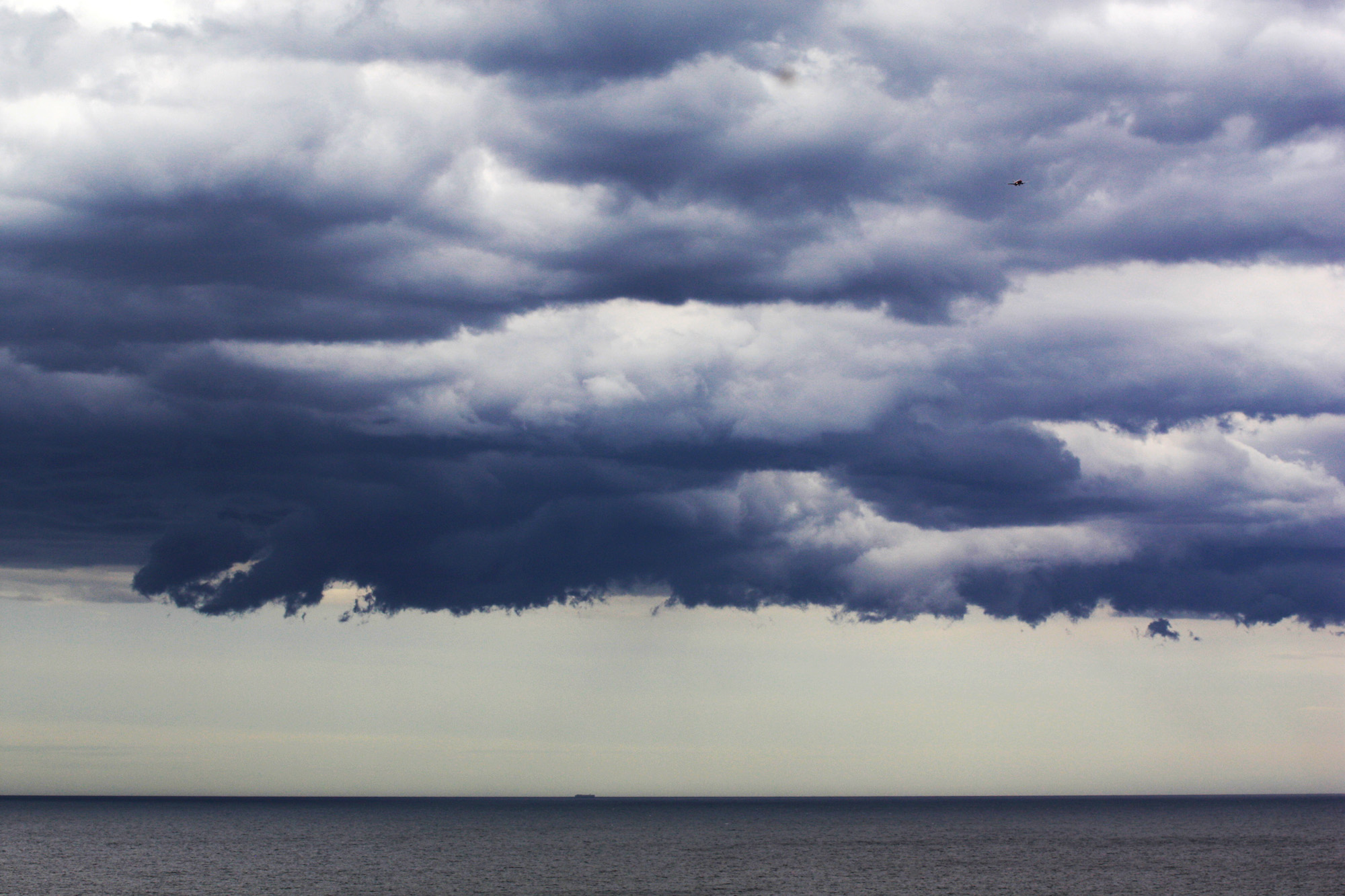
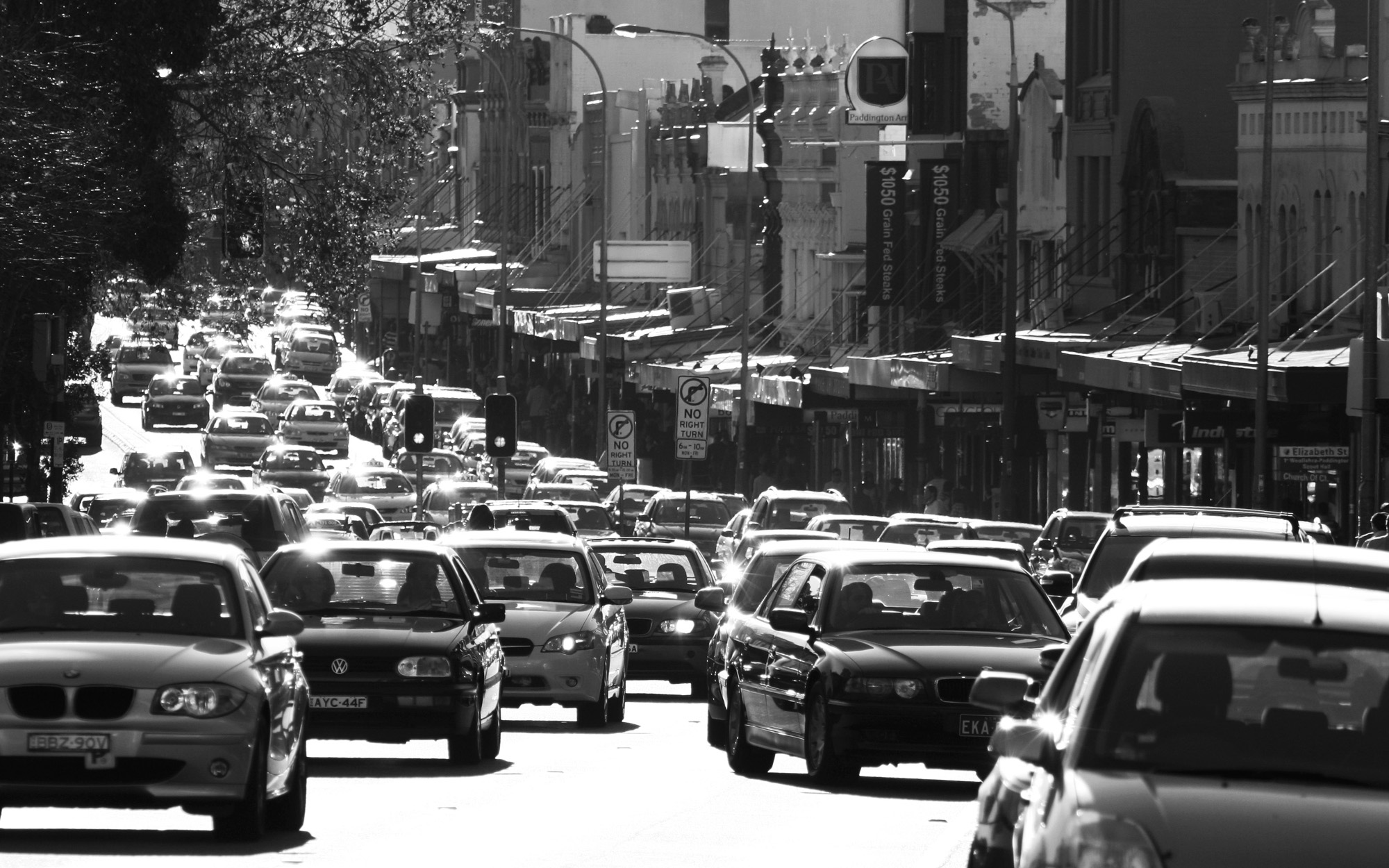
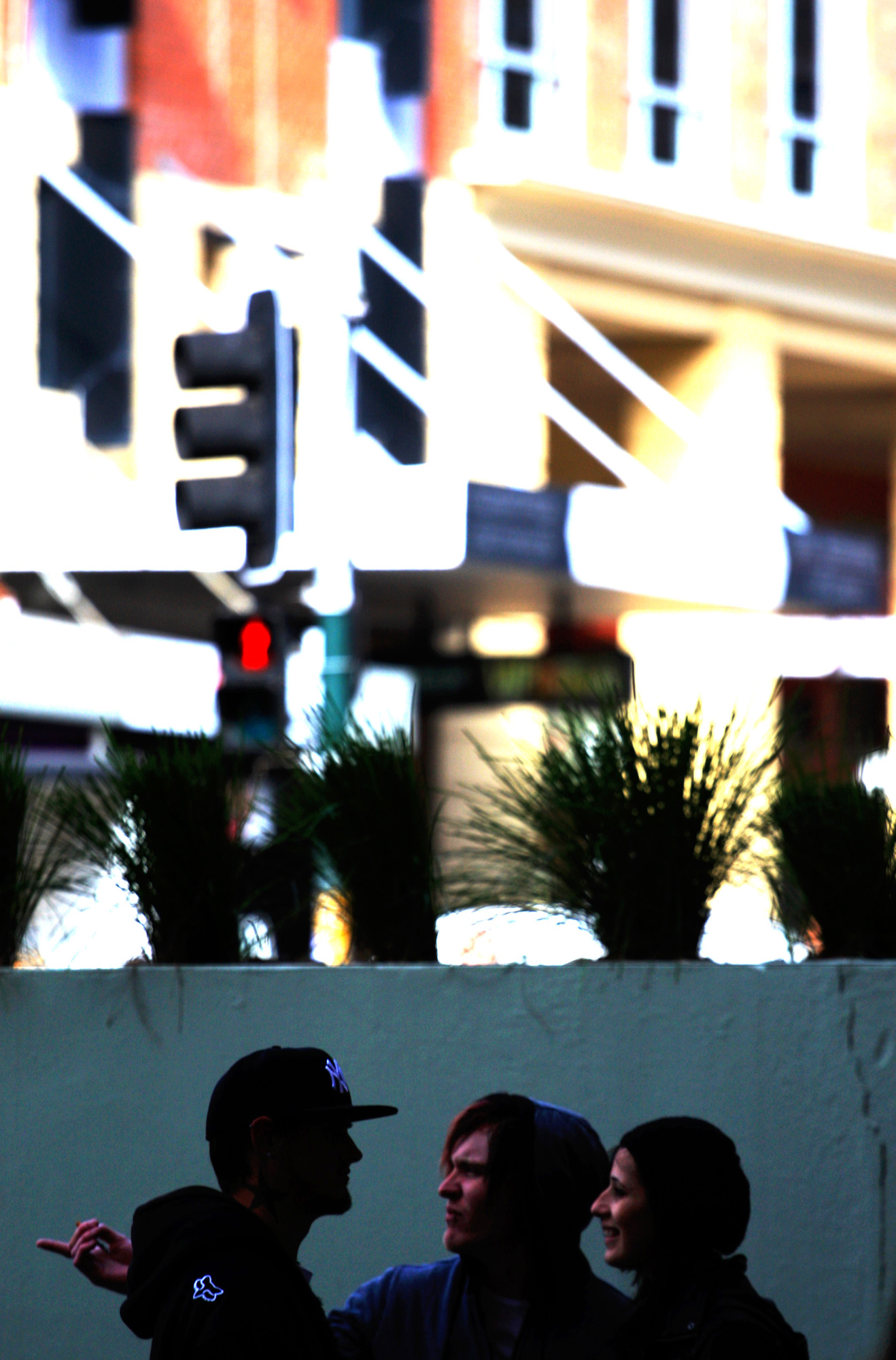
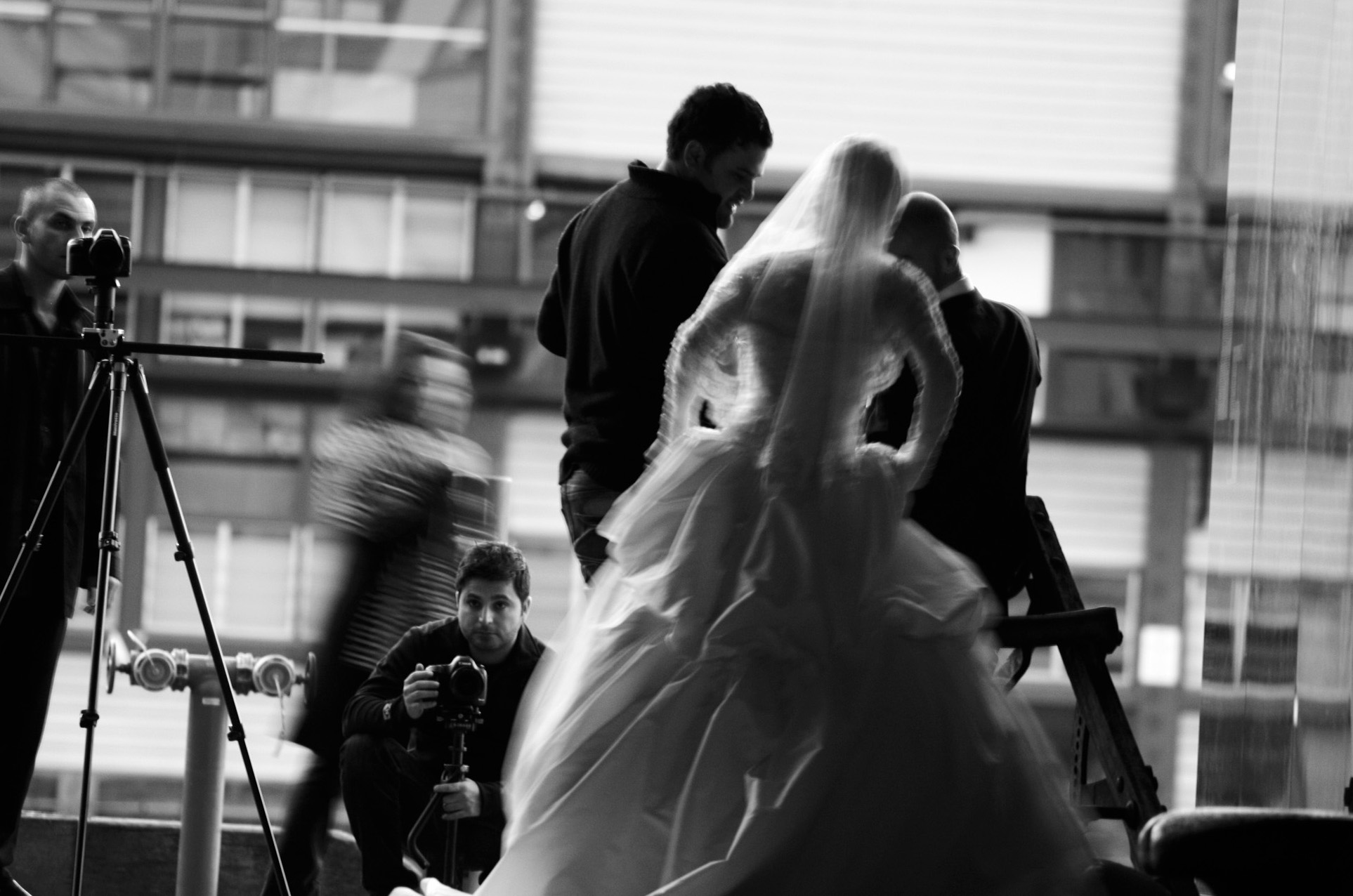
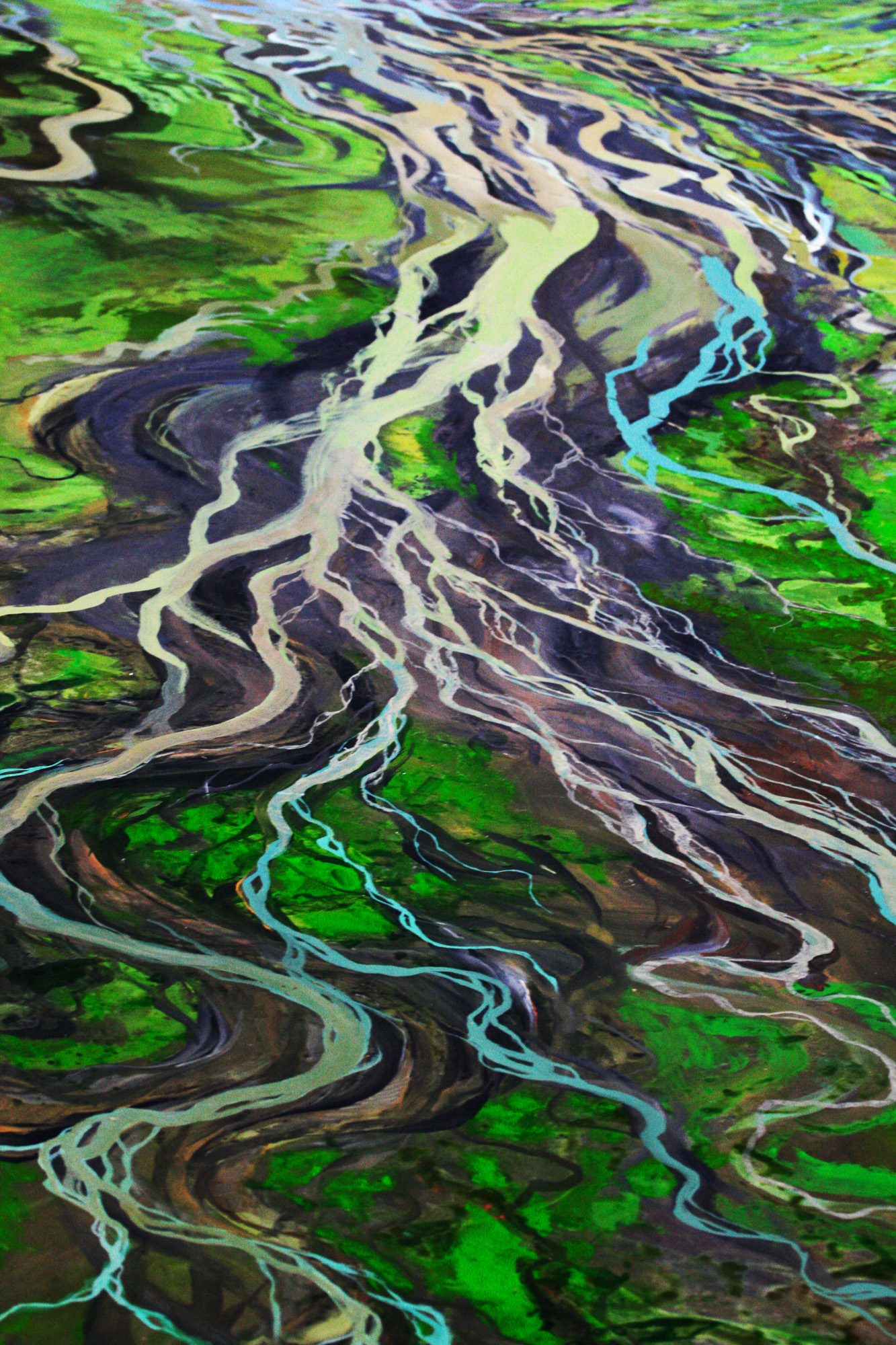
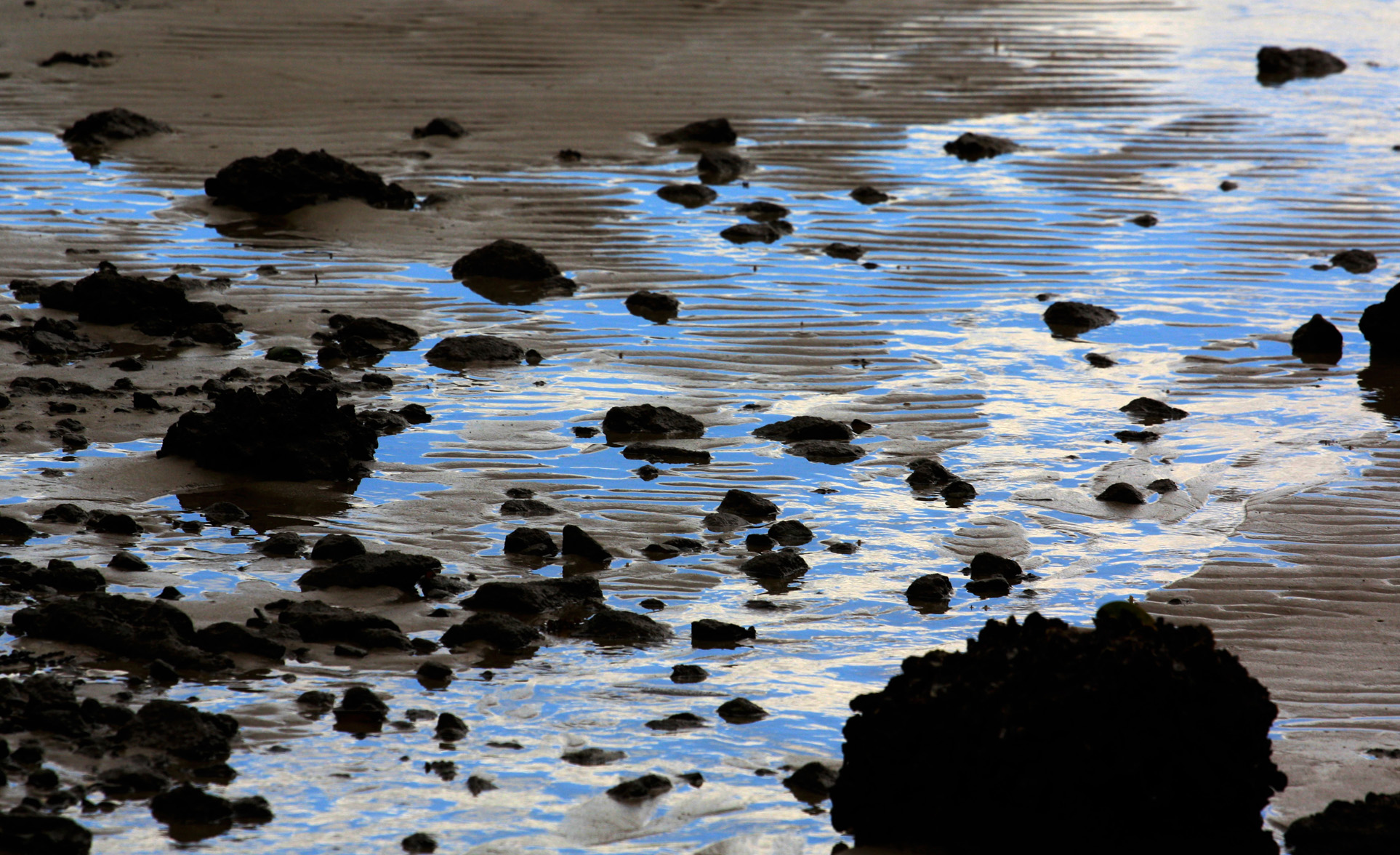
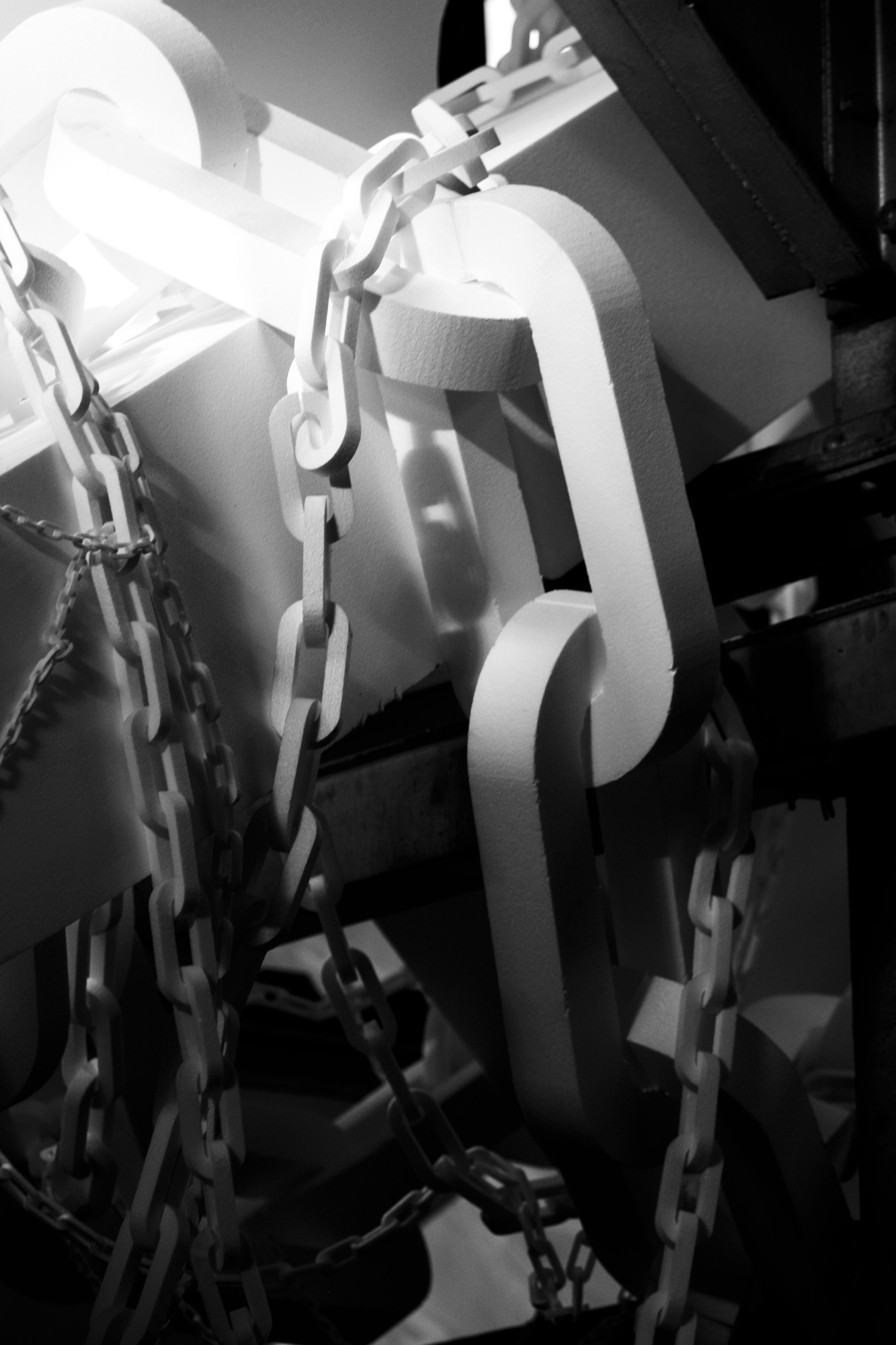
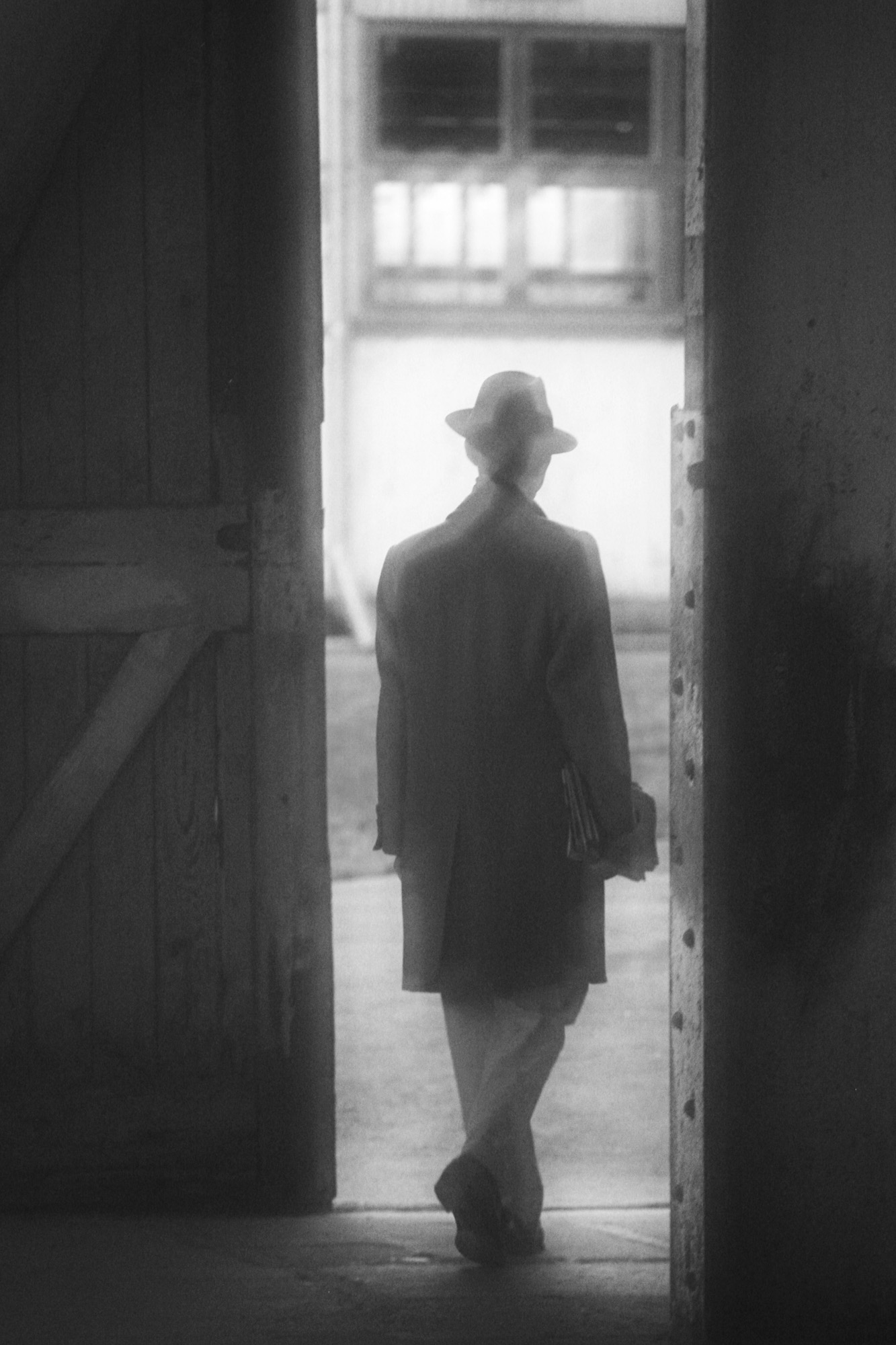
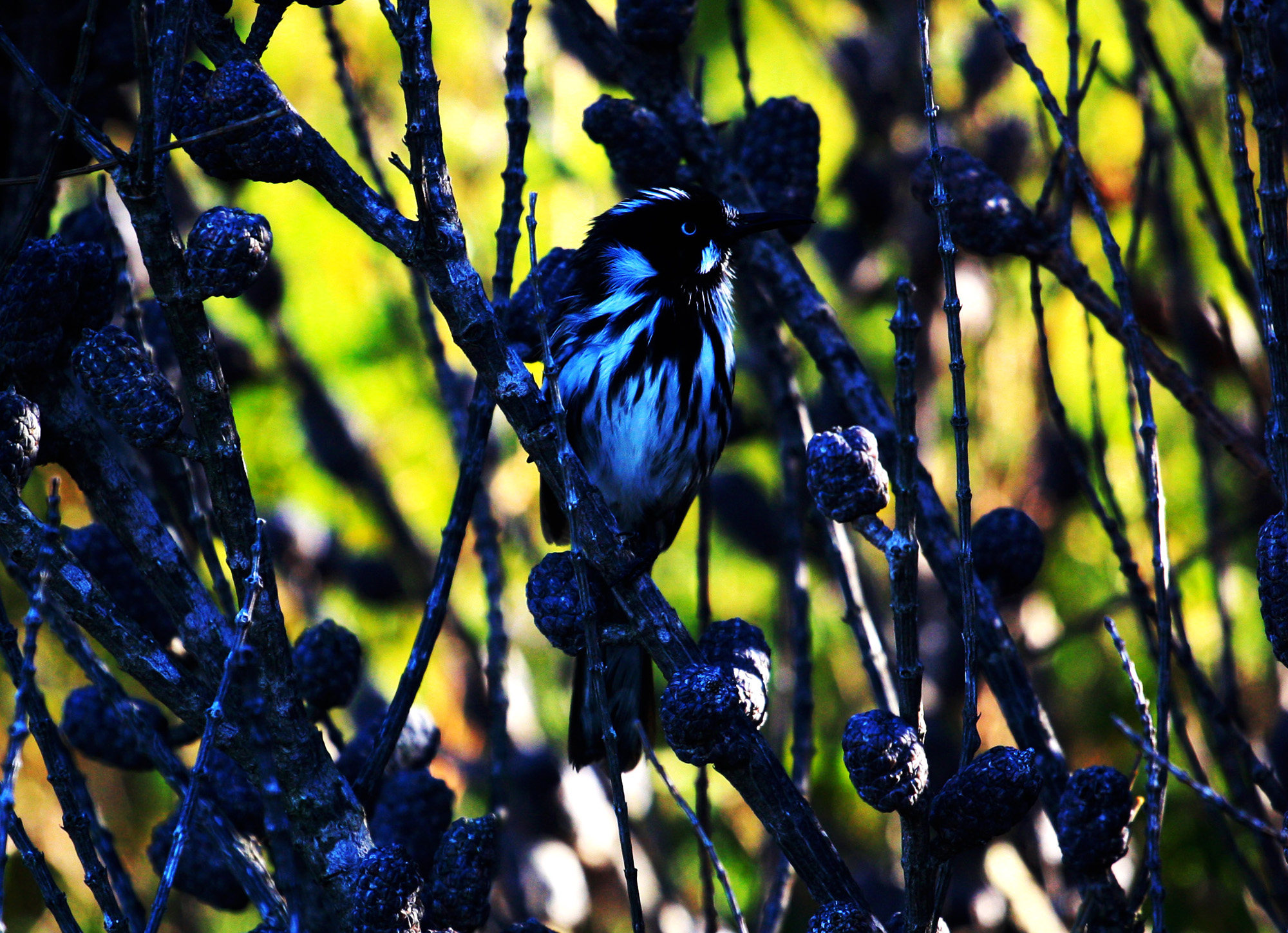
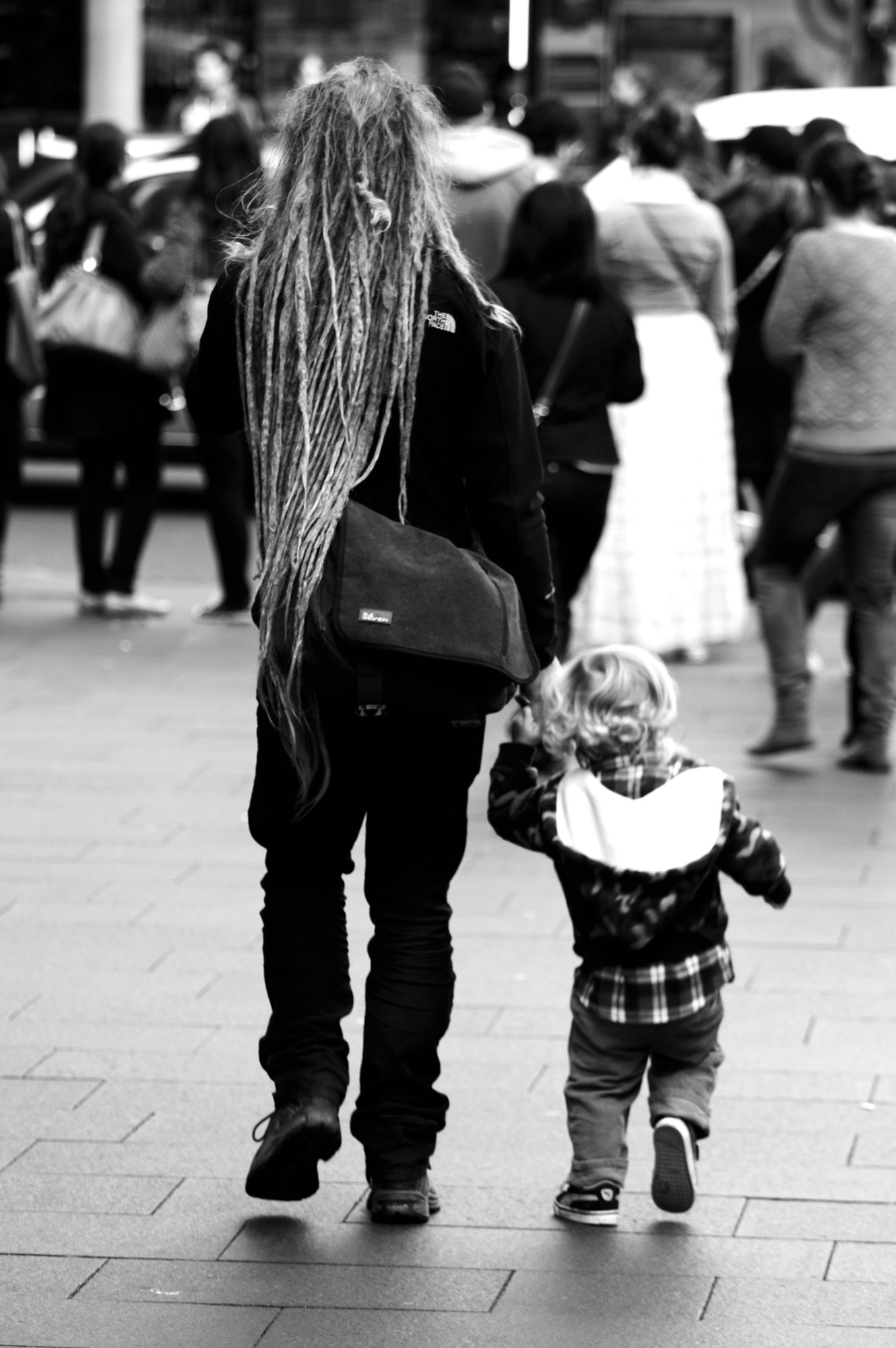
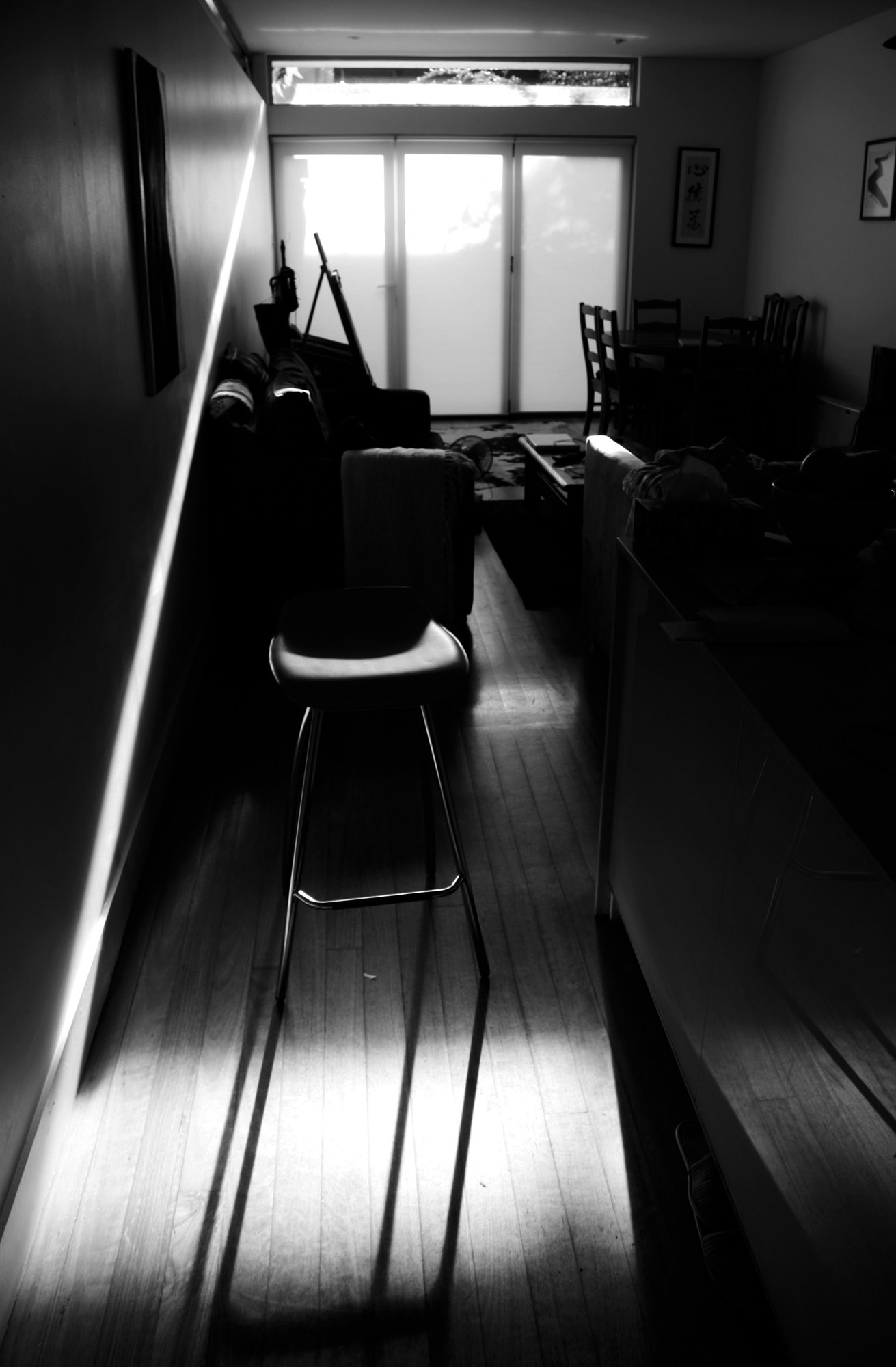
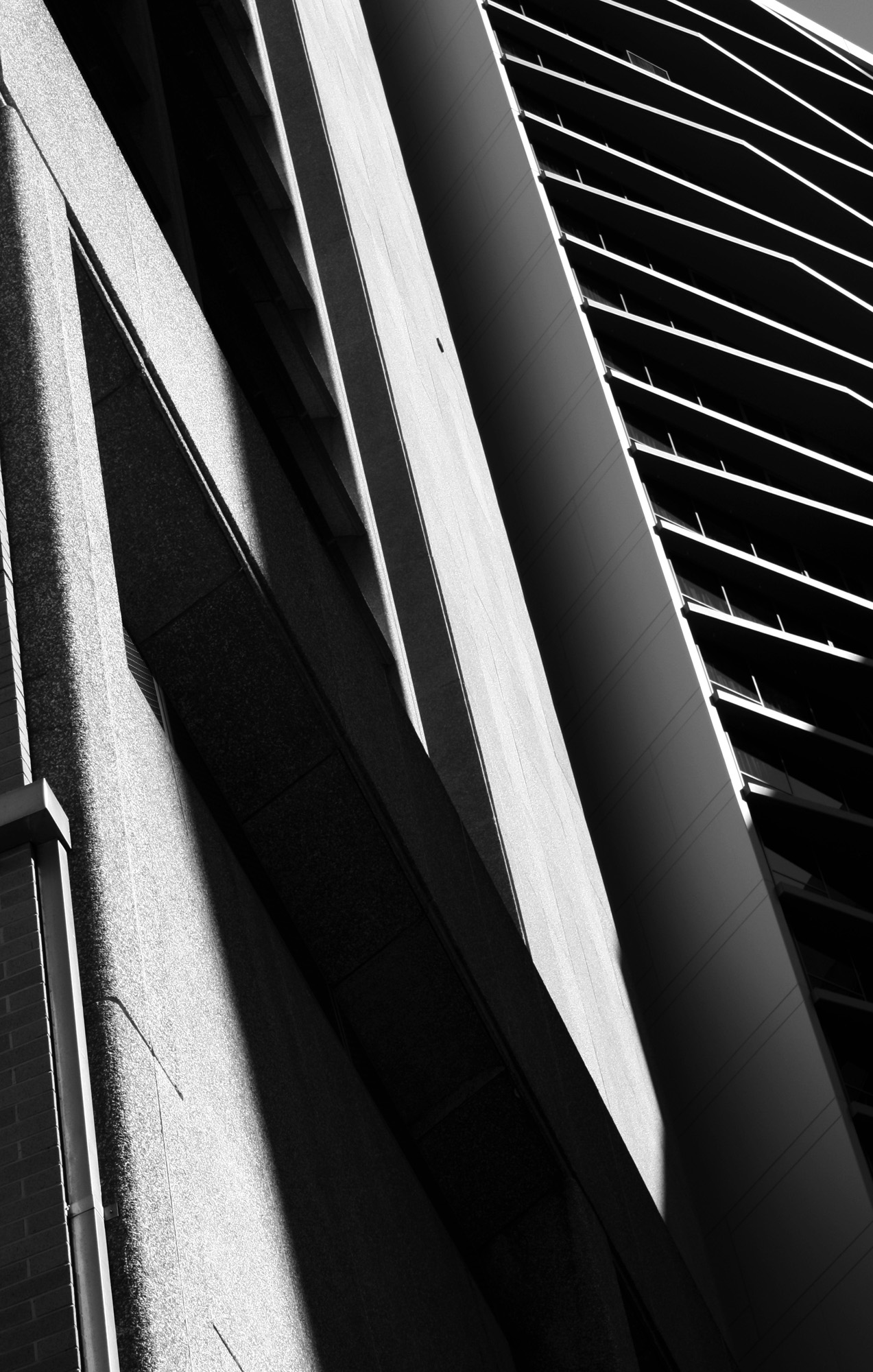
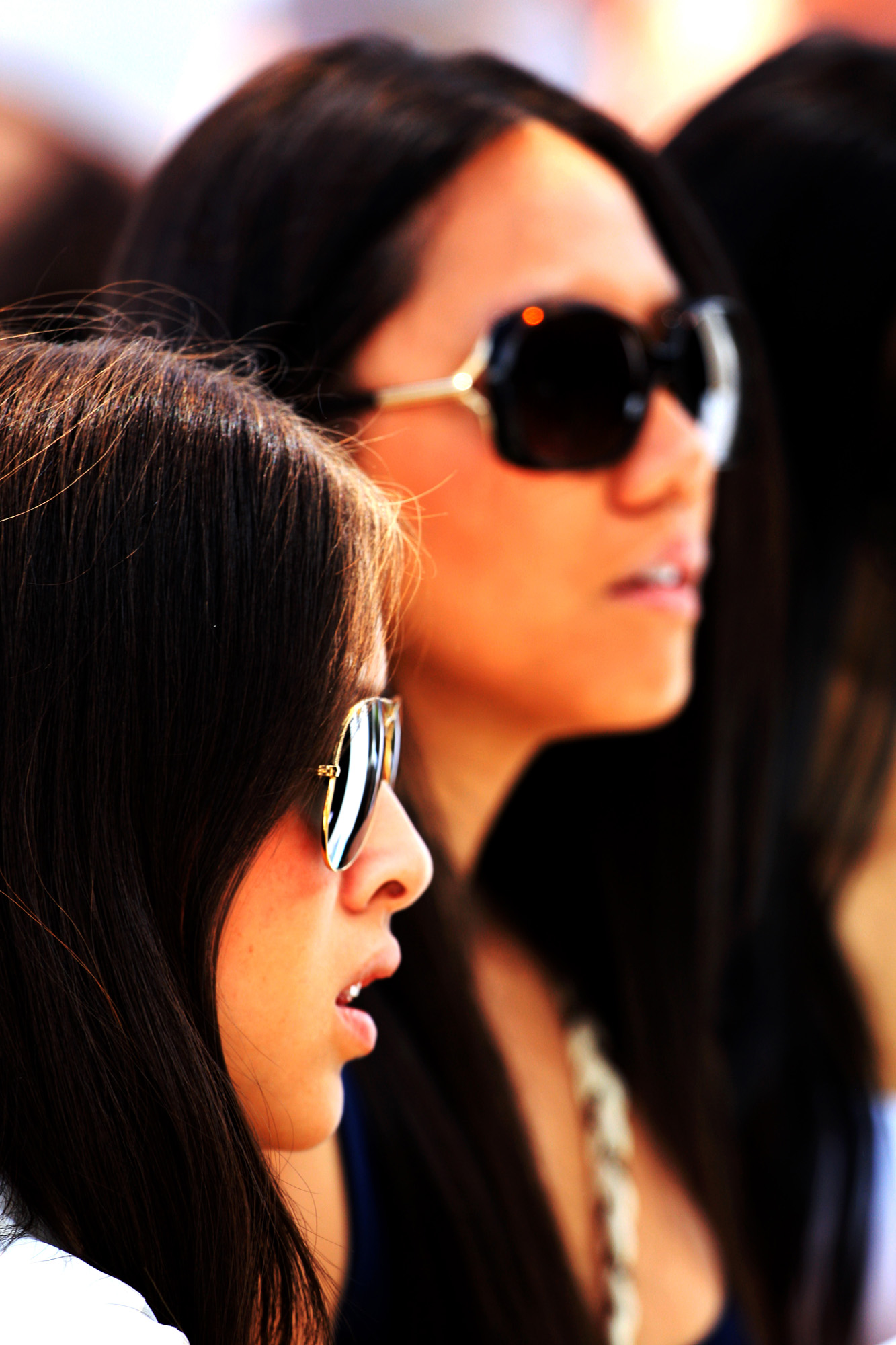
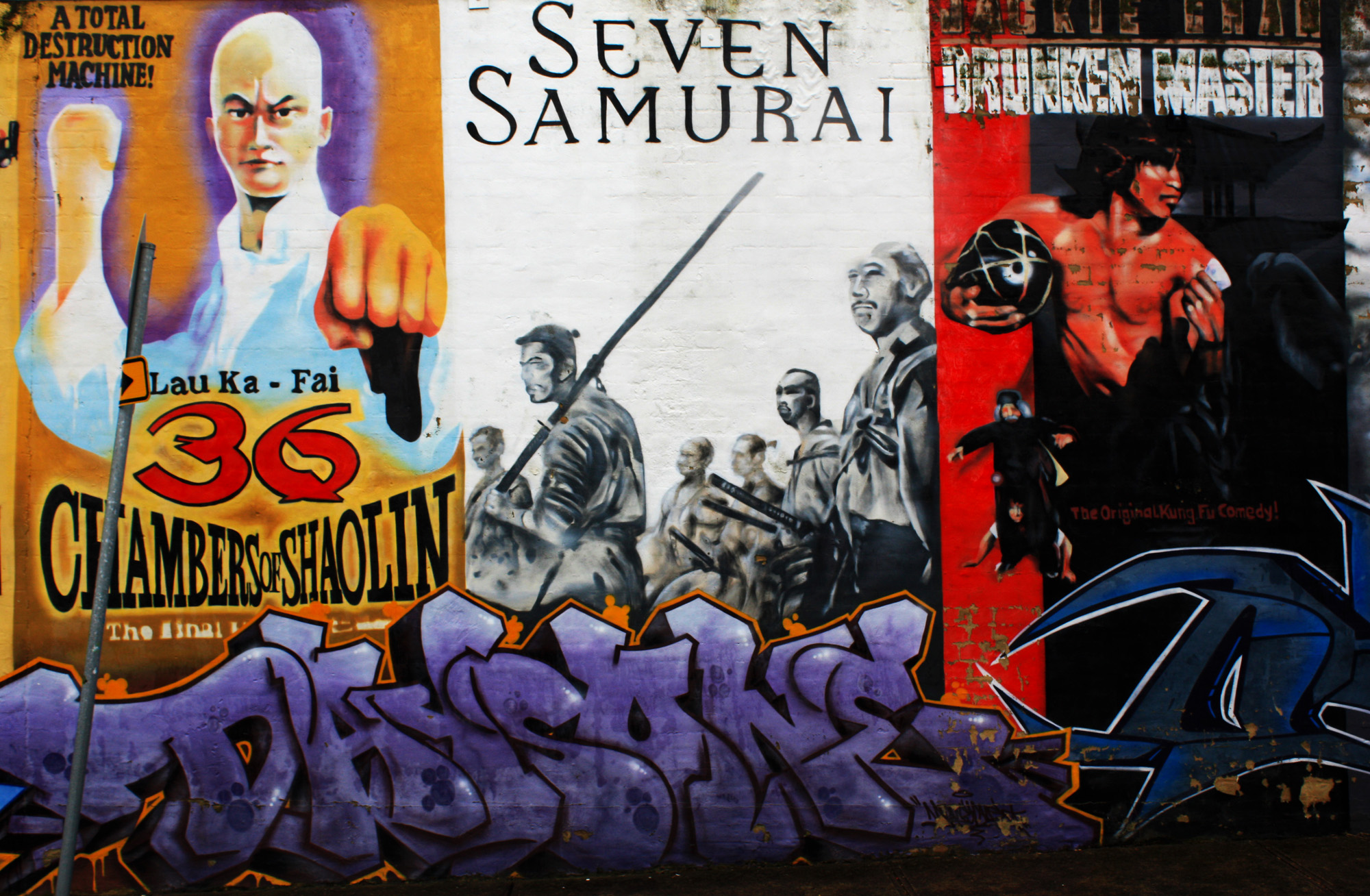
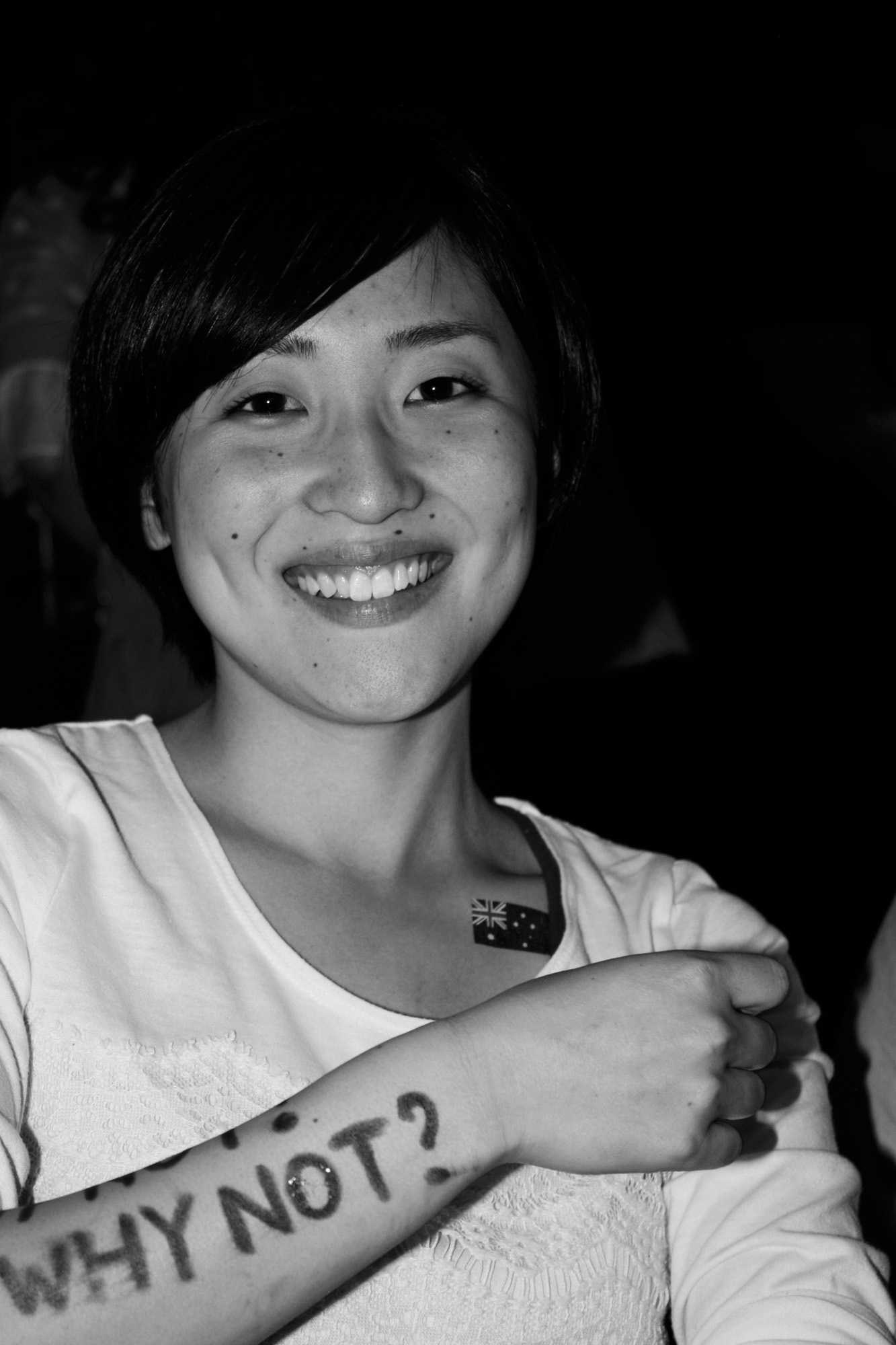
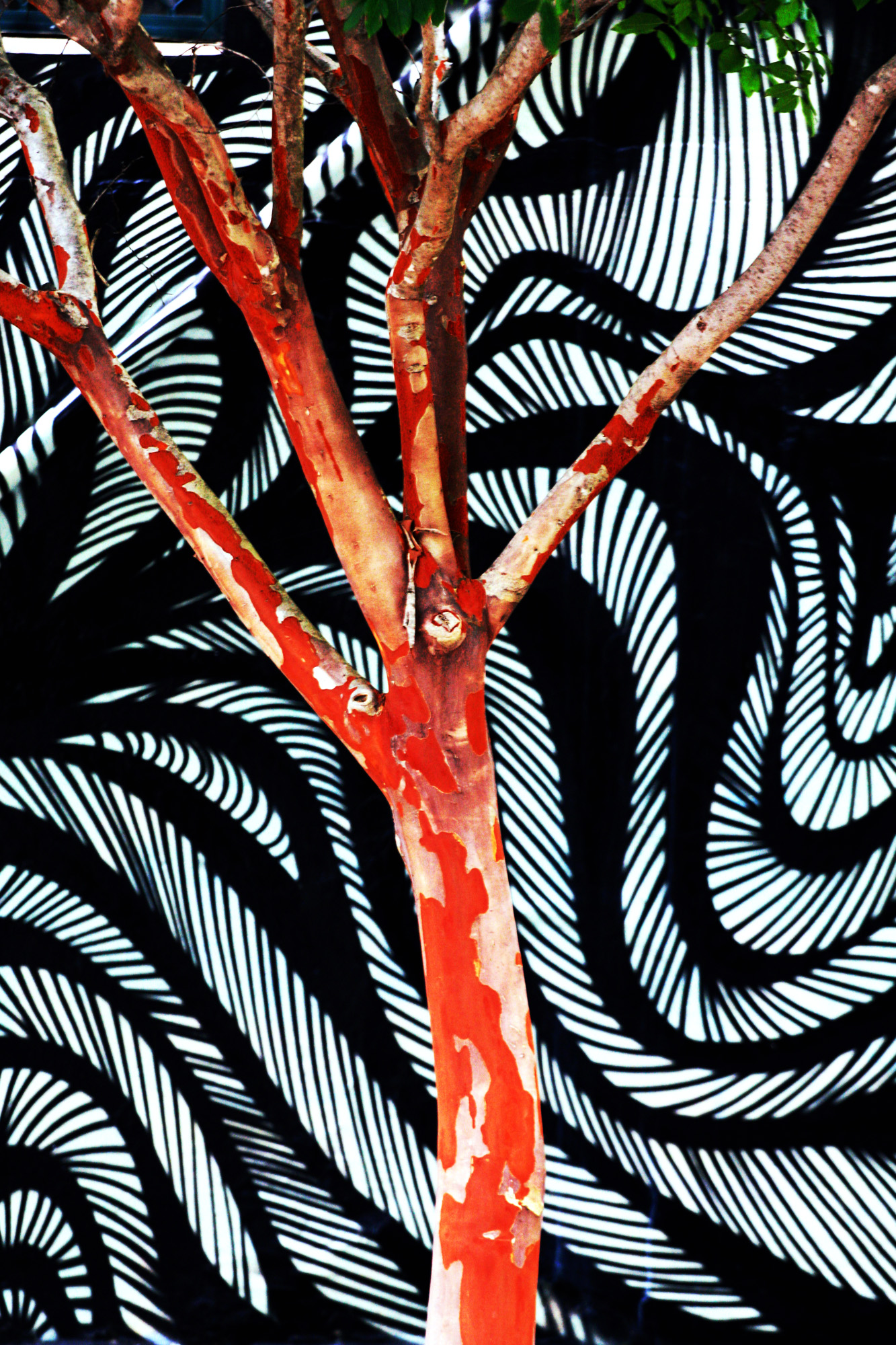
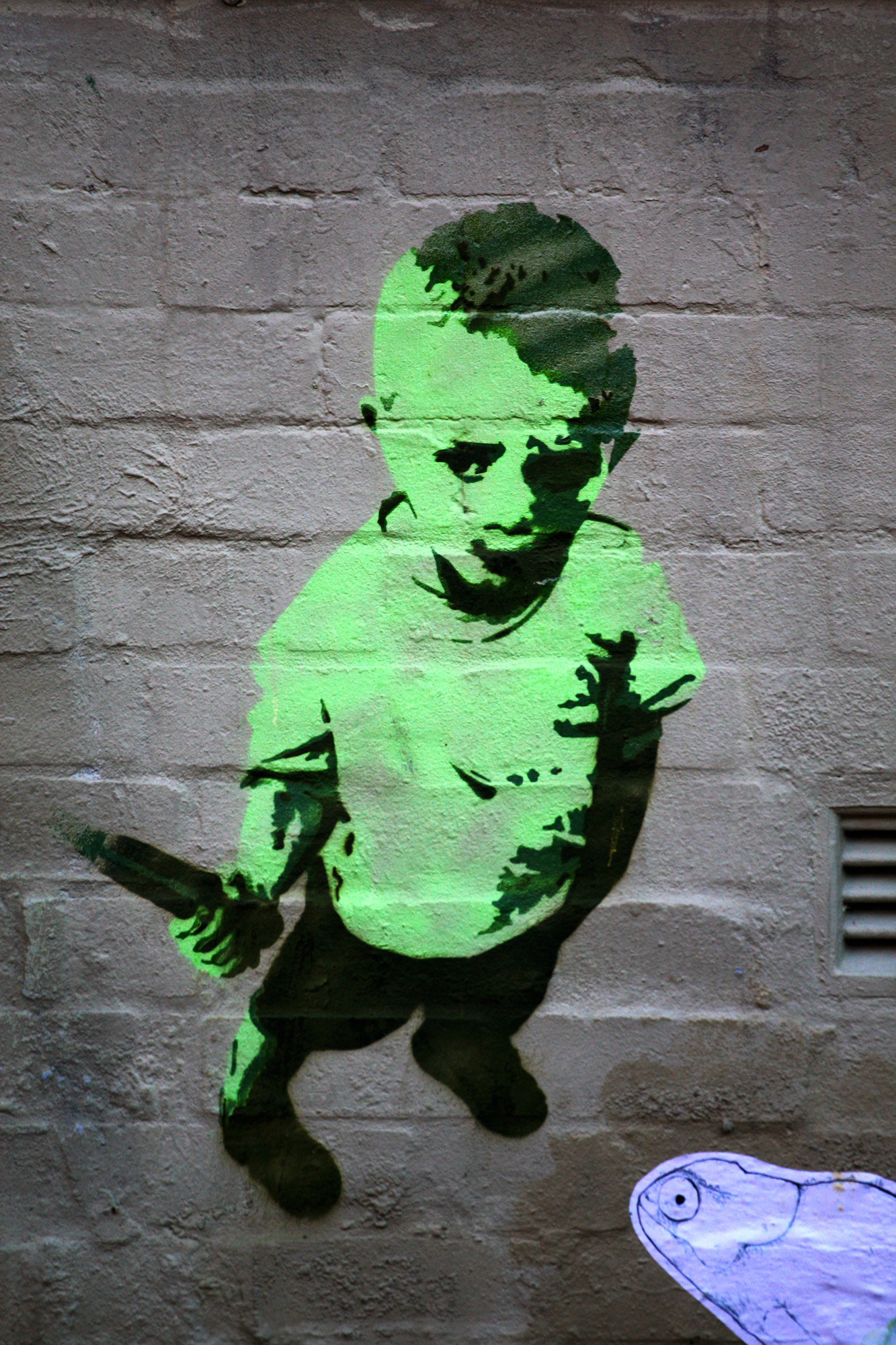
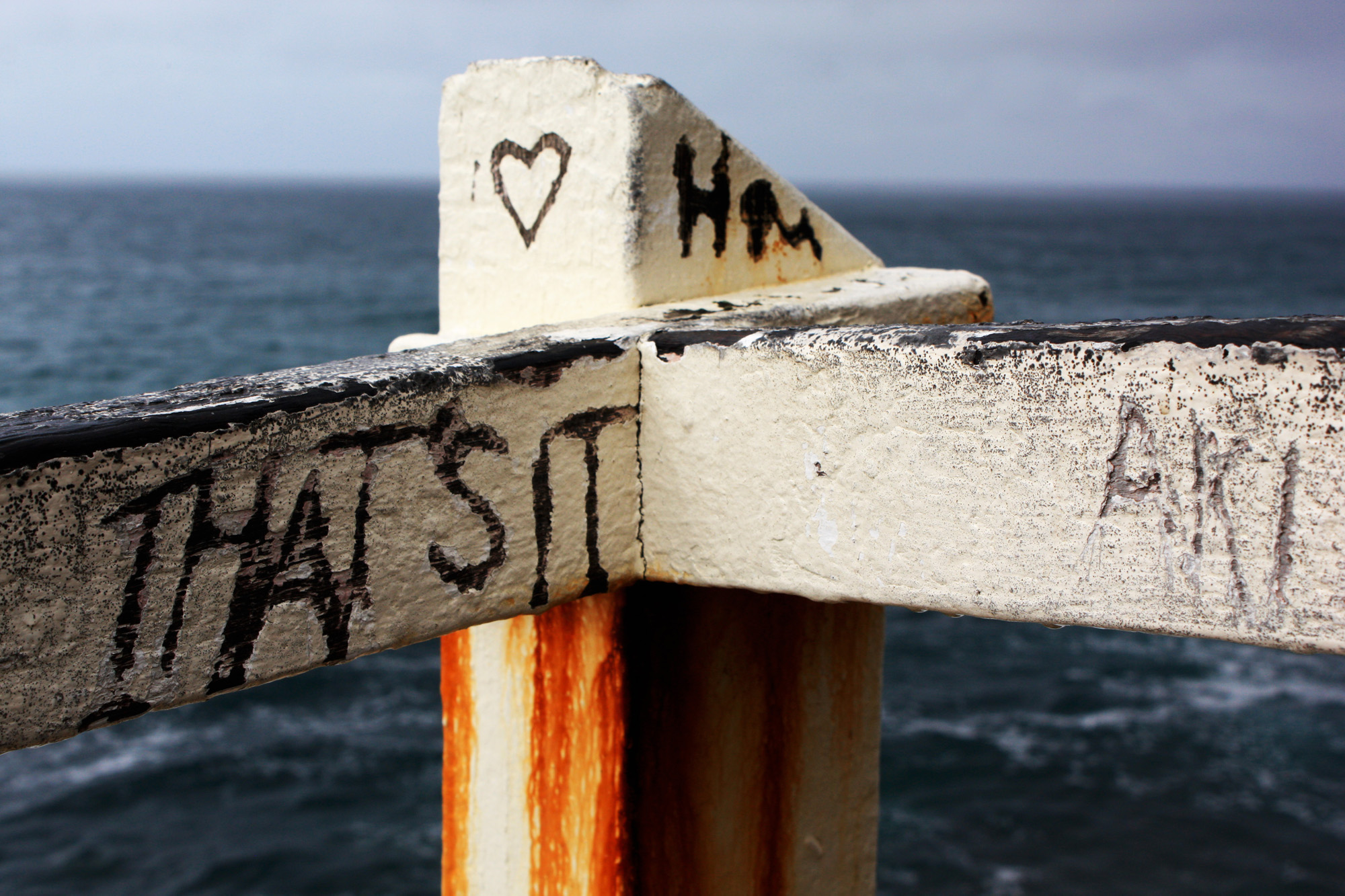
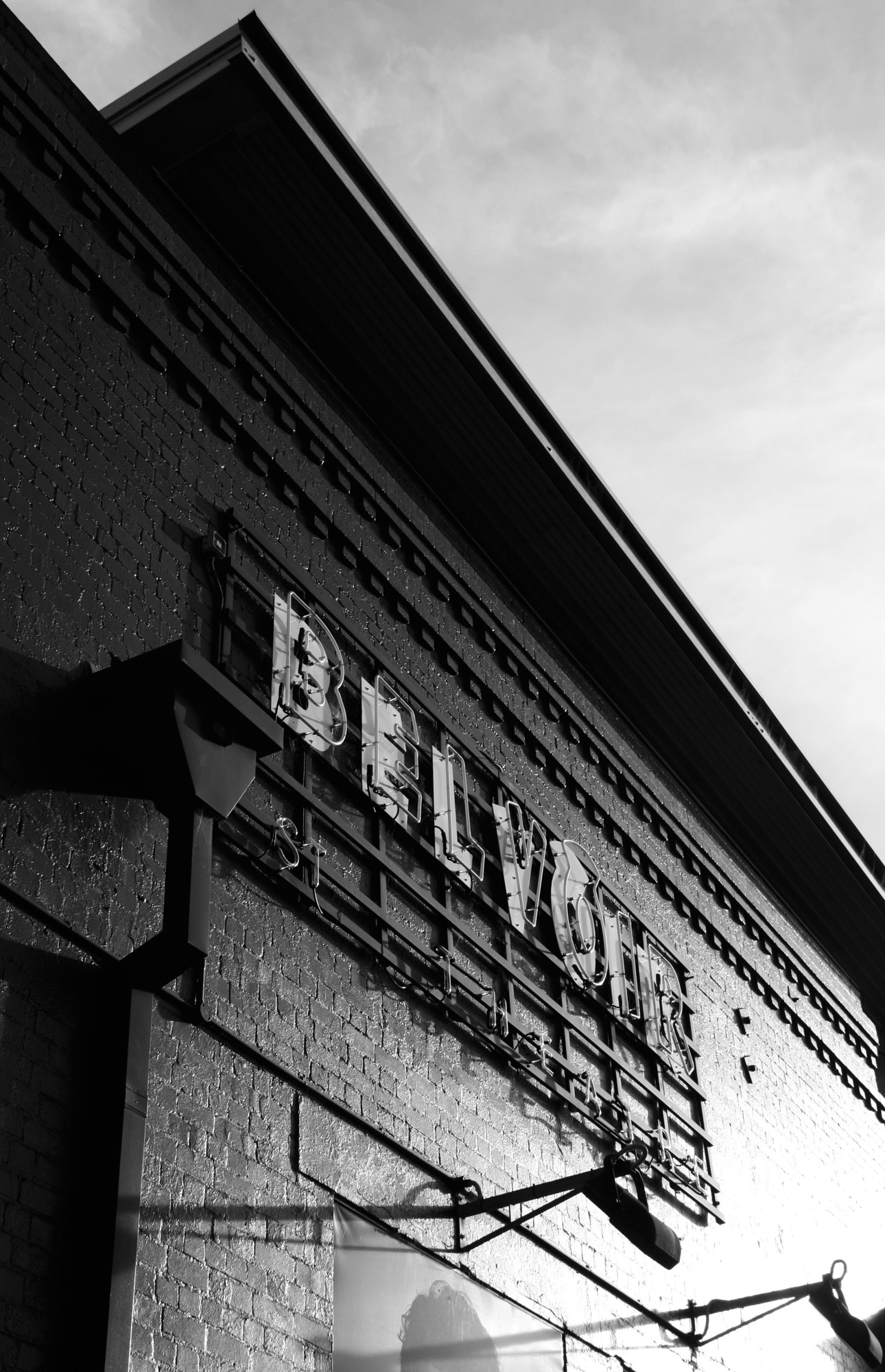
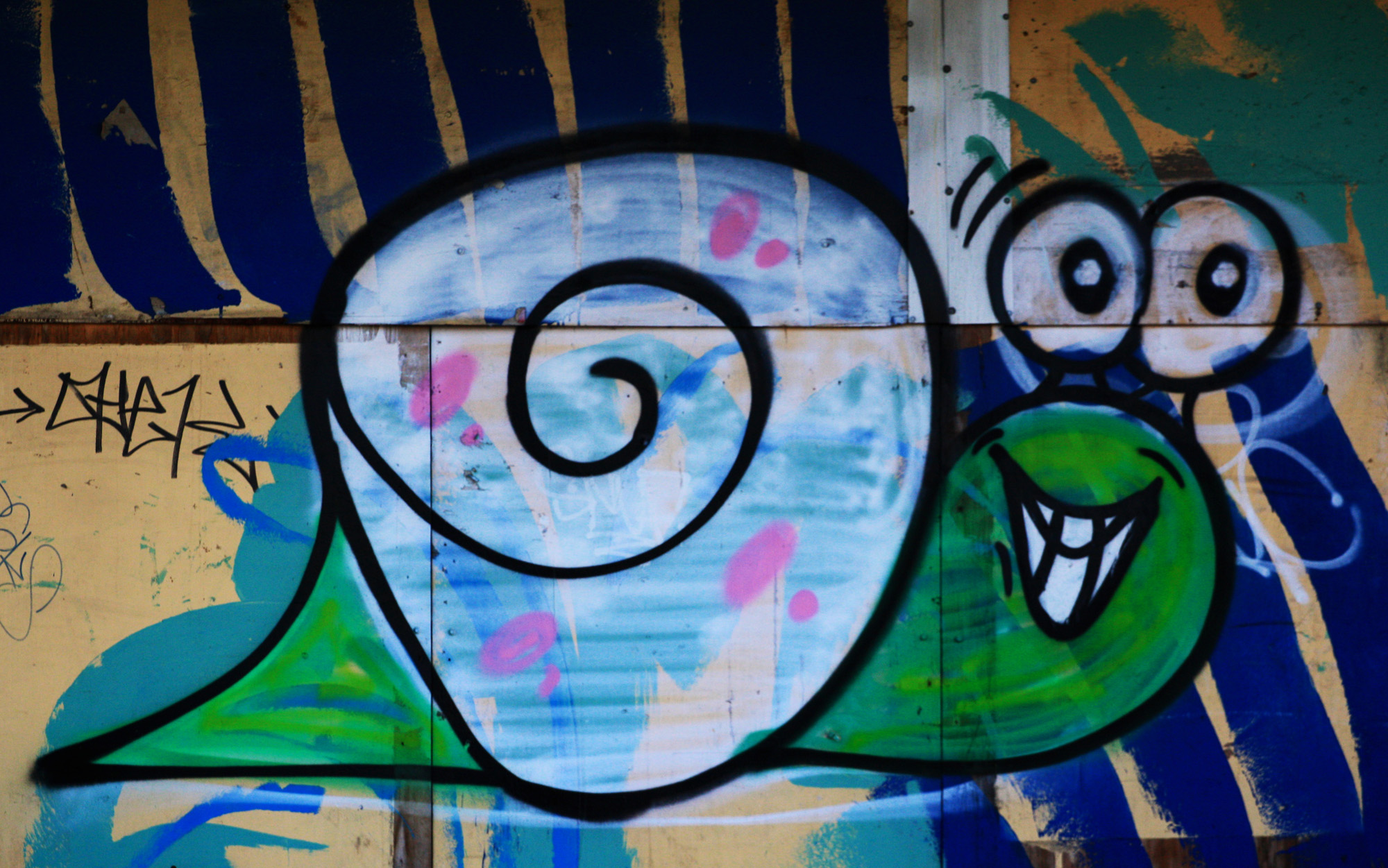
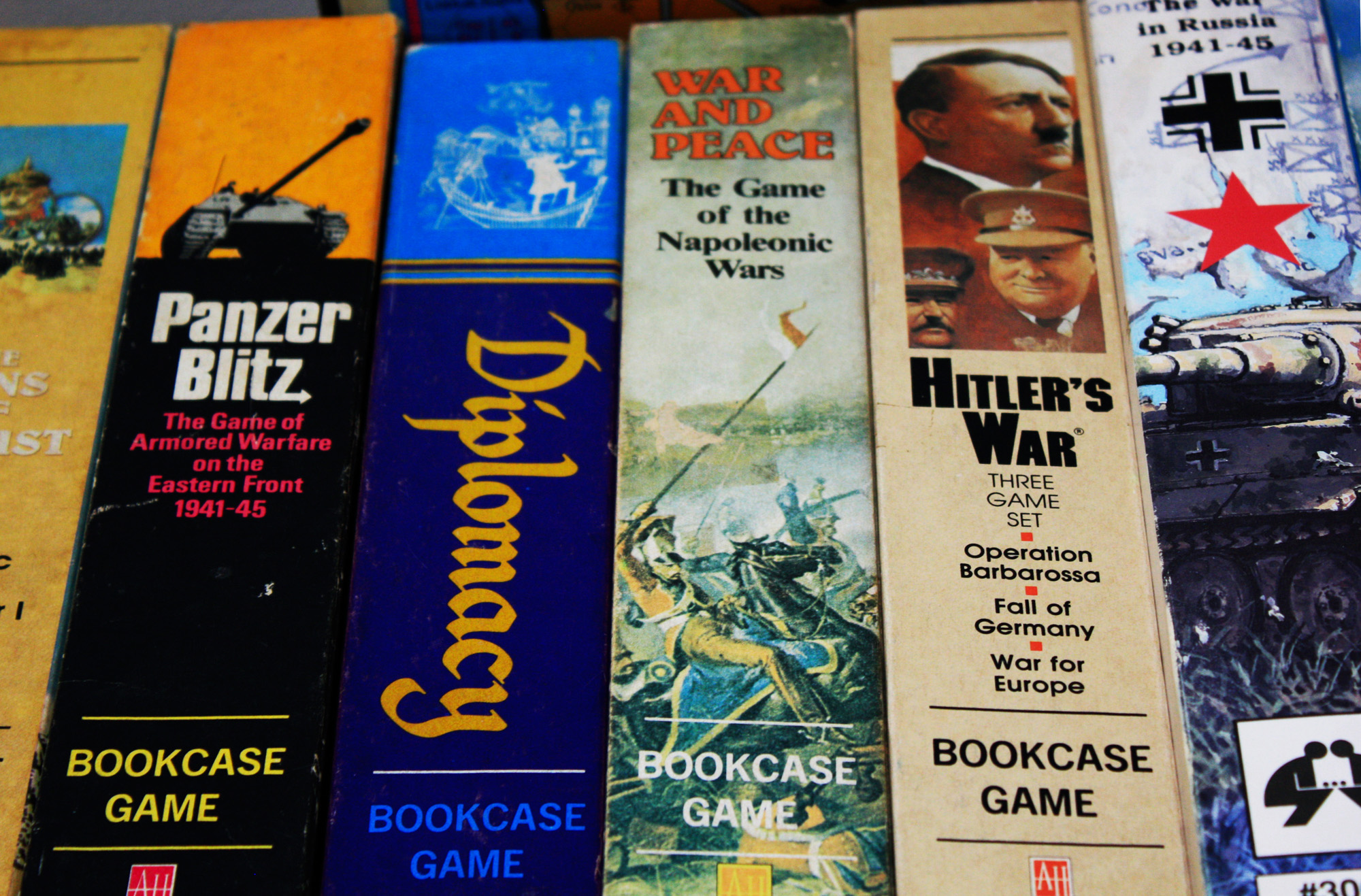
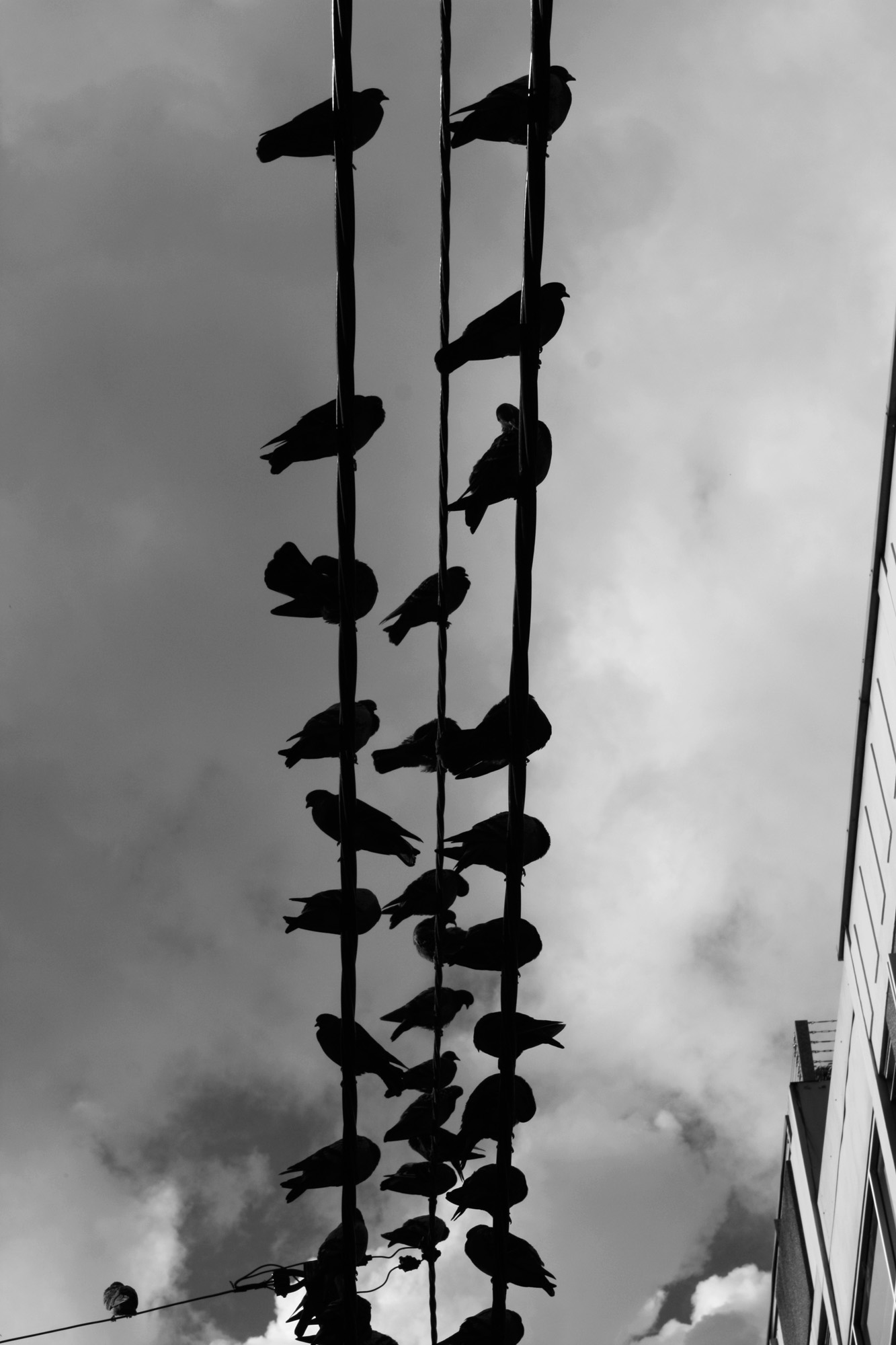
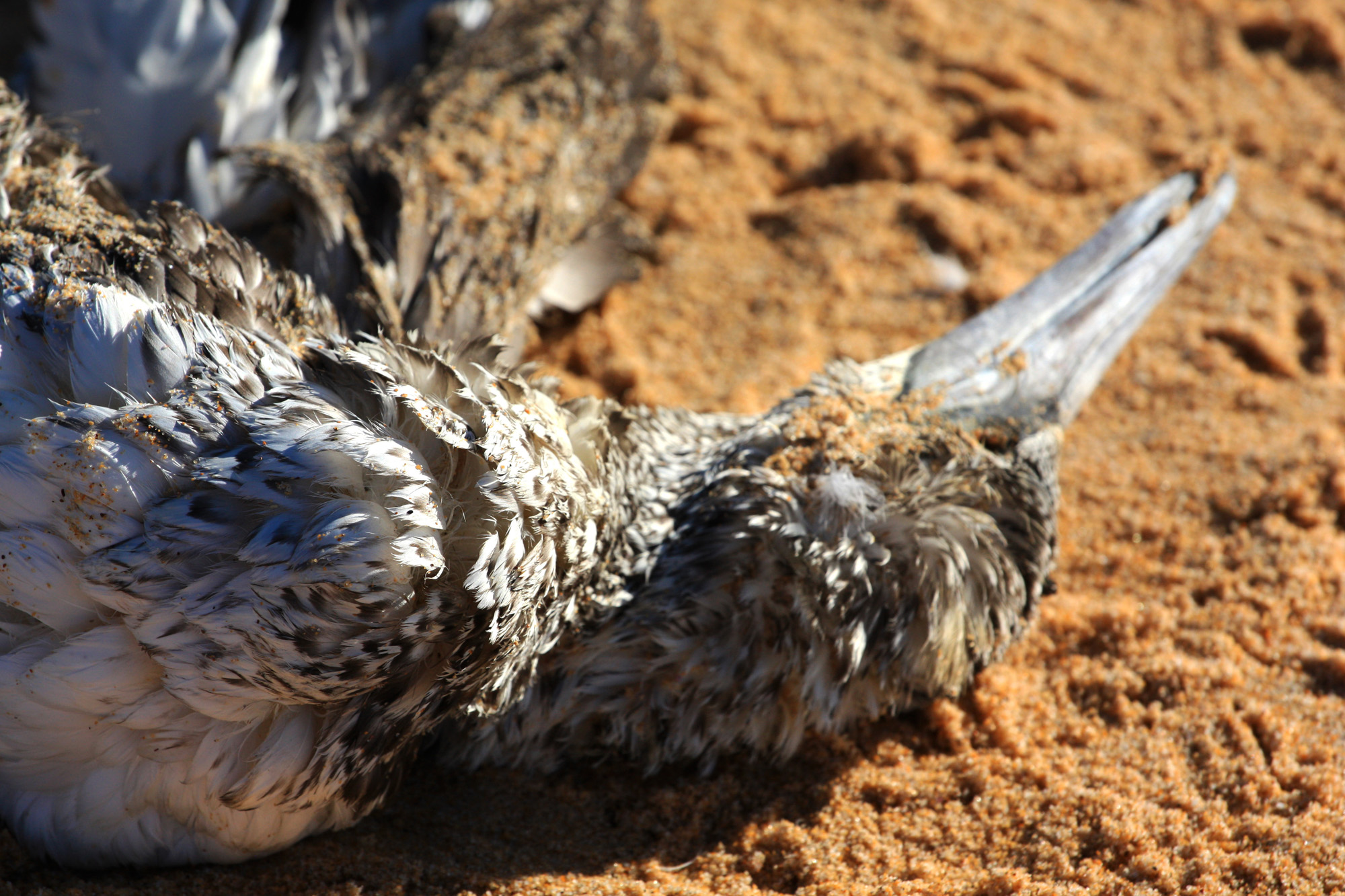
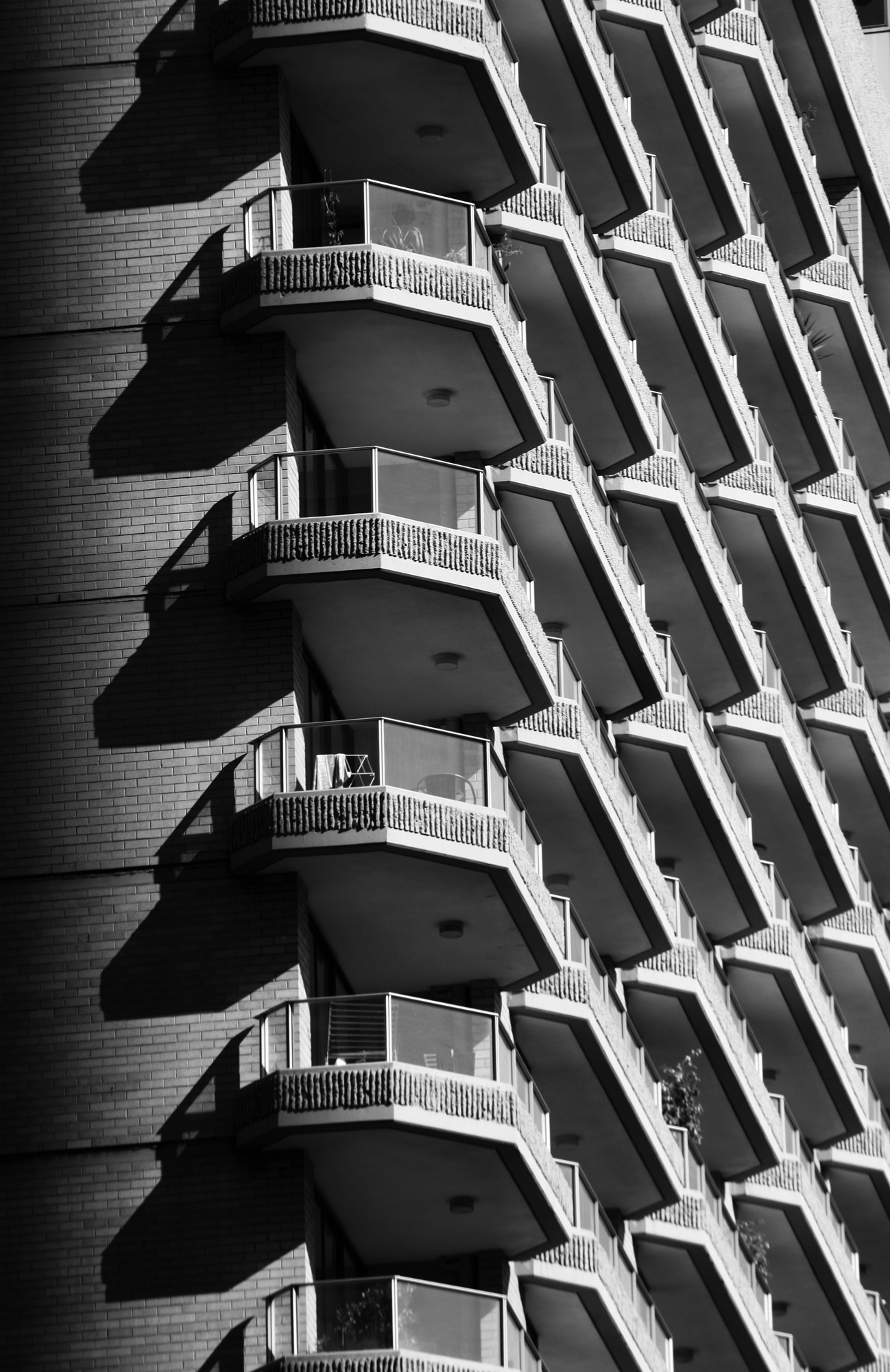
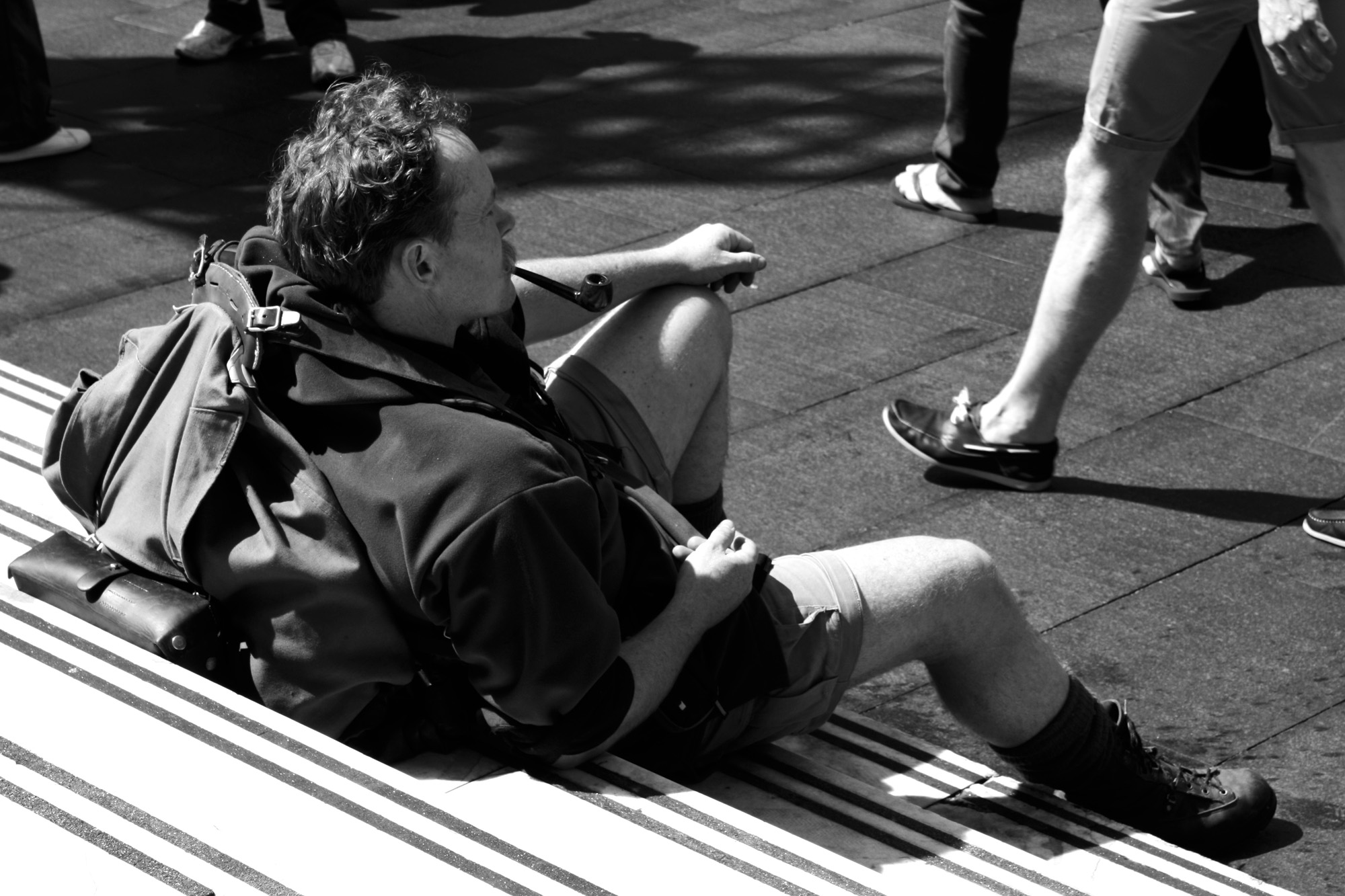
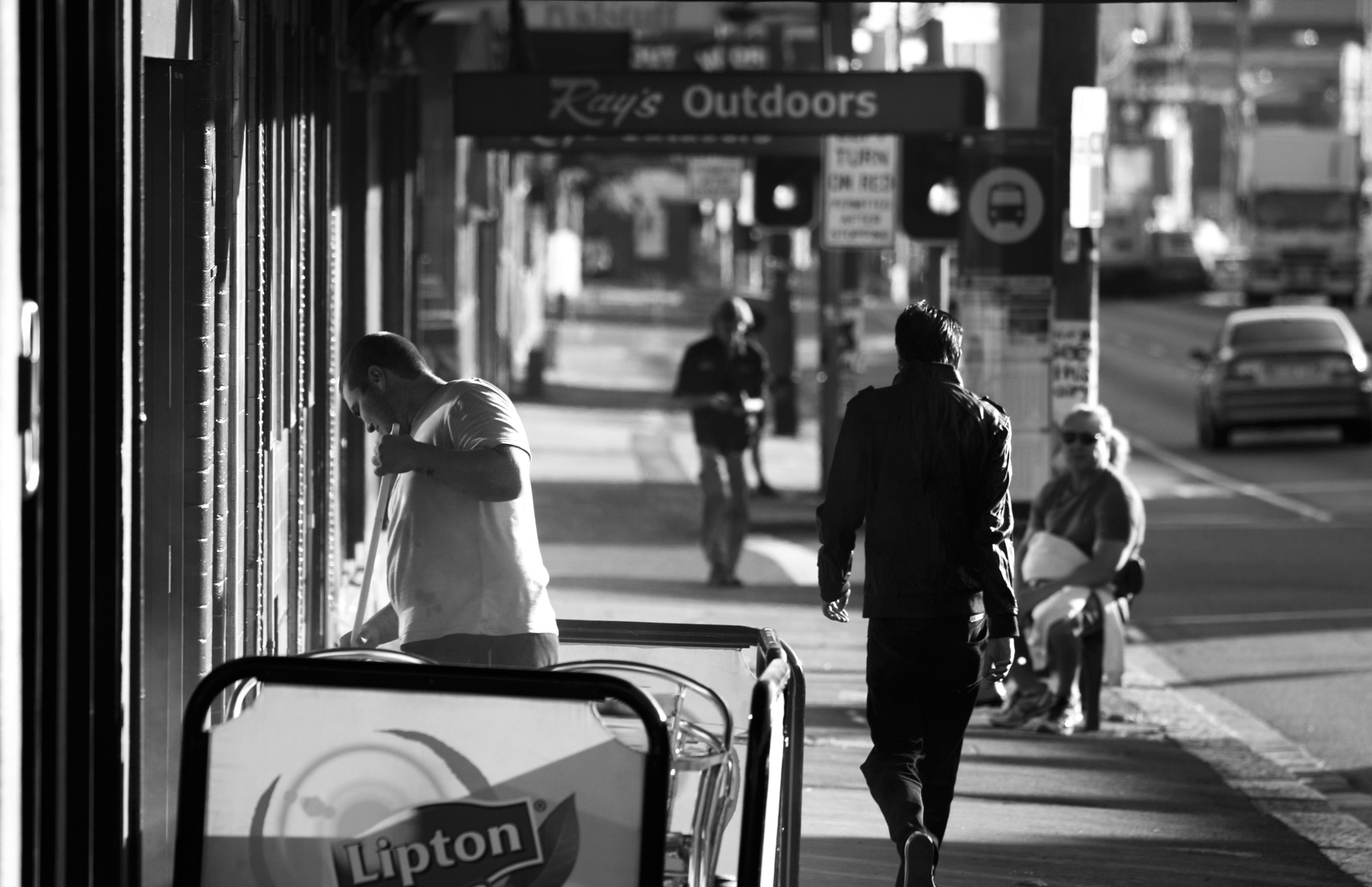
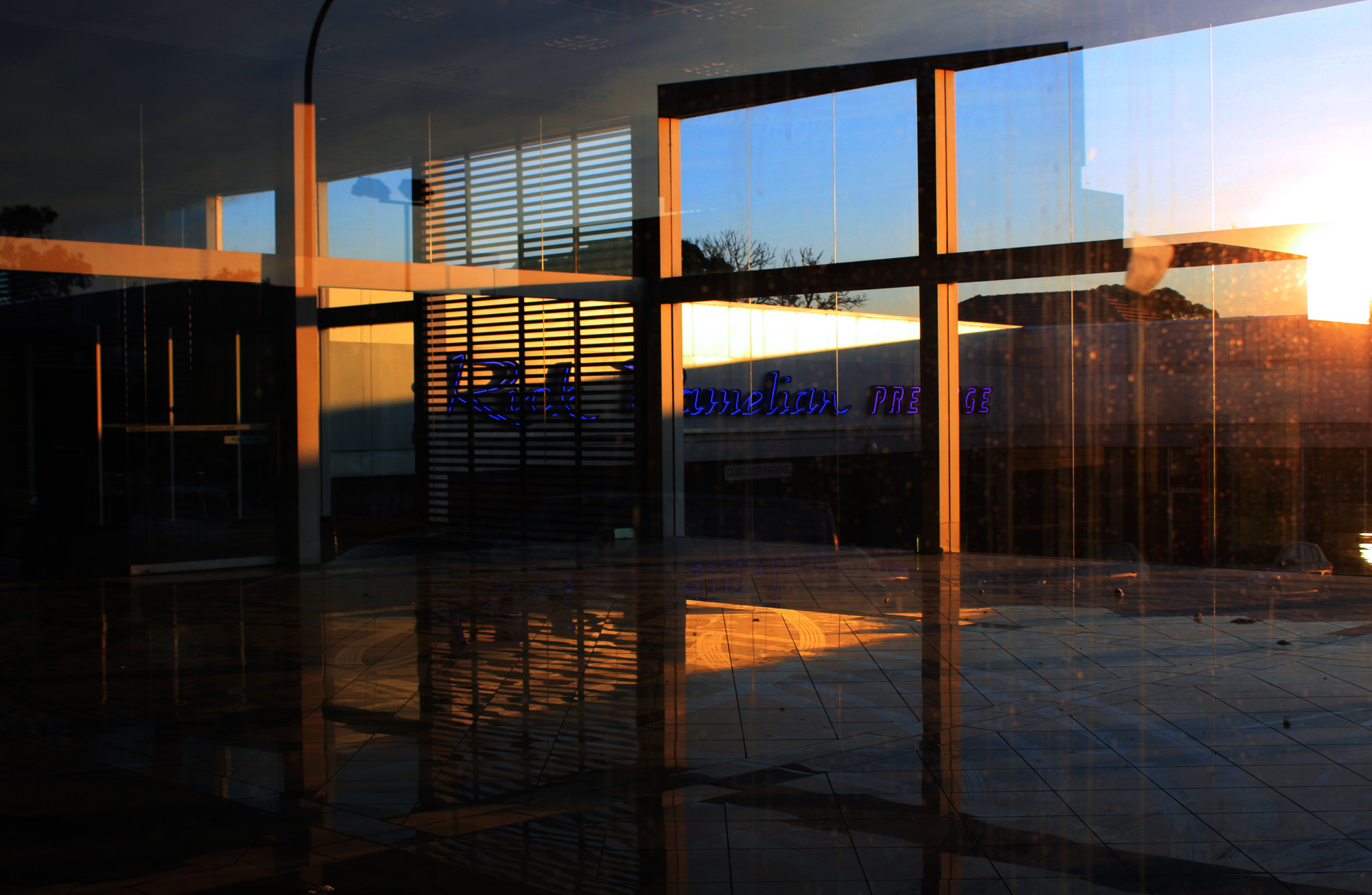
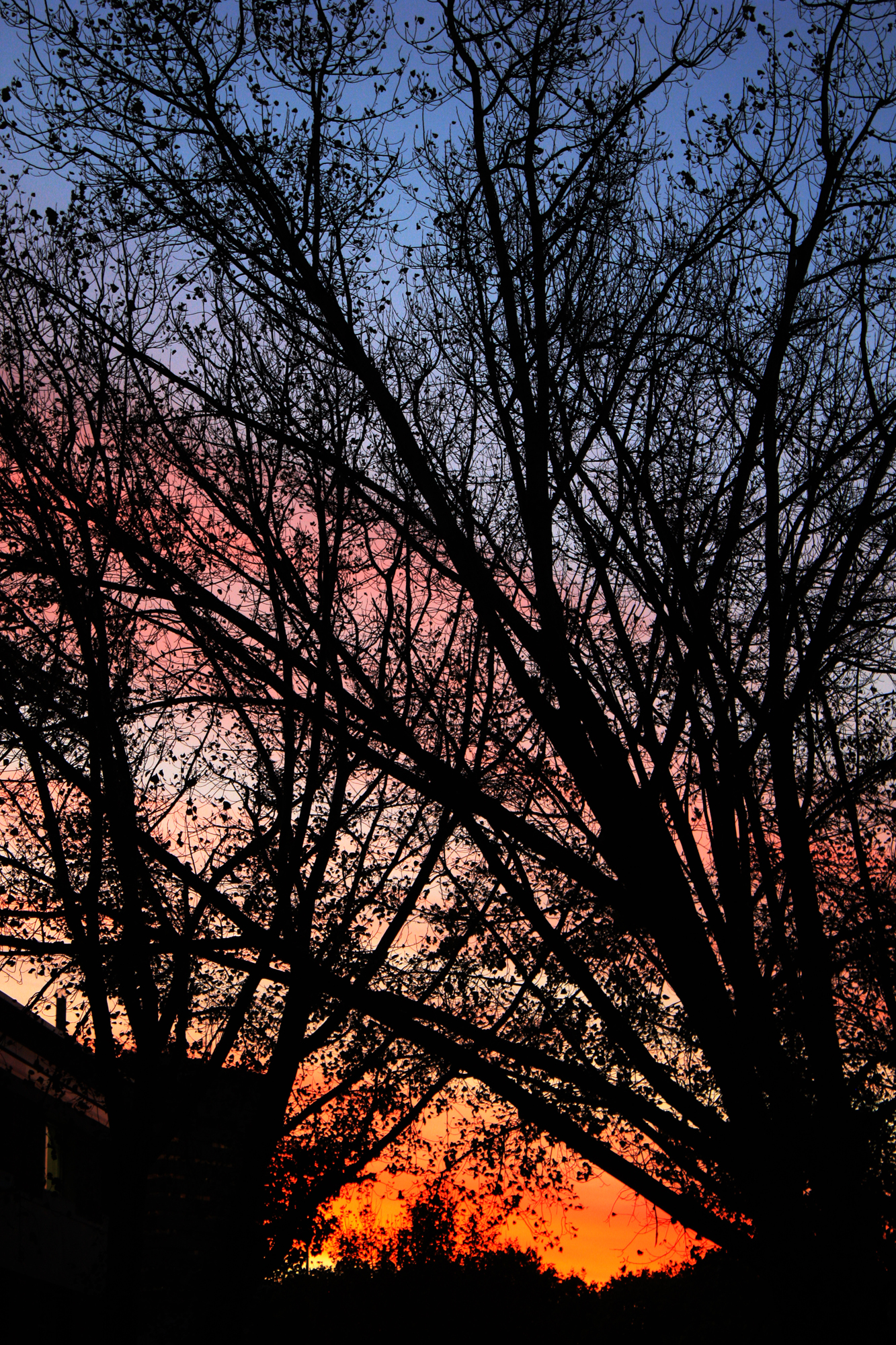
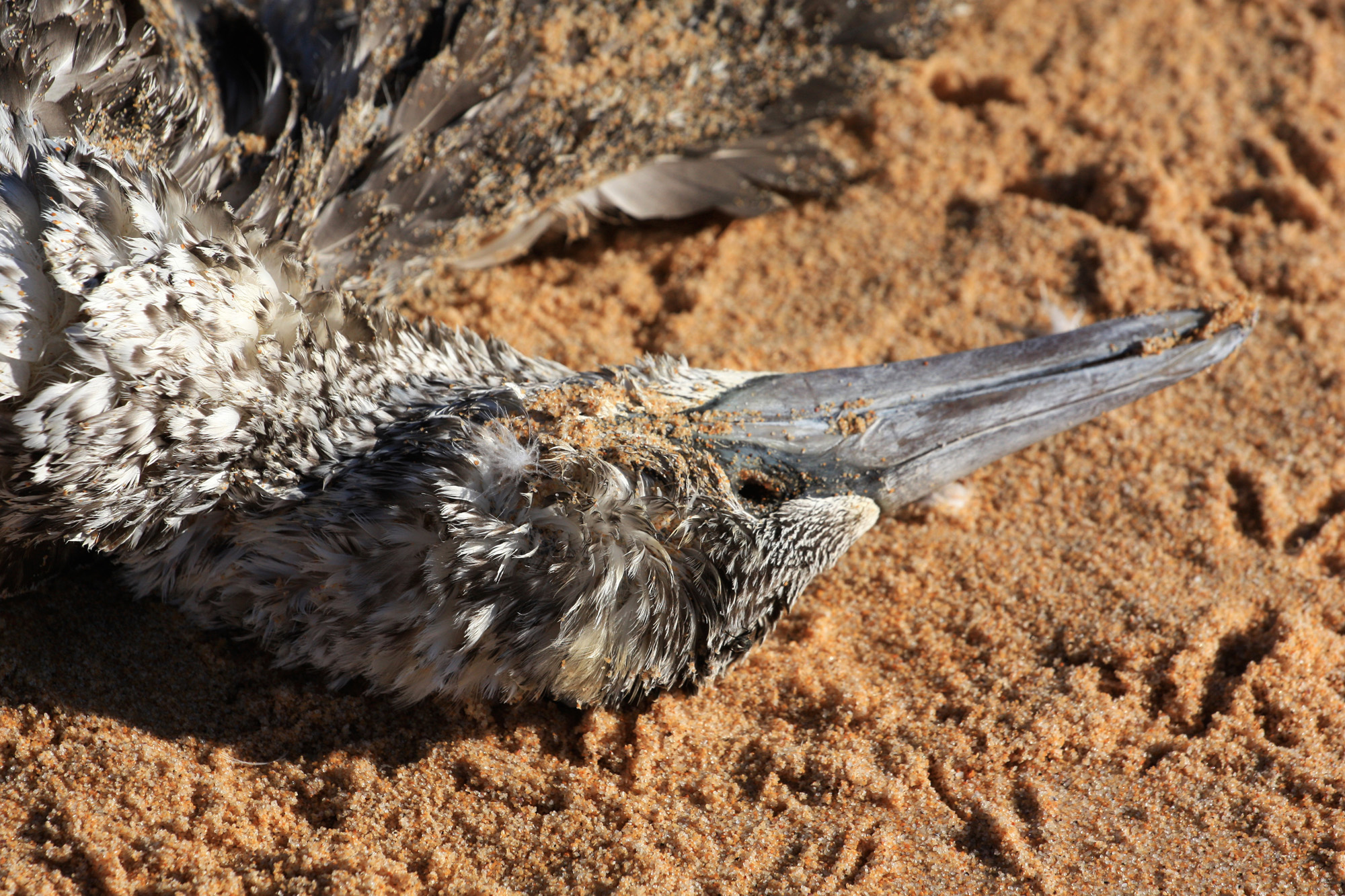
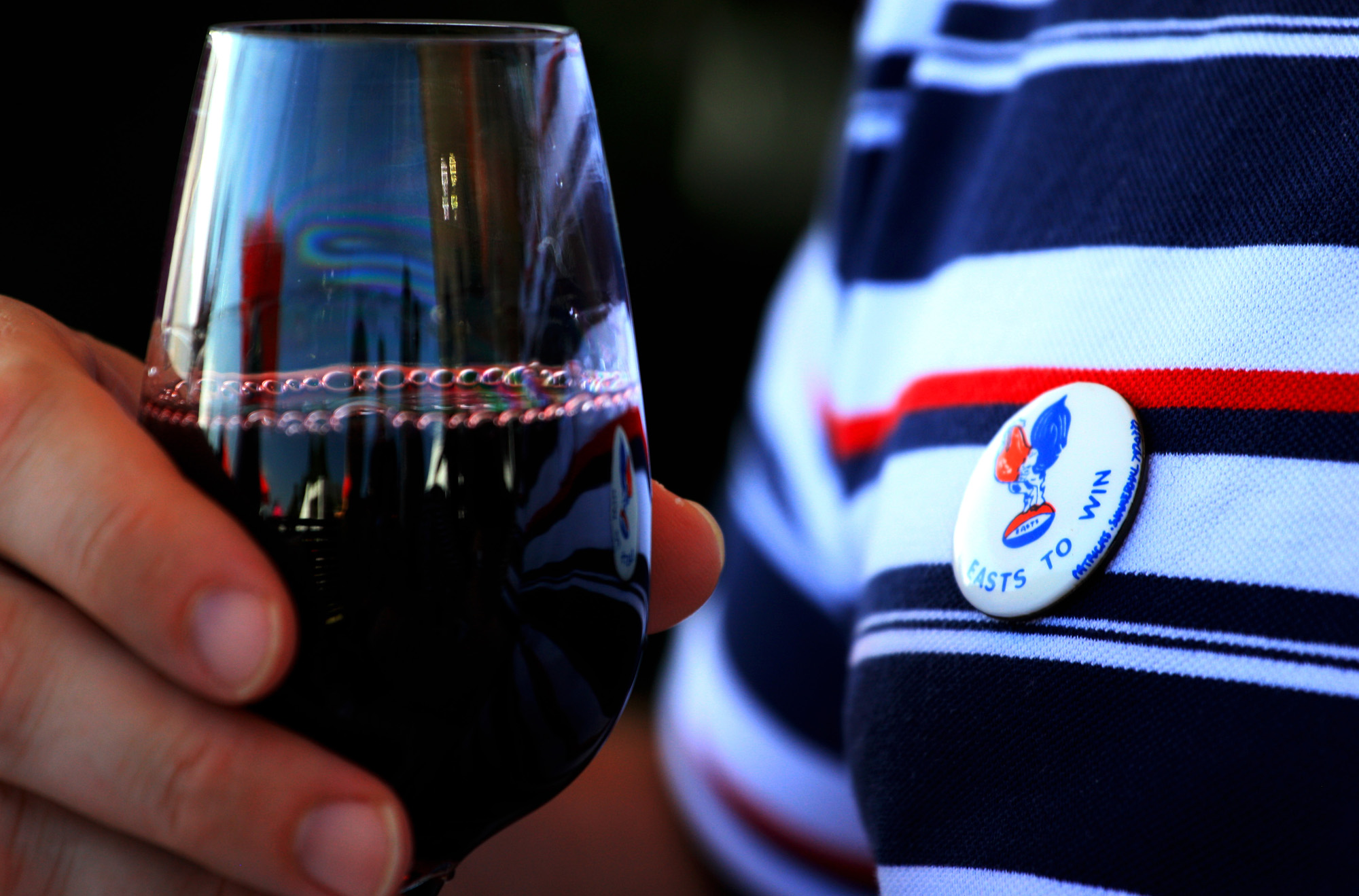
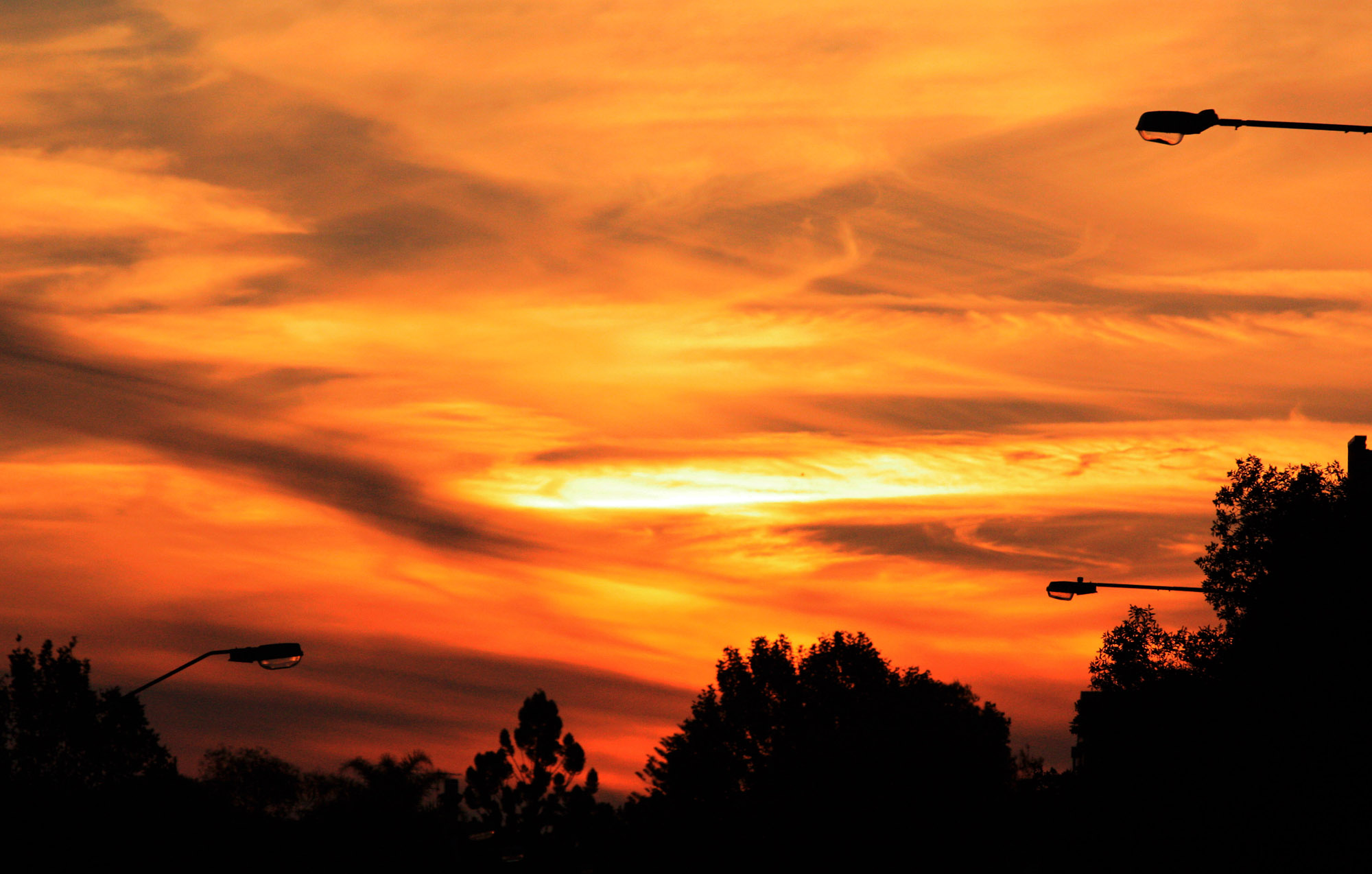
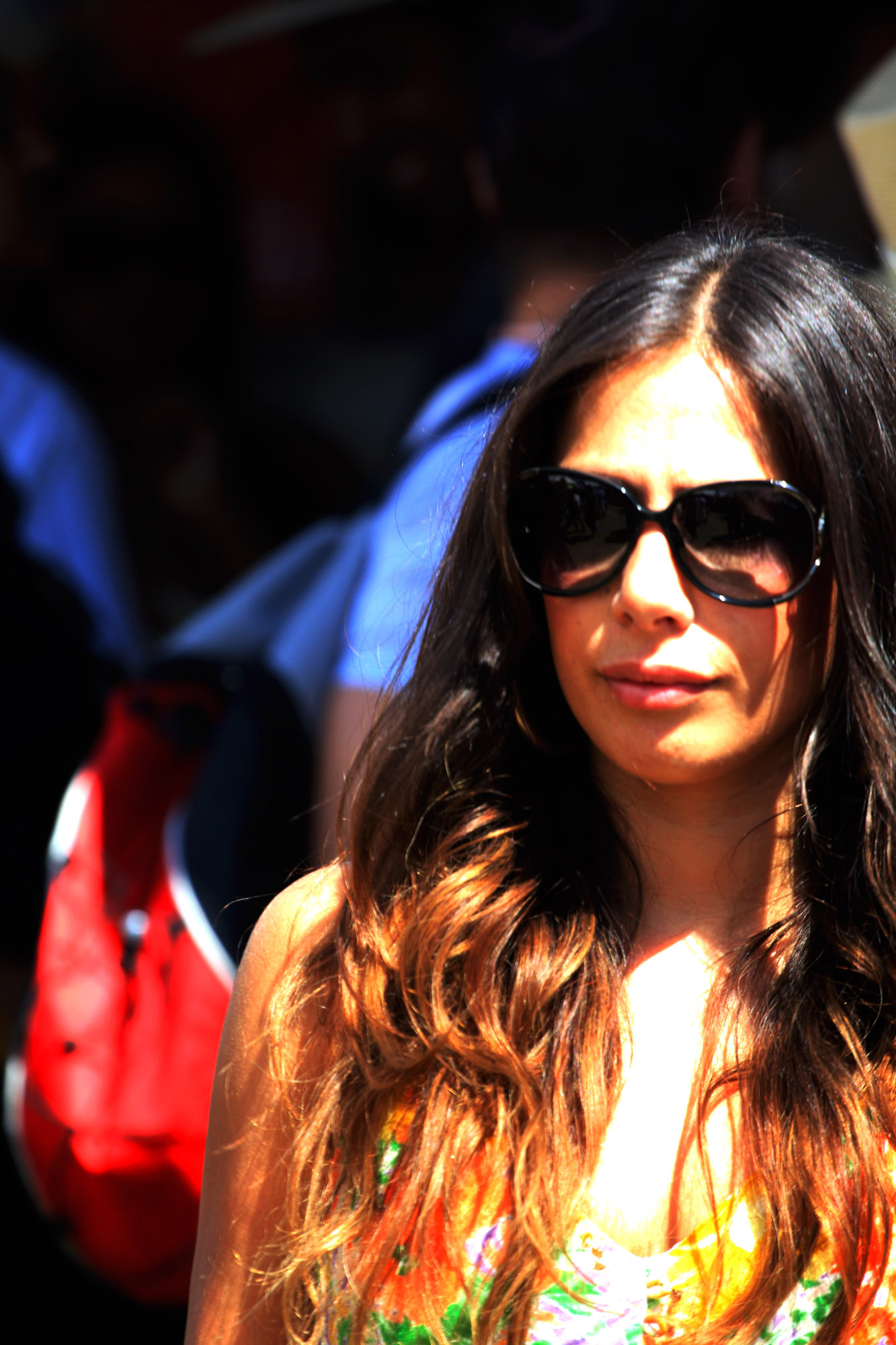
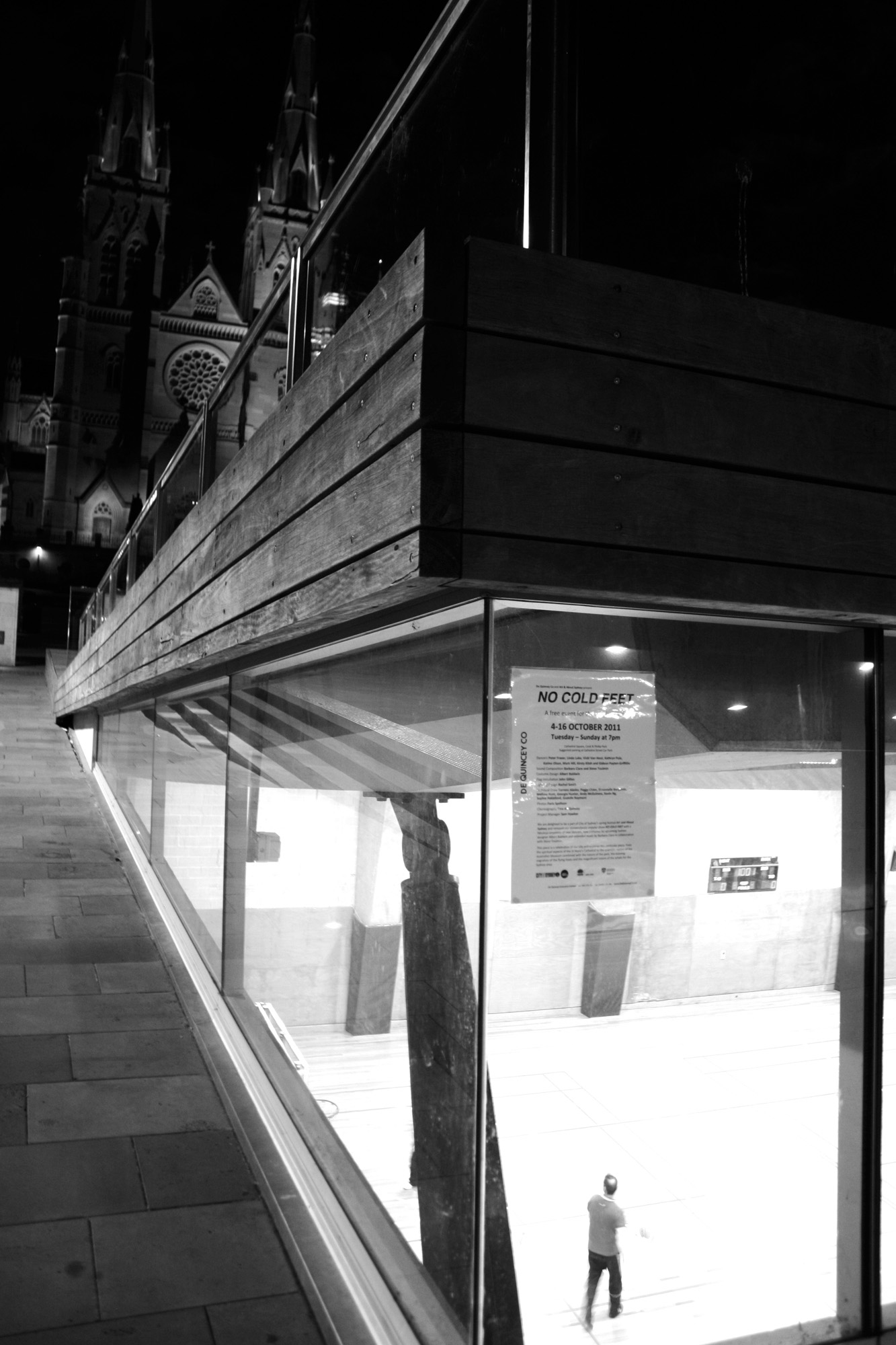
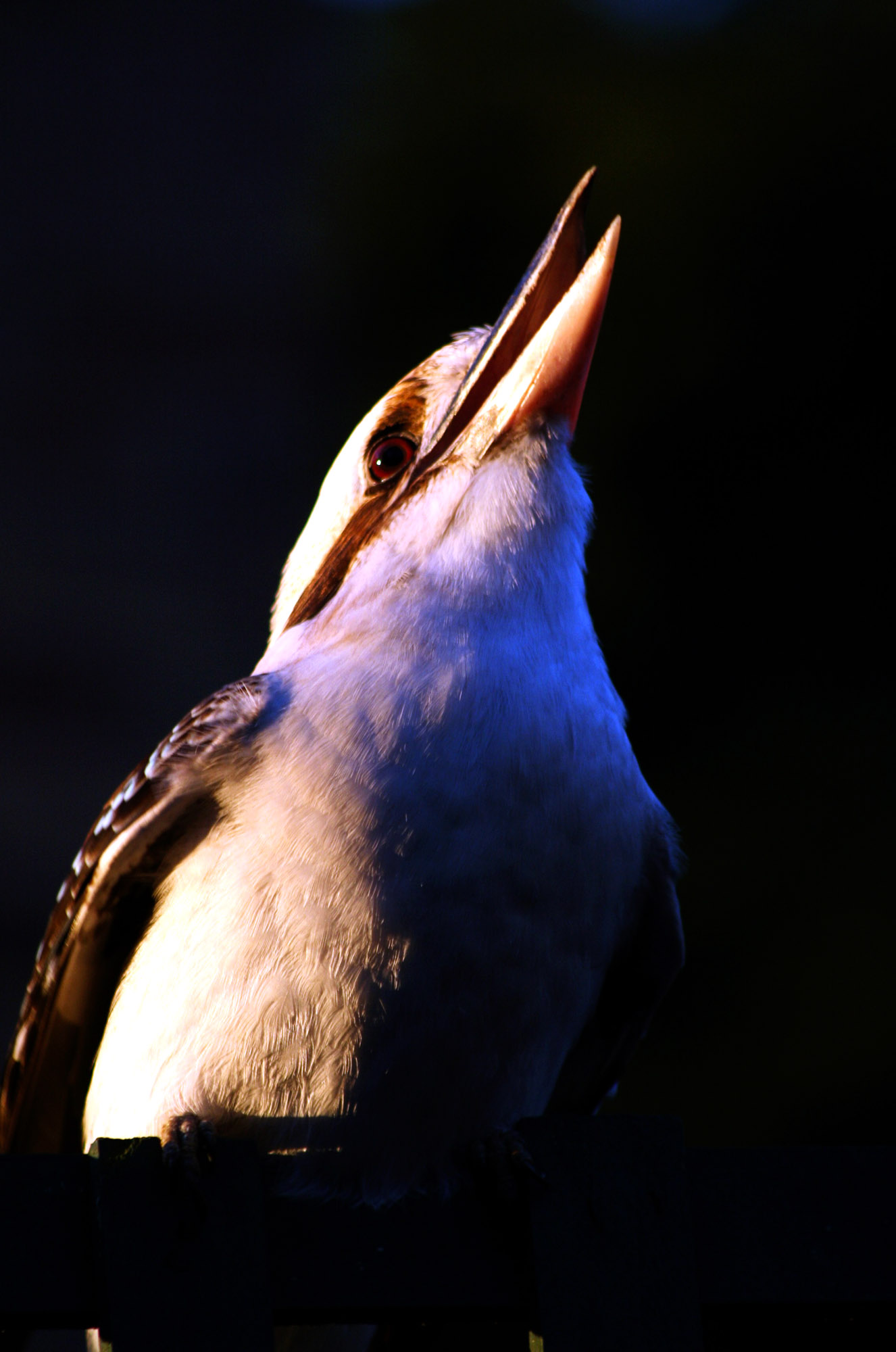
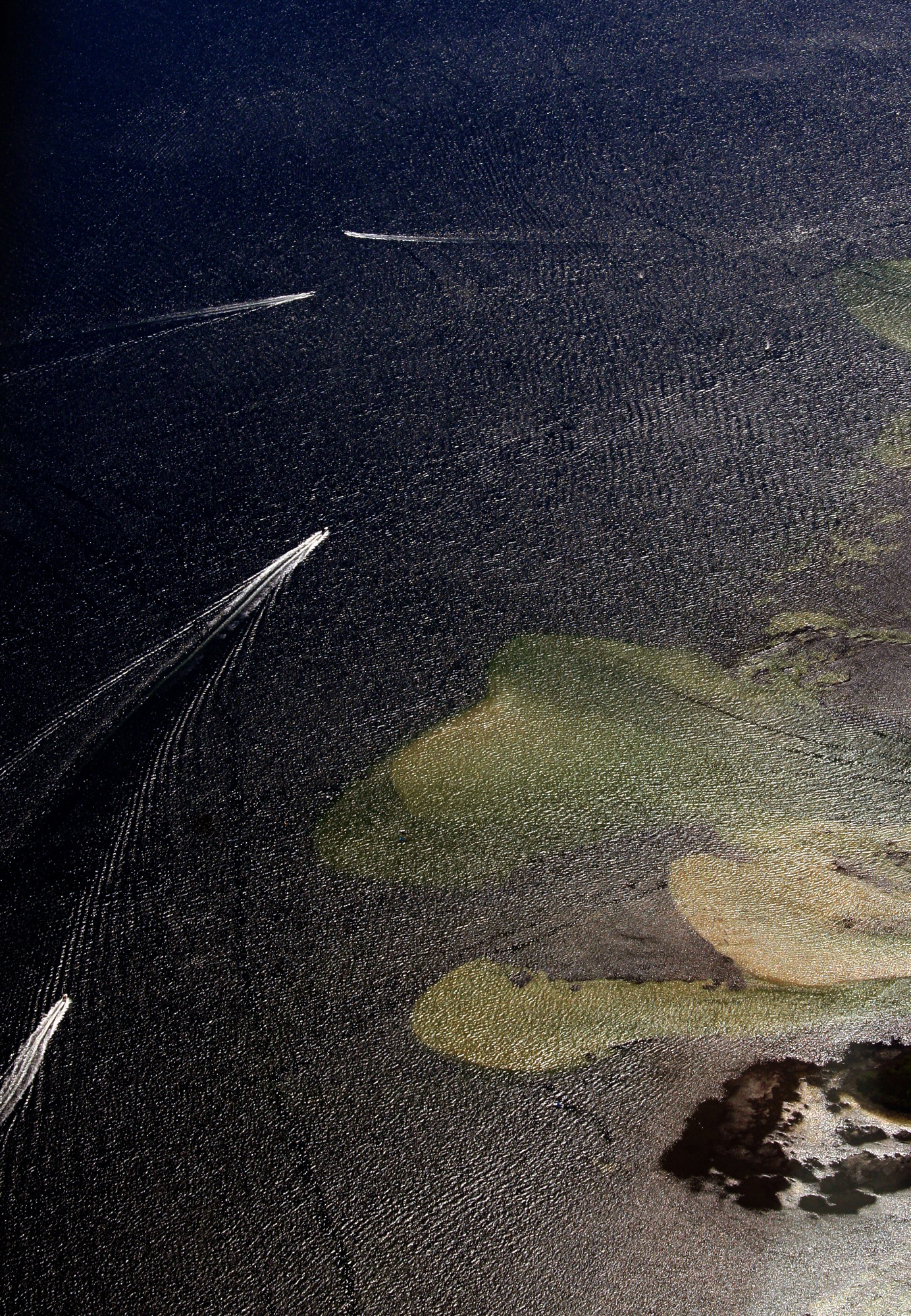
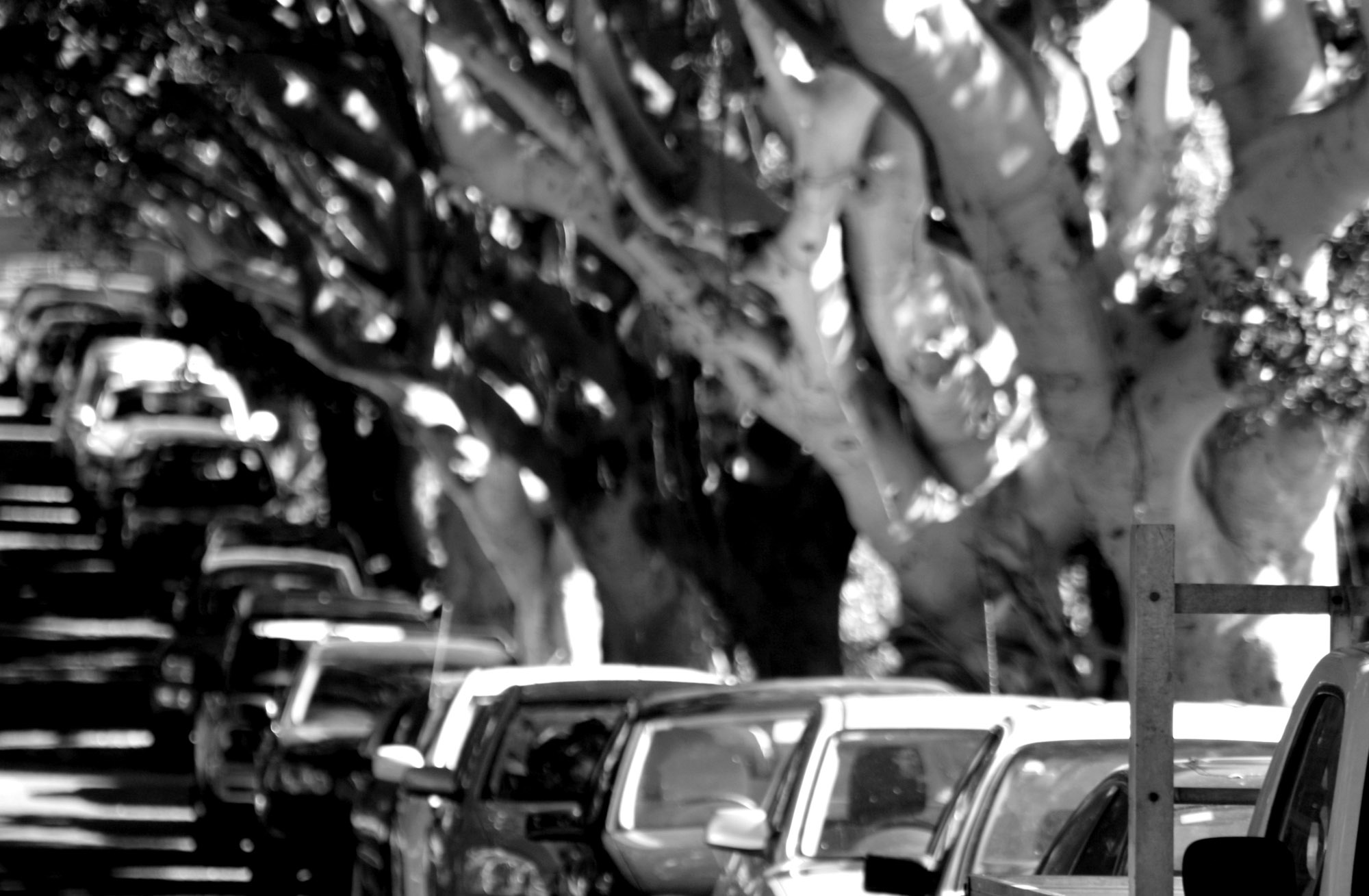
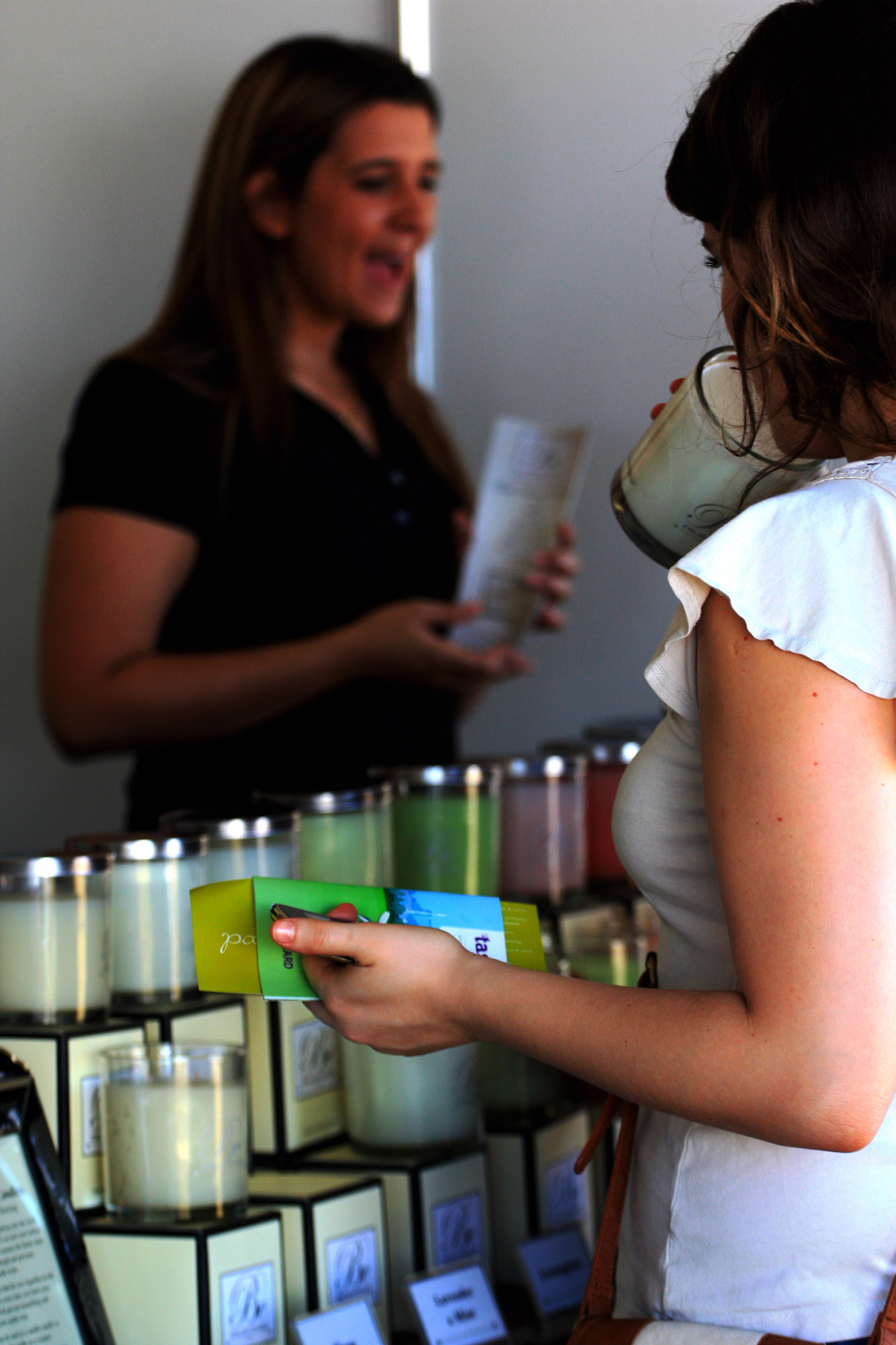
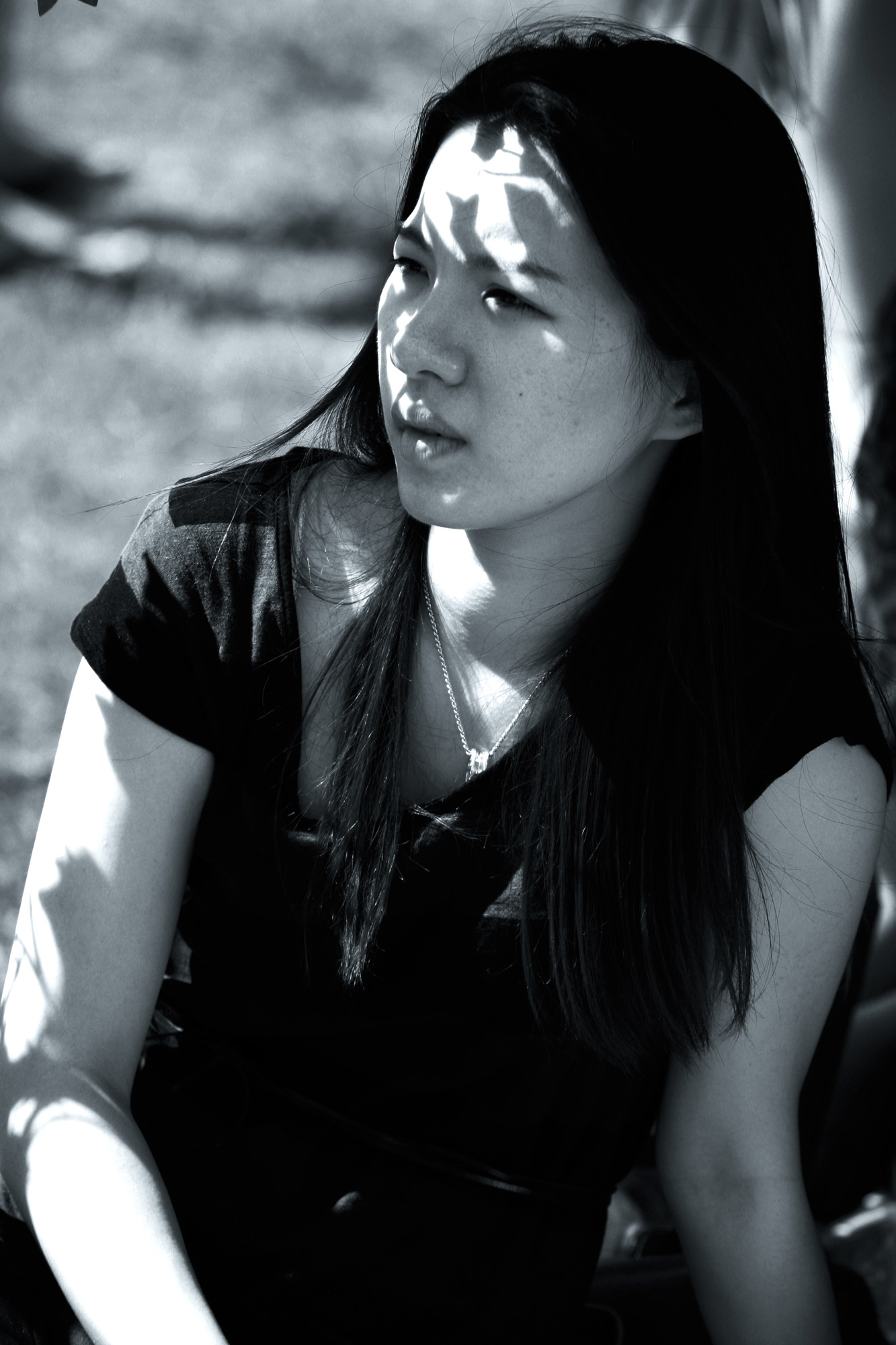
I have, however, taken a lot of photographs over the last month. Most of these have been in the same locales around which I’ve been gravitating for the past year, and I’m finding it increasingly difficult to put an original spin on things. A trip to the Blue Mountains with V last weekend offered the chance of new subject matter, yet I almost invariably fail to capitalise on natural settings. Perhaps it’s the fact that I’m too busy enjoying being outdoors and walking to want to focus on taking shots, and partly because I find nature more difficult to frame than people and architecture. It’s either too asymmetrical, or looks beautiful in its totality, but doesn’t fit into a frame well. The only things that ever seem to work are macros and vignettes, but I never seem to come away with much on that front. Still, what the hell, there is life, and there’s blogging, and I guess the former is more important than the latter.

The world has also provided another very effective distraction, having been rather riveting of late. What with the US presidential election and eruptions of violence over the release of the film The Innocence of Muslims – a topic I plan to address in the coming weeks – I have spent a lot of time listening to and reading news like a junkie. I certainly hope to hammer out a few more articles in the coming month, yet, having just taken on the task of reworking some of the English-teaching materials the high-school tutoring college in which I work, I suspect I shall be rather busy…

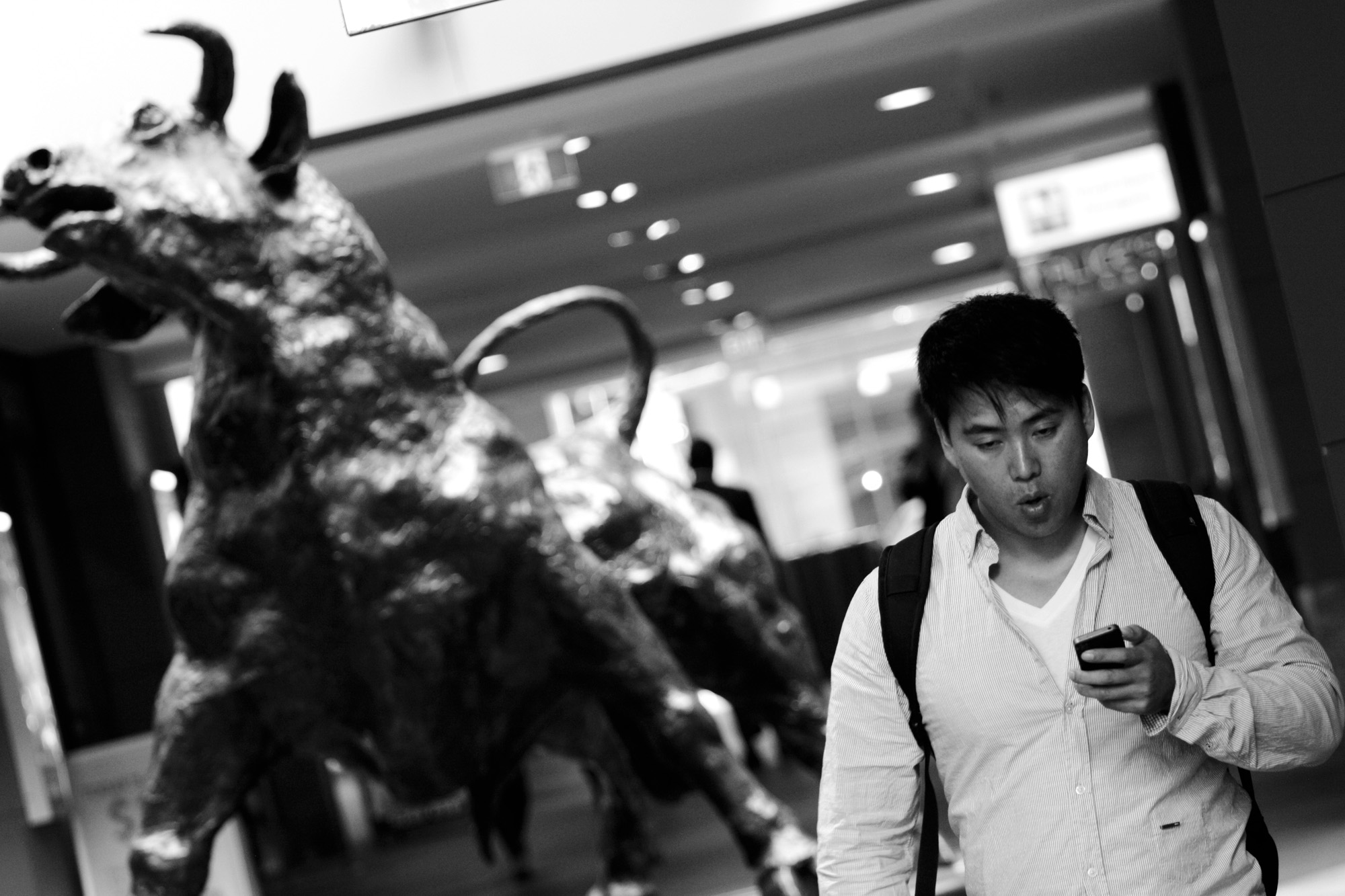
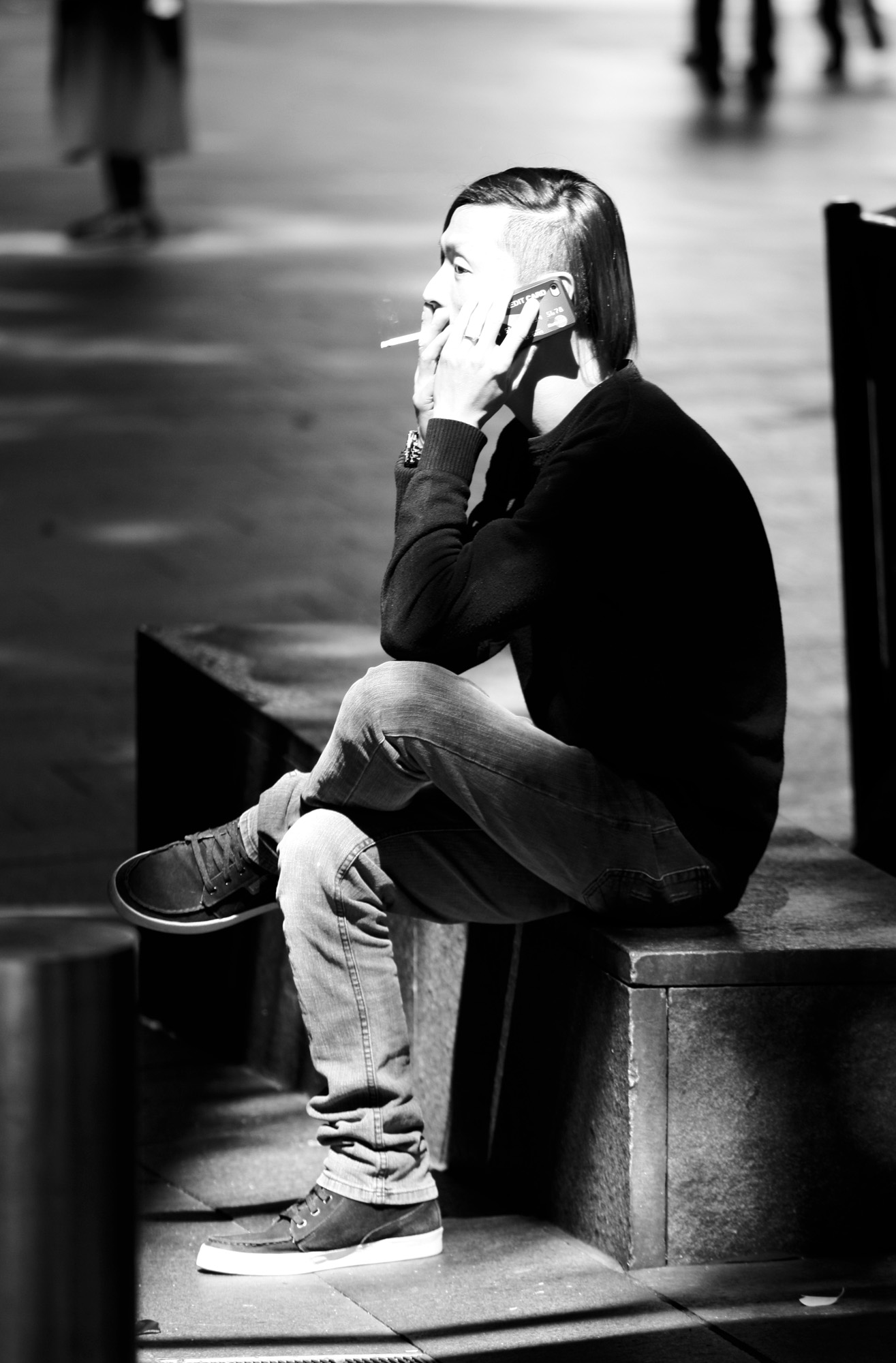
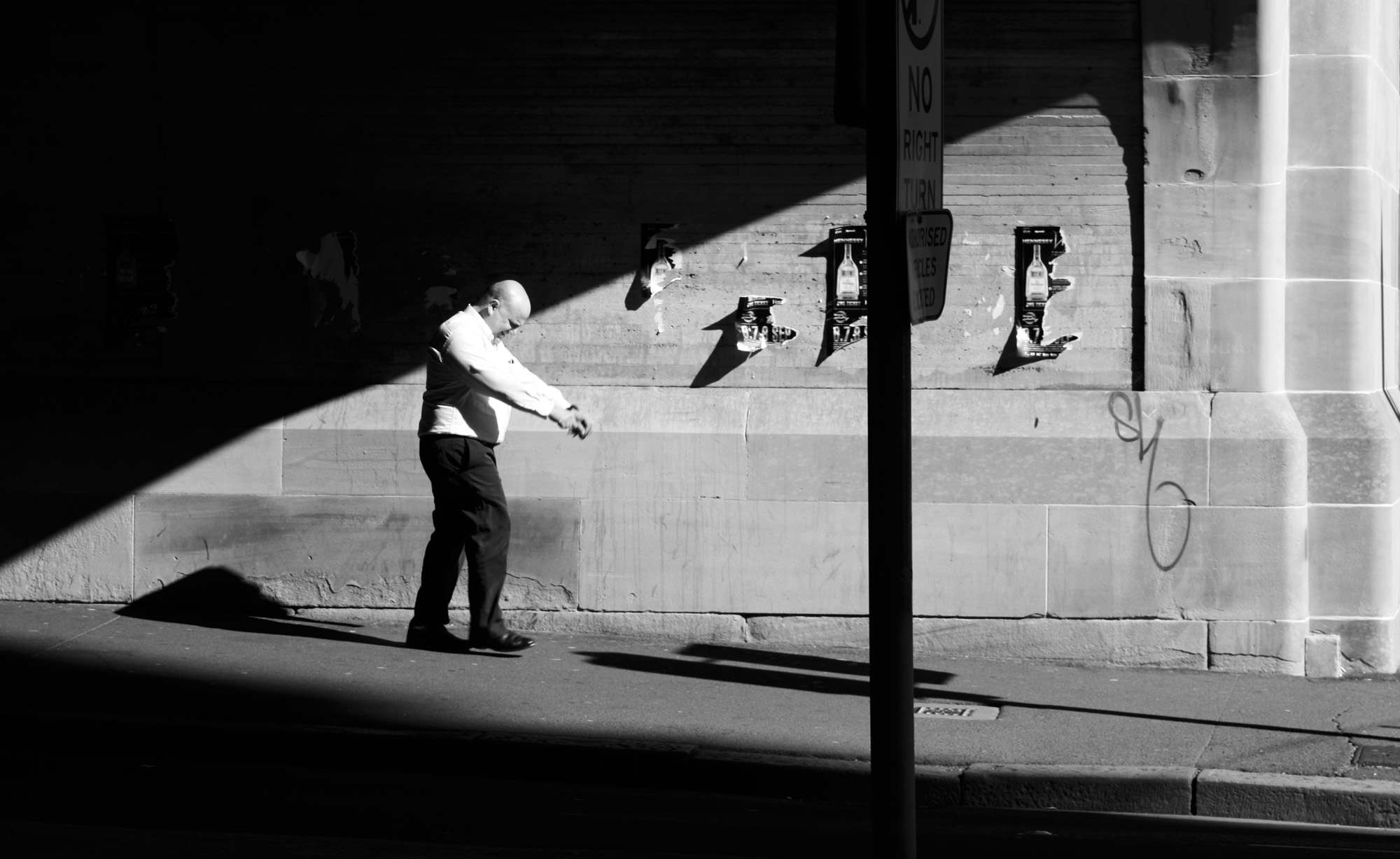
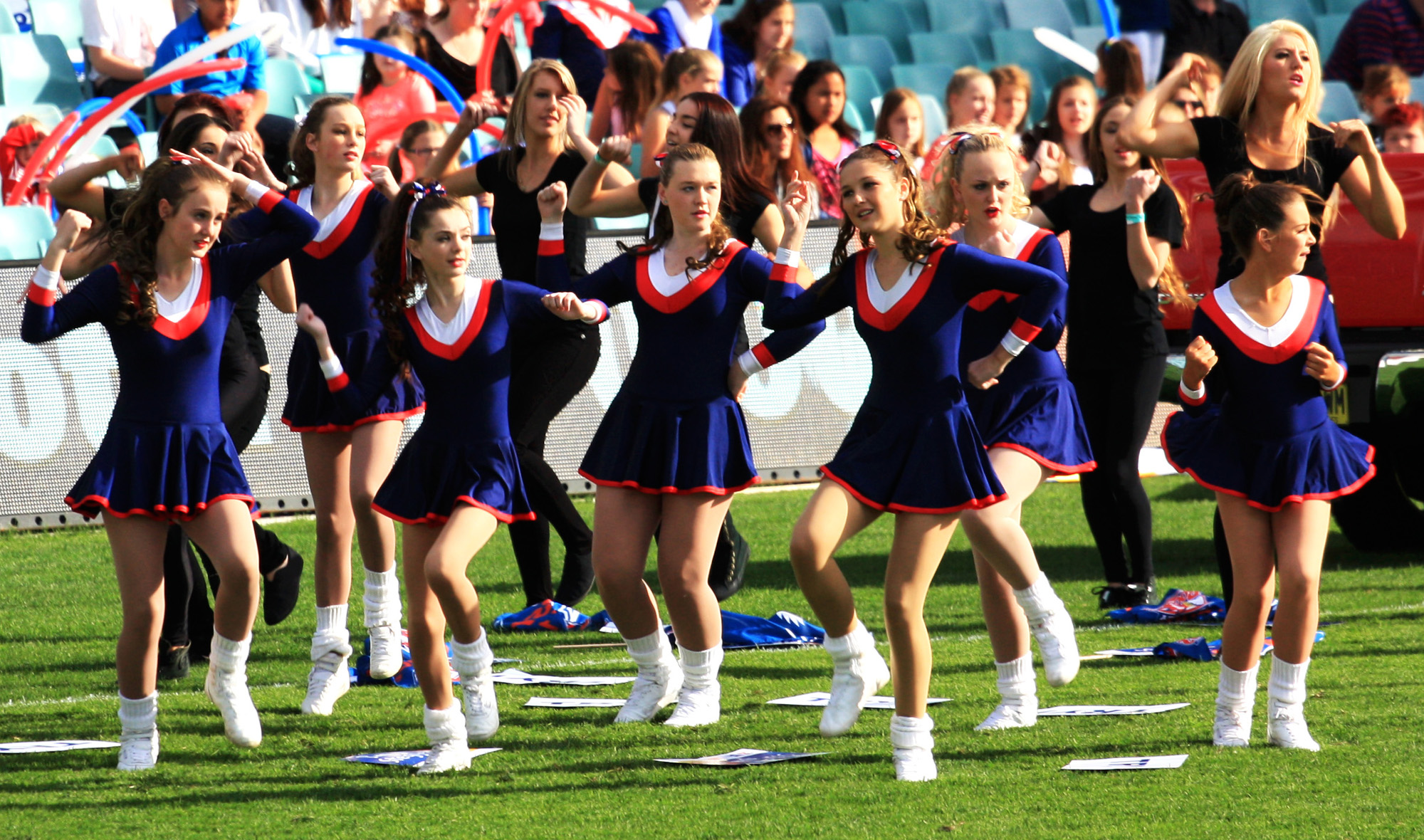
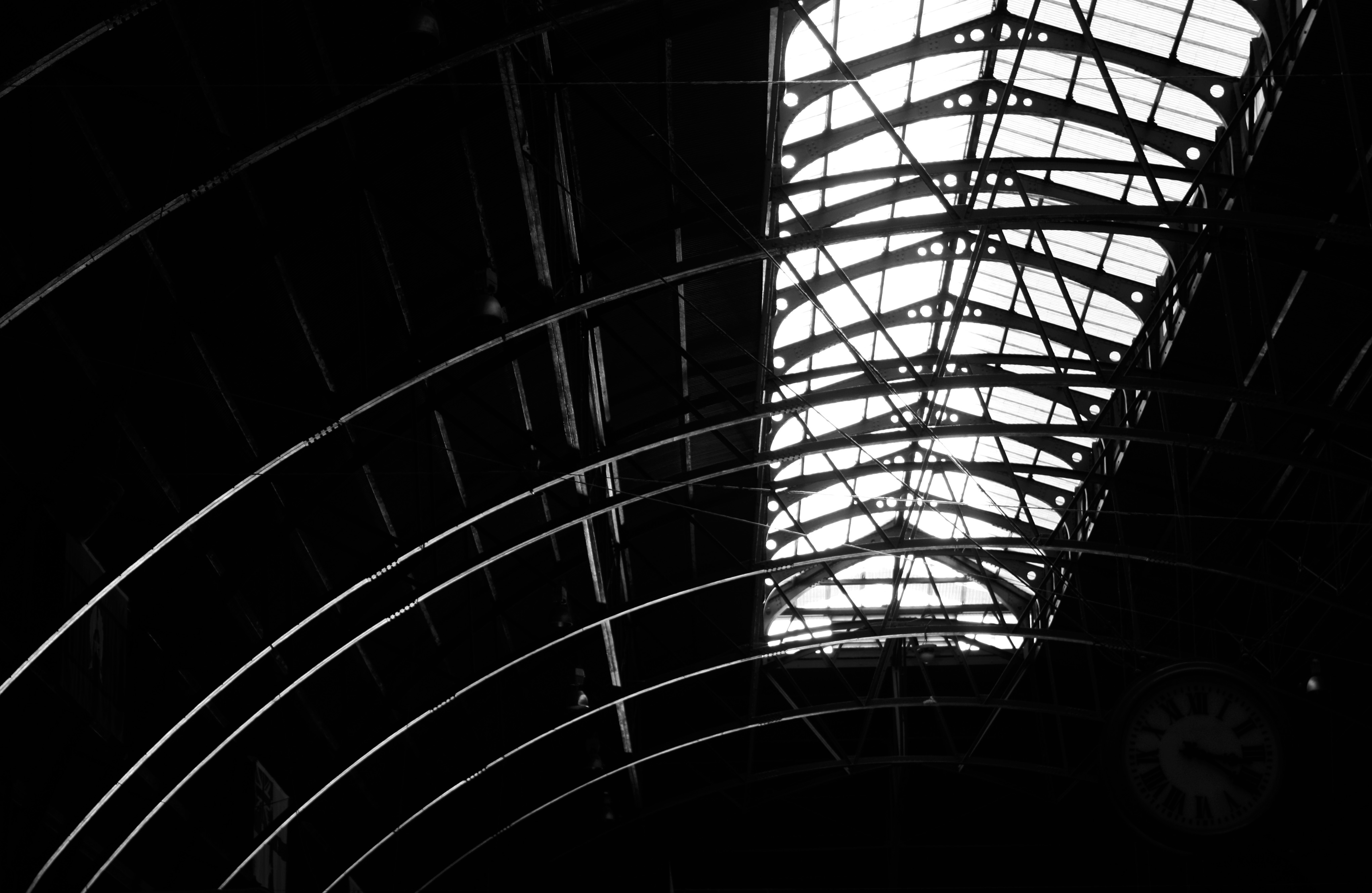
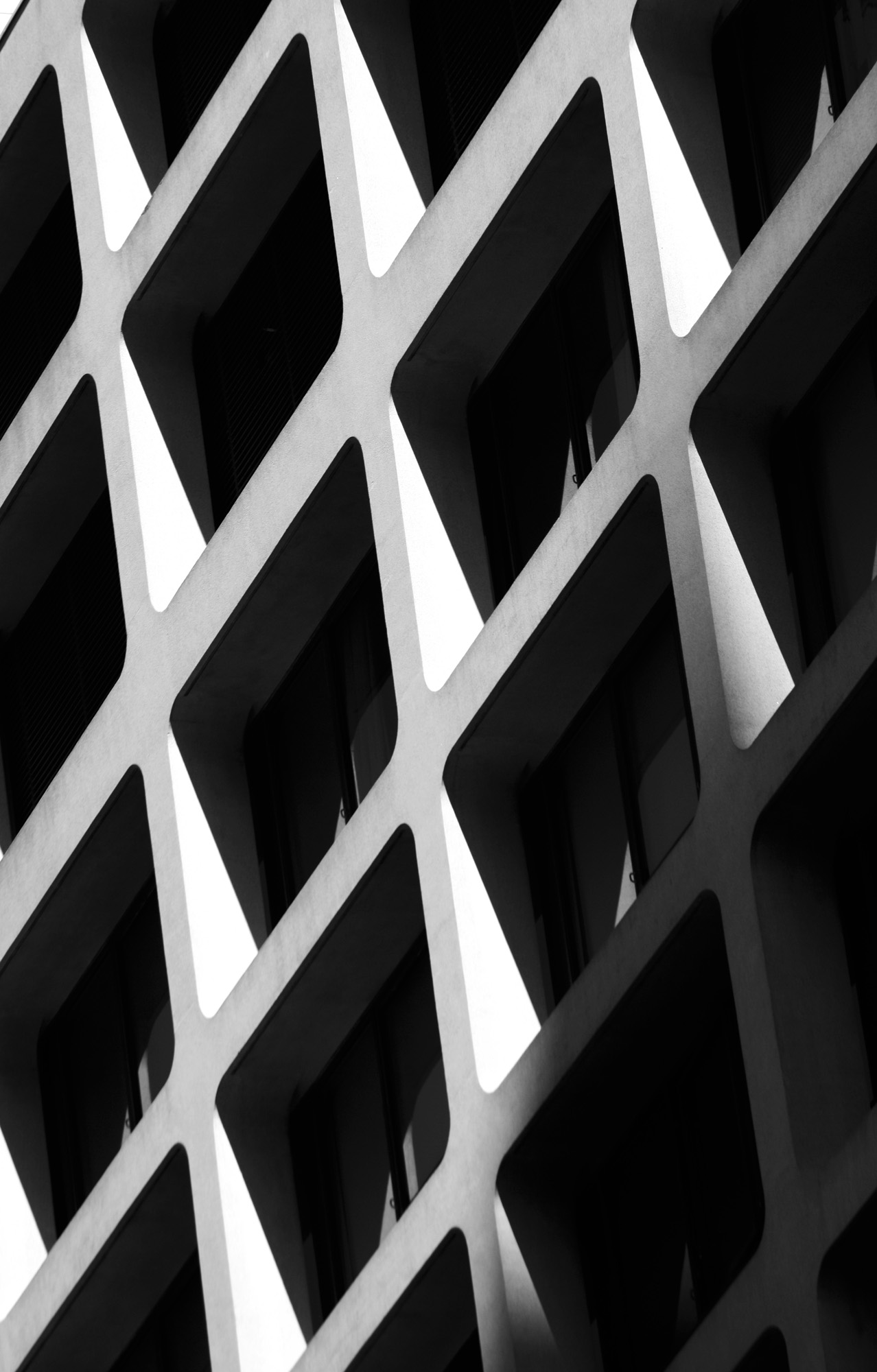
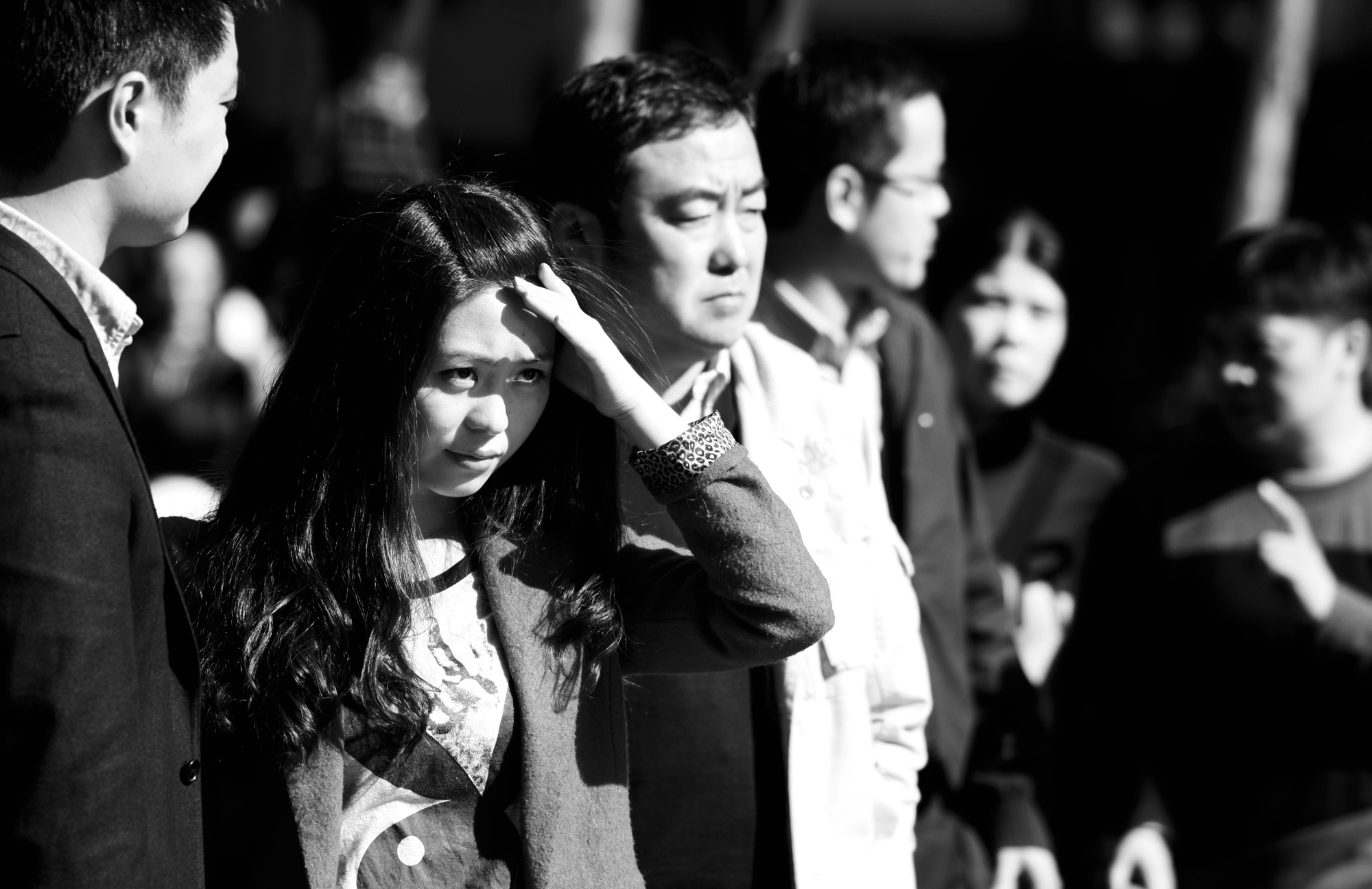
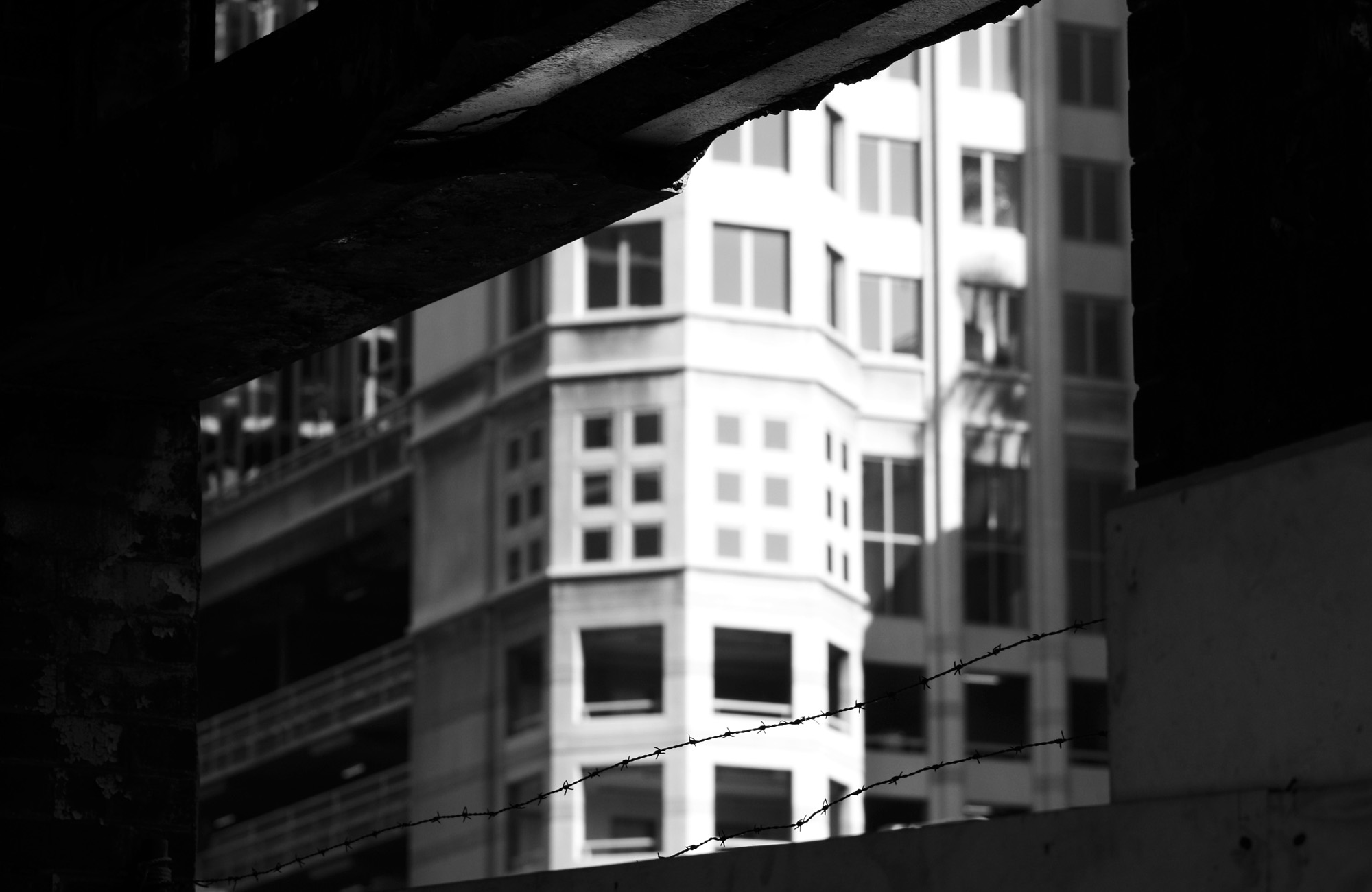
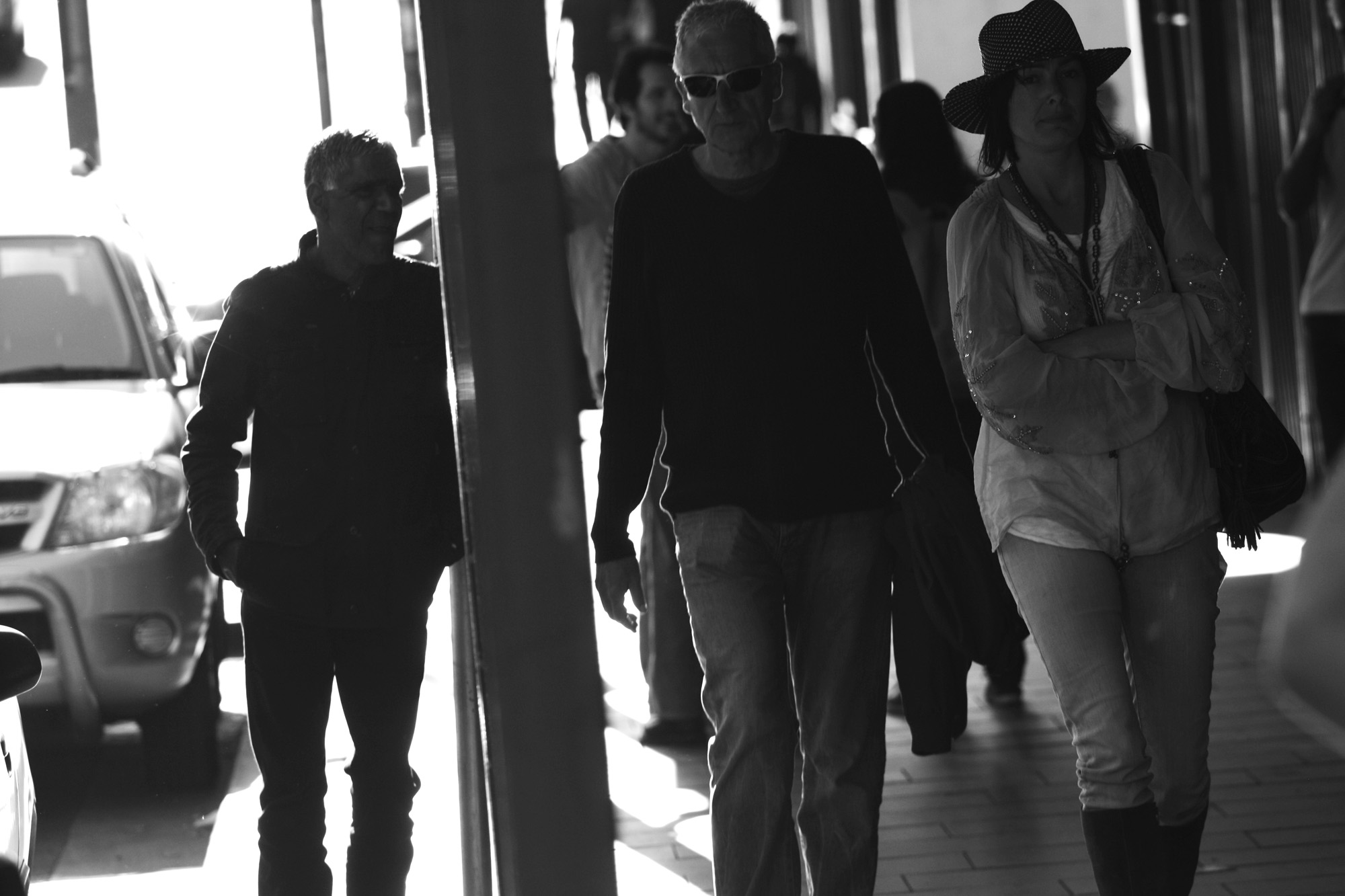
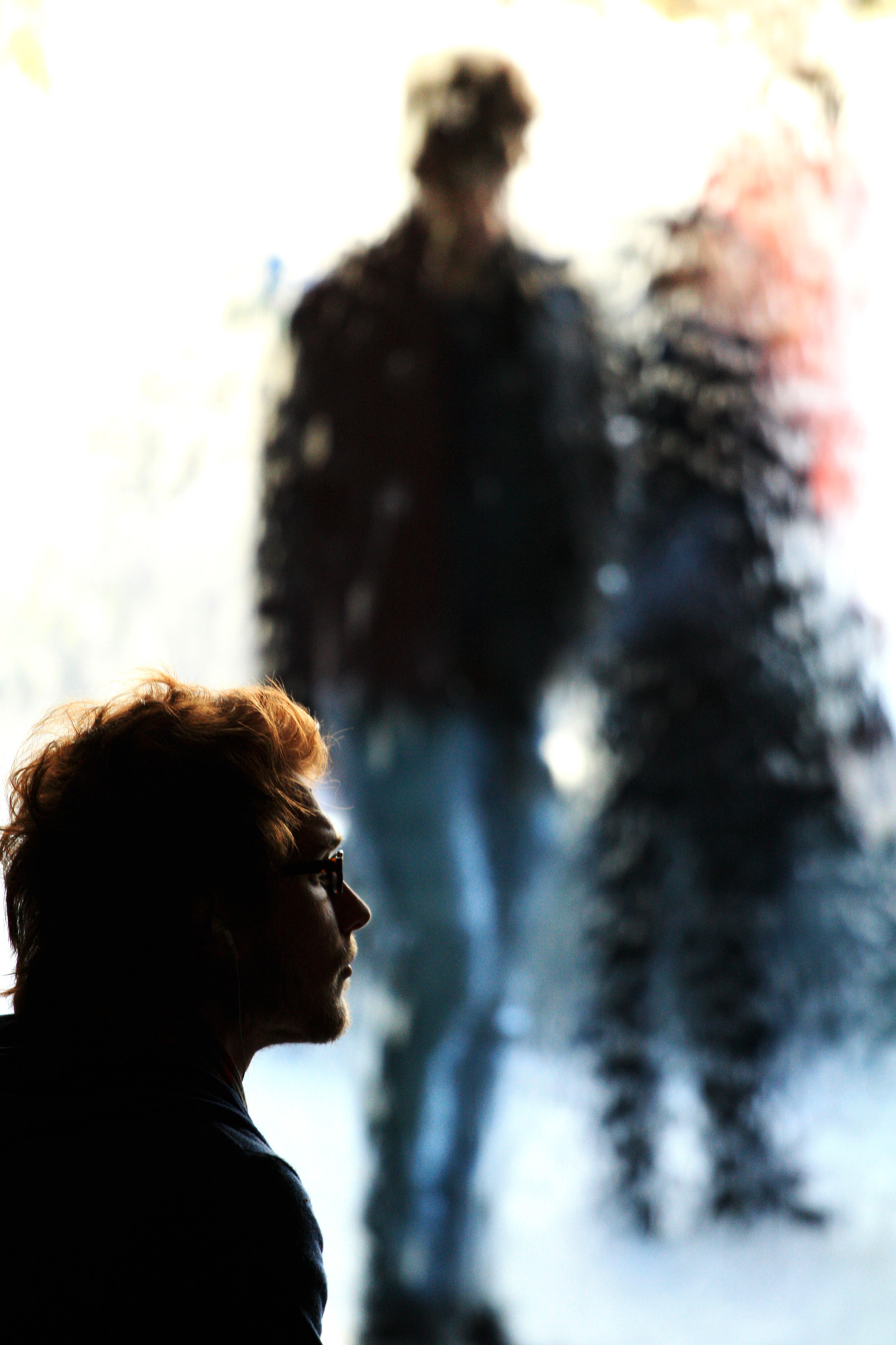
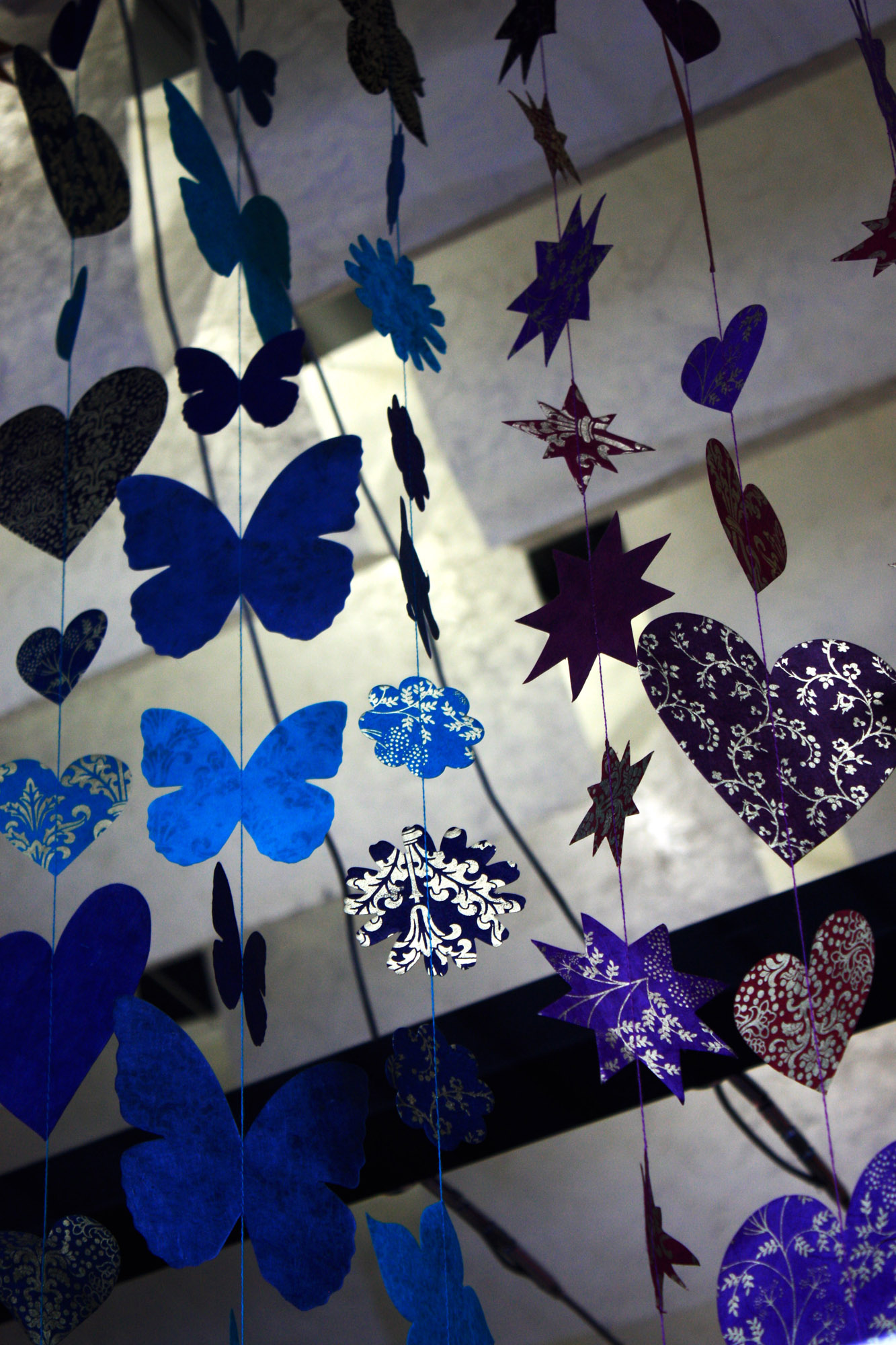
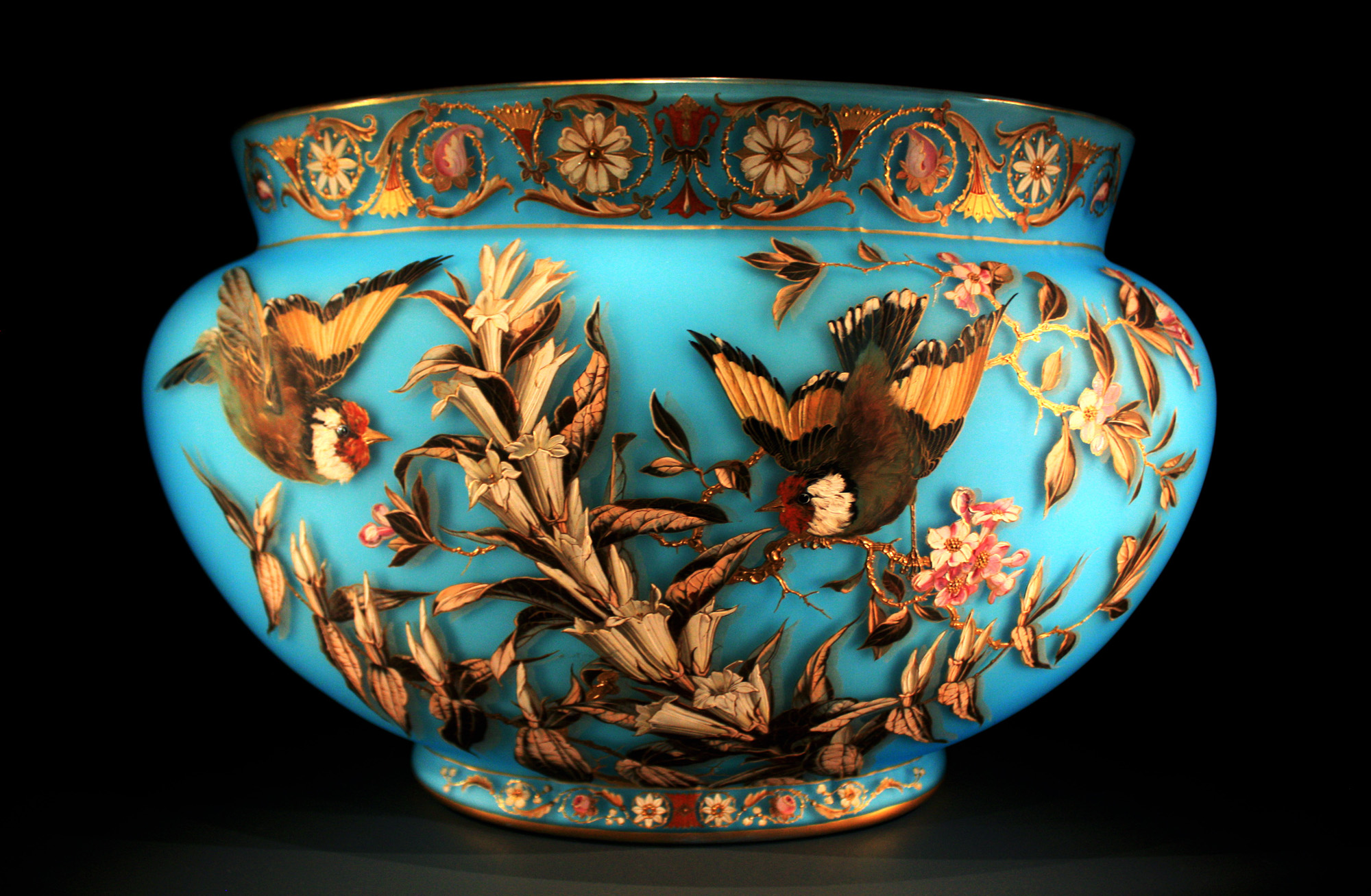
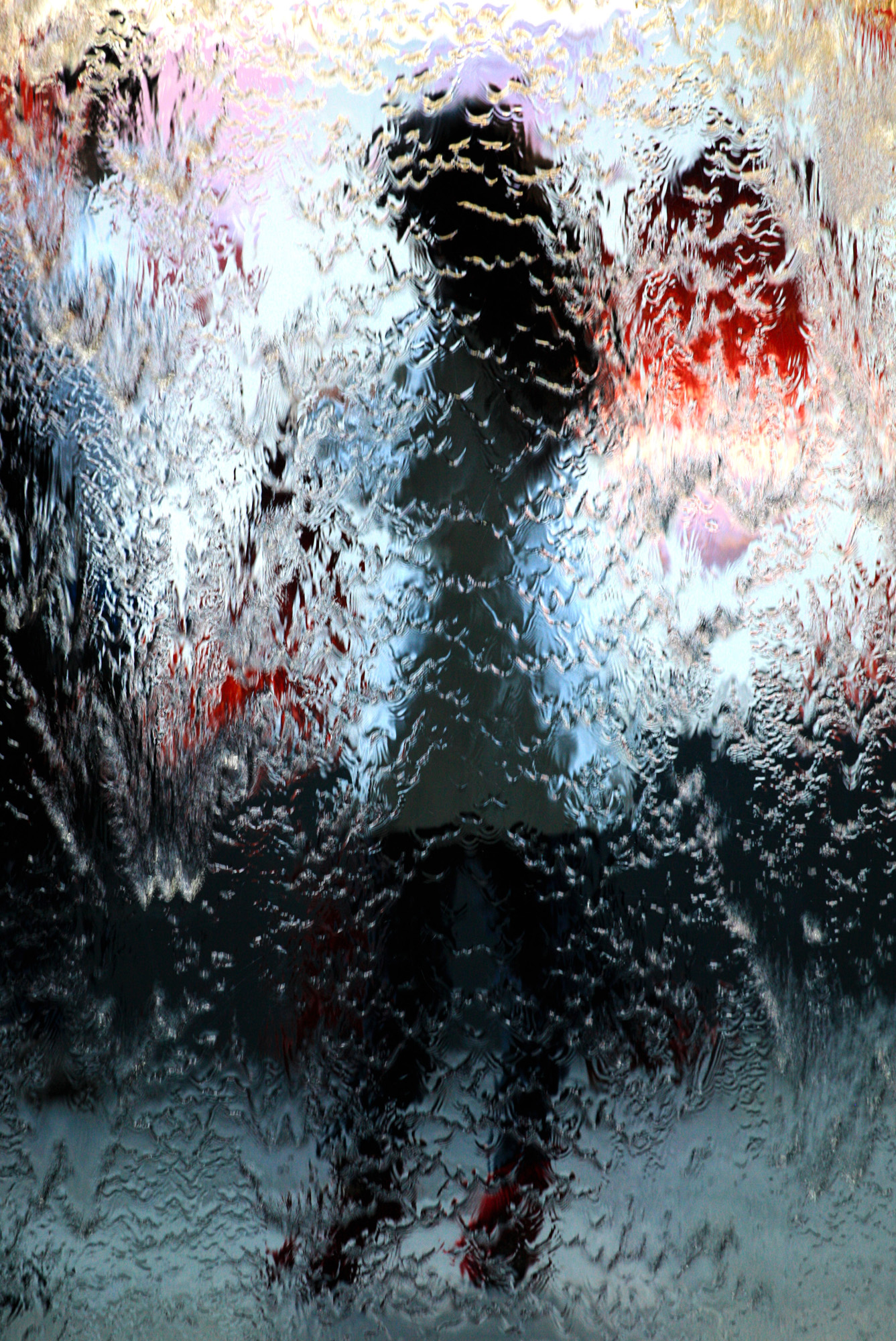
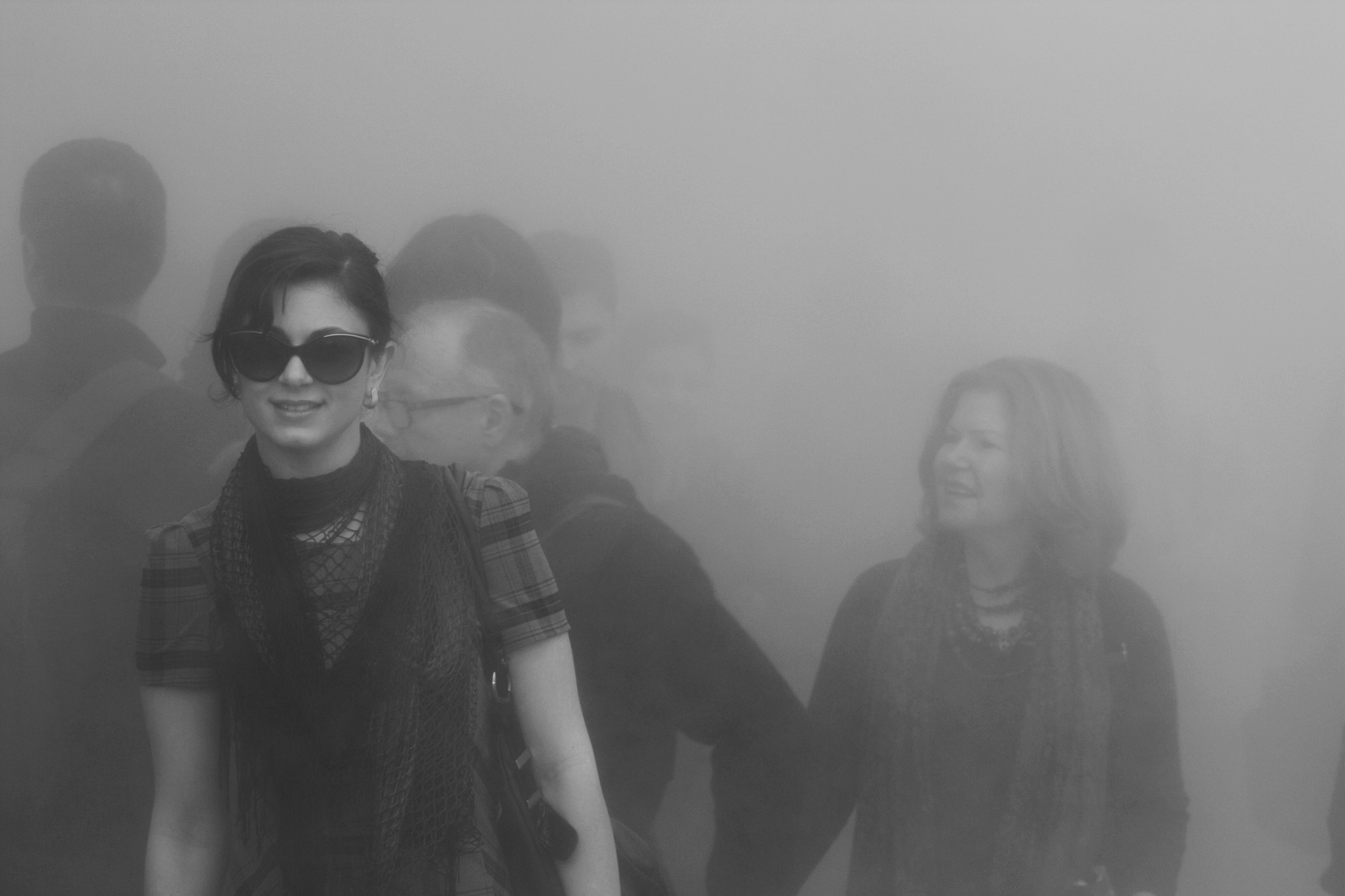
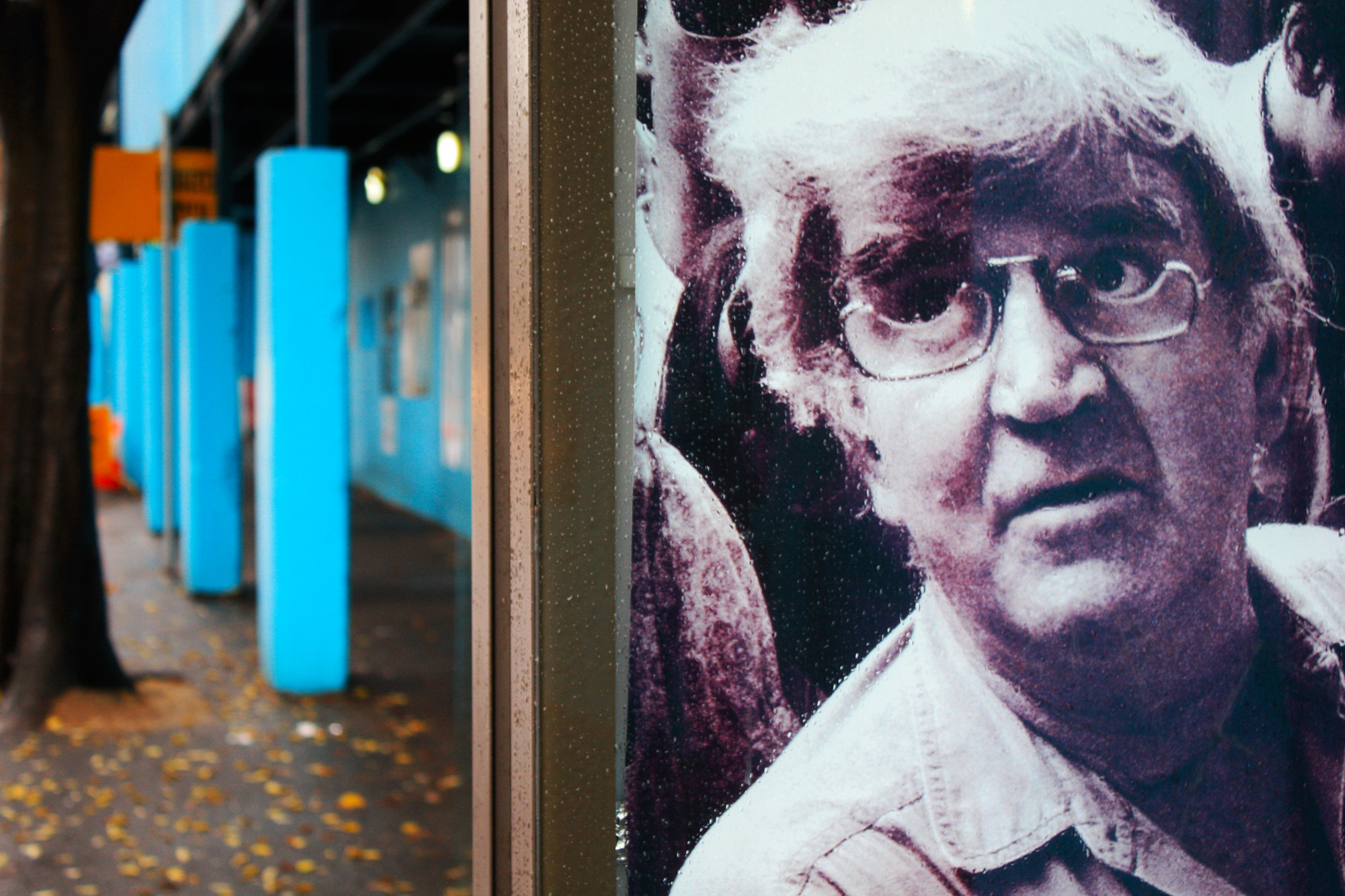
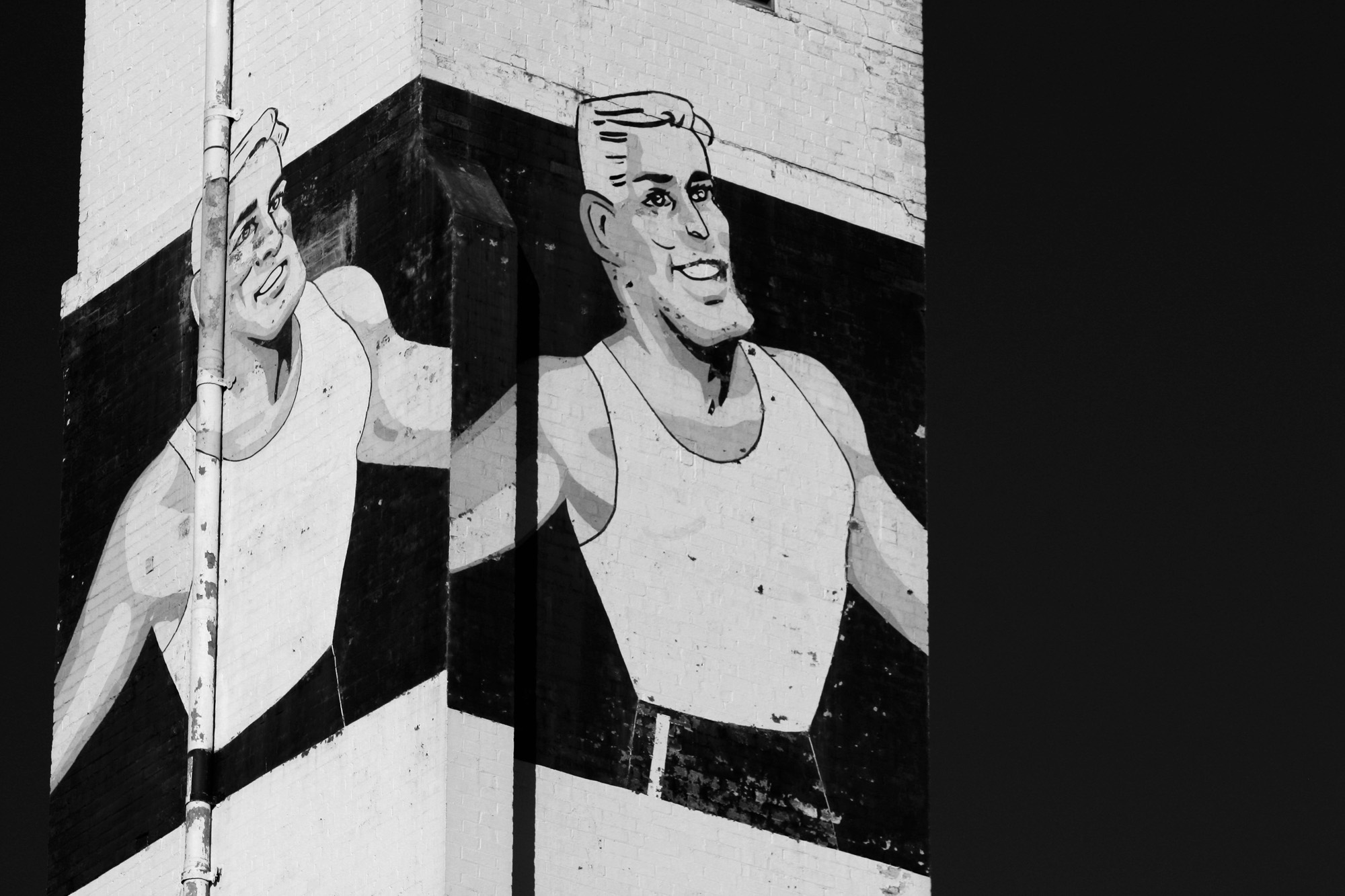
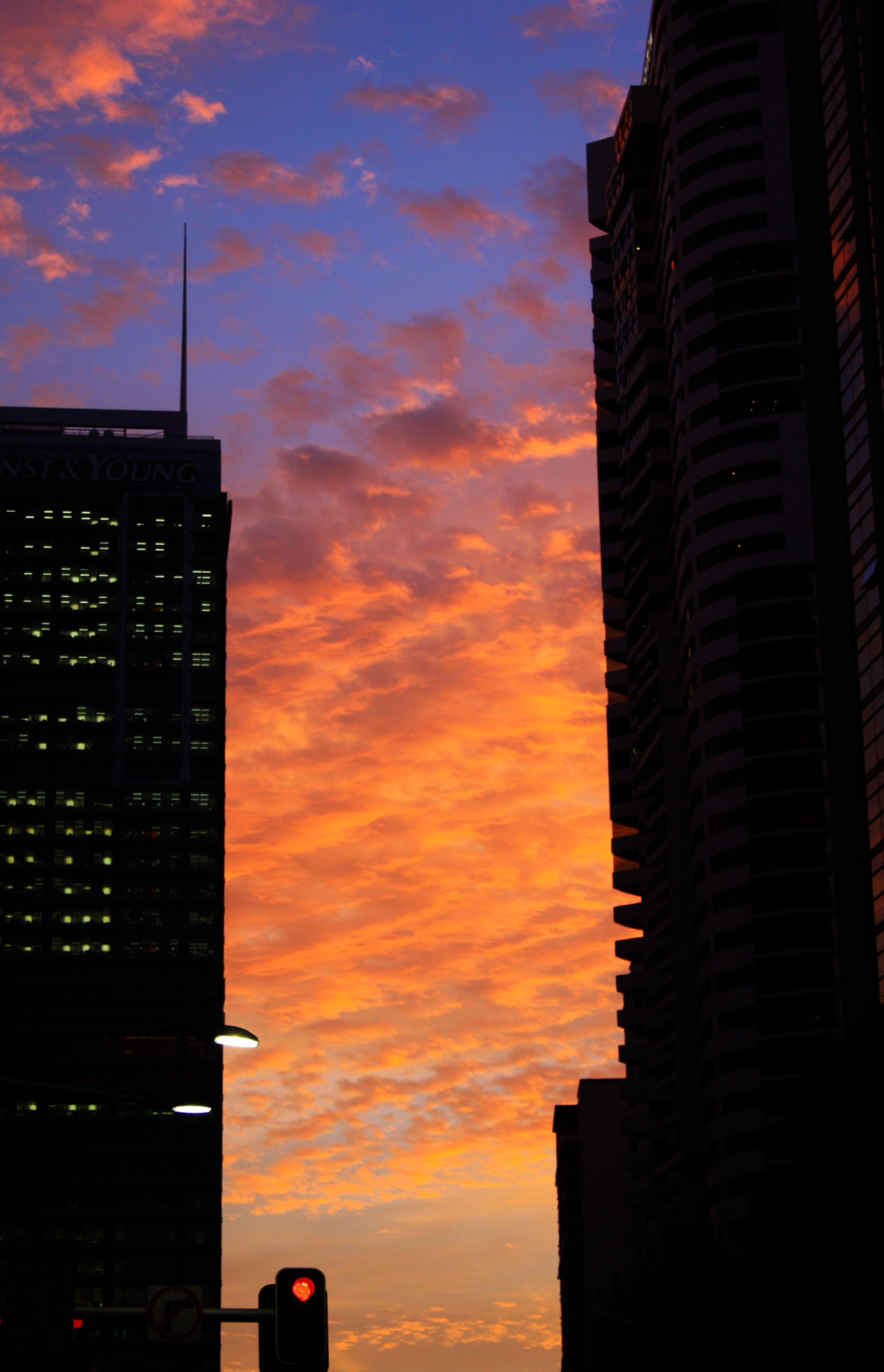
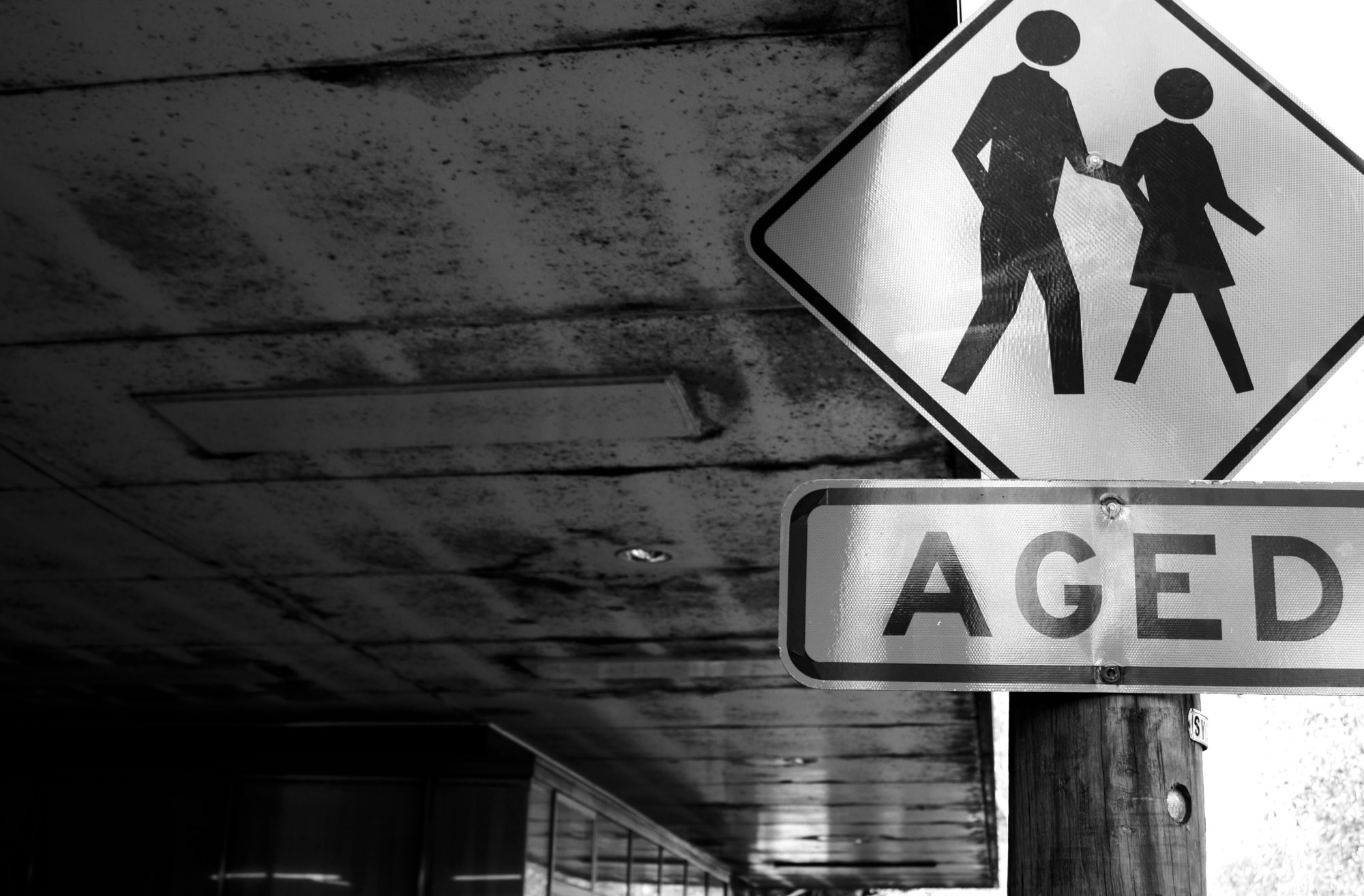
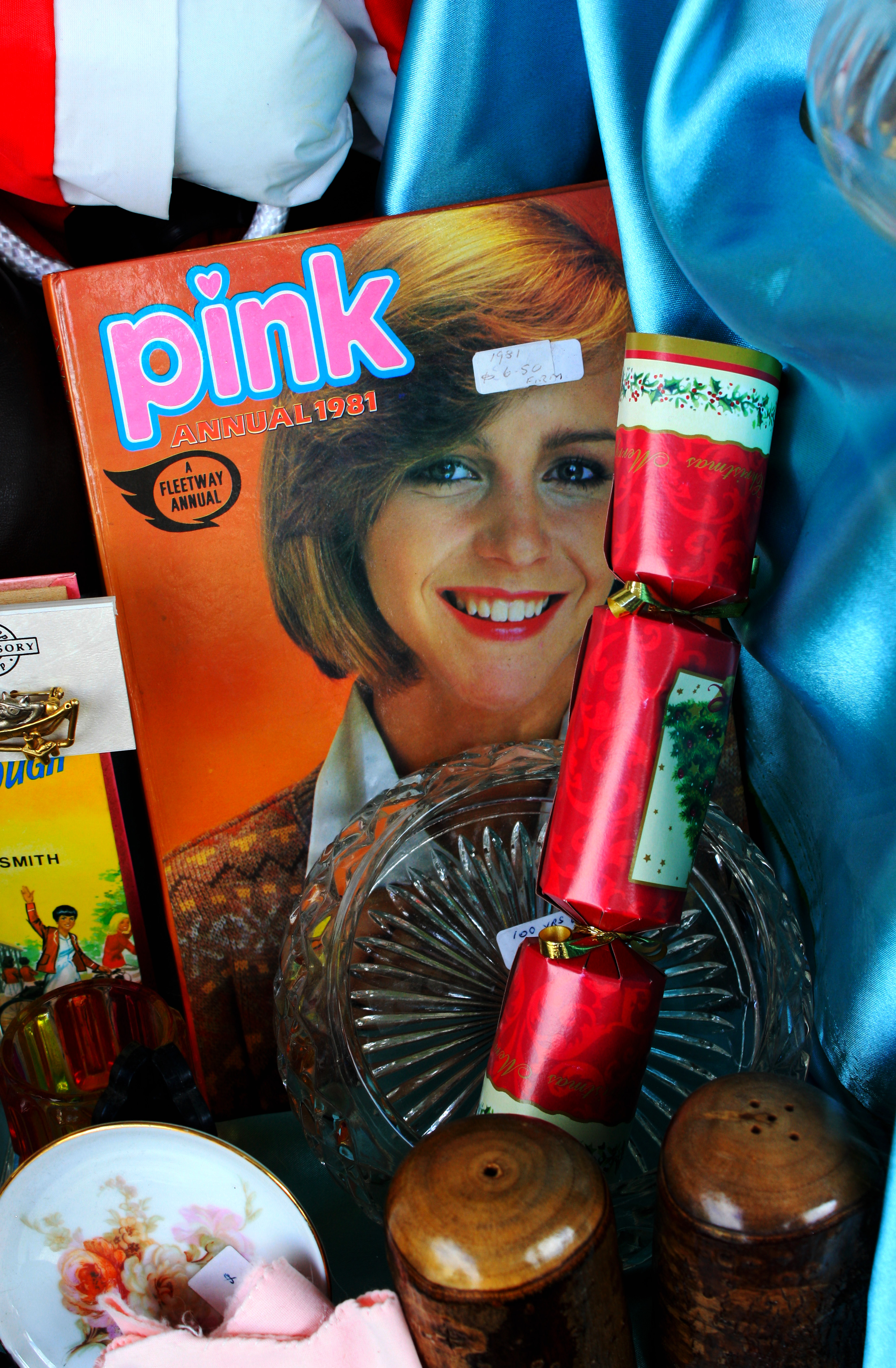
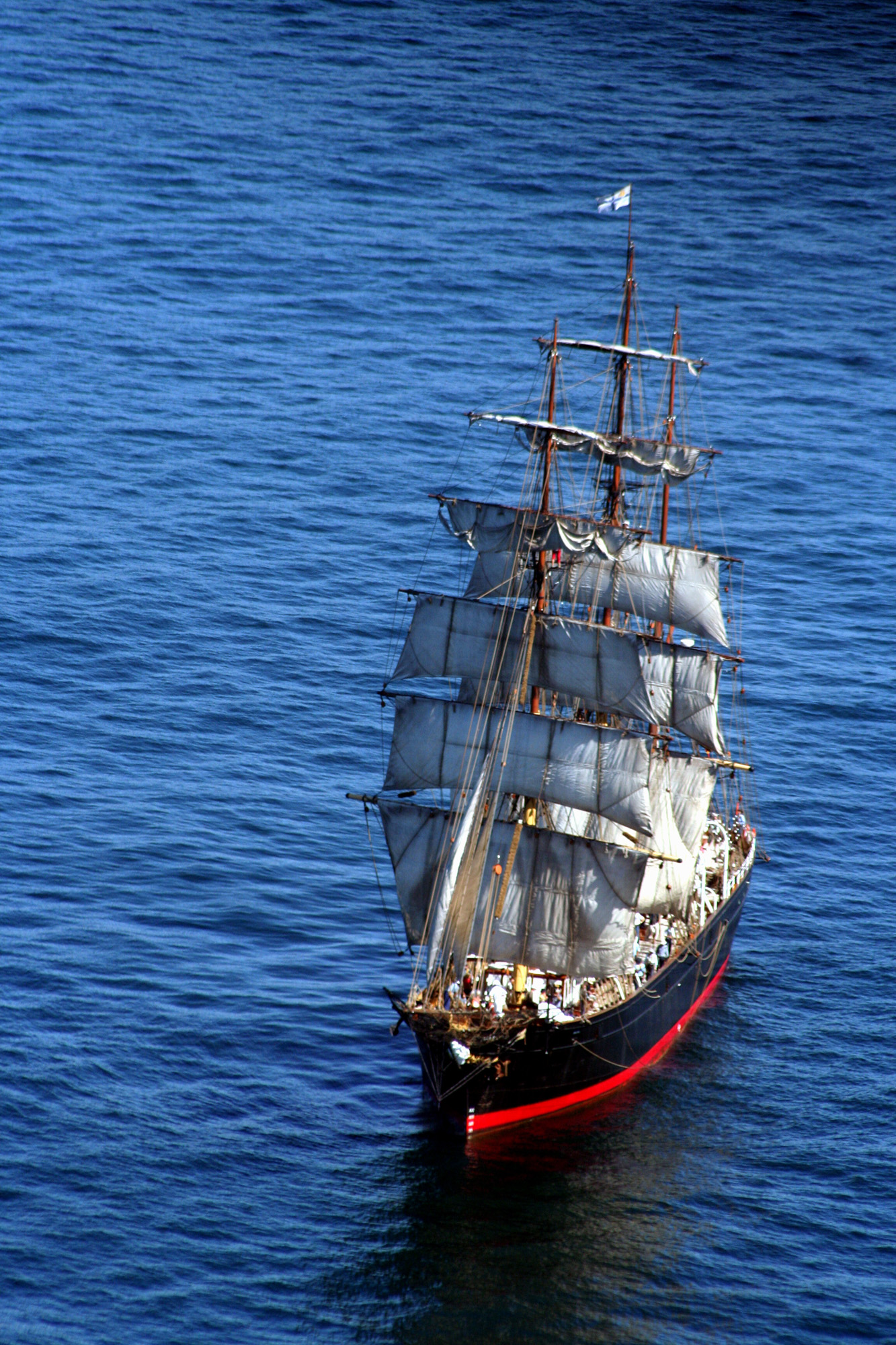
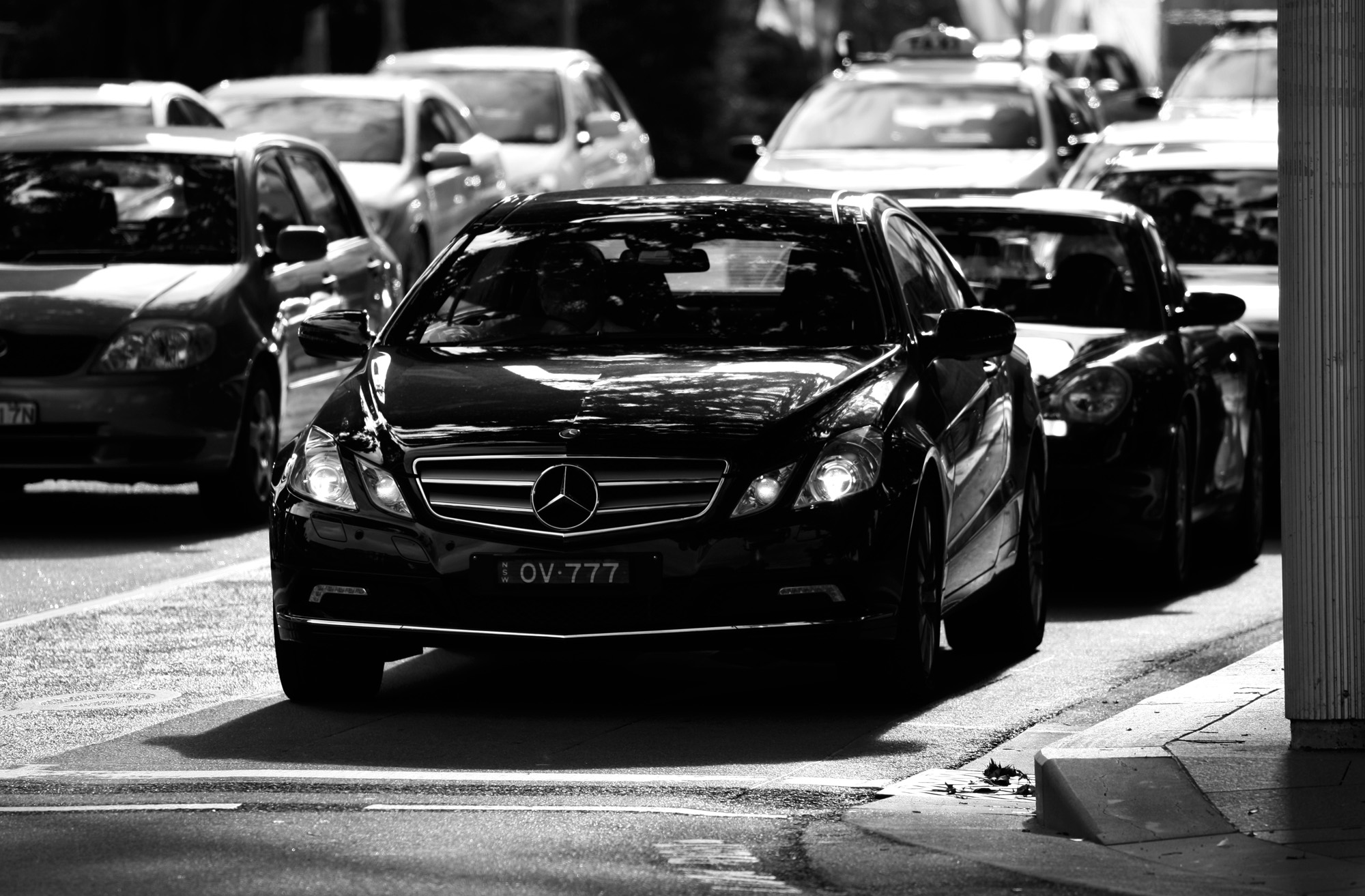
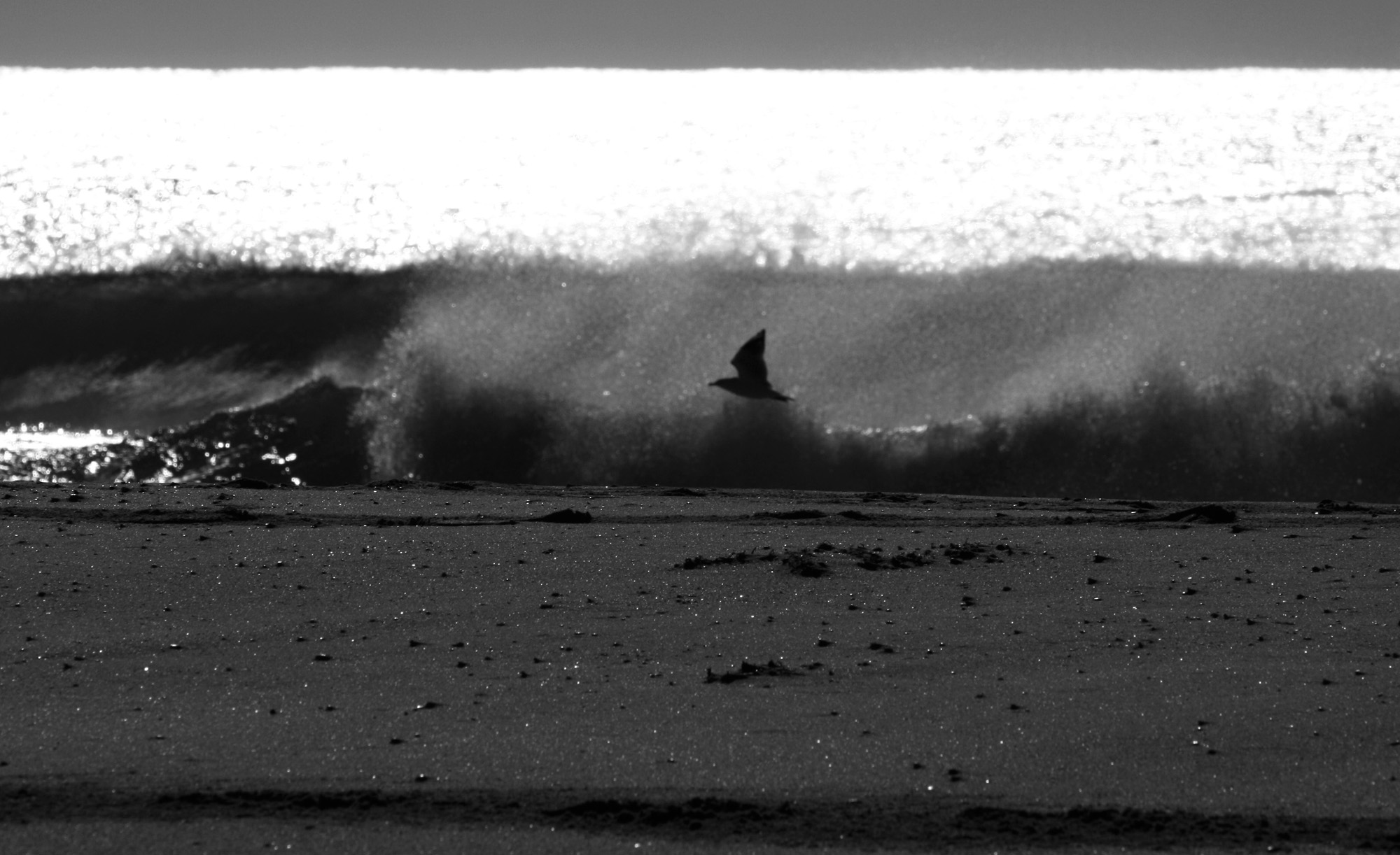
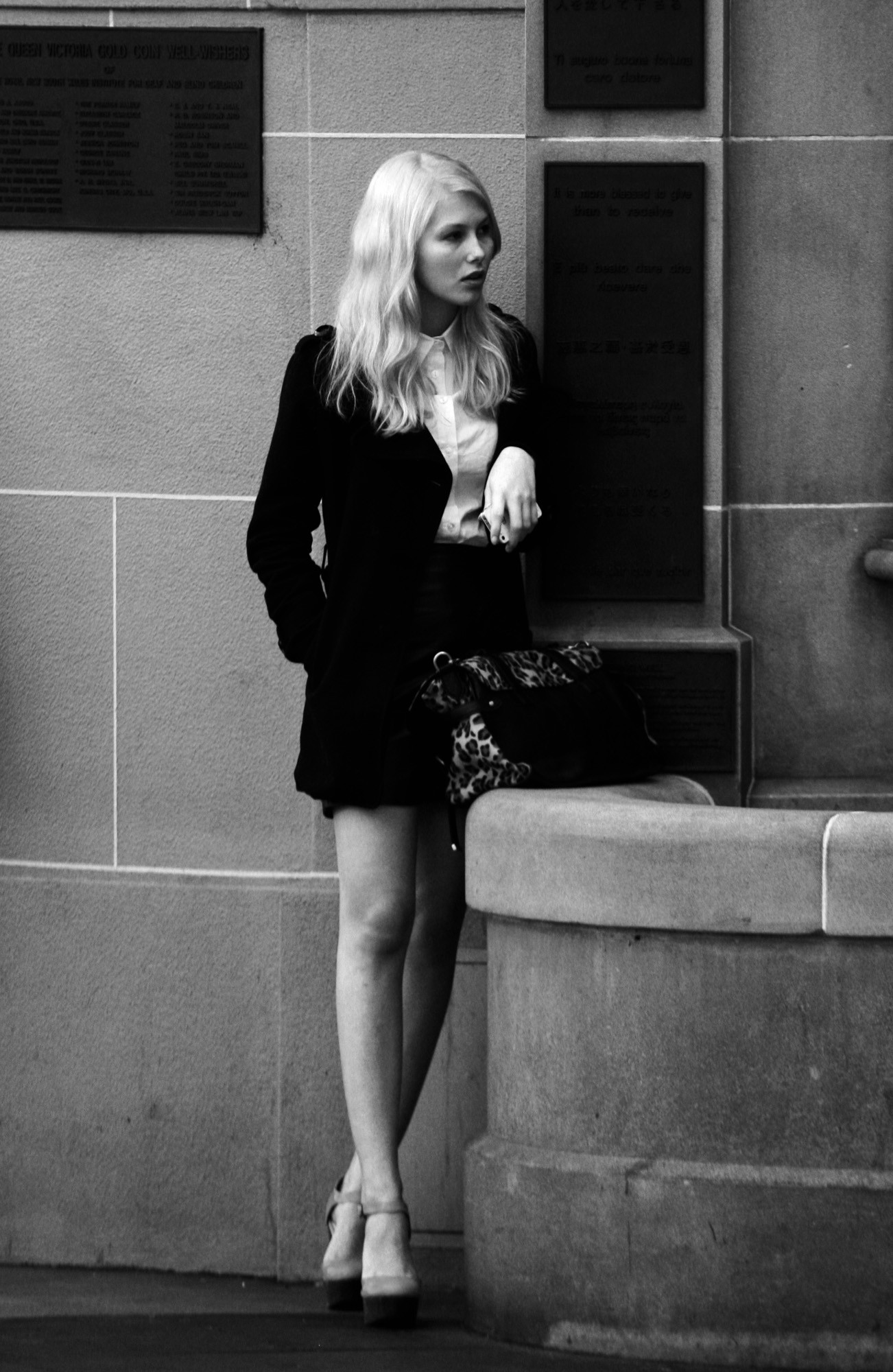
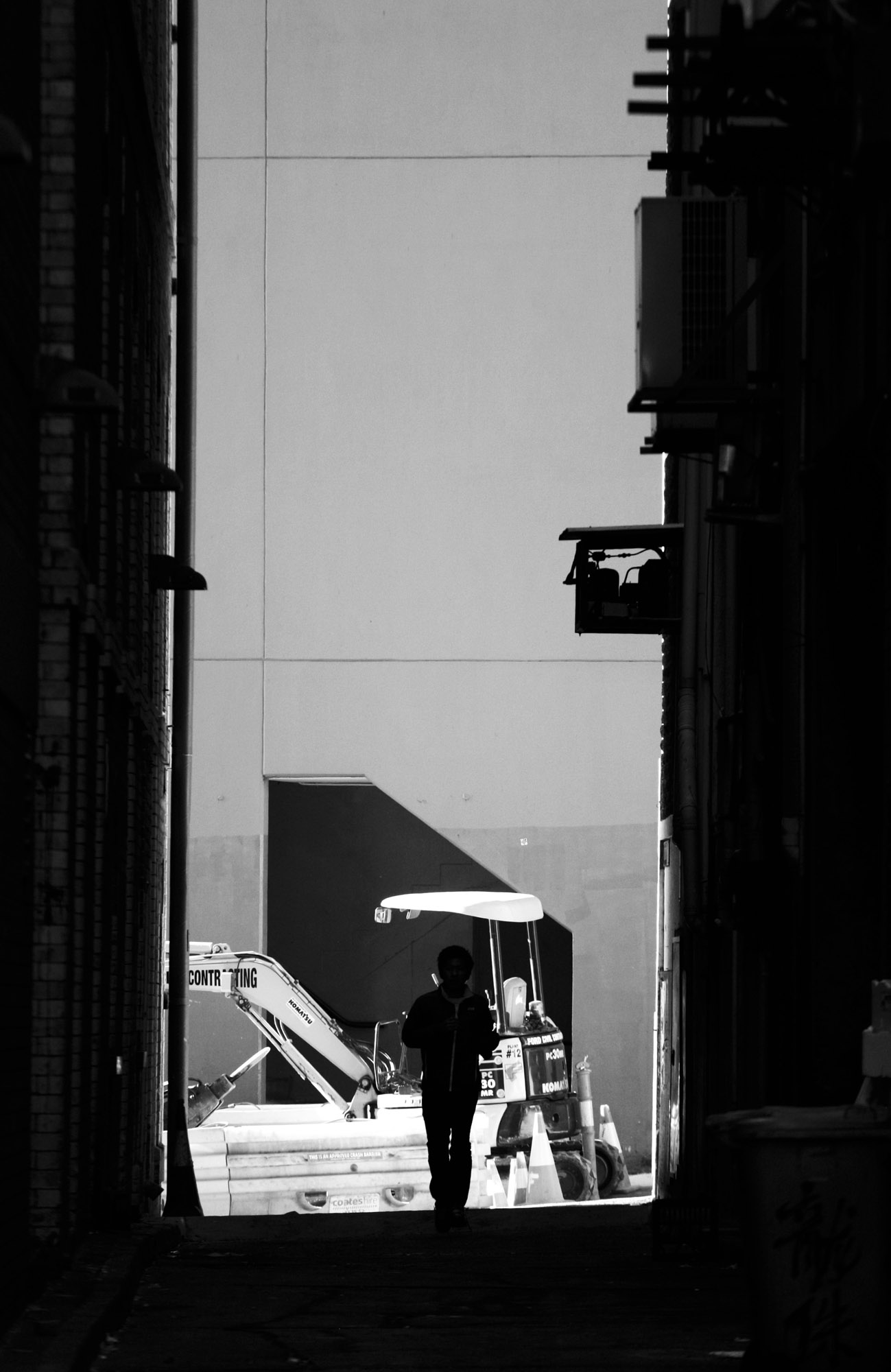
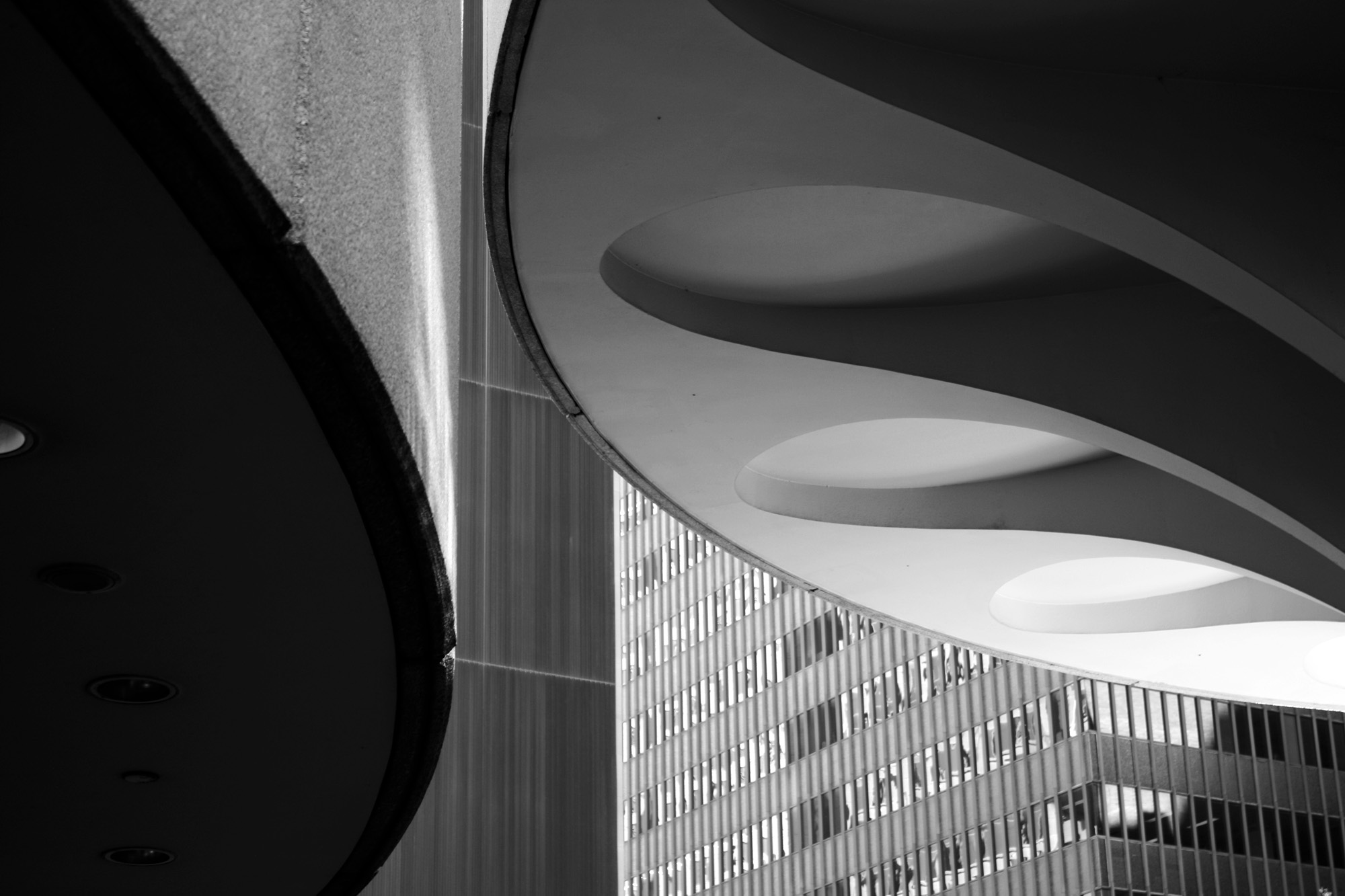
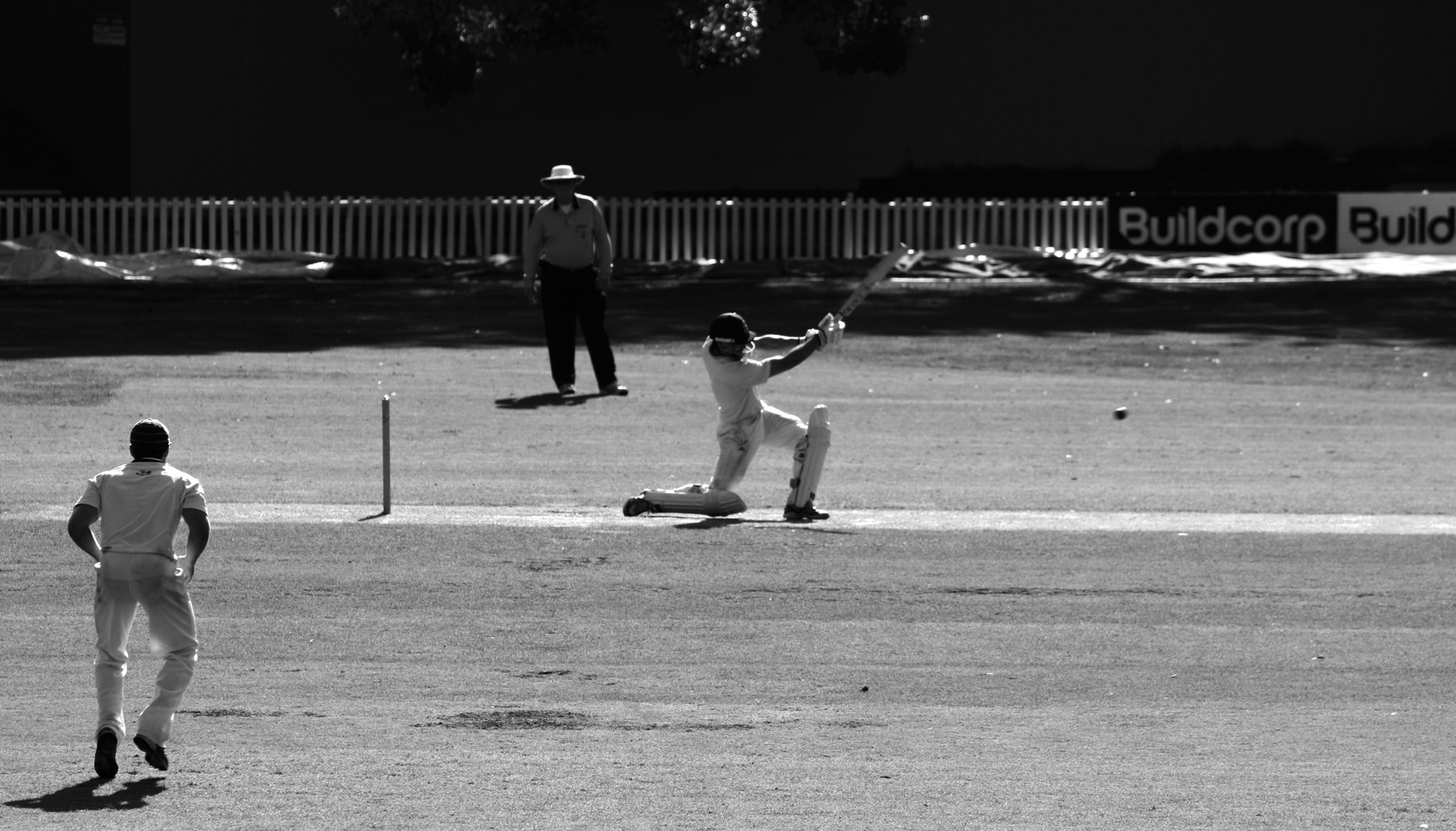
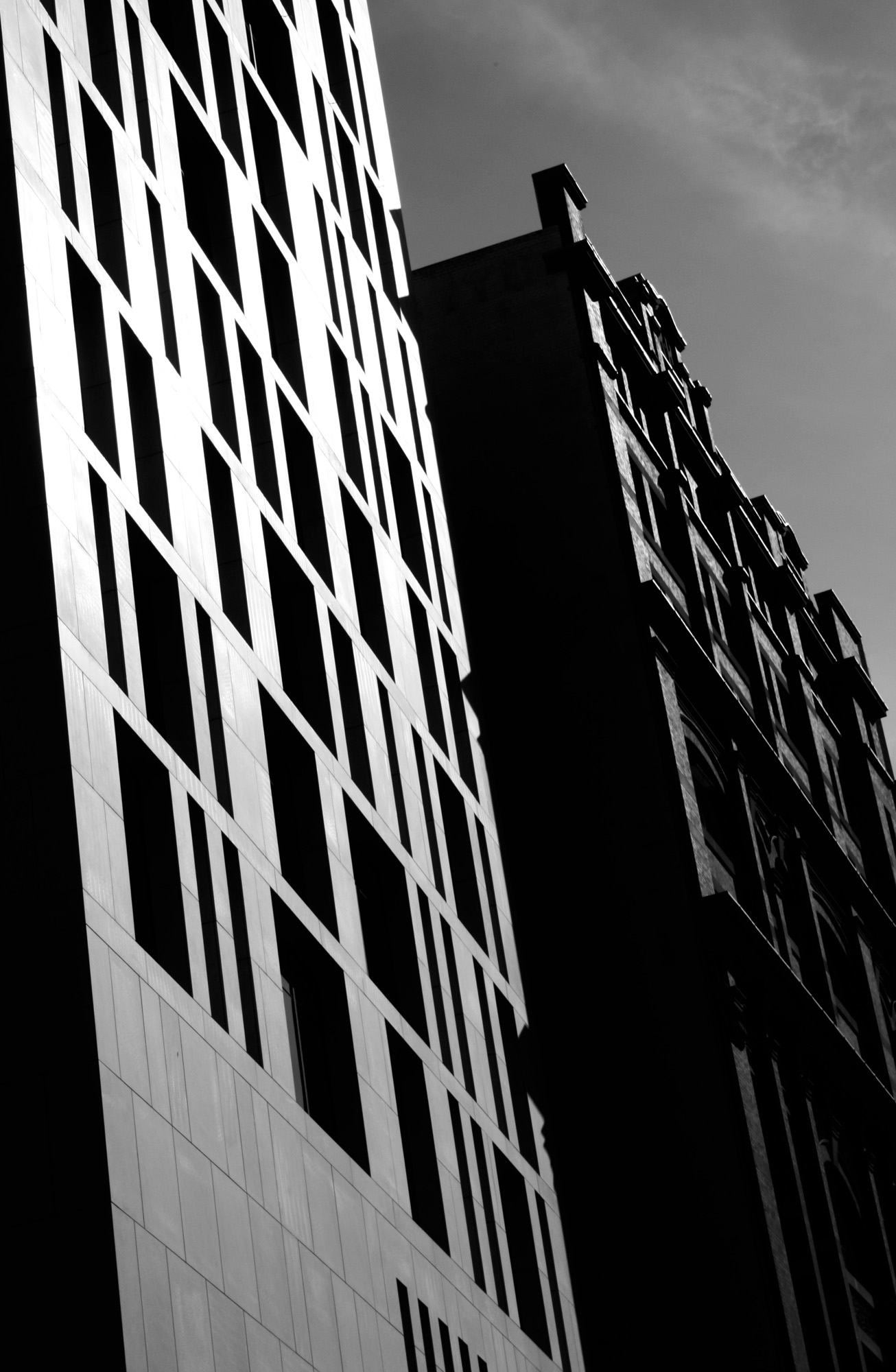
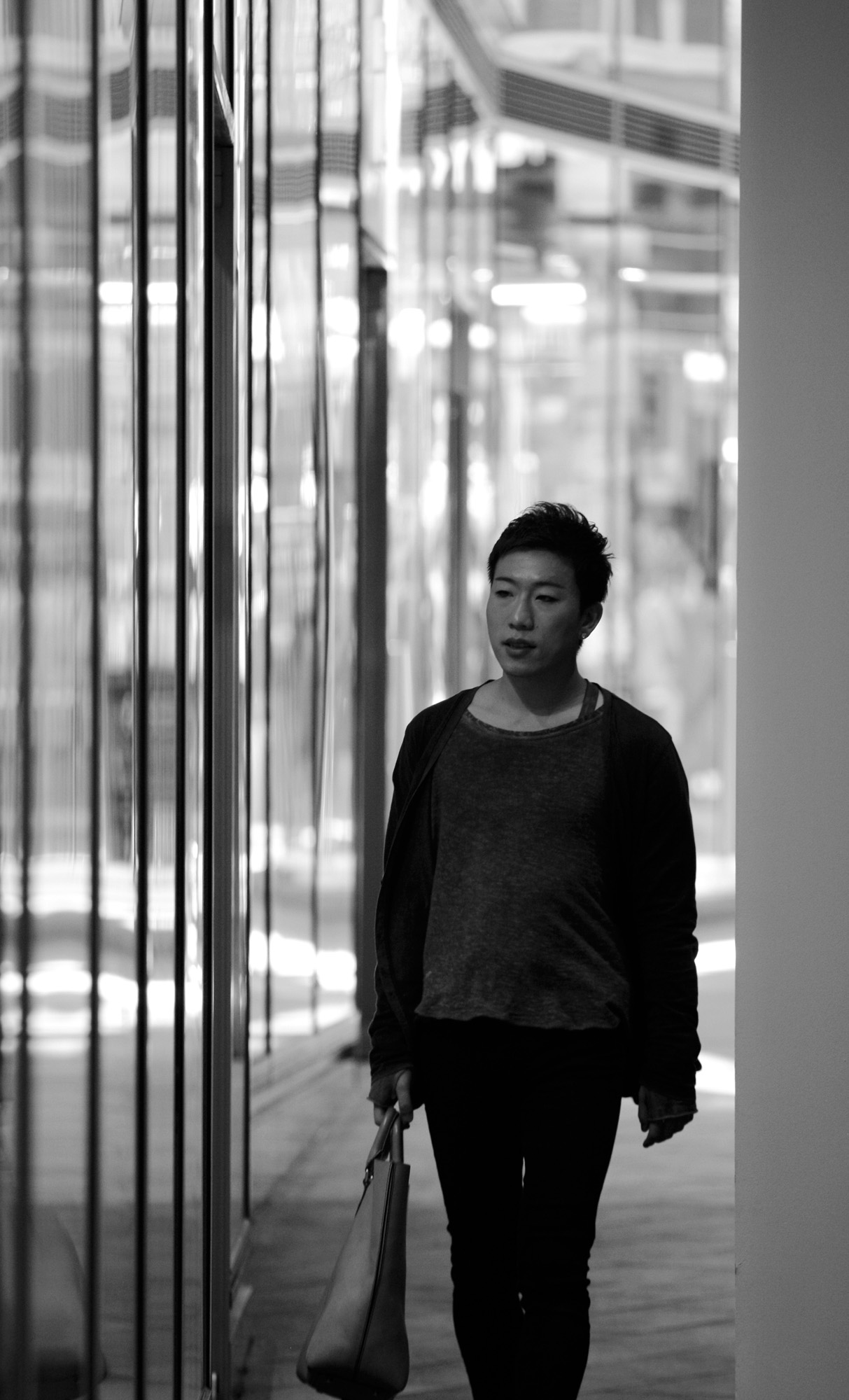
As for this collection of photographs, it took me a while to feel happy enough with what I had, but I got there in the end. The title, Interregnum, is the Latin term for a period between kings, and, of late, it feels as though no one has been sitting on the throne of Tragicocomedia. Fear not, however, Professor Rollmops is not dead. Long live Professor Rollmops!

Read Full Post »

The Grass is Ris

Read Full Post »

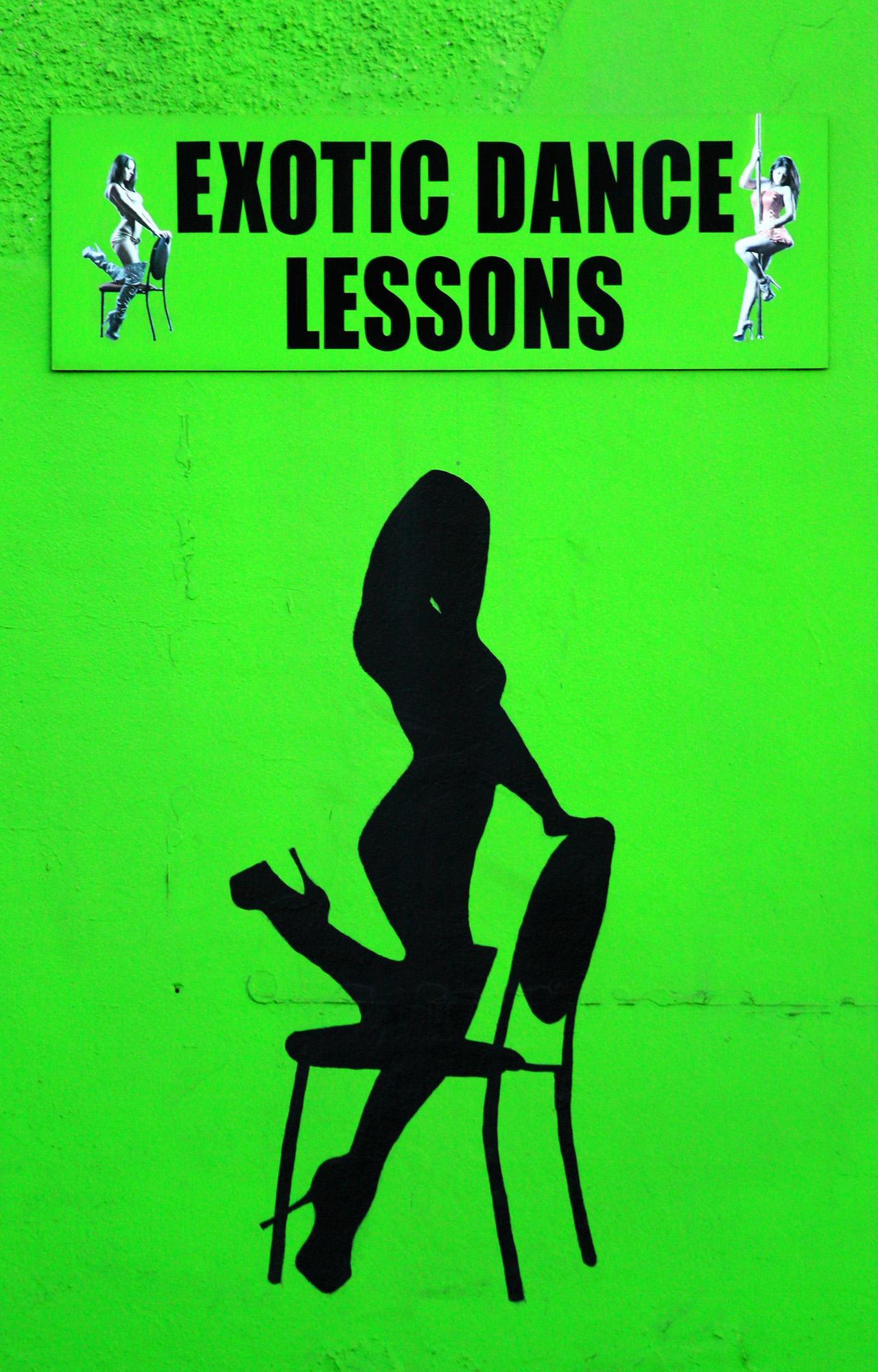
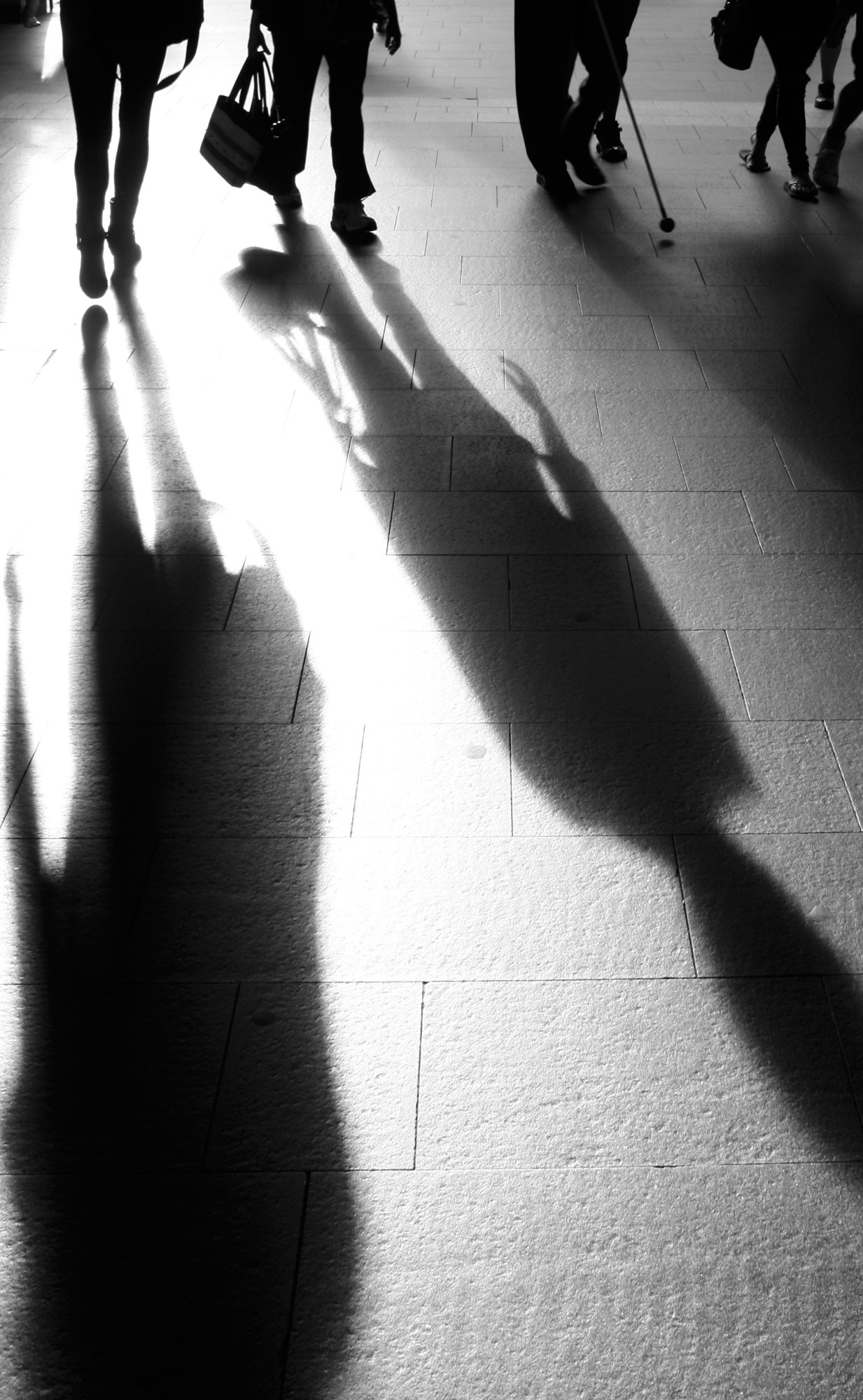
Shadows et cetera

Read Full Post »

Read Full Post »

Smashing Winter

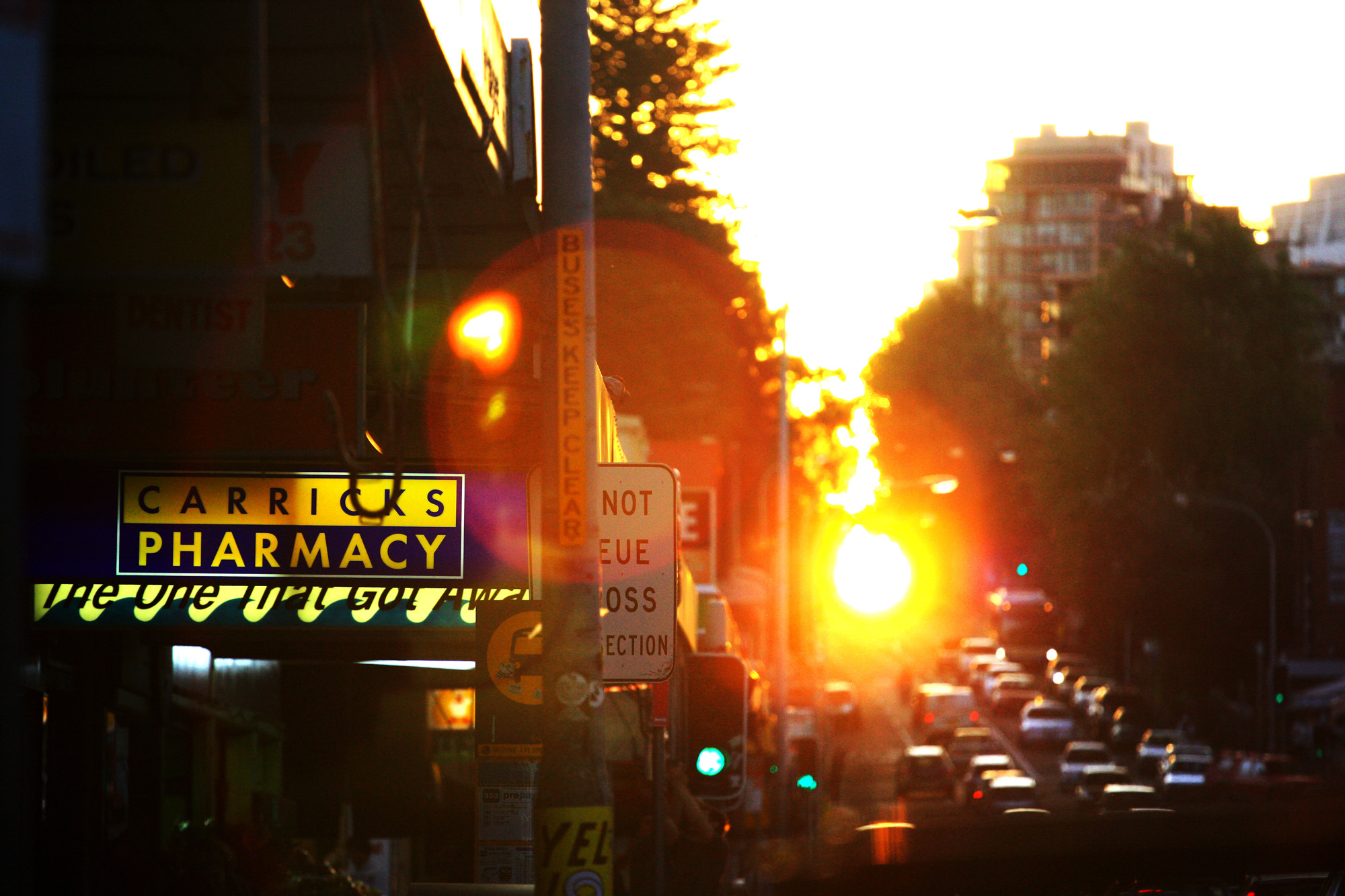
This collection has been another slow accumulation over the past month. A pathetic excuse it may be, but with the colder weather I’ve felt less inclined to prowl about the streets taking photographs. I say pathetic for the weather has been excellent lately – a typical Sydney winter of cool, crisp, clear days, interspersed with the occasional keen downpour. Perhaps I should blame the shorter days, and a lack of time in the afternoons and evenings.

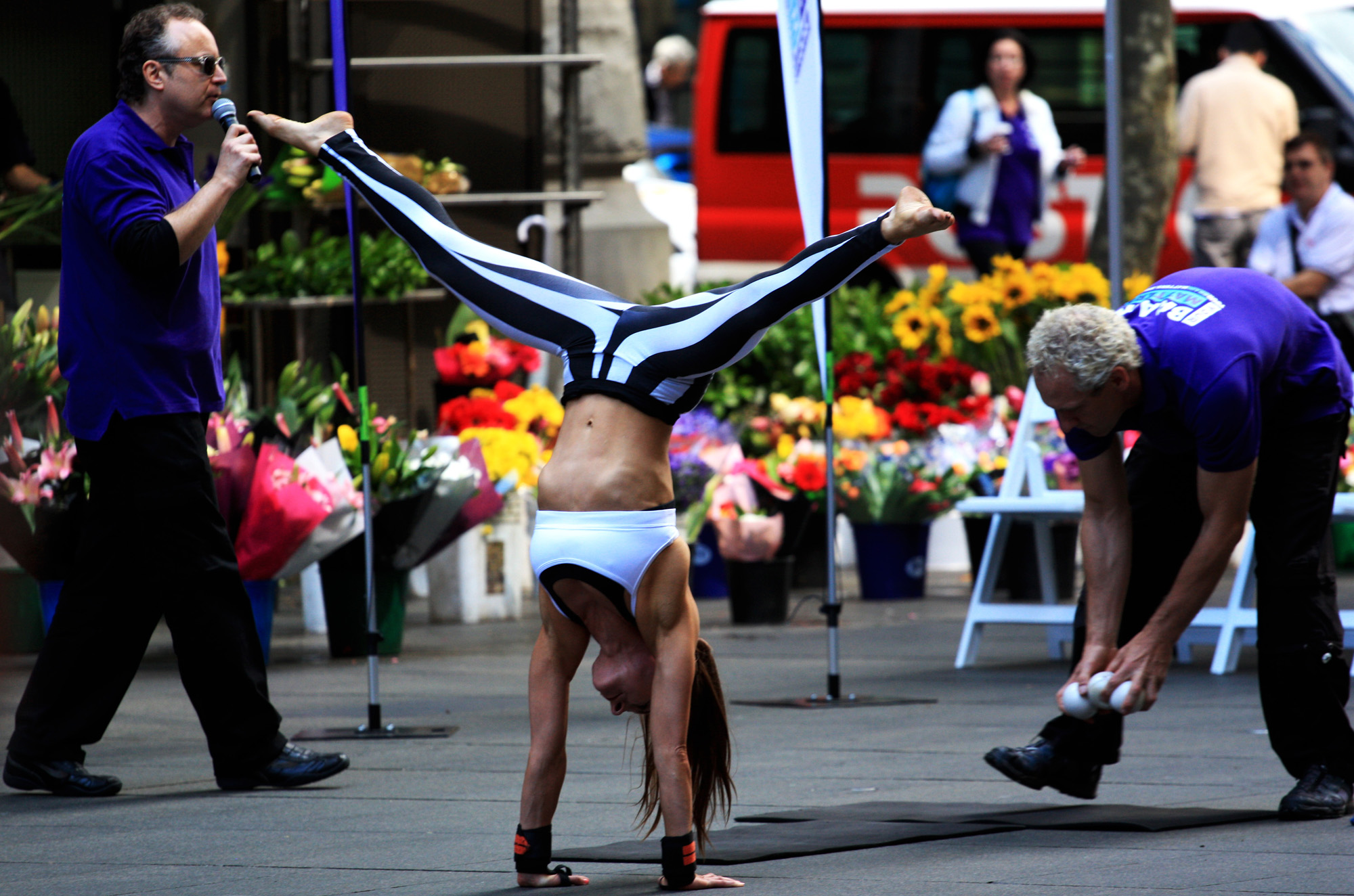
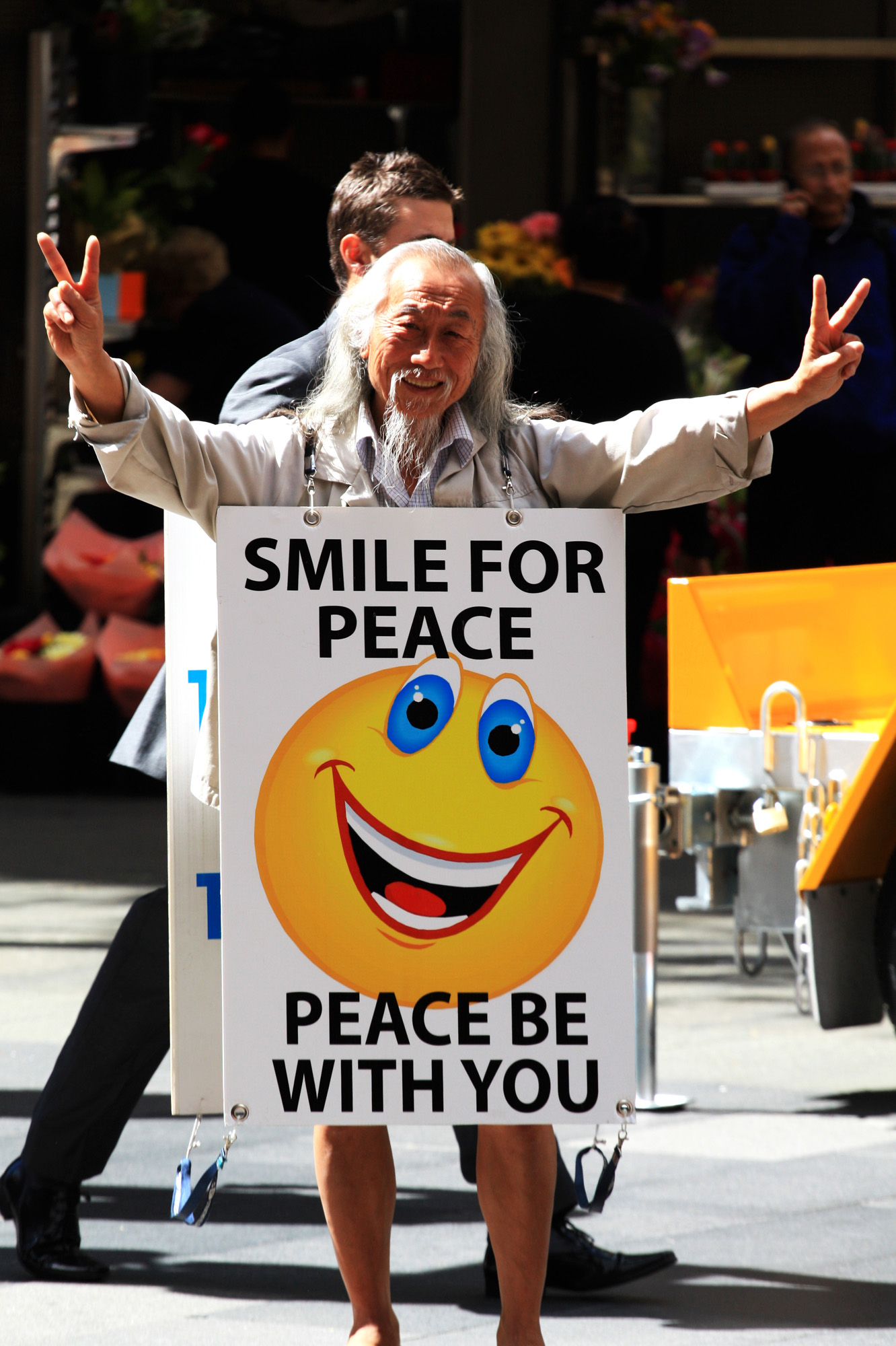
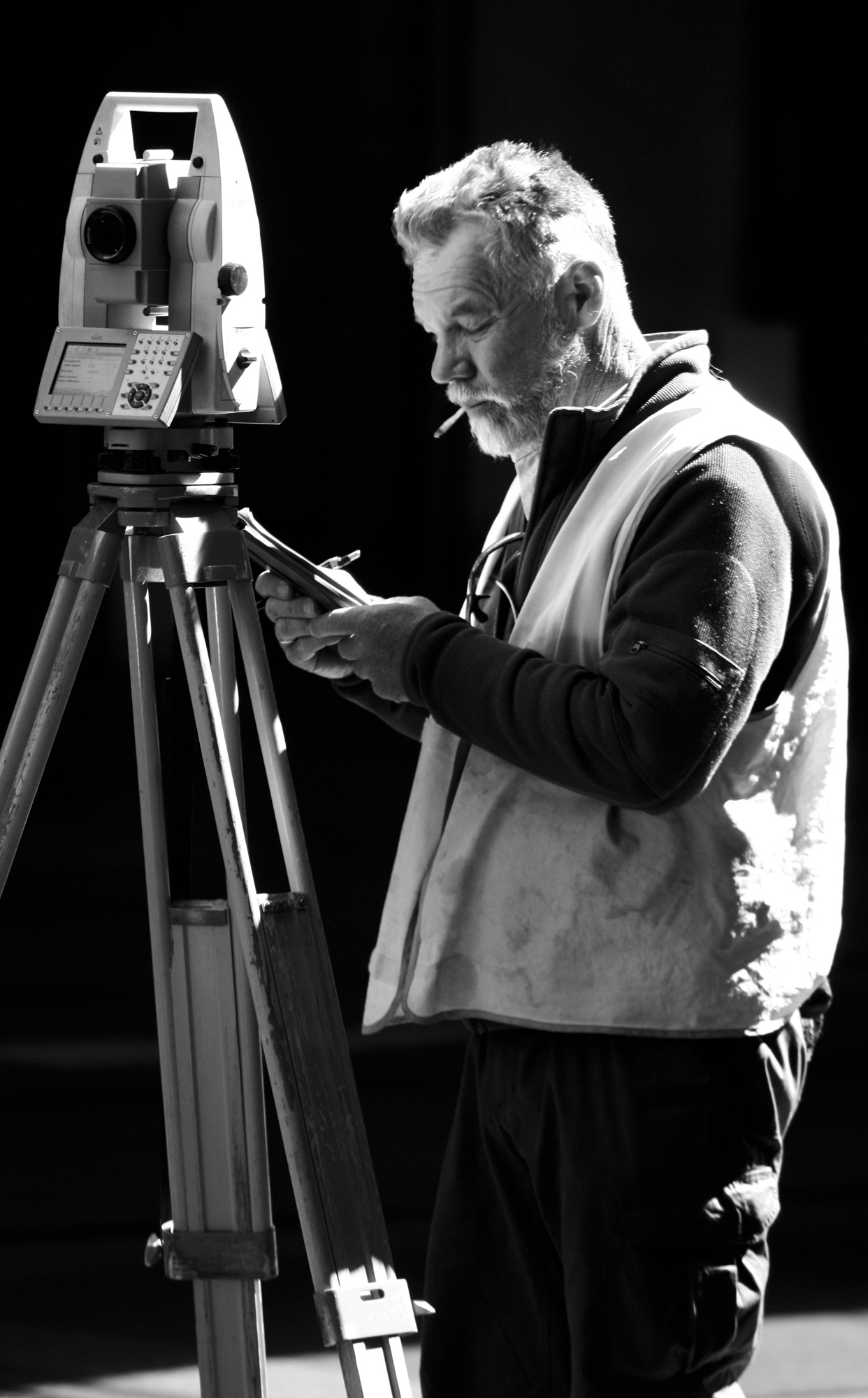
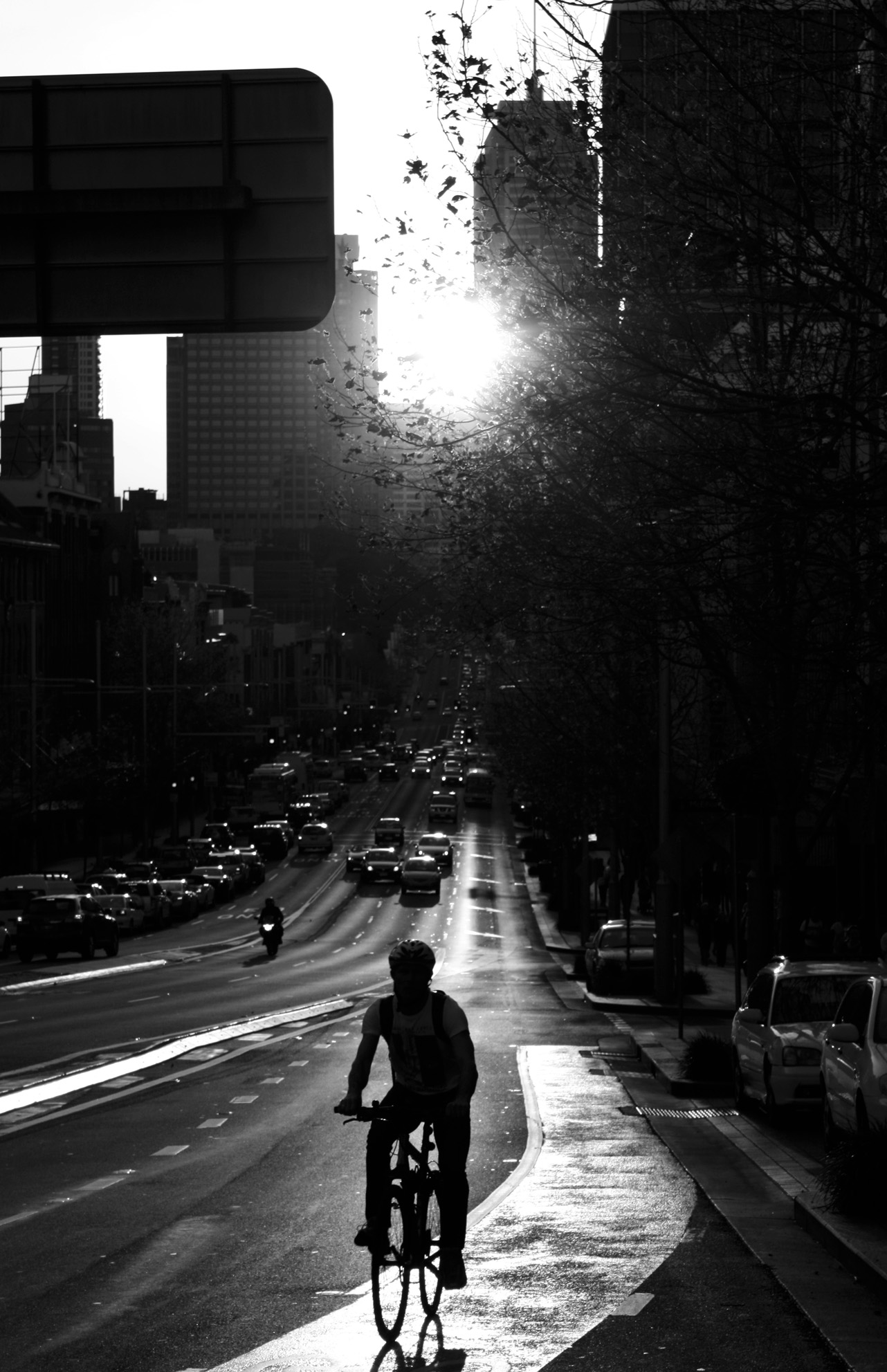
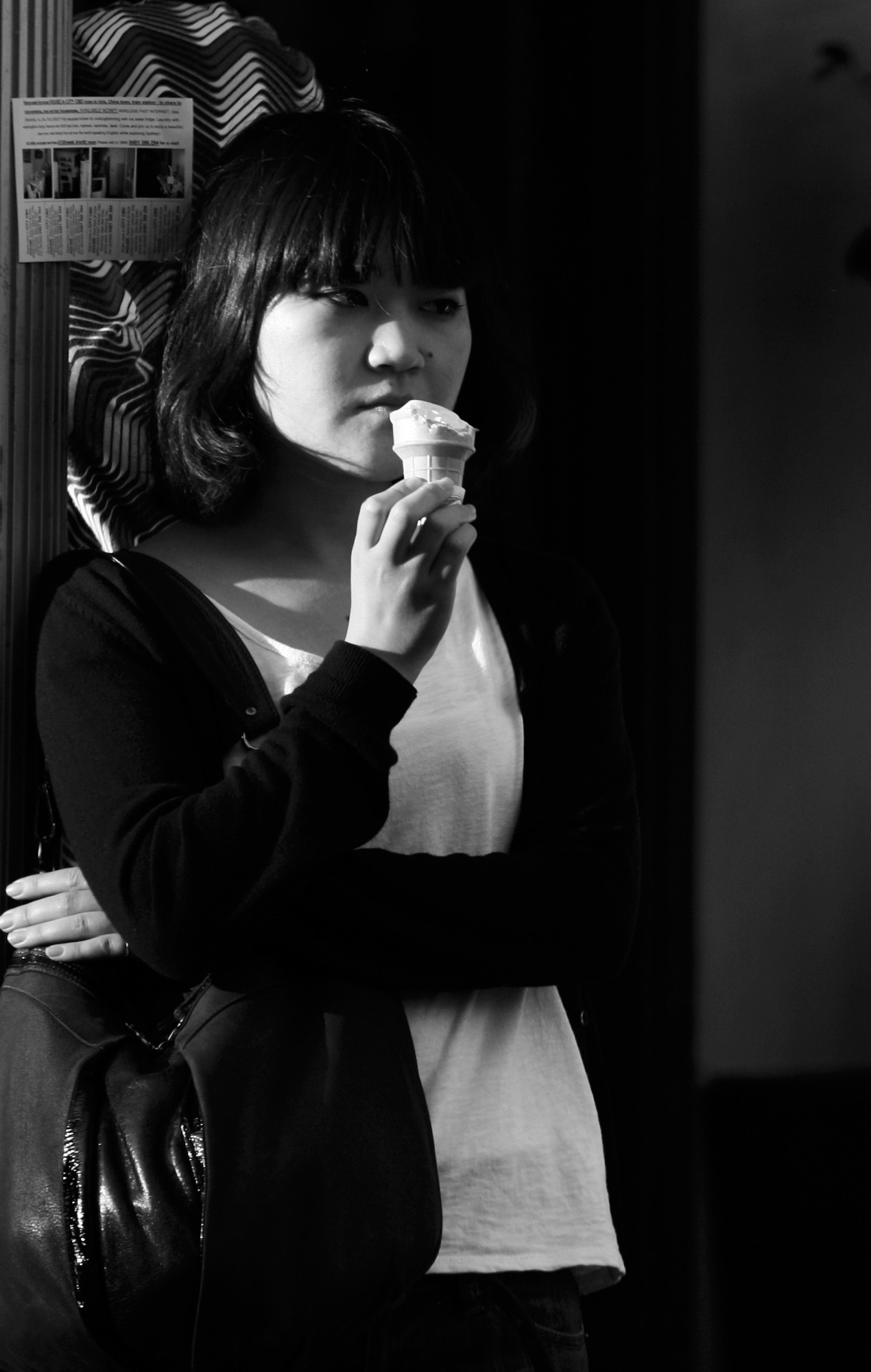
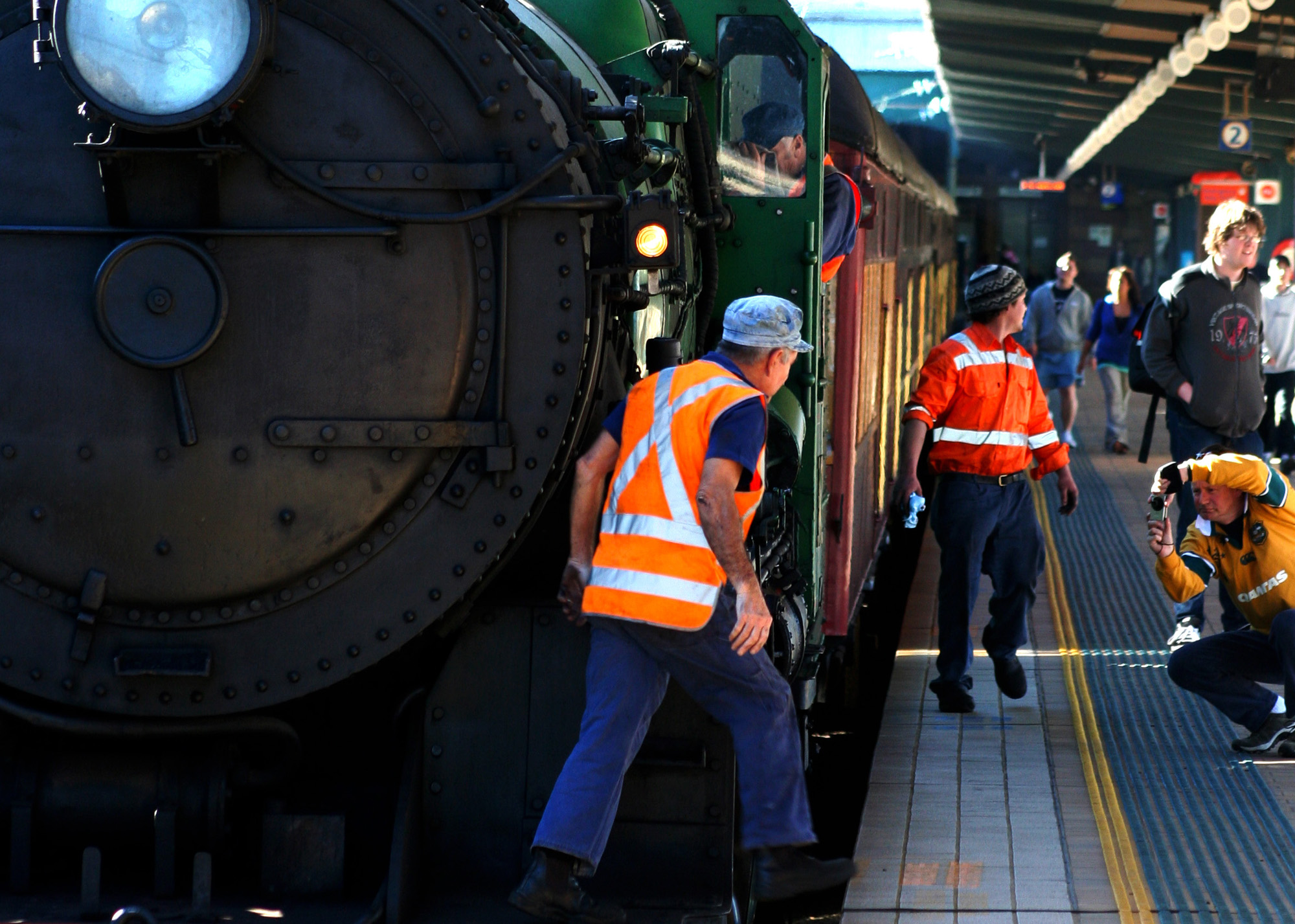
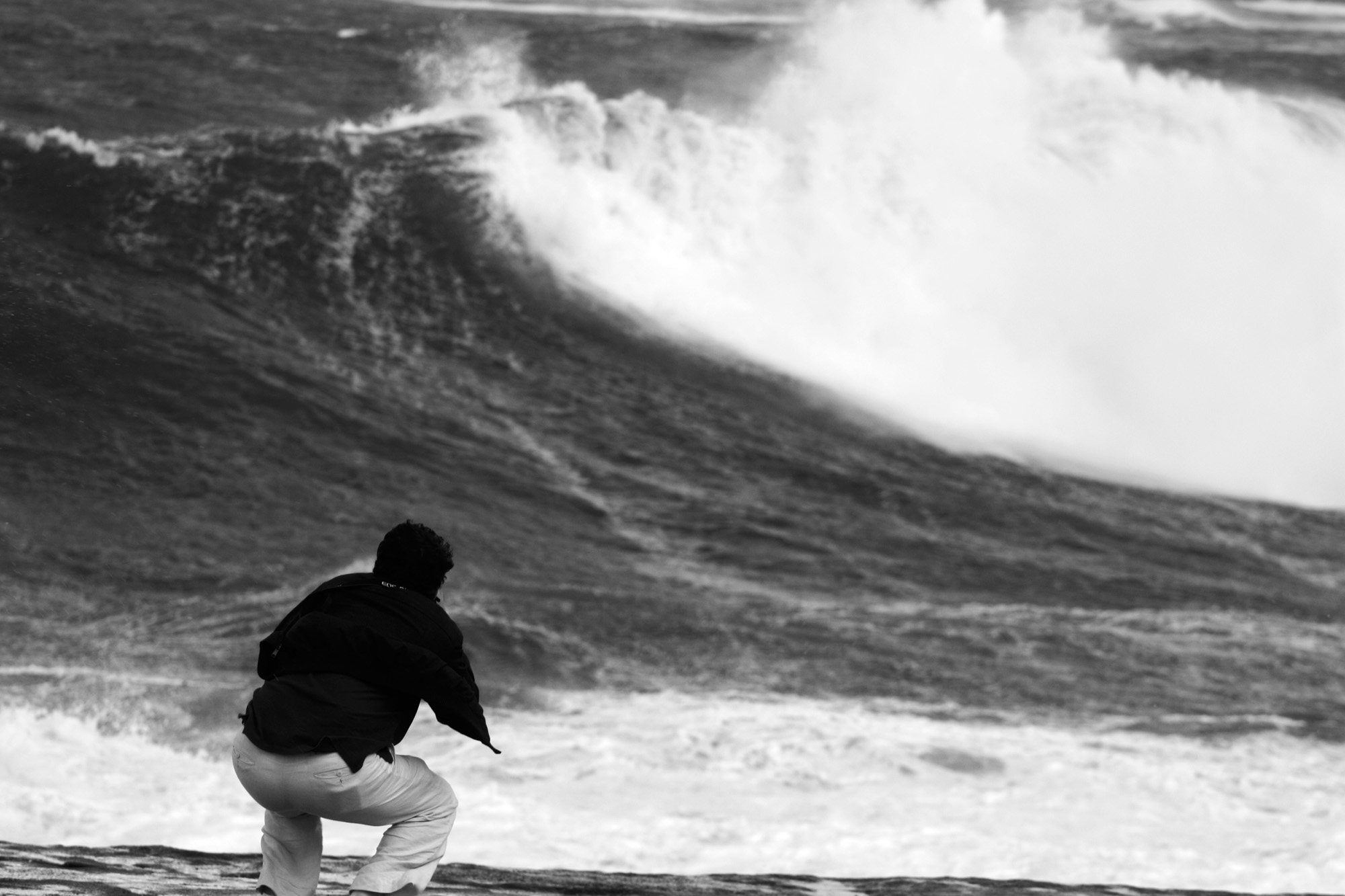
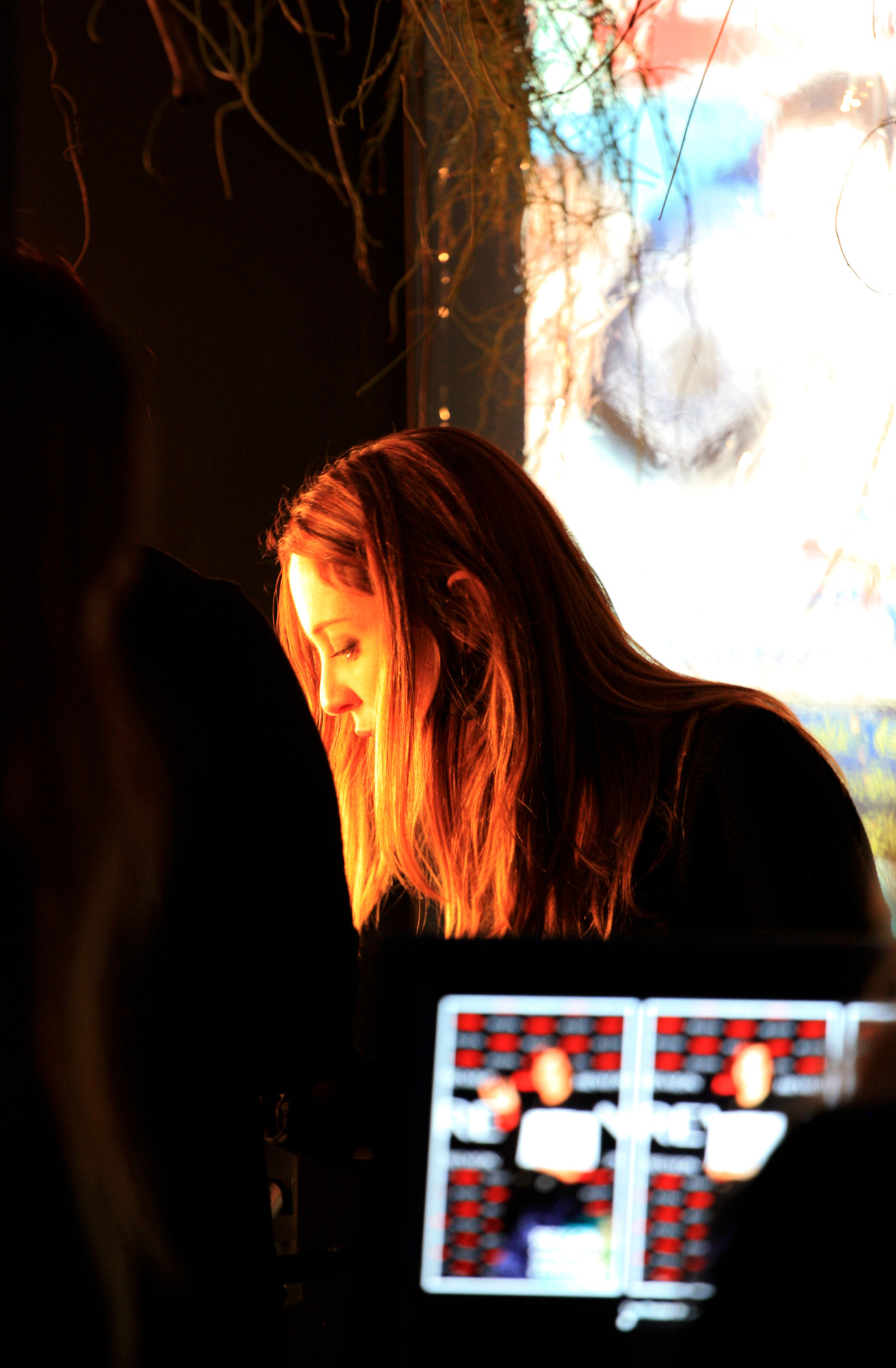
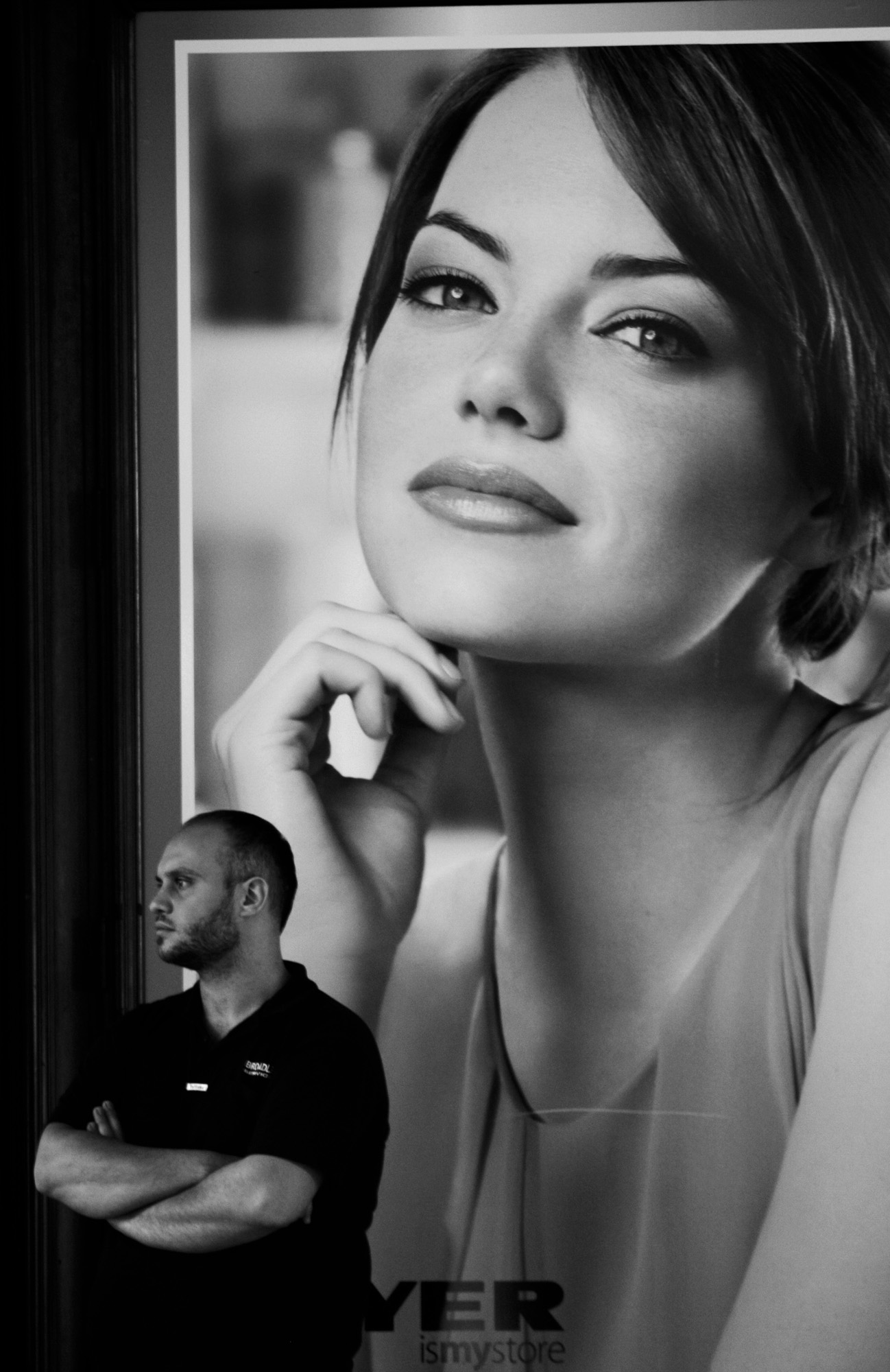
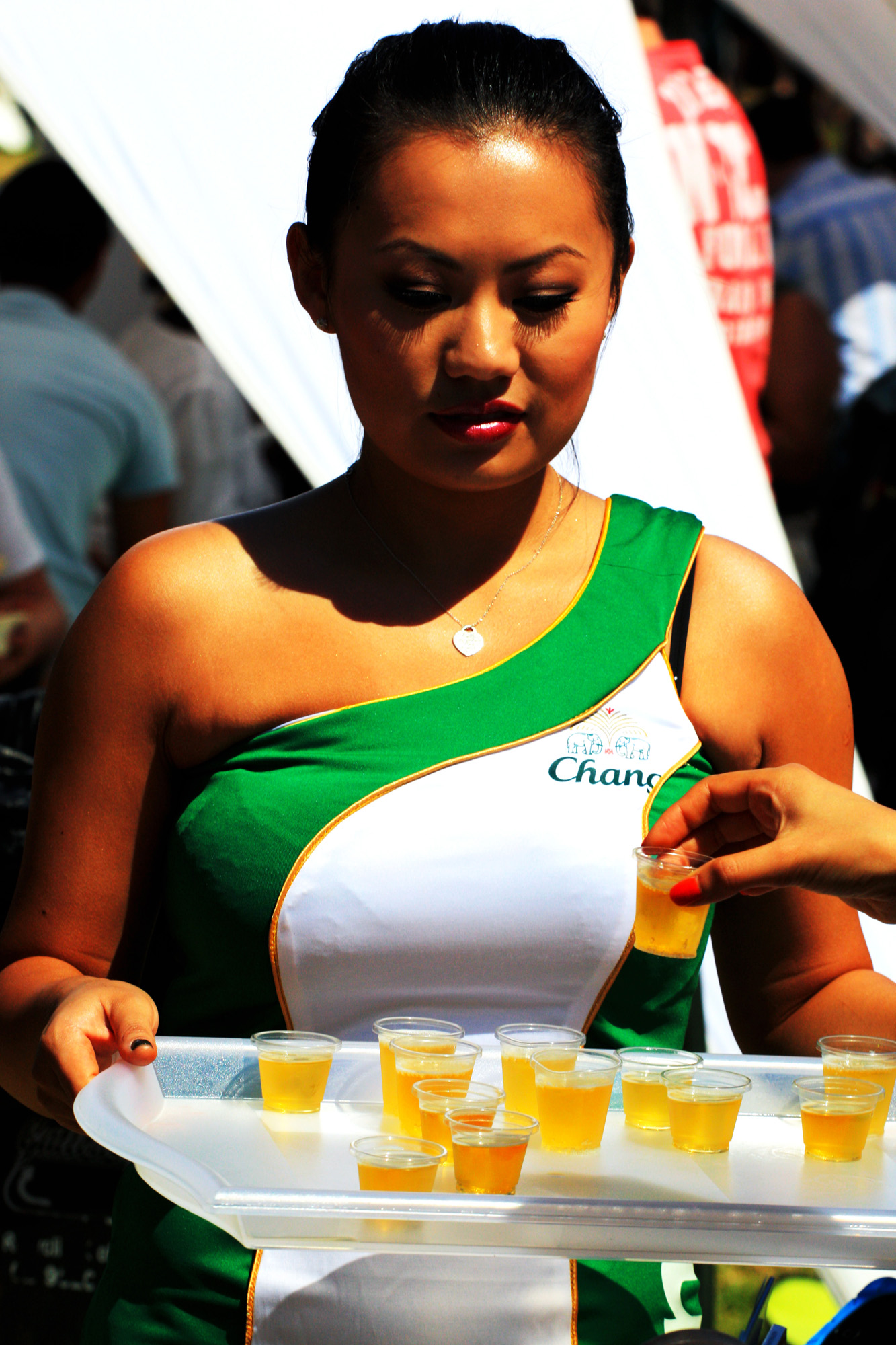
I’m still carrying the camera with me everywhere I go – usually armed with the 18-55 mm lens. Not having been so inclined, however, to whip it out and stalk the city’s many and varied denizens, I’ve done my photography in more deliberate bursts – taking the long lens on outings to capture things with the finer glass. The switch to long-range shooting has suited me better, as lately I’ve felt more self conscious about photographing people at closer range. I’m not sure why this is, though perhaps it is a lack of vulturous practice. The “sniping” or “perving” lens allows sufficient distance and anonymity and it also takes better photographs. And on that note, here is some recent work, which I hope you will enjoy.

Read Full Post »

Firstly, the title. I’ve spent the last month working with my good friend developing the season outline for a television series – about which I must remain zipped. Anyways, as mentioned elsewhere on this blog, on account of our different approaches to plot developments and scenes, we have given ourselves the nicknames Dr Fantasy and Mr Plausibility. He’s Doctor Fantasy, and I’m mister Plausibility, despite, I might add, the fact that I have a PhD and he doesn’t. Anyways, we were recently moot on the idea that we ought to form a more permanent collaboration and register as Plausible Fantasy Productions. Whether or not this whole idea is fantastic or at all plausible is the real question. Anyways, there you go.

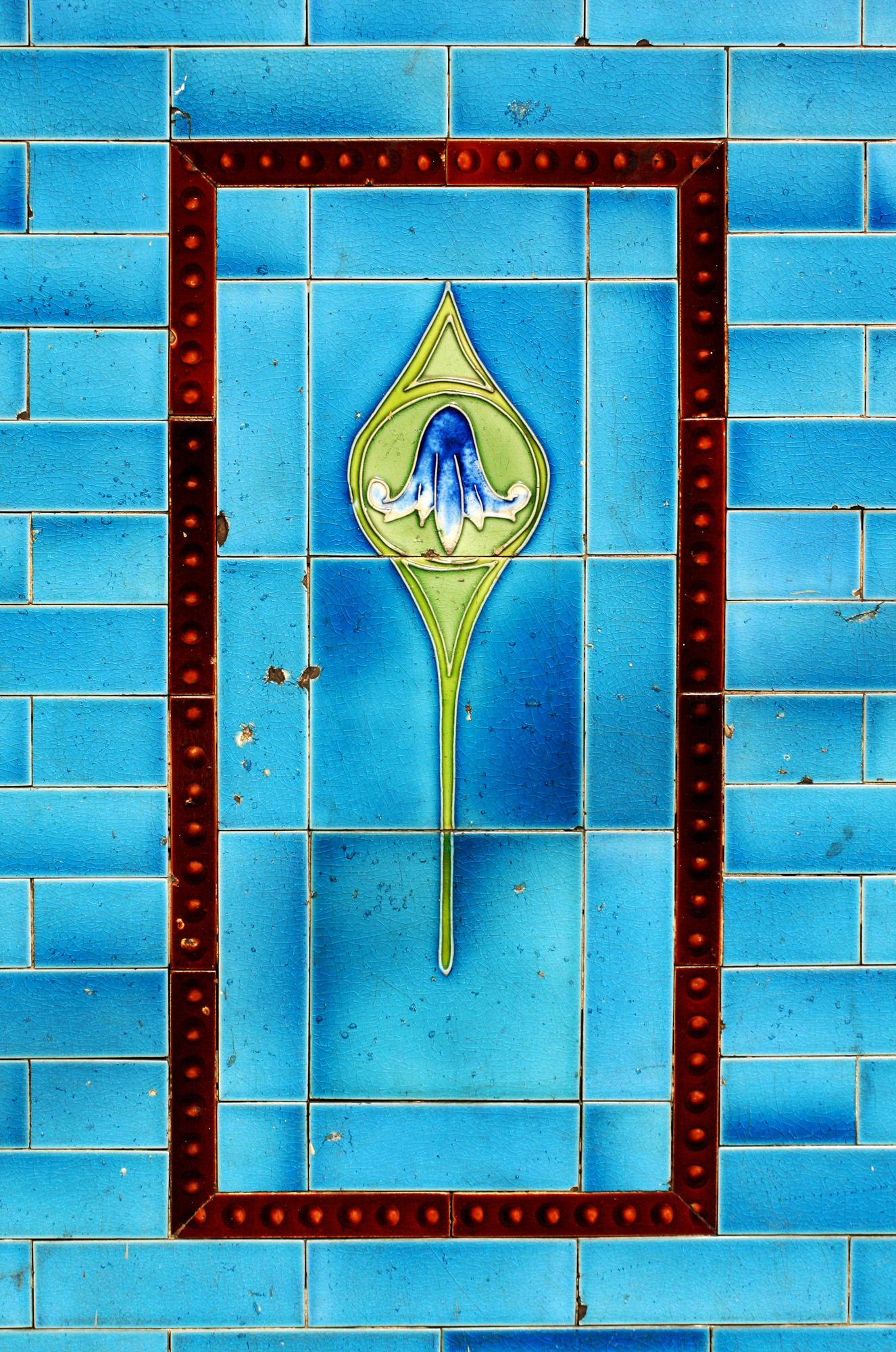
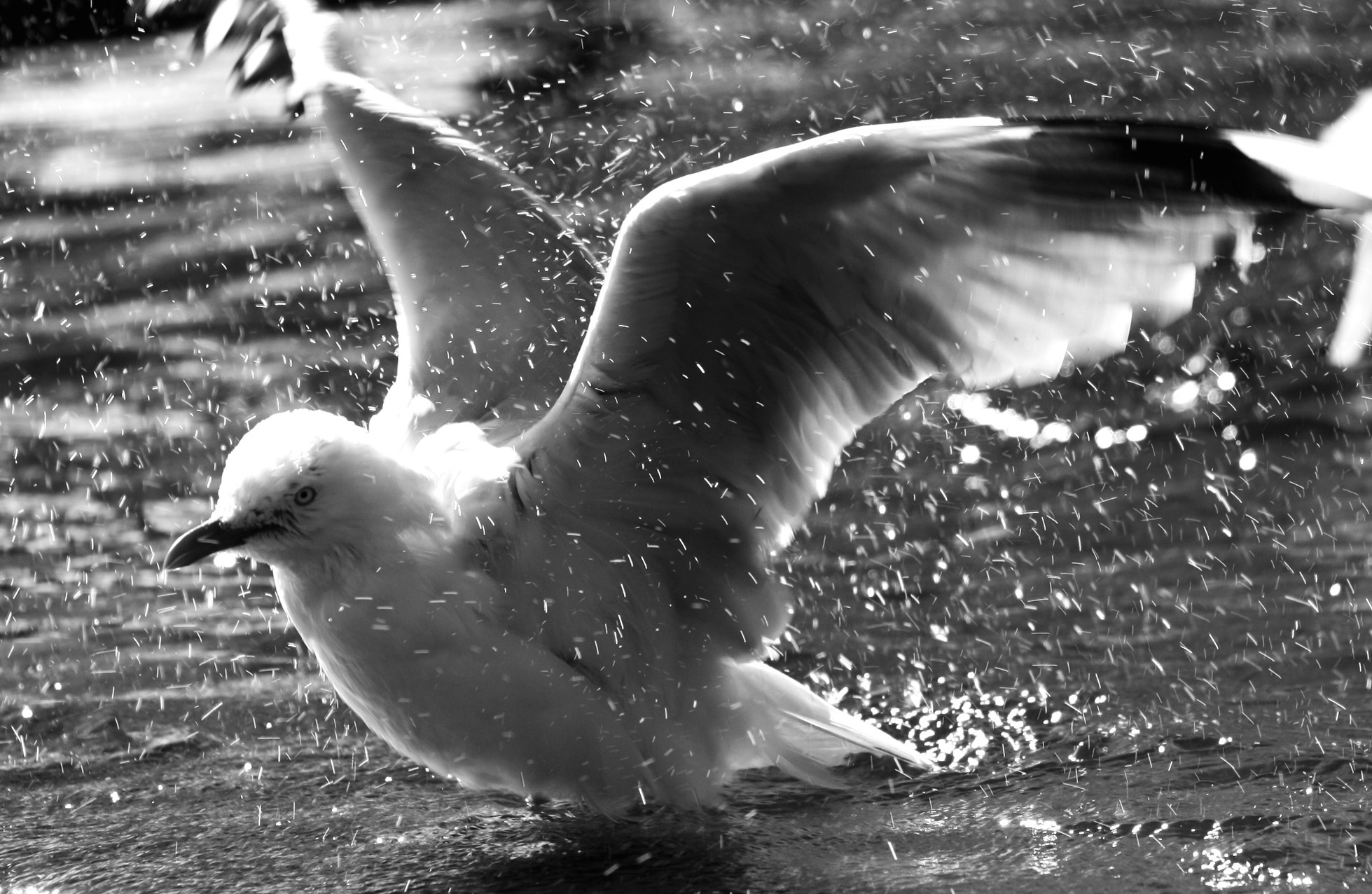
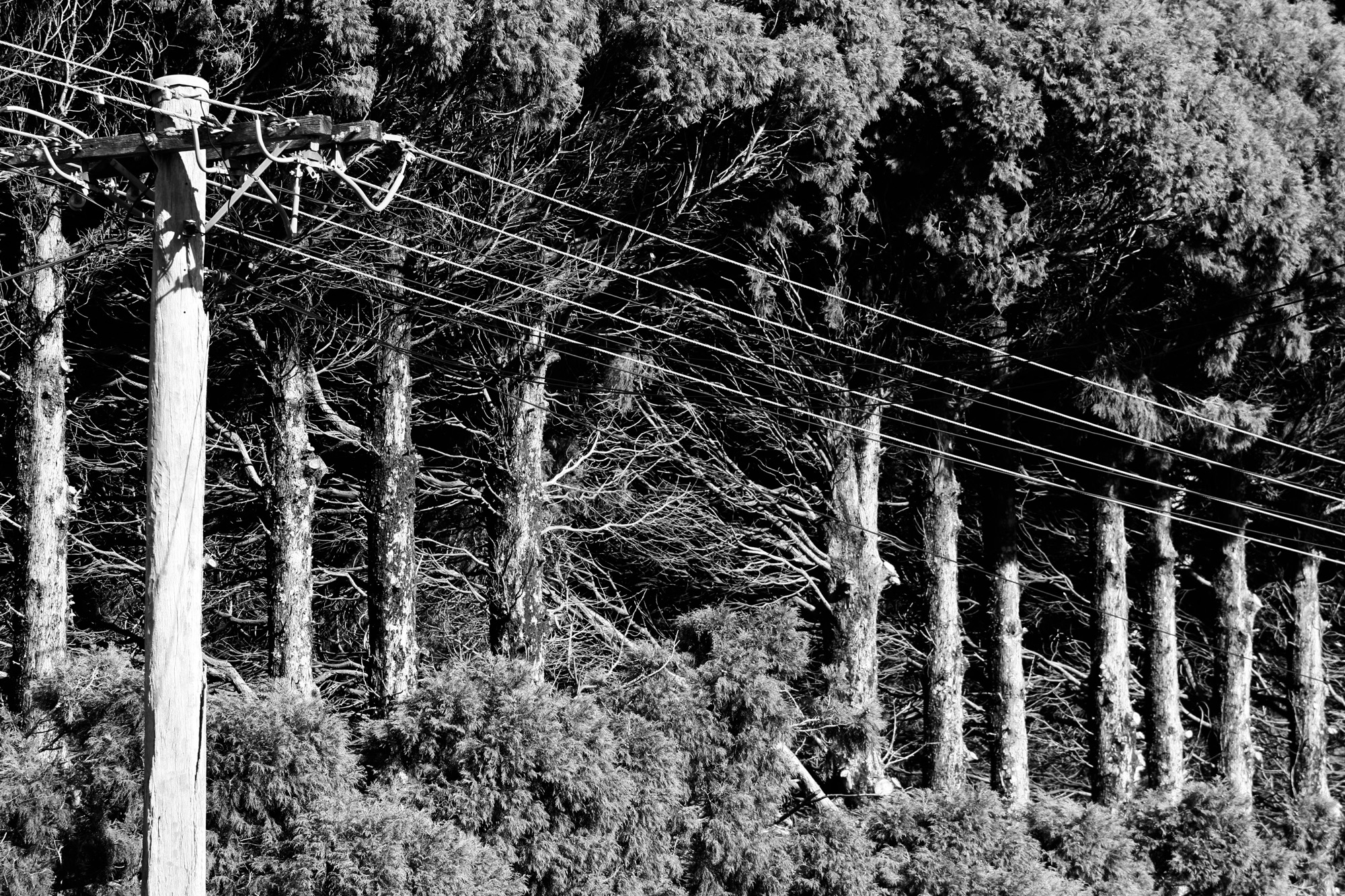
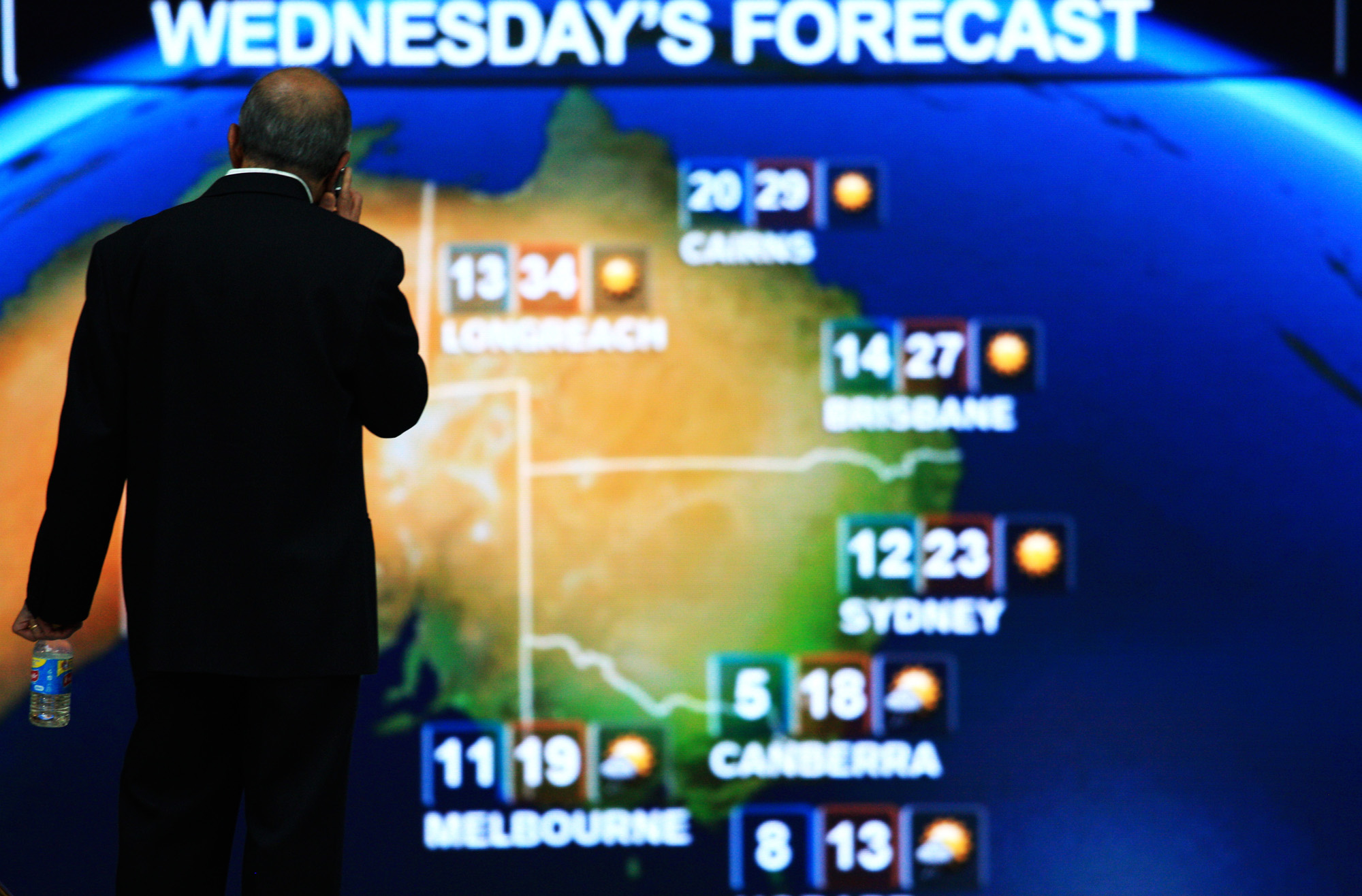
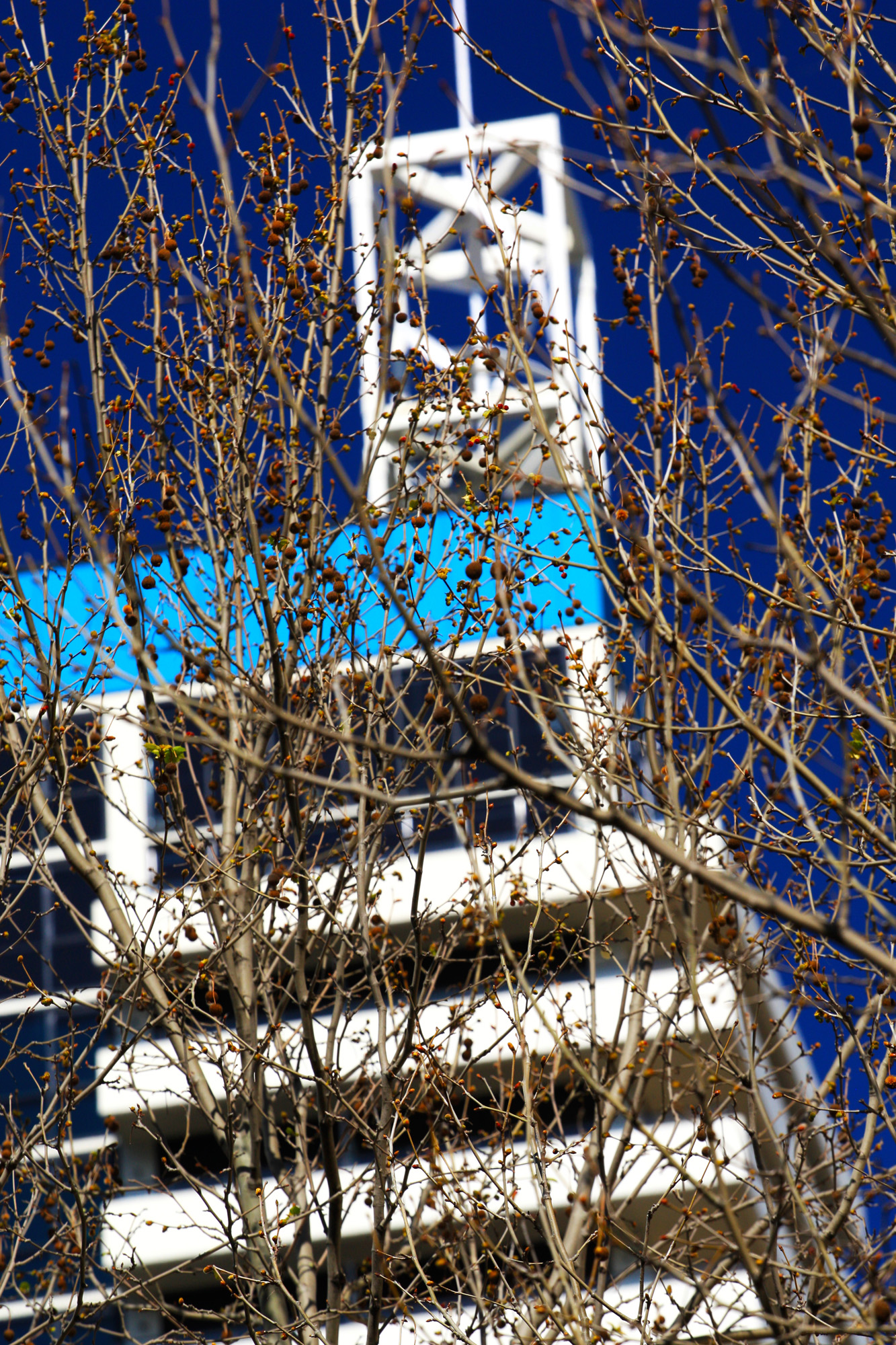
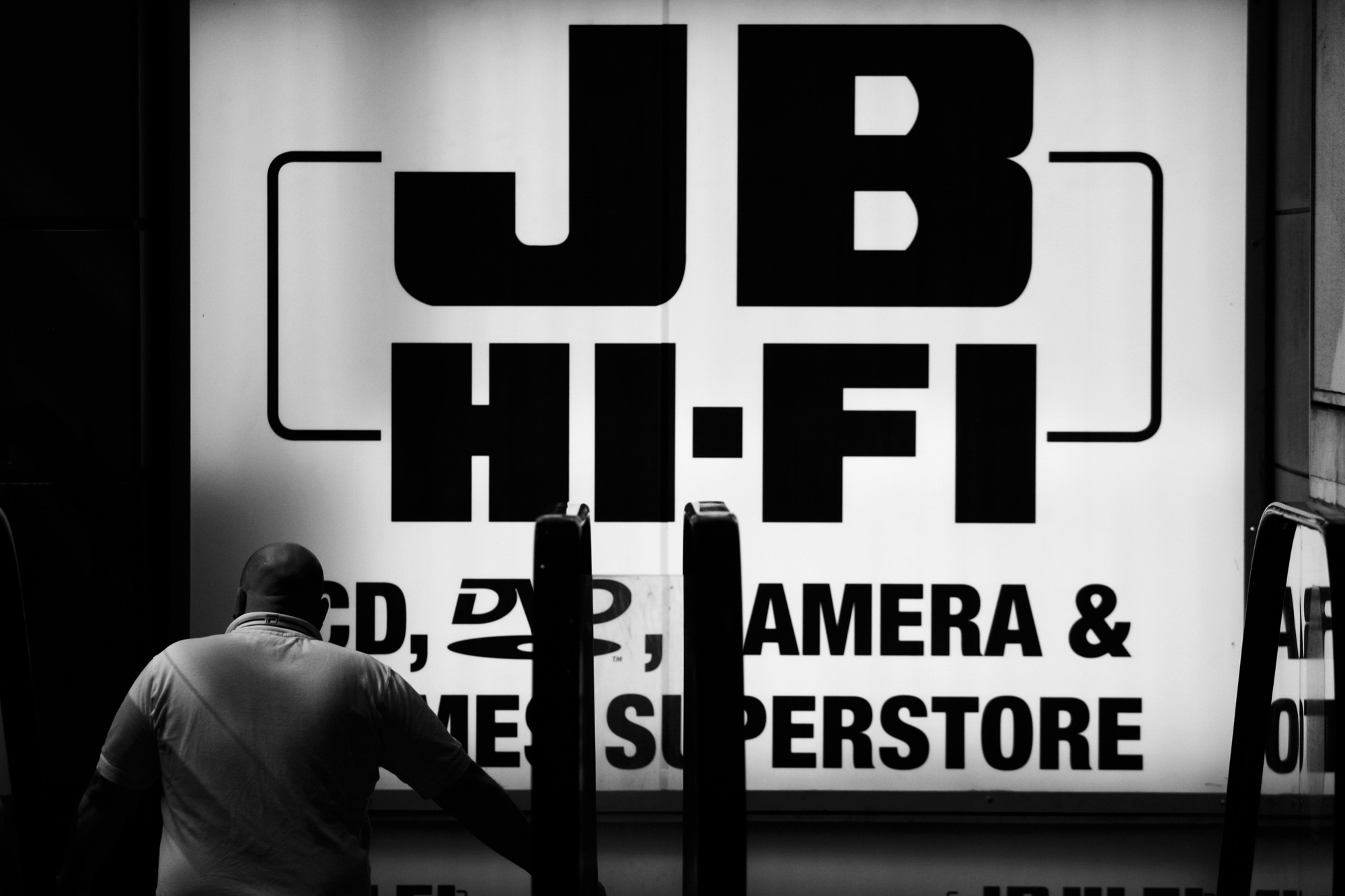
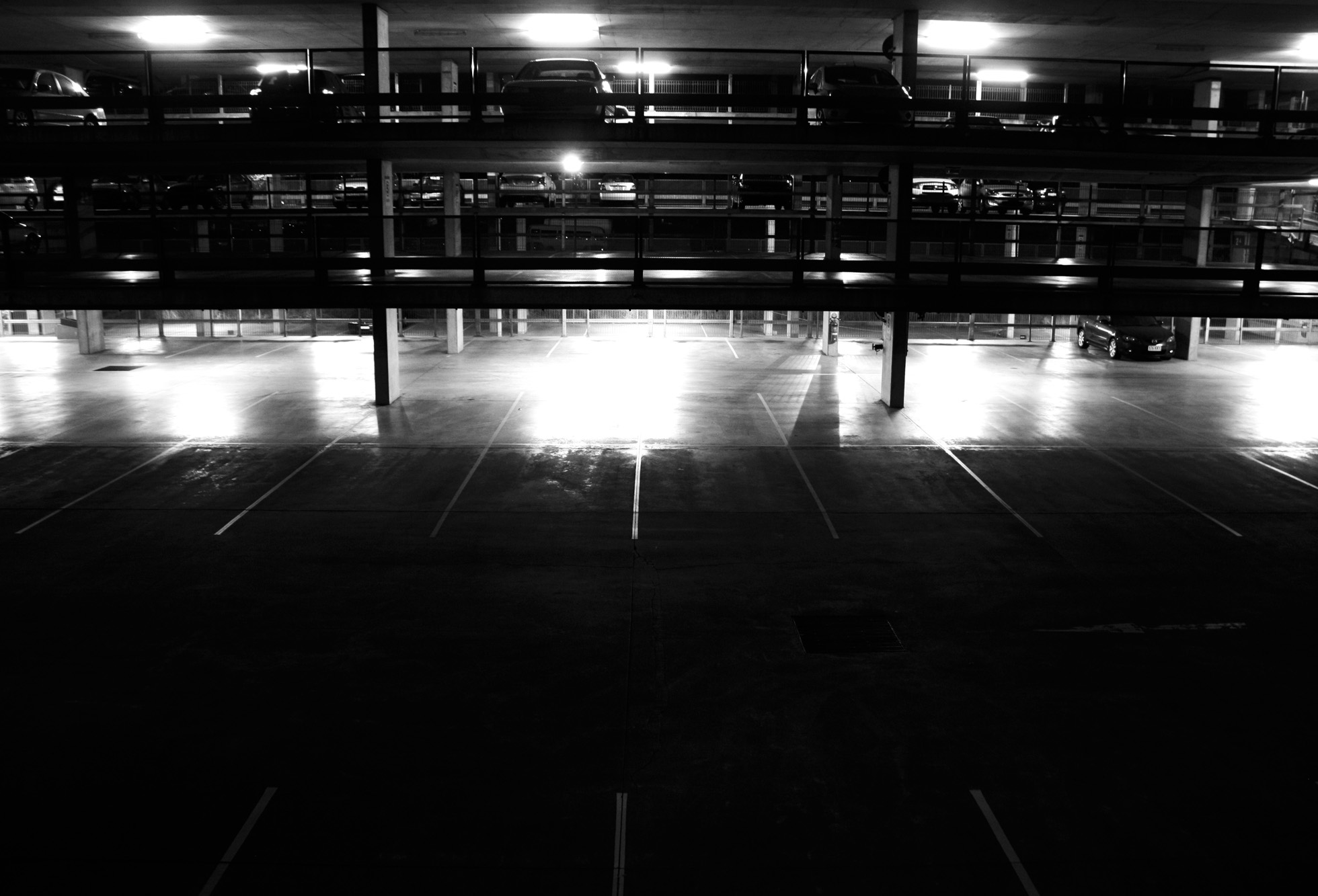
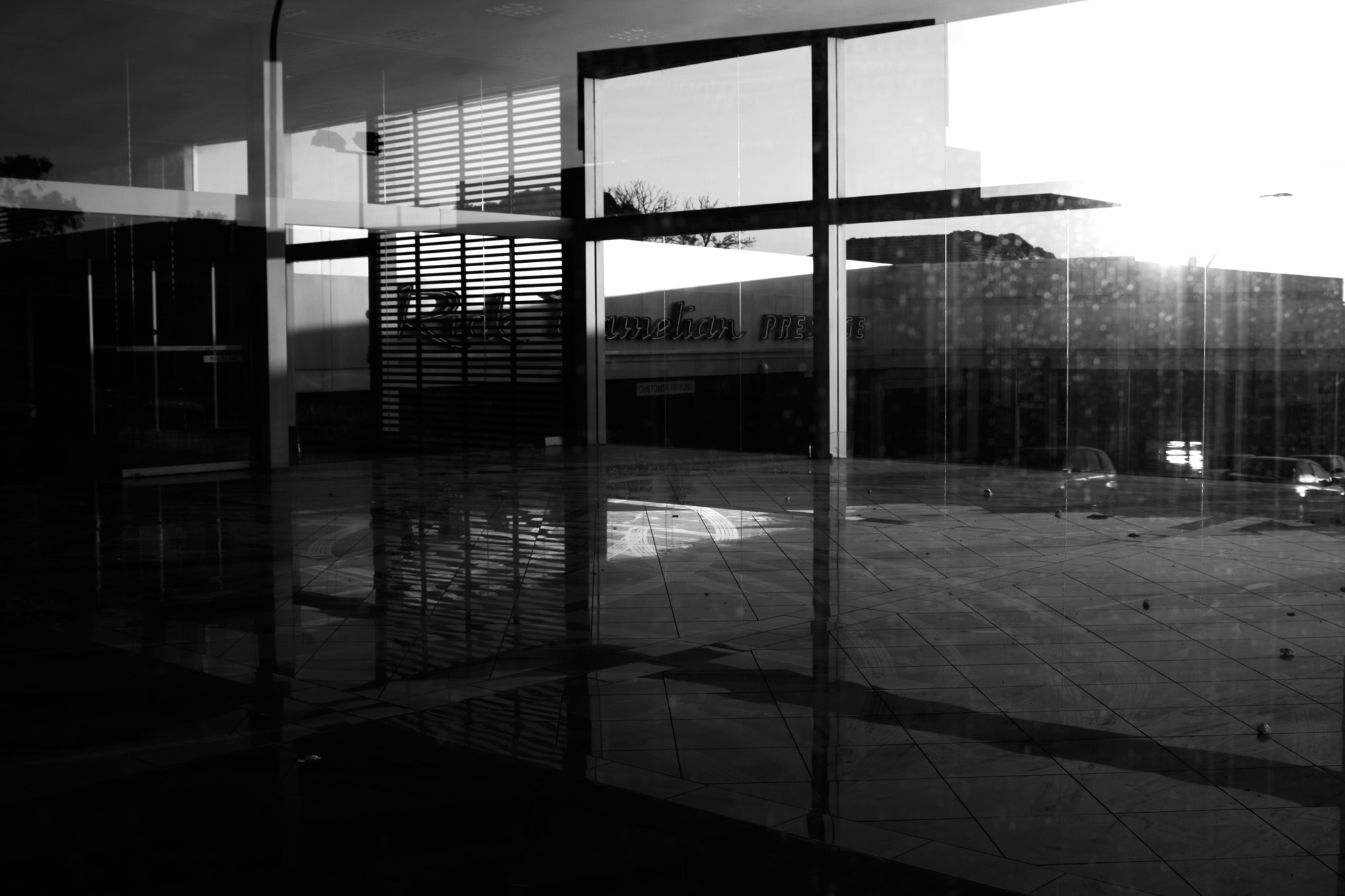
Below is a collection of recent and not so recent photos – more vignettes than stunners on this occasion, but I like them all the same.

Read Full Post »

Still Swimming

I may have mentioned before that autumn is my favourite season in Sydney and has been for many years. The first two weeks of March are often quite hot, with temperatures still averaging close to twenty-seven degrees celsius, but towards the end of the month the air loses much of its moisture and the nights become cooler. April, far from being the cruellest month, is perhaps the most beautiful month in Sydney, characterised by dry, clear, crisp days and cool, mild evenings. It is only when the first south-westerlies begin to blow, bringing colder air from the Snowy Mountains and tablelands, that the temperature dips significantly. As May progresses the air becomes a good deal cooler, yet temperatures still regularly reach the low twenties. With a winter average in Sydney of around fifteen degrees, there isn’t a long way to go down.

Another great advantage of autumn is that the ocean temperature remains high along the coast. Whereas swimming in the hotter weather of November involves the shock of 16 and 17 degree water, the average water temperature by the end of summer is around 22 degrees. This often persists right through to the end of April, and sometimes well into May. This has certainly been the case this year, and last weekend I went swimming both mornings at Bronte beach, where, sure enough, the water was still a lovely, silken 22 degrees. It was, admittedly, a chilly 14 degrees outside at nine in the morning, but it was very well worth going in.

This autumn has seemed all the more beautiful on account of having such a wet and cool summer. This last summer was much to my taste in not being so hot, yet the constant rain – the tail end of two consecutive La Ninas in the western Pacific -whilst beautiful and refreshing in itself, became somewhat annoying after several months. Its tendency to wash out most weekends, meant that I only first ventured to the beach in February, since when I have not looked back. This autumn has been one of the most beautiful I recall and V and I have tried to milk it as much as possible by going to Bronte beach whenever possible – usually Friday, Saturday and Sunday mornings. The place has become increasingly deserted as the sunny days cool down, yet this only makes it more inviting.

It may seem odd, therefore, considering such frequent visits to Bronte, that I have no photos to show for it. This is a consequence of taking little more than myself, a towel and ten dollars in the car. Indeed, the only beach shots included here are from a long weekend at Culburra Beach on the coast south of Wollongong. The rest are the process of a very slow accumulation, for I’ve been working a lot more recently and have had little time for prowling the streets with my camera. Hopefully I’ll have more time in the near future, but for the moment, here’s a bunch of recent stuff.

Read Full Post »

Anzac Day

In Australia and New Zealand April 25 is Anzac Day. The term ANZAC refers to the Australian and New Zealand Armed Corps, and the day commemorates the first landings of these forces at Gallipoli, in the Dardanelles, on the Aegean coast of Turkey in 1915. It was a controversial strategy designed to give the allied British, French and Colonial forces a springboard from which to choke Turkish shipping and troop movements, secure a sea-route to Russia, and also to prepare for a push towards Istanbul.

The campaign was not a success to say the least. It began badly in March with a failed attempt to force a way through the Dardanelles by the British and French navies. The older and, in some cases, obsolete battleships tasked with clearing the straits met with unexpectedly heavy concentrations of mines and the attack was called off after a number of ships were severely damaged. Ground forces were then deemed necessary to secure the coastline and allow the minesweepers to clear passage for the larger warships.

Without wishing to go into too much detail about the campaign, it will suffice to say that ultimately the Turkish forces, led by a man who was later to become the founding father of modern Turkey, Mustafa Kemal Ataturk, proved more than capable of meeting the allied attack. Like so many battles of the First World War, the Gallipoli campaign was characterised by wave upon wave of men charging across artillery-harassed killing fields towards trenches and well dug-in machine guns. Between April 25 and January 9 of the following year, when the allied forces finally relinquished their toehold on the Turkish coast, both sides suffered heavy casualties, with an estimated 250 000 Ottoman and 140 000 allied dead or wounded. Ironically, as was later to be the case with Dunkirk, the most successful part of the campaign  was the evacuation.

For the allies, the campaign was an unmitigated disaster. It failed to achieve any of its major objectives and gave the Ottoman forces a significant moral boost at a time when they were struggling to maintain the integrity of their empire on all fronts. Yet, the Gallipoli campaign also came to mark a defining moment in the development of national consciousness in Australia and New Zealand. It was also a defining moment for modern Turkey – a last great success for the Ottoman Empire, which laid the grounds for the Turkish war of independence and the foundation of the republic of Turkey in 1923.

The brutal nature of the Gallipoli campaign instilled in the soldiers of both sides a healthy respect for their opponents. This was in no small part due to various outstanding acts of chivalry and an empathetic understanding of the difficult conditions under which all the soldiers were forced to operate. Nowhere is this respect more visible than in the strikingly powerful words of Kemal Ataturk, composed in 1934 as an epitaph for those who lost their lives.

Those heroes that shed their blood and lost their lives… you are now lying in the soil of a friendly country. Therefore rest in peace. There is no difference between the Johnnies and the Mehmets to us where they lie side by side here in this country of ours… You, the mothers, who sent their sons from far away countries, wipe away your tears; your sons are now lying in our bosom and are in peace. After having lost their lives on this land they have become our sons as well.

Australia and Turkey continue to enjoy close relations as a consequence of the Gallipoli campaign.

Every year, on April 25, the returned service men and women in Australia and New Zealand, parade to commemorate not only the Gallipoli campaign, but to show respect for the contribution of all men and women in the armed forces in both countries. The day has long been both a solemn occasion for reflection, and something of a carnival, as is the nature of any public holiday. There has always been some discomfort amongst those who mistakenly interpret Anzac Day as a glorification of war, and those who remain sceptical of overzealous national sentiment and flag-waving. Yet, irrespective of the rightness or otherwise of any of the conflicts in which Australia has taken part – far too many for my liking, particularly in the case of Vietnam and Iraq – it would be curmudgeonly not to acknowledge that the poor sods who have gone to war did so, in most cases, firmly in the belief that they were doing the right thing. There is little that is glorious to celebrate, but we can certainly recognise that almost all of these people have suffered in some way, and their suffering was, for better or for worse, done on behalf of the rest of us.

It has been some time since I have paid much attention to Anzac Day. The last time I actually attended any form of  public commemoration was in 2001 when, in one of the more out of character acts of my life, I travelled to Gallipoli on Anzac Day to camp on the beach and watch the dawn service. The idea was largely a result of homesickness, for I had been living in England for two years at the time. Once surrounded by a horde of Australians and New Zealanders, however, and after staying up all night only to hear the voice of Alexander Downer, the then foreign minister, at dawn, I wanted to get away from them all as quickly as possible. Still, it was a fascinating experience, and when I scaled the sandy cliffs at sunrise with a country-town west Australian called Scott Hardy, I felt a strange and eerie connection with the campaign and its setting.

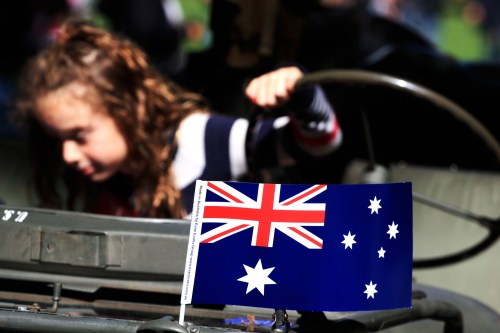
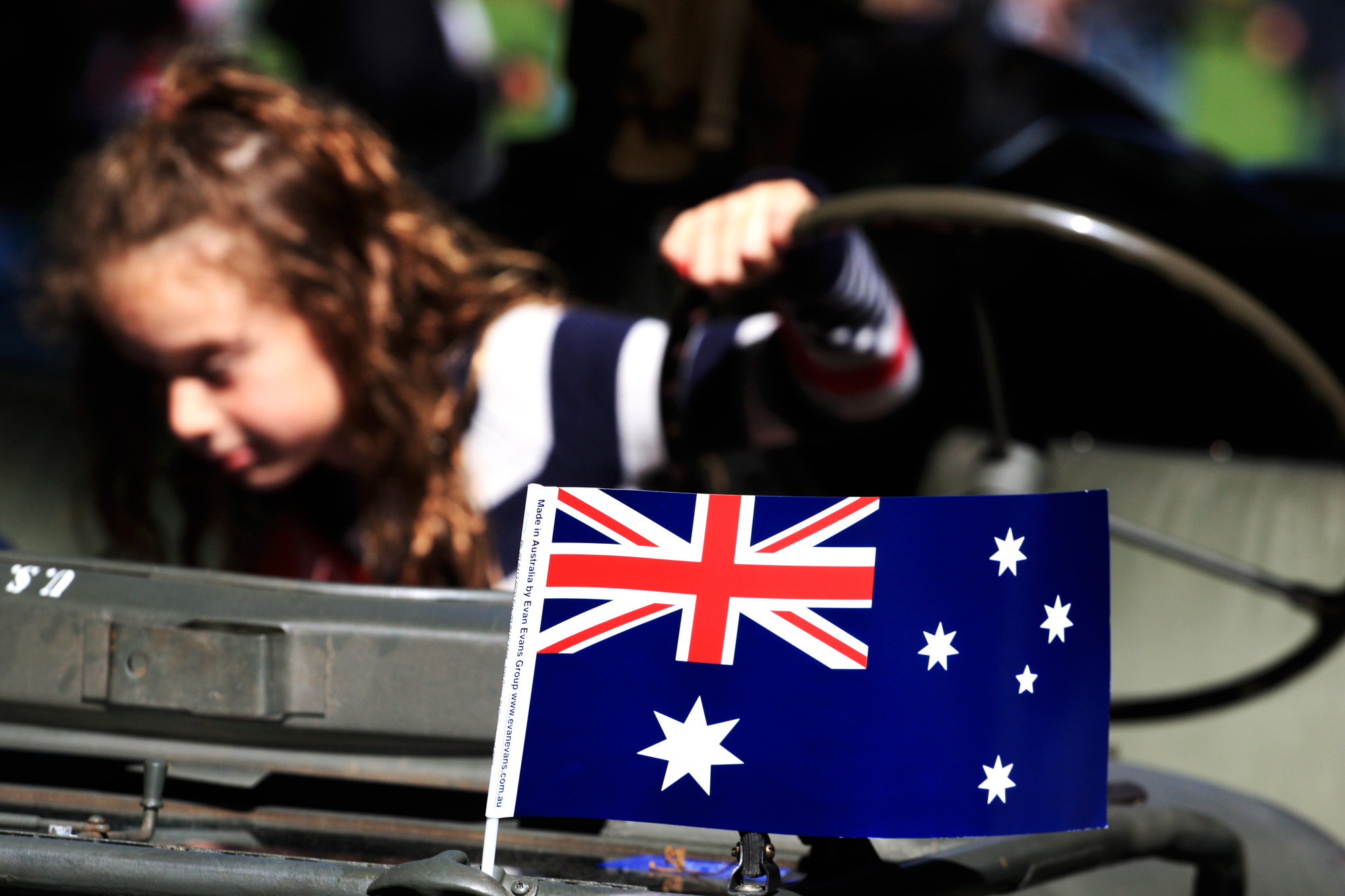
After returning to Australia, I grew increasingly uncomfortable with expressions of national sentiment under the conservative Howard government, whose Nationalist agenda was disquieting to say the least. It was around this time that I developed a deep feeling of discomfort whenever I saw the Australian flag. Rather than being a symbol to which I felt I could relate, it seemed, for many years, as though it were being thrust in my face as the paradigmatic emblem of an Australia in which I didn’t believe.

I still remain deeply sceptical about overzealous expressions of national sentiment, yet am willing to accept that Anzac Day is an appropriate occasion on which these symbols might be deployed as a mark of respect for people who have risked their lives on behalf of others. Yet it does trouble me that in the modern world people are still willing to join the armed forces, despite a widespread understanding and awareness of the ugly, unjust nature of recent conflicts. I don’t wish to suggest that those serving in the various forces are bad people or that their decision to join was not well-intentioned, but let’s face it, if no one joined the army anywhere ever, however crazy and naive such an idea might seem, there would be little possibility of war. Ideally the entire world would put down its weapons and form peace corps of people armed only with tools to help the needy. Sadly, however, this is not going to happen in the near future, and whilst others bear arms, it seems everyone else will continue to do so.

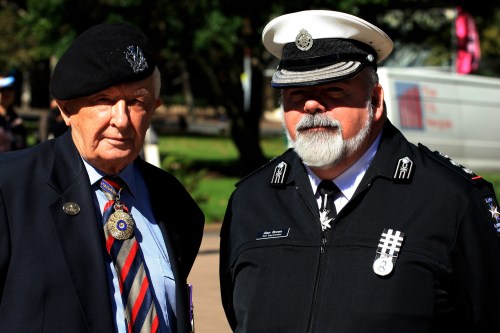
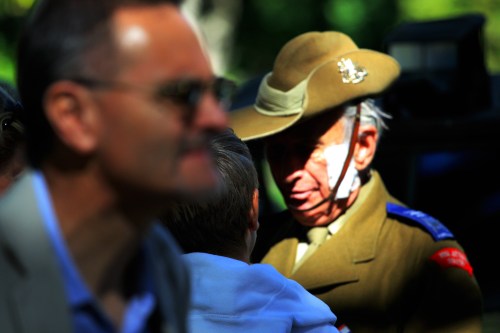
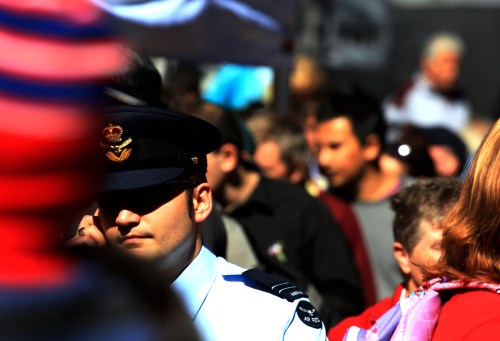
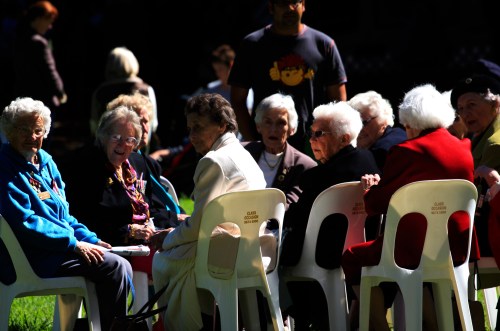
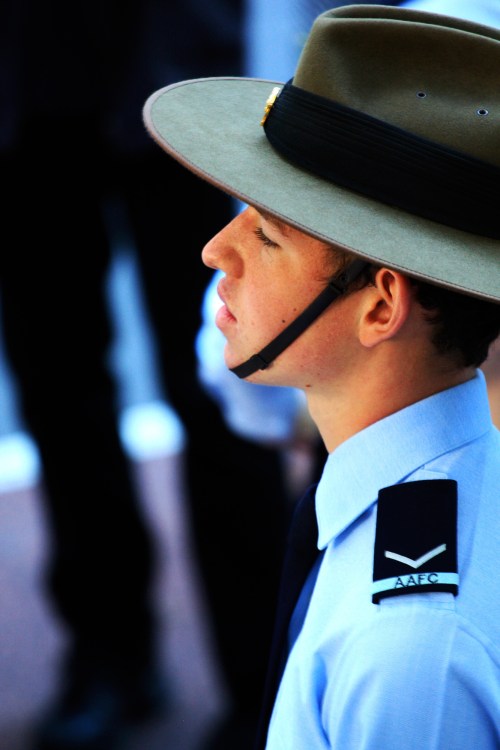
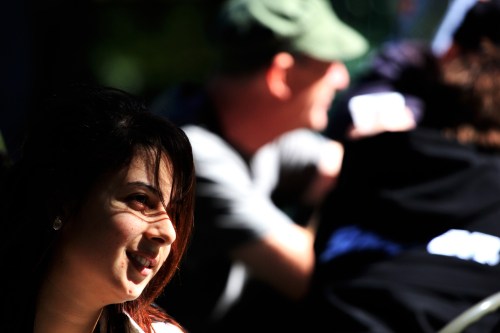
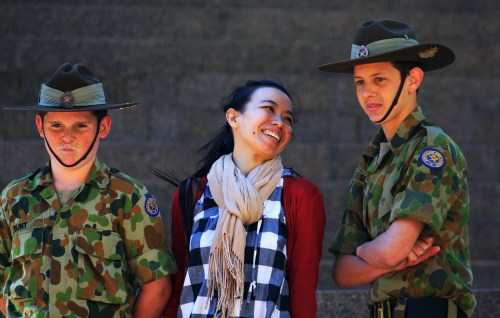
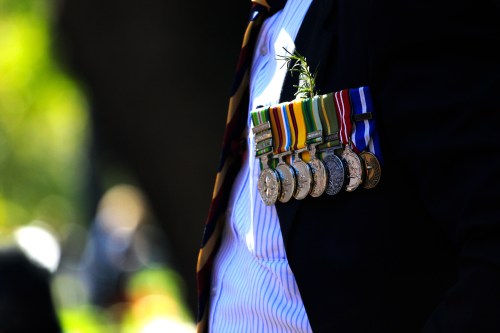
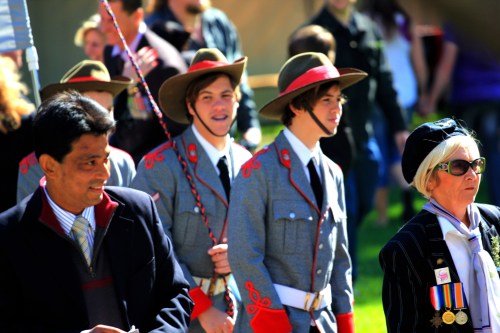
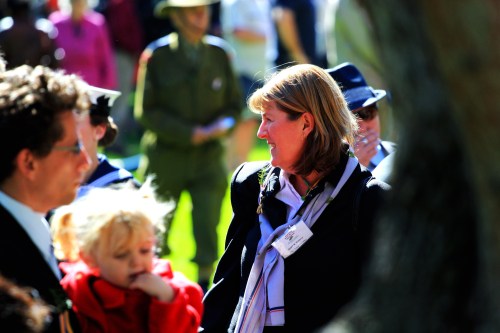
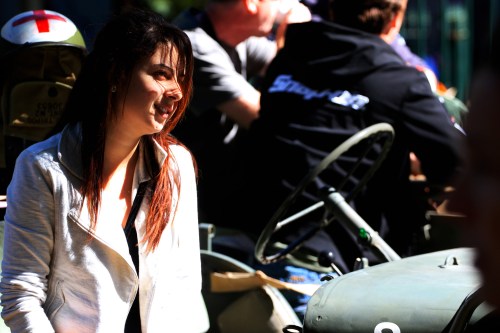
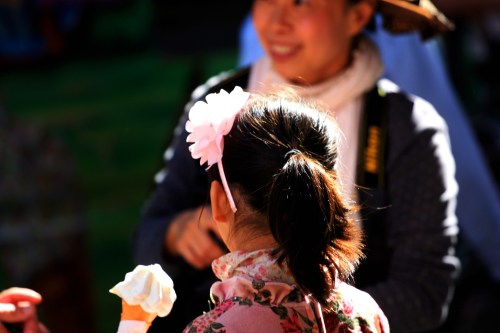
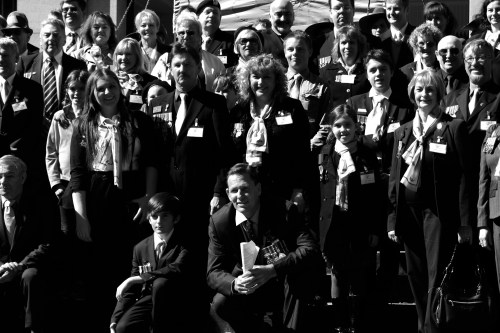
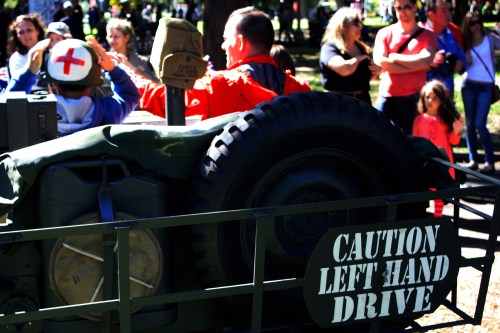
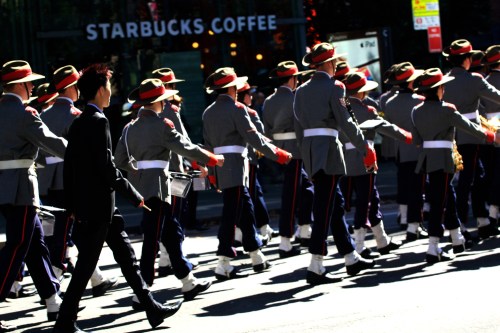
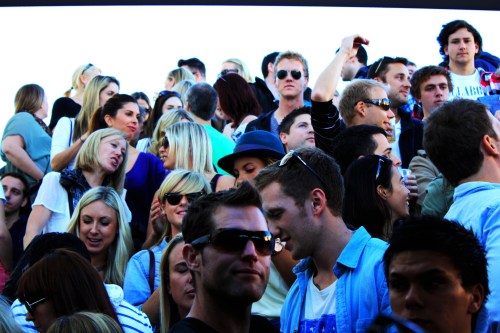
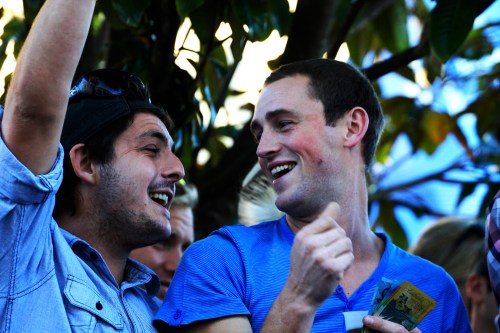
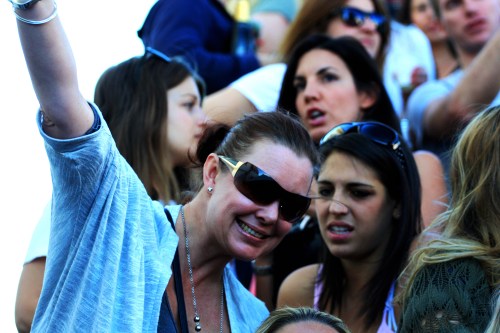
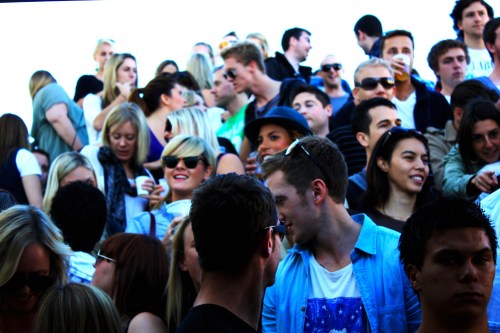
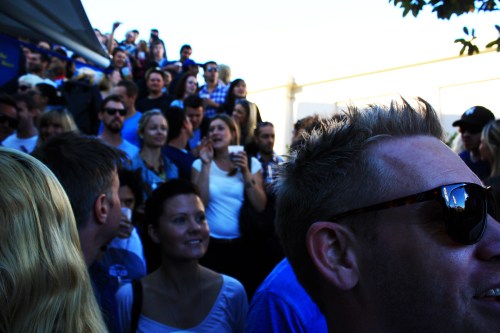
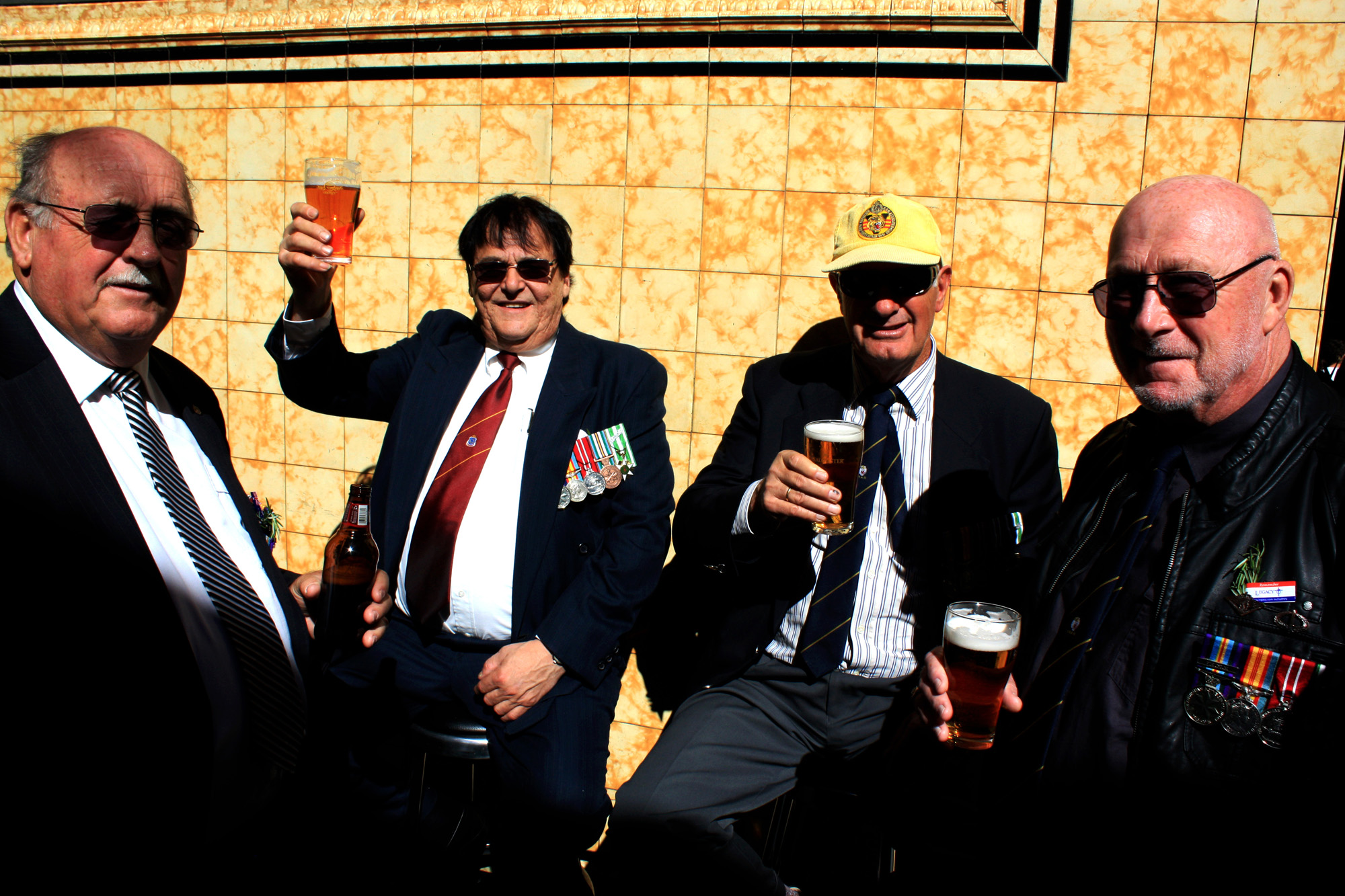
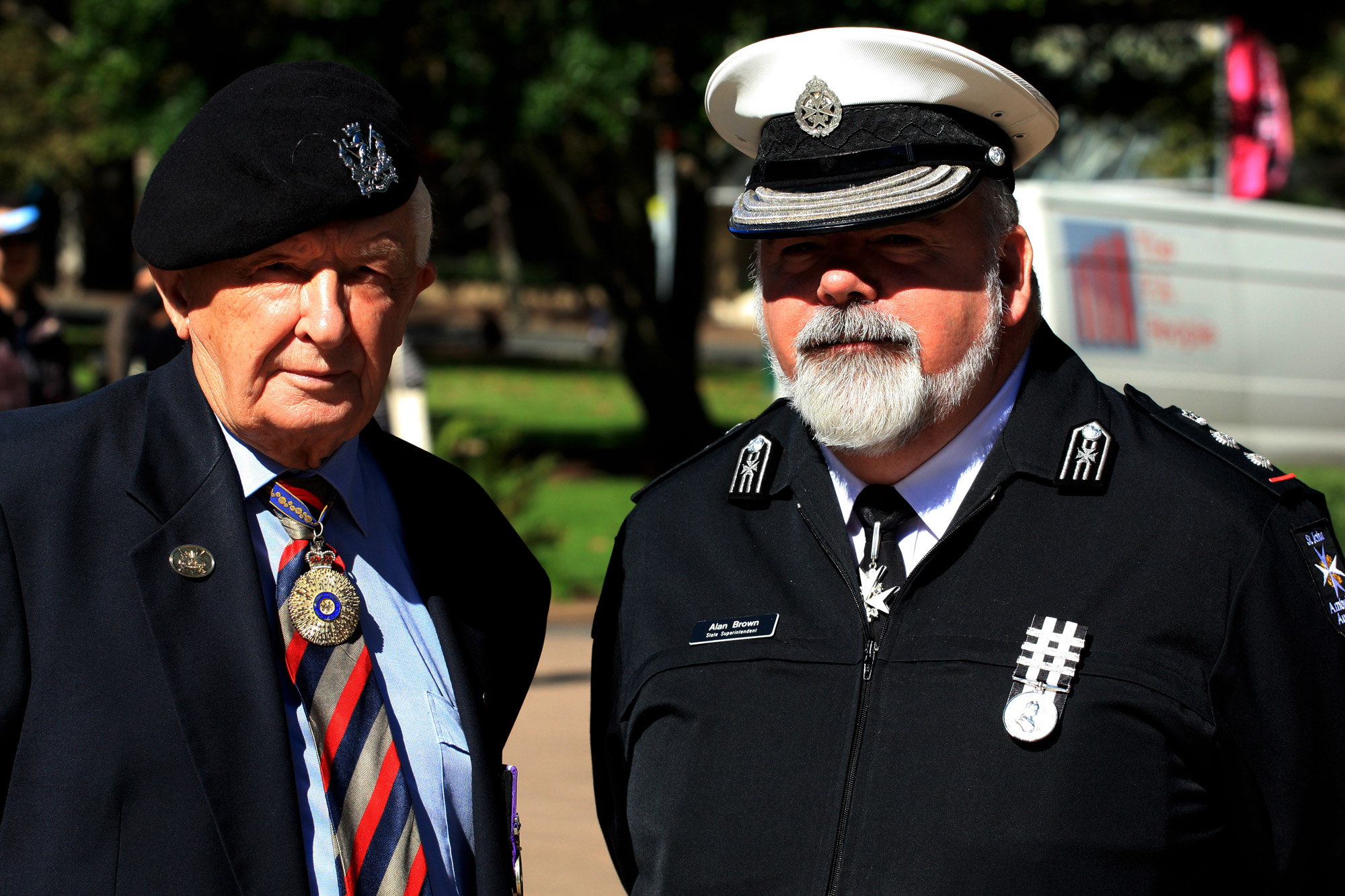
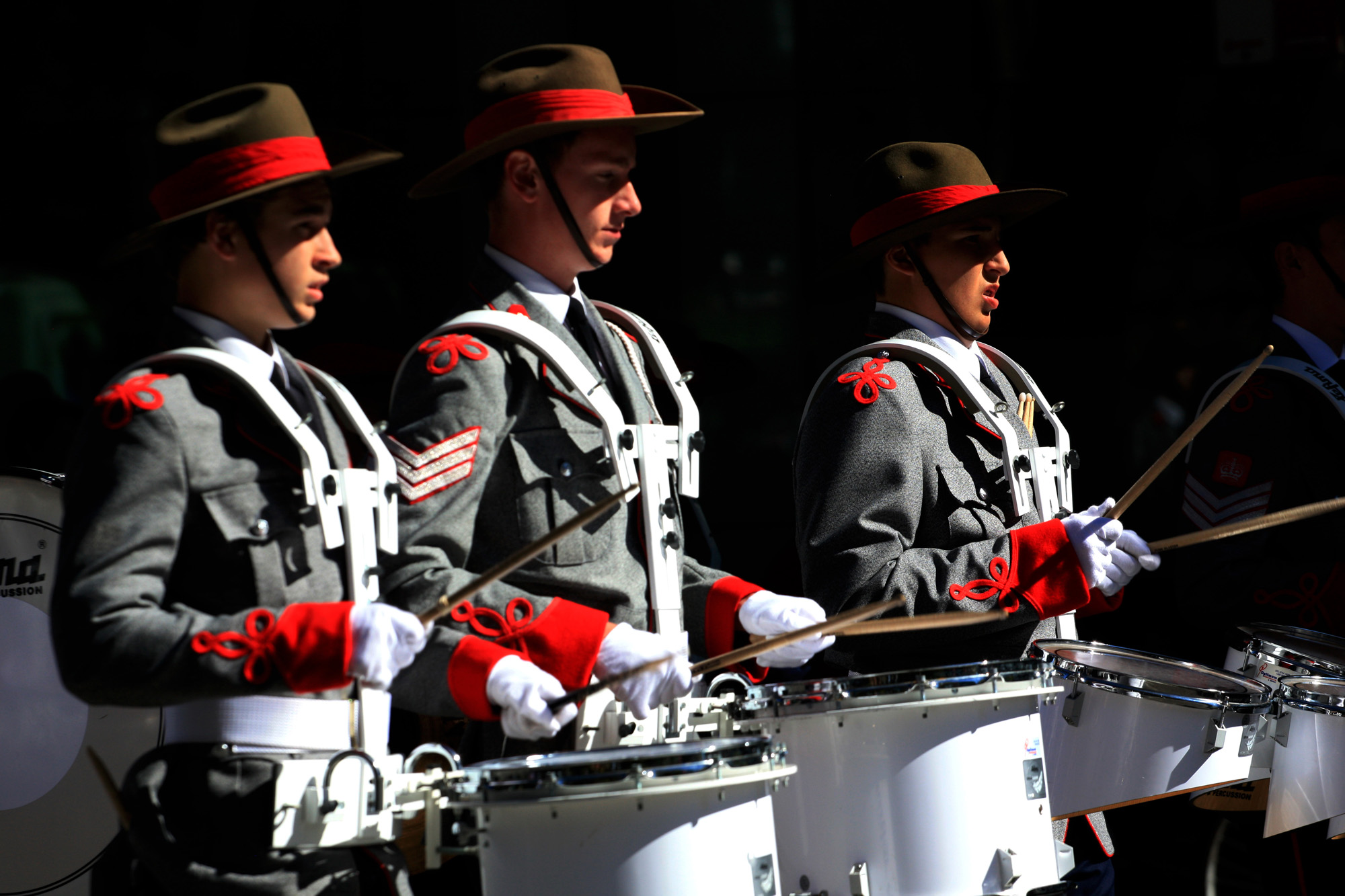
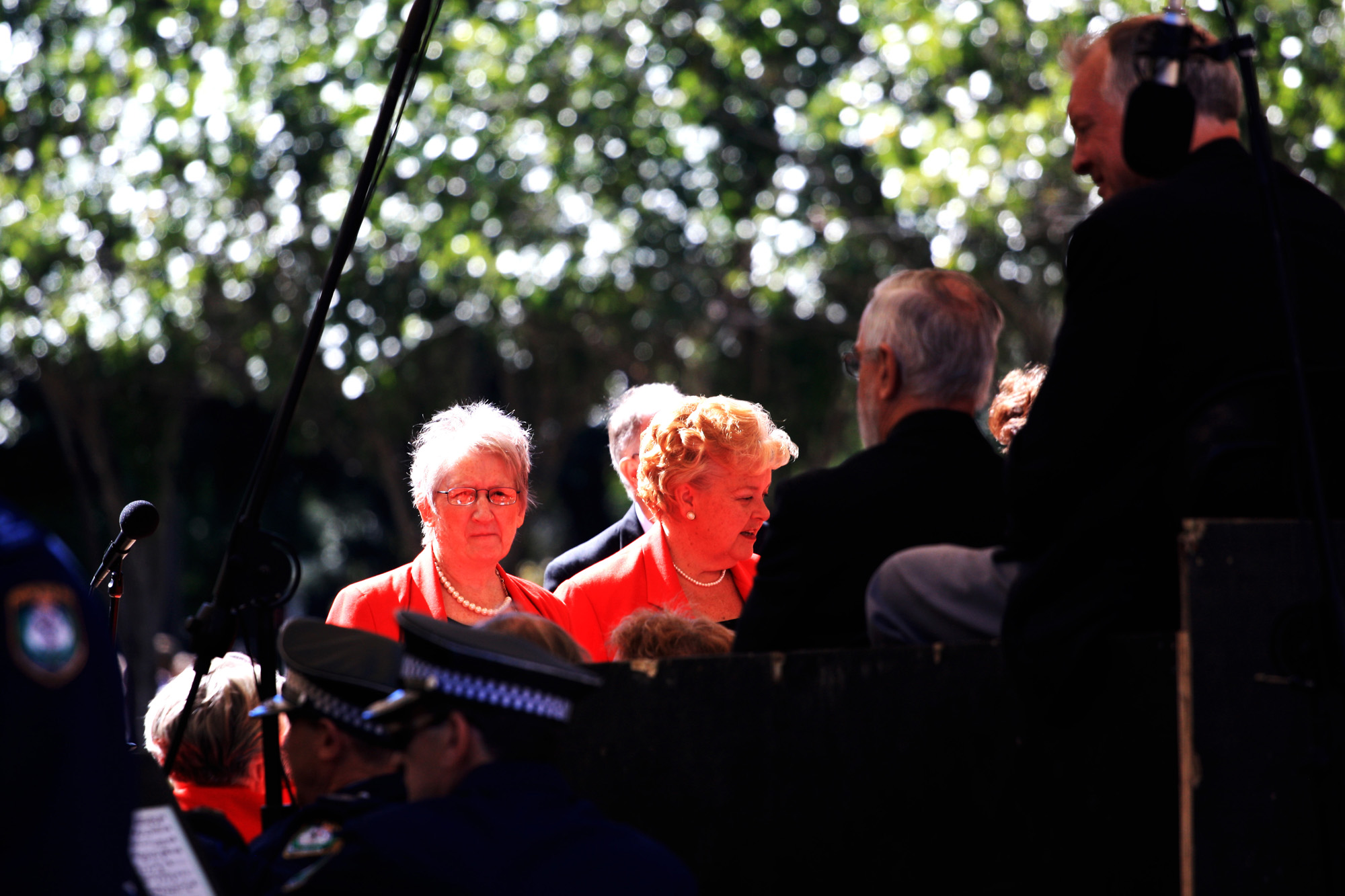
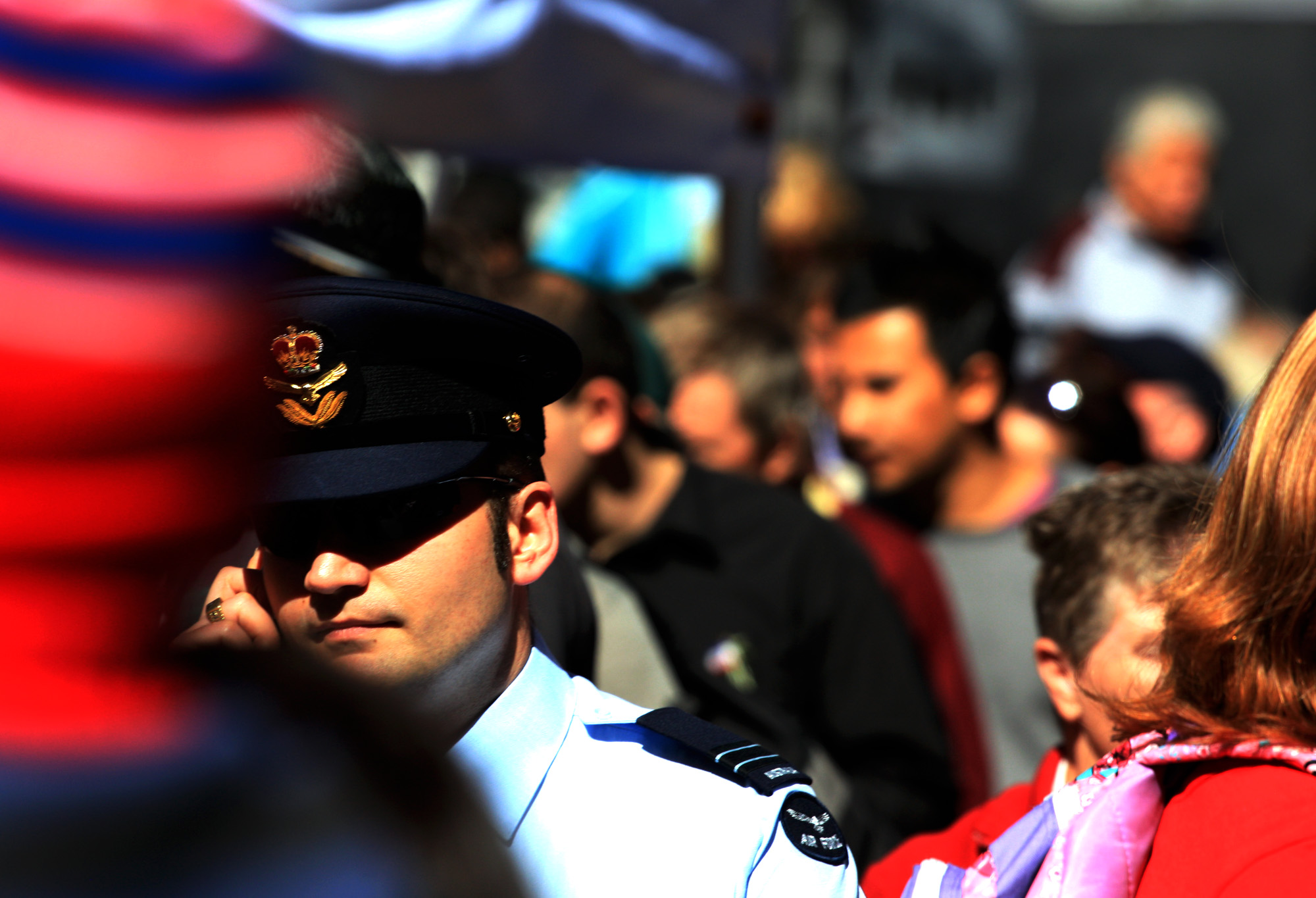
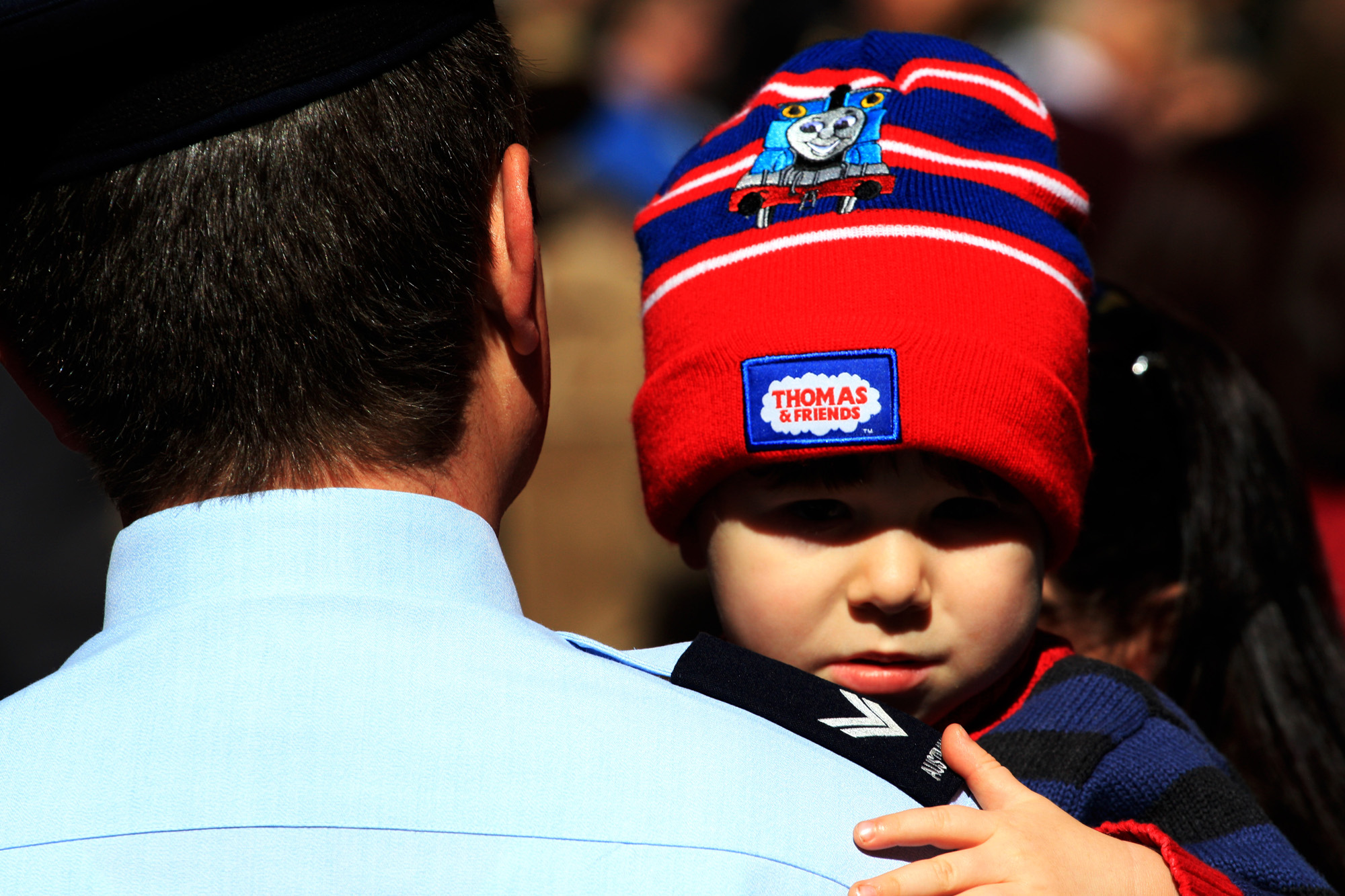
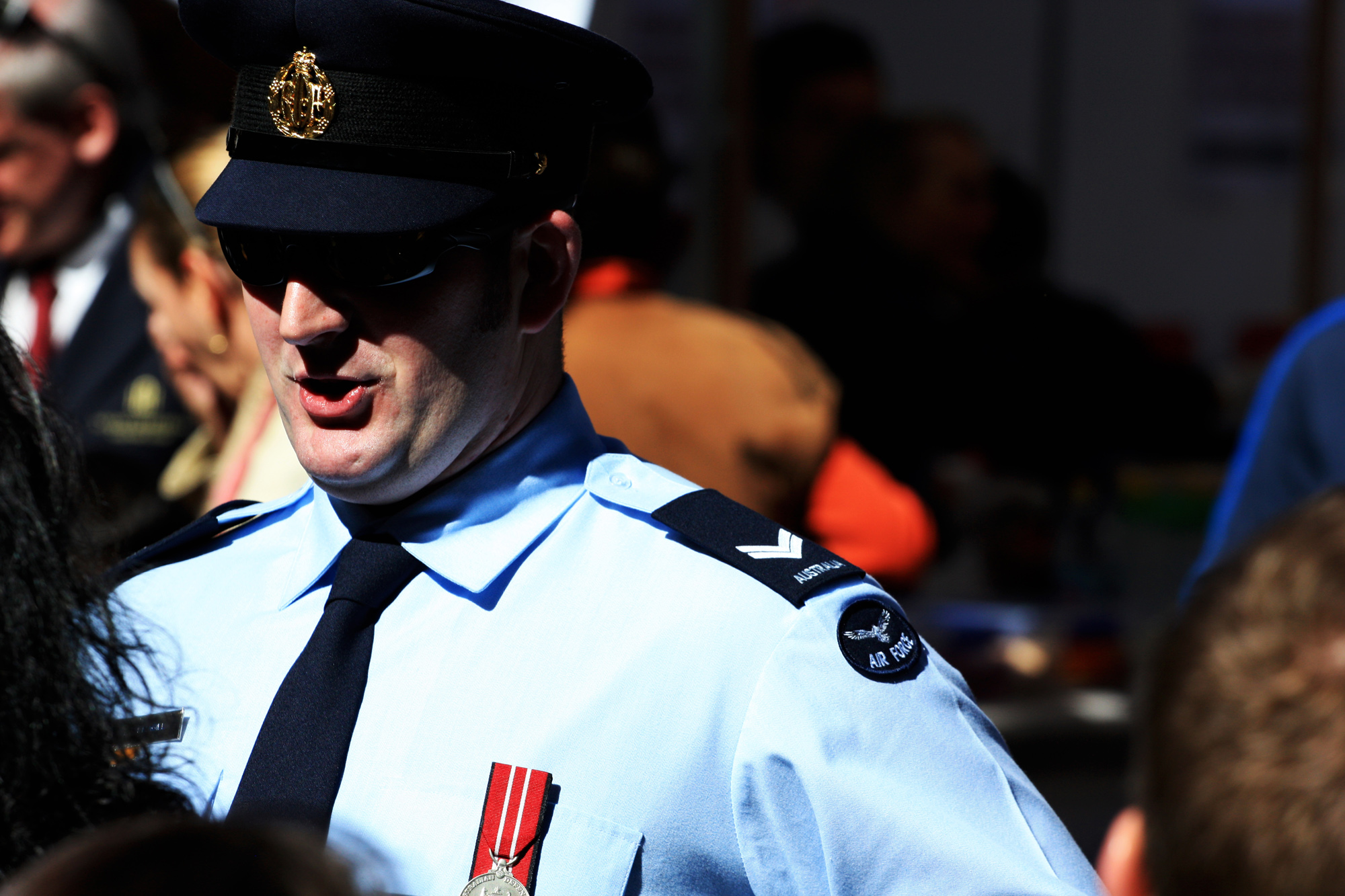
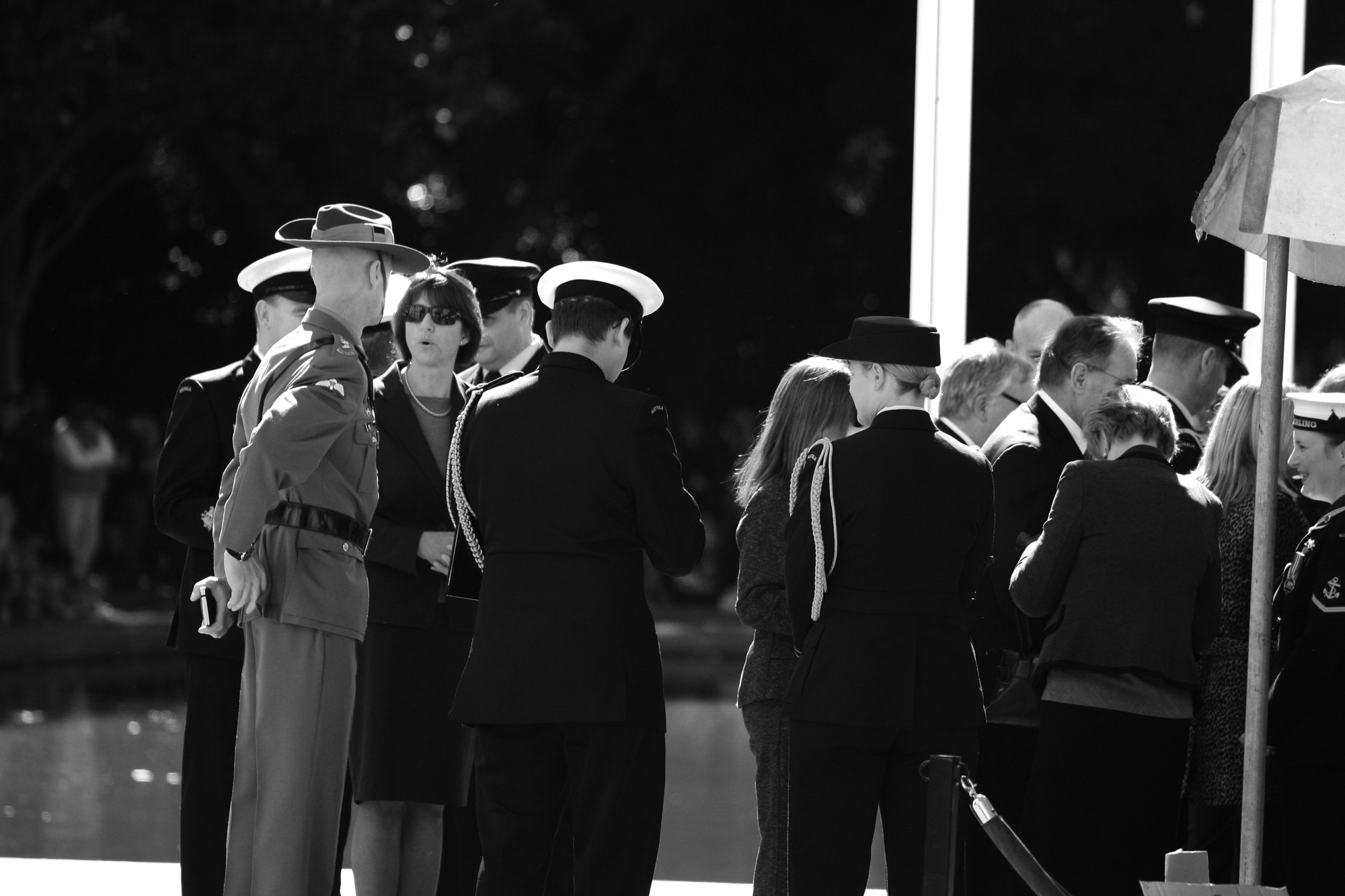
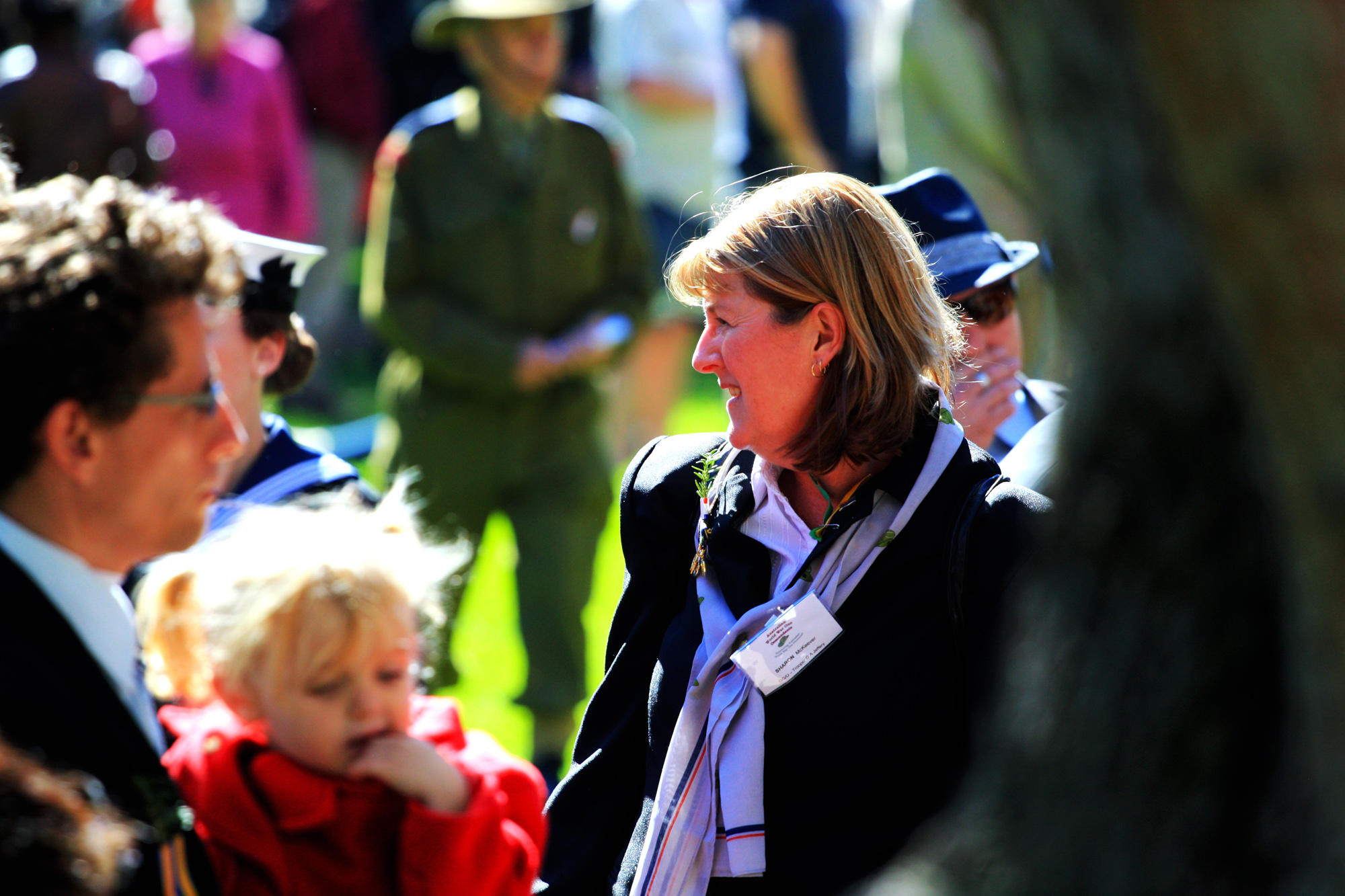
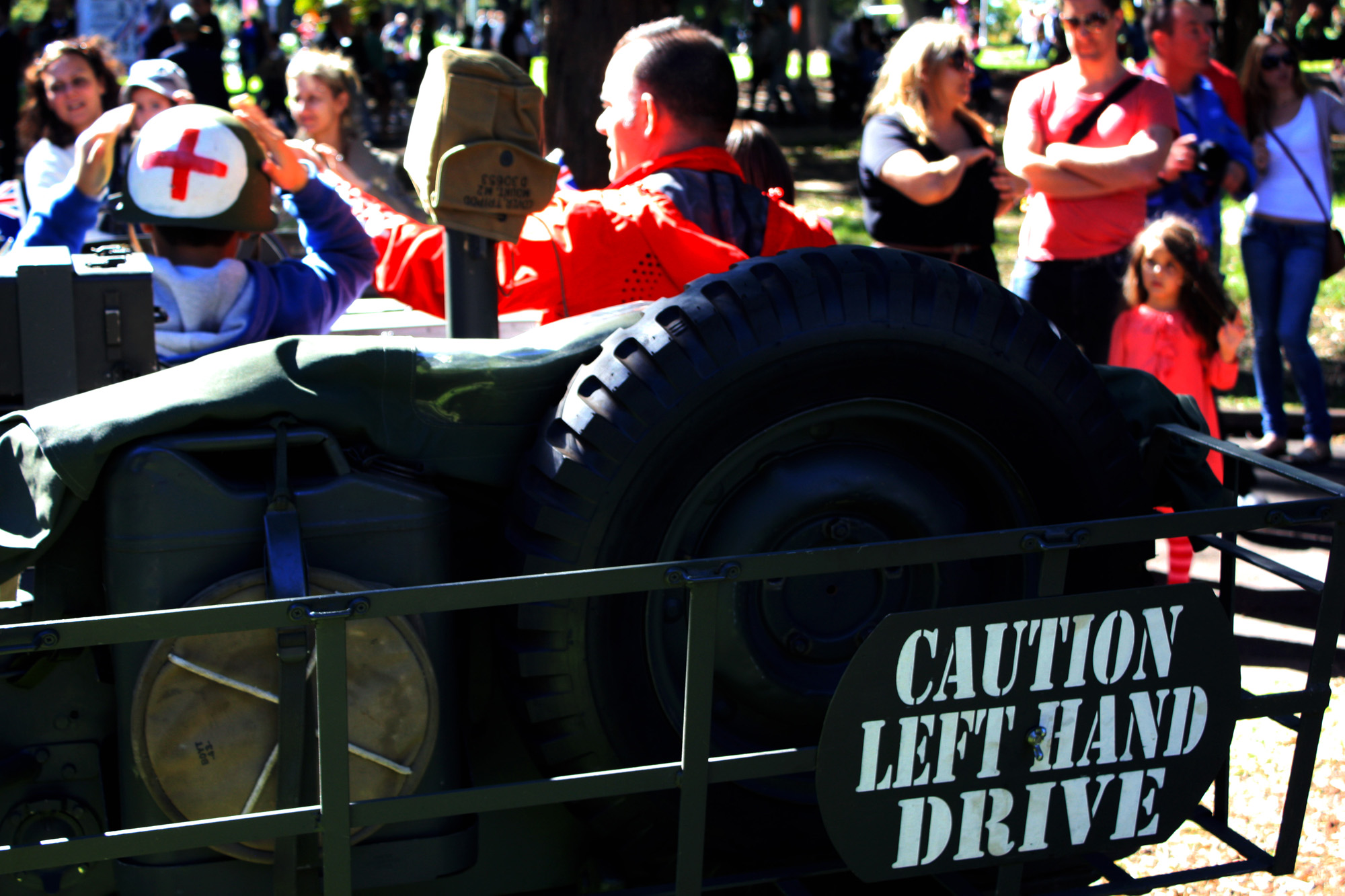
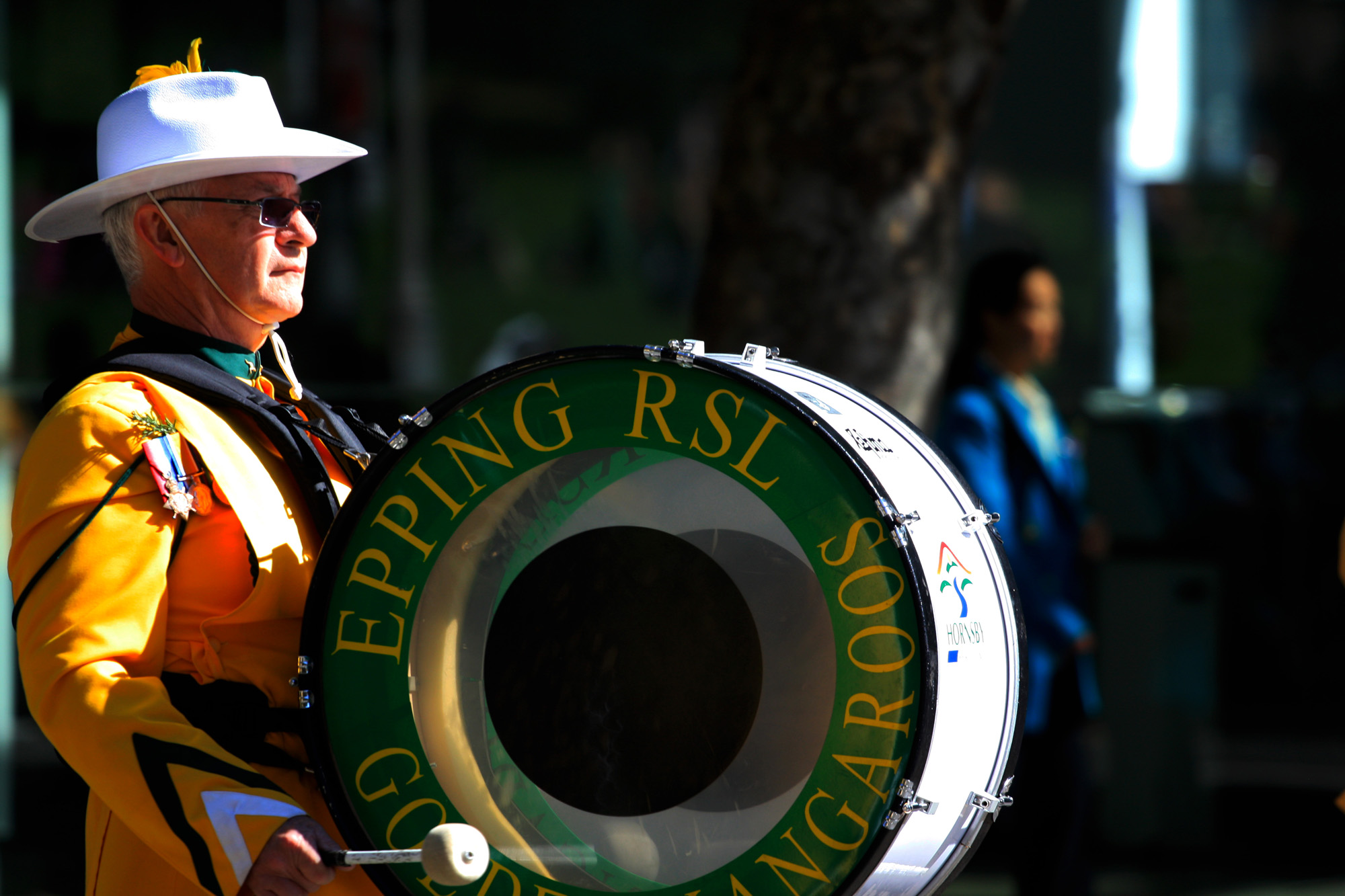
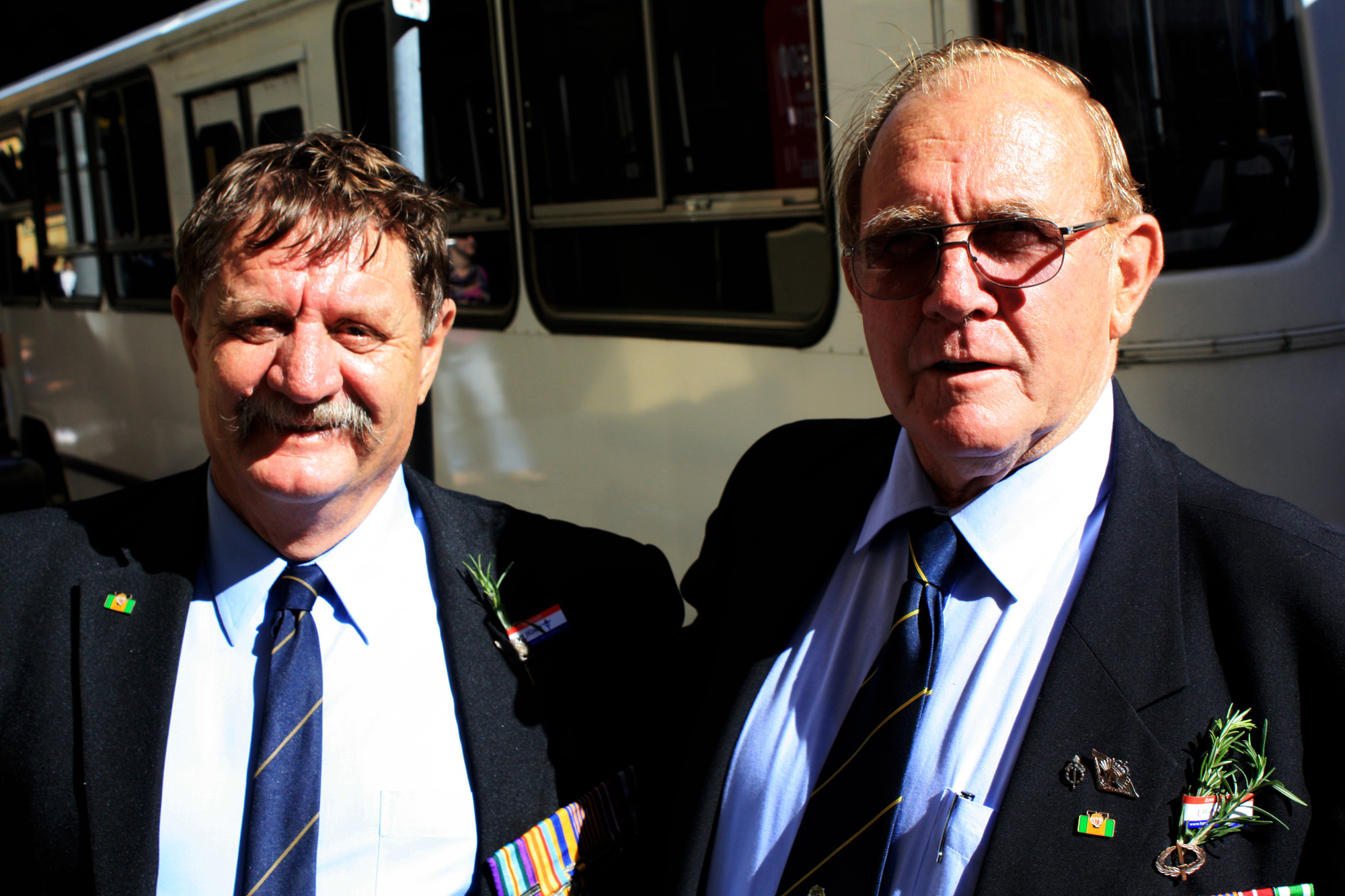
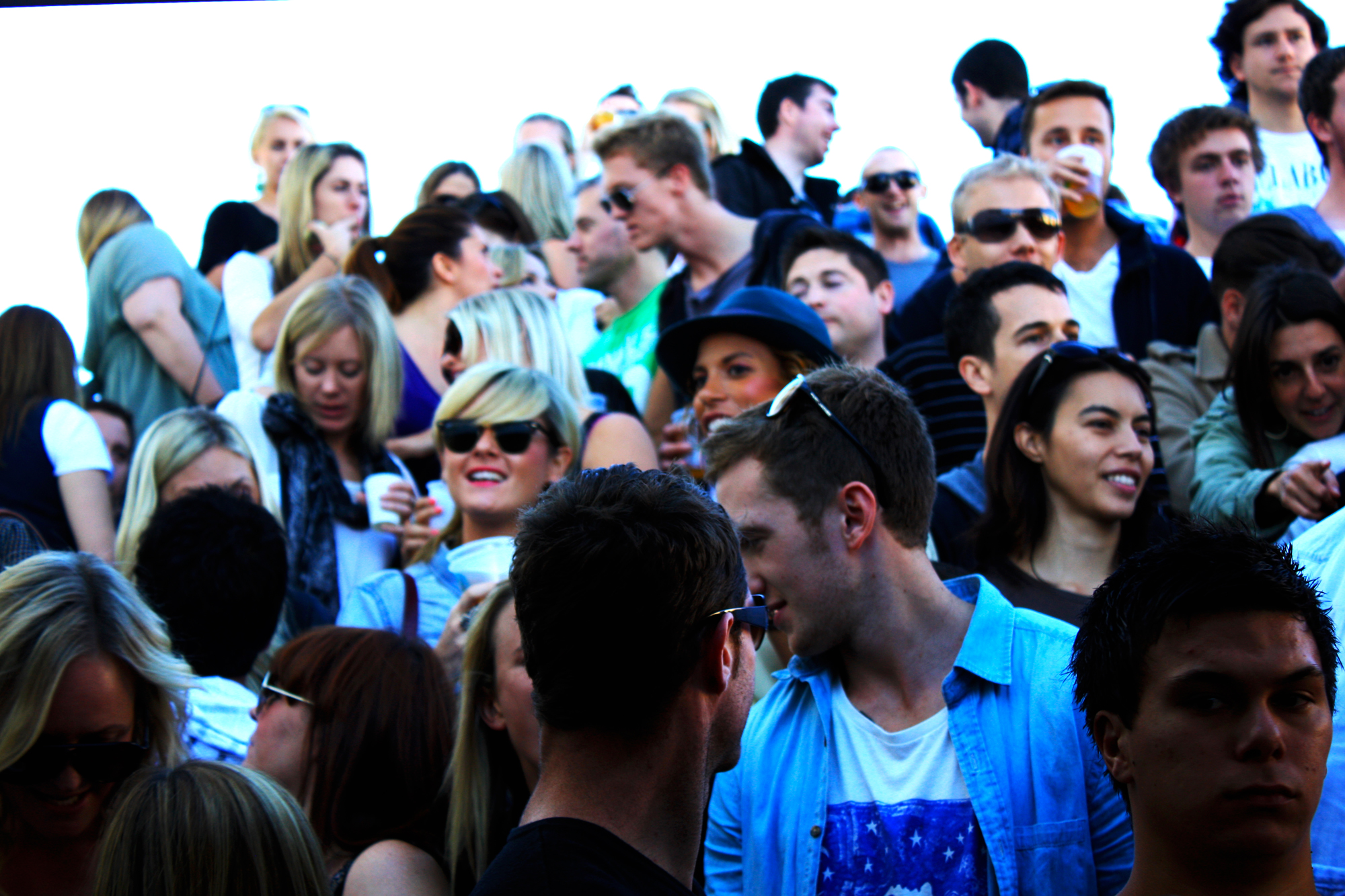
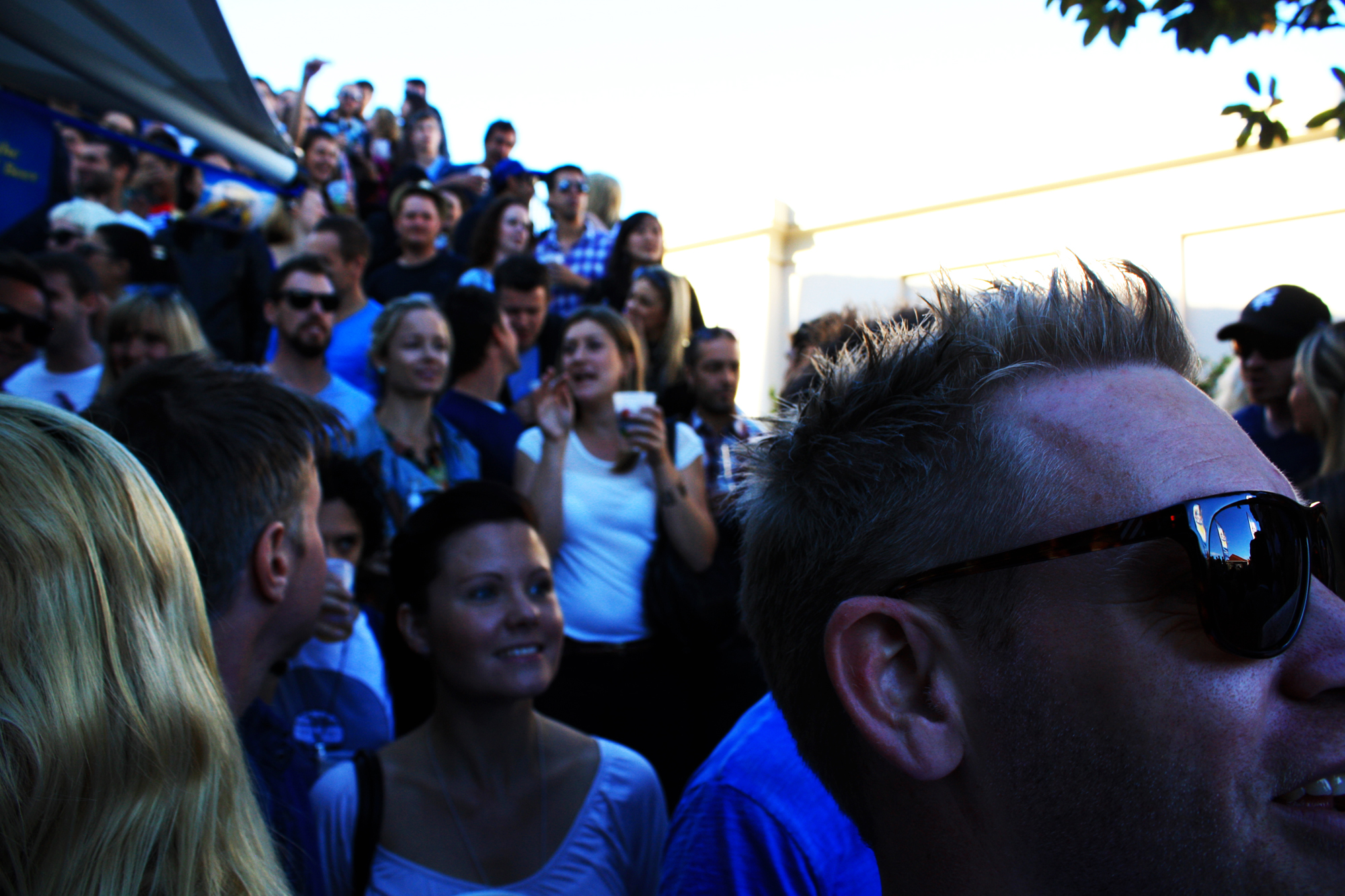
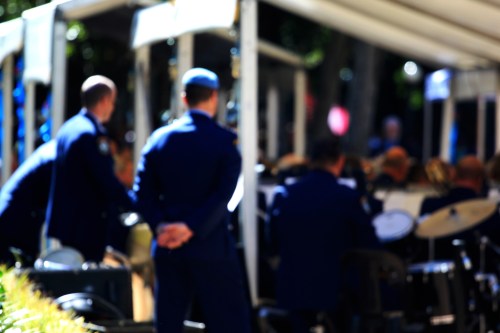
It was thus an interesting opportunity to be given the job this year of heading out to take photos of people on Anzac Day. The photos, of people in uniform, spectators and “everyday Australians” celebrating Anzac Day, are needed for a teaser trailer for a television show pitch on which I am working. I can’t say any more about the project at this stage, except that it’s another collaboration between the dynamic duo of Dr Fantasy and Mr Plausibility. The basic remit for the shoot was wide, flat frames in colour. Dr Fantasy, behind the wheel, dropped me at a variety of locations and off I went looking for shots.

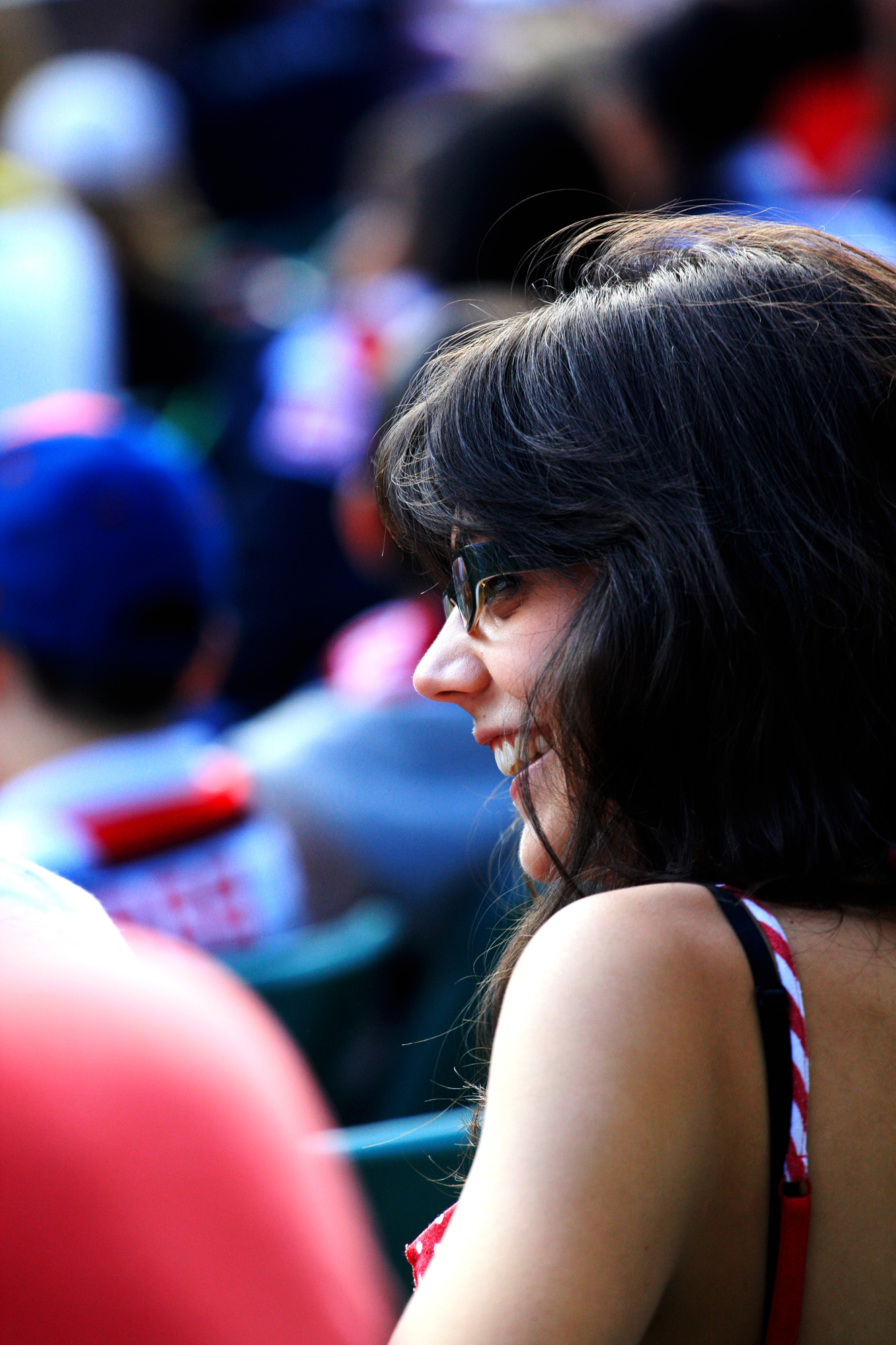
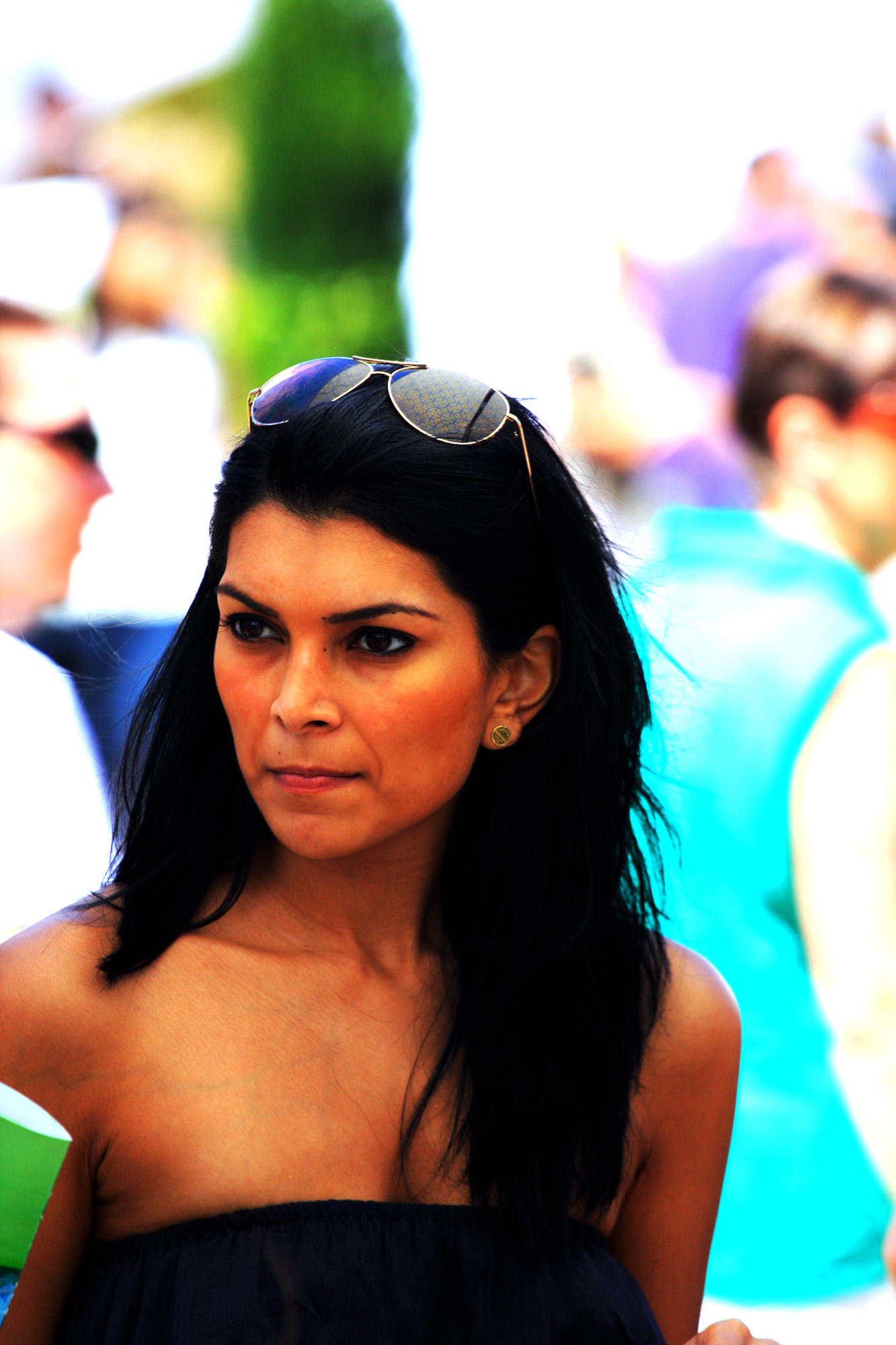
I mostly sniped people from a distance with the long lens, but was also looking for close and less candid portraits, so I often approached people and asked if I could take their photo. I especially enjoyed some of the conversations I had with veterans, all of whom were very obliging in letting me photograph them. After hitting the War Memorial in Hyde Park and various city pubs, we drove down to the very wealthy and decadent eastern suburbs, on the hunt for cashed-up Australians putting it out there. Many pubs hold Two Up competitions on Anzac Day, a form of gambling in which two pennies are tossed in the air and bets are placed on the outcome – either two heads or tails, with one of each a dud result. This usually results in some very boisterous scenes of hard-drinking and money waving. Precisely the sort of larrikin behaviour for which the Australian population likes to think its armed forces were responsible, out of a desire to be considered roguishly affable.

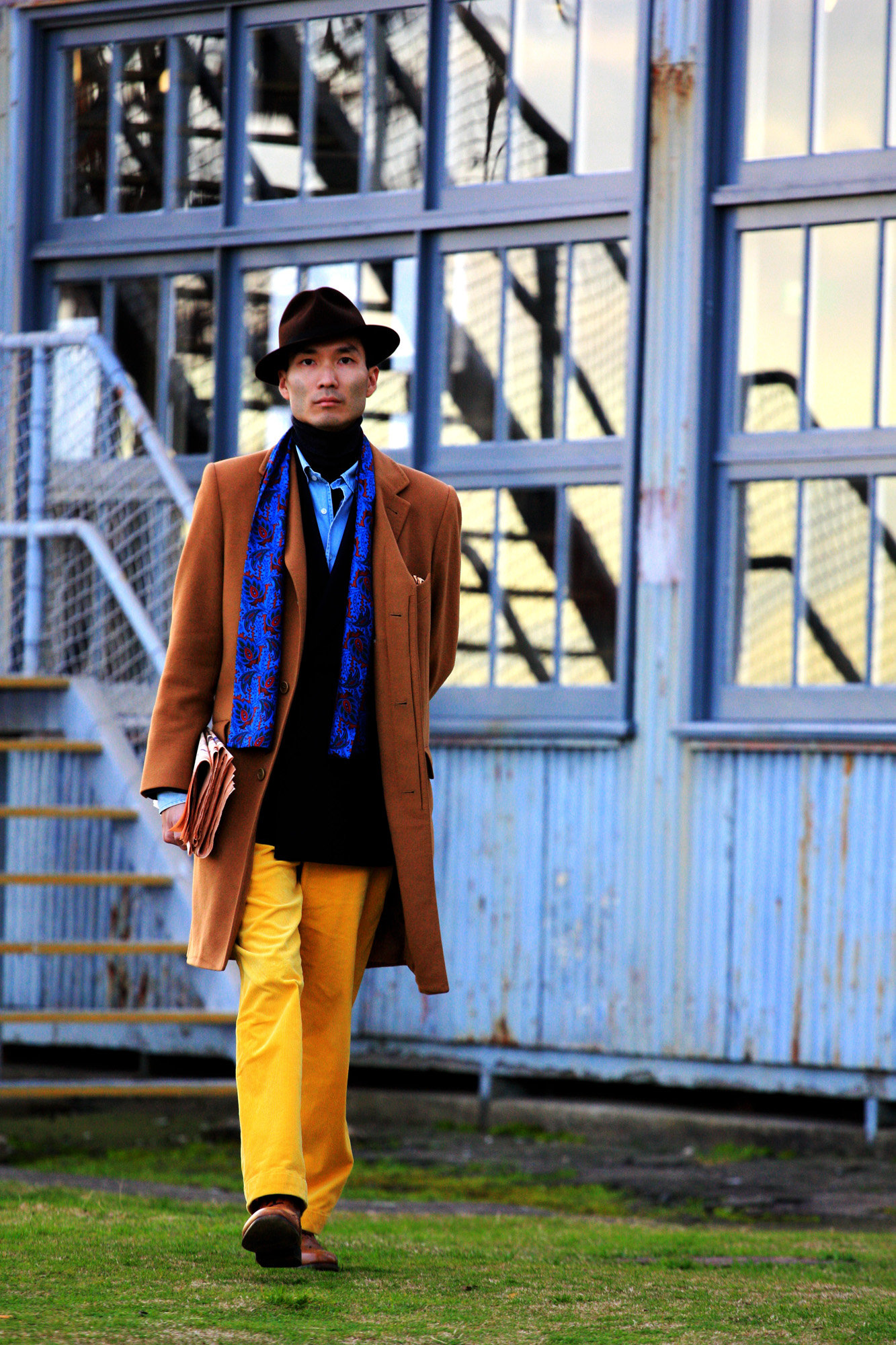
And on that note, enough said – here is a collection of portraits of people throughout the day, which I hope you will enjoy.

Read Full Post »

Indian Summer

Read Full Post »

Making a Cookbook

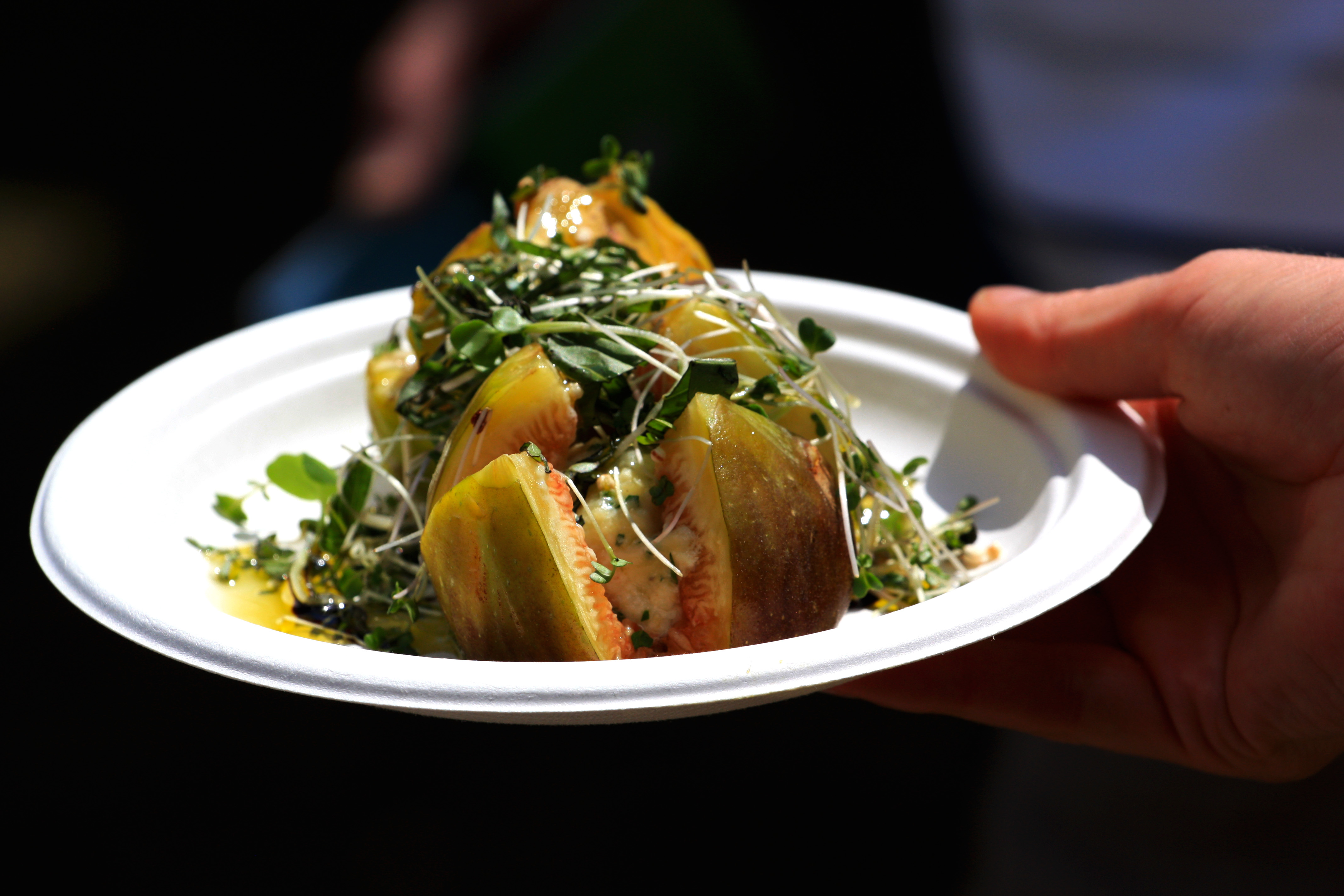
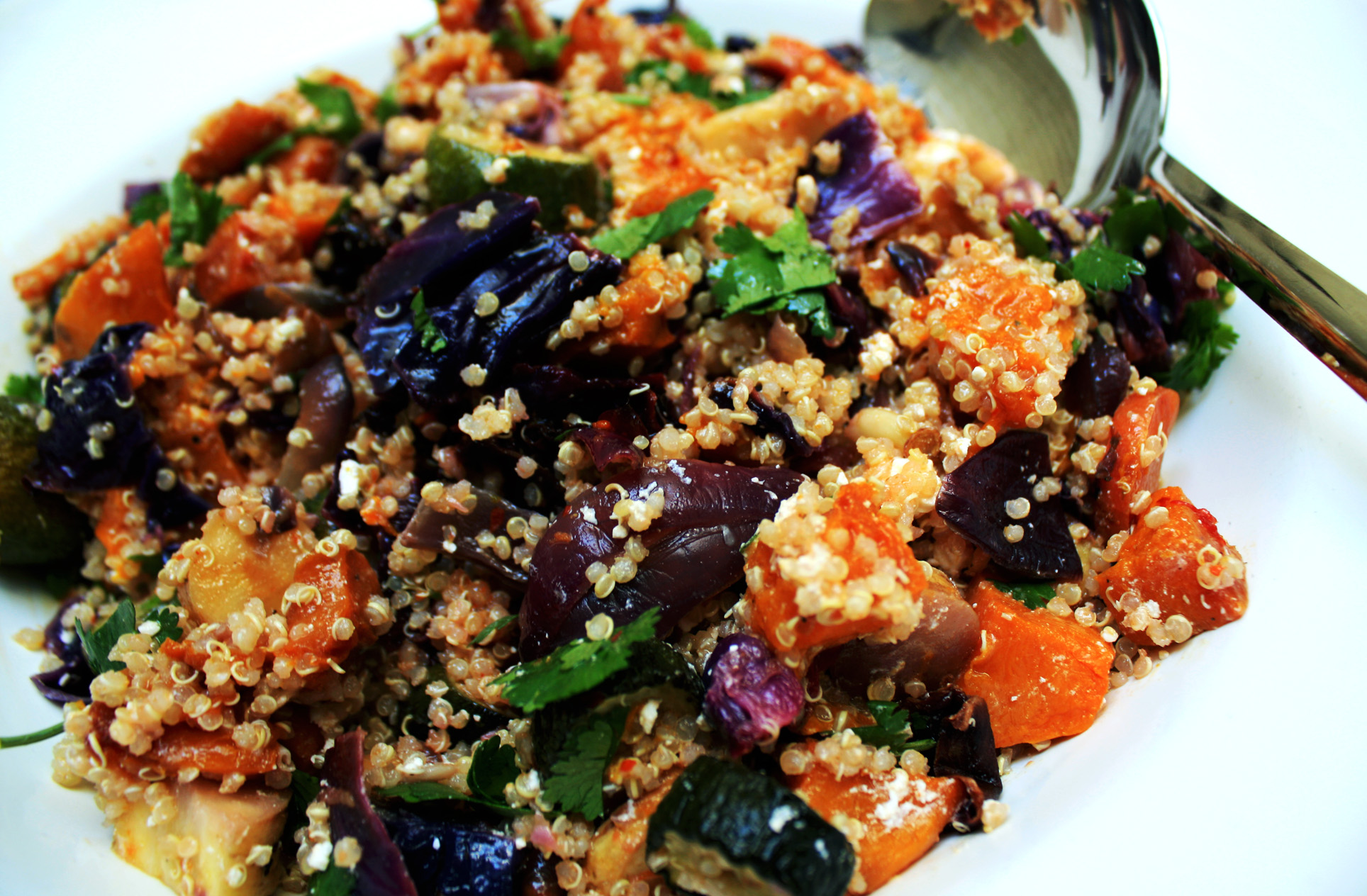
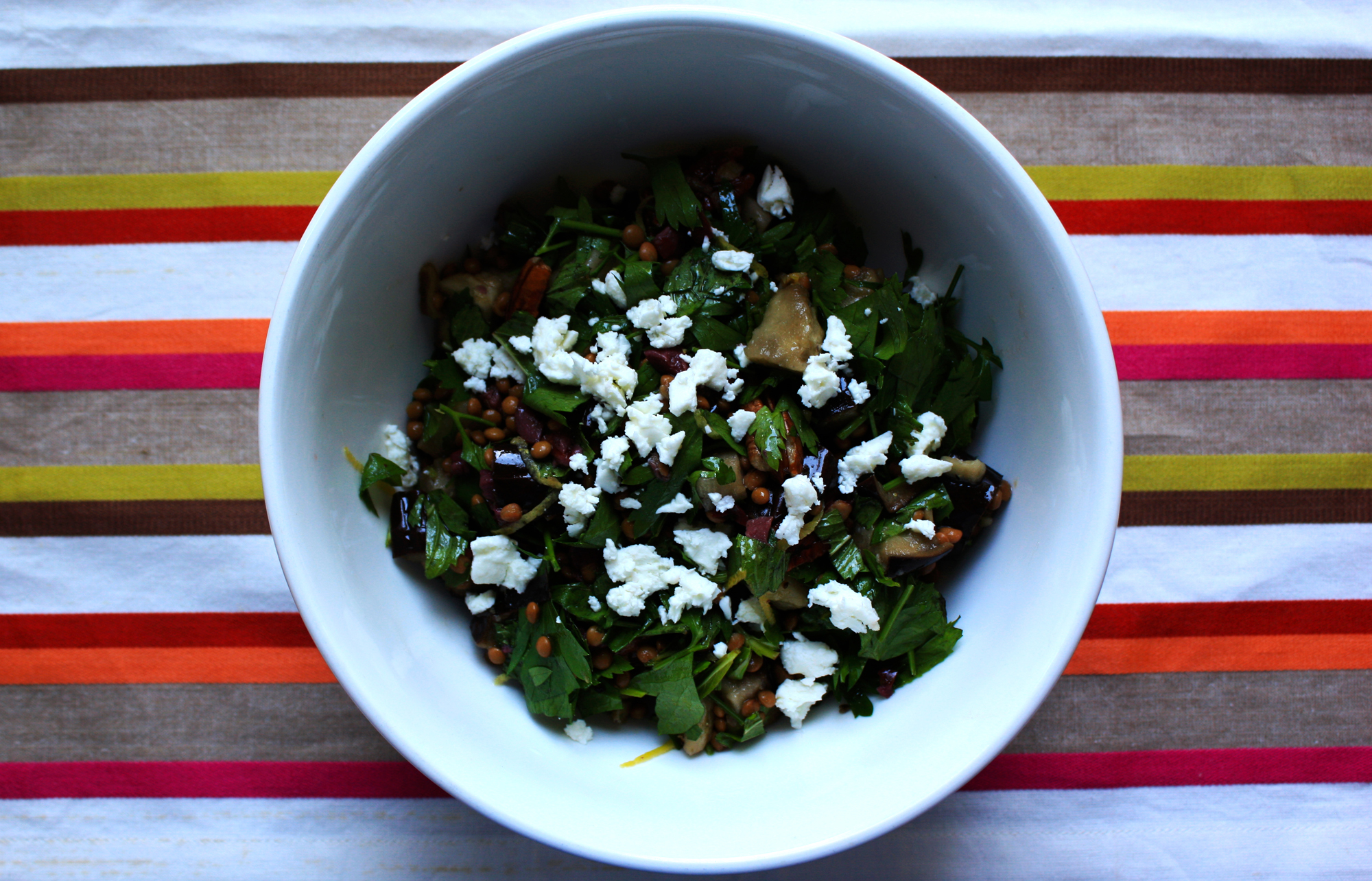
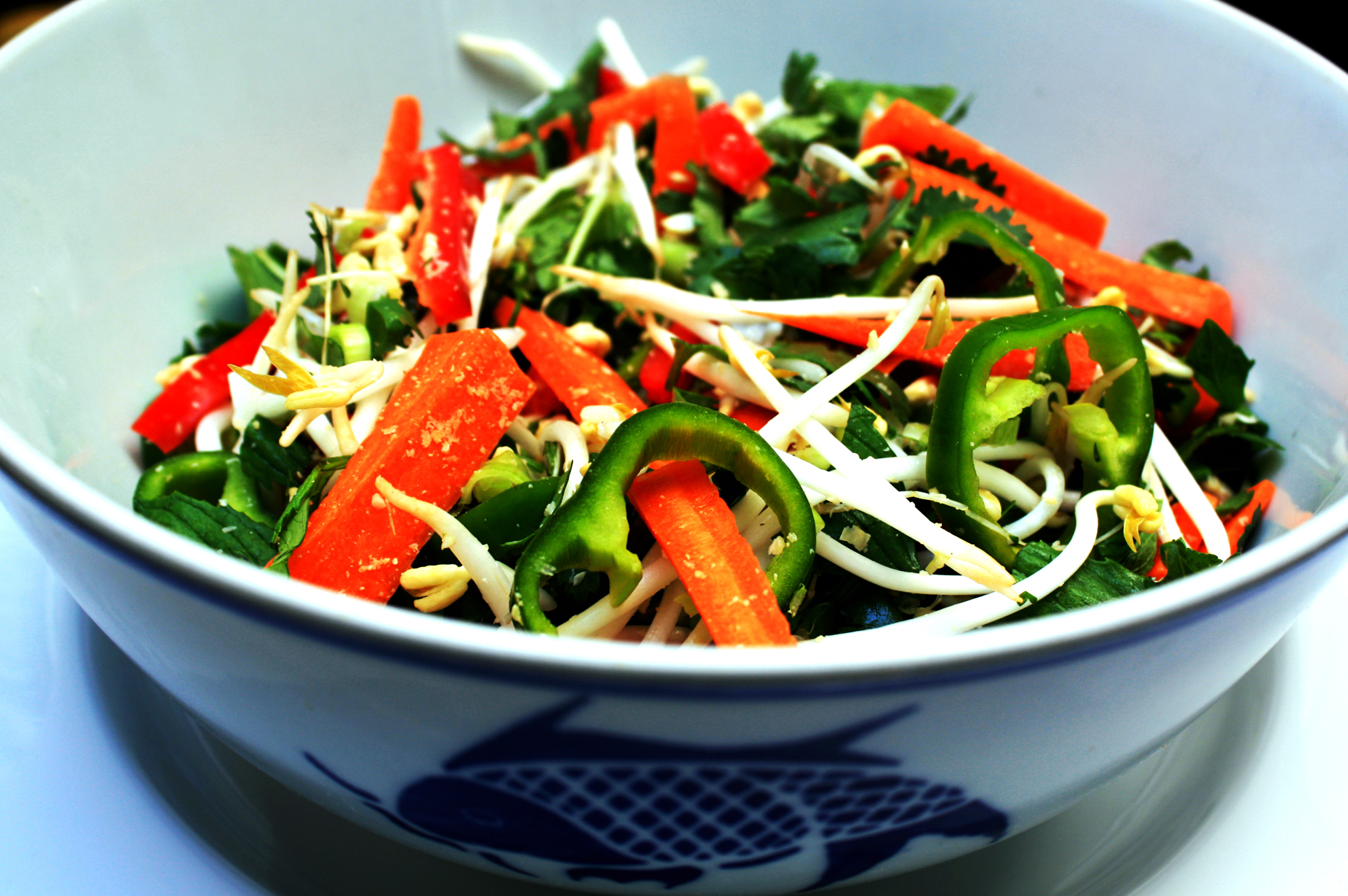
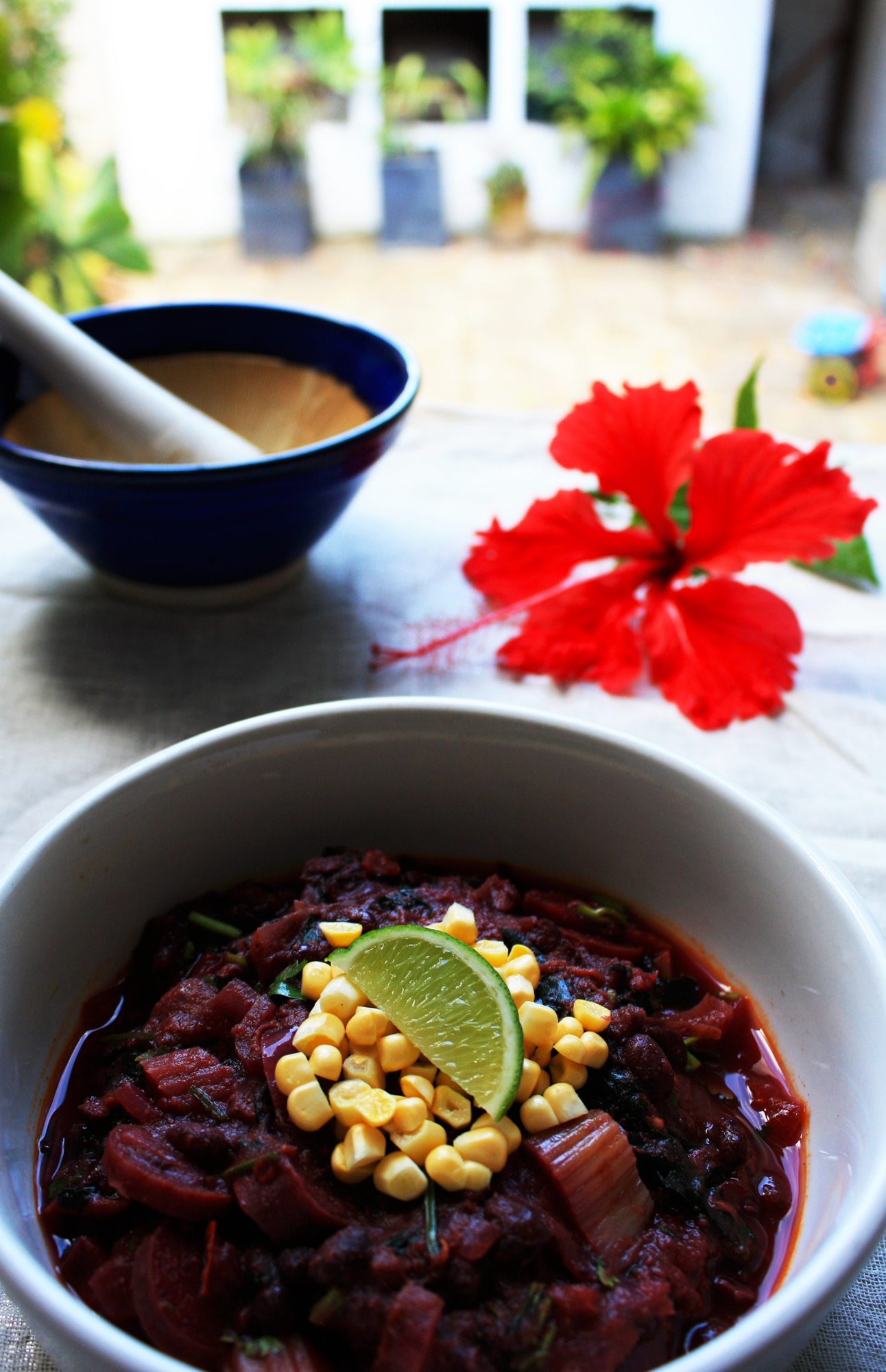
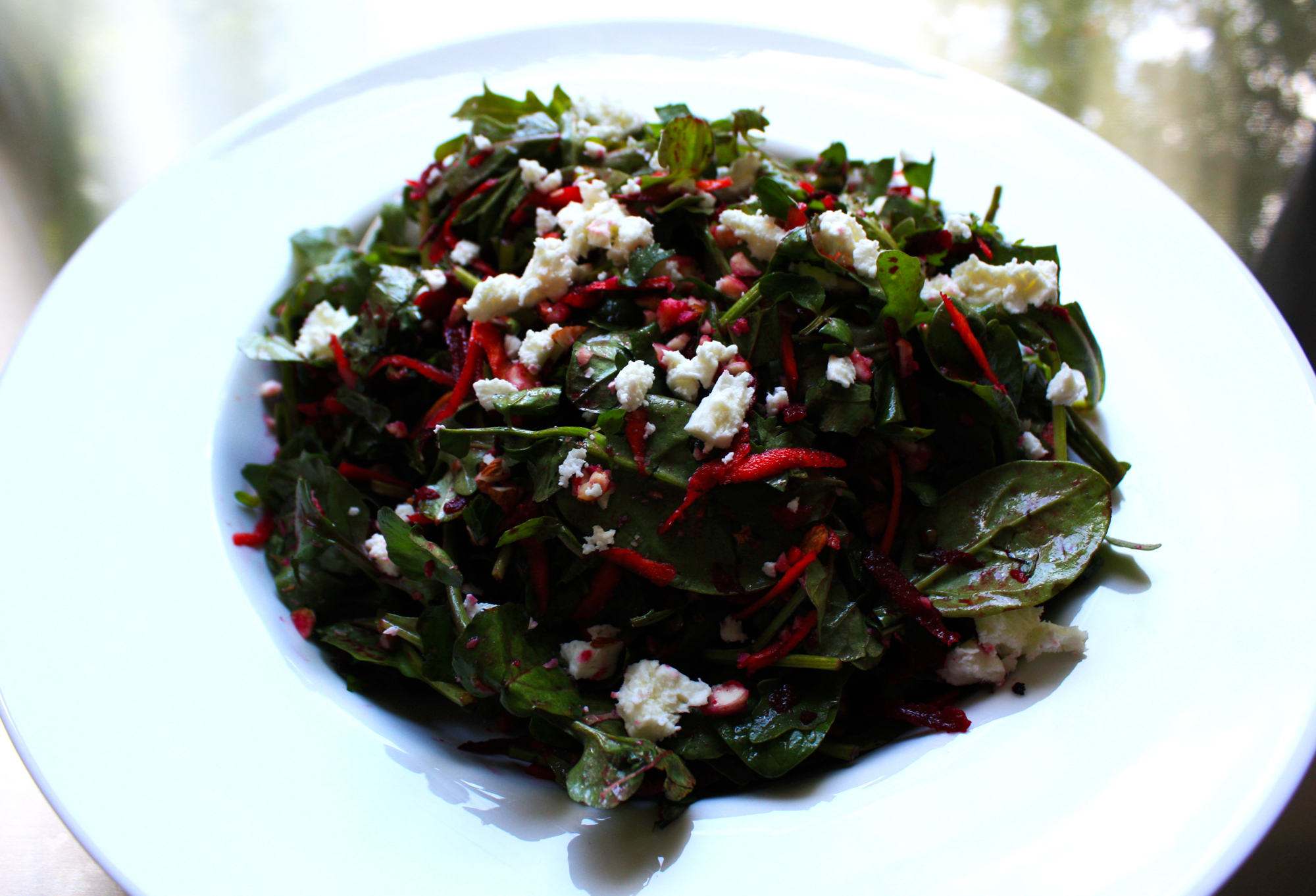
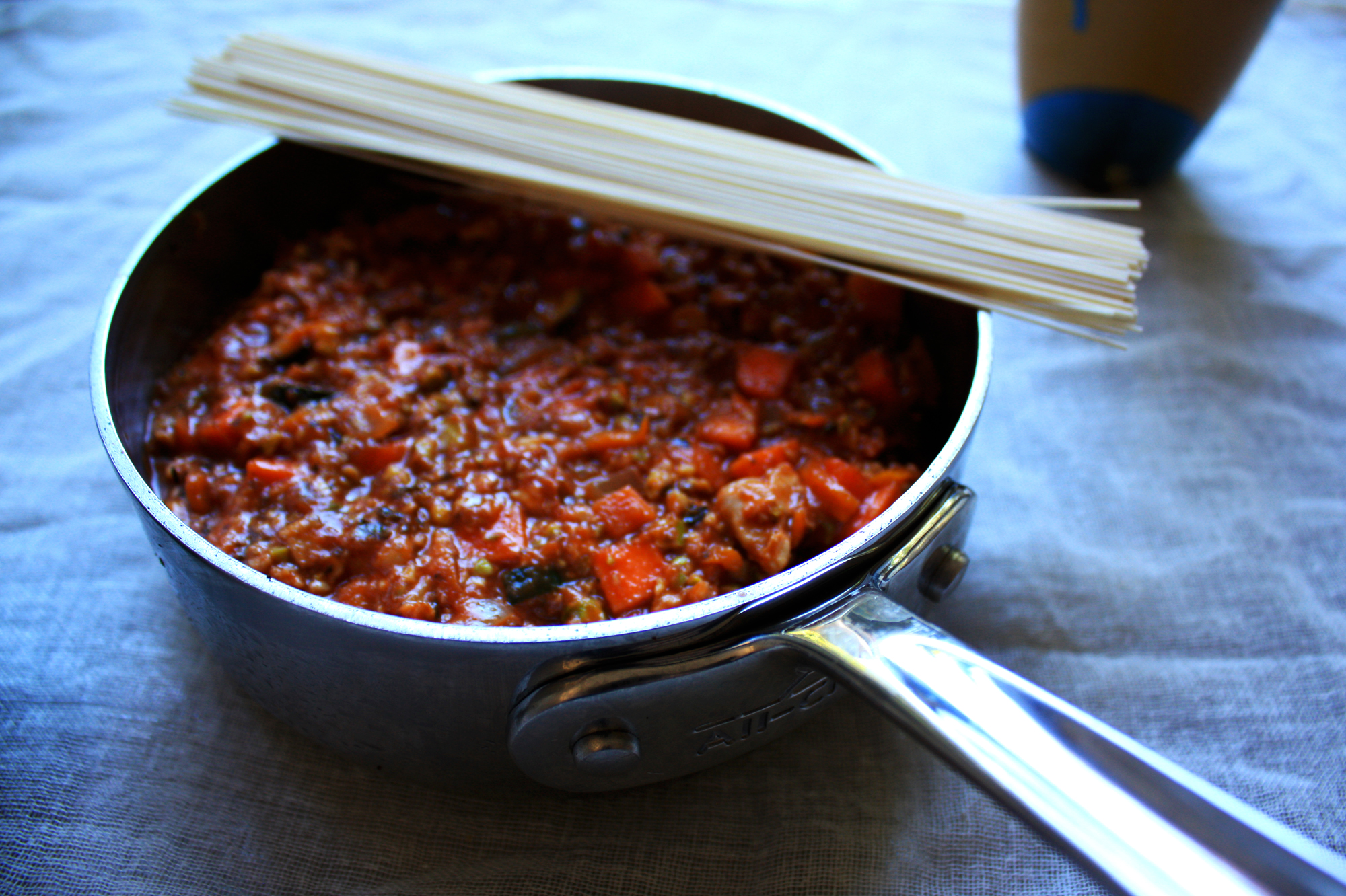
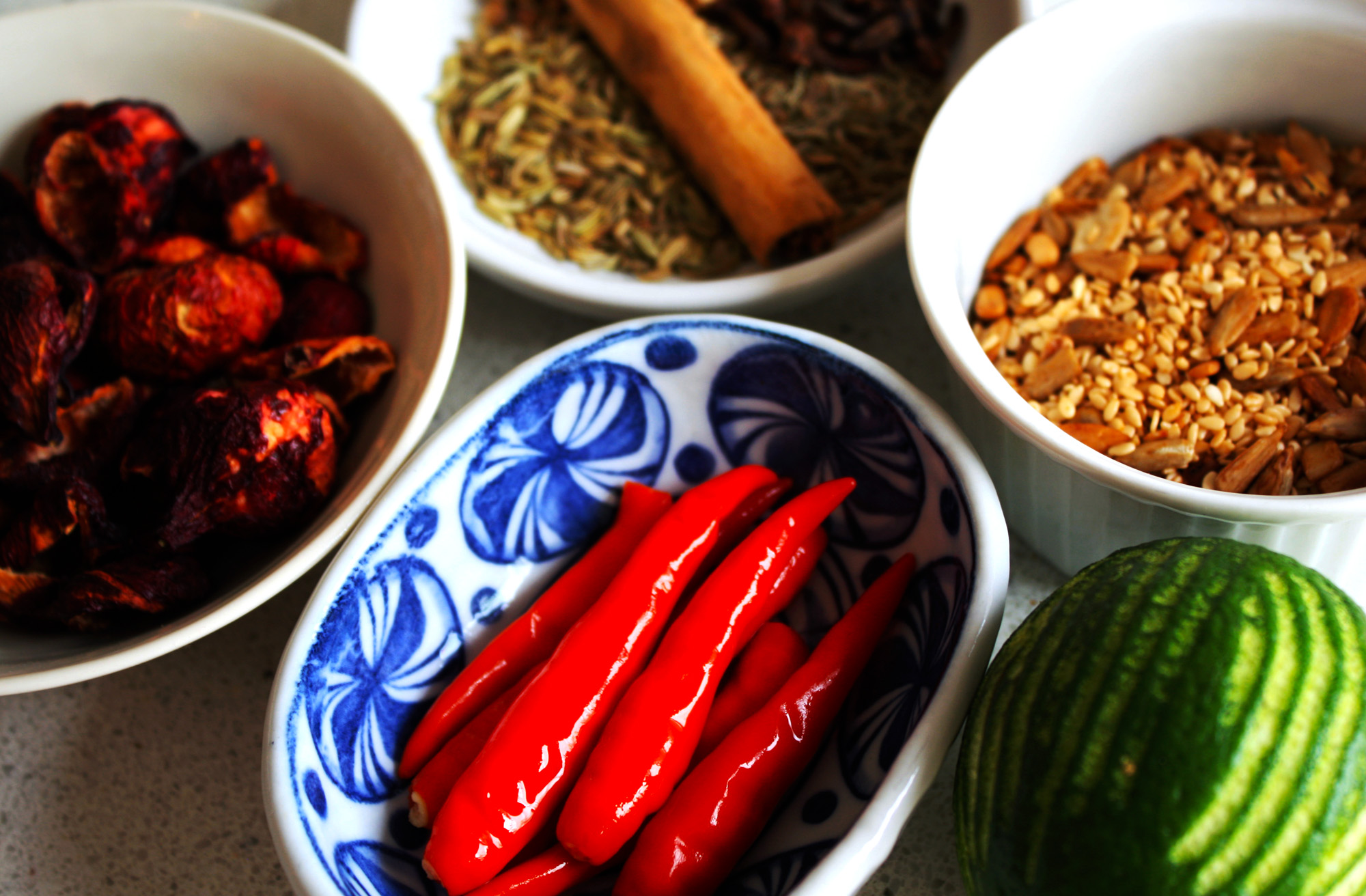
Over the past month I’ve been assisting my partner in putting together a cookbook. Being a trained nutritionist, the book is to be sold to her clients as another means by which to encourage them to eat healthily. All of the recipes here are vegetarian and made from fresh, quality ingredients and have very strong and distinct flavours. Indeed, one of the things that has impressed me so much with these recipes is the surprising and delightful mix of flavours they all exhibit.

These photos were compiled over three separate shoots, all of them taken in or near the kitchen in which they were prepared. I found it a rather challenging task to get the best results – questions of lighting, focus, colour, background. Not being a professional food photographer and not wishing to do a great deal more than present the food as it appears, I generally kept the backgrounds and compositions as simple as possible. Ultimately, as we entered the photographs into the cookbook template, using an online self-publishing service, we found that square-cut images fit best, further limiting the presentation to, essentially, a close-up of the bowl or plate and contents. In some cases there were issues with the colour balance of the photos due to reflected internal light, and hence the dishes might occasionally appear overdone. This lush, saturated colour seemed in some ways at odds with the natural qualities of the food, yet it does also add a certain attractive vibrancy.

The shoots were hard work but a lot of fun. In a sense I had it easy in that I only had to arrange and take the photos – (You will, however, be pleased to learn that I washed up). I took more than fifty shots of each dish, in some cases as many as a hundred, trying a variety of different lighting conditions and placing the dishes on a range of different surfaces. Funnily enough, the best results came from placing the bowls upon the shiny, reflective surface of a dishwasher that had been removed from its housing to be discarded. It was not only well positioned by the French doors, but also radiated a soft, white, uniform light that helped to clearly illuminate the compositions. I very much lamented the absence of this most excellent surface when doing the final shoot.

Originally planned as a single volume, the book was eventually divided into two slim volumes for Hot Dishes and Salads. We’re both very excited about seeing the final product, which is only a few tweaks away from the press.

Unfortunately, as much as I’d love to offer up the recipes here, so any readers could prepare these dishes if desired, that might defeat the purpose of the exercise in the first place, which is for V. to produce a sellable product. Either way, I hope the photographs steer you in the right direction with your next lunch or dinner option. Eat well and the rest will take care of itself : )

Read Full Post »
« Newer Posts - Older Posts »