Feeds:
Posts
Comments

This short story was begun as long ago as 1998 and has since been through many revisions, rejections and further revisions, including changing its name three times. Apart from a quick run through before publishing it here, this draft dates from around July 2011. I’m unlikely to work on it again and don’t believe in it strongly enough to continue submitting it, plus, it rather fits the bill of tragicomedy, so here it is! 


Lady of Shallot - Waterhouse


For the Love of Seneca

“I have a bath again now,” said Oliver, sitting in his mother’s kitchen on a grey Sunday afternoon.

“Well, you know what I’ve always said?”

“Yes, I know. And if you say it again, I’ll come round next time you’re in the bath and throw the bloody hairdryer in.”

“Charming.”

Oliver’s mother, Janet was making pastry for a peach pie.

“It’s true,” she said. “Hot baths are very good for you.”

“I know, I know.”

“So how is Rachel?”

“She’s fine I guess.”

“Don’t you know? The last time I saw her she complained she never sees you.”

Oliver sipped from his cup of tea.

“I’m busy, mum. Anyway, she’s just being melodramatic. She’s got a thesis to write and if she made better use of the time I give her then she wouldn’t have anything to complain about.”

“You give her!”

Oliver smirked.

“Well, whatever. I just don’t see why she can’t amuse herself.”

“Don’t you want to see her?”

“She’s hard to entertain. I’m tired of going out. The only thing I like is the cinema.”

“Haven’t you got anything in common any more?”

Oliver shrugged. He was tired and wanted to get home to indulge his lethargy.

“Oh, I don’t know.”

“You seem to know about everything else. I hope you’re not misleading her. After four years, I’d like to think she could expect some honesty.”

Oliver shrugged again. Janet’s eyes widened.

“You little rat.”

_________________________________________________

When Oliver arrived home that evening there was a message from Rachel on his answering machine. The daily phone-call; it was as ubiquitous as it was dreary. Did she really need to hear his voice?

He sighed and phoned her nonetheless. She was in a good mood and he hoped it wasn’t his fault. It seemed so simplistic, this happiness she got from him. She wanted him to do Latin American dancing with her.

“It’s not going to happen,” he said.

“But you said you’d take dancing lessons with me.”

“I said I was willing to do ballroom dancing, not Latin American dancing. Anyway, I don’t have the right sort of shoes.”

“What sort of shoes?”

“Plus I haven’t got the right clothes. Whatever the case, I can’t go tonight. I’ve got half a book to read.”

“But you promised you’d go with me. Who cares about the shoes or clothes? Just wear anything. And this is ballroom dancing. I don’t see what the difference is.”

“There’s a big difference. Anyway, I couldn’t stand all that fickle, jaunty music. You know I only promised after you hassled me about it, and to tell the truth I’m annoyed with myself for showing such a complete lack of spine.”

“Don’t be so full of shit, Oliver. It’s not fair. You said you would go. Emily’s going and Johannes is going and I said I’d go and now I don’t have a partner.”

“You’re an attractive girl. I don’t think you’ll be a wallflower for long.”

“God, you can be a real prick. If you’re not coming just say so without being nasty.”

“I’ve already said I’m not coming. How many times do you want me to say it? I can’t tonight, I’ve got stuff lined up.”

“Well you obviously don’t need a girlfriend then do you?”

“If it’s a choice between sanity and Latin dancing, then you’re probably right.”

_________________________________________________

Oliver worked weekends and his Monday mornings were the height of liberty. It was then that he could shine and feel the world to be wide and glorious. This Monday morning was no exception. With so much possible he could afford a brief rest and chose to lie in bed with his face in the sunlight. He imagined basking in a rowboat, drifting from a bank of arching reeds. Further up the idling river he conjured another such boat carrying another such sunlit dreamer. There she lay, drifting towards him, a living Ophelia or Lady of Shallot, soft and quenching as a Waterhouse. If only their hulls might collide.

When he opened his eyes he was back in his room with its brown carpet and walls stained by the rotting wood of the window pane. Still there was every reason for hope, for today was all his and he might just run into her.

It had, after all, happened before; this longed-for extra-curricular encounter with Lucinda. Exactly a week ago, after a class, he had found her in the library, full of speculation. In her merry, assured voice, with its strong hint of English aristocracy, she explained how Walter Scott was to blame for the American Civil War; that Emma Bovary deserved respect for striving for titillation amidst a sea of mediocrities; how Levin in Anna Karenina was merely a self-portrait of Leo Tolstoy, and finally about St Anselm’s spurious proof of the existence of God. If Oliver had been in deep before, last Monday was the final straw.

Dared by her intellectual openness, he had mentioned his love of Seneca, unveiling his innermost vice. What raptures had filled him with her wide-eyed response.

“Oh I love Seneca,” she had said in his wake. “He’s such a tragic figure and so marvellously brave. There was such nobility in the way he took his own life. I do so admire the Stoics.”

Was it to be believed, that he should meet a woman, indeed a girl, so fond of someone as crustily wonderful as Seneca? He had to face the facts; he was hopelessly in love with Lucinda and he came away waving his arms close to his chest. These restrained gesticulations accompanied a revisitation of her words, for he smarted long after with her brilliance and reworked his way through her expositions. How she outshone everyone and everything that had existed anywhere – ever!

So it was that a week later, after a morning of writing and study, Oliver set off with a will to be lucky. On campus anything could happen; he would patrol the library and the cafés and hope that he might intercept her. If he could not find her on campus, then perhaps he might see her on the streets of Glebe. After all, she only lived a few blocks away and so long as he was out of doors and in their locale, there was a chance he and she might meet.

Once in the library, having collected a pile of books, he photocopied with vigour. He thought he looked very strong in a tee-shirt and positioned himself to be seen in profile by any who should enter the copy room. She did not come. Later, he wandered through all the levels of the library tower, walking up and down the aisles and formulating excuses for being where he did not need to be. Much to his disappointment, however, these jovial musings were never required to be uttered.

After two coffees at the one café she had told him she frequented, he resigned himself to defeat and set off to dawdle home. Along Glebe Point Road his eyes were hawkish and he ventured into all the book shops, yet failed to catch a glimpse of her.

As his door closed behind him and all possibility died, his mood sank quickly and he walked to his bed for a mope.

_________________________________________________

“You’re not seeing someone else are you?”

“No, mum, I’m not seeing someone else. What makes you think that?”

“Everything.”

“Well, I suppose, technically speaking, I have seen someone else.”

“Bloody men.” She looked at him fiercely. “I hope you were discrete this time.”

“I haven’t done anything! I’ve just had my eye on someone. A girl from my history class. Nothing’s happened and it probably never will.”

“Why won’t anything happen?”

“I don’t know. It’s like she’s out of my league. I’ve never met anyone so interesting or intelligent, and we’ve got so much in common, down to the most trivial things. Though, with her, nothing seems trivial.”

“So what are you going to do?”

“Probably nothing. I’m too much of a coward to corner her.”

“Well if you really think she’s so special, why not ask her out? And while you’re at it, why keep Rachel hanging on? You’re hedging your bets. If Rachel finds out you’ve got a crush on another girl it’ll be awful for her.”

Oliver shook his head. Why did Sunday dinner so often turn into an interrogation? It was his business after all.

“I’m too jealous to break up with Rachel. She’s so attractive, she’ll find some other bloke in no time. That would be a real blow.”

“God, Oliver, you’re as self-centred as your father. And what about this other girl?”

“Lucinda.”

“If you really have everything in common, then she must know it as well.”

“Maybe she sees things differently.”

“Well, why don’t you find out? If it’s over with Rachel then end it and ask this girl out.”

“It’s not that simple, mum. If she’s not interested, then it’ll be bloody embarrassing being in the same classroom. It wouldn’t be fair to her.”

“Maybe you need to think about being fair to Rachel first. Why not take a long hot bath, and think about what’s right, hmmm?”

_________________________________________________

Oliver worked hard over the next few weeks during which time he found little solace. Though he visited the library daily and patrolled the locale in spare moments, his hopes of running into Lucinda proved fruitless. When he did see her in class on Wednesdays he lacked the nerve to attempt to command her attention. This was usually directed to another chap called Cain with whom she already had a strong rapport. Oliver did not feel comfortable trying to insinuate himself into their chats and could barely find the courage even to hover by the notice board after class in the hope of being addressed. He would, more often than not, slink off with a honking, nasal farewell. The bravado that had netted him indiscretions in the past was merely the drunken scion of intense shyness.

One day, as he was playing tennis, Oliver saw Lucinda walking up the hill towards the library, bustling with her usual energy. He was turning to collect a ball by the wire fence and was so shocked to see her that he almost did something daring and cried out. Having intercepted his first would-be shout, he began to consider his appearance, which, sweaty and unsophisticated, lacked the stage management that went into his classroom attendances. Before long she had turned the corner and vanished from reasonable earshot. Her admirer remained staring a while, gripping his racquet impotently tight, ready to serve a fiery fault.

Oliver felt this missed opportunity to be a terrible blow and it sank his spirits further. His growing determination to pursue Lucinda added a marked surliness in his dealings with Rachel and he saw her even less than before. It would be just his luck that Lucinda should see him on the street with his girlfriend and that would be the end of that. The difficulties were great enough as it was, but to be revealed as a dud option was out of the question.

All the same, his surliness did not emerge free of guilt. Often he found his own obstinacy to be unpleasant and was afraid that he had hardened his heart too much. It was the sound of his own voice that most disturbed him. He found it difficult to like himself when he spoke to Rachel, but something inexorable prevented him from behaving charitably. He feared that he was really punishing himself and his regret stemmed not so much from an unrealised desire to please Rachel, but rather from the suspicion that a more active social life and less time in “the monastery” might be invigorating.

He had long ago identified the real problem in his attitude to Rachel. It lay in his resentment of her happiness, and that principally because he was the source of it. It struck him as pathetic how happy his mere presence could make her and insulting to him that she expected him to derive the same pleasure from her. No one should be entirely responsible for someone’s happiness, he mused. It was an unreasonable burden, an impossible burden and he wanted none of it.

What he resented most of all was that he had spent so long searching for “the formula” and he feared that Rachel had found it. Well, if she believed him to be the answer, then he would have no choice but to prove how flawed this idea of hers was.

“Why is she not plagued by philosophical questions day and night?” he asked himself. “Why does she not sweat as I do over the insoluble? How can anyone rightly be comfortable in this world?”

Despite being aware of the pretentiousness of his angst, he indulged in it, all the while telling himself that he longed to be more like Seneca; dour and joyous in his sobriety, heroically useful in his reasoned application. As yet, the only thing he had managed to put aside was his lust and physical passion, but he could not achieve a level temperament. He was all angles and jarrings, the mere elbows and knees of a personality. At best he was awkward and stiff, while at worst he was cranky and mean spirited. He felt at times that his selfishness knew no bounds. Worst of all, however, at the absolute pinnacle of hypocrisy, was Oliver’s fear that he too had found the formula, only for him, the answer was the unattainable Lucinda.

Rachel continued to phone him every day to see how he was, understanding his outward moroseness to be the result of plunging himself into so much work. She was upset and worried at the absence of his old optimism. He was more ambition now than hope, and the one was a good deal more curt than the other. He was thirsty and faithless and sought too many memories to whisper subversively about the stale present. When the sun set, he fell into his soul and he saw the heavens and the claws. The morning would return to give him the confidence to forfeit his life to work and an uncertain chance. It was a hollow security, staid and forced; with little chance for air.

_________________________________________________

“I’ve half a mind to tell her what you think myself,” said Oliver’s mother one evening. “I just don’t understand why you refuse to do the decent thing. I thought all these philosophers you’re so fond of wrote about ethics and morality and personal decency. Hasn’t any of that rubbed off?”

“I’ve adopted the work ethic…”

“Well, that’s a start.”

“I can’t help myself, mum. I’m completely hooked. I don’t know what to do, but I feel I have to do something.”

“You can’t just keep Rachel hanging on. She’s going to find out the hard way and you’ll be in a right pickle when she decides to leave you for neglecting her.”

“Oh, she won’t leave me. I know that for certain. She loves me far too much.”

“You sound pretty sure of yourself.”

“She’s told me so herself. She couldn’t leave if she tried. It would break her heart. Irreparably.”

_________________________________________________

One Wednesday afternoon Oliver arrived at class to find no one present. He sat in a chair in the vestibule where he often sat when he was early. It must be a coincidence, he thought, that everyone is late this week. A further five minutes went by, the clock passed two and still no one arrived at the classroom. Then he remembered and leapt from the chair.

“Fuck, shit, shit,” he spat, marching to the notice board. He scanned and flipped the hanging sheets, but he could not see what he was looking for. He pulled his course outline from his bag. It confirmed his worst suspicions. Their trip to St Mary’s Cathedral for a lecture on the Gothic architectural style was this week, not next week as he had somehow mistakenly recalled. How on earth could he have made such a monumental error?

He pictured his fellow students, joyous and smiling and Lucinda most of all, delighting in the upper galleries. They were probably touring the vault first, damn them – and he would miss the chance to see her moist with excitement and to charm her with his remarks, delivered on foot with a chance for theatre. The knowledge, the experience, the bonding would all be missed, and the week following he would seem out of touch; an outsider, and the rest all just a little closer.

He cursed again and moved to the stairs. If he took the bus and ran across town he would be almost forty minutes late. He would have to take a taxi and even then he would be at least twenty minutes late, probably twenty-five. But what if the tour was for one hour only? He would arrive flustered, be forced to talk to priests and be led like a lost lamb to his tutorial group, out of sorts and bumbling excuses. He would look a desperate fool, and his every effort would be sunk. By the time he reached the bottom of the stairs, he had decided that it was already too late. He marched off in the direction of his flat; frowning, sulkily barbaric.

Once at home, Oliver paced up and down his flat, regretting his decision not to go. Eventually he took himself to his desk to try to write, but he found it impossible to concentrate and decided to take a walk instead. He had a shower first, changed his clothes and set off for the park at Glebe Point with his camera, a blanket and a book. If he could not write, then so be it, but were he to take a good photograph, the afternoon would not feel so lost.

The sun was warm and a light wind flecked the water with a broken glare. The air was touched with damp scents from the fig trees. The grass was springy and welcomingly soft.

Oliver lay his blanket down and rested on an elbow. He lay like this for an hour, reading about the fall of Berlin, then sank on his back and placed the book over his eyes. He dozed off quickly with his camera stuck in his armpit. Over the next hour he drifted in and out of sleep. He felt serene lying as he was and for a time he lost his tension as the world retreated behind a few snap dreams.

It was five o’clock when he sat up in the lower sunlight. Straight ahead, across the water, stood two old power station chimneys. Before them was docked a jumble of half-scrapped ships. The fading green and yellow paint of an old harbour ferry had blistered with rust like red moss.

Across the face of this setting stepped Lucinda and Cain, strolling slowly beside the water. Oliver’s breath caught as he heard the sound of her voice.

“Oh and I just love what Suger has to say about vaulting. Isn’t it splendid that such books exist?”

Oliver did not move a muscle. Even when Cain, nodding, touched her upper fore-arm and directed her gaze to the boats opposite, he remained perfectly still. The moment their backs were turned he rubbed his eyes and adjusted his hair, then straightened up his clothes. His mouth opened and closed as the decision to speak was revoked. He could not be seen like this. His eyes were too puffy and his face un-alert from sleep. His throat needed clearing and the salt of dried sweat to be washed from his park-lawn limbs. He watched with horror and fascination as Cain and Lucinda stood pointing across the water.

“Look,” she said, “they’ve started removing the panels from the hull.”

“Yes, I saw that yesterday,” said Cain. “My favourite thing is that crane over there,” and he pointed to the horizon.

“Yes,” said Lucinda, “it’s a splendid crane.”

Then, as Cain stood admiring the scene, she leaned over and kissed him on the cheek. Cain looked surprised.

“I thought you said not in public.”

“Well,” said Lucinda, “mostly. Just not on campus, that’s for sure.”

“Suit yourself,” he said, and kissed her back.

Oliver lay straight back down on the grass. He picked up his book and held it in front of himself, blocking the view of his face with its open cover; ruins and a Russian tank.

_________________________________________________

Oliver lay in the bath, steaming. It was pleasant enough in itself to give him second thoughts, but on this matter he was quite resolved. Things had really taken a turn for the worse in the last three months. The decisions he made had left him disgusted with himself and there was little of which to be proud. Pulling out of his thesis was a tragic error, but when Rachel left him for Johannes, the floor had fallen rapidly away.

Despite what he had witnessed between her and Cain, Oliver’s desire for Lucinda would not let him rest. He stepped up his efforts, trying to drive himself like a wedge between the two of them. Oddly, like a man engaging in an undeclared duel, he targeted Cain. He played Cain at tennis and lost. He played him at chess and lost. He played him at Trivial Pursuit and lost as well. Nor could he equal him in a philosophical discourse; the way he was shown up for a fraud on Aristotle was quite the final straw. Lucinda still shone like a beacon, but Lucinda was gone; taken in hand by a lover with glowing credentials. Perhaps, had he not left his trying so late, he might have stolen a march. How different things might have been had he not hedged his bets! Compromise had stifled him and Stoicism had failed him, but this time, he would not fail Stoicism.

“No one else shall have the choice to kill me nor spare me.”

He wanted to laugh at himself for speaking such portentous mimicry, but he had lost his humour a month ago.

“Fortitude, constancy and self-reliance, versus avarice, greed and time-wasting.  Bugger.”

With the weighty results of his disappointment, his fortitude was failing. His constancy was long since tried and proven to be hollow. His self-reliance was exhausted if unflinching, yet he was tired of having to do everything for himself. Avarice, yes, in the desires of the heart; Greed yes, in the form of his lust; and time-wasting in the drinking brought on by his depression.

It is a terrible thing to forget to be nice to the right people.

He took the razor and held it to his left wrist.

In the pointed style, but again he was too heavy to find it amusing.

He squinted and clenched and drew it towards him, running smoothly with a bitter sting.

The red line rising in the wake of its passage took its time to flourish, yet from this deceptive innocence a gushing flow soon sprang.

Oliver blanched at the sight of his own blood and closed his eyes in horror.

“What have I done?”

He felt sick enough to vomit, though he merely gagged and tautened. He peered through his lashes and felt a strange tickle, but could not bear the sight of his wound. There was so much blood! When Seneca took his life he’d had to cut his wrists, then ankles, then the backs of his knees and he still did not bleed fast enough. Indeed from here, in what had been such an apposite and inspirational gesture for Oliver, Seneca was then thrust into a warm bath to accelerate the flow after a walloping dose of Hemlock. Yet, neither poison nor the hot waters were sufficient to break his constitution, so he was finally rendered unto Caesar via a suffocating steam bath. Such heroic misery was not forecast by Oliver and, in his case, as he now acknowledged with his slitted, frightened eyes, the hot bath was working all too well.

He took another look at his wrist; all scarlet and curlicued on the drop-studded armrest; it was scathing beauty, so perfectly bright. The wound pulsed and surged and he flinched from its slow throb. He turned it upside down then thrust it away from himself.

“Holy fuck, holy shit,” there was panic upon him, but with his eyes locked shut and his stinging wrist resting now cold and downturned on the bathside, he felt a certain calm regained through the warmth and faintness prevailing.

He sunk his head back and tried to think clearly, for he had indeed predicted that the action itself would unseat him. He inhaled deeply and felt his shoulders bristle with cooling sweat. He slid down further so the bath might cover him and turned his head upward so that when he opened his eyes, they would not behold a vision of horror.

There was no hope now of going through with his other wrist, for he could not look down at all. Surely it would not be necessary. If he lay still enough he would drift into cloudiness, then fade away for good. He had to overcome the immediate panic and consider his decision with the reasoning that had led him to this bath. And what was that reason, he asked of himself – an absence of hope?

The sting was growing and brought its own inevitable caveat. Yet, just as he had predicted, once the first step was taken, the consequences of living with the psychological ripples from a failed attempt would make his life all the more unbearable in any possible aftermath.

With his eyes still closed and the back of his head tingling with watery nerves, he forced himself instead to think of his philosopher heroes. When Thrasea took his life his friends gathered round as they had with Socrates, to watch and assist in ending his days. Likewise with Seneca. And these were the most educated men of their times. Even if branded traitors and told that they ought to kill themselves, or, like Socrates, sentenced unfairly to death, still they went ahead with it, with friends about and in good humour. And still, such a thing was acceptable, even honourable, even for young men.

How different the world was today, in which so few respected the decision to end one’s life! Certainly Oliver respected it – at least for himself – though perhaps not for everyone.

“And how might that be justified?” he asked, trying to regain some mental equilibrium. “If such a course is suitable for me, surely it is suitable for everyone. But what of those who are not ready? Perhaps they should only allow suicide for those who have a thorough philosophical education.”

He became quite resolved on this point and, momentarily, cheered by it. It would have been splendid if someone were sitting next to him and he could have sought a second opinion. Oddly enough, the most appropriate candidate was Cain – quite the sharpest mind he knew when it came to philosophical dialogues. And Lucinda, of course. She might have smoothed his brow with a cool washer and, if she were made of sterner stuff than he, which he didn’t doubt for a moment, then perhaps she could have assisted him by slashing his other wrist.

He liked this way of thinking, as the steam and heat began to ripple his skin. Lucinda would at least understand the bravery in all this. And she loved Tacitus as well, and Tacitus, after all, had told the best stories about suicides ever recounted. At least in ancient literature, and there wasn’t too much to be had from the moderns on the topic. Or so Oliver thought, for whom such certitude from a position of relative ignorance was not atypical.

Oliver was still too terrified to look to his wrist. He had not moved it since he had lain it along the bath’s edge, cut facing downwards. From those opened veins he could feel a vibrant pulse. His life! The blackness was still at a significant remove. There was as yet little of the static with which his eyes were flooded when he had fainted in the past. Perhaps because he was reclining, perhaps because his head was supported against the back of the tub – either way, he was not dizzy. Indeed, he felt particularly energetic, something he had not felt for some time. There had been the throes of bingeing to carry him briefly, but on the whole his spirit had been lacklustre and weighty.

Unsurprising that it should come back to him now, but he recalled a conversation in which he denounced suicide as pathetic; a spineless, selfish course of action. Had he not once declared that before taking such a measure one should try every chance at happiness? Had he not then said that should the sorrows grow so great, he would rob a bank, fly to Venezuela and burn his passport? Anything, however extreme – a chance must surely be better than no chance. He felt himself to be, to some degree, a hypocrite.

He had been right, he decided, but the words were spoken with energy and passion and not from a body that had become lethargic and moribund. He lacked the energy to rob a bank. Indeed, it was precisely that sort of effort that shamed him now. If he had the urge to get up and get on with things, then he would not have taken this course in the first place.

Oliver edged himself up in the bath with his feet. Perhaps he was now feeling dizzy. The corners of his vision were tingling with flickers of black, creeping like noise into a photograph. He was on the brink of wondering where he stood on all these matters, but a mild panic now arrested him. He felt too hot and prickled and, not wanting to fade in discomfort, he reached out carefully, without catching sight of his bleeding arm, to turn on the cold tap.

Socrates.

He had had something to say about suicide.

“Tell me then, Socrates,” said Cebes, “what are your grounds for saying that suicide is not legitimate?”

“No doubt you will feel it strange,” said Socrates, after a fashion, “that this should be the one question that has an unqualified answer.”

Oliver had been reading the Phaedo only that afternoon and found himself questioning the merits of the dialogues.

Socrates said: “I want to explain to you how it seems natural that a man who has really devoted his life to philosophy should be cheerful in the face of death, and confident of finding the greatest blessing in the next world when his life is finished.”

“But you weren’t an atheist!”, Oliver protested. “For all your quarrelsomeness, you thought you were going somewhere better. And if you weren’t, then hell, you were an old man. You had lived!”

Oliver took his hand from the cold tap and shook it in the ugly, leering face of Socrates.

“You claimed that a philosopher spends his life preparing for death, denying the visceral in favour of the intellectual and spiritual.”

The static was building behind his eyelids, accompanied by a mild and sweet nausea. The water was cooling quickly and his body temperature was spiking between heat and chills.

“You spent your life trying to divorce your soul from your body,” continued Oliver, reassuring himself not with his words, but the sound of his voice, “but I’ve spent my life improving myself for this world, not the next. As an atheist, how can I even fathom the end of myself, let alone sanction it?”

The cold flow was snaking across the surface water.

Wincing now against sharpening discomfort, he thought more on the matter. For all his qualities as a disputant, Socrates’ arguments seemed poorly structured and full of non sequiturs. He was like a television journalist who loves tearing people apart but never really asks the right questions.

“You were surrounded by sycophants! All your bum-chums loved rolling over and pissing on their bellies. They loved wriggling around in your spurious horseshit.”

Oliver began to giggle at the vehemence of these words. This was a man he had always admired! He was being so unfair that he was sure he must be getting delirious. Often, when overtired he found himself able to laugh or cry at the drop of a pin and just now he was shaking his head.

This was a time both for laughing and crying.

He was getting off track too, thinking about anything and everything. He needed to bring it on home.

“What would Thrasea have to say and do?” he asked. “Old Thrasea just went right on and topped himself. It was like he couldn’t wait, like he’d been itching all along to have a slash at his veins.”

Thrasea had gathered his friends around and called on the sharpness of a philosopher friend in the form of Demetrius, yet no one knows what the two men said. Unbelievably, in perhaps the greatest cliff-hanger in the entire history of western literature, the manuscript of Tacitus breaks off with the line: “then, as his lingering death was very painful, he turned to Demetrius…”

“What did he say?” asked Oliver.

Oliver had a friend called Demitri, perhaps he should call him up and say nothing? But seriously, what might Thrasea have said? Probably something dull, but profound. Then again, knowing Tacitus, some immensely subtle and scathing indictment of the emperor that would only stink of dissidence to those who could do cryptic crosswords.

Oliver’s wrist was killing him now. The sting was sickening and a dull ache had spread all the way up his arm and into his biceps, through his shoulder and along into his neck. This secondary agony, this sympathetic warning…

Christ, he thought. If I was Thrasea, I would have hot-footed it out of there. Perhaps what he really said was “get me the hell out of here. Bind my wrists, grab me a toga, get me some wine, roll me up in a carpet and smuggle me the fuck to Egypt, you doddering homo!”

Oliver laughed again, this time in a hiss of piping giggles. He hadn’t felt such levity in months! He lifted his head forward from the back of the bath and felt its weight on his neck; it lolled and his eyes rolled and he put it straight back down; fearful now of losing consciousness. He was closing in on dissent against himself and could not afford to lose the chance.

The more he thought about it, the more Demitri seemed an ideal candidate for someone to have by his side. Demitri always cut through his pretensions like a knife. Whenever Oliver got worked up about something, Demitri would call him “poofter”. It had been going on since high school and perversely, it gave him great pleasure. Indeed, so run of the mill had it become that whenever he phoned Demitri now, Demitri would answer “is that you, poof?”

How he relished it! Maybe he wasn’t a poof, but a fool, yes, indeed – for why was he now thinking he wanted Demitri beside him? To cut through what? His other wrist, or his immense stupidity? Had he not told himself that his sentencing must be carried out beyond the shadow of a doubt? There could be no doubt at all, either reasonable or unreasonable, and from the moment his wrist had begun to spill he had questioned both his motive and goal. He couldn’t even hold a decent philosophical discourse with himself without piddling about in childish tangents.

He reached out and placed his hand under the cold tap which was still running. He cupped the cold and threw water across his eyes. He repeated this several times before reaching for a face washer lying on the bath’s edge. Folding it into a triangle with one hand, he raised his bleeding arm and shook with the image it brought him. He did not hesitate and nor did he flinch as he slapped the washer hard against it, wrapping it tight and binding it into a knot with his teeth. The water in the bath was colder now and he was starting to shiver. His eyes were holding out just fine, but he was fighting strong against the swoon.

With his foot he worked out the plug. He heard the lurching gurgle as the pipes took the flood, then reached for his mobile phone. He had left it on the bath-side stand and knew exactly what had to be done. It was there should he need it and he had hoped he would not, only why was it there were it not for his habitual failure of nerve? Bah! he was no Stoic, he was all cry for help.

Then, as he lingered in the bath with the water draining about him and his body growing heavier each moment, he hit Demitri’s number.

“Is that you, poof?” asked Demitri.

Oliver did not laugh this time, but rather, he explained himself by saying the following…
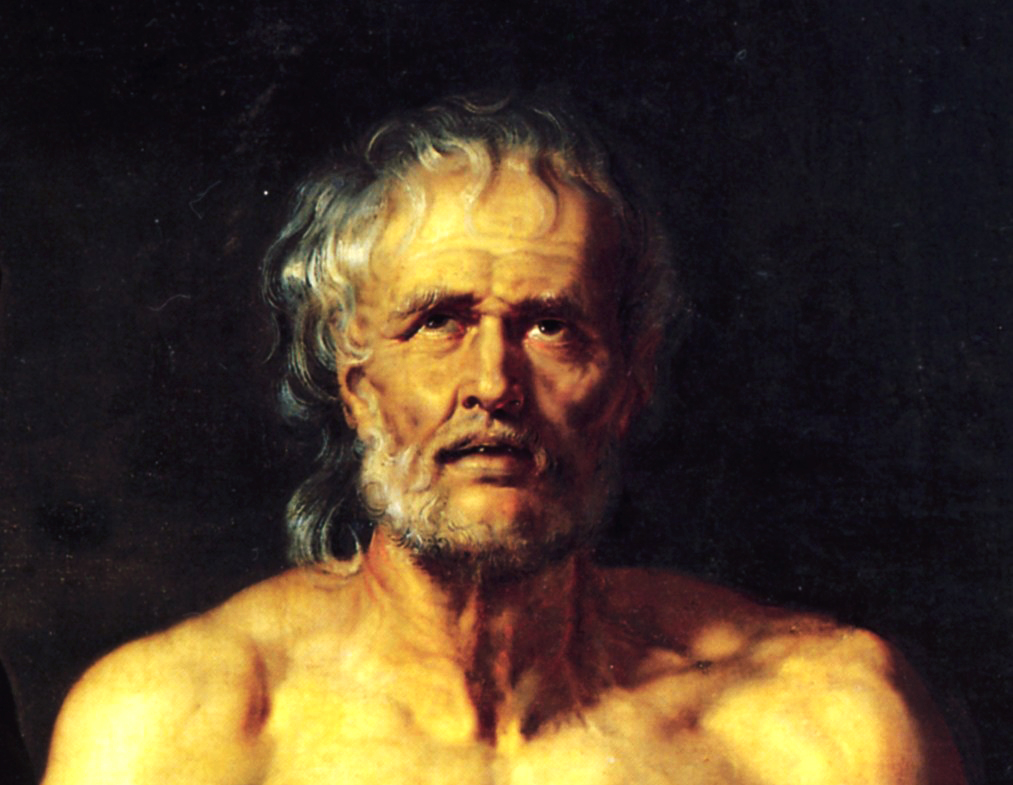
Seneca

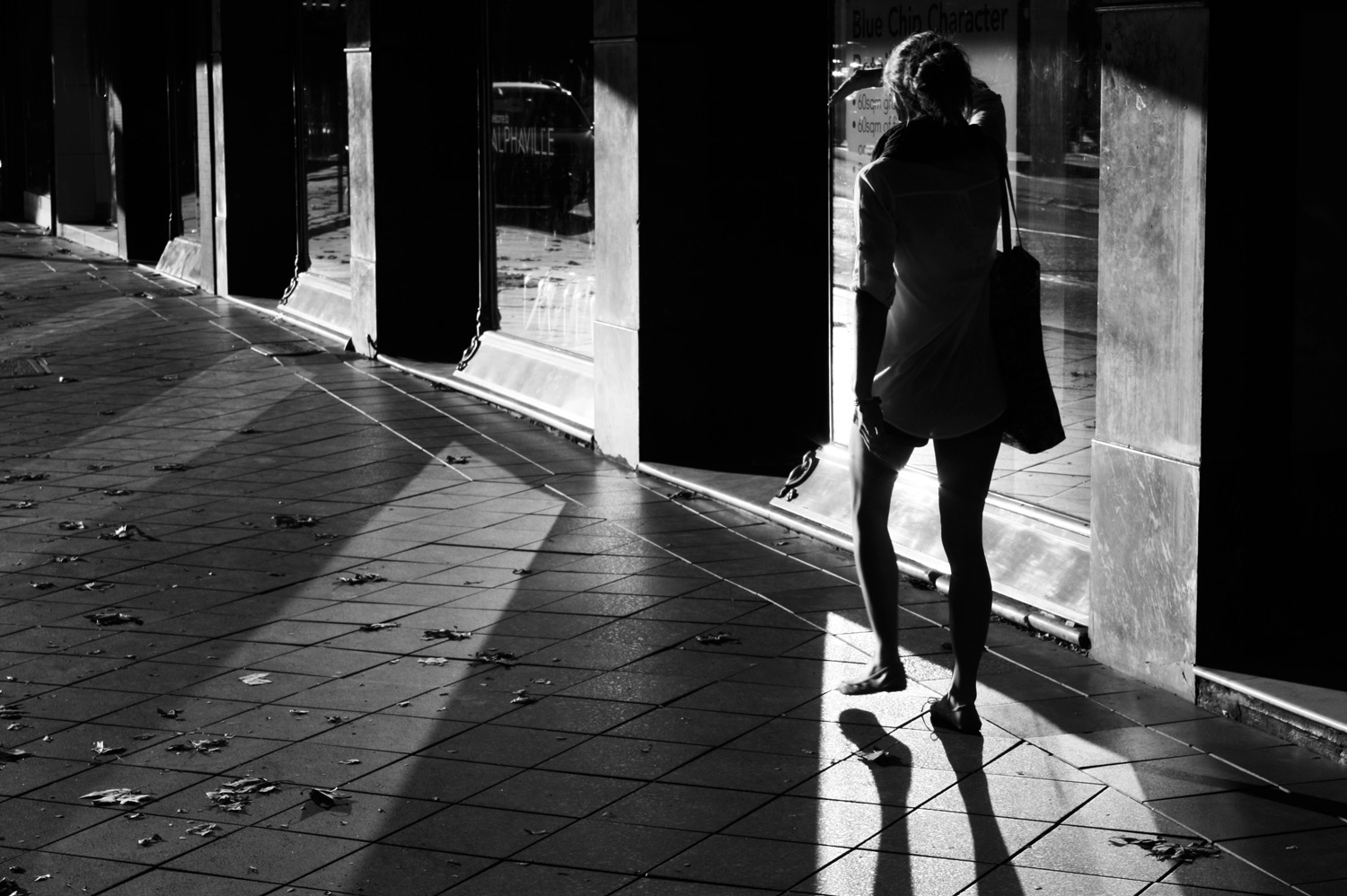
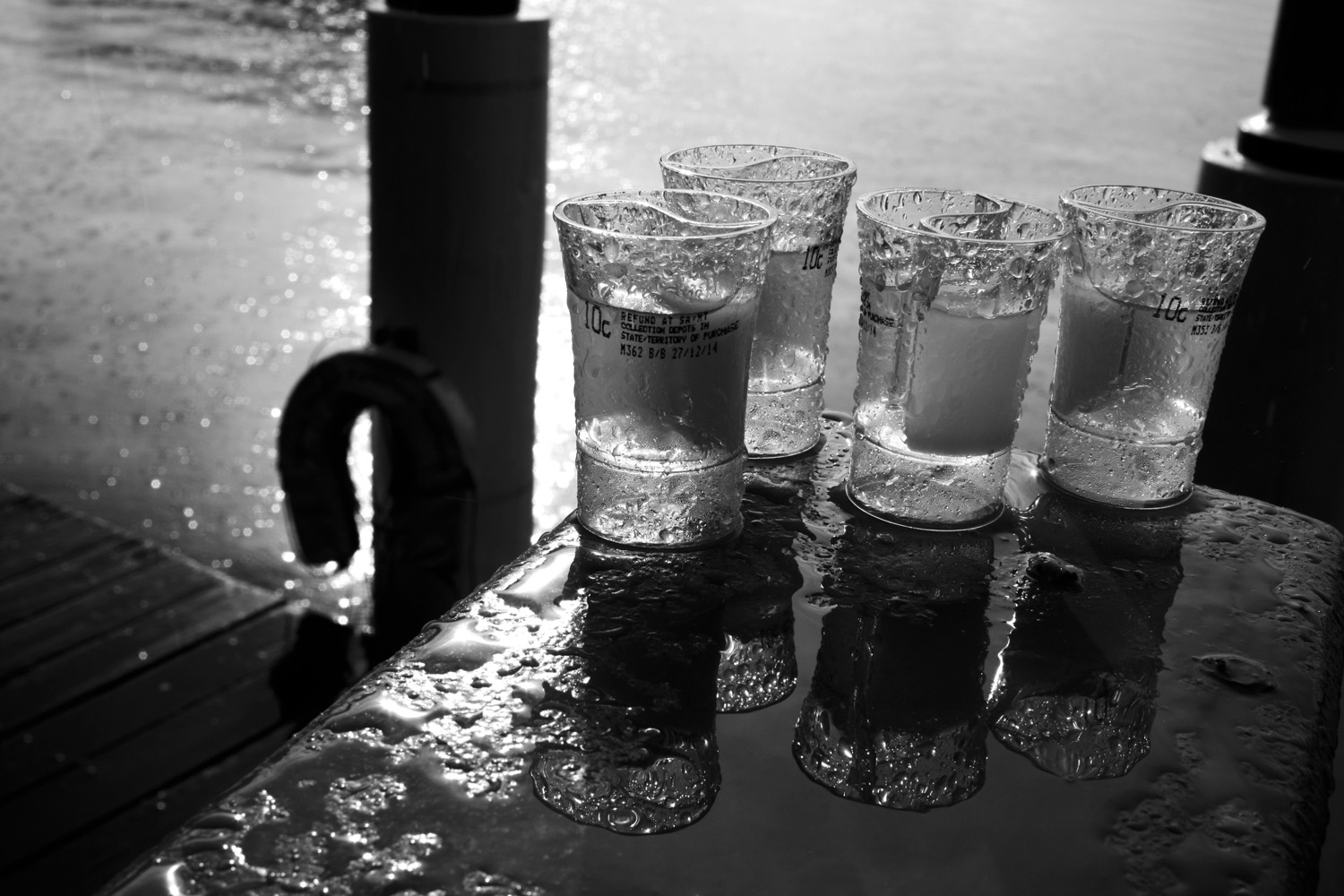
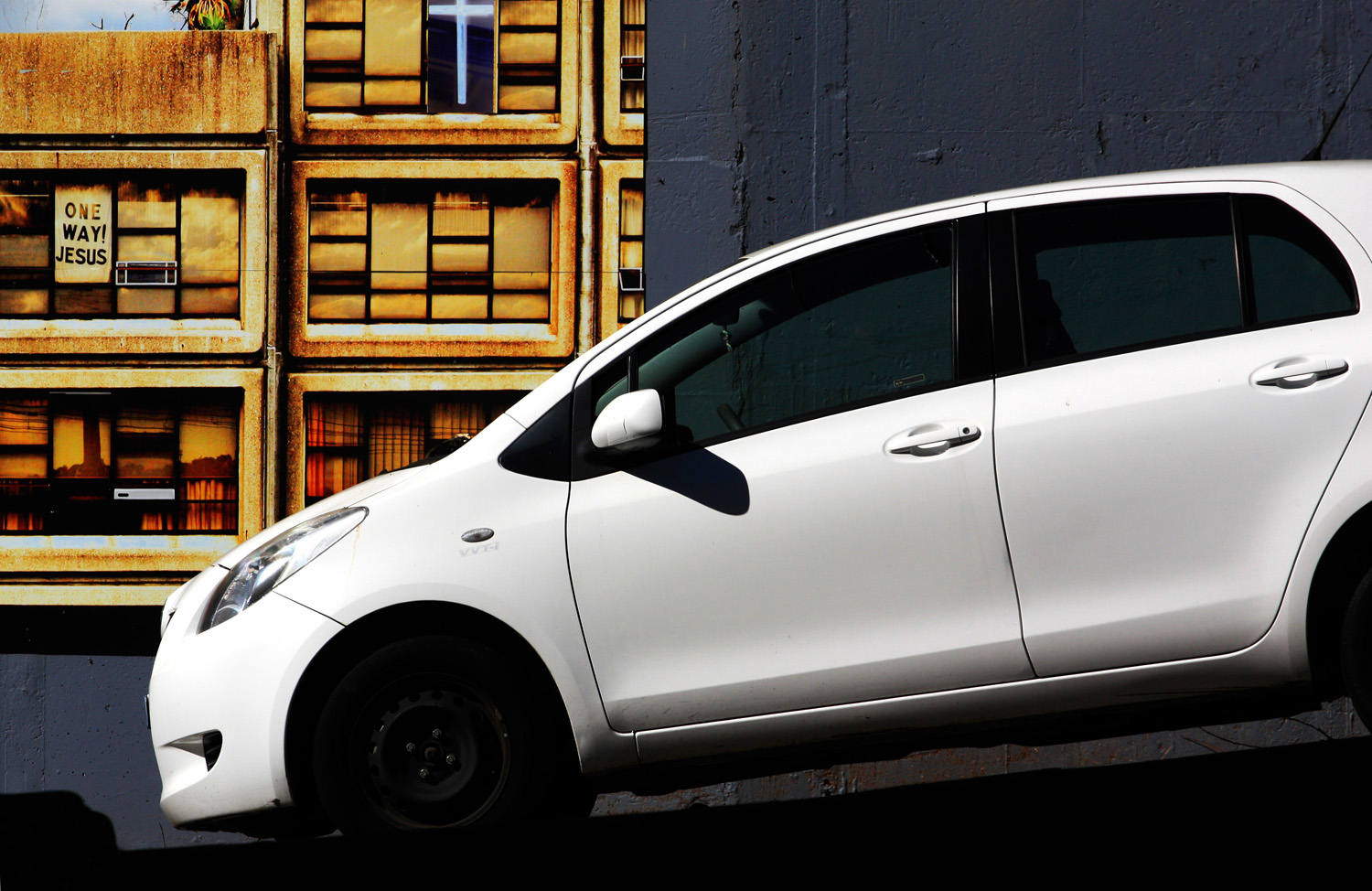
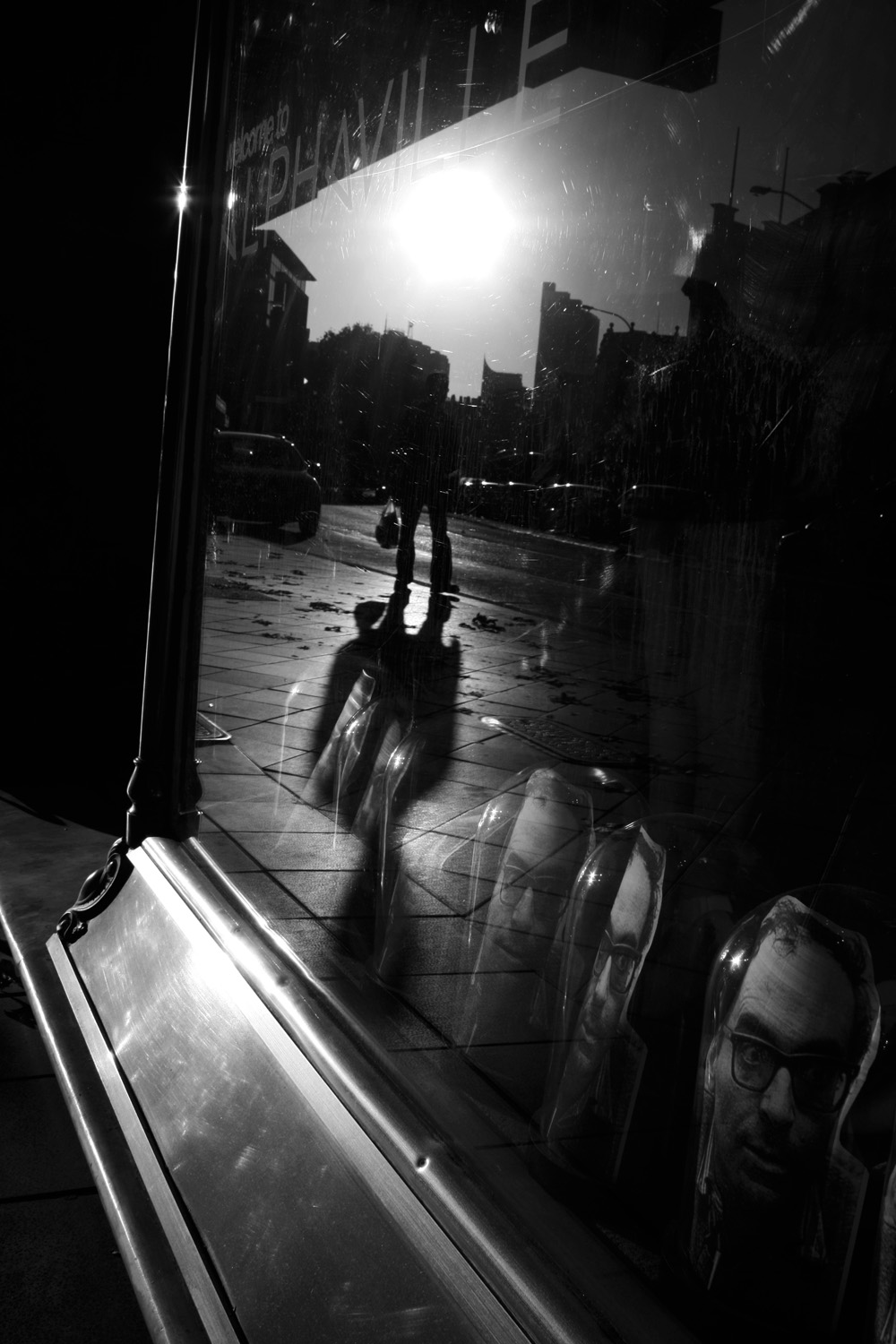
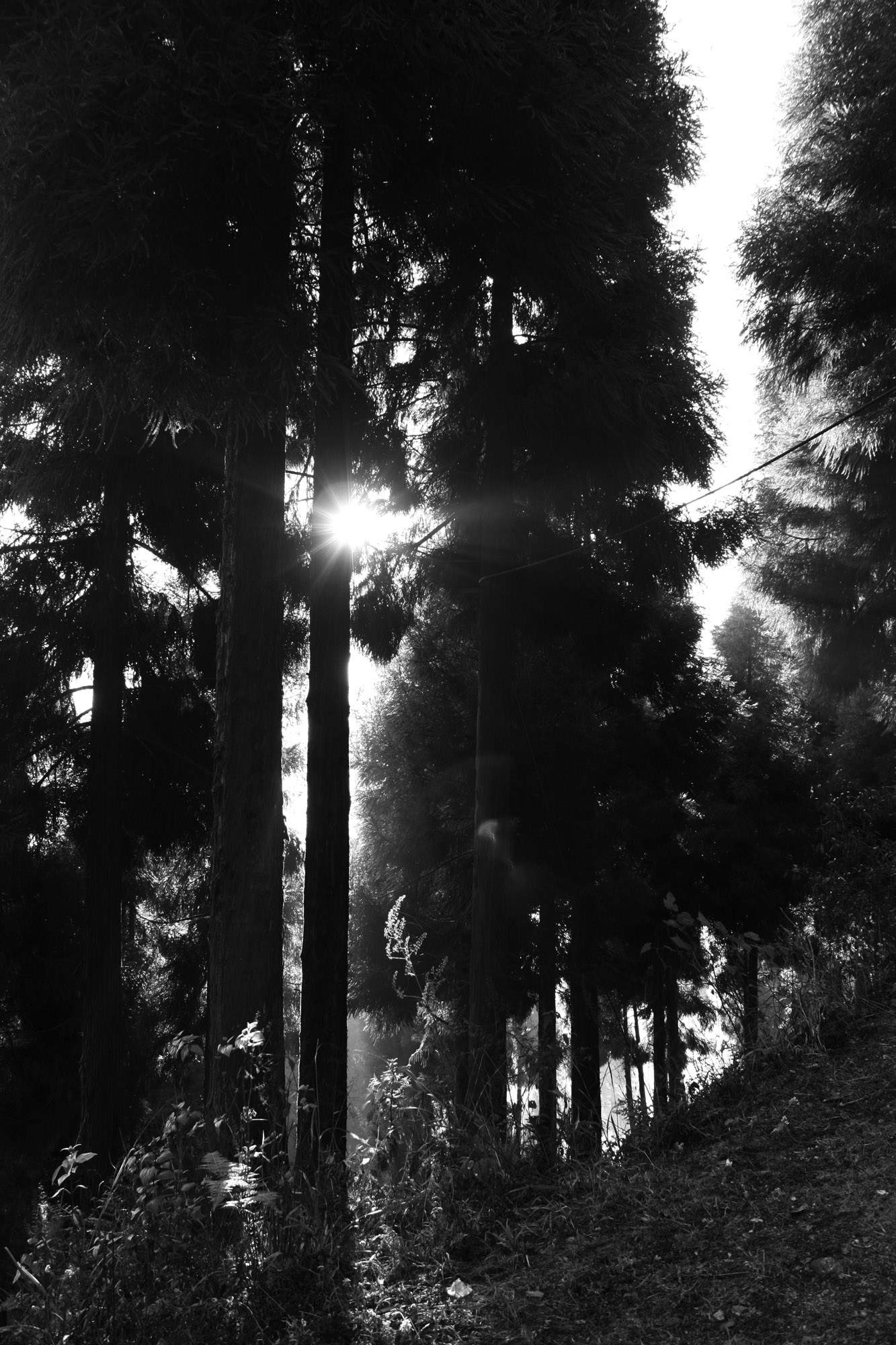
Since returning from India, now almost six months ago, I still haven’t really fallen back into the habit of shooting a lot. It’s not so much a case of the cup runneth dry so much as the well runneth over, for I’ve got a daunting backlog of photographs to get through. Much of that work has been earmarked for travel writing and is being held in reserve. Hopefully it won’t be too long before I get it out there. In the meantime, here are some of the photos I have taken recently.

Courthouse Hotel, Newtown

Oxford street

Skippy girls, Wilson street, Newtown

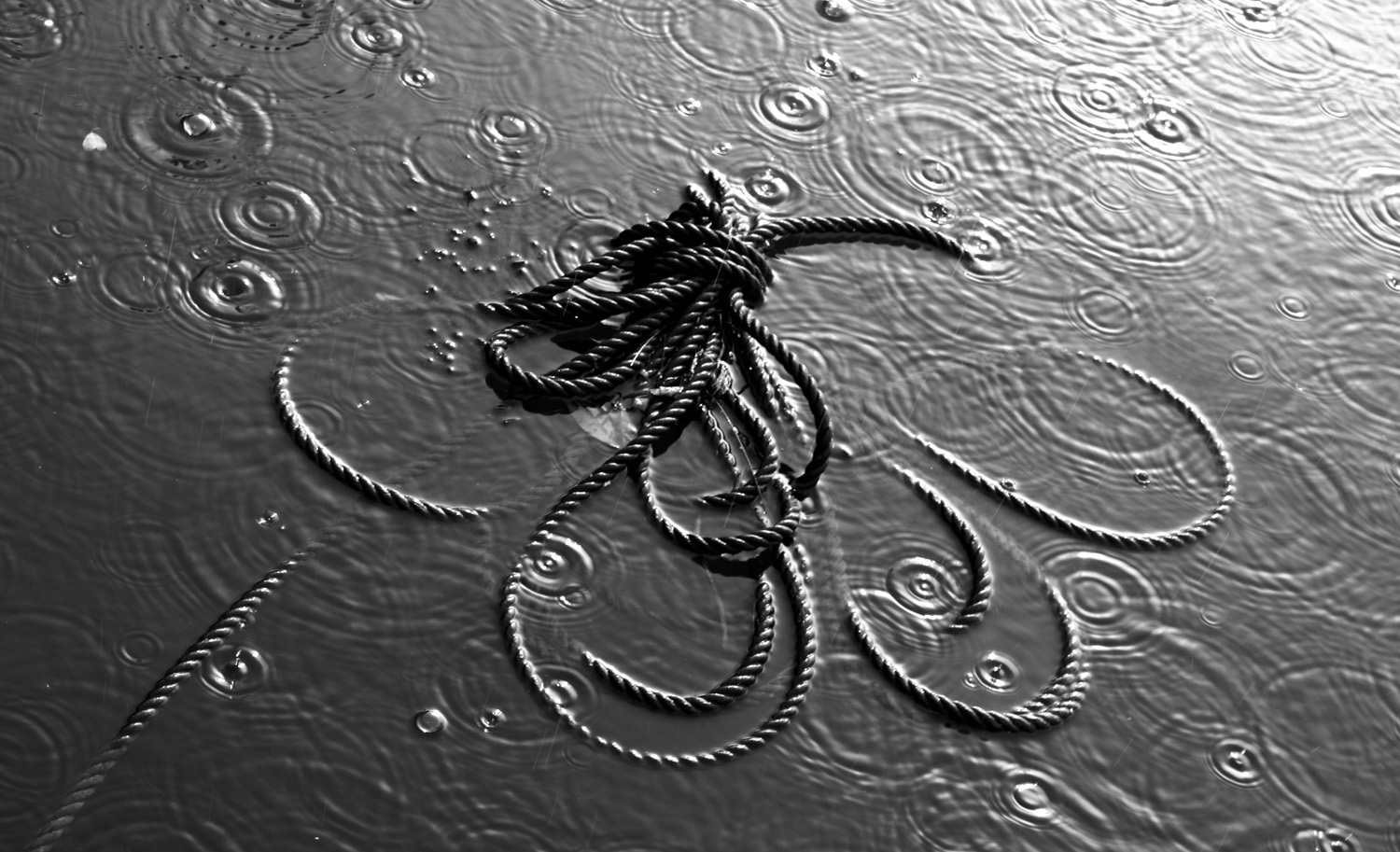
Floating rope

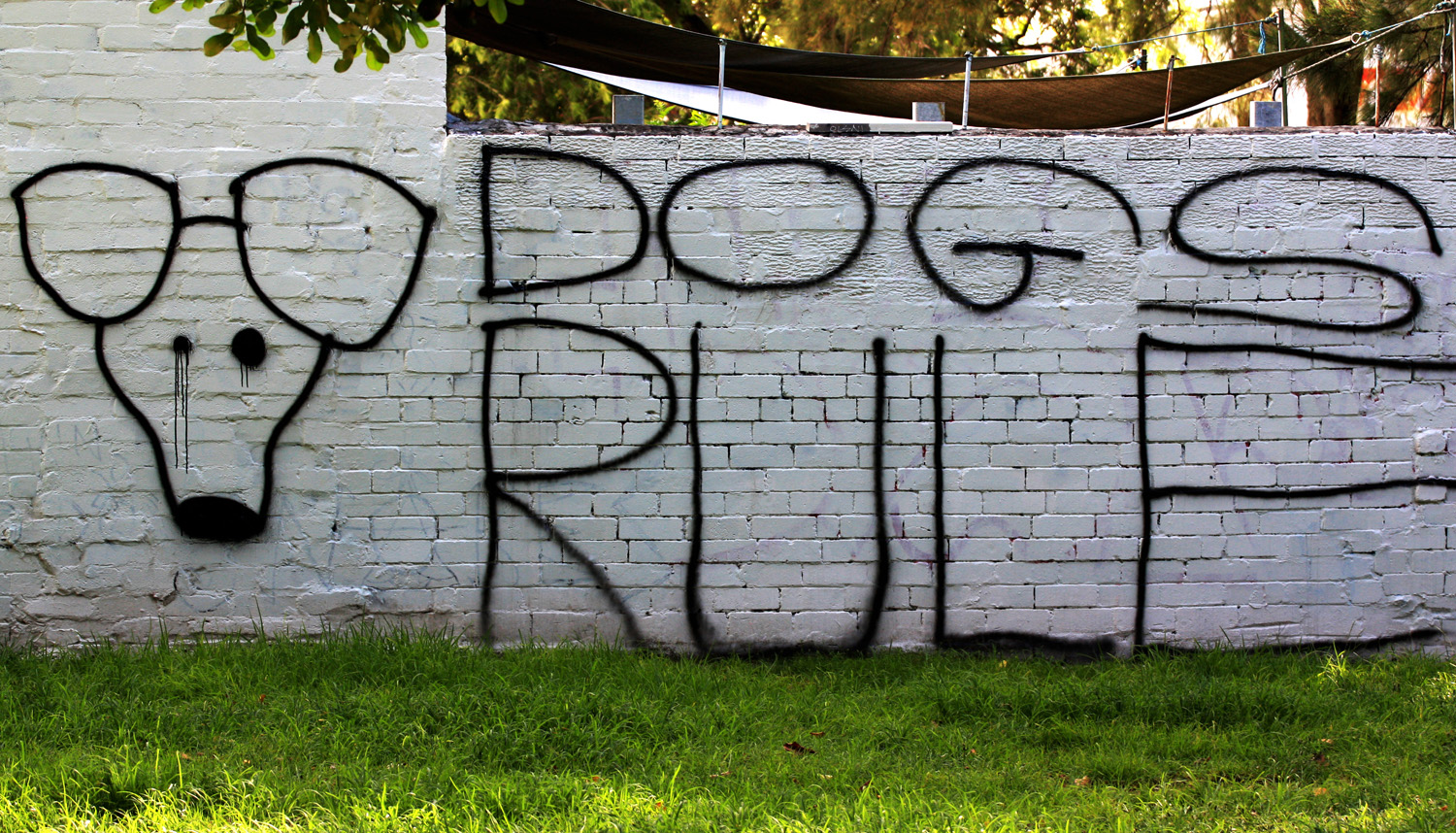
Graffito, Surry Hills

Strange palm insect

Curves 3

Central station clocktower

Carriageworks

Dead marines

Redfern station

Surry Hills

Newtown station selfie 2

Annandale

Alphaville

Train, Newtown

Pug rules

Floating rope

One of the first things I ever posted on this blog, in November 2007, was an expression of my sentiments on the eve of the election which saw the Labor party re-elected and Kevin Rudd become prime minister of Australia. At the time I was ecstatic after eleven and a half years of conservative rule under the much-loathed (by me) John Howard. I’m not about to go over that old ground, suffice to say that I disagreed not just with his fundamental beliefs and policies, but also the tone of his leadership – a brand of dangerously incendiary, flag-waving nationalism that fuelled Australia’s undercurrent of xenophobia and selfishness. Seeing John Howard defeated in that election made me want to return to Australia. I felt a renewed hope that this country might not be so bad after all.

When Rudd became prime minister, his popularity was unprecedented in Australian history. Indeed, he achieved the highest ever positive ratings in polls regarding satisfaction with his leadership and preferred prime minister. It seems almost impossible to believe then that, three years later, in June 2010, he was dumped by his own party in a bloodless coup and replaced with Julia Gillard, the then deputy PM. Rudd’s popularity had certainly fallen considerably in that time, largely on account of the clumsy implementation of otherwise good policy and his failure to get both the mining tax and carbon emissions trading scheme through parliament, yet most leaders lose much of their shine in their first term and come good in the ensuring election. Rudd is such a good campaigner and had, at that time, enough feathers in his cap to defeat Tony Abbott convincingly.

Yet it was not merely a knee-jerk reaction from the Labor party in the face of increasingly bad polls, it was, apparently, also on account of Rudd’s leadership style within the party. Rudd was said to have been dictatorial, inconsiderate, both disorganised and a control-freak, and not adequately consultative. And there were other reasons which say much about the structure of the Labor party – Rudd was unaligned factionally and was often at odds with the unions. This was very much a part of the recipe for his public popularity, yet it did not endear him to many in caucus who felt he was somehow not a  true Labor party member on account of his lacking more traditional affiliations. The Labor party had seen that he was an election winner on account of his appeal to a broad section of the electorate and his personable public style, yet once his popularity was called into question publicly, his lack of broad support within the party left him exposed and they dropped him like a hot potato.

I was, it must be said, totally and utterly surprised when this happened and had not seen it coming. How could a party who had been in the wilderness for eleven and a half years, politically assassinate the very man who had got them so emphatically back into government, before he had even served his first term? I was confused in my loyalties, because I had always wanted Julia Gillard to be the leader of the Labor party and was extremely pleased to see the elevation of Australia’s first female prime minister, yet felt deeply sorry for Kevin Rudd and considered the manner of his ousting to be unfair. I failed to realise at the time just how destabilising this would be and, considering the policy vacuum and low standards on the other side of the house, figured the Labor party would be returned to power in the ensuing election. Ultimately, they were, but as a minority government with the terrible taint of illegitimacy.

In many ways, replacing Kevin Rudd with Julia Gillard was the stupidest tactical move the Labor party has ever made in office. I am an admirer of Julia Gillard and think she performed admirably as prime minister. She is tough and intelligent and succeeded in pushing some very important and progressive legislation through parliament in one of the toughest parliamentary environments in Australian political history. The sheer amount of legislation is staggering – over 500 pieces in a hung parliament, all of which had to be negotiated – but it is the big ticket items – the Gonski education funding reforms, the National Disability Insurance Scheme, the Minerals and Resources tax, the Carbon pricing scheme and the continuation of the implementation of the National Broadband Network which will go down in history as most significant – and, indeed, divisive.

Indeed, Gillard succeeded where Rudd had failed, under even more difficult circumstances, yet these successes often came at a considerable cost to the integrity of the policy. The Carbon pricing scheme has proven deeply flawed on account of the collapsing price of carbon on international carbon markets, whilst the mining tax lost so many teeth in the process of being re-negotiated that it raised only a negligible amount of revenue, far short of the what it was supposed to achieve to fund Labor’s other projects.

Despite various set-backs and public distrust, Julia Gillard’s popularity as a leader remained stronger than that of the opposition leader Tony Abbott’s for much of her prime ministership, whilst that of the Labor party gradually languished. Yet she also created many problems for herself with misguided and unreasonable promises, such as the naïve and frankly stupid promise not to introduce a “carbon tax”, despite clear intentions to do so, and the promise to achieve a budget surplus by 2013. The carbon tax issue is a classic example of how Labor lost control of the narrative. What should have been a positive example of Labor taking the moral highground and acting in accordance with the wishes of the public – remember how much Rudd suffered for failing to introduce this legislation – this issue rapidly became the acrimonious curse of a broken promise. Any sense of the righteousness of the policy was lost in the ensuing bun fight.

Ultimately, however, it was Labor’s handling of the issue of people smuggling, refugees and asylum seekers that brought the most discredit to both the Prime Minister and the party. Faced with a rapid increase in the number of boats carrying asylum seekers coming to Australia, the Labor party was caught between a rock and a hard place and seen to be making policy on the fly, without due consideration or consultation. This is of course a very complex and logistically difficult issue, as much as it is a moral and humanitarian issue, and Labor handled things poorly on all counts. From the perspective of the right, they were far too soft in failing to “stop the boats.” From the perspective of the left, they were far too draconian in insisting on off-shore processing and then adding insult to injury by “housing” refugees in a tent-camp hell-hole. From the perspective of anyone looking on, they were hopelessly incompetent and morally bankrupt.

I’ve been pretty disgusted with the attitudes of both sides of parliament on this issue, and whilst I don’t have all the answers myself, believe humanitarian concerns must trump all others. Of course I want to stop the boats too – because no one should be putting their lives in the hands of people smugglers who stick them in decrepit and overcrowded vessels and send them to their deaths on the high seas – but that we should show such a callous lack of generosity in looking out for those who do come into our care and ask for our help, makes me sick to the core. Whatever happened to the “fair go” for fuck’s sake? Can not one of the world’s richest countries afford to find a place for more refugees in our community – especially when so many good and kind-hearted Australians would be willing to dedicate their time and money to helping them?

To further this digression, it is astonishing how this has become one of the biggest political issues in the country. Yes, it is a moral issue of epic proportions, make no mistake, but to hear people out there echoing Tony Abbott’s shrill wailing about “stopping the boats” – not because people are drowning, but because we don’t like “queue-jumpers” who abuse our hospitality – is alarming. There is little difference between this mentality and the “taking our jobs and fucking our women” paranoia of traditional xenophobia. How many of those voters’ lives have actually been affected by this issue? Almost none, I would venture.

So yes, Julia Gillard struggled immensely with a degree of vituperation usually reserved for people who poison their children. Much of this was legitimate disappointment with policy, but there is no doubt her gender played a significant role. Men are far less fair to women once they decide they don’t like them, and each of Gillard’s mistakes or inconsistencies only amplified the perception amongst many men that she was a “stupid, incompetent bitch,” a variation of which quote I’ve overheard many times in reference to her. With the increasingly rotten albatross of illegitimacy hanging around her neck after the manner of her elevation to the top job, the perception that she didn’t really win the 2010 election anyway, and the widespread belief that she was a tool of the union movement and a product of the “faceless” men, the powerbrokers of the Labor right who had orchestrated similar coups in New South Wales, there was always a lingering distaste in the electorate and potent ammunition for the opposition.

Julia Gillard also suffered considerably from internal destabilisation. Most of this came from supporters of Kevin Rudd or from Rudd himself, who never relinquished the limelight nor accepted his deposition. There were leaks, rumours and the backhanded compliments of his tepid and often deliberately ambiguous expressions of support for his usurper. His failed challenges for the leadership – one in which he was soundly defeated and a second in which he never fronted – caused considerable damage to Labor’s vote and Gillard’s popularity. Indeed, support for the party and PM tanked during and after both of these challenges and only added to Labor’s woes. Whilst Kevin Rudd failed to reclaim the leadership on those occasions, the cumulative damage would eventually make it possible for him to reclaim the office that was taken from him.

Throughout all this, Julia Gillard never flinched nor showed any sign of personal weakness. She was tough as nails and exuded a confidence that is a testament to her fighting spirit. There is no doubt that she came under a dramatically increased level of pressure and scrutiny on account of the tenuous nature of Labor’s hold on power as a minority government, and her being a woman. I said years ago that Australia was too immature to have a female prime minister and feel vindicated after having witnessed the shameful way in which she has been pilloried by both the media and the electorate. There is no doubt that Julia Gillard was subjected to questions and attacks that would not have been directed at a male prime minister, and whereas she was hailed as a wonderfully strong feminist icon by the international community when she spoke out against the evident sexism in parliament and the media, in Australia she was considered to be making excuses and hiding behind these assertions as a means of deflecting attention from her unpopular policy and underlying illegitimacy.

I can’t recall such vituperation and lack of respect for a prime minister, and it seemed largely at odds with the narrative of the economy or the success of policy. How could a prime minister be so unpopular when presiding over such a successful economy in its 21st consecutive year of growth which had grown 14% in the five years since Labor came to power? A nation in which real wealth was slowly but surely growing on account of low inflation and wage increases increases above inflation; a nation with 5% unemployment; a nation which hardly blinked while the rest of the developed world fell into deep recession, high unemployment and austerity-driven stagflation, a crisis that has now lasted longer than the Great Depression. It disappoints me to think how unaware or ungrateful Australians are of their good fortune, both in living in such a lucky country, and in having sufficiently good governance not only to survive the Global Economic Crisis, but to thrive in it.

Yet, of course, there is much complexity to Julia Gillard’s unpopularity, but underlying everything was the sense of illegitimacy that came with the manner of her elevation. Katharine Murphy at the Guardian recently quoted the Irish existentialist Samuel Beckett – “the end is in the beginning, and yet you go on.” Labor’s tactical folly in failing to see how tainted her office would become through the “undemocratic” ousting of Kevin Rudd was their biggest mistake of modern times, short of putting Mark Latham in charge. Ironically, of course, in removing Kevin Rudd, the Labor party was exercising its own internal democracy, and yet its actions revealed that whilst we ostensibly vote for parties and not leaders in Australia, in reality the public very much chooses on account of the person of the party leader. Take away their choice and you, in effect, disenfranchise them. In August 2010, the people took back their right to exercise democracy and showed their displeasure in no uncertain terms. Yet this did not satisfy them. Nothing short of the re-installation of Kevin Rudd as prime minister would close the wound. Now, exactly three years and three days after Julia Gillard became prime minister, the party has acknowledged its error of judgement and handed the crown back to Kevin Rudd.

Wednesday was one of the most extraordinary days in the history of Australian politics. It began with the dramatic announcement of the retirement of two prominent independent members of Parliament – Rob Oakeshott and Tony Windsor – both of whom came especially to prominence in the wake of the last federal election in August 2010. The result of that election was the loss of the Labor party’s majority and a lengthy series of negotiations to form a minority government with the support of the Greens and independents.

For a while there it seemed as though the conservative opposition might have snatched power, but fortunately Julia Gillard was able to convince Oakeshott and Windsor to support her agenda over Tony Abbott’s. This was a coup of sorts in that both of these independents occupied traditionally conservative seats, and it seemed, at the time, to be a testament both to Gillard’s capacity as a negotiator, and also the fact that, looked at objectively, Labor’s policy was far superior to that of the jokers sitting opposite. Windsor and Oakeshott were the “queen-makers,” and both men impressed me with their refreshingly non-partisan rationality and apparently careful consideration of the nation’s interests over their personal interest, especially as their support for a Labor government went against the wishes of many in their electorates.

So the day began with a farewell to these two prominent independents – fine examples of how important it can be to keep the doors of parliament open to those not affiliated with any of the major parties. They likely made as many enemies as friends, but a large portion of the Australian public have shown appropriate respect for the way they have conducted themselves – with apparent good sense and plain-spoken straightforwardness. Though, it must be said, Oakeshott certainly does bang on a bit.

These resignations soon paled into nothing, however, when it became clear that on this second-last day of parliament before the September 14 election, Kevin Rudd was not only moving to challenge for the party leadership, but that he had the numbers. The so-called Ruddmentum had become so great, so inexorable, that the Labor party had no choice but to accept its inevitability. Realising what was afoot, with rumours of a petition circulating in caucus to call for a vote on the leadership, Julia Gillard called a 7 PM ballot, and the rest is history. Roughly an hour later, Rudd emerged as leader of the Labor party and Prime Minister elect, having secured 57 votes to Gillard’s 45. Six prominent cabinet members, including deputy PM and treasurer Wayne Swan, promptly handed in their resignations. Just under three months before the now doubtful election date, it seemed a change of government had already taken place.

So, what to make of all this? Firstly, it’s bloody exciting. As sad as I am to see Gillard go, and what her treatment by the public says about this country, I’m happy that the whole nature of this election has now changed. Under Gillard, there was no doubt that the Labor Party was facing catastrophic defeat in the upcoming election. They stood to lose almost all their seats in Queensland and western Sydney, along with a whole range of seats across the board. With their primary vote at a miserable 29% and the two party-preferred offering equally discomforting margins of 16 and 18 percentage points, not even the most optimistic Labor pollsters believed there was any hope of avoiding a colossal defeat. Such is life, such is politics. The party quite simply could not go to the election with Julia Gillard on the ticket.

This is also a victory for democracy, of sorts. In the public imagination, where polls have unceasingly shown very high levels of support for Kevin Rudd as an alternative prime minister, and that voting intentions would change were he re-installed as Labor leader, there has long been a perception that democracy was taken out of their hands. I don’t generally like “populism” and it is a dirty word for a reason, because these days it is associated with the base, ill-informed desires of the  “lowest common denominator.” Yet there is no denying that in this case, the public has had a legitimate grievance.

Prime Minister Kevin Rudd at his first press conference since resuming the prime ministership. He has announced an extension to the sign-up date for the school funding reforms.

Despite deep reservations about how he has conducted himself over the past three years, I am pleased to see Rudd back in office. Only Kevin Rudd is capable of changing the narrative of Australian politics and only Kevin Rudd is capable of giving Labor a chance of re-election. No one was listening when Julia Gillard or Wayne Swan spoke, irrespective of the content or quality of their message. Consequently, Labor could never articulate its successes. This wasn’t helped by an apparently incompetent PR machine – after all, who could fail to sell a mining tax, which creams off the profits of the super rich to fund important public infrastructure and welfare projects, which the public support? – yet in reality, so unpopular had Labor’s leadership become that it no longer mattered what they said.

Kevin Rudd will have a willing audience to whom he can, in his broad-church manner, make a case for Labor’s many successes and its proven record of progressiveness. He has the charisma and rhetorical skill to change the narrative and bring the public debate back to questions of policy, where those opposite will be found seriously wanting. More importantly, however, he also has the moral high-ground. This might sound ludicrous in the light of his deceitful “white-anting” of Gillard’s prime ministership, yet the public, in truth, don’t give a stuff about that, because they have always hailed him as a martyr. Kevin Rudd was wronged, the people were wronged, and now that has again been made right – that is the dominant public narrative which will trump perceptions that he has behaved deceitfully. One man’s terrorist is another man’s freedom fighter, and Kevin Rudd is seen to be the latter.

I’m aware of how unfashionable it is to support Kevin Rudd in my own circles. I understand all the reservations and disappointments of many of my friends and peers, most of whom are good lefties with a strong social conscience, and many of whom are women who feel understandably disgusted by how Julia Gillard was treated. I too feel some discomfort about Kevin Rudd’s so-called “humility” and his at times insufferable smugness. But it was Rudd who won the great victory in 2007, it was Rudd who made the apology to the Stolen Generation, it was Rudd who got us through the GFC and it was Rudd who deserved a chance to lead the Labor party to election in 2010. I can hardly blame him for retaining his ambition – he was cut off far too soon and deserved more of a fair go himself. He should have been disciplined from within, warned that his style was alienating people and making internal enemies, not summarily dumped in a midnight coup.

I also genuinely believe that Kevin Rudd will make a good prime minister. There are expectations that he will strengthen the mining tax and make changes to carbon pricing to make it more effective in the long-term, and he has made clear his support for same-sex marriage. Otherwise, what we have is continuity in regards to most other Labor policy, which I broadly support, with some serious exceptions. The difference is that, whilst Rudd has one of the longest shots at winning election in political history, in his case, it is actually possible, whereas in Julia Gillard’s – dream all you like – it most certainly was not. If Kevin Rudd can keep the Liberals out of power, or at least check the degree of power they have upon entering office and save the Labor party from political annihilation, then that is enough for me to endorse him.

Yes, this all sorta stinks, and despite having voted Green for years now, the Labor party is the only credible chance the left have of governing in Australia, which means they have my tacit support. I was for many years a strong believer in the Labor party and though they have disappointed me many times, they will always be my preferred choice in our rather limiting, two-party preferred system. At least now I have some hope, both for their future, and, though it sounds overly dramatic, for ours. And so I say, Go Kevin! And now, can we at last drop all the bullshit and have a real policy debate…

There are many songs which I have known throughout my entire life. Clearly, these are songs I heard when I was a child, either played at home on the scratchy old record player and woolly-headed tape deck, or heard on the mono AM radio. As with most toddlers and young children, the music you listen to is your parents’ music. Be it through choice or accident, or the inundation of regular exposure, many of the songs make a significant imprint and don’t ever go away, for better or for worse.

My parents primarily listened to country and western when I was a child. This seems oddly incomprehensible in retrospect considering they were middle class people living in the very middle and upper class suburbs of Woollahra and Paddington in Sydney, but it makes more sense when you consider my father’s country town origins, blind attachment to 50s rock and roll and my mother’s preference for songs that “tell a story.” Country and western, which I too can appreciate for its narrative elements, is not exactly one of my favourite genres these days, but pretty much topped the billing as a kid. I had no idea to what degree, even in the mid to late 70s, country music was marginalised from the mainstream.

My favourite singers were Tom T. Hall, Frankie Laine and Marty Robbins – singers who, unsurprisingly, no one else at school had ever heard of. I found them to be a mix of wonderfully wise and mature and pleasingly harmonious, but most of all I think I enjoyed the narratives. Consider the song El Paso by Marty Robbins, which tells the tragic story of a young, impulsive cowboy who, overcome with jealousy for the beautiful Mexican maiden Felina, shoots another cowboy in Rosa’s Cantina and is forced to flee. It was not merely the lyrics of the song which appealed to me as a young child, but the beautiful harmonies and inexorable momentum of the flawless cadence.

El Paso – Marty Robbins

Out in the West Texas town of El Paso
I fell in love with a Mexican girl.
Night-time would find me in Rosa’s cantina;
Music would play and Felina would whirl.

Blacker than night were the eyes of Felina,
Wicked and evil while casting a spell.
My love was deep for this Mexican maiden;
I was in love but in vain, I could tell.

One night a wild young cowboy came in,
Wild as the West Texas wind.
Dashing and daring,
A drink he was sharing
With wicked Felina,
The girl that I loved.

So in anger I
Challenged his right for the love of this maiden.
Down went his hand for the gun that he wore.
My challenge was answered in less than a heart-beat;
The handsome young stranger lay dead on the floor.

Just for a moment I stood there in silence,
Shocked by the foul evil deed I had done.
Many thoughts raced through my mind as I stood there;
I had but one chance and that was to run.

Out through the back door of Rosa’s I ran,
Out where the horses were tied.
I caught a good one.
It looked like it could run.
Up on its back
And away I did ride,

Just as fast as I

Could from the West Texas town of El Paso
Out to the bad-lands of New Mexico.

Back in El Paso my life would be worthless.
Everything’s gone in life; nothing is left.
It’s been so long since I’ve seen the young maiden
My love is stronger than my fear of death.

I saddled up and away I did go,
Riding alone in the dark.
Maybe tomorrow
A bullet may find me.
Tonight nothing’s worse than this
Pain in my heart.

And at last here I

Am on the hill overlooking El Paso;
I can see Rosa’s cantina below.
My love is strong and it pushes me onward.
Down off the hill to Felina I go.

Off to my right I see five mounted cowboys;
Off to my left ride a dozen or more.
Shouting and shooting I can’t let them catch me.
I have to make it to Rosa’s back door.

Something is dreadfully wrong for I feel
A deep burning pain in my side.
Though I am trying
To stay in the saddle,
I’m getting weary,
Unable to ride.

But my love for

Felina is strong and I rise where I’ve fallen,
Though I am weary I can’t stop to rest.
I see the white puff of smoke from the rifle.
I feel the bullet go deep in my chest.

From out of nowhere Felina has found me,
Kissing my cheek as she kneels by my side.
Cradled by two loving arms that I’ll die for,
One little kiss and Felina, good-bye.

http://bit.ly/ElPasoMartyRobbins

Whether or not you appreciate country and western music, this song is a masterpiece of narrative song-writing with exquisite attention to lyrical technique – a natural, unforced rhyme, a constant, flowing rhythm, emotive language and genuine pathos.

One day in 1996, on my first trip around Europe, sitting in beautiful afternoon sunshine streaming through bay windows in a pub in Newcastle in the north of England, I found this song on the dukebox. I hadn’t heard it for years and simply had to put it on. When I did so I was so moved – as much by  nostalgia as  the song itself – that I listened to it three times. I made sure to get a copy of it a few years later and it’s now been on my iPod for some years – pleasantly surprising me here and there when it turns up on random.

Yet, as ever, I digress. Apart from country and western music, and the classical records given to my mother by a friend of hers, which I diligently went through at the age of 8 – settling on Tchaikovsky as clear favourite – there was the radio. My mother listened to AM radio stations, which played more classics than contemporary songs. Despite growing up in the 70s, I never, for example, heard Led Zeppelin or Deep Purple or even any disco for that matter, but I heard a hell of a lot of Elvis, Buddy Holly, the Beatles, Roy Orbison and the like. I remember how astonished I was at the age of 10 when we went away on holiday with another family and they listened to a more contemporary radio station. Suddenly, there was a whole other world of music  – Kiss and Meatloaf were topping the charts.

Amongst all this, two songs really stuck with me through my childhood and have come, in retrospect, to be the ones that bring out the most nostalgic feelings of all: Glen Campbell’s Rhinestone Cowboy and Captain and Tenille’s Do that to me one more time. The latter was actually released in 1980, but was just the sort of easy-listening croony ballad that wasn’t going to cause any controversy and thus was safe to play on the rather conservative stations to which my mother listened. Rhinestone Cowboy, on the other hand, was, purely and simply, a massive hit that had never really been off the radio since its release in 1975.

Though I didn’t really understand it as a kid, I loved that song and always wanted to sing along when it came on the radio. It’s not that the song’s lyrics are especially complex, indeed, they are very simple, but the song’s sentiments reflect those of the struggling artist or performer dreaming of the big time when the chips are down. The romantic evocation of the struggle itself and the heartfelt jubilation of at last hitting the heights are perhaps best appreciated with a little more life experience.

As a child, I loved the easy rhythm of the verses and their gradual rise through minor flourishes to a soaring chorus. It wasn’t the lyrics that appealed to me – though the word “cowboy” was evocative enough to gain my interest and the song certainly is narrative – but Glen Campbell’s voice, which is fatherly and unpretentious and has a natural and beautiful clarity to it. As I grew older and continued to hear the song in various circumstances, the lyrics came to make a lot more sense to me. It wasn’t until about eight years ago, however, when I had lived a good deal more and been trying for some time to make progress as a writer, that the song became a sort of personal anthem.  The song was not actually written by Glen Campbell, but by Larry Weiss, for whom, in 1974, it fell rather flat. When Glen Campbell re-recorded it a year later, it went global.

Rhinestone Cowboy – Larry Weiss

I’ve been walkin’ these streets so long
Singin’ the same old song
I know every crack in these dirty sidewalks of Broadway
Where hustle’s the name of the game
And nice guys get washed away like the snow and the rain
There’s been a load of compromisin’
On the road to my horizon
But I’m gonna be where the lights are shinin’ on me

Like a rhinestone cowboy
Riding out on a horse in a star-spangled rodeo
Like a rhinestone cowboy
Getting cards and letters from people I don’t even know
And offers comin’ over the phone

Well, I really don’t mind the rain
And a smile can hide all the pain
But you’re down when you’re ridin’ the train that’s takin’ the long way
And I dream of the things I’ll do
With a subway token and a dollar tucked inside my shoe
There’ll be a load of compromisin’
On the road to my horizon
But I’m gonna be where the lights are shinin’ on me

Like a rhinestone cowboy
Riding out on a horse in a star-spangled rodeo
Rhinestone cowboy
Getting’ cards and letters from people I don’t even know
And offers comin’ over the phone

Like a rhinestone cowboy
Riding out on a horse in a star-spangled rodeo

FADE
Like a rhinestone cowboy
Getting’ card and letters from people I don’t even know

http://bit.ly/RhinestoneCowboyUT

There are few songs which have the same mysterious impact on me as this one. Whenever I hear it I’m pretty well guaranteed either to tear-up and get very emotional, or to feel a powerful, uplifting desire to succeed and bask in the glory of having made it. I find the song incredibly, unbelievably, almost incongruously moving and usually, when it comes on random on my iPod, I have to go back and immediately listen to it again to try to enjoy the emotional stimulus once more. It’s never quite as good the second time, but it’s still good enough.

There are many things I love about this song that transcend my nostalgia for it. One thing is the wonderfully provincial nature of its interpretation of making it big. He’s not dreaming of being a movie star, or even having a number one hit as a singer, but instead the song is about becoming a rodeo star – something very American, indeed, but also very southern and western USA. I like the way it reflects a more local, regional cultural expression of the big time. The rodeo itself has no appeal to me, but I can deeply sympathise with how for the song-writer, it is everything. It tells us something about fame and how provincial it can be. Often the people we most want to impress are the people we know and understand, not the whole world who might not really get it anyway. This expression of success is so refreshingly particular and modest and so adorably unfashionable outside of the country and western circuit – a far remove from the usual – the currency of fast cars, bling and hot women. Don’t get me wrong, this song is about bling from its very title, but it’s not quite the bling we’re used to, and it’s less about the possession of bling than the experience and status it entails.

The lovably innocent line “getting cards and letters from people I don’t even know”, offers a splendid vignette of how fame might surprise those unused to it. The word even is pivotal here for emphasising how curiously astonishing it is that total strangers might write to someone they’ve never met on account of their rise to popularity.

There is also something enticingly bohemian about the song’s expression of being down and out. The simple metaphor of walking the same old streets and singing the same old song celebrates the experience itself whilst lamenting the drudgery of it. I really don’t mind the rain either, and the song acknowledges that the struggle itself, the long road or slow train ride, are a mix of pleasure and pain. “And I dream of the things I’ll do, with a subway token and a dollar tucked inside my shoe” further reminds us that the struggle is romantic, in its freedom and possibility, yet ultimately, without success, it is exhausting and demoralising.

There is always, for most people, a “load of compromisin’”, both in art and in life, but the goal of making it is great enough to keep on trying. And that, ultimately, is the great appeal of this song. When Glen Campbell leads into that chorus with “I’m gonna be where the lights are shinin’ on me”, everything is not merely okay, but everything is possible, and, hearing it, I believe, perhaps more strongly than I can believe at any other time, that one day, somehow, I too will be riding out on a horse in a star-spangled rodeo, so to speak.

Wallpeople

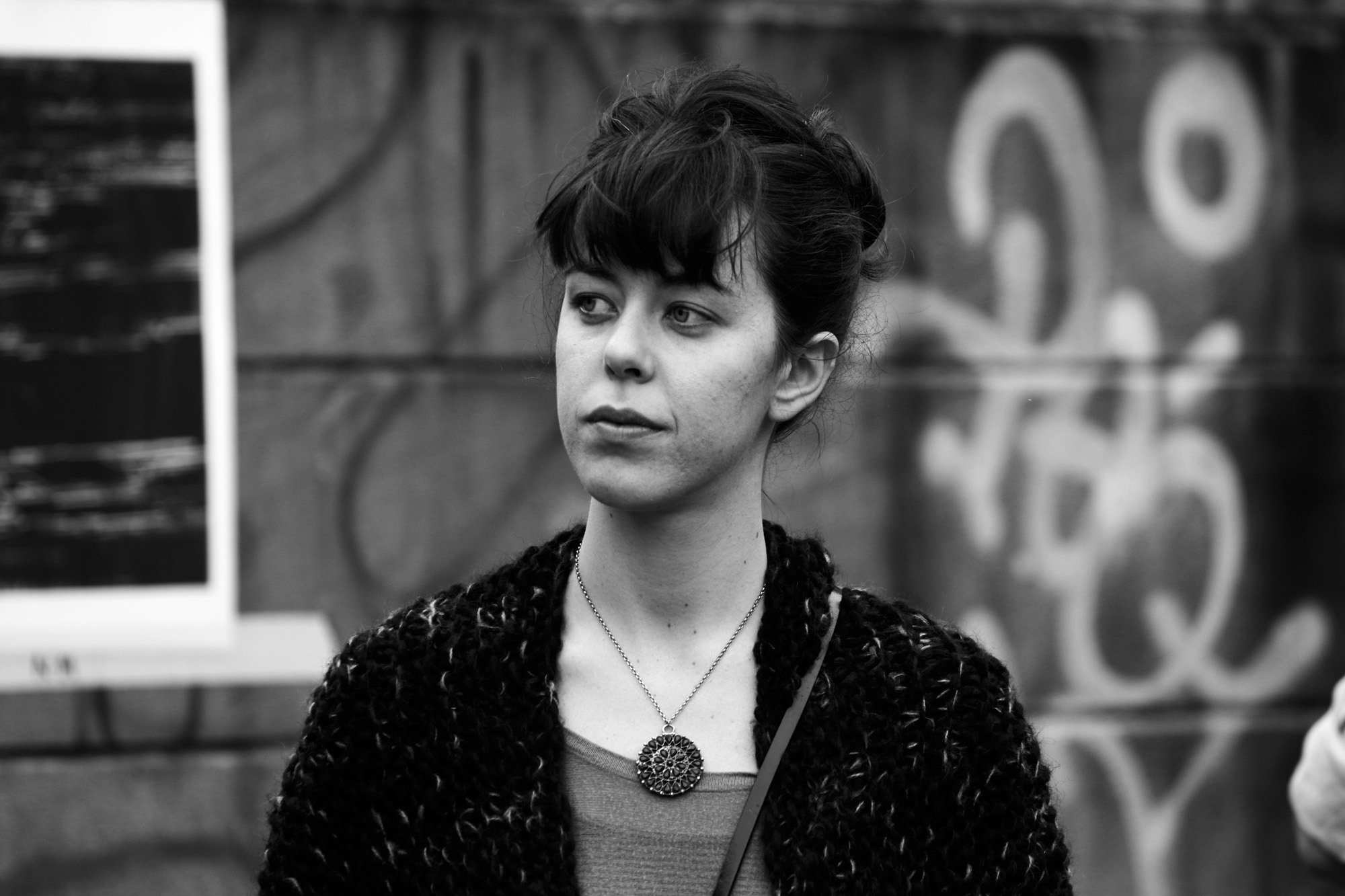
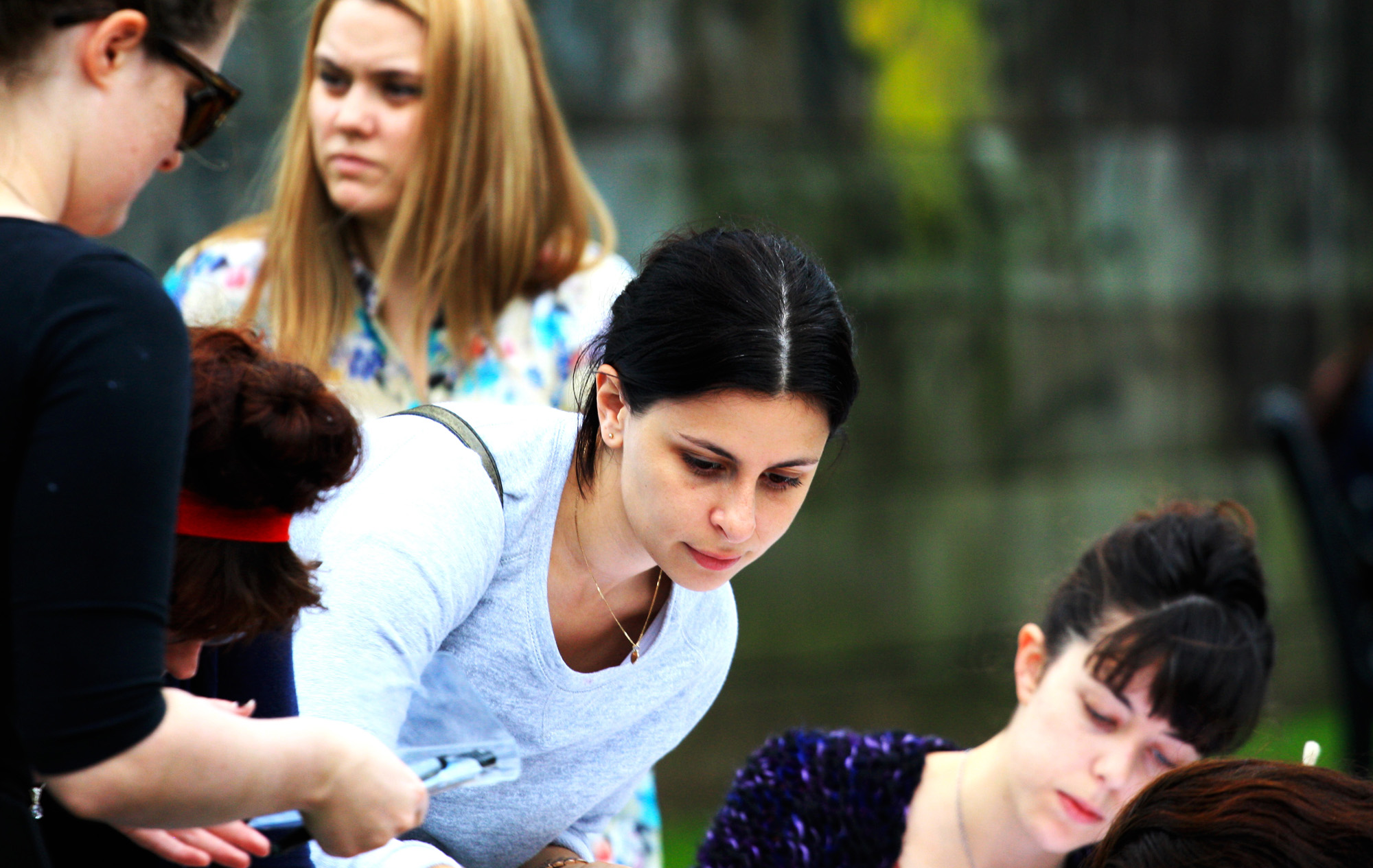
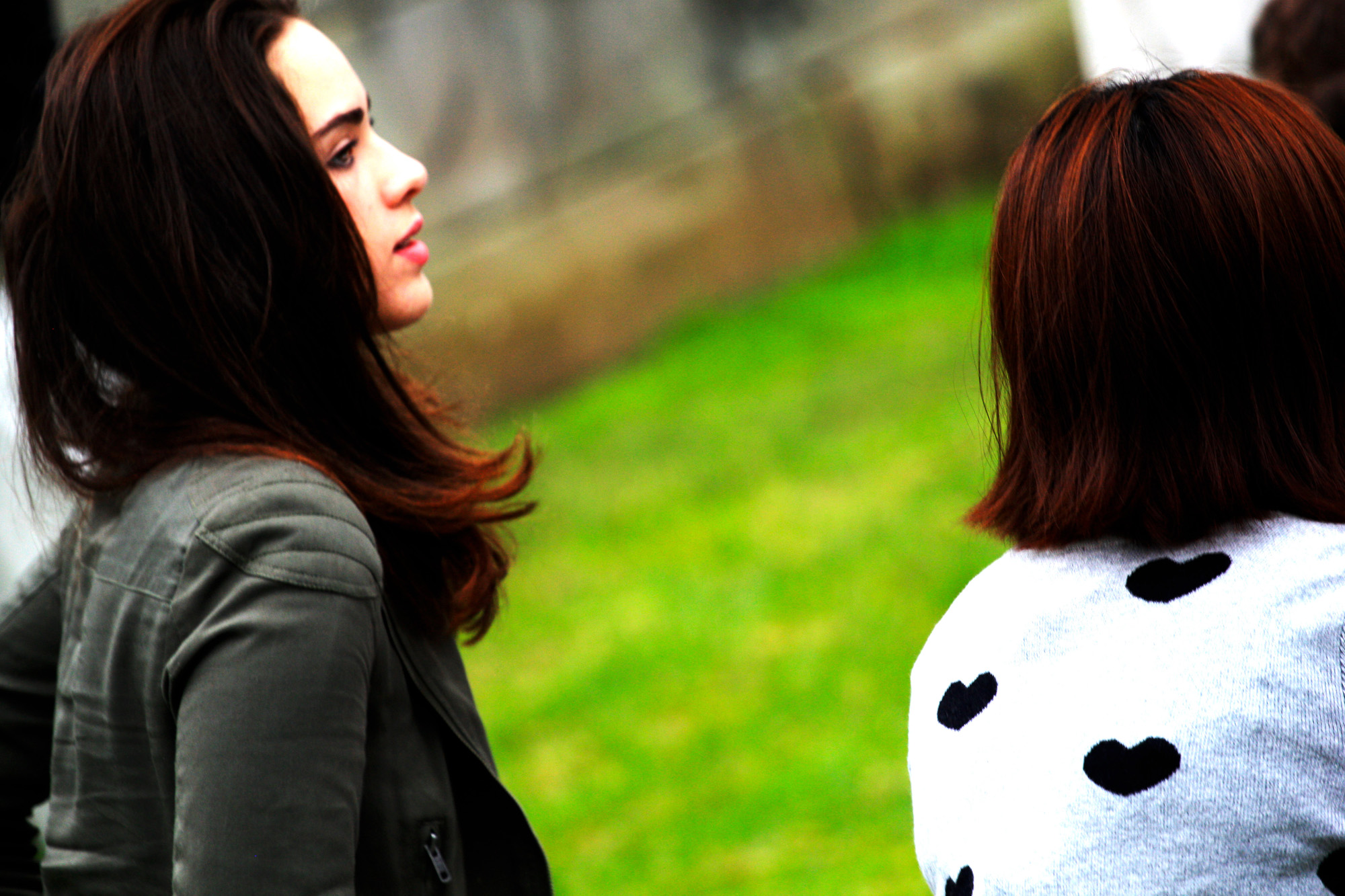
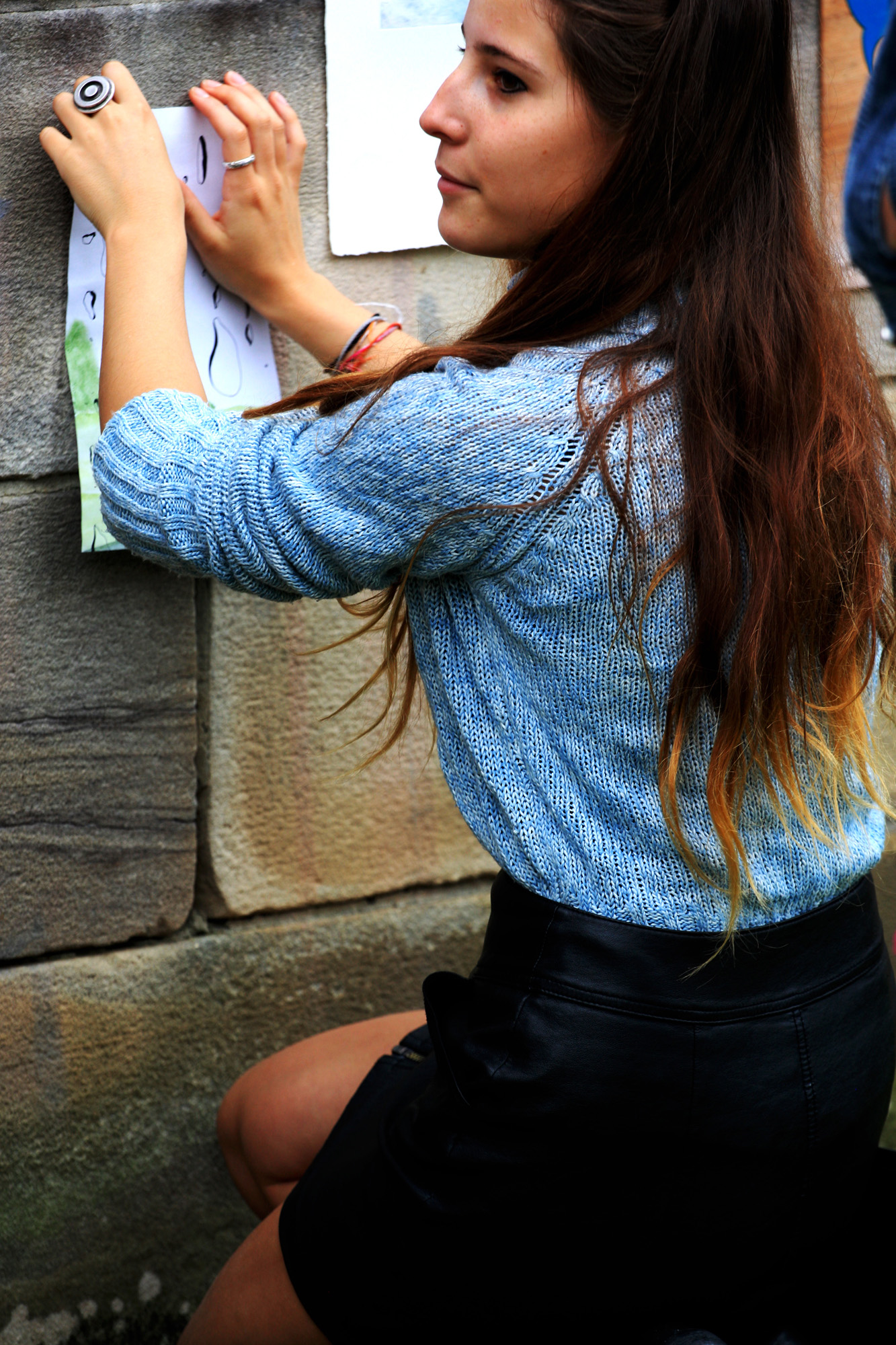
Last Saturday, my buddy Paul (Dr Fantasy) and I did our first job together as the team Celebrius. Celebrius is the name of an event photography and video business we are in the process of forming. The plan is to cover any and all events – weddings, parties, anything as it were, providing tasteful, arty stills and innovative video editing. Paul and I have a lot of amateur experience and some small amount of professional experience in these areas, but either way we feel confident we have the capacity, without being cocky or arrogant, I hope : ) In this case we volunteered to work for free – it seemed like both a good cause and a practice project, though there was the slightly mercenary motivation in having our names attached and promoted.

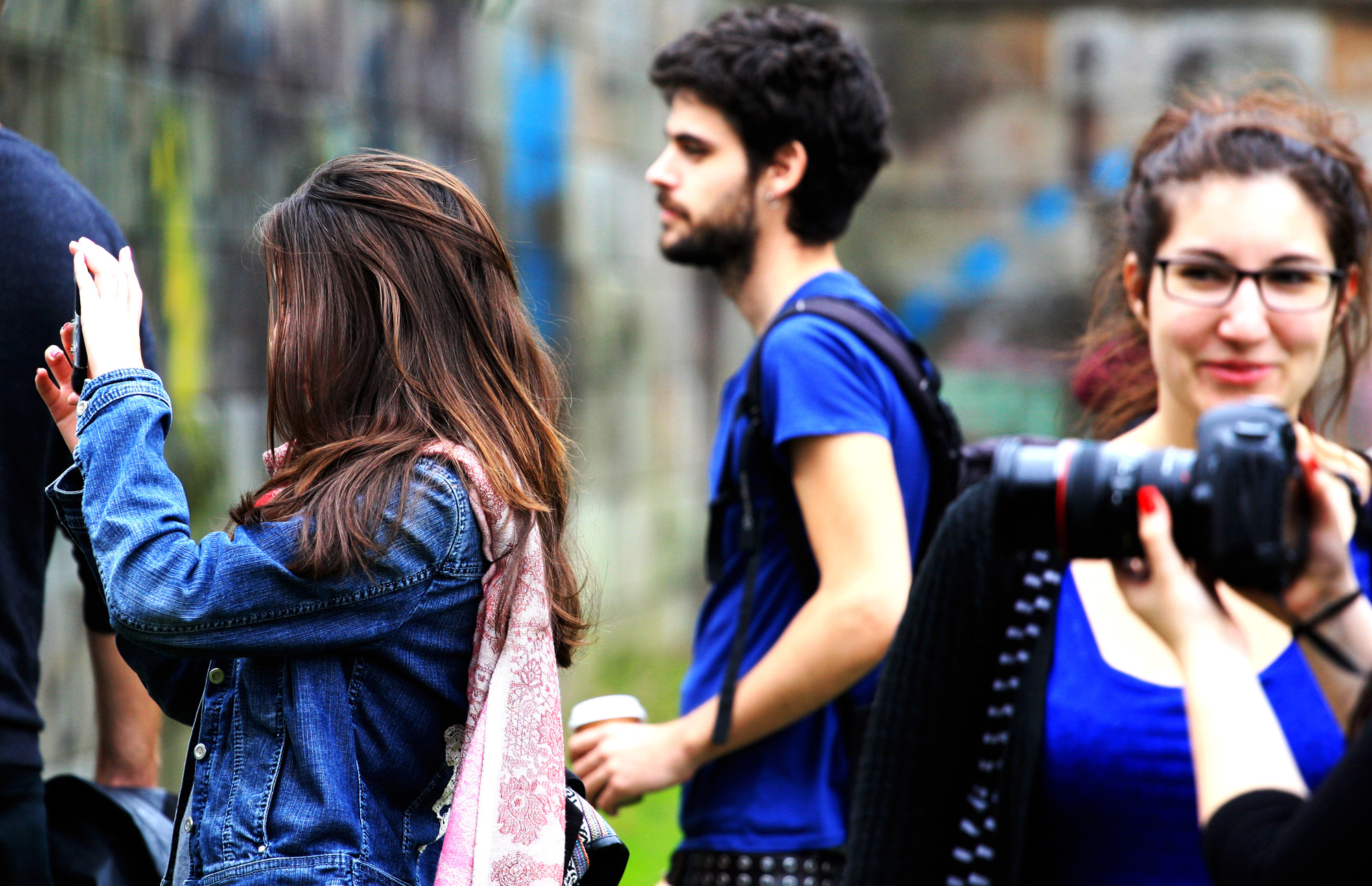
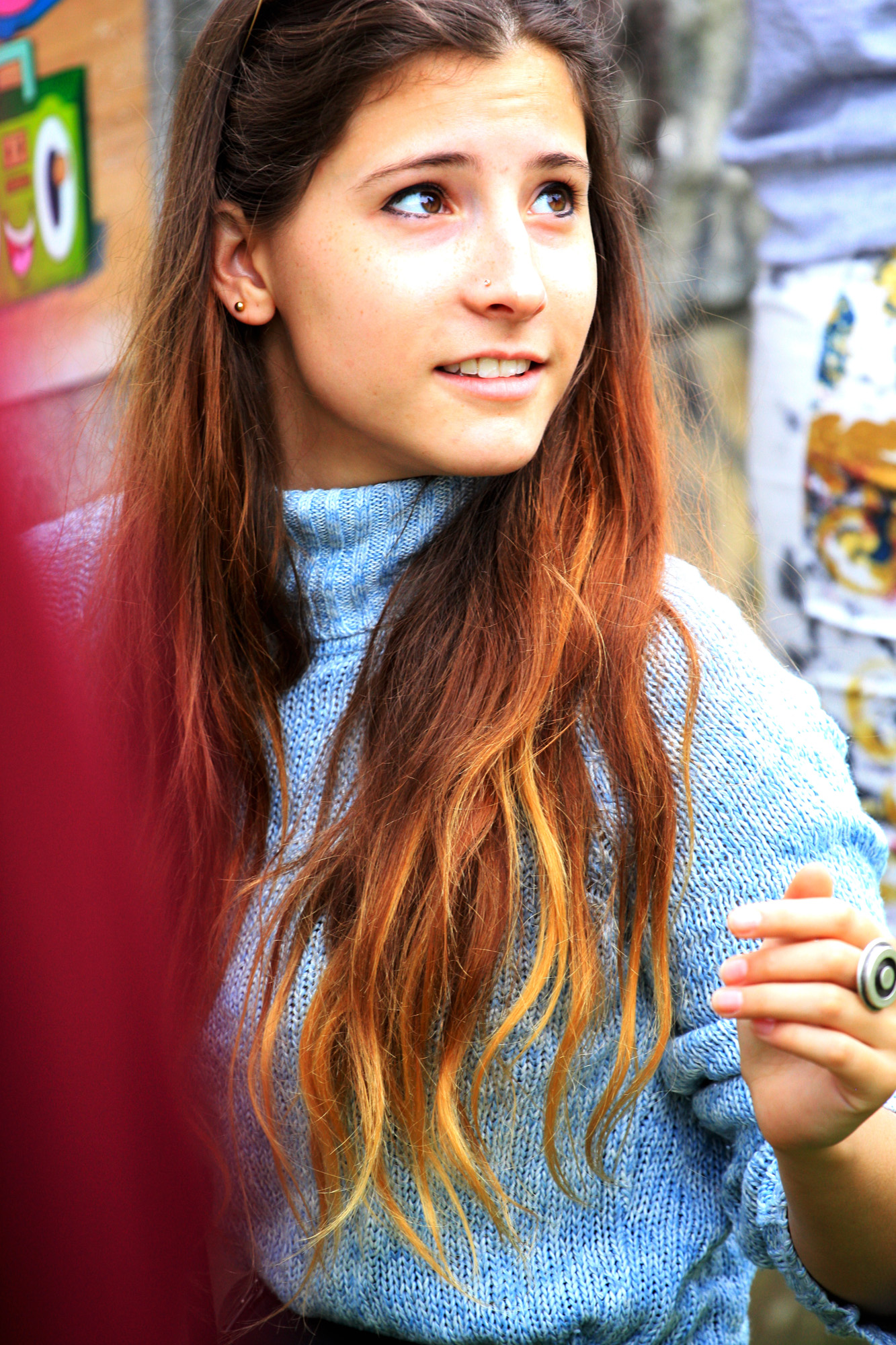
Anyways, this collection of photos is more a mood piece than anything else. I wanted to provide dreamy frames to use for montage and thus focussed more on emotive portraits and evident thought. We were at first somewhat disappointed that there weren’t more people, and that the sky was overcast. Indeed, for a while, at the beginning, there were more people photographing the event than participating in creating or affixing art to the wall. Yet, everybody was lovely and pleasant –  a good-natured and likeable bunch.

As to the event, it was the first Sydney incarnation of an international event called Wallpeople.

Have a look at the blurb below:

Wallpeople is a collaborative art event that happens in 45 cities around the world at the same time. A street wall will become a makeshift outdoor gallery where all participants may exhibit their own works and collaborate to create an improvised open-air museum.

This year, Sydney joins the global network of creatives for the first time and invites all city artists & creative enthusiasts alike to join us next 1st of June in Newtown.

Created in Barcelona in 2009, Wallpeople leads people to create, and be part of a unique moment in a certain urban place, with the intention to set up a unique and street work done by all.

Wallpeople 2013: Music Edition

The guiding theme for 2013 is MUSIC. We want everyone to express his unique relationship with music, no matter what genre or style. The participants have two possibilities:

1. Reinterpret a song in an artistic format of your choice: illustration, photography, text, painting, collage, canvas…
2. Create any work related to music in a general way: For example: a tribute to an artist, a concert, a musical moment of your life, your favourite style, musical origins…

0049 Wall people

0032 Wall people

0040 Wall people

0103 Wall people

0050 Wall people

0121 Wall people

0059 Wall people

0096 Wall people

0146 Wall people

0223 Wall People colour

0115 Wall people

0233 Wall People

0210 Wall People

0268 Wall People crop 2

0269 Wall People

0281 Wall People

0322 Wall People

0302 Wall People

0326 Wall People

0316 Wall People

0324 Wall People

0332 Wall People

0336 Wall People

0343 Wall People

0356 Wall People

0361 Wall People 2

0369 Wall People

0363 Wall People

0018 Wall people

0428 Wall People

0024 Wall people B&W

0391 Wall People

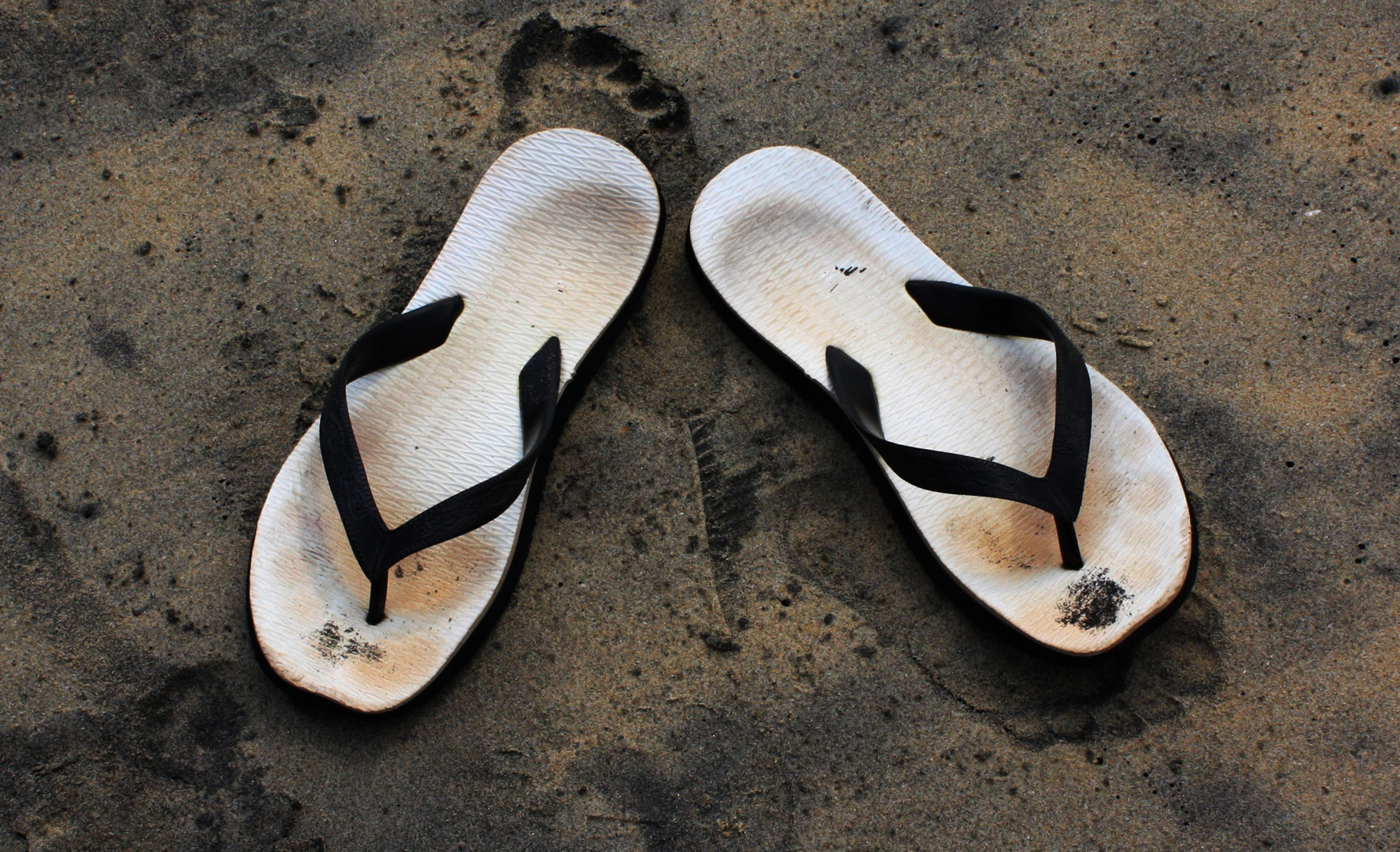
You can’t really go trekking in a pair of worn-out thongs. It’s by no means impossible, but likely to result in discomfort, injury, or wardrobe malfunction. And let’s be clear here, I mean flip-flops or rubber sandals, as opposed to anal-floss. Despite this, I have many times in the past worn thongs under inappropriate conditions. On my first visit to India, I had nothing but a pair of thongs to wear, and, once in the mountains around McLeod Ganj in particular, put them to the test by clambering up and down a lot of rocky slopes.

My thongs, on Varkala beach

On my second visit to India, over December and January 2012-13, I once again took only a pair of thongs as footwear. Why? Because I was travelling light again with just a small bag and couldn’t fit a second pair of shoes in my “luggage.” Knowing too that most of the holiday would be spent in very warm and humid places, including a few stays on the coast, I figured I could get away with it and was proven right in the end.

The one concession I made on the footwear front was to bring a pair of socks with me, which proved invaluable when staying at higher altitudes – Ooty and Darjeeling, for example. Naturally I would have preferred not to be seen in cargo shorts, socks and thongs, but I have an amazing capacity to dispense with vanity when on the road – amazing, I say, considering how terribly vain I am most of the rest of the time.

The reason I mention all of this is that on our second-last afternoon in Darjeeling, as we wandered through the sun-drenched dark-green tea shrubs in the Happy Valley plantation, I made the decision to accompany V on her one-day trek to Nepal the following morning. The two reasons I’d opted out initially were that I’d caught a mild cold on the way up the mountain to Darjeeling and hadn’t been feeling especially energetic over the previous few days, plus I only had a pair of thongs, which made my attendance seem farfetched. The more I thought about it, however, the more it became clear just how much I wanted to go. Apart from the beautiful views and exciting exercise, along with the chance to enter Nepal for the first time, I knew I would regret not having shared the experience with V when she returned and told me all about it.

The task of buying shoes can be complicated, but this is usually because people are fussy about the look of the things and take their time deciding from amongst various styles. In this case, however, we soon discovered that irrespective of style – of no concern in this case – just finding a pair in the right size was going to be difficult. We began our search at around 1600, the tail end of a warm and sunny afternoon, and ran almost immediately into trouble. There were three or four shoe shops in the streets around our hotel, yet none of these had anything larger than a size 45. This was roughly two or three sizes too small and would ultimately do more harm than good, if I even managed to get them on my feet, which was not actually possible. With none of the closed-toed shoes fitting, I asked to try all the largest sandals, yet none of these were big enough either. I was willing to take a pair a tad too small, as sandals offered a lot of freedom anyway, but the soles were simply too small and I had some toe-overhang going on.

I was fortunate to have a welcome flashback at this point – to my last visit to Darjeeling when I had stumbled into a sort of shoe-emporium. One level of a shopping mall, just a little down the hill from the top end of town, which had several shoe shops inside. We made our way to this place at around 1730, and were very pleased to discover that, indeed, the ground floor contained nothing but shoe shops.

I felt certain I would find something appropriate in here, but still, after the first four visits to ask about size, we came away with nothing. Eventually, however, we entered a shop which had one remaining pair of size 46 sandals. I tried them on and they were a near perfect fit, with the straps loosened. They also felt sturdy and comfortable and seemed more than capable of doing the job. I thanked the cheerful gents in the shop and apologised for my long deliberations. I felt triumphant. The trek was on.

The car arrived at 0545 the next morning to drive us to a town called Maneybhanjang, roughly 32 kilometres from Darjeeling. It’s a common starting point for treks into Nepal, be they for a day or considerably longer. I had been concerned about whether or not we could enter Nepal as both of us were on single-entry visas, but the young man in the hotel had assured us that while the border police would check our passports and register them, they would not be stamped and no official entry would be recognised. Our trek would take us only a few miles into Nepal, which allowed some degree of flexibility.

Our driver was another lovely local man – friendly, welcoming and helpful. Like so many people in Darjeeling, he never seemed restless or impatient, but entirely at ease, which made his politeness completely genuine. We exchanged a few words, but sat quietly through most of the one-hour drive, taken with the shifting views of the mountains through trees and villages. There was a light haze in the air, but little sign of cloud, and the weather was predicted to be as it had been for the last three days – clear and crisp sunshine.

We were taken straight to the local police station to register our passport details. This took place in a very spartan, cold, wooden-floored room with tired old blue paint on the walls. I couldn’t help wondering why they didn’t have a big fire burning or a heater on. In fact, we’d noticed that the interior of several places around Darjeeling had also been very cold and people simply wore coats, scarves and hats. Perhaps heating was too expensive, or they were just used to it. Either way, I wasn’t so much worried about myself, but for their own comfort. The policemen were as sleepy as we were and the whole process had a dreamy and unreal quality to it. Having watched a few episodes of Banged-up Abroad while on the road, I entertained myself with the grim thought that something would go wrong and we’d end up imprisoned in some remote place for a visa violation, being left no choice but to make a daring escape.

Shortly afterwards, we met our guide, Ranjin, and our driver left us. Ranjin was actually born and bred in Maneybhanjang. It seemed surprising that anyone could choose to live their lives in such a small place – a mere single main street with a cluster or two of houses off to the side – but this was merely my prejudice for busy places with all manner of shops and services. I have never understood the desire to live in small towns in remote places, but perhaps this is simply because I’ve never tried it. Still, the lack of access to an art-house cinema and a wide variety of restaurants gives me the shivers.

Ranjin took us to a local restaurant of sorts. It was a simple, small room with a few tables and chairs and an elderly woman making dhosas and mildly spiced potatoes. For all we knew, it might have been his family home. At this stage both of us were in a sleepy state of fascination with all around us and hardly said a word. We wolfed down the food and drank a couple of cups of tea, then set off to begin the trek.

Forest

It began with a very steep ascent, up a rocky road. The slope was so steep at some points that it seemed not even a four-wheel drive could have handled the gradient. The road was flanked by tall cedars, which Ranjin was later to explain were all replanted some time in the last twenty years as part of a reforestation project. With such a steep ascent, it wasn’t long before we were warmed up and removing layers. After just ten minutes I was down to a t-shirt and was to spend most of the rest of the day as such. We were also soon treated to some excellent views of the surrounding hills and mountains. The valleys were still full of mist, but the haze had cleared from the sky and it was crisp and blue over head.

Mountains

After twenty-five minutes of climbing we reached a point where the road levelled out on the crest of a hill. A few small, modest houses, a temple, shrine and monastery sat the ridge, in low yellow grass. Ranjin lead us to a large iron gate that was chained and locked. He produced a key and began to unlock the gate.

“On the other side is Nepal,” he said, then opened it up and went through.

V and I smiled at each other and followed him through the gate. I was immensely excited, in fact, having never been to Nepal. As silly as it may sound, I’ve always loved the idea of collecting countries and, whilst this one would not appear on my passport, I could safely say afterwards that I had, in fact, been to Nepal.

Opening the gate to Nepal

We wandered into the grounds of the monastery and took in the colourful buildings. Everything was white-washed with red, blue, green and yellow highlights. Perched as it was on the top of this yellow crest, the snow-capped Himalayas as a backdrop, it had a wonderful remoteness to it; a sort of complex simplicity that evoked contradictory feelings of wanting to stay and leave at the same time.

Welcome to Nepal

Tree and mountain

Monastery, Nepal

We moved on quickly, following Ranjin’s lead, and began a walk that followed the crests of the hills. For the next hour we alternated between walking on the road and on the grass alongside. This early in the day there was still much frost on the grass and the icy patches in the shadows had a blue luminescence about them.

Frosty road

It was very beautiful and I kept wanting to stop and look at it, but moving as we were at a good marching pace, we kept on. Ranjin told us that the road was in fact in India, and that where we were walking alongside was Nepal. On account of this, we must have crossed the India Nepal border on countless occasions during that early part of the walk.

The Himalayas

Around nine we reached the top of another crest to see a small collection of buildings. From a distance it looked like a small village of wooden barns and thatched roofs, though I’m not sure in the end that it wasn’t just a single family living there. There was, however, a shop which sold snacks and made tea. From the open, wooden-shuttered shopfront, an old man emerged to greet us. He spoke briefly with Ranjin who told us that the tea was all part of the service. It was a young girl who came out to serve us. We said hello, though she just smiled and nodded in reply and didn’t speak to us. The tea arrived a short while later.

Tea stop

Up the road a little, some young men were repairing the axel on a jeep. They seemed so happily engaged in their task that they didn’t appear to notice us at all. Perhaps the solitude bred this quiet detachment though, of course, it was only us and the wider world from whom they seemed detached. The wide, open views into the valley below and across to the line of snow-capped peaks were engaging enough. I sat quietly watching the men work, relishing the cooling sweat on my back and shoulders where the pack had been.

We set off again along the road in the direction of Megma and Tonglu. The road itself was an impressive construction, a tightly packed and solid path of uneven rocks. The light colour of the rocks gave it a magical quality as it curved like a ribbon along the rolling crests. So uneven was the surface, however, that it was nigh impossible to walk on, and we strolled alongside on the time-smoothed verge. Soon a jeep approached. We stepped to one side and watched it rocking awkwardly from stone to stone. The vehicle jumped so clumsily at every rock that it seemed to be walking on four legs. The driver and passengers wore a long suffering look of bemusement as they leapt up and down in their seats. How anyone could stand such a bouncing motion for an extended period of time was beyond me. The jeeps must be very durable indeed.

Tonglu / Megma

We soon reached the small village of Megma, which housed an Indian army border checkpoint. Apart from the checkpoint and barracks, there was a monastery and a row of four or five houses. The guards were young men with old-fashioned carbines, who smiled and seemed to enjoy looking at our passports. I still retained some small amount of irrational fear that there might be a problem with our single-entry visas, but this was soon dispelled as we were directed to the ubiquitous ledger into which we had to enter our names and details. All the while, a short distance away, one soldier was continually shouting at another one down the hill in the barracks. It was an unfortunate disruption to the peacefulness of the place and had an air of gratuitousness about it. Ranjin had warned me not to take any photographs.Tonglu

Megma

Just outside Megma the weather began to change. Waves of mist and cloud came sweeping up the mountainside. The puffs of dark grey and white cloud added a welcome bleakness to the scenery, increasing the air of remoteness and mystery. The light acquired an eerie, metallic hue and we walked in that realm of contrast between sunlit ground and overcast sky. It grew rapidly colder and soon we felt droplets on our skin.

Approaching Tonglu

We made excellent pace and Ranjin was impressed with our fitness and speed. We weren’t trying to push the pace, but both of us are naturally fast walkers. We came to a small stream near some rocks painted with runic symbols. The stream ran through a small shrine in which a prayer wheel turned constantly from the motion of the water. It was very simple and clever, though I have always wondered about the sincerity of such contrivances. Was there not something intrinsically lazy about automating devotion? Not that I really minded, but it does seem slightly askew.

Tonglu

Painted rocks

The shrine marked the beginning of our next destination – the slightly larger village of Tonglu. It was here that we stopped for lunch, in a large wooden house. Ranjin led us inside and a youngish girl came to greet us. It was a cosy place, the wood-panelled walls painted pale blue and inset with glass cabinets. A wide bench under the window was covered with colourful cushions and here we sat, before the dining table. Ranjin went inside to chat with the family in the kitchen whilst we amused ourselves looking at the many curiosities about the room. On one wall, next to a hand-drawn map of the region, was an old faded photograph of a girl riding a goat. I wondered if it was the girl who had greeted us on our arrival.

Lunch stop, Tonglu

Lunch consisted of Maggi noodles with a few peas thrown in and some not especially hot chilli sauce. We both smiled at the disappointing simplicity of the meal, yet ate the lot of it with an eager hunger. My father had always said that the best sauce in the world is hunger sauce, and both of us were very hungry after the morning’s exercise.

Hanging lantern, Tonglu

The village sat just on the snowline and, as we advanced up the road out of Tonglu, we found ourselves walking on a snow-covered road. Both V and I were very excited about this as we rarely have the chance to see snow. I had now put my coat back on, which was fortunate because I soon slipped on the perilous surface and landed on my elbows. After that, I trod more cautiously, enjoying the squeaky crunch of the snow under my sandals. The shoes, incidentally, were working perfectly – sturdy, supportive and very comfortable. It had been clear for some time that this was not a walk for thongs.

Tonglu

We passed through another small village whose name escapes me. All the buildings were locked up and no one was present. It had a pleasantly bleak and lonely feel about it, another chance to indulge in the sweet melancholy I love so much. We hurried through, now at the highest point for a few miles around, with great views of the valley dropping away into Nepal on one side and India on the other. Down in the valley it was sunny, but up here on the heights we were in amongst the clouds.

Tonglu

The cloud had thickened considerably around us and clung like heavy fog. It continued to rush up the mountain in great sweeps of mist, adding drama to the dark and subdued landscape. My childhood love of fantasy locations had been awake during the whole walk, but now, with the fog sweeping up and the yellow grass growing wet under the grey light, the snow on the rocky road and the closeness of the world around as the cloud limited our vision, it seemed more fantastic than ever.

Nobody home

We walked through this fog and cloud for another hour and a half, slowly descending along a winding road. We had soon completed a circuit of the crest and the army checkpoint at Megma came back into sight. From here we would follow the same road home, retracing our morning’s steps. With the weather having shifted so dramatically and with us now facing in a different direction, it seemed like a different walk altogether.

Road into fog

Road into fog

During the last stages of the journey we talked more with Ranjin, asking him about his life and interests. He came across as incredibly content – married with children and loving his job. I asked if he ever got bored, taking people on the same walks all the time, but he assured us that he never did, so fond was he of this landscape in which he had grown up. To some degree I could understand him – how could anyone ever get bored of such magnificence? Though only at an elevation of around 3500 metres, it had felt to me like the top of the world – high, cold, bleak and yet staggeringly beautiful. And yet, inside me, there remained that knowledge that I could not do this forever. I needed the city somehow, though perhaps this would not always be the case.

Mountain road

Mountain road

Our last stop was the place where we had first entered Nepal. This time we visited one of the houses there and sat in the lounge of the family who lived there. Two children watched television and a young Nepali man sat in another corner drinking a beer. At first we just nodded to him and kept to ourselves, but when he came over and spoke to us, we instantly warmed to him and listened to his story.

He was a jeep-driver, taking people across the mountains between India and Nepal. He was drinking Kingfisher Strong and told us that he needed it to keep himself steady in his dangerous job. I thought there was something foolish about this and wondered at his commonsense, but the more we learned, the more sympathetic I was to his situation. He was, in fact, terrified of his job and the risks involved.

Troubled young Nepali

“When the roads are icy, it’s very dangerous. Jeeps go, whoosh,” and he motioned with his hand as though a jeep were falling down the mountain. “Tonight I can’t go, because there is ice on the roads. But tomorrow I have to go, ice or no ice. It’s very dangerous.”

As he spoke to us in his good, clear English, he shifted about with nervous energy and had a mild look of desperation in his eyes. His demeanour was a strange mix of happy, almost glib, yet clearly he carried a burden. I got the impression that he was not just scared but frustrated – as though he had something unpleasant to do and would like to have gotten it done then and there. Waiting til tomorrow was actually worse than doing it now, so for the moment, drinking beer was the next best thing. Yet, even then, he seemed unable to relax and remained standing, shifting on his feet.

We quizzed him further about his life and he told us he had studied at university in Darjeeling. He had had to abandon his studies on account of his “domestic situation.” He didn’t elaborate, and though desperately curious, I wasn’t about to ask him. Had he gotten someone pregnant? V and I later speculated. It was impossible to know, but I felt deeply sorry for him, with his dangerous job and curtailed prospects. I certainly hope he finds some way to be content in his life.

Armani my foot

We had made such good time on the journey that we were early to meet our ride home, so we lingered for almost an hour in this house. When we finally did leave, we just had the walk down the steep hill to the car, which took only twenty minutes going down. All along the way we noticed long, narrow plastic pipes running from the mountain-top down into the valley. I hadn’t noticed these on the way up, and Ranjin told us that they were to provide water to the houses in the village. Without a proper water supply, people tapped into the springs and streams up on the crest. Many of the pipes dripped and ran with escaping water. It was an interesting insight into the lives of the local people…

Maneybhanjang

The car was waiting for us down in Maneybhanjam and it was time to say goodbye to Ranjin. He was so unassuming and mil-mannered that he tried to slip away quickly before we could give him a tip, but we were not about to let him go without giving him the bonus he so surely deserved. Even when we handed him the money, his surprise seemed utterly genuine. He really was a top bloke.

Distant trees

Just prior to going to India last December, I moved into an inner city suburb of Sydney called Camperdown. It’s very close to where I was living previously in Glebe, on the other side of that great dividing road, Parramatta. The nice side, in my opinion, for Glebe runs down to the inner harbour and is by far the prettier of the two suburbs. Camperdown, however, has many attractions, one of which, technically, is the University of Sydney.

Parramatta Rd, into the west

Campus aside, Camperdown is a curious mix of old light industrial – factories, warehouses and workshops, and residential – of the bungalow, flat and terrace kind. Indeed, like so much of Sydney, Camperdown has swathes of Victorian and Edwardian terraces and semi-detached Federation (turn of the 20th century) houses.

The ubiquitous Sydney terraces

The area was first named by Governor Bligh (1806-08) after the Battle of Camperdown between the English and Dutch in 1797. Bligh received a 240 acre grant of land, which also included parts of neighbouring Newtown. Early in the 19th century, Camperdown was established as a residential and farming area. Lying just four kilometres west of the city centre, it was only a matter of time before it became swallowed by the city.

Australia Street

Camperdown is a small suburb, though this is in part an imposition of its division down the middle by Parramatta Road. It is a very built area, with a few good parks and small reserves, but nothing especially large – again, not including campus. Most of the houses are, however, one or two storeys, and, apart from the hospital, few of the reclaimed and gentrified warehouses and factories are especially tall. With streets and gardens full of trees and vegetation, it thus retains an old-town feel which adds to its appeal.

Camperdown

The Dutch houses

Denison street

We are fortunate to live in a tree-heavy cul de sac which fronts onto Camperdown oval. Our apartment block is a creaky old firetrap, which, from the back lane, looks awfully un-inspiring, but from the front seems well-disposed.

Cricket poetry

Penalty shot

Camperdown oval

Inside, the place takes on the curiously nostalgic complexion of an old, wide-corridored hotel in the Blue Mountains. The flats themselves have a pleasant vintage character to them and certainly scrub up nicely, with redundant fireplaces and tile features. It is hardly baroque, but rather an elegant sufficiency.

Rooftop garden, dying

Mantlepiece

Downstairs, in the base of the apartment block’s front are two cafés, Gather on the Green and Store, both of which are perfectly okay – the former good for coffee, the latter for food. Because of their proximity to the park and the dead-end nature of the street, customers regularly take their orders on the grass beside the oval. With the prevalence of youngish professional couples round these parts, the park and cafés are usually full of young families with a good number of children running about. This creates what my friend Paul calls a certain “prambience.”

The cafes downstairs

Foggy morning

Camperdown always struck me as an in-between sort of place. It is stuck between Parramatta Road and King Street in Newtown – then stuck between the university and hospital. In a sense, it just peters out into the west, hemmed in on the other sides. For this reason, I never felt comfortable about moving here, knowing that I was, to some degree, cut off from the water. To compensate for this I have extended my run considerably and now I cross Parramatta Road and follow the canal down to the water.

Wet Parramatta road

Glebe point sunset 2

Glebe, Rozelle Bay

It’s a lovely run once on the other side – under the aqueduct, through the canal-side parks, under the great curve of the Glebe railway viaduct, then along the promenade in Bicentennial Park. After cheering on the wind-turbine, I swing past views of the Glebe Island Bridge (now sadly renamed Anzac) and Sydney Harbour Bridge. My long ago established love for the Glebe area is such a powerful thing that I feel uplifted just running through it, but the sight of the water and bridges from the park takes things up another notch.

Glebe Island bridge

Glebe afternoon

Back to Camperdown, the land of the in-between. It is a very handy place to live, pure and simple: King Street with all its attractions is a ten minute walk away and, most Saturdays, we head up to the markets at the old Eveleigh rail-yards.

Eveleigh markets

Carriageworks

The beautiful campus of Sydney University – V’s workplace – is just ten minutes walk to the east. Public transport is plentifully available for the price of a short walk – to Parramatta Rd for buses, King Street for trains – and it takes me fifteen to twenty minutes to get downtown.

Parramatta Rd

King street crossing

When we have access to a car, it takes us roughly twenty-five minutes to drive to Bronte Beach – every Saturday and Sunday – which is not such a big imposition. Camperdown also meets one of my toughest conditions when it comes to choosing a house – being within walking distance of an art-house cinema. It also helps that the locals all seem to be friendly, harmless, open-minded lefties and that rare breed of unpretentious hipsters. It all feels perfectly safe.

Camperdown

Amor Laura

There are, inevitably, a couple of drawbacks: despite being mostly quiet, Camperdown is often the victim of flight path diversions and there are some eyesores. The huge slab of old hospital near the modernising Royal Prince Alfred is particularly unattractive. Surrounded by chain fence and barbed wire, it has a post-holocaust hollowness to it that is chilling and disquieting.

Dead hospital

Dead hospital

It is a monolith of arrant functionalism, yet, despite its ugliness, it often inspires enjoyably melancholic thoughts of the end of civilization. Now overgrown and toweringly glum, it invites one in with its brooding lassitude and I long to break in and explore the corridors. It is probably riddled with asbestos.

Parramatta Road doesn’t exactly leave a lot to be desired and I suppose there isn’t actually anything to do in Camperdown itself. Apart from a few dumpy sports pubs on the main road, there aren’t really any bars or cafés. This really ads to its in-between feel, because in order to do anything it is necessary either to walk to Newtown or Glebe, or bus and train the hell out of dodge. Still, nothing is really out of reach, so being sleepily stuck in the middle isn’t such a bad thing after all. Either way, it certainly has grown on me over the last few months.

Autumn, Camperdown

Camperdown

Victory

Australia street

Chesty Bonds

Glebe, rope ladder

Wet Pavilion, Camperdown

Camperdown tree shadow

Biblical Sky, Camperdown

Missenden rd


This collection of photos dates from 2004-5 and were all taken using my second digital camera – an Olympus of some description. It was hardly a very professional camera, clocking in at around 3.2 megapixels, but with a decent 10x manual zoom, it gave me a degree of flexibility I had never had with a camera before. Prior to this, my first digital camera had been purchased just a year before, in 2003, before a flight to Venice. It was a neat little Minolta with a 3x manual zoom, which I truly loved for its design and ease of use. Sadly, however, it died a sorry death when a Gatorade opened in my bag and drowned its circuit board.

I owe a great deal to both of those cameras for being just good enough to give me the confidence to take photography more seriously. The images seemed excitingly clear and impressively accessible and available. This was, of course, when digital cameras were in their early phase of expansion – going from a novelty item to a technology commodity that everyone owned. It was also before mobile phones could offer anything like the same level of quality as a compact.

Prior to this I’d used a range of compact film cameras, never having owned an SLR. I certainly enjoyed taking photographs, though I understood very little about the craft. It was, after all, difficult to experiment without access to a dark room or committing to the cost of developing regularly and immediately, so I mostly focussed on taking snaps of people. I did, however, have a strong yearning to record the many places I visited when I was first travelling around Europe and, later, doing the same whilst based at Cambridge. These photos, whilst ambitious insofar as what I hoped to achieve, were technically naïve and taken using cameras that weren’t quite up to scratch.

Getting my first digital camera, however, opened up the opportunity to experiment as much as possible and it wasn’t long before I grew in confidence. Another great leap forward for me came when I first printed a digital photograph using my own inkjet. I was absolutely astonished at how perfectly clear and glossy the reproduction was. I sat staring at it in wonder for some time, and kept going back to take another look. The capacity to shoot and print my own photos for so little cost and with such ease turned into an obsession, and soon my walls were covered in prints. This fuelled a strong desire to get out there and shoot as much as possible, and so I did, starting the habit I’ve had ever since of never leaving the house without a camera, and was often to be seen carting a tripod around in the hope of some good long exposures.

These photographs all date from that period of great enthusiasm, when I saw how I might tell stories just as easily through photography. Prior to this, I’d seen photography primarily as a means of recording, rather than a means of expression. I was, at the time, writing novels, poetry and short stories with a furious passion. Photography added the much needed colour and a pleasingly easy adjunct to what I considered those more difficult arts. I don’t mean to suggest that photography is easy,  especially not for those who agonise over setting up compositions and technical exactness, yet as someone whose photography has mostly been opportunistic, I’ve always seen it as a refreshingly easy and fun means of creating a vignette or narrative.

In retrospect, these photographs aren’t all great by any means and, coming back to them, they seem disappointingly low-res. Yet there are some here which I dearly love for their compositions and the memories they bring me both of how much I liked them at the time, and where and when I was in life when they were taken. Everything here is from Sydney, and many were taken near to where I was living at the time – Glebe. Either way, I hope you enjoy them!

City of shadows

John Howard's Australia

Derelicte 2

George V

Waiting for Guinness

Glebe Seminary 2

Harbour bridge fireworks 1

Night train 2

Jesus airlines 1

Light rail special 2

Four legs 1

Hydrant

Grasshead 1

Glebe, Rozelle Bay

Leichhardt wires

Crane 3

Harry Tangiers

Help! 1    Lamp 4

Monorail 4

Palisade Hotel

Newtown Festival 3

Tea bag 1

Performance Anxiety

Night train 4

Reindeer 1

Parramatta Road sunset 1

Night city rain

Rainswept

Stink bug

Smoking dish rack

Sydney University lawnmower

Nightship

Storm telegraph

Silver Pathway 1

Carship window 1

Simon Tracey, garbo

Tree Wires

Glebe Sunset

Valhalla

Window-cleaning ballet

Used Cars

Windowsill glass

Sunset chimneys

Bronte surf

Bridge lights

Shane Warne, the one and only

Tiger Hill

It seems ironic in retrospect that I doubted the wisdom in returning to Darjeeling. After all, I had spent nine days there on my first visit and wondered what was left to do and see. Much of the joy of my first visit had come from being alone and spending my time thinking, walking, smoking, photographing and taking notes. The battle against the elements – my undying hope of seeing the mountains on a clear day – provided an exciting and compelling challenge. While my failure to see the mountains was a huge disappointment, the excitement of getting up at dawn in the hope of doing was more than enough reason to be alive and in Darjeeling. Much time was spent watching the sunrise, or sitting in silence at the tea shack on the corner of Chowrasta, watching people and enjoying feeling completely and utterly free. Would Darjeeling have the same appeal a second time around, and now, with someone else in the picture?

When we woke up that first morning and saw the mountains on the horizon, it was immediately clear that we had made the right decision in coming there. Not only that, but as V and I contemplated what we might do over the next few days, it dawned on me how little actual sightseeing I had done previously. Sure, I had walked all over town, up and down and around the fringes back in 2010, but apart from a few outlying monasteries I had come across, there was much that I had ignored: The Zoo, the Himalayan Mountaineering Institute, the Happy Valley Tea Estate, the view of the sunrise from Tiger Hill. Admittedly, I had ruled out the zoo, having mixed feelings about such places, and, despite being interested in the history of regional exploration, never worked up enough excitement about the Institute. I dropped Tiger Hill on the grounds that the mountains were not visible anyway and I didn’t need to ride in a jeep somewhere NOT to see them, when I could do that perfectly well from the town. As to Happy Valley, however, it was just an unfortunate oversight.

Two kids, Darjeeling

Darjeeling bearers

This time around we determined to try to see everything we could, as well as do a lot of wandering about. We spent the first day doing the latter – wandering about and re-orienting. I was trying to avoid that terrible habit of constantly referencing experiences from my last visit, but the excitement at seeing things again was too great. The one major disappointment for me was that my favourite tea and momo stall on the edge of Chowrasta was not open. After the first couple of days, I’d eaten almost every meal there and drunk a river of tea. I figured they must be having a day off as their signage was still in place, but felt a sense of foreboding that I would not see them this time around.

Prayer wheels

Darjeeling Monastery

The second morning was even clearer than the first, without a trace of cloud anywhere to be seen. After some strong coffee and a huge breakfast at Sonam’s Kitchen, we set off for the Happy Valley tea estate and promptly got lost. The road we took, however, turned out to be that which led to the Zoo and Mountaineering Institute, so we decided to go there instead.

Local Motorbike enthusiasts

It was a lovely day of bright sunshine and cool air – around 11 degrees – just warm enough to wear a tee-shirt when walking keenly. The road we followed afforded occasional jaw-dropping glimpses of the mountains on the horizon and sunlit views of Darjeeling, houses stacked up above wooded slopes.

Mountains

The zoo brought out the usual combination of excitement and pity one experiences in such places. Seeing a snow leopard, a Bengal tiger, a panther, red panda, bears, Himalayan wolves and the world’s oldest living variety of deer was all very pleasing, yet seeing them in cages was not. Their miniature habitats, where some effort had been made to provide a natural environment, were just a bit small for my liking.

Yawning leopard, tres cute

The Bengal tiger certainly made an impression – after we found it, that is. Its enclosure was one of the larger ones; a sloping hillside, overgrown with trees and shrubs, full of camouflaging shadows. Our first sighting was of the tiger’s enormous head, surrounded by dark vegetation. There were not many people around, and little of the excited noise that often assails one at a zoo, and the tiger seemed languidly un-harassed. Its eyes stared ahead, straight through the fence and beyond us, as though, with appropriate contempt for its captors and tormentors, it had managed to pretend we didn’t exist. Later, we found it pacing about behind a tree, which was an altogether sadder sight. The weight of its muscle was evident, and despite its obvious agility, it had a fearsome heaviness about it. Such great power, when combined with adrenaline, must be one of the most awesome sights in nature. As we walked away, I remember thinking that at least this one was safe from the poachers; a thought swiftly followed by despair at just how dire the tiger’s plight now is.

Red Panda

The Himalayan Mountaineering Institute lies directly behind the zoo and is available on a combined ticket. After a couple of circuits looking at the animals, we followed the path to the courtyard outside the building, in which the centrepiece is a statue of Tenzing Norgay, one of the first two men, along with Sir Edmund Hillary, to climb to the summit of Mt Everest in 1953. Originally born in Nepal, Tenzing moved to Darjeeling at the age of 19 and, on account of his incredible achievement, he is revered by the locals with no small amount of awe.

Standing before the statue, inspired by the weather, the views, the cool crisp air and full of the spirit of discovery, both V and I were deeply moved. There was something so heroic about this handsome man who had done such extraordinary things. In the statue he seemed happy and kind, humble and unassuming. My father, who dreamed of climbing Everest for years but never did so, had told me about that first ascent in my childhood, placing, with his classic socialist support of the little guy, appropriate emphasis on the role of Tenzing Norgay, whose name I had never forgotten.

Tenzing Norgay - what a handsome dude!

Tenzing was one of my early heroes, though I knew very little about him, and standing there before his statue I felt myself choking up. What a champion! What an incredible thing to do! It was almost as though I was finally meeting him after all these years. V, funnily enough, felt just as I did, and both of us came away with moist eyes and lumps in our throats, appetites keenly whetted for the Institute itself.

The Himalayan Mountaineering Institute is certainly worth a visit. It is full of wonderfully tired old displays – decrepit stuffed birds, dusty, mangy wildlife and lots of climbing equipment from various eras. The displays trace the history of Himalayan expeditions in a series of time capsules full of equipment from different mountaineering teams, which map the gradual evolution towards the present. Despite the obviously more primitive nature of the earlier expeditions, some of the equipment seems surprisingly modern and ahead of its time – which, no doubt, it was when they set out. The museum also displays a lot of old photographs and newspaper clippings, which remind one of just how important the climbing of Everest was in the popular imagination. These days, the North Face is more like a busy highway, though no one in their right mind would belittle the effort in climbing it.

That same day we checked out of the Dekeling Hotel and into the Windamere Hotel for one night. This was in fact a belated birthday present for V. Back in November, I’d given her a mocked up “Passport to pleasure”, entitling her to a night of luxury in India. Originally I’d had the idea of staying in a Maharaja’s palace somewhere, but things didn’t quite work out that way and the Windamere seemed like the best option.

The Windamere Hotel, once described as “One of the three jewels of the Raj”, is actually a converted boarding house for bachelor English and Scottish tea planters. It’s cozy collection of wooden cottages wasn’t converted to a hotel until just before the outbreak of the Second World War, thus making it something of a late-comer to the Raj. Located on Observatory Hill, it occupies a special place in Darjeeling both geographically and historically. We arrived to find that we had received an upgrade, to one of the Colonial Class cottages, if I remember correctly, which was everything I was hoping for. The cottage included a sunroom, a large bedroom, small dressing room and a lovely bathroom. The wood-panelled walls, the antique fittings, the historical photographs and prints on the walls, the gorgeous carpets and furnishings, all exuded a charming Britishness that was both quaint and tasteful.

Windamere Hotel, our sunroom!

Devonshire Tea at the Windamere is listed among the Darjeeling things to do highlights, and we weren’t about to miss it. At 1600 that afternoon, we were shown into the reading room – another time capsule of colonial luxury and restrained decadence. As we waited for the tea and scones to arrive, we explored the hotel’s common rooms – the bar, the music room – it was all bloody splendid, what.

When the tea arrived it came not merely with a couple of scones, cream and jam, but with a large tray of cakes and pastries. My excitement at this was only slightly diminished by the knowledge that we were booked in for a three course meal later in the dining room, which promised to be lavish and hearty. Wanting to enjoy the hotel as much as possible, we stayed there all evening, taking baths, lying in bed with the coal fire burning and only venturing out for what proved a smashing dinner.

When the alarm went off at 0330 the following morning, I can’t say I was keen to leave the hotel. We had, however, determined, on the back of the amazing weather, to go out to Tiger Hill to watch the sunrise. This, we thought, would be easy, because the Lonely Planet suggested that all one had to do was walk down to the bus and jeep station and there would be a positive scrum of tourists and drivers ready to roll. Whilst this may be the case in the high season, nothing could have been further from the truth for us. Indeed, when we did finally reach the bottom of the town, rugged up as best as we could against the still freezing darkness, there were just a few locals kicking around, none of whom were planning on driving to Tiger Hill.

We asked around, followed the odd moving jeep, then finally, out near the Toy train station, found a driver who had arranged privately to take a couple of other tourists out there. He said we could wait and check with his customers if they were okay to have us along. We ended up waiting with him for almost half an hour, before another jeep full of Bengalis up from Kolkata swung by. The driver said we could squeeze in the back, and so we did at around 0430.

I can’t say I was very happy at this stage, being overly tired and insufficiently warm. The ride itself was interesting – rocking back and forth in the steamy jeep, full of dark men in dark clothes, occasionally muttering to each other. We smiled and were friendly, but I was too tired to be open and affable. When we did finally arrive at Tiger Hill, after a half hour drive, I was still not in the best of moods and kept sullenly to myself.

Considering how quiet it had been at the bus and jeep stand, we assumed Tiger Hill would not be so busy on this occasion. When we pulled in, however, the dark road was thick with jeeps. Up at the observation point, there were already hundreds of people all huddled together, waiting for a view of the sunrise. It wasn’t an easy wait, either. The biting cold crept slowly and painfully into my fingers and toes and I tried to keep them as warm as possible, but had no gloves and was wearing thongs with socks. When the sky finally began to lighten and I started to take photographs, my fingers soon became so stiff and sore I could barely adjust the settings on the camera and struggled to hold it steady. I wondered if it was really worth being here at all, and then, something incredible happened. The sun came up.

Sunrise from Tiger Hill

It was, in itself, a beautiful sight, even before its rays had hit the mountains. Yet what was so great about this particular dawn was the collective gasp that came from the huge crowd of frozen, anoraked, beanied and gloved-up people. The exhalations of the watchers were full of excitement and wonder and an almost desperate relief. It was not merely a beautiful sight, but the sun’s warmth was so utterly necessary in the cold.

Sunrise from Tiger Hill

The sun rose slowly but surely and cast its light across the long range of the Himalayas. The view left nothing to be desired. From Tiger Hill it is possible to see a very long, craggy stretch of the range, including distant sights of Everest. As the sun struck Mount Kangchenjunga, its bold ridges came starkly alive with gold.

Himalayan sunrise

Sunrise from Tiger Hill

Sunrise from Tiger Hill

We remained on the Hill for another half hour or so, before finding our way back to the jeep. The road home included a couple of other pit-stops. One, a splendid view point, and the other, a Ghorka war memorial.

Sunrise from Tiger Hill

Ghorka war memorial

By this stage, however, despite feeling fully respectful of the Ghorka people, we were ready to go home. I took a few more photographs, but was feeling pretty sore from freezing and thawing a few times. We returned to a marvellous breakfast and spent the rest of the morning luxuriating in our warm hotel room. At midday we were to check out and move back into another, different and equally cosy room at the Dekeling Hotel.

Traditional outfits

That afternoon we finally found our way to the Happy Valley tea plantation. There the land view really opened out, for the slope was very steep and covered only by the low, hardy, neatly-clumped tea bushes. We followed the rocky road down the undulating hillside, sunshine belting on down. Below, the road was lined with tall cedars, straight and magnificently proud. We found a nice place and sat a while in the sun, still feeling some of the morning’s chill in our bones and muscles.

Happy Valley tea estate

A local champ who wanted to pose for me!

Local kids, Darjeeling

Earlier, at the hotel, V had arranged to go one a one-day trek into Nepal the following morning. I was interested in going, but initially opted out because I had no shoes other than my flimsy, worn-out thongs. It had seemed crazy to buy a pair of shoes I would not keep just for a single day of walking, but then, sitting there amongst the tea bushes and soaking up the afternoon sun, it ceased to seem crazy at all. I knew how much I would regret missing the experience and decided to go after all. The real problem was going to be finding some shoes that fit me in a country full of small feet, and once I’d decided I wanted to go, the search for a suitable pair of shoes could not wait. Up we got, a little reluctantly, and began the walk back into town.

Darjeeling shop

2850 Mussoorie


Novice Wisdom

1

An emotion one rarely knows

what to do with: beauty.

Once, reading Proust, being so overcome by the Vaseline

of his lyricism, (cornflower, umber,

hawthorn, yellows – few words remained, but the colours, Impression)

I wondered, after Morris, whether beauty should be

useful after all;

where else to deploy this ache, this disturbance?


My brother once helped an old lady

from a bus and was duly praised;

mother, father, driver, old lady. It struck home

in him and in me, from whence

he was saintly. I was

yet to show this

and sought old ladies.


“How old are you now, son?” my father asks.

Yes, I am ageing

and still not THERE.


2

I have a favoured myth that I uphold

(though it does me no immediate good

to instill, myself, the doubts in your appraisal)

that greater trust will come from honesty

about past indiscretions.


These are not the actions

of heroes, nor men

you’ll hope to love.


“Now your ships are burned…”


3

Yes, old friend, this line

will also lend to me subdued Athens;

long walls demolished, proud fleet scattered,

empire nipped and tucked. This line

will clang and scrape with the chairs

of room seventeen; the cold morning echo

of thin air, thinner, shriller sound,

and the meandering certitude

of Mr Jones. But earlier than that,


before then, when we started there and knew

but a little of each other and the world,

when we feared naively all the corrupting

we’d been warned to avoid, thinking we, as children,

had no say in it, then what was good

was obvious, uncomplicated. Or was it just

that our desires did not yet involve others?


Love was still to be conducted

honestly; ethics and morality were not

understood, they were known.


4

Twenty-one, balcony morning running

fast behind the night. Woke tired, wanting everything

but work. In the early hours we came out

to catch a glimpse

of Knowledge in the fanning light.

On a borrowed bicycle the bear

went over the mountain

to see what he could not see:

that as we expand, so the space expands.

Since growing was equated with knowing

so youth as a state of mind was fixed eternal.

“We’re learning,” you said

“and knowledge can only make us children. Hence Socrates,

wise and petulant.”


5

Took this naïve youth for a state of beauty,

off the main and down the slower

bronze and iron side streets

sat and smoked up pipes and durries

stared across the corrugations,

plaster, brick and concrete houses,

ached for women wanting nothing

more than a restless looking

for a place and mood alone

and not a thing.


Was that not better than knowing?

Was that not more pure than “purpose”?

A useful beauty?


Another all-night morning

off in the park with the chirping,

all-night affirmations primed a fancy,

going through the rising dew. That was love

most visceral, love like scent-stirred

recollections, only in it.

In it

in it.


In time it seemed she was merely there

to be broken.


6

“You have to be strong about things,” she

warned too late. “I ought to be a good thing,

like new bottles of shampoo, well-cooked

mushrooms and deep green fabric,

not the be all and end all. If you hold

something fragile too tightly…”


Perhaps it had been too hot, or we were too dizzy

after the ordeal of essays and exams


“It was two animals, scrapping, savaging each other”


Inside, the currency of our moments

remains unspent, for she never wronged me.

That our love was the Axis Mundi,

she did once know. Possessed by its dogma

I closed my grip; tightened

these smotherer’s hands.


She puts her hairbrush elsewhere now;

hangs her tartan scarves and leggy skirts,

her blouses, berets, bras – all likely

new and not the ones I’d sometimes choose –

I don’t know where.


7

Having lied and cheated, having done so again

how long must we wait to be trusted?

The prisoner serves sentence, the liar instead

depends on the mercy of friends, of himself.

Must we apologise for ourselves

to those we have

not yet wronged?

When can we again say we are good?


From tyranny to the rule of law

so Solon followed Draco


8

Yet still there came Peisistratus,


in the urgent days with another.

I’d refused the church

to join the lovers’ guild of thieves.


My brother shone like a silver lining;

through the storm he’d stuck it out

for a later, cleaner break.


“This dream girl must have been

quite a catch,” he said.

She was quite a wicket


for old butterfingers;

an ageing novice, surrounded

by the zip-lock bags


of shot-up beauty.

“Why must you always put beauty

up your arm – the highs are gone,


let beauty be

the active thing, and let yourself

be passive in its gaze. How like


those wild oil barons, those violent guzzlers,

how like a junkie you’ve sucked and sucked

(and wisdom may in time limit the range


of feeling, of enthusiastic hope –

experience lends a brevity to myth,

our passion for the novel loses heat)


Run with the beauty and be it,

run with it down to the river,

run with it up to the heavens, my sour old friend.”


5689 Cambridge