Feeds:
Posts
Comments

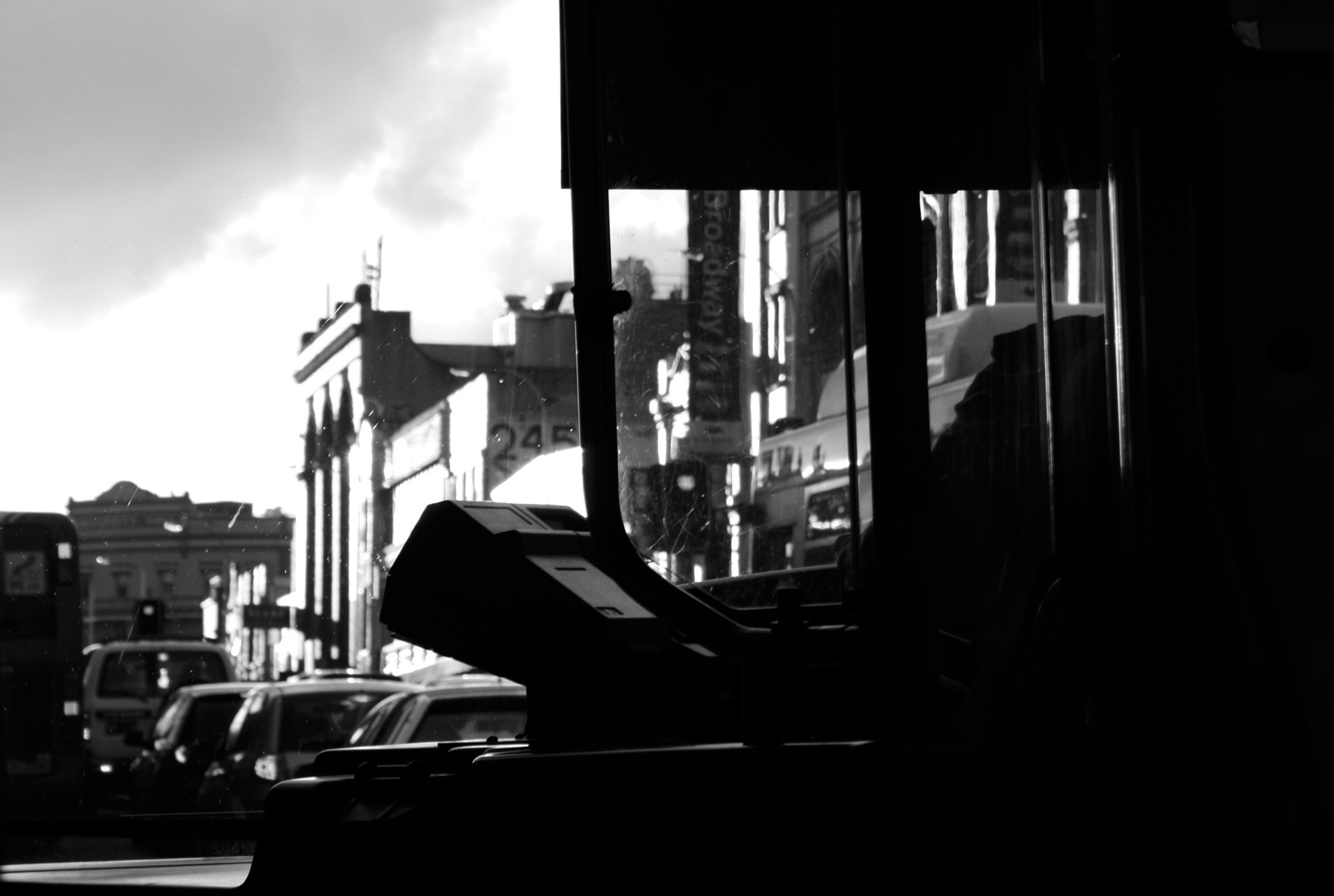
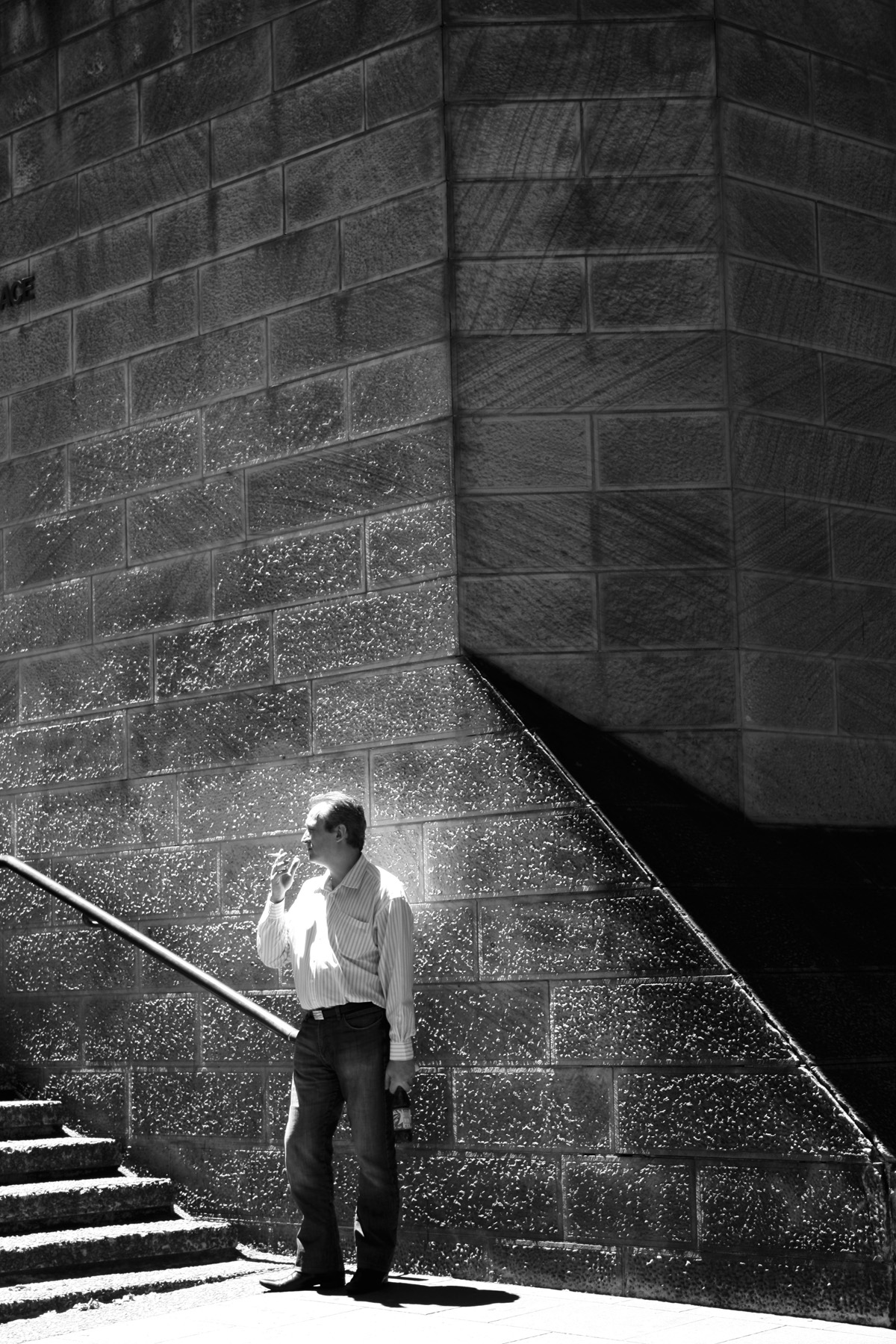
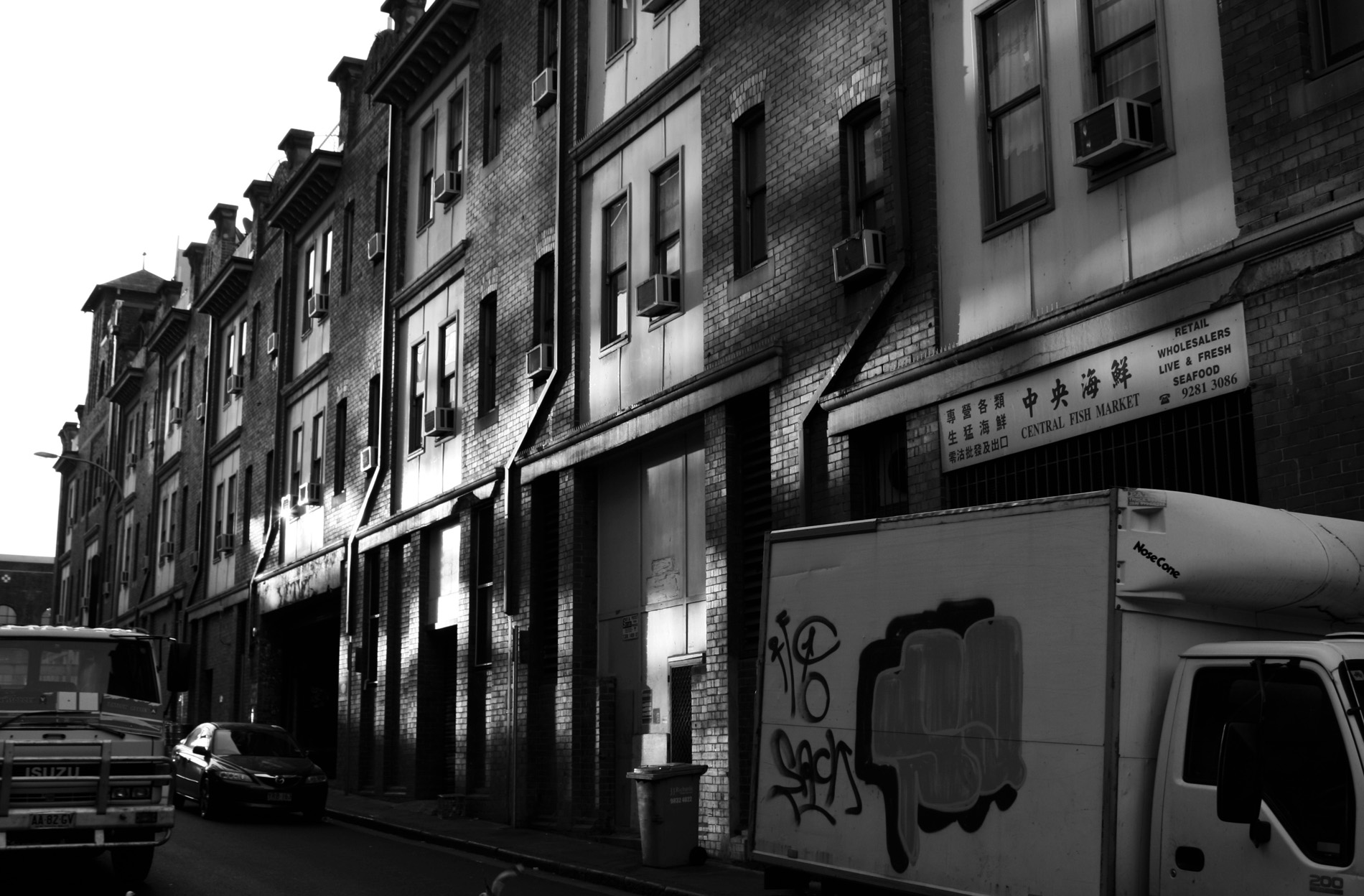
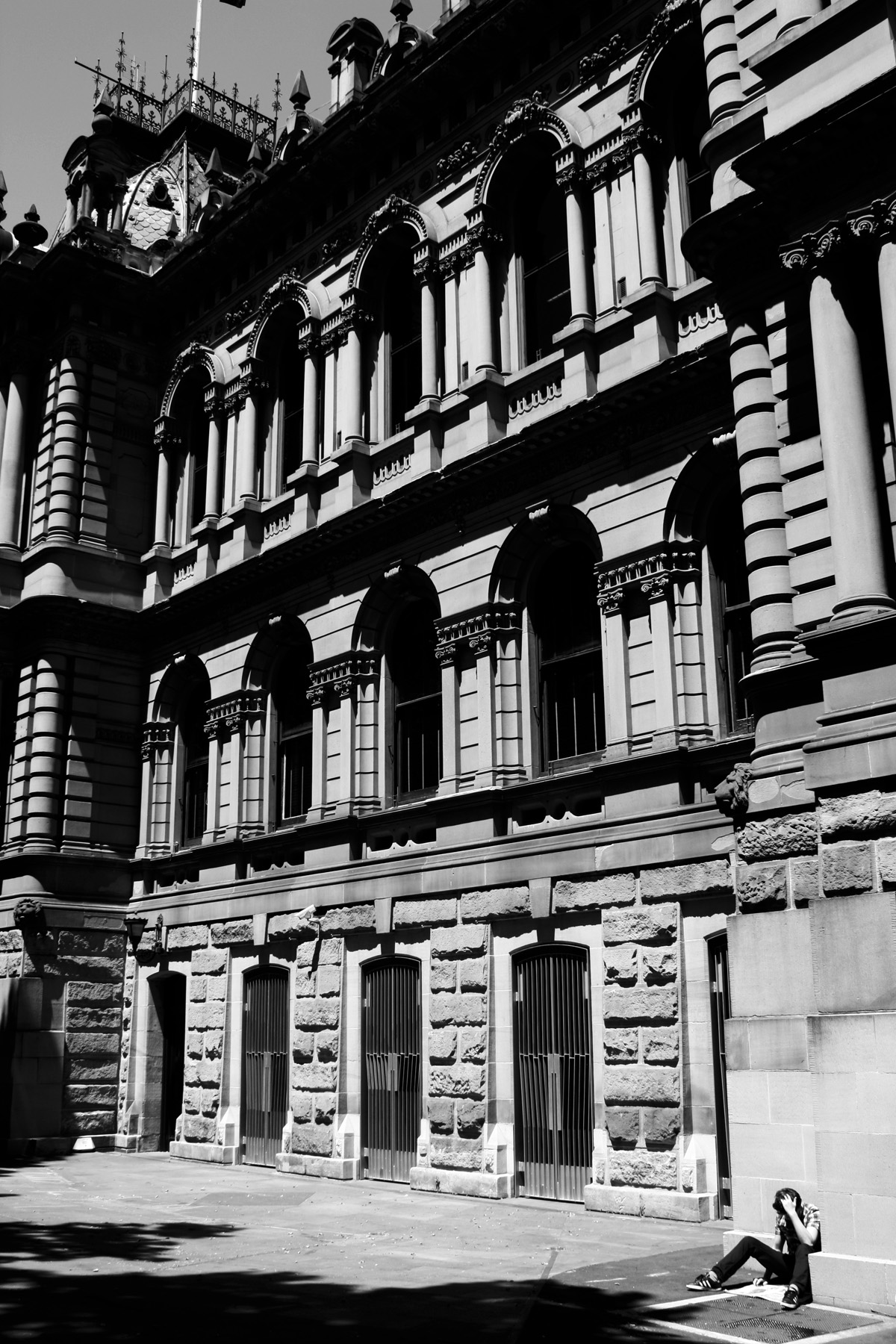
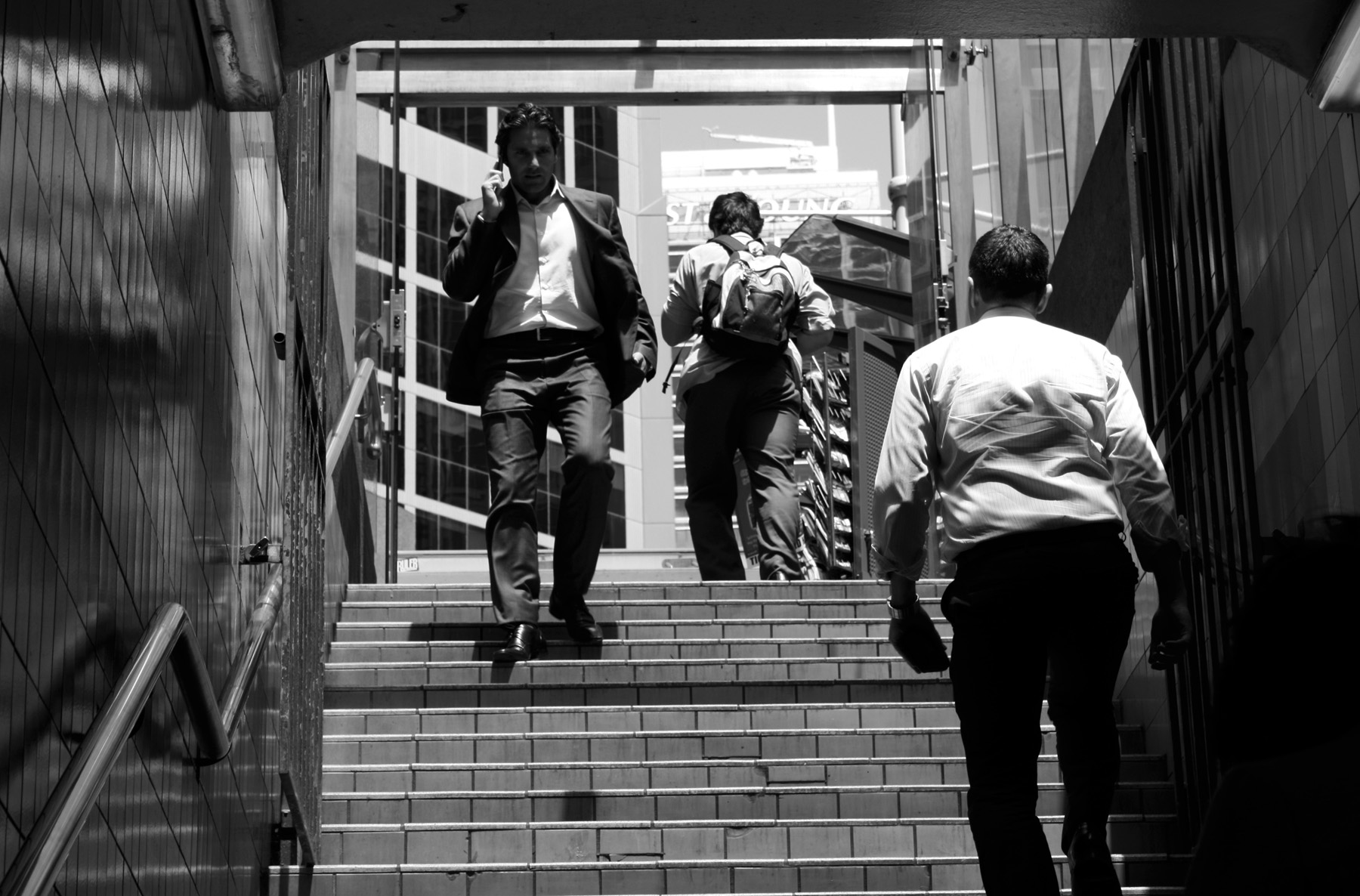
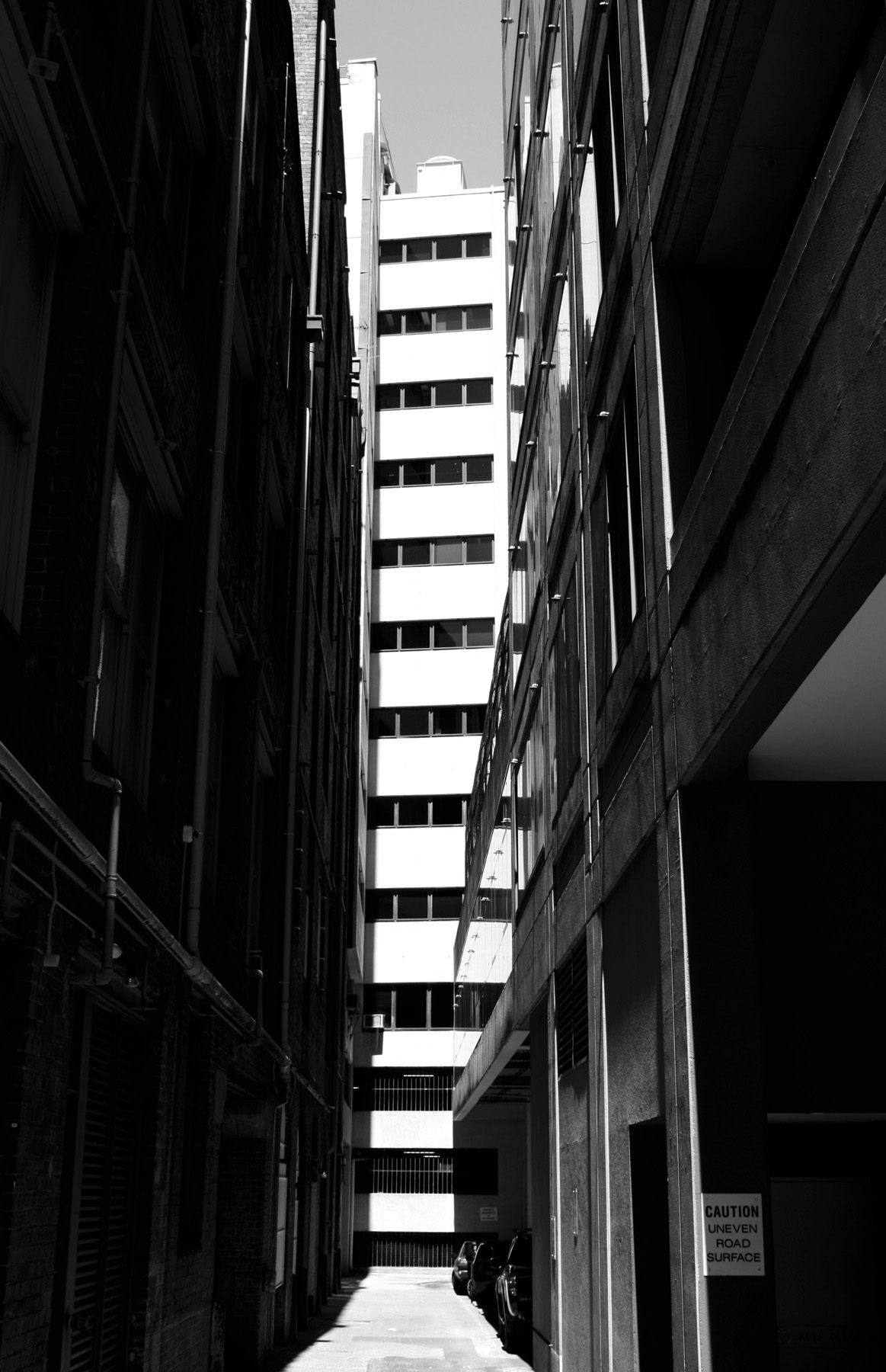
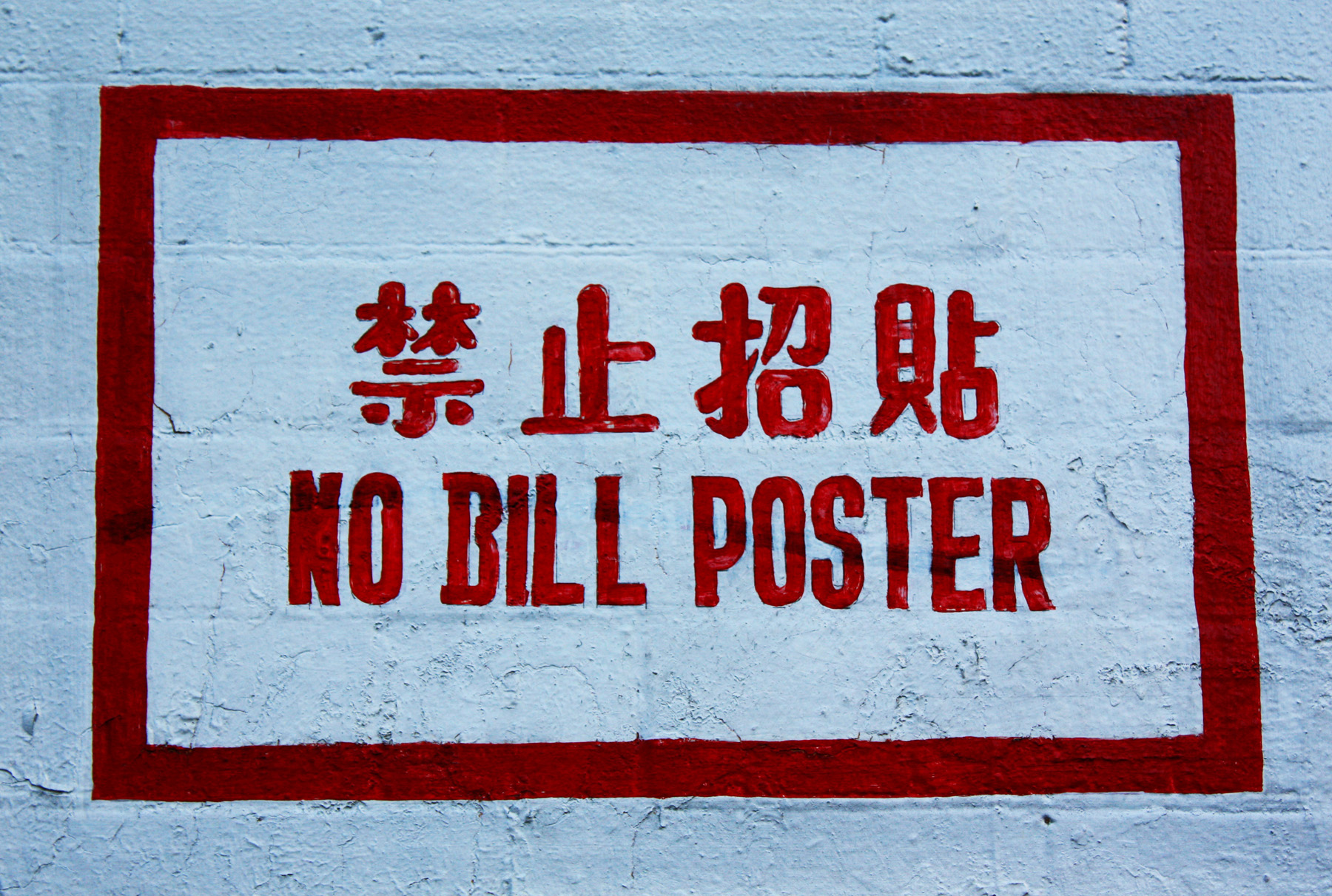
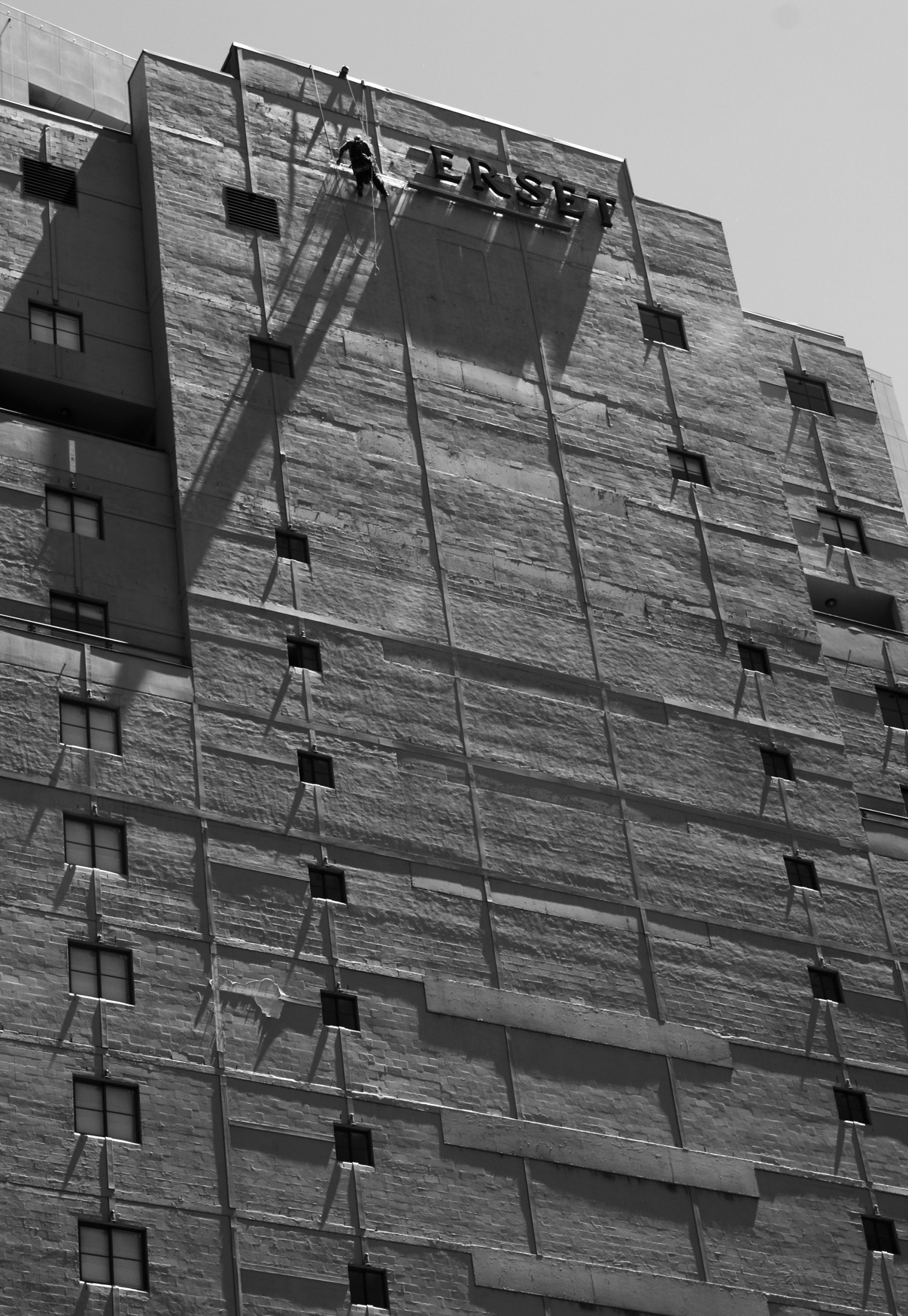
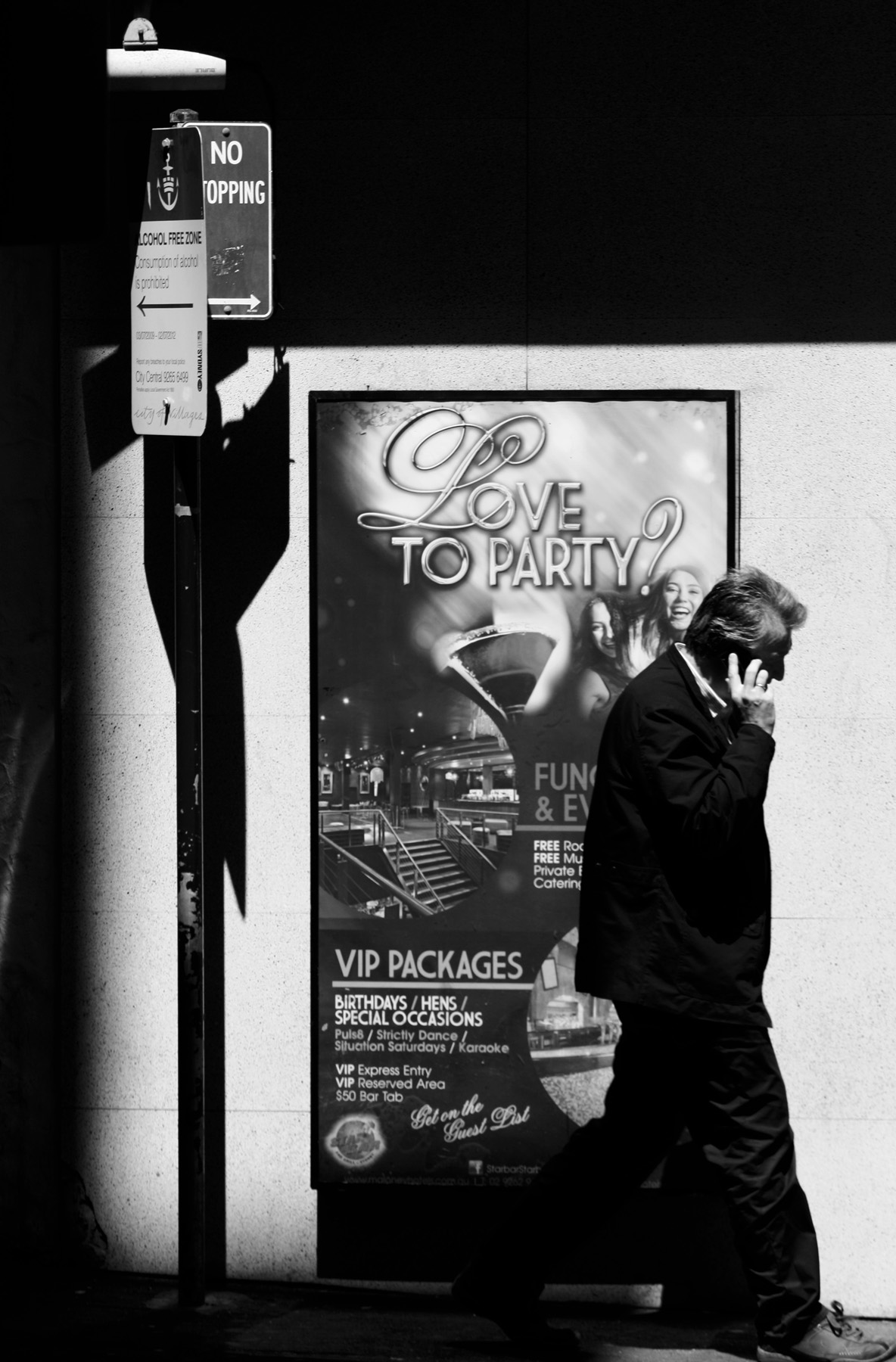
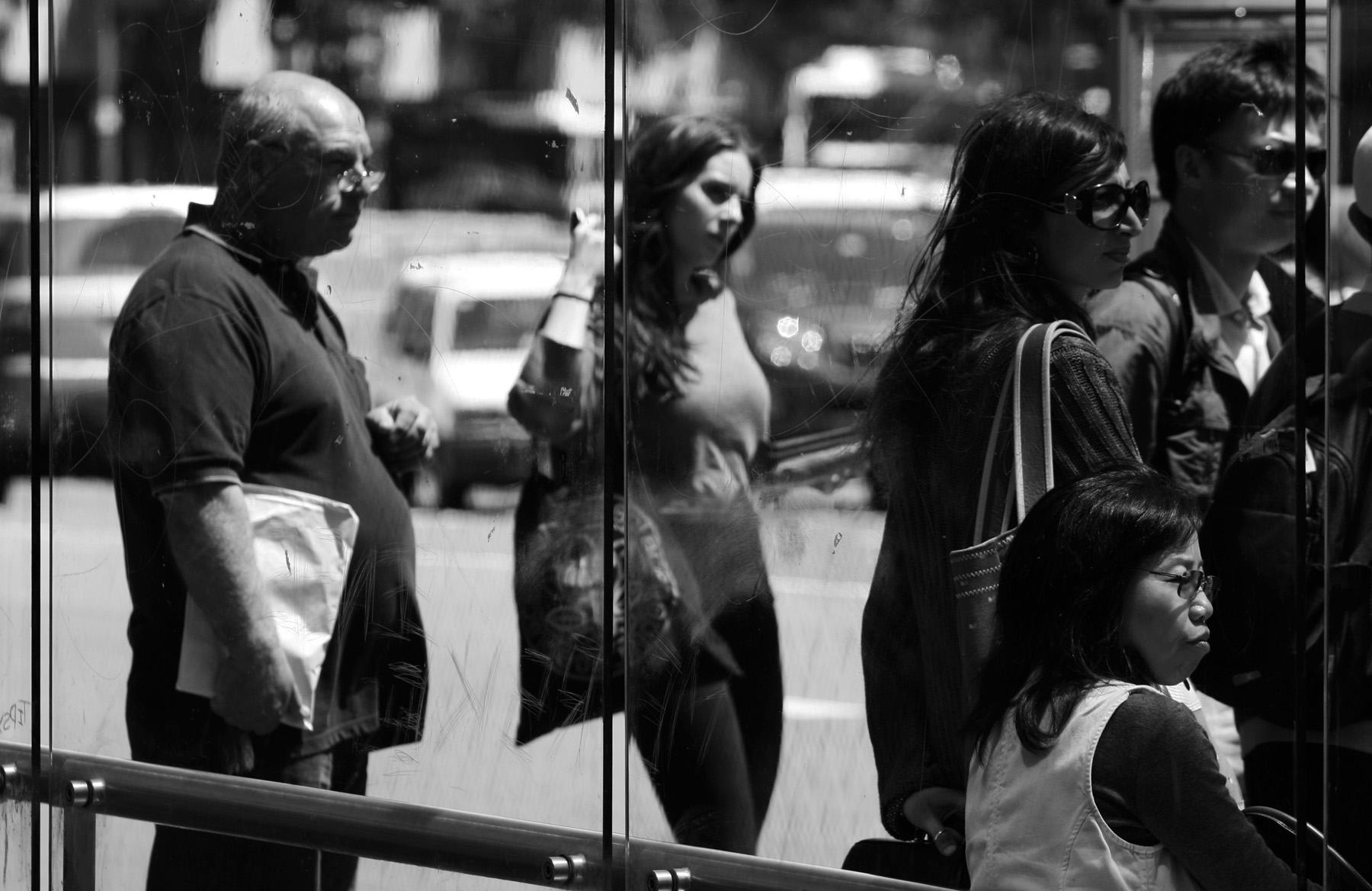
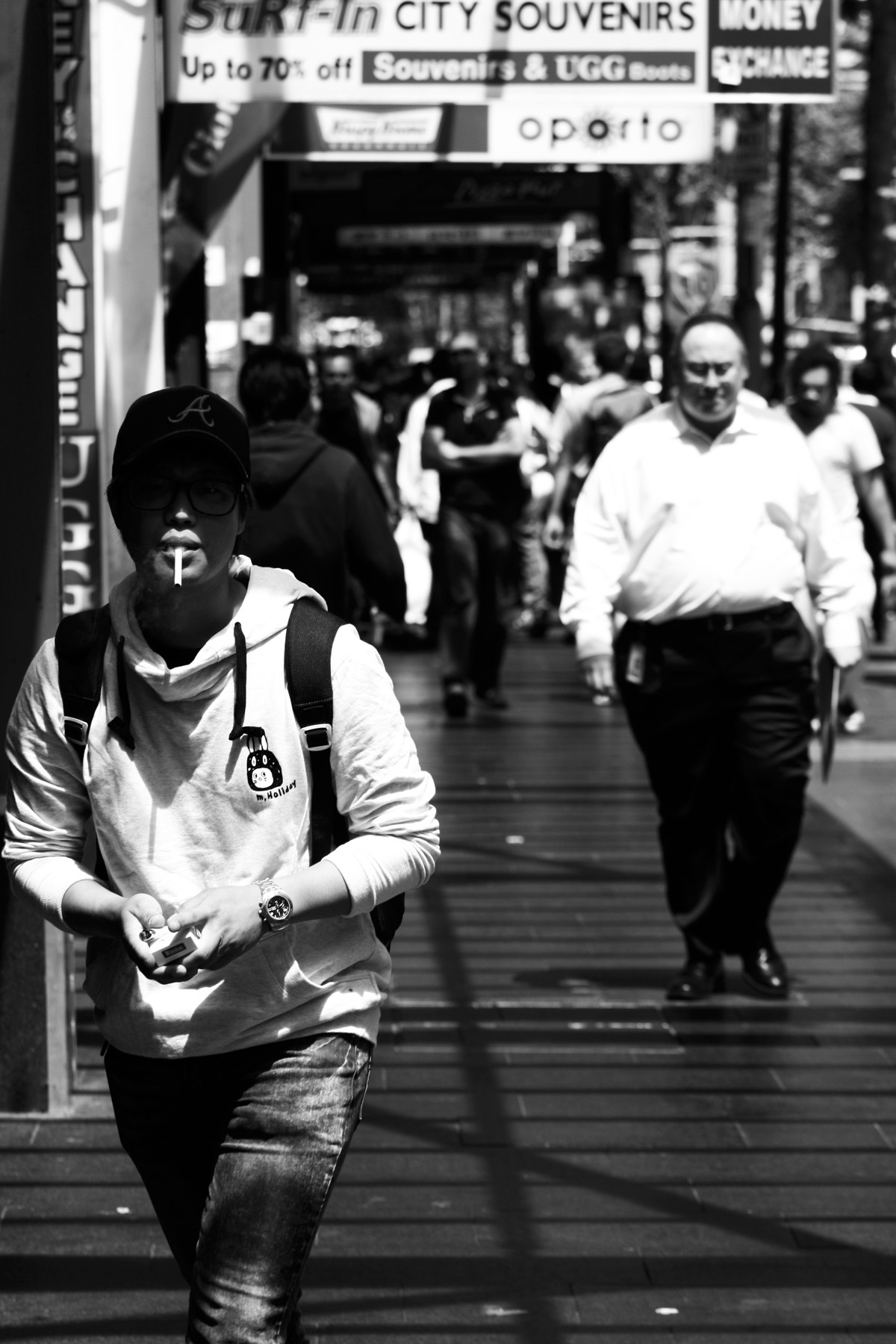
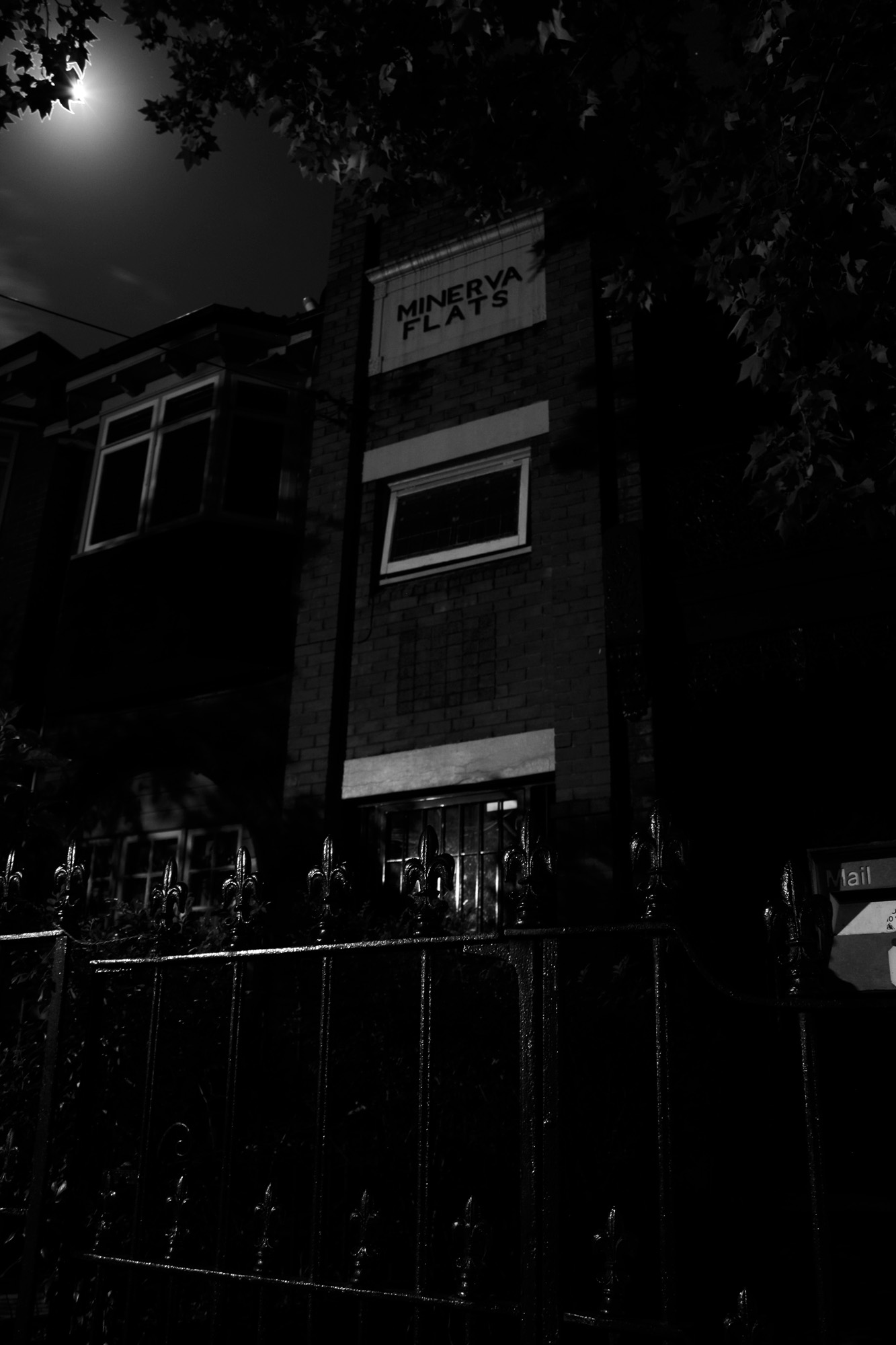
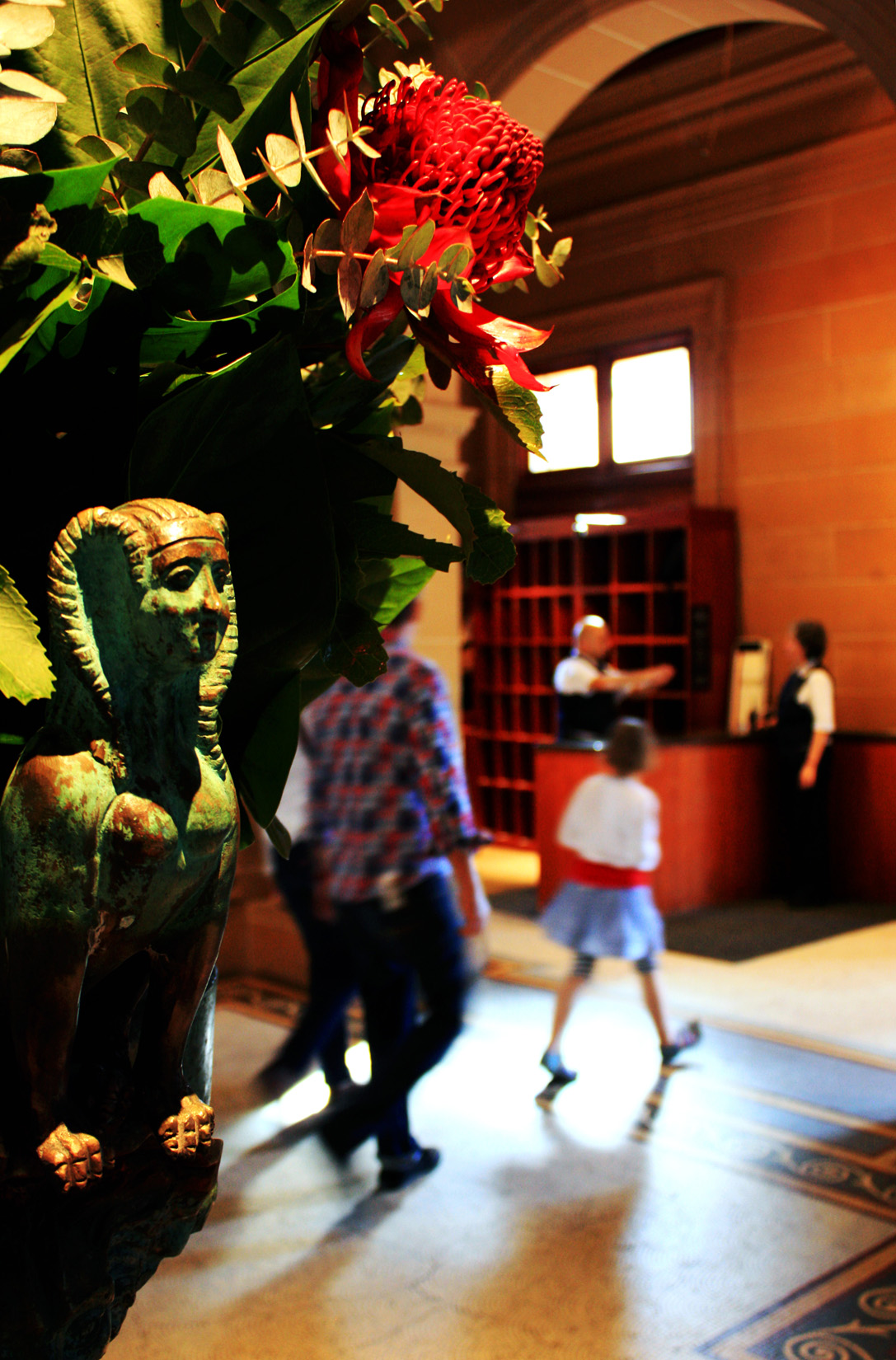
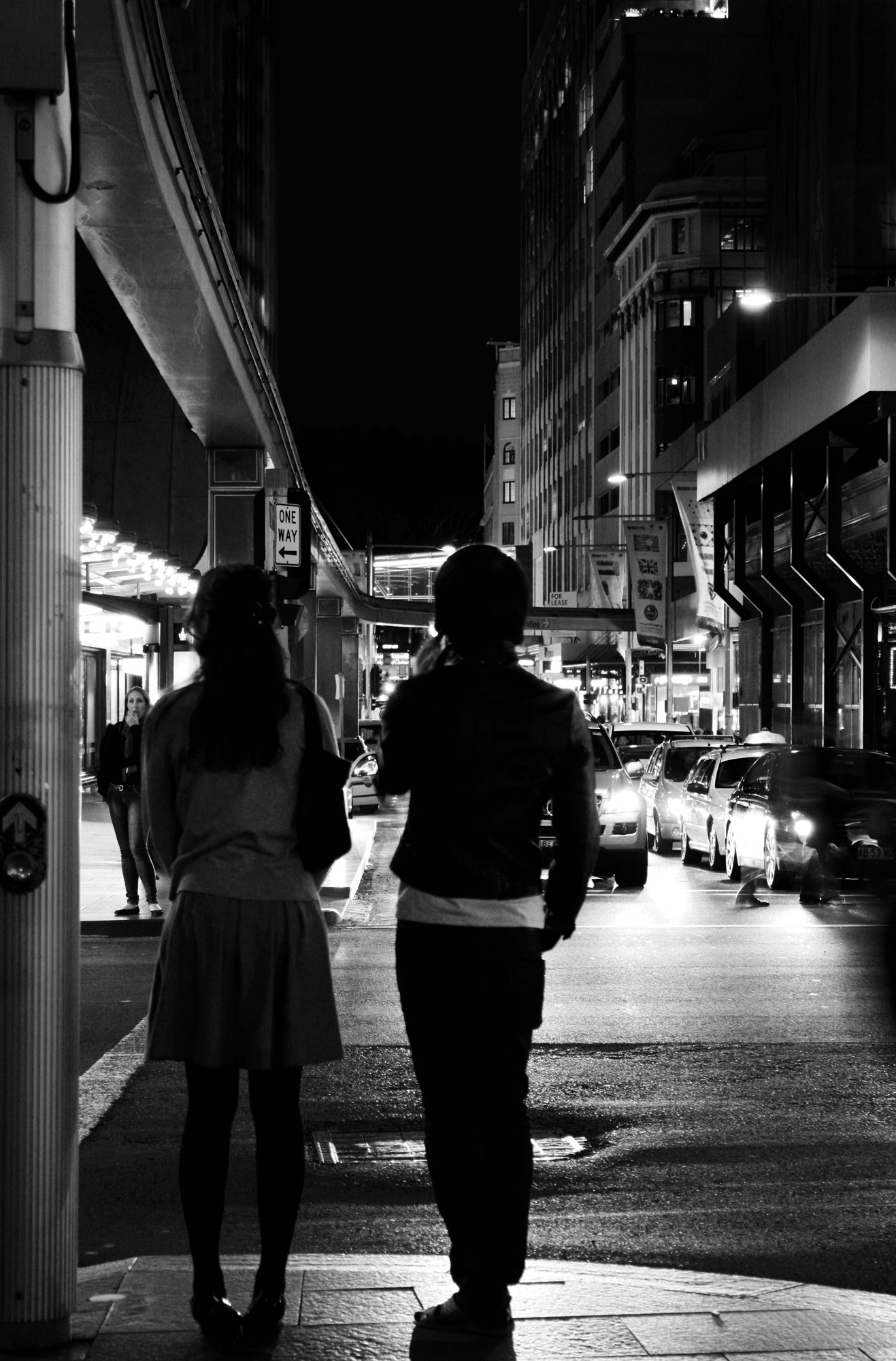
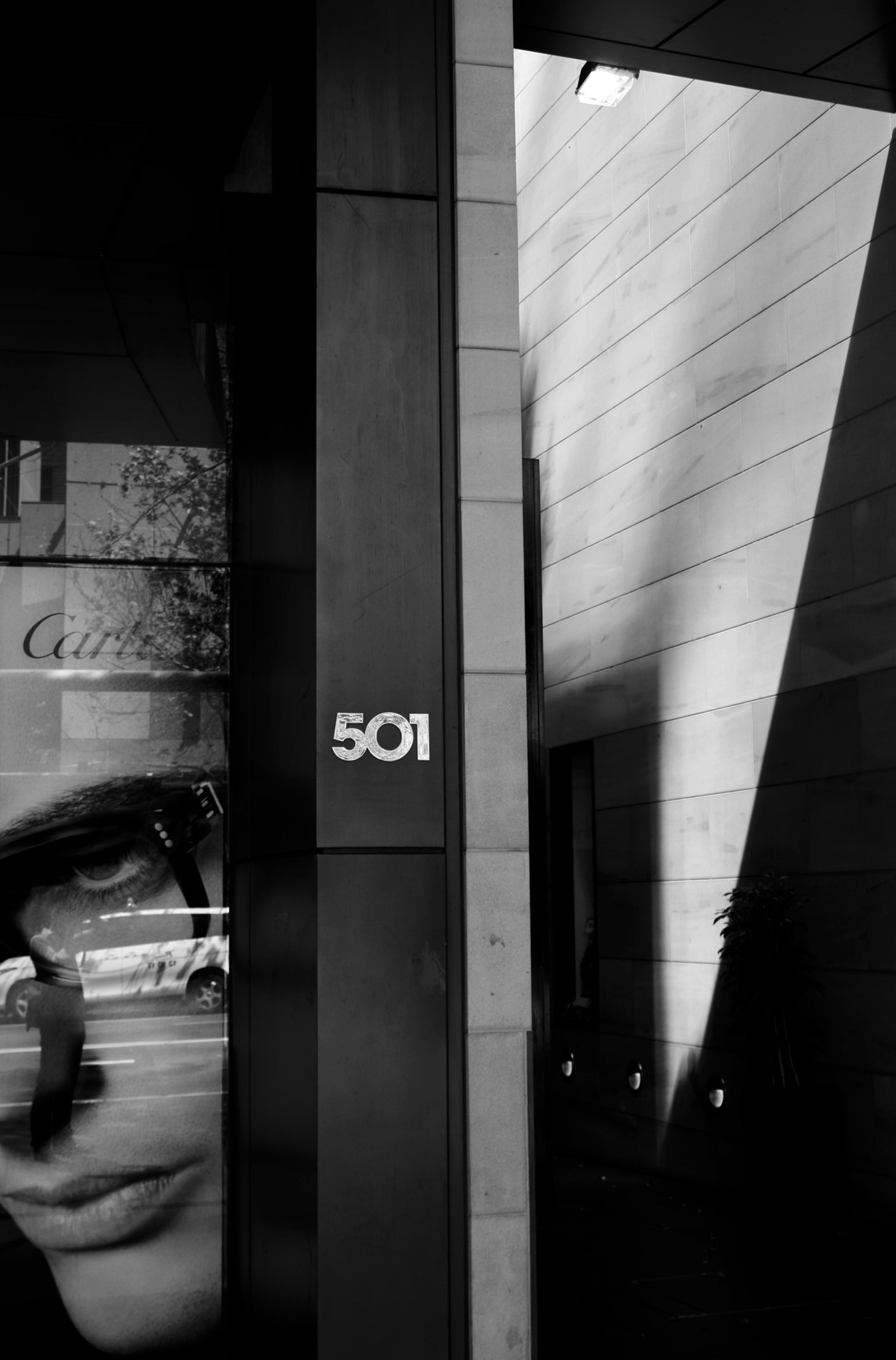
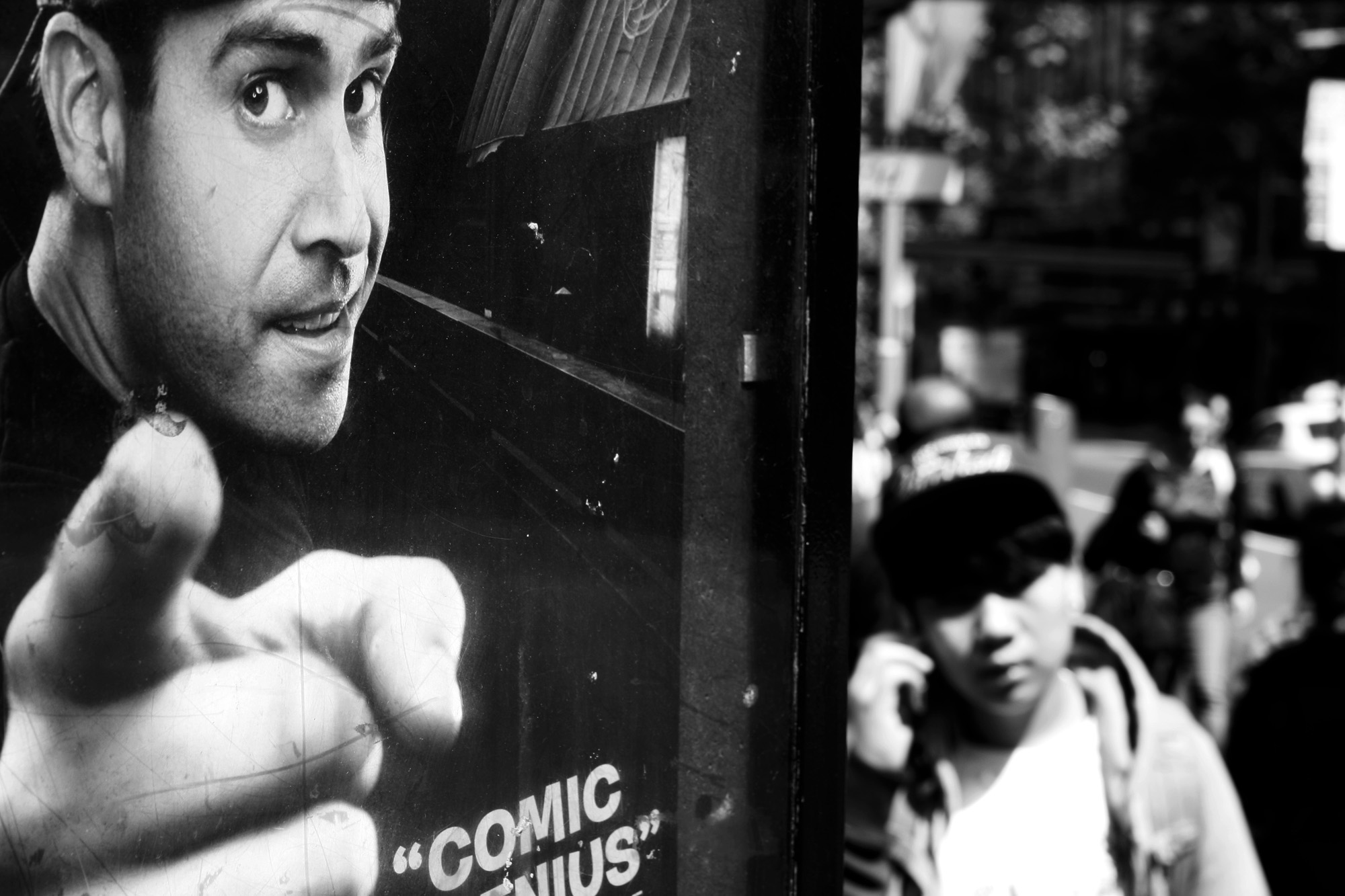
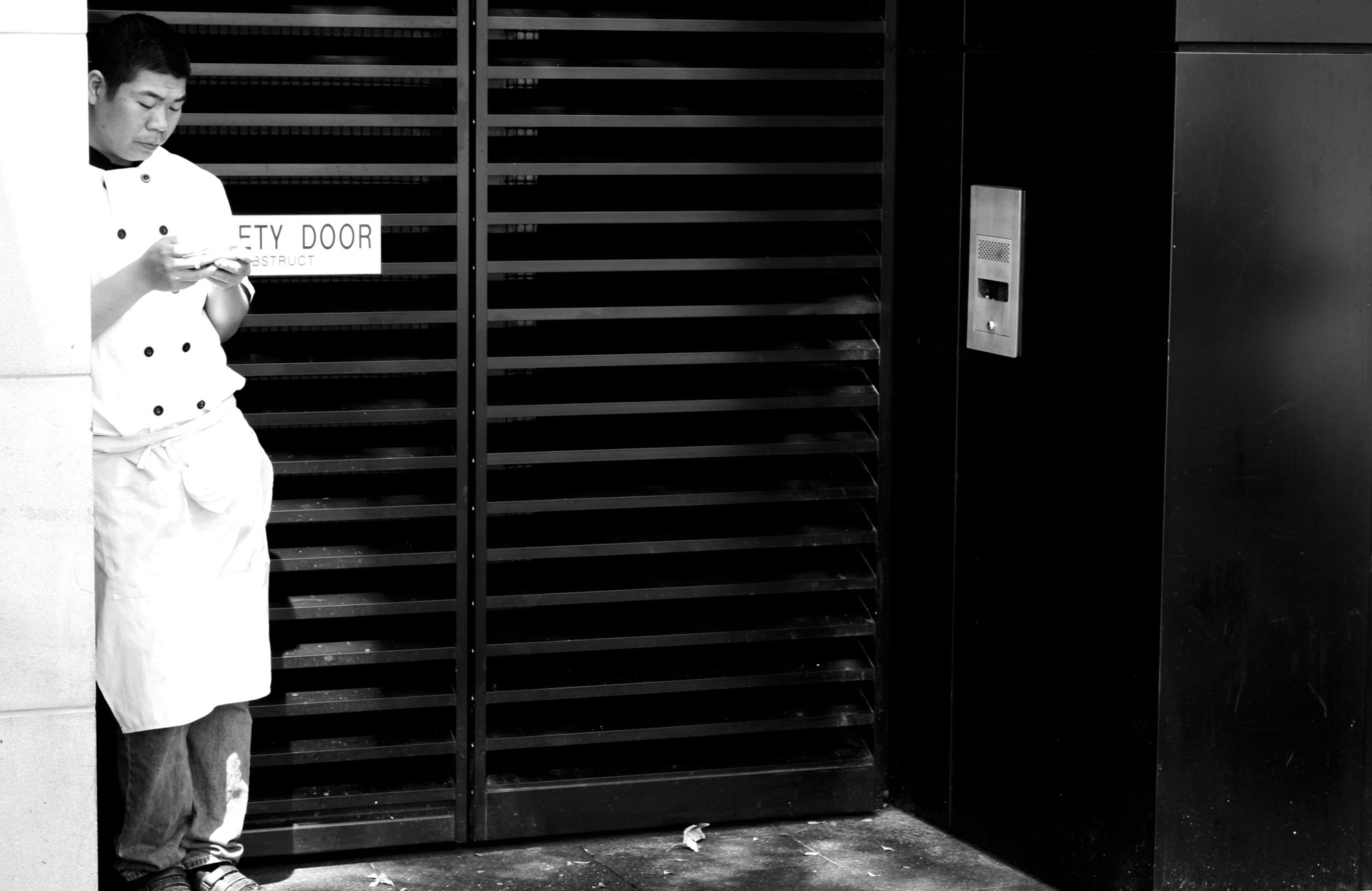
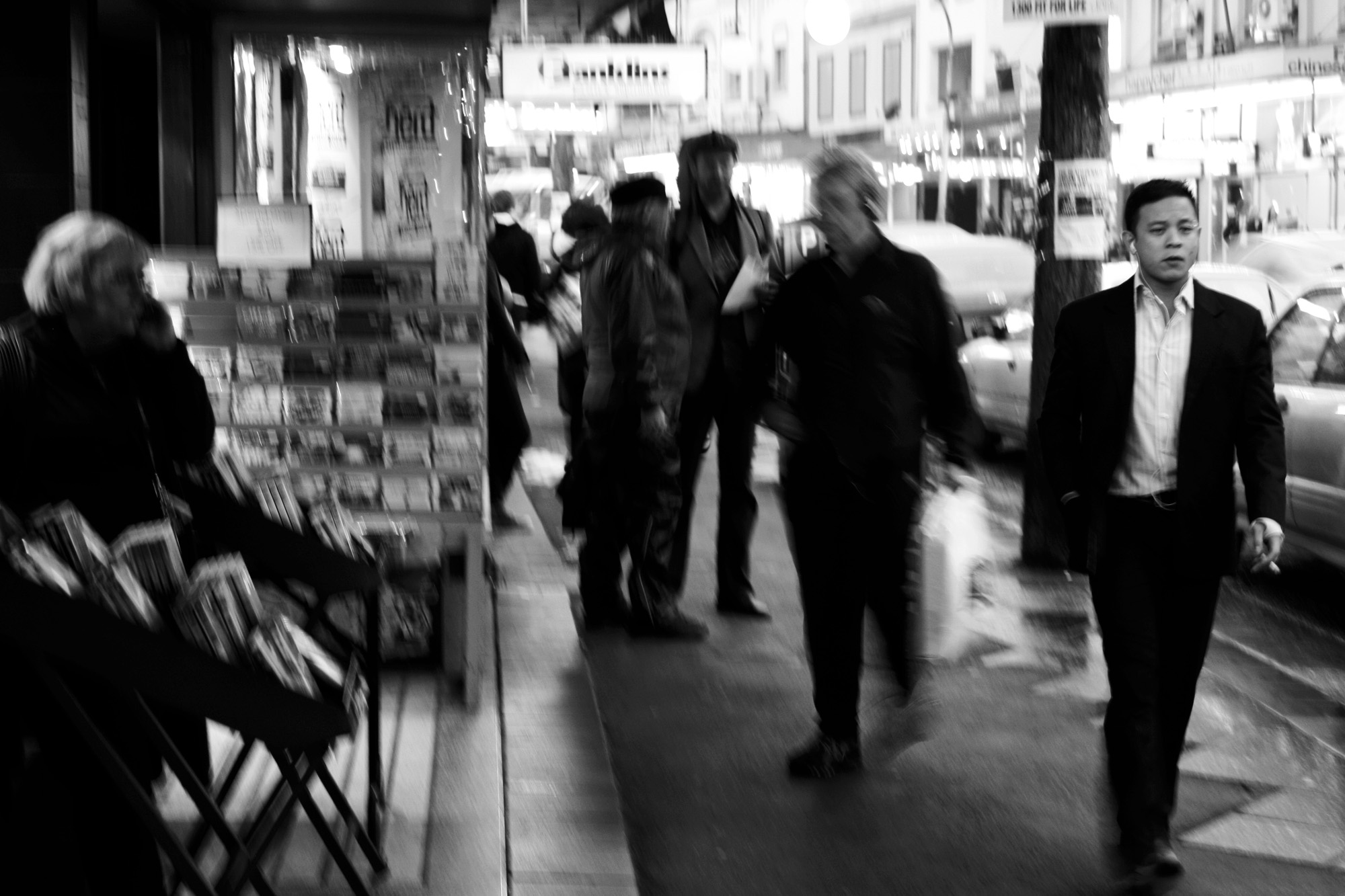
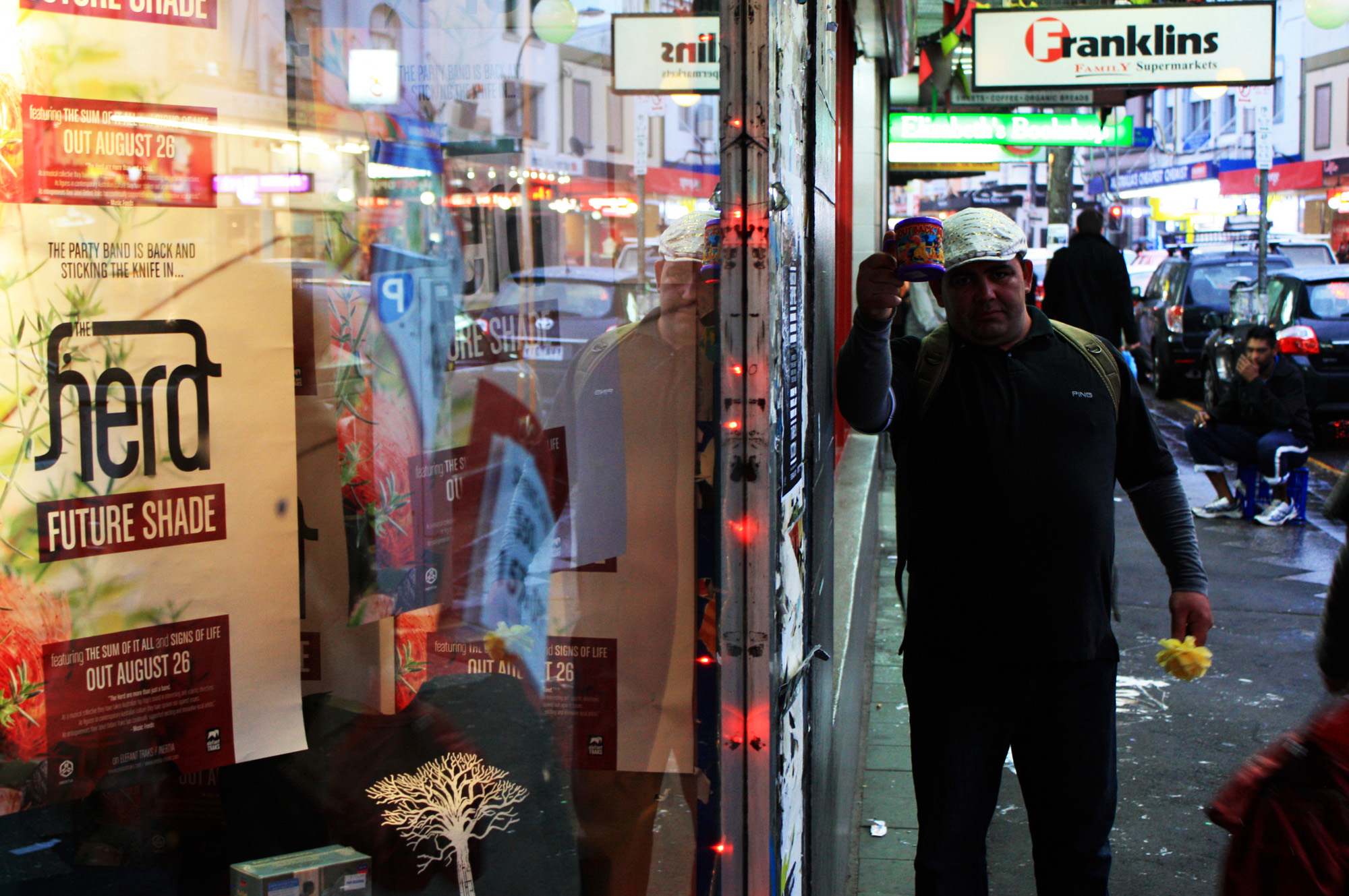
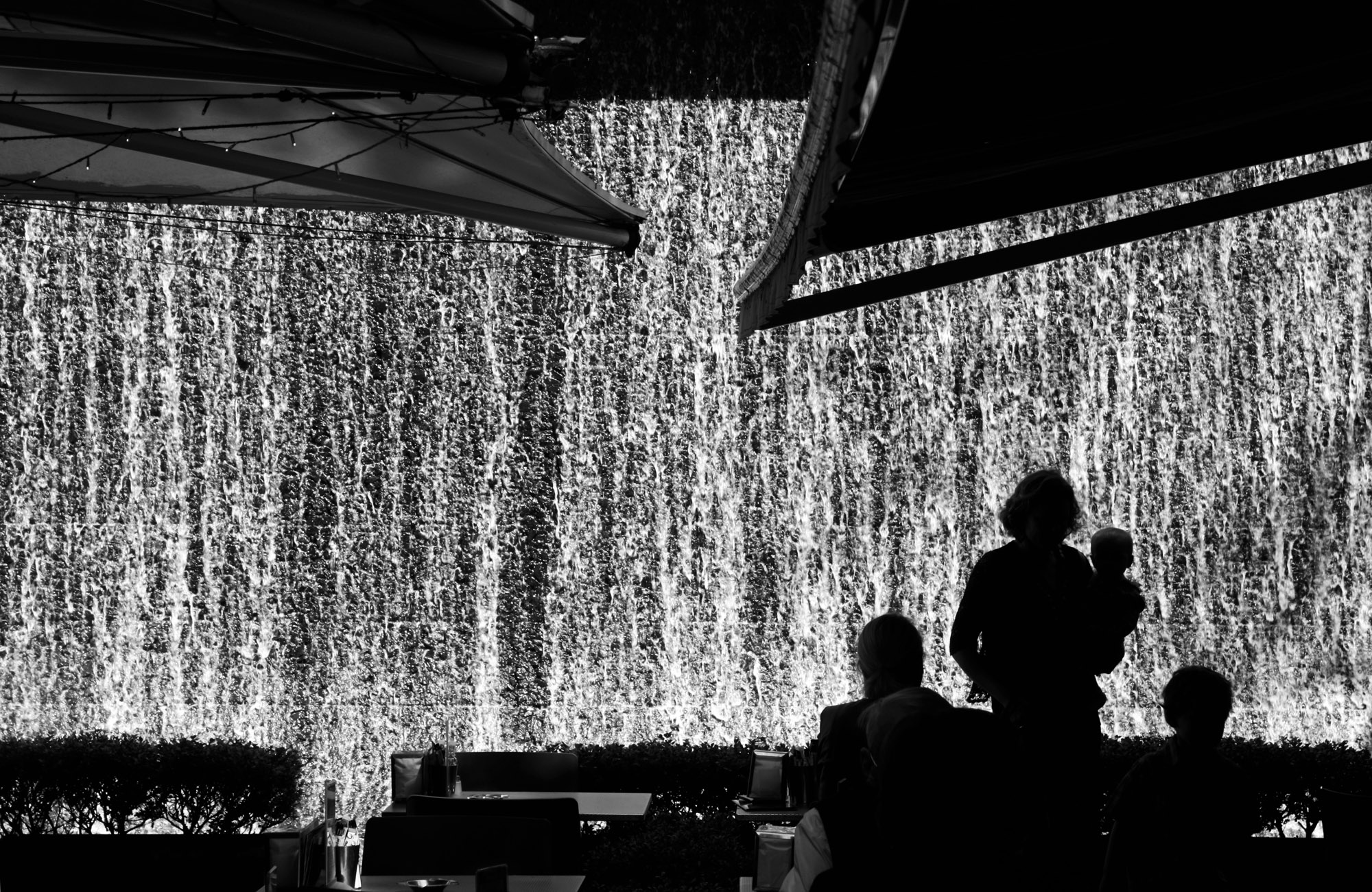
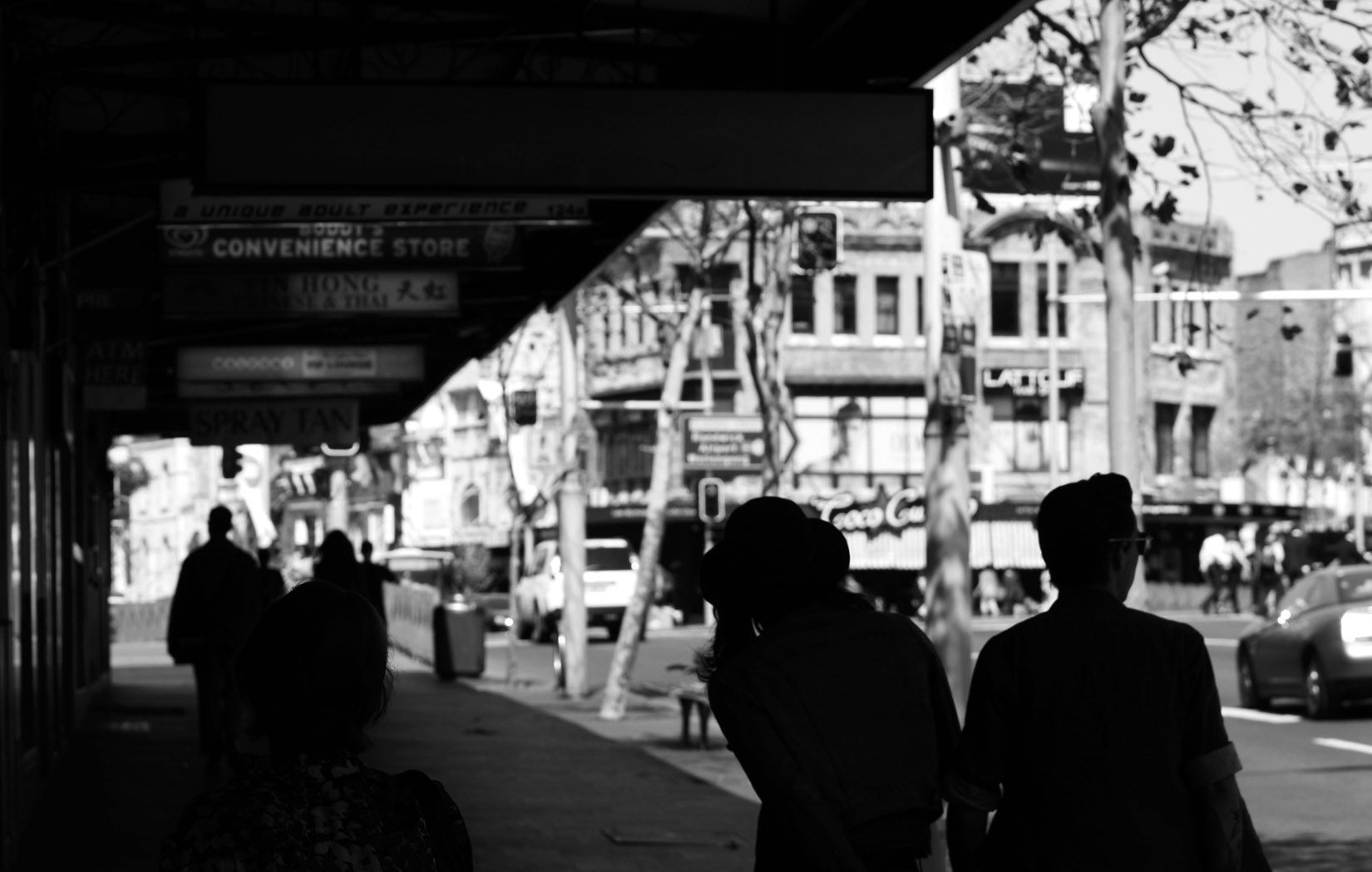
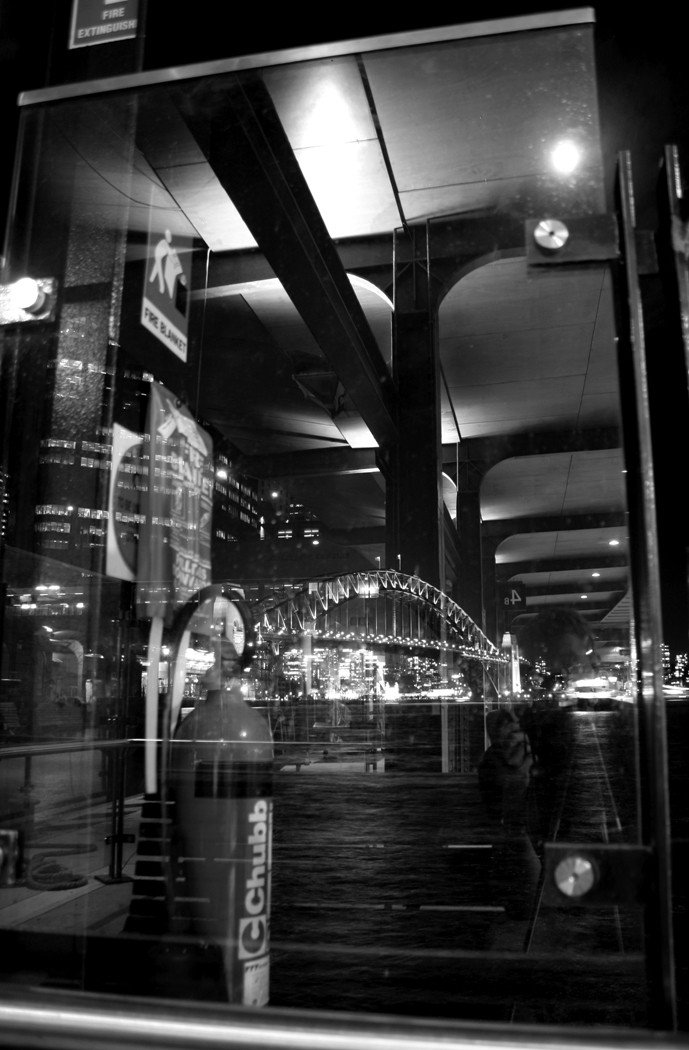
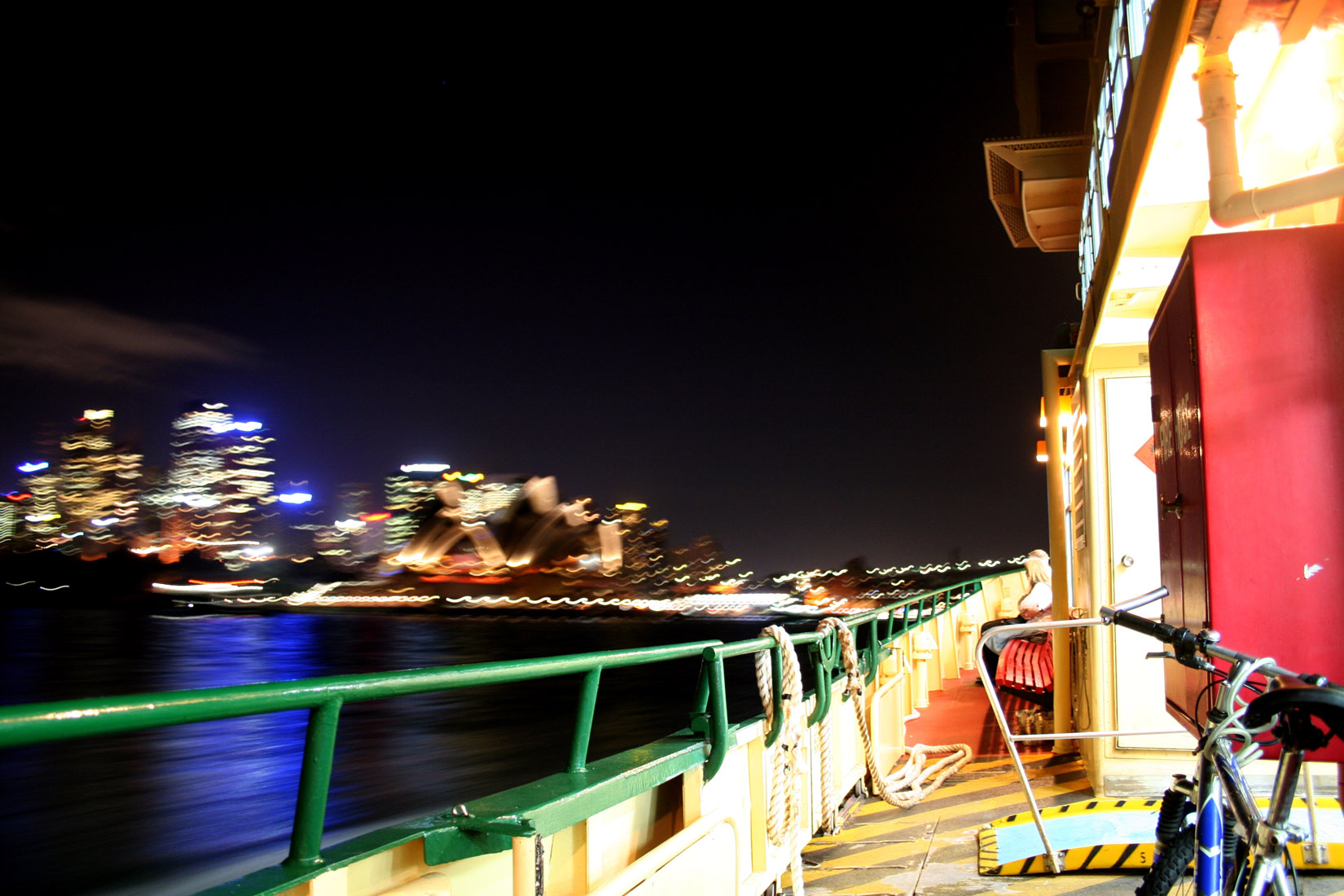
Having been working in the city for the last three and a half years, first on Castlereagh Street and, since last October, George Street, I’ve developed something of a love-hate relationship with the place. It is, in its own way, rather ugly at times; crowded, noisy, busy and dotted with blackened gum. Along Pitt Street, the monorail sits like stitches on a sore, old wound; its pylons covered with grime and the ill-fitting papier maché of advertisements. In other places, the smog-darkened concrete, the dusty marble cladding, the spattered glass of the many tired, generic buildings, looms above the pavement. There are places where the skyline is boxy and dull, where contrasting architectural ambitions sit like class warfare writ large. There are places where aesthetics have not had a look in; where the roller-doors and security grills guard the crooked shopfronts that wear their clashing colours like bad fashion.

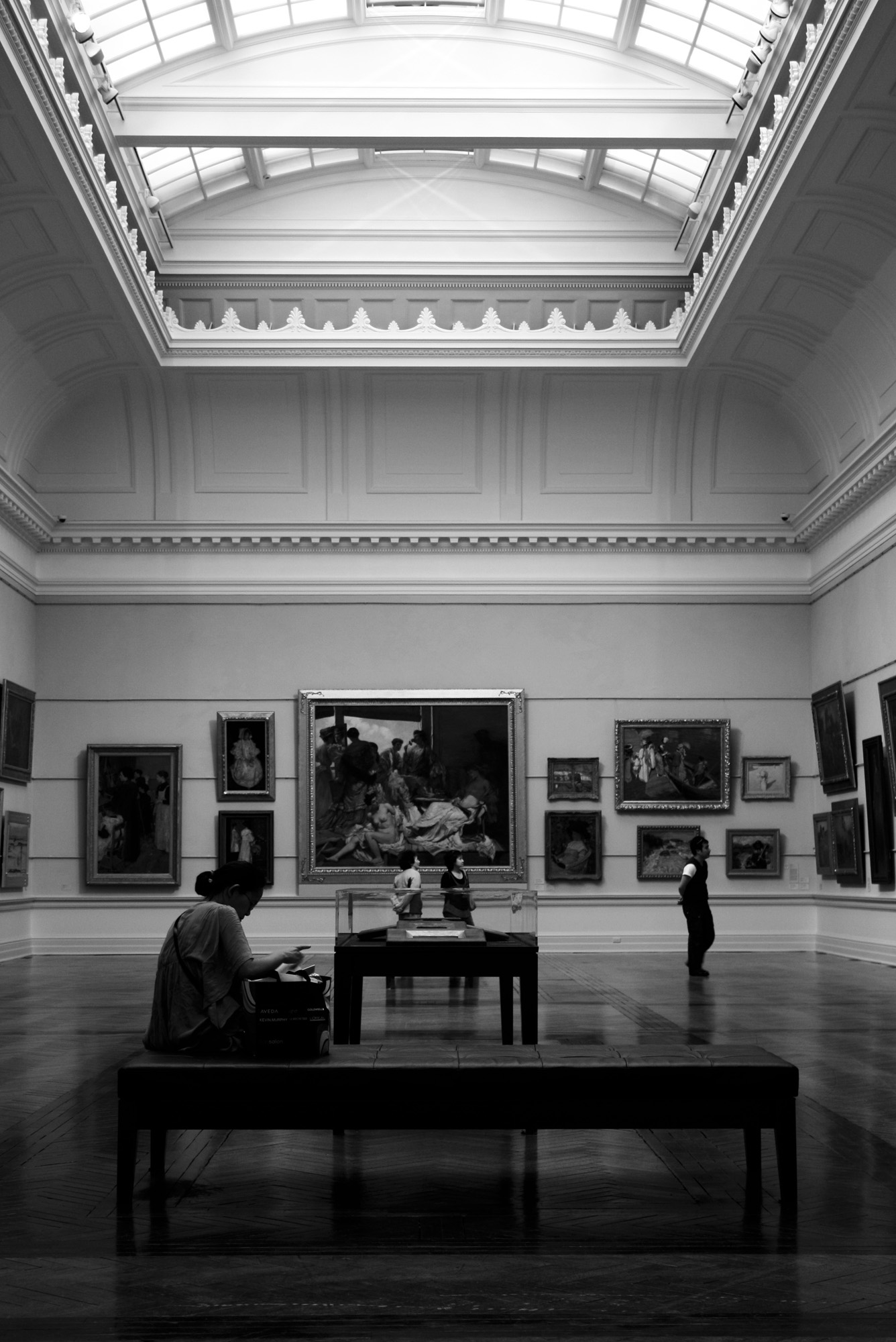
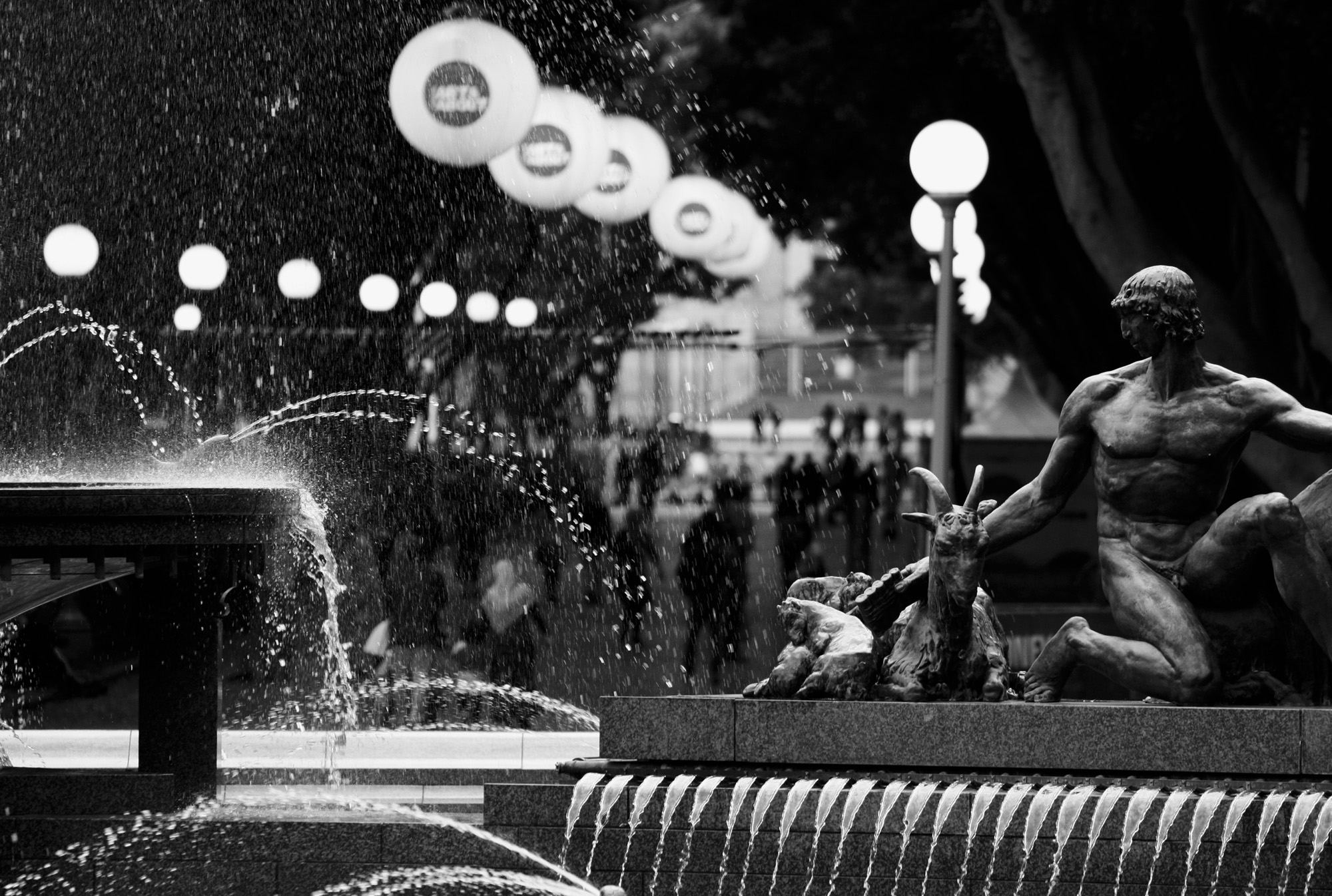
Yet there are also places where aesthetics have won out. Viewed from the Botanic Gardens, the skyline is certainly something to behold. Tall and impressively weightless, the more thoughtful and picturesque designs of architects like Renzo Piano give the city a distinctly timeless modernity. The clean sheen of the newly renovated Pitt Street Mall is a congenial oasis amidst the traffic-huddled streets. The open view of St Mary’s across Hyde Park is genuinely grandiose; the trees and fountains of this expanse, the pool of reflection, the long avenues under the canopy, all offer respite. The Art Gallery, the Gardens and Domain are arguably outside the CBD, yet so close as to have a very intrinsic relationship with it and give direct refuge from it.

Inside, behind the facades, beneath the pavements, countless holes in the wall offer a range of snacks and diversions. In these places in particular, the Asian-ification of Sydney moves apace. From Town Hall down to Railway Square, and even beyond, from Elizabeth Street down to Sussex Street, the dominance of Asian shops and business is very apparent. A whole range of new Korean and Japanese restaurants have opened in the last few years; along with ever more shops selling foreign groceries, Asian fashions, accessories and trinkets. The expansion of Chinatown might be commercially driven, yet it is also a cultural phenomenon that reflects the growth of one of the few true communities that inhabit the CDB. Personally, I see it as a great improvement. The new life downtown is not only far better than the empty wasteland of two decades ago, it has made the slummy end of the city centre truly exotic.

There is also a powerfully vibrant energy to the city. The old, carpeted pubs that hang on the corners from Park Street down to Central; the Windsor, the Criterion, the Coronation, the Edinburgh Castle, The Sir John Young, The Century Tavern, Stratton’s Hotel, all these places fill in the late afternoons and spill their noise and patrons onto the streets. It all seems, at times, rather cheap and tawdry; very lowest common denominator, tasteless and with little attention to detail, yet the pubs, the take-aways, the convenience stores, the internet dens, the gaming parlours, the multiplex, the discount fashion shops, the bubble tea and Ramen joints, the hairdressers and dry-cleaners, all give this end of town an exciting buzz.

The city does indeed make an interesting subject, and every day, when I get off the bus at Town Hall, it feels like being right in the middle of the mayhem. The buskers, homeless people, charity fundraisers, shoppers, students, suits, service staff, all mill about, busily doing either something or nothing. It’s oddly thrilling, if rather disappointingly unattractive. Still, such is life!

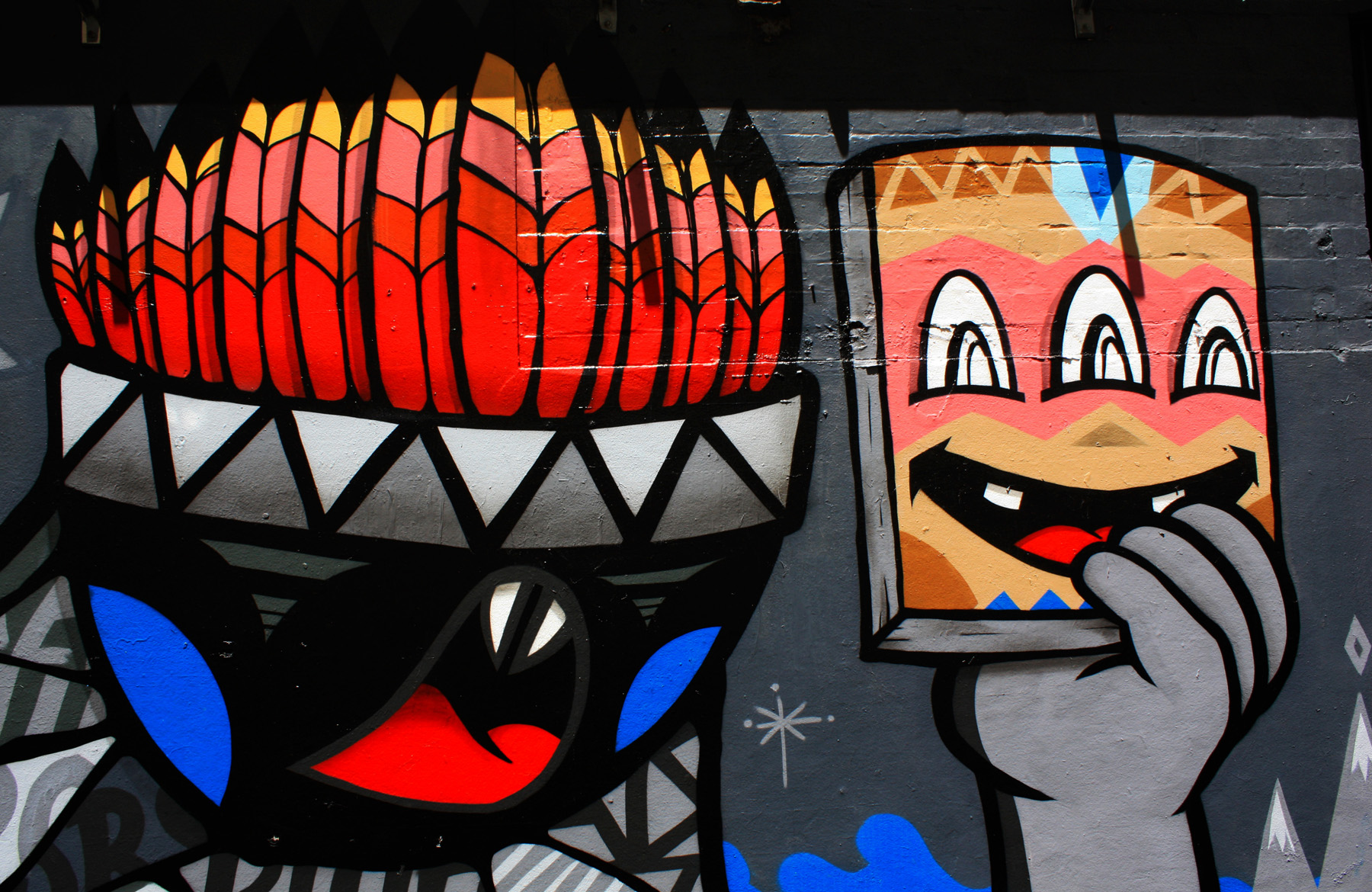
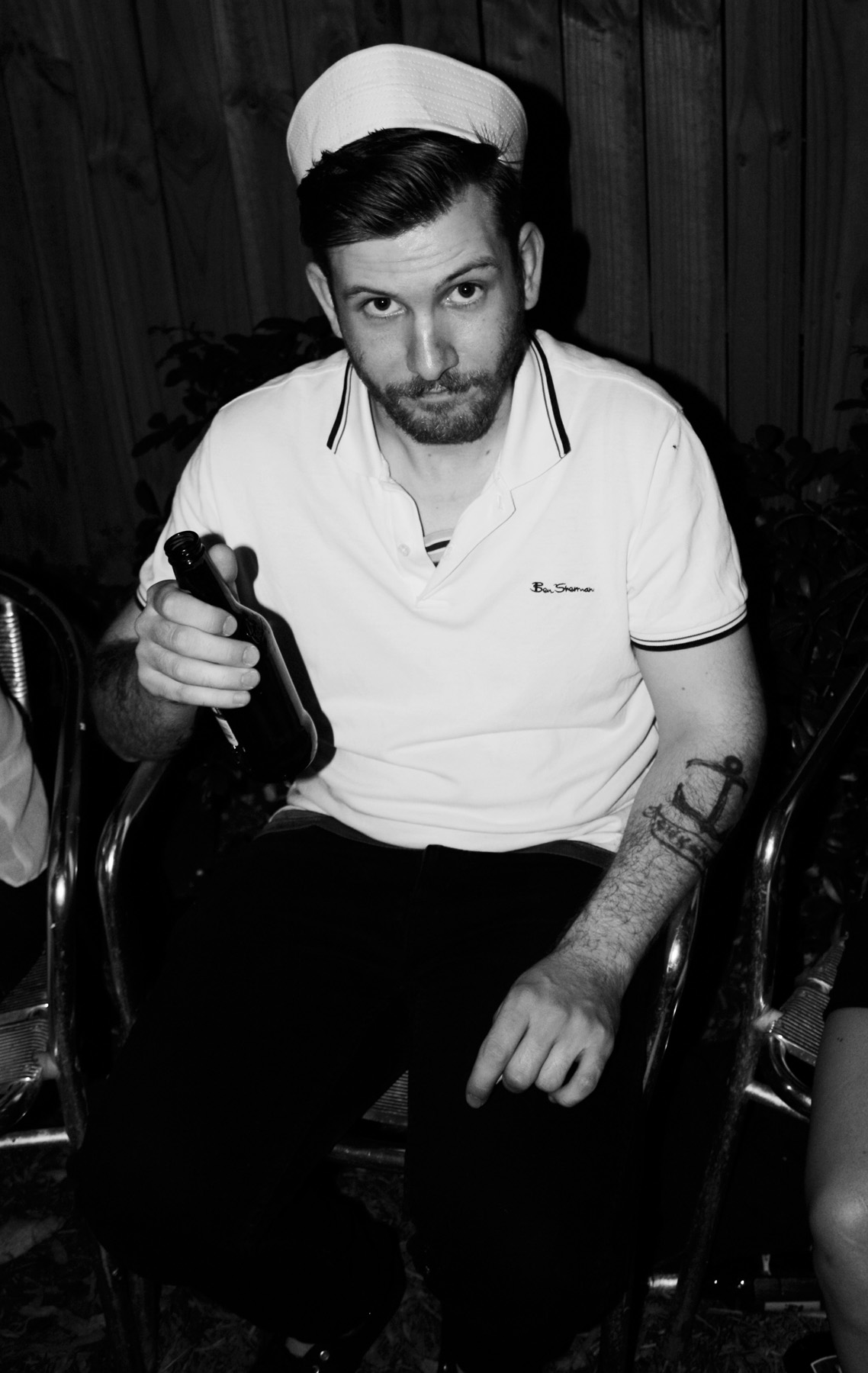
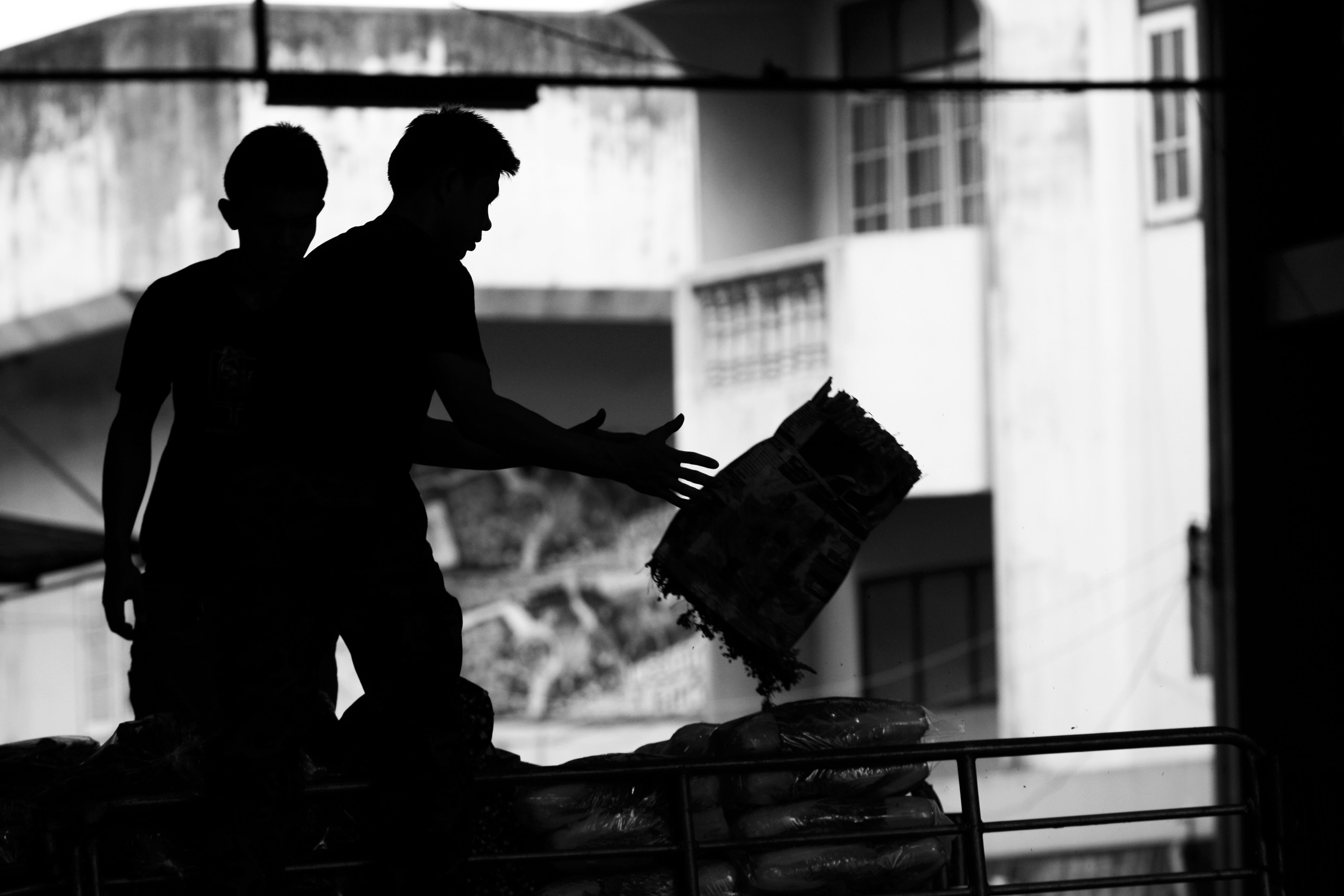
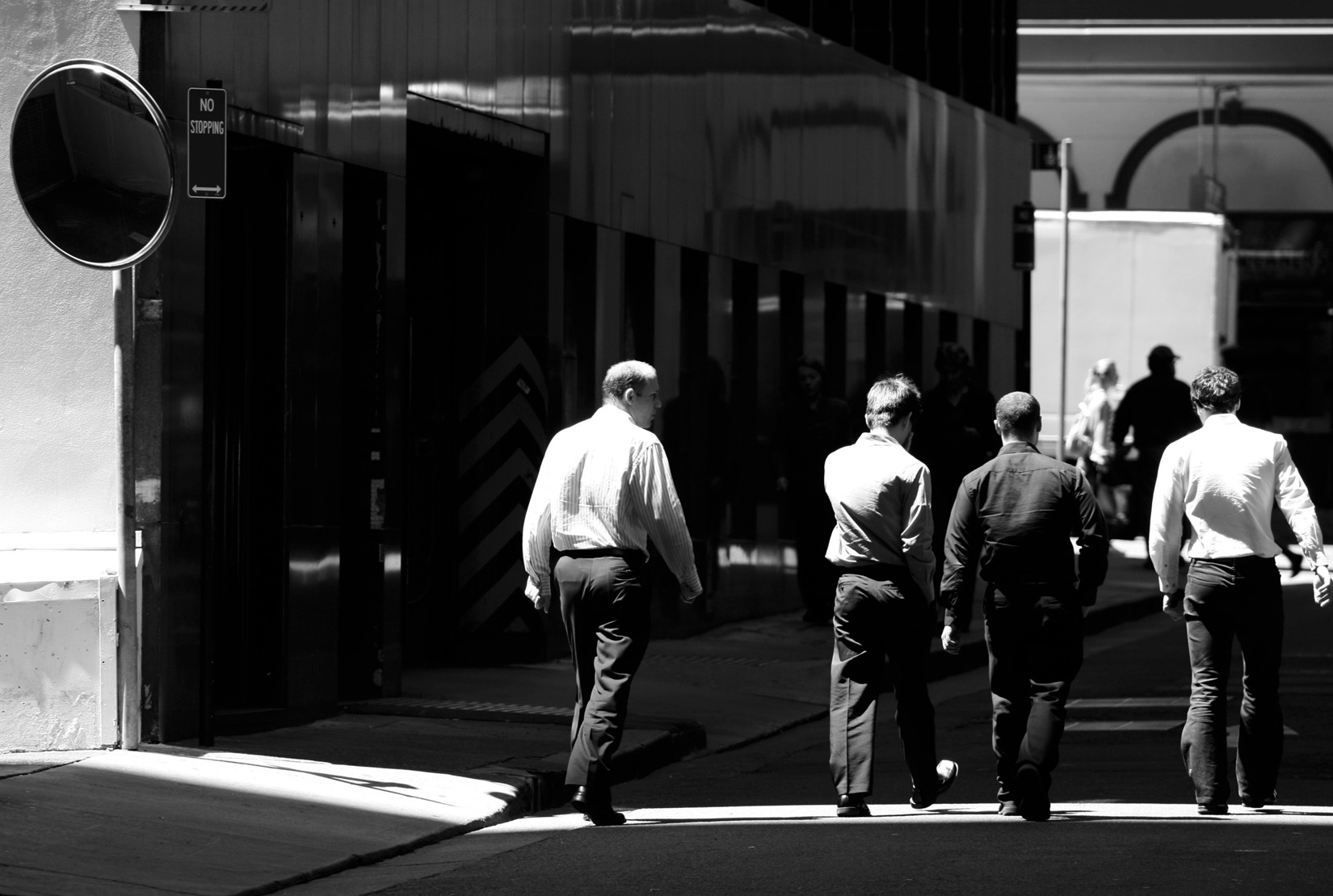
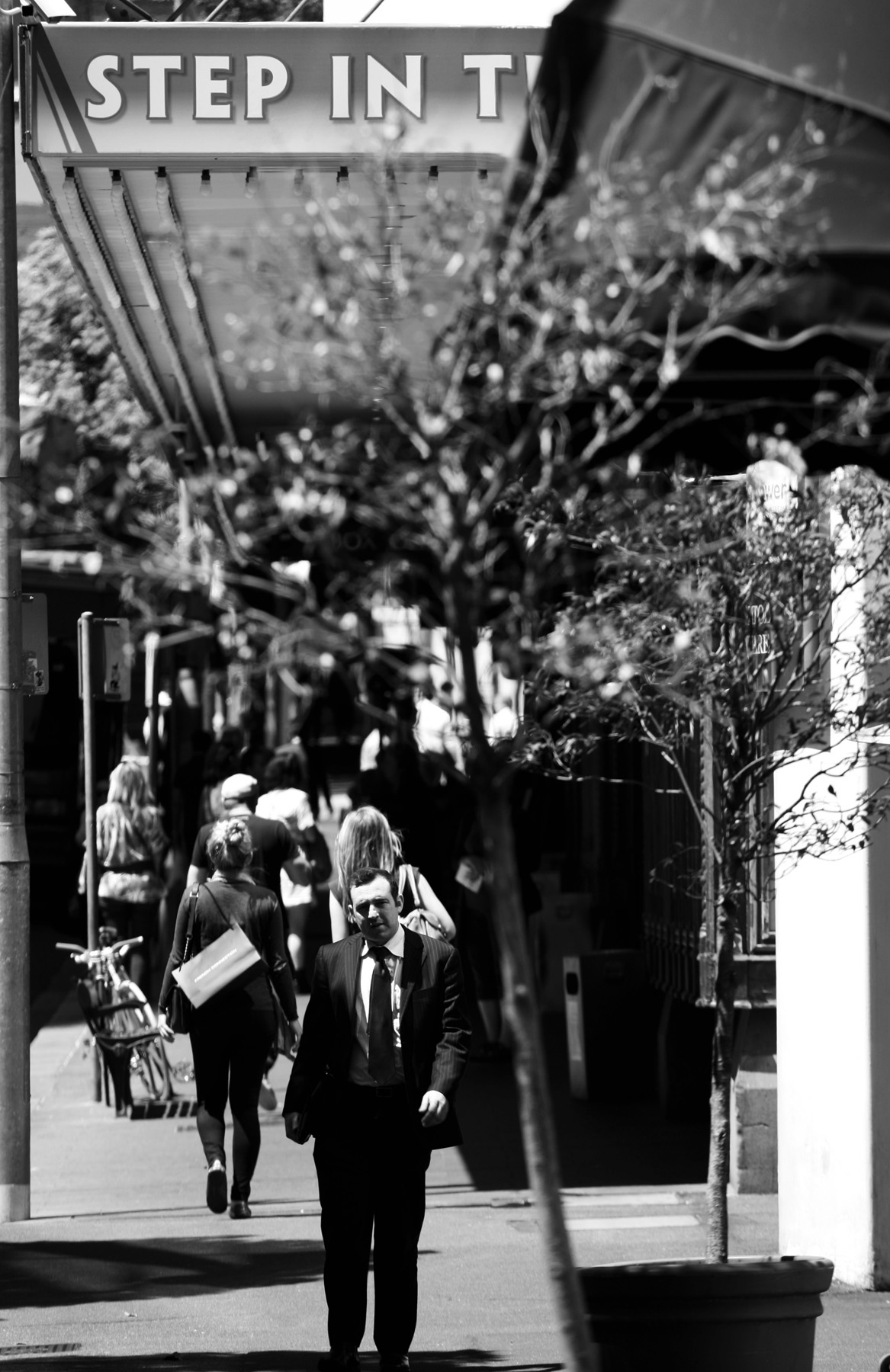
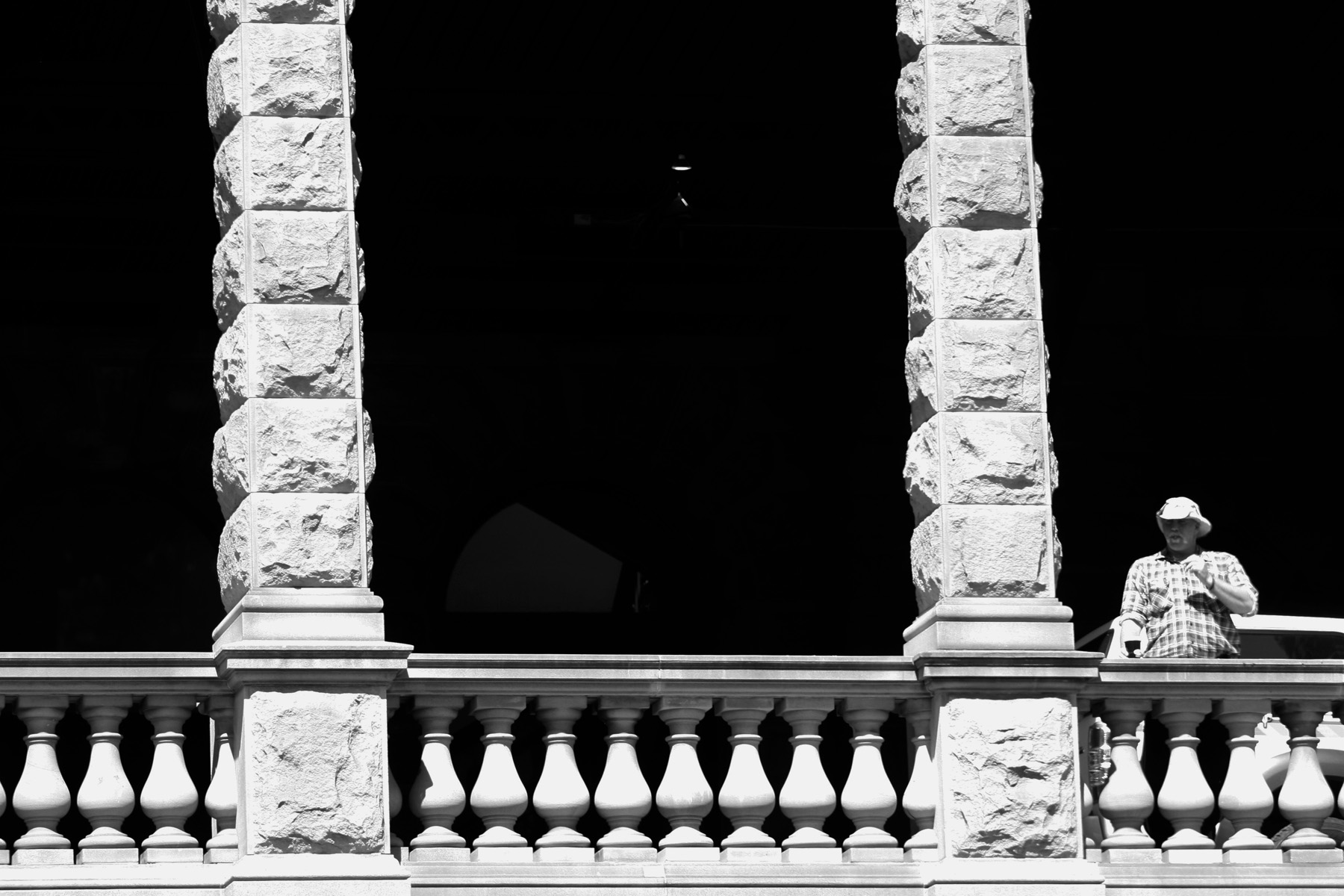
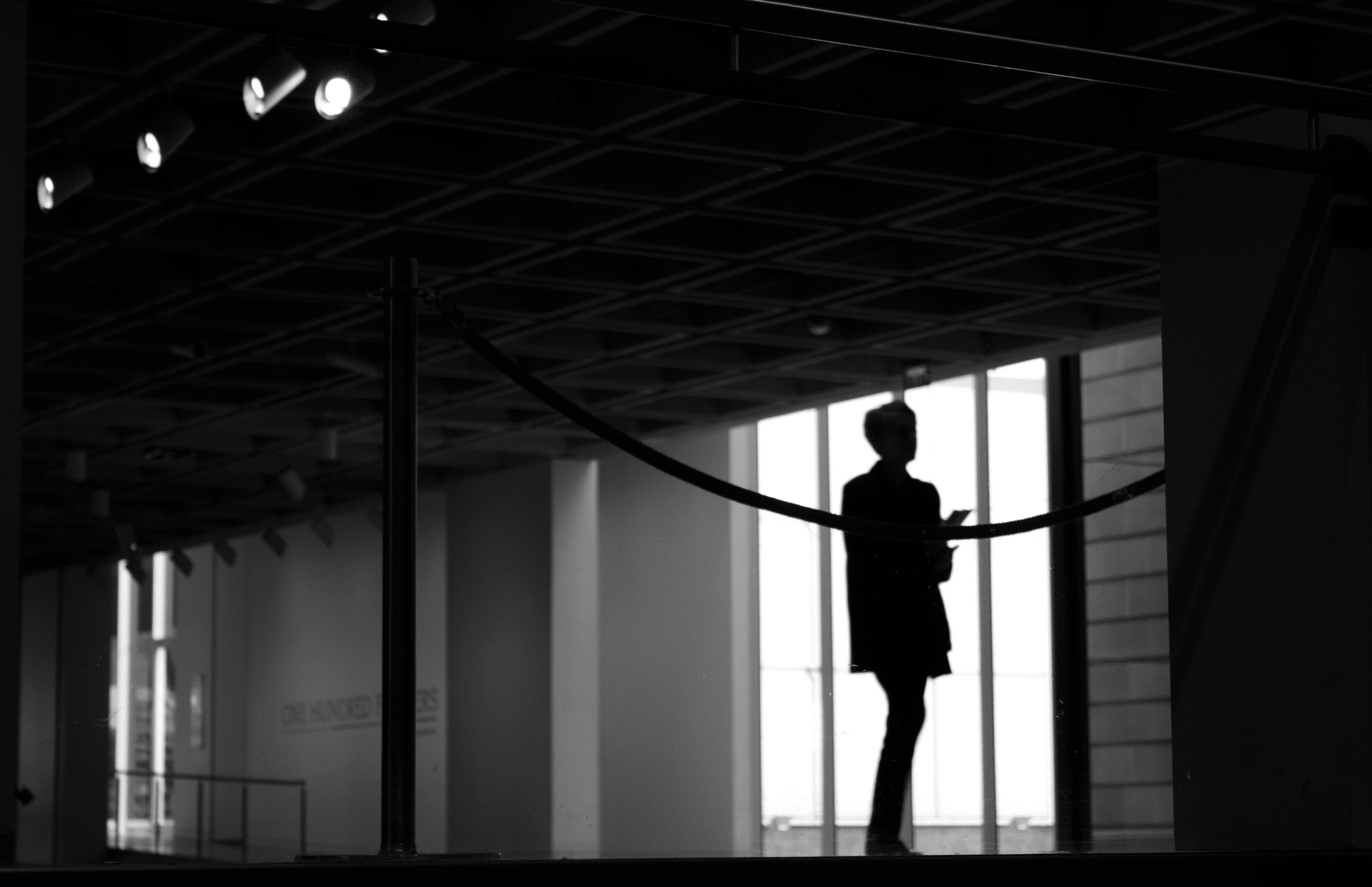
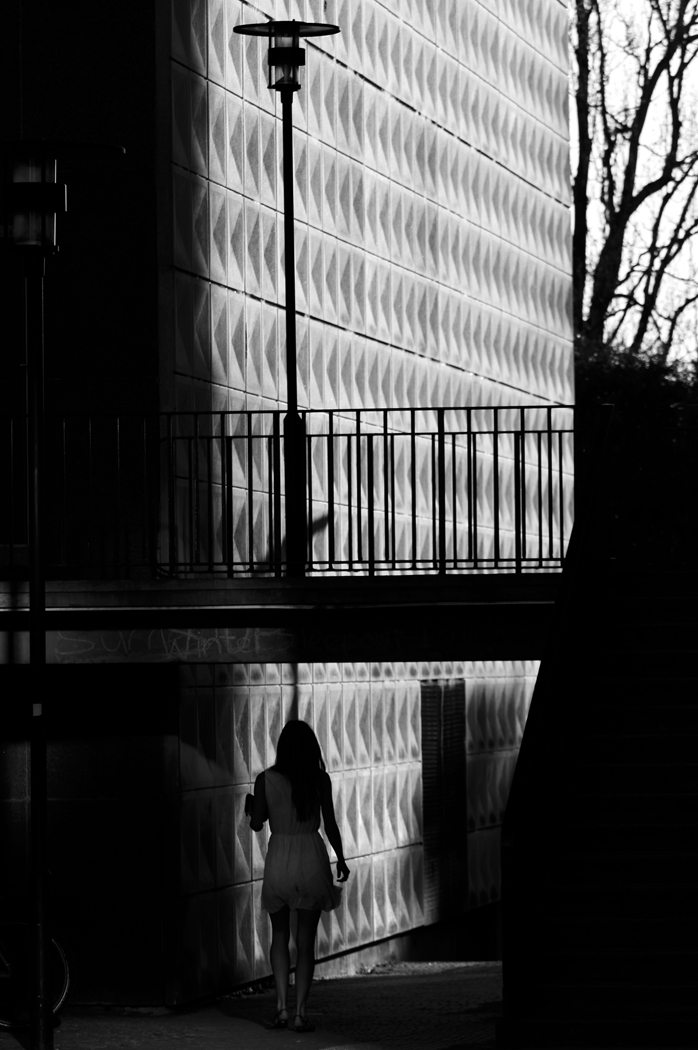
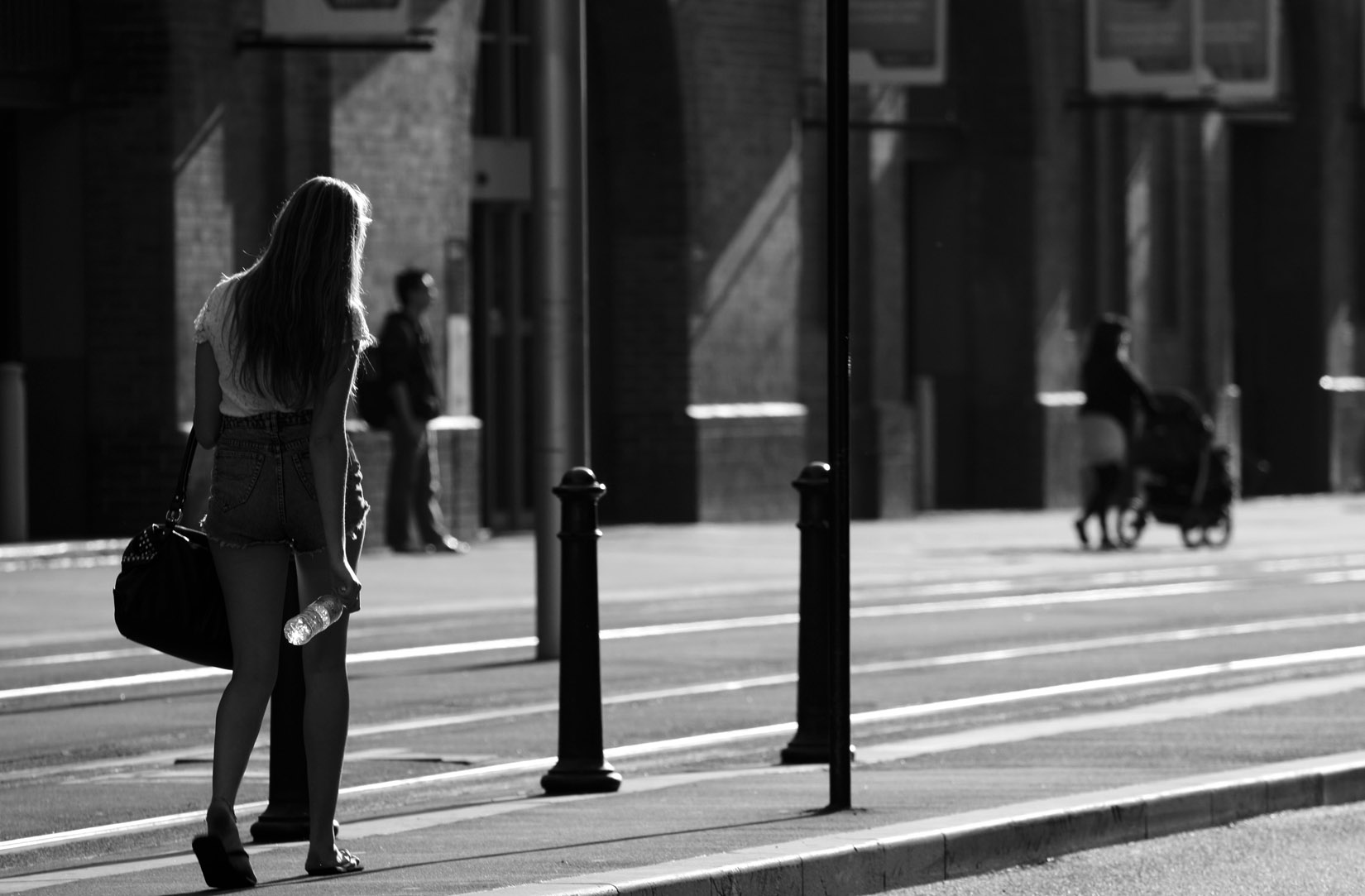
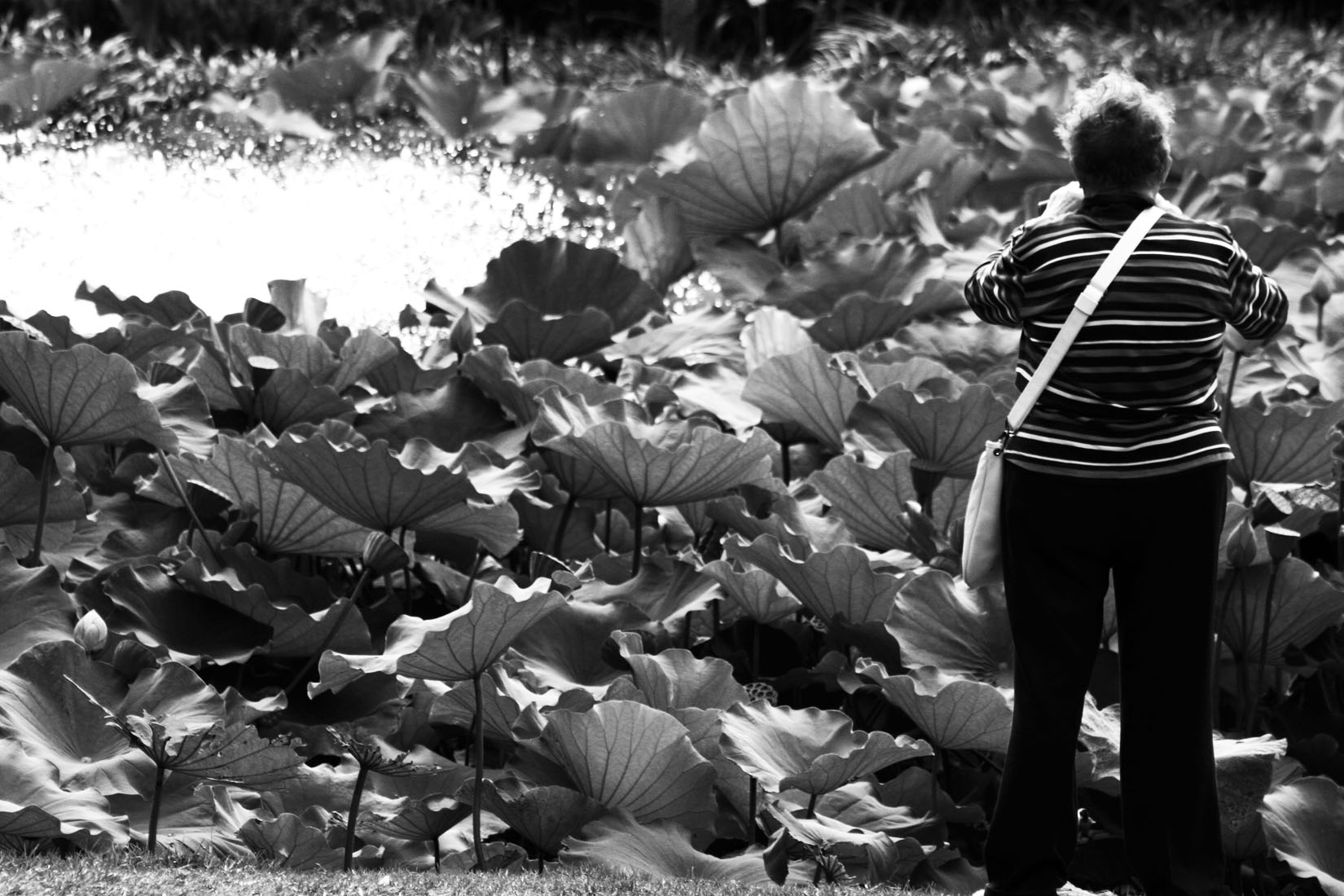
These photos, of course, don’t necessarily reflect all mentioned above. They are mostly taken downtown, but there are also some from Newtown and Glebe, and a couple from a very good Hallowe’en party. But still, I had to write something! Enjoy.

“Give me back my broken night, my mirrored room, my secret life, it’s lonely here, there’s no one left to torture.” – Leonard Cohen, The Future

On the 19th of June, 2009, I flew out from Sydney to Singapore to visit my girlfriend’s (S.) family for her mother’s birthday. It was the first leg of a five-week tour of South East Asia, taking in Cambodia, Vietnam, Thailand and beyond, should time, money and will allow. In the preceding weeks, I had been doing nothing whatsoever but playing Dungeons & Dragons Online (DDO) all night and dragging my sorry ass to work the next day. Not an overly onerous burden, considering I was working part-time as an ESL teacher, yet, when I came to board the flight, I was physically and mentally exhausted.

Being someone who has enjoyed a boom-bust cycle of personal discipline over the years, ranging between some quite emphatic extremes, I figured the trip was a good opportunity to put some distance between myself and the game that had, for the last two months in particular, swallowed up my life. I was, in truth, in the grip of a full-scale, hardcore addiction. I could think of nothing other than levelling my characters, working the auction house and teaming up with equally afflicted, yet entertaining and very companionable individuals the world over, to hack, slash and magic our way through hordes of enemies. I was sleeping roughly three to four hours a day and staying awake by drinking enough coffee to blow the head off a rhinoceros. The trip to Asia would be a chance to rest and heal, and to break away from the clawing cravings and heavy withdrawal I suffered whenever I was not logged into DDO.

That, at least, was the idea. However, as soon as I arrived in Singapore and logged into a local unsecured wireless network, I began to wonder how on earth I could stomach five weeks without even so much as the auction house. What, really, was the point of the internet after all? It was all very well reading the news, researching intended destinations, updating Facebook and sending the occasional e-mail, but it lacked the more direct interactivity of a gaming interface. Then I got curious. Travelling with just a carry-on sized day pack as I have always done, but having, as ever, found room for a laptop, in this case, my EEE PC, I began to wonder if this mini PC could handle running DDO. After all, it had roughly the same specs as my previous, considerably larger laptop on which I had initially played the game when in Cambridge two years before. There was only one way to find out, and, in one of those fateful and, I suppose I should say, regrettable moments, I went to the DDO website and set in train a download of the game, which was still being offered on a trial basis.

It took me a couple of days in various locations, on various wireless connections which I managed to snake, before the download and installation of the game was completed. In the meantime, I did my second best to be sociable and hold my end up in various family situations. I’ve always been rather crap at knowing where to put myself when surrounded by other people’s families, especially where children are involved, as I seem to lack the skill to talk to them. I hung around and made conversation, was polite and even jovial at times, yet I felt a strong inclination to retreat, whenever possible, to the privacy of whatever bed I was sleeping on at the time and surf the net. That is, of course, when not sightseeing or participating in some group activity such as dinner or lunch. I certainly did retire early a few times where I might have been social for longer, though this had as much to do with my shyness around people as it did with my internet addiction. I know that S. wasn’t exactly happy with me because I didn’t make enough of an effort socially, and she could detect my mental distraction, but I was out of sorts in more ways than one, and the colossal gaming withdrawals didn’t help. I was finding it very difficult to concentrate or shift my mind away from the narrative of the game.

When the time came to fly out from Singapore to Cambodia, I felt greatly relieved, largely because I knew that once there, the location and events would occupy both my time and mind and I would not have time to hunker down and watch the game files download. Anyone who is prone to watching downloads tick along, staring at bit-torrent data-rate graphs or hanging on every small creep of an installation bar, waiting for those satisfying forward thrusts, will know what I’m talking about. Visiting Angkor Wat was going to be a buzz and if that didn’t drag me out of my torpor and turn my mind back to its love of history, ancient societies and foreign cultures, then there was no hope for me whatsoever. After all, I did have a PhD in history.

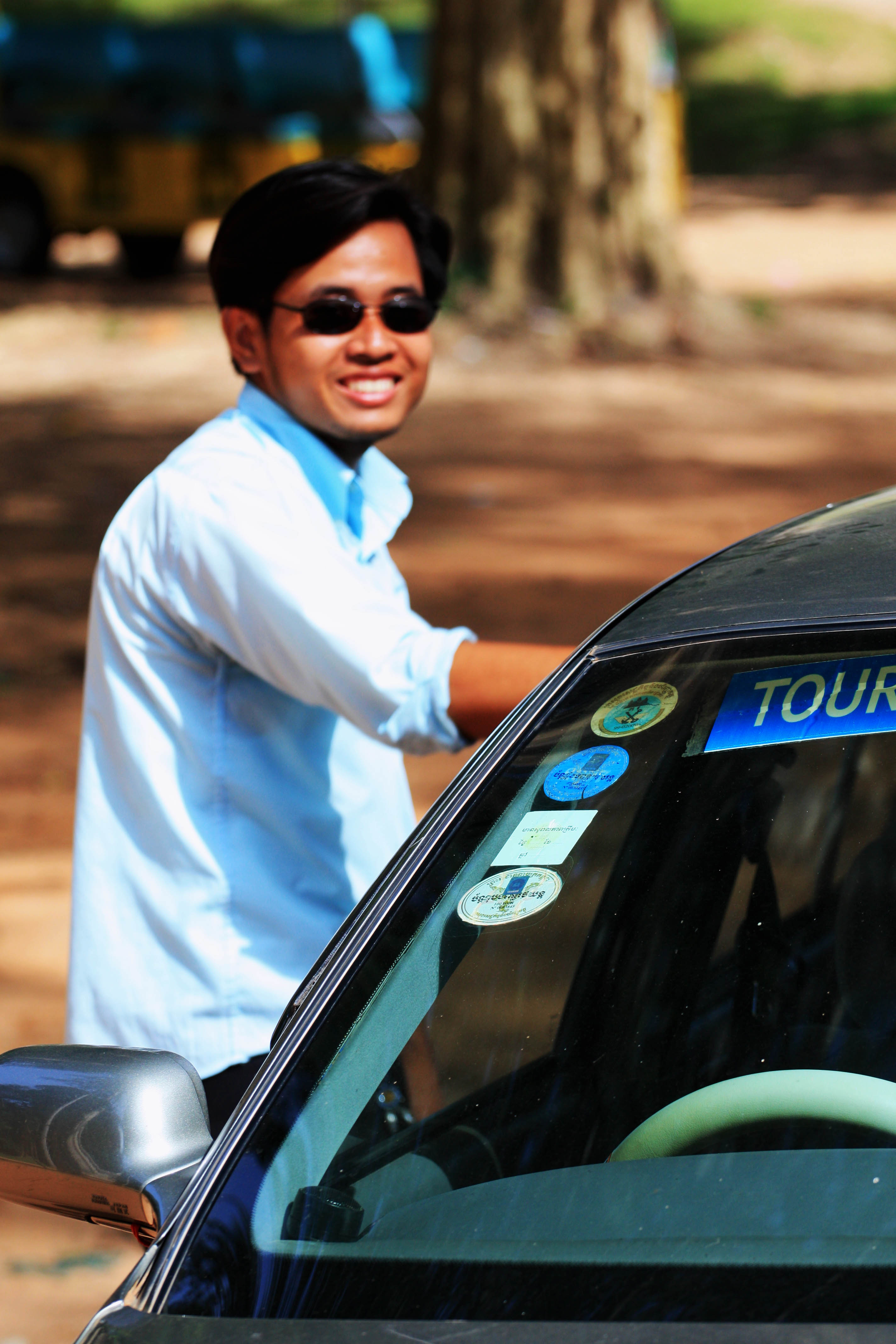
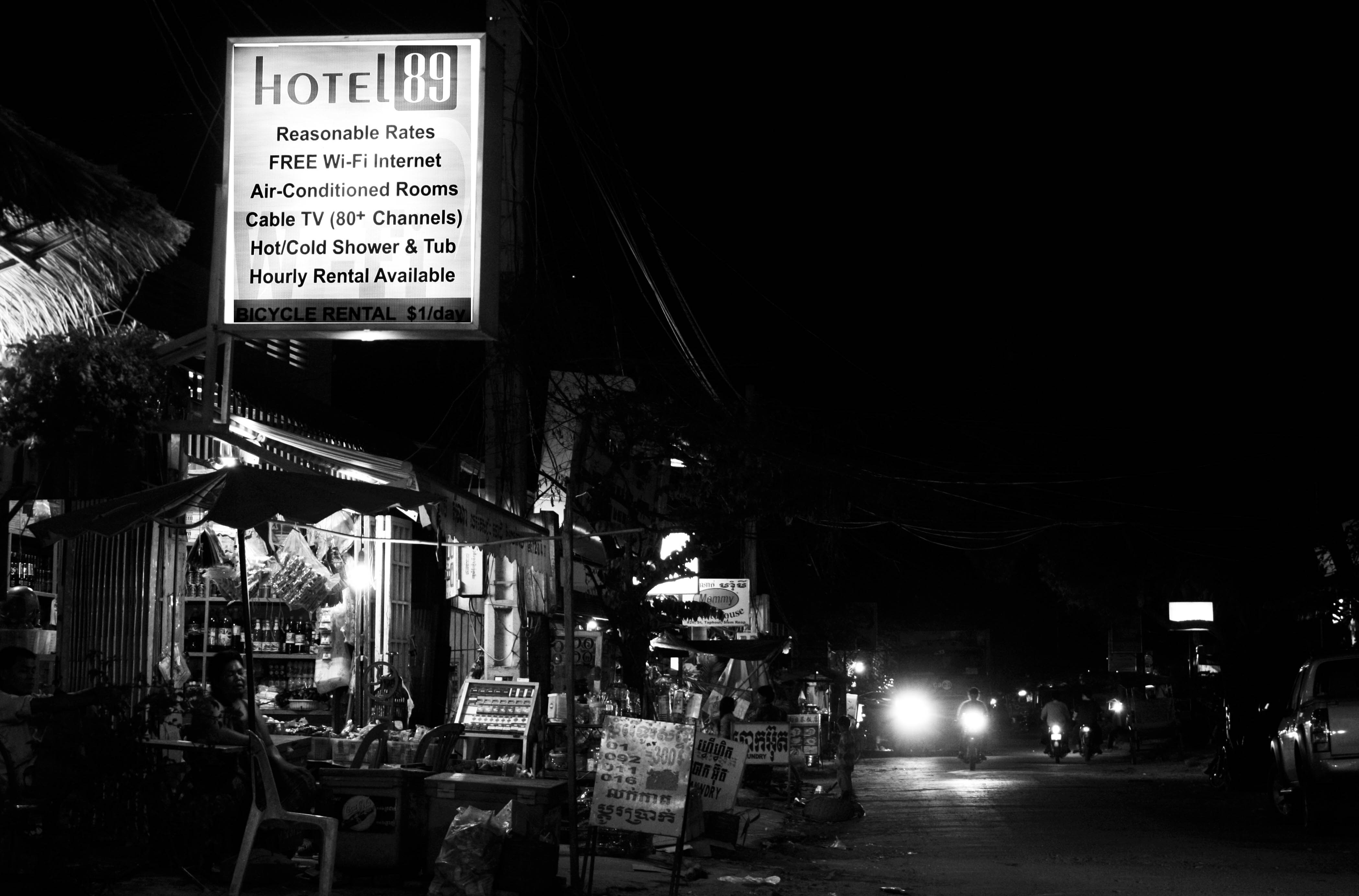
The good news was that our flight to Siem Reap had this effect. Once on the ground and in the taxi with Panha (pronounced Pun-yah), who was to become our driver for the next five days, I was dragged back into the real world by the contrasts of Cambodia. Siem Reap was dusty and alarmingly poor, for the majority of the locals anyway. The tourists, who brought money and work opportunities, but also drove the local prices far higher than any Cambodian could afford, had the luxury of staying in nice hotels for next to nothing. There were all manner of services to cater for tourists, and not much of a local middle class to enjoy them. The tourists even had their own street, which I dubbed Tourist Street, where everything was comparatively clean, modern and freshly painted.

We stayed in a cheap but very nice hotel on a less touristy, muddy road, with a lean-to brothel opposite and men selling sun-dried chilli snails from old carts. Siem Reap seemed ostensibly to be a peaceful and functional place, but with the Global Economic Crisis kicking in, most of the locals dependent on tourist dollars were suffering, with follow-on effects for the rest of the very poor population. Panha dropped us off at the hotel and we negotiated a price with him for the next few days. Once we’d checked in and showered, we went straight back out and he drove us to Angkor Wat itself, where we had breakfast in a café, watching the temple through a haze of dust and orange sunlight.

It was the first of several very long, hot and exhausting but rewarding days, and it was always a relief to return to the hotel to eat and refresh. The hotel had advertised wireless internet, though when I tried to access it on our first evening, I found that the signal did not reach as far as our room. I moved into the reception area where it was usable, but very slow, only really suitable for checking Hotmail and Facebook. I was annoyed about this, but let it go, knowing that I was, after all, in Cambodia, where internet access was not my top priority. Still, when on day two, they offered us the chance to move to a room at the front of the hotel, near reception, we took it.

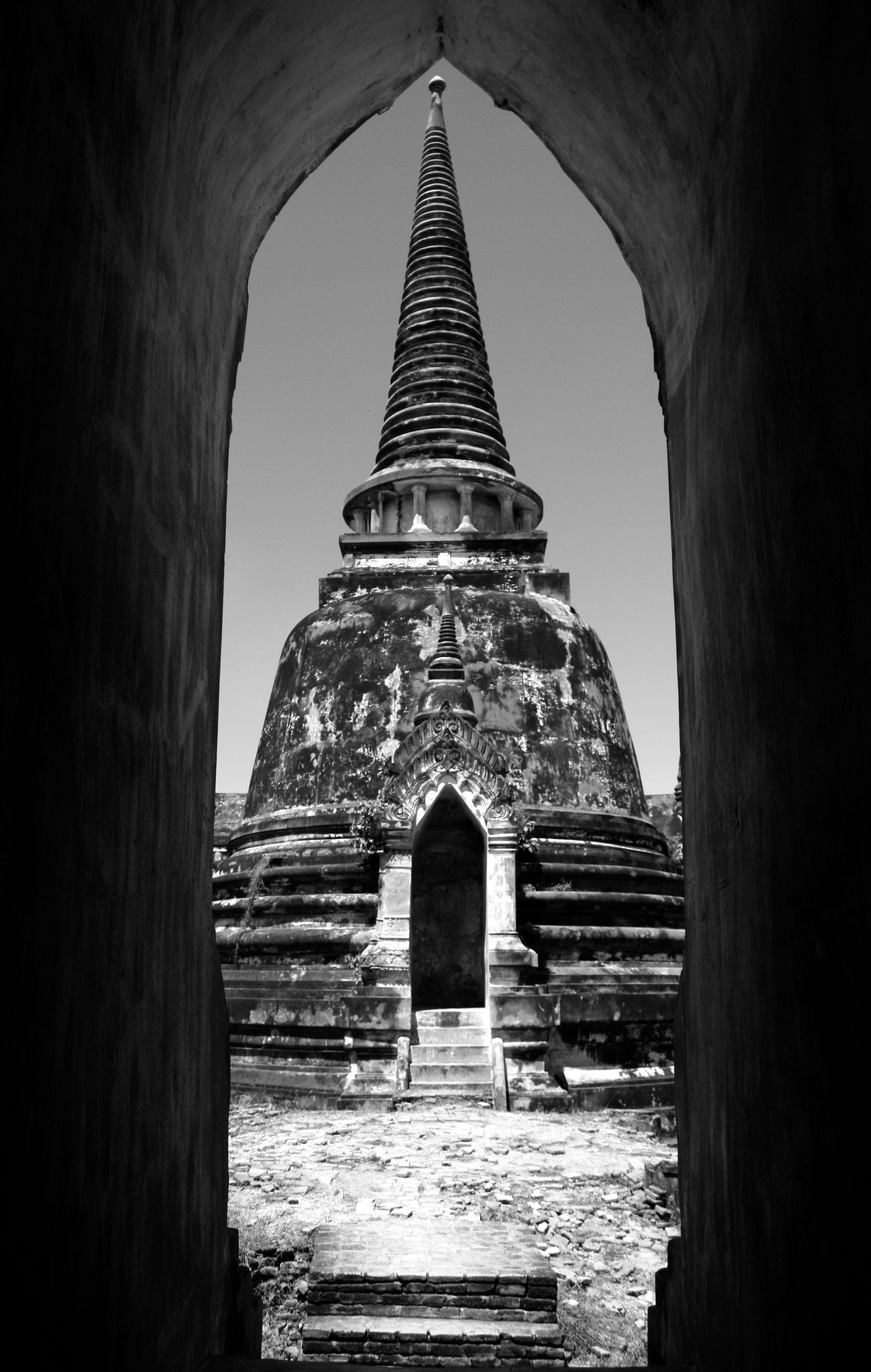
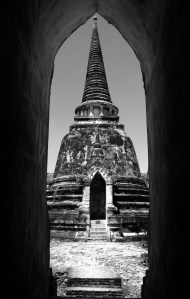
I shan’t here describe the many pleasures of the sightseeing we did with Panha over the next few days, suffice to say that we visited most of the major temples and spent hours wandering through them.
It was remarkable experience, despite the thirty-seven degree heat and hundred percent humidity. I was especially out of sorts with the weather, but inspired by the overgrown ruins and hungry to get good photographs. On the latter score, it turned out to be more hit than miss,  partly because I was so hot and bothered that it was difficult to concentrate, but also on account of problems with haze and glare, which were exacerbated by my cost-cutting purchase of a cheap UV filter. Still, we saw everything we had come to see, along with plenty of other extras courtesy of Panha’s local knowledge.

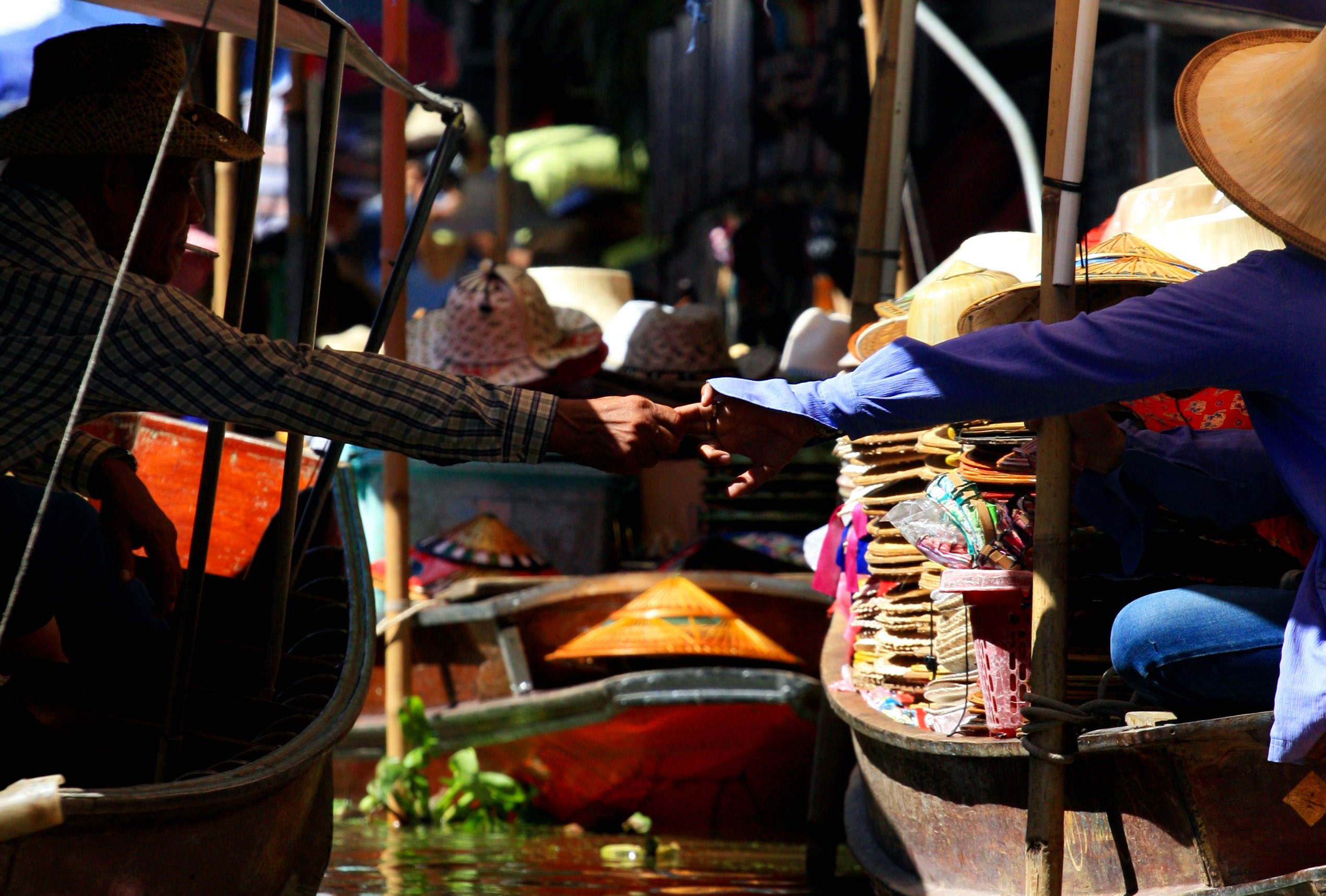
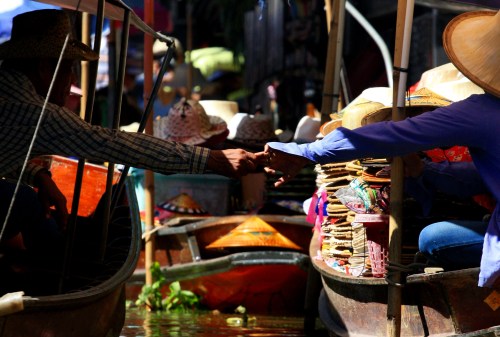
On the fourth day we decided to take a break from the temples and Panha drove us to the floating village of Chong Khneash on the edge of Lake Tonle Sap. This long collection of houseboats and barges along the river mouth left us filled with wonder and despair; both for their remarkable way of life, and their almost complete lack of facilities and services.

I took a lot of photographs, but shooting these truly dirt-poor people felt almost pornographic, and I still feel guilty about how little we tipped the two guys who took us up the river. We had paid for tickets and thought the boat operators received some of this money, but only found out later that the company selling the tickets kept all the money and the boatmen lived solely on tips.

Spending so many days immersed in ancient ruins, and, indeed, modern ones, it was inevitable that I should crave a game of Civilization at the end of the day. This not being an option (I had already tested Civilization IV on the EEE PC and whilst it ran on minimum specs, it was too frustrating to be worth the effort) and, with the internet now available in our new room, albeit, at the pace of a sun-dried chilli snail, I used the hours at the end of the day to complete the installation of Dungeons & Dragons Online. It was only on our final evening, as we prepared to leave, that I at last had the opportunity to see if it would actually run.

I fired it up and was surprised to see that it did indeed run, albeit jerkily, with the sound off, and all the graphics turned down to minimum. I would also only be able to play it solo, as the computer could not handle rendering too many toons on screen at once. The cooling fan was already whirring and whistling at the highest pitch. It was hardly ideal, and I soon thought about abandoning it altogether. Yet, rather than doing so, partly fuelled by a passion to experiment with different character builds, I created a character called Byronne of the Sword Coast in honour of my favourite campaign world, The Forgotten Realms. It was another fateful moment: I had the chance to walk away, to give up in the face of such graphical retardation, yet, rather than giving up and uninstalling the game, Byronne was to become our fourth travel companion, much to the detriment of the rest of the journey. If you’re wondering who number three was, well, it was Bilby 1.0, of course.
When we arrived in Hoi An in Vietnam the following day, I discovered, much to my displeasure, that there was no internet connection in the hotel. Again, I knew it was not exactly the end of the world, and probably to be expected, but I did feel a deep sense of disappointment. I should probably point out at this stage that I have been, on and off, rather spoiled for internet since having had broadband at Cambridge from 1999. Indeed, it was then that I first really started to use the internet on an everyday basis, having previously been a here and there hotmailer. Despite using an old Pentium 1 or some equally dire rig back then, the cable connection was extremely fast, for the whole town had been wired up. After four years of this, I just assumed this was how the internet was for everybody. Even at the British School at Rome in 2003 we had a relatively fast internet connection, despite being attached to the Vatican’s server. This naturally prompted me to download as much porn as possible, partly for my own depraved entertainment requirements, and partly to see if they would hit me with the cosiddetto Inquisition Virus, about which we often joked.

When I returned to Australia at the end of 2003 to discover the joys of dial-up, I nearly died of shock. How people could be living in such backward circumstances in what was ostensibly a modern country, if a little intellectually and technologically retarded, was beyond me. For the next couple of years I struggled, before returning to England to find the entire country wired up to broadband and many cafés and pubs offering free wireless internet. I found this to be the case across much of Europe as well, even enjoying free, fast wireless internet at the airport in Bratislava, of all places. If poor old Slovakia could get its shit together in 2006, why on Earth couldn’t Australia, or Vietnam for that matter in 2008?

Only at the best of times does patience become me. With the stifling, coffin heat knocking me for six, alongside the frustration of nagging DDO withdrawals, I found an outlet for my agitation in the hotel swimming pool. Fortunately, there was much to see and do and, despite some tensions between S. and myself, we found Hoi An to be a very beautiful place. It was when we arrived in Hanoi, after visiting Hue, that the trouble started.

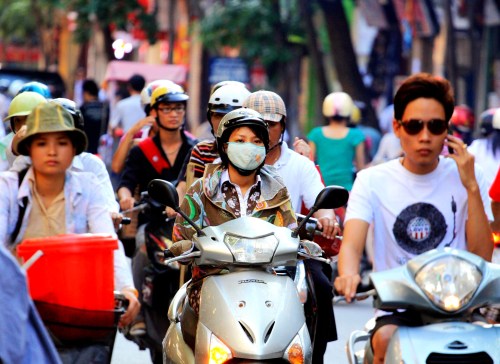
Hanoi is a pretty incredible place. It was wonderfully chaotic, dirty, run-down, ramshackle, and hung with the most captivating electrical wiring. Countless wires ran from each pole, stretching across and along the streets to a plethora of fuse boxes. In some places the electrical wires hung down to street level and had to be ducked under to access the pavement.

There were cables lying unattached on the ground, cables dangling precariously from junctions, cables crawling through tree-tops like a spawning of snakes. Everything seemed shabby and neglected. The state of the buildings in the old quarter was a sorry sight, some with no rooves, some with tarpaulins across the front, most in dire need of repair and paint, yet it was all very beautiful in the eyes of someone who loves decay and ruin. It was also crazily busy with constant traffic and activity.
The first night we arrived in Hanoi marked a terrible turning point in our journey. As we stepped off the coach that evening to be surrounded by taxi drivers, whom we tried initially to ignore as we had a map and planned to walk to our hotel, S. , in dodging our would-be chauffeurs, stepped awkwardly and went down hard on her ankle. Two minutes later, we found ourselves sitting on the edge of a building coming to terms with the fact that her ankle was in fact quite badly hurt and that she would not be able to walk. I was highly annoyed, not with her, but with the circumstances, as I had been determined to avoid taking a ride and was instead, looking forward to walking to the hotel. I have never liked depending on anyone when I travel, especially not people who thrust themselves in my face. Ultimately, despite my having told the drivers to clear off because they were hanging around like seagulls, too obviously gleeful that S. could not walk, we had no choice but to take a taxi to our hotel. It was when the taxi dropped us off on the wrong street and we were left standing there with absolutely no idea where we were and S. unable to move, that my frustration overwhelmed me. I’ve had only a few such moments in my life, but the end result is a sort of Tourettes supernova, wherein I scream “Fucken cunts! Fucken cunts! Cunts!” at the top of my voice for a minute or two. I did so, and having vented, stood like a prat, wondering what in hell to do next.

The sad upshot of all this was that, despite being an expression of my frustration and anger at finding ourselves in these circumstances, after a long and unbearably humid day, it inevitably seemed to S. as though it were partly directed at her. I think she was both shocked and deeply hurt, and understandably so. When I become angry, it takes me a while to achieve equilibrium and wasn’t until we finally made it to our hotel room, via a rickshaw driver, that I got around to apologising. It was an apology which, I think, was ultimately insufficient to assuage the bad taste left by my brain flip. I was also deeply ashamed of myself, having travelled alone for so long and in so many places and having dealt with difficult situations with far greater panache. In rather childish manner, having an audience was all that was needed for me to vent. It was, no less, a tanty of the worst sort, and was in no way dignified by my failure to throw myself on the ground and writhe.

It didn’t help matters that, over the next five days, finding myself with an internet connection in the hotel room at last, I spent much of the time when we weren’t sightseeing, playing DDO. Instead of giving my attention to S. and attempting to make amends through good behaviour and general sweetness, I was instead running an extremely low-res Byronne of the Sword Coast through low-level quests in Stormreach harbour, on the easiest difficulty level, collecting collectables and putting them up for auction.

I lay there at night, long after S. had gone to sleep, beating living hell out of kobolds and making packets of virtual cash from selling Deadly Feverblanch. Admittedly, we weren’t used to spending a lot of time together, but my detachment only made things more awkward. The fact was, however, that I was in the full grip of an addiction and, as is so often the case, almost all other concerns were completely eclipsed.

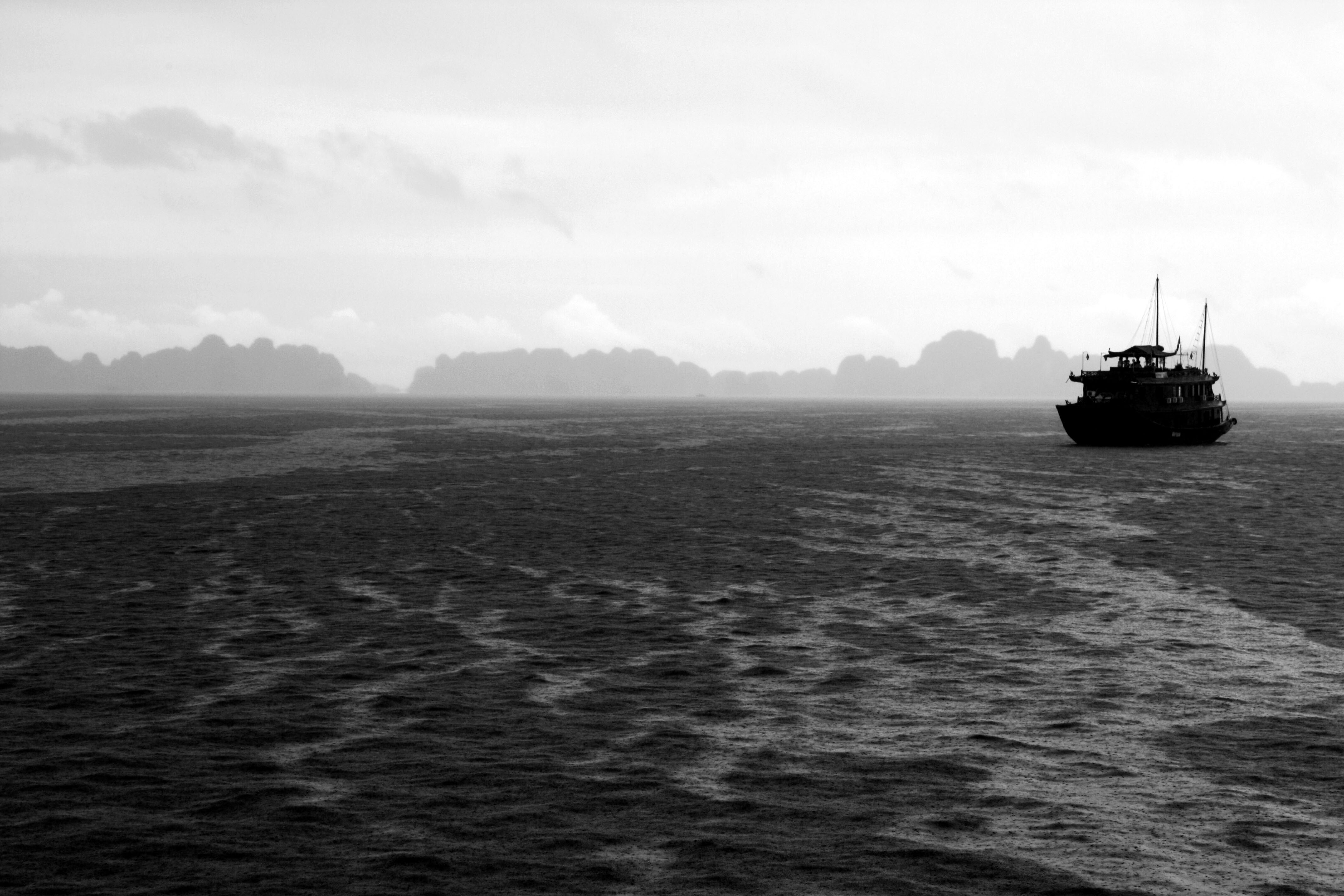
The trip to Halong Bay, where we spent a rainy night on a junk, proved to be something of a tonic. Kayaking around the limestone karsts, and, indeed, through a low, flat hole in one to a secluded bay, was a lot of fun, as was bombing from the top of the boat.
Yet, when a day later, we flew out of Vietnam and arrived in Bangkok, it was time to talk again about where things were going. I tried to apologise further for my behaviour overall, only now realising just how awkward I had made our time together, but the greatest impressions are always left by deeds and not words. The fact was that I could not get the desire to play DDO out of my head and it had completely skewed my sense of priority. I had, on the whole, been irritable, restless, bored and frustrated, despite the many awesome experiences we enjoyed. I do hold the heat and humidity to account to some degree, as humidity has always been my kryptonite, but there was no excuse for not being more consistently nice to S. She knew it, and I knew it, and when she flew back to Australia after a couple of days in Bangkok, as had always been planned, I had a lot of soul-searching to do.
I was, however, also entirely free to game! That night I changed hotels in Bangkok to ensure I had an internet connection, booked a flight to Chiang Mai, went out and got some dinner, then bunkered down with my computer. It was the first time I had had internet access for a couple of days and I now found myself slapped in the face. The trial period had expired and I could not get into the game without an active account. In order to start the trial, I had been forced to create a new account with a different e-mail address, as for some reason they would not allow me to log in with my active account. Simple, I thought, I just need to pay and have the account upgraded to full status and all will be well. This should have been simple enough, but as they were, at that time, still selling the game at retail outlets, the only way to activate the account was, in effect, to buy a copy and insert the serial number.

I was filled with despair, for I had been hoping to indulge myself throughout the rest of my trip after long days of sightseeing and photography. The following day I set off into Bangkok, wondering where on earth I might find a computer game store. I’d done some research on the internet and lined up a couple of shopping malls with games shops, but once downtown and in the thick of it, I found the shops mostly sold console games and next to nothing for PCs. What were the chances, I wondered, of finding DDO here in Bangkok? I tried to remember if I’d run with any Thais in game, but could only recall Chinese, Indonesian, Malaysian and Singaporean gamers. I asked one of the chaps in a shop and he directed me to another shopping mall, two block s away, but once I got outside, I had no real way to orient and my map was inadequate to the task, so I wandered about ineffectually for some time. I was about to give up altogether and pursue other missions, when I finally spotted this huge shopping centre across a footbridge.

I hurried on in to find myself in a veritable warren of commerce. This place had dispensed entirely with the spacious, luxurious shoppig experience, and gone instead for cramming as much as humanly possible into the space. And the space was massive. The building contained level upon level of countless tiny shops, counters and hole in the wall outlets. Different levels seemed to be dedicated to different products – one was electronics, another was mobile phones, and another seemed entirely dedicated to computer games. I felt like a kid in a candy shop, and went to town flipping through thousands of games in plastic folders, no doubt illegal copies produced locally or in China. I was having no luck, however, and noticed that none of the games sold in these shops were MMOs. No doubt because there is no getting around registering online, and thus the need for a unique serial number. I pushed on with my quest through the forest of shops, and finally, after almost an hour, found what appeared to be the only honest retailer, who sold games in original boxes. It would be an understatement to say I was astonished when I spotted Dungeons & Dragons Online sitting on the shelf.

Back at the hotel, I went straight to the website and tried to insert the serial number and update the account. Yet there was another hitch. The account would not accept my credit card and gave me an error message. When I searched online to find discussions of said message in forums, I soon learned that the problem was caused by my attempting to use an Australian credit/debit card, with an account I’d registered to Australia, whilst in a foreign country. It was clear immediately that the only option was to get someone in Australia to log in for me. But who could I trust with this task, who would be available, and just how sad would I look when the purpose of the task became clear?

I turned the Facebook instant messaging service on (I loathe its intrusiveness and leave it off at all times) and got busy contacting friends. I first tried a work colleague, Chris, then another friend, until finally I manage to rouse my old buddy Demitri to take care of it for me. This had all taken several anxious hours where my frustration at being so close and yet so far was building all the while. In the end, already frustrated from not having been running for a month, I went downstairs to thrash it out in the hotel pool.

Finally, around ten PM that evening, Demitri had sorted things for me and I was free to log back in. When I ran Byronne of the Sword Coast across to the mailbox to collect the fruits of my previous labours, I felt like a junkie shooting up after a long, long wait. It was a case of goodbye Bangkok, hello Stormreach.

When I arrived in Chiang Mai two days later, I found I had booked a very appealing old hotel room with polished wooden floors and a vast, built-in wooden bed. It was a large room on the top floor which opened onto a wide balcony with a table and chairs on it. The view across town to the mountains was stunning, especially at dawn and sunset, and over the next few days I was to spend a lot of time out on the balcony taking photographs.

Already somewhat disappointed with my attitude throughout the holiday, and realising that the only way to avoid further regret was to make sure I used my time wisely, I signed up for a couple of excursions on my first two days. On the first day I visited a Hmong village, up a dodgy road through the forested hills in heavy fog, then visited a gorgeous Buddhist temple on top of a mountain. That evening I attended a banquet with traditional Thai dancers as entertainment.

On the second day I went on a longer journey to an elephant “school” where I rode one of these magnificent beasts.

At the end of each day I would lie down in bed, armed with milk and cookies, and farm the hell out of quests for collectables. I was very content here in Chiang Mai and had no intention of going anywhere in a hurry, despite the clock ticking before my flight back to Australia out of Singapore. I took things easy on day 3 and wandered around town, but when it started to rain, I had every excuse to return to the hotel and game. It was on day four in Chiang Mai that the sickness really set in. I was attempting to book a flight to head elsewhere in Thailand, when the internet crashed. I contacted reception to get them to sort it, going down there in person to encourage them as politely as possible, for the staff at the hotel were lovely, but there was no progress whatsoever. I paced about my room, cursing and shaking my fists at this horrible twist of fate. Give me internet! Come on! But there was no progress whatsoever and, whilst the signal remained strong and I was connected, there was no internet in the pipe.

My frustration grew over the next four hours, until I knew the only solution was to take matters into my own hands. They had reset the internet on at reception, so I figured the problem must lie with the local wireless router on my level. I had already had a cursory look about the place for it, but hadn’t seen it anywhere. After wandering about with my EEE PC, however, testing signal strength to get some idea of the router’s location, I finally found it in a cleaning cupboard. I restarted the little bastard and, hey presto! the internet was back on.

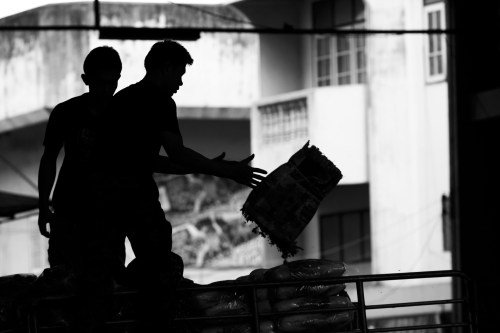
Having gotten so used to the internet over the last few days, I was flooded with relief when I regained access. And, just as a desperately thirsty man drinks insatiably when he finds water, I booked the ticket then plunged straight into an orgy of gaming. With my flight back to Hong Kong via Bangkok not leaving for another two days, I thought about the many options before me in Chiang Mai, but ultimately, spent most of the time gaming. Be it on the bed with milk and cookies, or out on that wonderfully spacious balcony, I was a happy man. I swam in the hotel pool in the morning, ate a hearty breakfast, then went back to bed to game. I made sure I took a trip around town each day, venturing to some very interesting places like the local, non-touristy markets and taking a lot of photographs of workers.
Yet, after two or three hours, in need of another shower, I would buy a carton of milk and two packets of cookies then head back to the hotel room. I always planned only to stay a while before going out again, but this didn’t exactly transpire. What baffles me is how, in retrospect, it all seems rather foolish, whilst I recall at the time being extremely happy. I loved that hotel room, I loved Chiang Mai, and I loved every bit of what I was doing there.

When I finally returned to Sydney after five and a half weeks away, having spent the final week in Hong Kong and Singapore, it wasn’t long before I had the chance to log in at last on my desktop and give Byronne of the Sword Coast a proper run for his money. How big he looked, how magnificently detailed, and how wonderfully rich he was after all my efforts! I now had two paid accounts on Dungeons & Dragons Online and, it soon turned out, one less girlfriend. I was in a state of emotional flux, both caring and not caring in equal measure, and I did what any hardcore gamer would do in such circumstances. I went out, spent some of my last few dollars on a big fat bag of weed and settled in for a total lock-down for the next few days. Editing the photographs could wait, for there was much ado in the city of Stormreach.
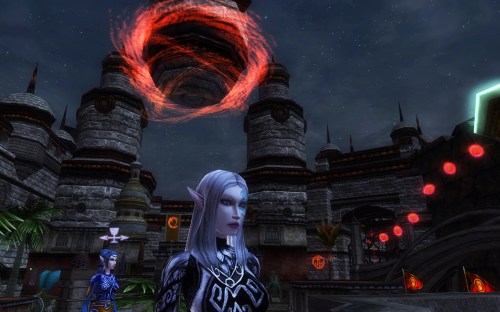
Inevitably, those days would stretch into weeks and the weeks into months. Far from putting any distance between myself and my obsession, I had managed instead to become even more deeply immersed in the game. With no one other than myself for company and not especially interested in anything other than reading the New Scientist and going to the cinema, there was little that could distract me from gaming. I was now free to give the bulk of my time to DDO. Bring it on!

ps. This was first posted in April 2011, then taken down some months later. I wasn’t comfortable with the content and thought it reflected poorly on my character, but in retrospect, I’d prefer to have it out there as it stands, as it belongs with the other pieces in the series.

It never ceases to amaze me which species get picked for special attention. The reasons are easy enough to understand; either they are magnificent, attractive, cuddly, intelligent, or perhaps have some form of cultural significance as a national symbol. The giant Panda and Polar Bear are classic examples of this phenomenon of bias towards saving species that seem ready-made for conservation campaigns on account of their being so photogenic.

In these two cases, however, it is hardly surprising that they have become endangered; both are bears and bears are essentially omnivorous opportunists, yet these particular bears have taken a dangerously narrow evolutionary path into high-risk specialisation. Their sacrifice of flexibility has made them vulnerable. Perhaps, in the end, it’s really just too bad. Enjoy it while you can, adapt or die, has always been the Earth’s motto.

Of course, with the exception of occasional freak events causing rapid transformation of climactic conditions and immediate destruction of habitat – an asteroid impact, snowball Earth, or large-scale volcanic upheaval – most species have had plenty of time to adapt to changing conditions, and those who could not adapt lie frozen in stone; the dead ends of evolution; the leafless twigs that fell from the tree.

The wild populations of giant Panda might be at serious risk from habitat loss, and indeed, a great deal of bamboo forest remains threatened by development, but the campaign to save them has become almost embarrassingly successful, so far as captive breeding programs are concerned. They are not hunted and harvested for food, at least not on an industrial scale, and as a potent national symbol of China and, indeed, as an accepted symbol of international efforts to save species and habitat, they are at relatively little risk of going extinct either in the wild or in captivity.

Sadly, the same cannot be said of Polar Bears, whose habitat is shrinking rapidly and whose lifestyle is not readily adaptable to different conditions. Given more time, they would likely adapt or evolve, though there is no guarantee of that. With the retreat of the last ice-age, the woolly mammoth was driven further and further north, until the last populations were restricted to arctic islands in northern Russia where their isolation led to that common evolutionary phenomenon of dwarfism – they shed most of their bulk and shrank to the size of hippos. Polar bears, one suspects, will not have time on their side, yet in all likelihood, if given sufficient territory and left unmolested, small populations will cling on in far northern Canada or Alaska. They may shrink and be forced to significantly adjust their hunting range and habits, but they seem sufficiently clever and resourceful to pull through.

Other species will not be so fortunate, even when their plight garners public attention and attracts conservation dollars. Pity the northern white rhino, a magnificent odd-toed ungulate. There are now five males and two females left on the planet. That number again: five males and two females ON EARTH, all in captivity. It’s enough to make you cry. Pity the primates. More than half of the Earth’s primate species are threatened with extinction. However much we love them, however good they look on posters, television advertisements and campaign leaflets, their vulnerability to the consequences of war, poverty, hunger and greed is all too real. If peace and prosperity came to the jungles of Congo, things might pan out a lot better for the Gorilla and chimpanzee, but as things stand, their situation is extremely tenuous.

As one reader joked in a letter to the New Scientist, the best way for creatures to ensure survival is to evolve as rapidly as possible into a more lovable, cuddly form; big eyes and soft fur can do wonders for a species on the conservation wheel of fortune. Yet, if we can’t even manage to save the cuddly ones, then what hope is there for all the frog, flower, amphibian, bush, beetle, tree, fish and reptile species, many of which have gone extinct in recent times due to habitat destruction and climate change?

There are many and varied estimates of the background extinction rates, and indeed, similarly varied estimates as to how many species there actually are on the planet. Judging from the fossil record, the background extinction rate is estimated to be roughly one species per million every year. Very rough estimates suggest a current total of around ten million different species on the planet, and a current extinction rate of somewhere between 27000 and 30000 plant and animal species per year. Just as geologists have recently agreed that human warming of the planet justifies acknowledging the end of the geologically short and wonderfully mild Holocene epoch, and the commencement, beginning with the industrial revolution, of the Anthropocene, so biologists, among others, agree that we are now in the midst of a mass extinction, the likes of which have occurred several times already in Earth’s history, though not, so far as we are aware, through the agency of one dominant species. Though, having said that, we cannot ignore the climatic impact of, for example, oxygen-producing cyanobacteria, who for millions of years, beginning somewhere between 3.4 and 2.7 billion years ago, exhaled this waste-product on such a scale that the planet could no longer absorb it, until, roughly 2.4 billion years ago, the Great Oxygenation Event occurred, wiping out much of the planet’s anaerobic inhabitants and ultimately triggering the first and longest snowball Earth event.

Still, just because we are in good company does not make being responsible for the sixth great extinction in the planet’s history something to be proud of. As things stand, an estimated fifth of the world’s mammals, a third of its amphibians, more than 25% of its reptiles and up to 70% of its plants face the threat of extinction. That is, to say the least, seriously fucked up, and the only way to arrest the situation is to, quite literally, stop doing everything, switch off the nuclear power stations, disarm the warheads, sit down wherever you are, and quietly die.

More realistic, of course, is the promotion of peace, sustainable development, recycling and efficiency and the end of overconsumption. Yet, sadly, despite the world having become considerably more peaceful on the grand timescale, prosperity is growing at such a pace, irrespective of hiccups, financial crises and what have you, that consumption and atmospheric pollution are increasing very rapidly indeed. With the exception of the species we farm and harvest, and those who are well adapted to our artificial environments, such as rats, cats, dogs, pigeons, squirrels, possums etc, almost everything is under threat, and in recent years, I have become seriously alarmed by the plight of the Tuna.

The tuna is a truly magnificent creature, of which there are over fifty different varieties. The Atlantic Bluefin tuna can grow to a size of four and a half metres long, can weigh as much as 650kg, and can swim at speeds of up to 70kph. Tuna do not have white flesh like most fish, but their muscle tissue ranges from pink to dark red. This coloration derives from myoglobin, an oxygen-binding molecule, which tuna produce in significantly higher quantities than most other fish. Some of the larger tuna species, such as bluefin tuna, have warm-blooded adaptations, and can raise their body temperature above water temperature, thus enabling them to survive in cooler waters and to exploit and inhabit a far wider range of ocean environments.

Tuna not only look magnificent, but they are magnificent. The sad reality, however, is that tuna, the world over, are on the brink of a terrible catastrophe. As Greenpeace’s 2008 report entitled Tinned Tuna’s Hidden Catch states:

“Of the 23 commercially exploited tuna stocks identified: At least nine are classified as fully fished, a further four are classified as overexploited or depleted, three are classified as critically endangered, three are endangered and three are classified as vulnerable to extinction.”

Worldwide, Greenpeace estimates that 90% of large predatory fish have already been wiped out. Catches are down dramatically in all fisheries. In the Mediterranean, the World Wildlife Fund has estimated that tuna stocks will reach complete collapse as early as 2012. In 2007 the breeding population of tuna was only a quarter that of fifty years ago and the size and weight of mature tuna has more than halved since the early 1990s. Attempts by scientists, marine biologists and fisheries experts to dramatically reduce quotas have brought only tokenistic, inadequate responses and led to an explosion of illegal fishing that goes largely unpoliced.

It’s not merely the scale of the industry causing problems, but also the fishing techniques used. The common use of Fish Aggregation Devices (FADs), wherein fish are lured to a particular zone and then scooped up en masse, not only results in the catching of juvenile tuna, but also lures many other species, juvenile or otherwise, which make up an estimate ten percent of the catch. Not only do FADs act as death-traps for young tuna, but they draw tuna away from migratory routes, resulting in loss of optimal feeding opportunities, seriously effecting the life-cycle of tuna which are not caught, and thus having broader impacts on the entire marine ecosystem. Similarly, long-line fishing, where lines of up to 100km are used, are also responsible for significant bycatch.

Big Tuna likes to make a special point of their tuna being “dolphin friendly.” Yet, as Greenpeace states:

“Many fishing practices that are labelled dolphin friendly still result in the catch of a host of non-target species, known as bycatch, including turtles, sharks, rays, juvenile tuna and a huge range of other marine life.”

Some companies have gone a step further and changed their practices. Around the corner from my house is a huge billboard advertising the environmental credentials of Greenseas tinned Tuna. There are, in fact, two advertisements side by side, each with the large happy face of a marine species, pleased to have avoided being caught unnecessarily. Greenseas can claim some credibility on this front, as they have made the important commitment to stop buying tuna caught using FADs. Yet, when we consider the rate at which the tuna themselves are being exterminated, this feels like a diversion; more of the green-washing bullshit we’ve come to expect from big business in the last decades.

The simple fact is that Big Tuna may claim to be dolphin friendly. They may claim to be dugong friendly. They may claim to be turtle friendly, but they are definitely not Tuna friendly. The Tuna, in all its glorious varieties, is, quite literally, being fished to death. In the vastness of the oceans, it would be difficult to hunt down and kill every single tuna available, it would be a hell of a job to drive them to extinction, yet humans are currently giving it their absolute best shot.

The rising popularity of sushi, along with tuna’s longstanding popularity in salads, pasta dishes and all manner of culinary creations, has dramatically increased the scale of the market in recent years. This commercial success guarantees that the industry will pursue tuna for as long as possible, and there seems relatively little effort within the industry itself to harvest tuna in a sustainable fashion. Governments must co-operate internationally to put a stop to current quotas and practices, and actively police illegal fishing.

Greenpeace advises that in order to save tuna populations the world over, the fishing industry must stop using FADs and switch to line and pole fishing, which are highly targeted towards adult tuna; governments must impose and enforce marine reserves to safeguard ecosystems from destructive fishing practices; supermarkets should stop buying tuna products caught using FADs, only support sustainably caught tuna, and help to promote the creation of and awareness about marine reserves.

The issue of bycatch is bad enough, but the scale of tuna fishing must be severely restricted in order to avoid a potential environmental disaster. We cannot even begin to imagine the devastating impact on an ecosystem of removing 90% of its predatory species, but the resulting imbalances are bound to be hugely disruptive.

Sure, it sucks not being able to eat tuna, because I admit, like so many people, I have always enjoyed the taste of it. Yet, for the last three or four years, I have not been able to buy it out of a colossal sense of guilt. I recently swore off eating cephalopods (squids, octopi) after reading a New Scientist feature on their extraordinary intelligence. When, two weeks ago, I broke my pact and ate squid, then, the following day, found myself with food poisoning, I felt a rare case of instant karma. At least I learned my lesson, and I won’t be eating those guys again.

Of course, as someone who eats dairy, I leave myself open to accusations of hypocrisy, for the dairy industry is not an industry known for its sustainability. Of course, it’s not the cows that are threatened – though they are often mistreated – but the environment, on account of industrial scale farming practices.

It would be nice to think that humans will wise up to their destructive habits and avert a major catastrophe, both on land and at sea, but I’m not especially confident. Either way, don’t be surprised if the price of tuna skyrockets in coming years. Some time soon, this already critical situation is going to hit the wall.

ps. apologies for lazy referencing. After doing a PhD, I never want to footnote again…

First Published in Westerly, volume 52, 2007.

This story was based on an anecdote from my friend Simon about his former employer, a fruiterer of some note.


I was crying when I opened the door. Even with the glimpse I got through the peephole I could never have guessed what a sweetie she was. I couldn’t help myself, I was crying like a baby, and she was looking all doe-eyed and gracious, holding a bunch of magazines and wearing a skirt. I knew the moment I saw her she’d come to talk about God, knew it even when I heard the knock. But what did I care? The mere sight of her knees was enough to wind me right up. It doesn’t take a lot at my age.

“I’m sorry, sir,” she said – sir! such respect – “I’ve come at a bad time.”

“No, no,” I assured her, before she could back away, “the timing couldn’t be better.” I sniffled and smeared the tears across my cheeks. “I’m sorry, it’s just that everything’s been a bit much lately. I’m right down in the dumps. Perhaps you can help me, yes, yes, come in.”

“I don’t want to upset you.”

“Oh, please, please,” I said – how could such a lovely creature upset anyone? –  “I’m already upset, it’s just… Everything.”

I was hunching and breathing in sniffles, huffing up a good old sorrow. I was misery personified, the very mask of Greek tragedy.

“I was hoping to talk to you about Jesus,” she said, finding refuge in her mission.

“I know, I know,” I said, pathetically. “I know.”

“But if it’s not a good…”

“Go on,” I said, weeping like a willow, “sit down, make yourself at home.”

I walked through into the lounge room, waving her on. She trailed behind with that peering-round-the-corner look people sport when they aren’t too sure of things.

“Are you sure this is a good time? I could come back another day.”

“Oh no,” I said, “this is perfect timing. I could use a good talk right now. Especially about Jesus. Something to cheer me up.” I pulled out my handkerchief and blew my nose loudly, trying to avoid too much burbling. I was crying out tears as quick as I could wipe them away.

“Please, please,” I said, “I’ll put the kettle on.”

We were in the lounge with the kitchen adjoining. My round, old, wrinkled belly was tight with the drama. I bowed and scraped and showed her to the couch. She stood looking at it for a moment, clutching her colourful brochures, then sat down, knees tight together with her back as straight as a rod. There won’t be any flies on her!

“Tea?” I asked.

“Err, yes please. Thank you.”

I shuffled into the kitchen, still having a good old blubber. It really was a first rate bawl fest I had going on; top notch stuff. Safe in the kitchen I cracked a hidden smile and washed my face under the tap. I dried myself vigorously with a tea towel. For a little treat like this I didn’t want to look too bleary. I’d already unfurled the black flag of pity.

I stuck my head around the corner. “Milk, sugar?” My eyes were dry now, with just a faint sheen and a sting of red veins.

“Umm, white, one sugar,” she said. “Look, are you sure…”

“Of course, of course. I want to hear all about Jesus. This is a godsend, I’m sure of it.”

She stayed put and the kettle clicked home. Having just had a cuppa, there wasn’t much of a wait. I’d prefer to be pouring half a bottle of scotch down her throat, but it just wasn’t going to happen. I made the tea in a flash, wanting to hurry through before she did too much thinking. If everyone turns them away, then don’t they wonder about the people who let them in? I shuddered to think what she thought of me; if I was anything like the others.

I poured the tea and brought the steaming cups on through, eyes kept low and mouth in an arch; hung with the fishhooks of gloom. I sat down next to her, close but not too close. There was still plenty of time while the tea was hot.

“Well, here we are,” I said, throwing in a gratuitous extra sniffle.

“Okay, thank you.”

She really was a darling; lovely long dark hair, tall and slightly awkward, small, pert breasts – what a lucky old bloke that Jehovah was! There were quite a few things I wouldn’t have minded witnessing, let me tell you.

“Everything alright?” I asked.

“Yes. Are you alright?”

I took my time, just to keep her thrown. I could see she’d normally be damn confident, smiling and charming, telling it how it was, turning the pages of the magazine, letting me in on the good news, until someone broke all the rhythms. It might have been she who came knocking, but it was me who was calling the shots.

Are you alright?” she asked again, all sincerity. It was a long while since such a beauty took so genuine an interest.

“Yes, and no.” I said. “I’ve been up and down like the lid on a boiling kettle. Maybe you can help!” I said, too excitedly, banking on her putting my exaggerated sincerity down to being hysterically sad.

“But you were crying so much,” she said. “Have you had some bad news?”

“Always bad news,” I said. “Always.” I shifted a little closer. “Thank Christ for small mercies!”

She straightened up even further, stomach flat as a tack, small but haughty breasts, nice firm tittie handfuls.

“We have this free magazine,” she said. “It’s called The Watchtower. It’s about living a better life.”

“A better life!” I said. “That’s exactly what I’ve been looking for.”

I shifted across another inch as she held the magazine tight in her taut little lap. On the cover was a lovely, peaceful scene; a huge, lush garden, with people of all different races and colours, neatly dressed just like her, lolling about on the grass with a whole zoo full of animals; tigers, deer, squirrels, hippos, dogs, monkeys. There were fruit trees in bloom and flowers sprouting all about. It was a vision of paradise, and the sun was belting on down; I don’t suppose it ever gets nippy in paradise.

“My name’s Jennifer,” she said, ready to get on with things. “I’m from the Jehovah’s Witnesses. We believe the Bible is the word of God and we look to live according to His words.”

“As it is written.” I said with theatrical awe.

“Yes, that’s right.” She shuffled the magazine in her hand. “Exactly as it is written. Not as other people have said it is written, but as it is actually written.”

“I see,” I said, shifting towards her another inch.

“The important thing is to ask whether or not things stand up to the test of scripture.”

She was back on track and down to business. I liked that immensely, right back on target she was.

“Things like?”

“Well, anything really. Especially about how to live according to God’s will, in harmony with the laws of the Hebrew and Greek testaments.”

“Like the ten commandments?”

“Yes, that’s one example.”

I leaned over for a closer look at The Watchtower. I took a sip of my tea and wiped my eyes again, pinching them into my nose.

The Watchtower tells you most of what you need to know about what we do.”

“I’ll bet it does,” I said, remembering to throw in a sniffle. “And so what do you have to do to be a Jehovah’s Witness?” I inched closer still.

She reached forward carefully and picked up her cup of tea. She was looking straight ahead. Not looking at me. She took a sip and put the cup down again.

“We talk about the meaning of the scripture and how it governs our lives. How we believe we ought to live by it.”

“Well that all sounds pretty useful to me.”

There was a time when I didn’t have to put on a big old act just to get a young lady on the lounge. Back in the good old days they were queuing up for yours truly, and even once past my prime my form held good. This was one of the longest shots of my long career, but you never can be sure with these godly types. They’re either ripe and ready for a bit of exploitation, or they’re tight as a rusted wingnut. Truth is, it’s just plain tough when you’re over sixty. You have to hope they really love their daddies.

“I find it very useful in helping me to live a good life,” she said.

I rested my arm across the back of the couch, just behind her shoulders. I could almost feel the bone beneath her young flesh.

“I wish I knew how to live,” I  replied.

“Perhaps,” she began, but she got no further, for I was tired off all the dithering. Bursting into a new and more outrageous wail of sorrow, I plunged my head down straight into her lap and wrapped my arm around her shoulder. At last I could feel the scents I smelled; the fabric softener, the conditioner, the hint of an iron’s metallic steam. She gasped and writhed, stiffened and shifted. I could feel her bones and softness jumping about beneath my weeping face. I pressed myself right into her crotch. I couldn’t get my nose through the fabric, but being there was enough, right in the crucible of the world.

“Get off me!” she cried. “Get off!”

She tried to leap up, but the sheer weight of me made it impossible. The Watchtower slid off the couch and spilled across the floor. I reached up and managed to get my hands on her breasts. It was more than I could hope for; they were there right enough, and none of those wooden bras you sometimes run into; I could feel the nipples in the palms of my hands like stigmata.

“Get off me!” she cried, forcing herself upright with all her strength. “Get off!”

Ah yes, this was a champion score! Even better than the time I faked a heart attack in the fruit shop and fell down right under the skirts of two young twins. I saw everything that time, let me tell you, absolutely everything you can hope for without paying. Then there was the time I fainted on that towering beauty at the opera house. I just don’t get near women like that most days, but there in the foyer, falling in a falsified fit, as my hands ran along her perfect thighs it was like gliding down a curtain of sex; sliding down from heaven on a silken fire pole.

“Get off me!” cried my little Jehovah’s Witness, lunging into the air. “Help me, someone help!” I could see she was going to cause trouble if I didn’t let her fly, so I took in one last great whiff, treated myself to a final squeeze of her titties, then slackened my grip and rolled off.

I fell into the gap between the table and the couch, arms and legs flailing in the air like a beetle. I’d come a right cropper and she was on the move, making straight for the door. I had no intention of pursuing her, except maybe to give her magazines back. I’d had my fun and gotten as good as I was ever going to get.

I started to laugh aloud, great big belly laughs that rocked me back and forth as she skidded through the hallway and clattered down the steps.

I laughed and laughed until I could stand it no more. Then a wind sprang up and the door slammed shut. I looked to the crumpled Watchtower beside me with a rending surge of pity. My heart heaved a sigh, my throat locked up and this time I really started crying.

Rainbow Zebra

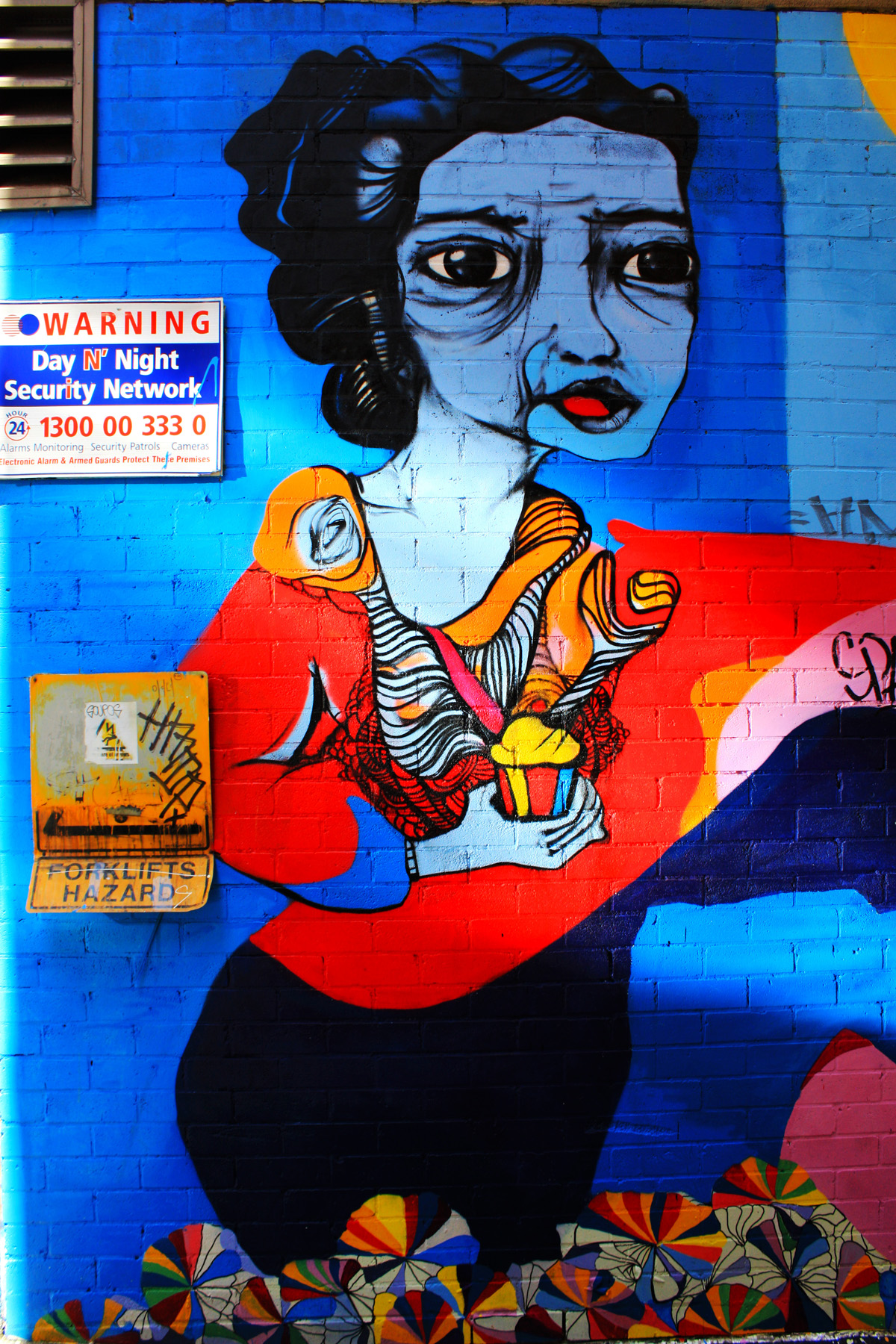
I never expected to see a rainbow zebra when I rounded the corner into Castlereagh Street. Yet, there it was, splendid and radiant, standing before two more conventional black and white zebras. For a brief moment I was minded of the term “acid flashback”, but in truth, I recall no rainbow zebras during prior encounters with LSD, so figured these were new kids in town. What surprised me most of all, however, was that they should be painted on the wall of Stratton’s Hotel; a rather old school pub – not without rustic charm – married to a youth hostel. Indeed, as the local pub of JET English College, before we moved to George Street, it had obtained some small regard and was affectionately known as “Strap-ons”.

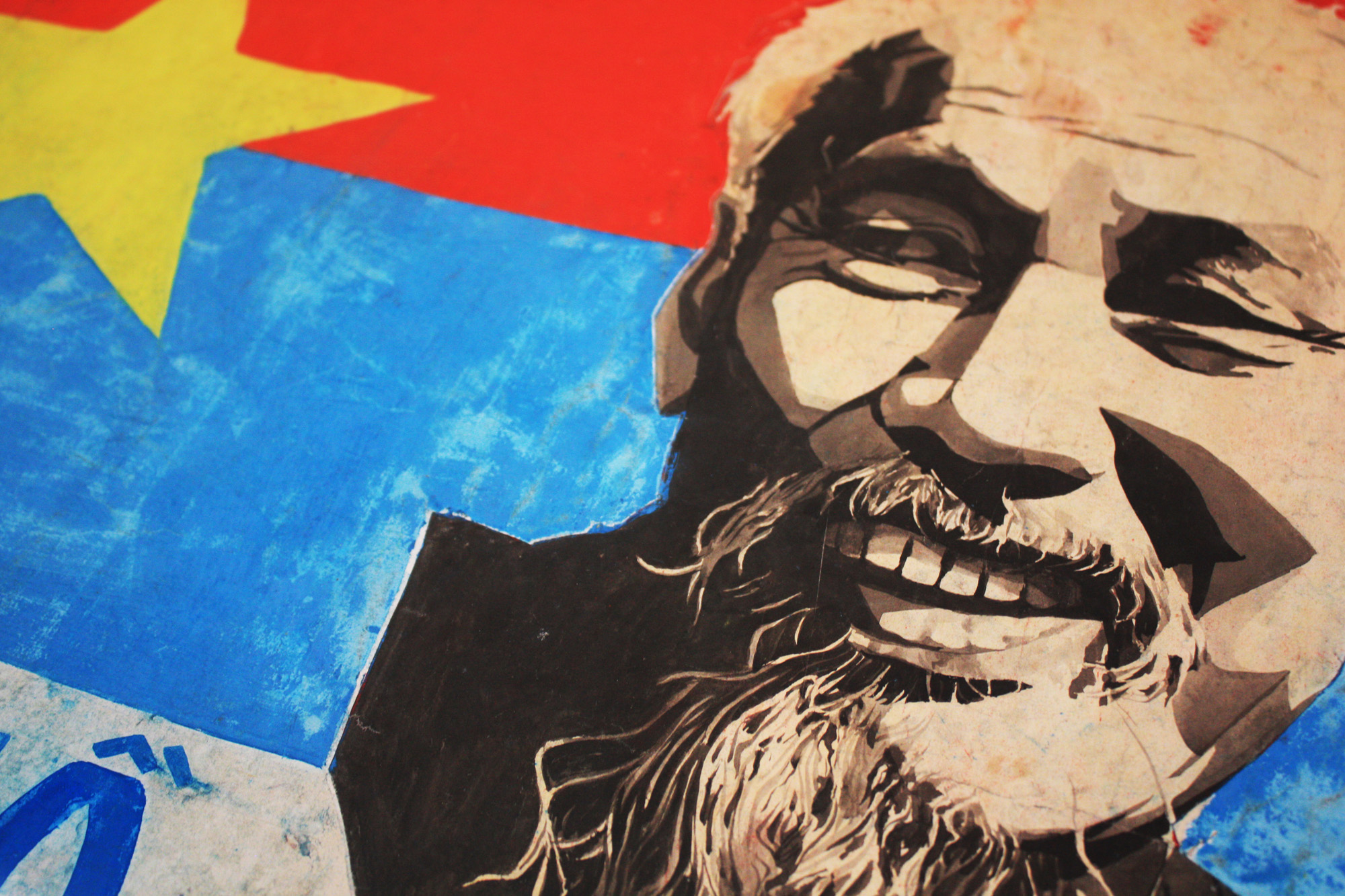
Still, it was, in effect, the jug-swilling haunt of city office workers – not the rummest of crowds, nor entirely uncongenial, given sufficient rope – and not a place I pictured festooned with imagery that was, at least somewhat, psychedelic. So, the good news is that Strap-ons has tripped out and Sydney is now home to a small population of zebras, who are, I think, seriously cool (featured below). What is perhaps even cooler is the portrait of the woman on the wall opposite, across the little laneway. The style of the artist, particularly with regard to the features, suggests to me that it is the same painter who did the walls in the back garden of Sappho Books in Glebe.

Anyways, here is another collection of photographs from the last ten days or so. I didn’t set out with any particular purpose in mind, though most of these shots were taken whilst actively seeking shots. I’m just never quite sure where I’m going to look next and tend to wander about. In accordance with this habit of drifting, I’m including a couple of snippets from poems I was sorting through a short while ago. They are meandering and prone to non-sequiturs, but there you have it.

So, reading through Olympos again – named after a city in southern Turkey, not Greece – I had very visceral memory of the scuff and feel of ancient floors and realised how desperately I miss walking around archaeological sites. As a means by which to study architecture, ponder the eternal verities, take good photographs, have a picnic, get a tan, feel awed and privileged, there are few better activities. The poem commences with a rather forced evocation of Roman interiors and the city itself. The Italicised section of the poem below is actually the translation (not mine) of a funereal inscription from the archaeological site at Olympos. The site is quite impressively overgrown with forest and spreads through the trees, a short walk from a wide, glorious beach. I recommend a visit! As to the poems, they’re just here to be thought provoking : )


Olympos

Pompeian rooms, dusty, buckled

reliquaries, shuffle and scuff

with emptiness. The Augusta’s

triclinium, frescoed with tired

fruit garlands…

In Trajan’s market sparse is the jink

and shout of a once gnashing trade.

While, against the sky, the Colosseum,

rings with the horns of traffic.


The ship sailed into the harbour last

and anchored to leave no more.

No longer was there any hope

from the daylight or the wind.

After the light carried by the dawn

had left, Captain Eudemos

there buried the ship; with a life

as short as a day like a broken wave.

http://bit.ly/MonsterLove


Dresden

Dresden wears its patches like a man

showing a piece of skull

he was lucky to live through losing.

Ideas Man

I‘ve always been deeply envious of people whose job it is to think for a living. It’s certainly an appealing remit, though of course, something that might manifest in various ways in different fields and industries, particularly where new branding and marketing concepts are required.

I was never quite satisfied, however, with the idea of working in a particular industry, such as advertising. Instead I imagined myself as something of a general ideas guru; someone whom anyone could consult about absolutely anything; be it a slogan for a new product, the name of a character or device, a sound-bite for a movie, the caption for a picture, the name of a novel or film, or, indeed, the name of a band. I saw myself sitting in a futuristic office, swinging from a suspended, white-cushioned clear-perspex globe, dressed entirely in white, drinking cold milk and throwing out immeasurably valuable suggestions to enthralled, fawning attendees.

“Guru,” they would say, a little breathless with awe, “can you help us? We need a really catchy title for our new album, but we can’t come up with anything.”

I would sip my milk, take a long pull on my hookah then, rolling my eyes like the priestesses of the Delphic Oracle, offer up my immeasurably valuable and ultimately best-selling suggestions.

Whilst none of the above ever eventuated, partly through general apathy and directionlessness, I have spent much of my life coming up with ideas that have gone nowhere. Those that have gone somewhere have mostly found their way into novels and short stories, which is a pity as they often seemed best deployed elsewhere. I would like to think I have come up with some good story ideas and created a few cracking titles along the way, but the one area in which I’ve always wanted success and recognition has been in the invention of musical groups. Over the years I’ve spent far too much idle time imagining band and album names, styles and concepts. Perhaps I should have gone into advertising, but, typically, I haven’t ever really worked out how to go into anything in this life, apart from consecutive university degrees, focussing on obscure intellectual pursuits like early medieval Italian history.

The love of band-names and branding began with the first and only band I was ever in: Easter Road Toll. I wish I could lay claim to the name, but that honour goes to my friend and founding member, Owen, who had also suggested the name Glass Asylum. The latter was, at the time, too obscure, intelligent and thus less appealing to the thrash-loving teenager that I was, who was primarily interested in the shock value of punk. The band’s origins lay in our rejection of Australia’s Bicentennial celebrations, which we all agreed were inappropriate since it effectively constituted the invasion and theft of the continent from indigenous Australians. We wanted to tap the spirit of nationhood, suck out the poison and spit it in the sewer.

Conceptually, Easter Road Toll was supposed to be a combination of political grandstanding and blatant badmouthing, but being fifteen years of age and hopelessly naïve about politics, plus having a strong inclination to say “fuck” at every given opportunity, the songs turned out to be considerably less intelligent than they might have been. With lines such as “Ronald McDonald is a Nazi war criminal and therefore he deserves to be introduced to a ham-slicer”, it was quite clear that any intellectual pretensions were hopelessly misplaced. Some of the “tunes” such as Fingers don’t grow back (not even when you glue them back on), Zombies are Philosophers, Fuck I hate Car Alarms, Blow up your Relief Teacher, Lick the Lice off my Sweaty Butt-Hairs, Gun-toting Customs Officer, Spon-Com, Lemmings know what they’re doing and the ever popular Schwarzenegger, captured the curious spirit of adolescence with such power that I remained a sympathetic teenager for some time after their composition.

At the first ever jam we were armed only with an acoustic guitar, an electric guitar and Gorilla amp, a cheap Casio keyboard and a pair of drumsticks. We made an unbelievable racket, screaming about this, that and McDonalds, spitting at each other and freely indulging in the use of the word “Fuck.” There was very little method to the madness with the exception of my friend Max’s chunky riff on I Got Spewed on.

After three months there were just three of us left, Mike, Demitri and myself, but our dedication was unwavering. We had a lot of ambition which steadily increased as my good friend Demitri, the lead guitarist, fashioned my hastily scribbled lyrics into vaguely coherent structures. We tried a number of different ring-ins to make up for the sad reality that only Demitri was a competent musician, but organisation was a problem and as us core members had a furious passion for our art, we couldn’t risk depending on the availability of others. Demitri’s parents had been good enough to concrete their backyard and put a garage in, and it was from here that Easter Road Toll offered up its vomit to the residents of Redfern. Mike, our drummer without a drum-kit, would belt away on his carefully selected chairs, Demitri would unleash chords of unparalleled power, and I’d scream myself ugly hoarse. So professional were we that during a recording of Whipper Snipper Massacre, Demitri, who’d taken over the “kit” so his brother could give us some traditional Greek guitar and thus enhance the song with a more multicultural feel, broke one of Mike’s drumsticks and everything went to the dogs. The words “Aaaah! You broke my drumstick, you fuckwit,” and the ensuing scuffle, captured in unholy mono on a portable cassette player, are perhaps the greatest testimony to the achievement that was Easter Road Toll.

Our starting point had been cum-driven incongruity, and though it took a rather lengthy ejaculation that got Mike a drum-kit, me a decent guitar and amp, nearly wound us up in a recording studio, almost got us a gig, and saw the later addition of a Dostoevskian verse to Zombies are Philosophers to celebrate the seventh anniversary of its composition, the foundations were always going to give way. Phallic music is intrinsically immature, and as I tried harder and harder to take myself seriously, it became a considerable embarrassment.

One of the many problems faced by Easter Road Toll was how quickly we outgrew the music. When I turned seventeen and began to grow my hair long and wear paisley shirts, I lost the desire to shock and longed instead to charm and beguile. This was soon reflected in changing musical tastes and the themes and subjects of my artistic output in school. Inspired by David Bowie and Pink Floyd, I wanted not only to reinvent myself, but also to invent new bands, songs and concepts that suited the more introspective me.

This soon extended to my final-year major work in high school art class. I did a group of five drawings of the different members of a fictional band called Hydraulic Banana. The drawings were based on photographs of myself and friends playing instruments at various jams, heavily stylised to look both rock and roll and, at least somewhat futuristic. Hydraulic Banana were, in effect, inspired by Disaster Area, the fictional “plutonium” rock band from the Gagrakacka mind-zones, as featured in Douglas Adams’ Hitch-hikers’ Guide to the Galaxy. Indeed, my principal inspiration for the sound of Hydraulic Banana came from the very brief snippet of music in the BBC television series of Hitch-hikers’ Guide, which is just audible in the background when Disaster Area’s Guide-book entry is voiced. I never actually wrote a song, nor came up with an album title for Hydraulic Banana, which seems odd in retrospect as I spent so long imaging how they might look and sound.

It was around the same time, during that wondrous final year of high-school, with all its house-parties and acid trips, that my friends Simon and Viveka invented the band Onions 11 &  12. The name was based on the relatively unscientific theory that any given bag of onions contained roughly ten onions, and the subsequent, and perfectly natural concern for the fate of onions eleven and twelve. Of course, one might simply say that they wound up as onions 1 & 2 in the next bag of onions, but this was not a time for simple deductive logic. Onions 11 & 12 were essentially an industrial band, heavily influenced by the sounds of Einstürzende Neubauten, with a dash of Nurse with Wound thrown in. Rocket Morton, anyone?

Immediately after high school, my friend John and I came up with a fresh band and album concept: Stool Pigeon was a return to the thrash / punk shock music that had so enthralled me at the age of sixteen. John and I spent quite some time not only designing the album cover, but also writing the full list of song titles; none of which were ever actually written. The album, Squeeze out the Meat, was to feature on its cover a black leather-gloved hand squeezing raw meat from a sausage into a bowl of breakfast cereal, capturing the moment that the meat struck the milk, sending skywards a neat dollop. The opening track of the album was called “Push in my stool,” a rather cheap innuendo which is, sadly, the only song title I recall.

A couple of years later, whilst watching Star Wars, I came up with another band name and concept. “Look, Sir, Droids,” a line spoken by a storm-trooper when looking for R2D2 and C3P0 on the planet of Tatooine, had the added advantage of being abbreviated to L.S.D. Look, Sir, Droids was to be an unashamedly psychedelic outfit, blending elements of Cream, Captain Beefheart, Mahavishnu Orchestra, and early Pink Floyd, with the then contemporary beats of The Stone Roses and Happy Mondays. Again, my total inability to write music or play an instrument, beyond a few cock-rock guitar pieces, made it rather difficult to take things further. I had always wanted to be the lead-singer of a band, and believe, given the chance, that I might ultimately have written some half-way decent lyrics, yet my appalling singing voice shut the door on this possibility as well.

The last additions to the list of band concepts came to me only recently. We’ve all heard of the animal kingdom; the many and varied beasts who walk the Earth, but who ever mentions its natural corollary – The Vegetable Kingdom? Indeed, the only time I have ever seen this name used was in an inter-title in F. W. Murnau’s 1922 film, Nosferatu, in which a professor refers to the Venus Fly Trap as the vampire of the vegetable kingdom. Watching this film on the big screen recently during a German Modernist retrospective at the Art Gallery of New South Wales, I was struck by the quite magnificent possibilities of this title. I imagine The Vegetable Kingdom to have plenty of scope as a band; positioned precariously somewhere between folk, trip-hop and minimal electronic: the haunting sounds of Beach-House meet the more upbeat tunes of the Baths album Cerulean.

Another band name that only recently occurred to me derives from a line in the Pink Floyd song In the Flesh – “That Space-Cadet Glow.” That Space Cadet Glow would invariably be a prog-rock band; somewhere between The Church and early Radiohead, with a dash of glam to add a touch of harmonious melodrama, of melodious hysteria. The lyrics would be both poetic and poignant, ideally mixing the best elements of the successful concept album with stand-alone songs that lulled, moved and rocked their audience.

There have been a number of other titles and concepts along the way, many of which have been forgotten or lie buried in the depths of my diaries and notebooks. I can only really vouch for them by saying that I find them appealing, without any expectations of these sentiments being shared by others. One of the earliest titles to which I became attached was the incongruous Moscow Gherkin on the Rocks, a collaborative effort between myself, my brother and his friend Kieran, coined late one giggling teenage night in the kitchen of our old house. I have since appropriated the name as the title of an unwritten, fictional novel, but still dream of applying it elsewhere.

I still hope one day to find myself swinging from that Perspex globe, but until then, will have to make do with more pipe dreams and another blog entry…

ps. Should anyone wish to run with the abovementioned concepts and titles, be my guest, so long as appropriate accreditation is given : )

Lately I’ve been going to the Art Gallery at least once a week and often twice. I’ve always been very attached to the place, indeed, it is the thing I like most in Sydney. I used to drop in about once every two months to look at my favourite paintings, see an exhibition or visit the gift-shop, but in the last year I’ve gotten into the habit of going every Wednesday night and / or Sunday afternoon. The main attraction is the free cinema there. For the last eight weeks, I’ve been to see the films accompanying The Mad Square: modernity in German art 1910-1937 exhibition, almost all of which have been stunning. I especially recommend Sunrise: A Song of Two Humans and The Last Laugh, both directed by F.W. Murnau, who is most famous for his 1924 film Nosferatu. But I digress…

The point being that the Art Gallery is a marvellous place. The collection is quite extraordinary, and in some cases quite surprising for Australia. Consider the Bronzino portrait of Cosimo de Medici, which, perhaps with the exception of the Rubens self-portrait must surely be the most valuable painting in the gallery. Not that that should matter, and the 19th century Australian landscape artists, alongside the admirable and cute collection of French Impressionist painters are far more congenial.

There are many things to enjoy in this place: the vast top foyer with its distant views of Woolloomoolloo Bay and long reflections of light, the contrasting architectures of the structure, the café, the East Asian collection, the new galleries containing recent Asian acquisitions, though the modern Australian section and gift-shop are currently closed for renovations. I’m excited to see the results of the refit.

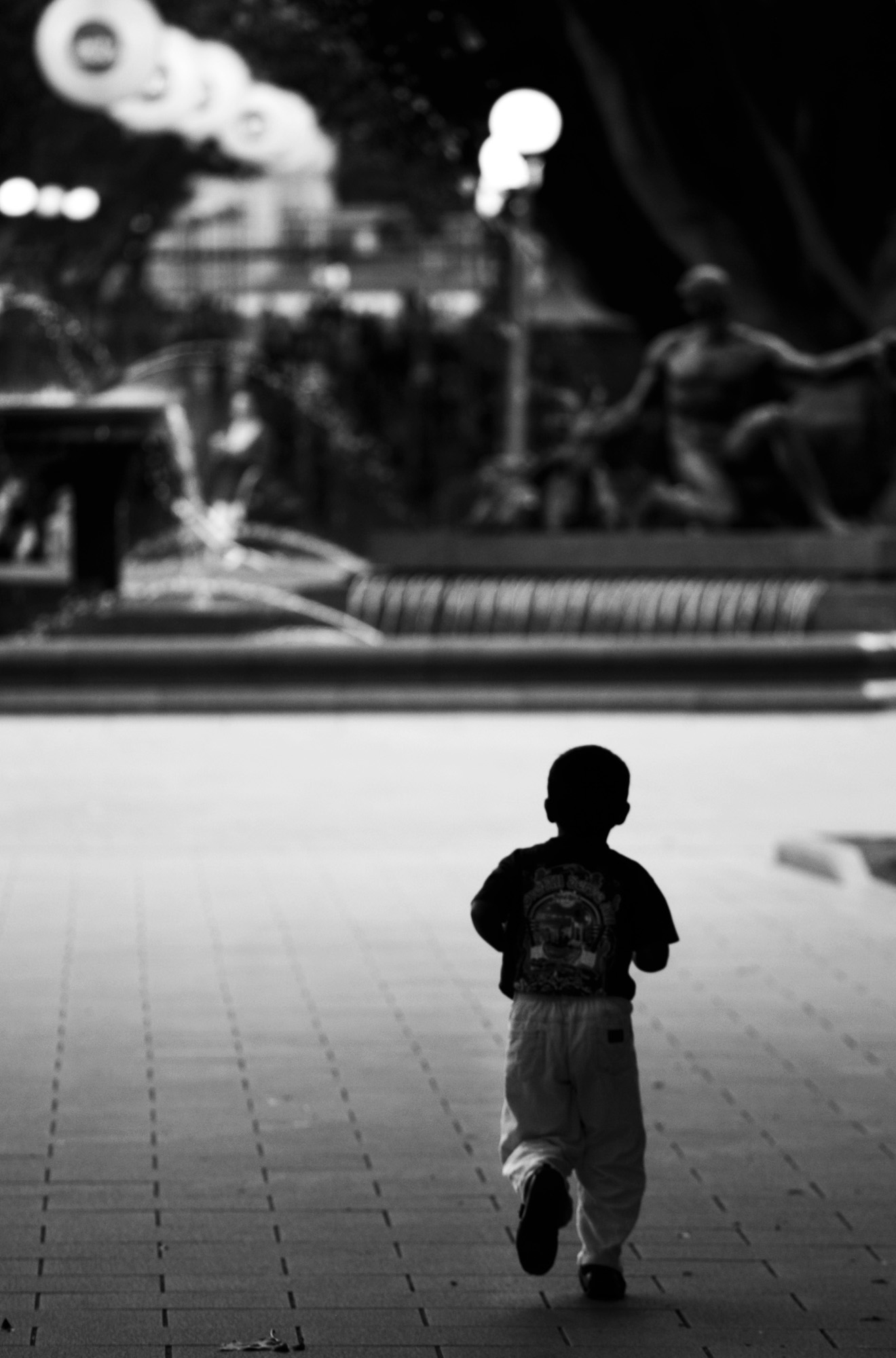
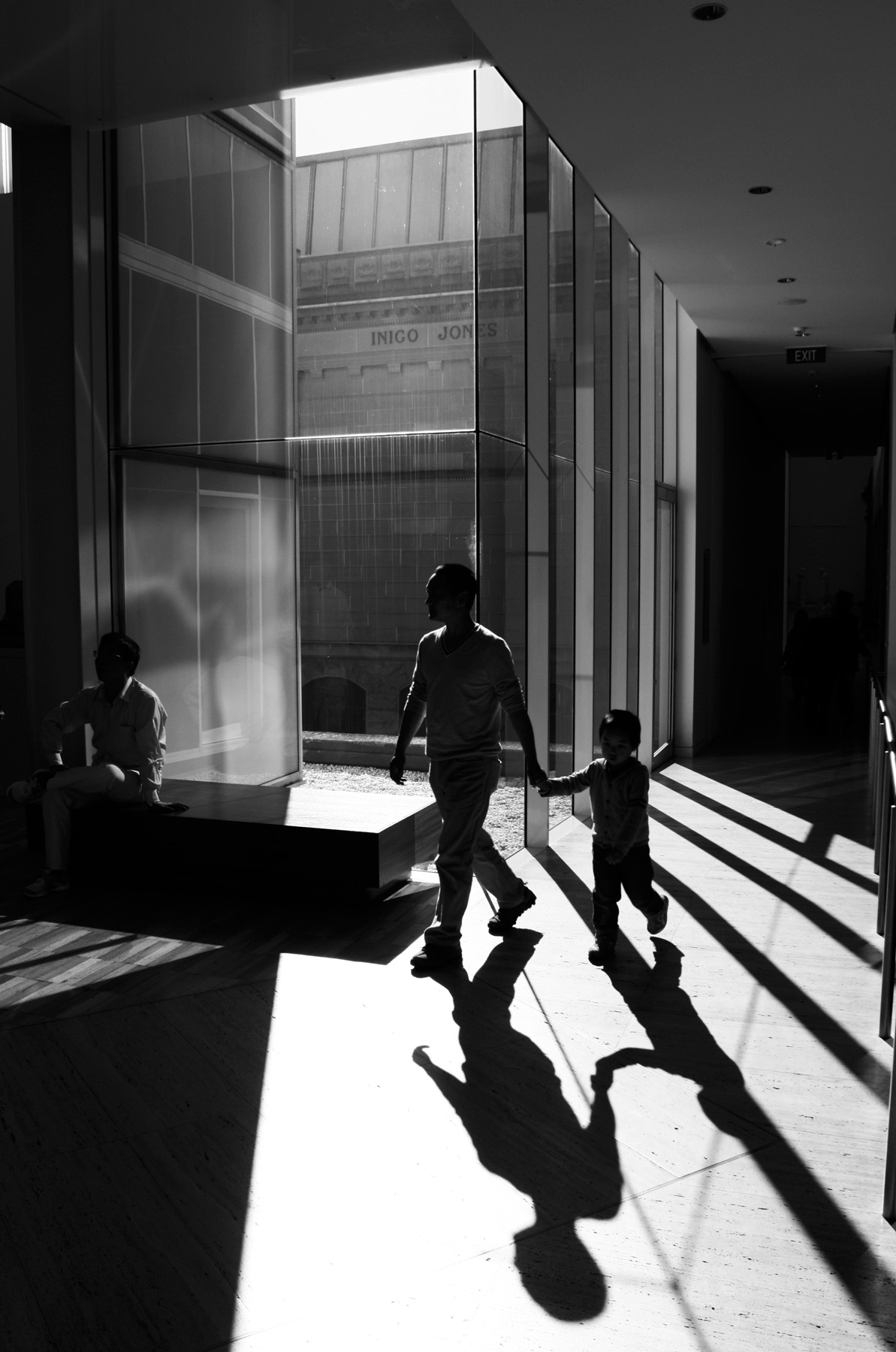
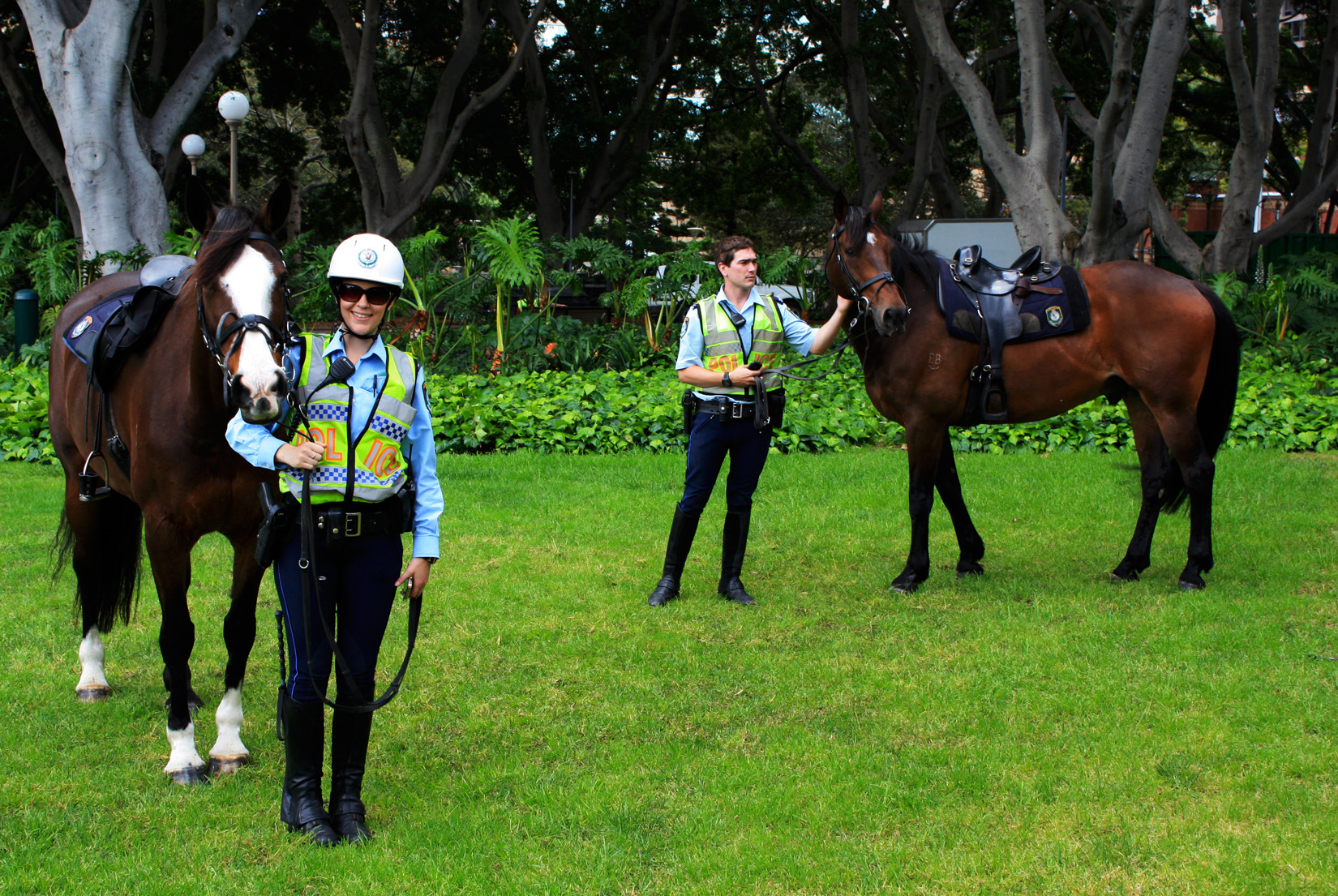
Anyways, so I’ve been shooting in the Art Gallery and around, and doing the usual business of trawling around George Street, Pitt Street, Chinatown etc. This has been a lot of fun and I seem to keep meeting people whilst on the street shooting. I’ve also been getting back into photographing Glebe and enjoyed a nice walk around in the full moon on Wednesday night. So, without further ado, here is the results of another week of sniping : )

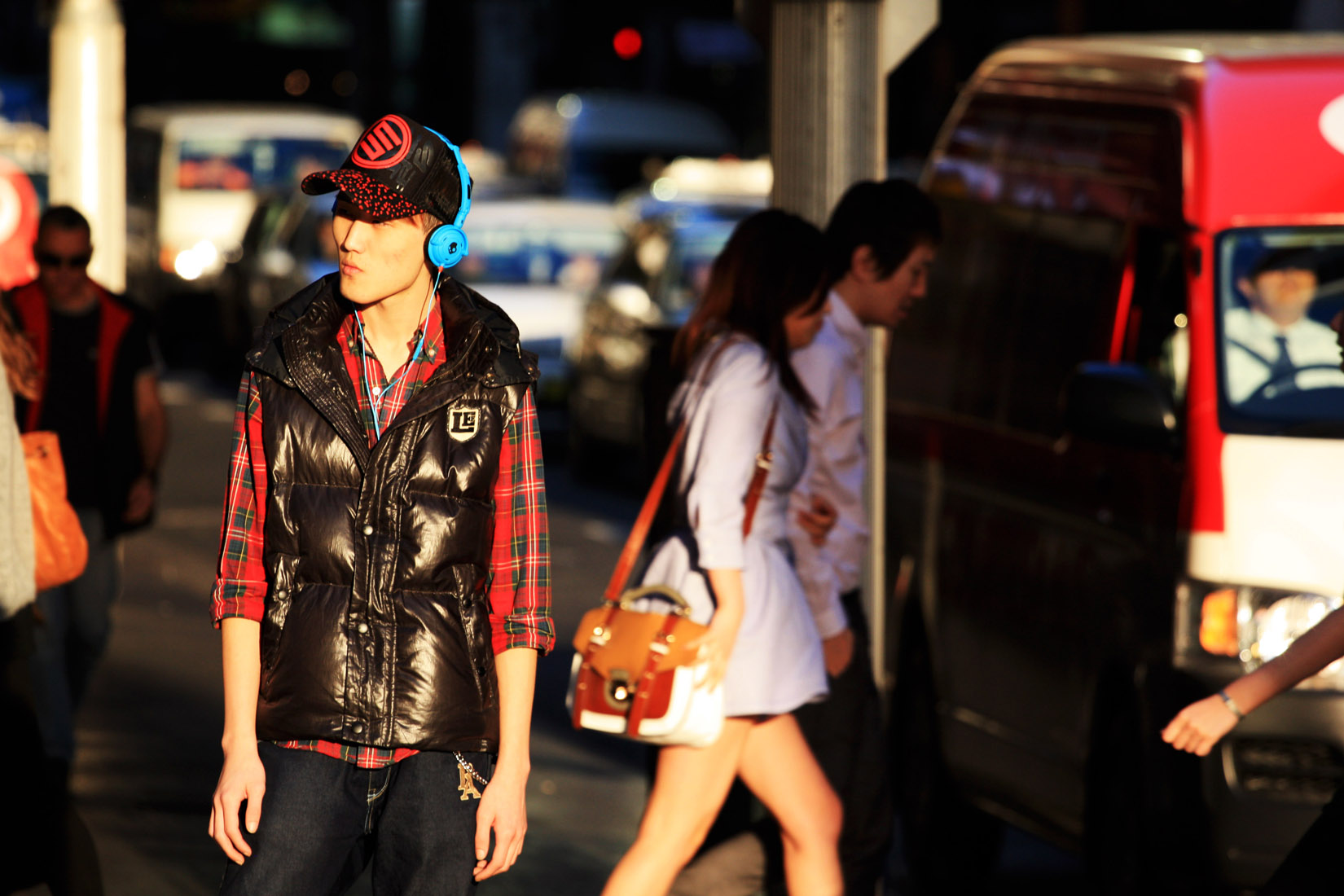
Without much ado, here are a bunch of new photographs taken in the last few days. I’ve been spending a lot of time hanging around the streets, the iPod (RIP Steve Jobs) serving me plentifully well with a sidewalk soundtrack. Of late I’ve been enjoying both the slick and the seedy; there sure are a lot of real characters in Sydney, and a trawl around some regular locales, with an eye to the curious, has been, if not as rewarding as I would like, a fascinating sociological and anthropological study. Downtown in the daytime has a lot to offer, and I think I shall milk it for as long as possible. Persistence seems to be bringing things to life for me once more, even if the results are not as striking as I was hoping.

So, without wishing to complicate things with too lengthy a preamble, here are the results of the last week’s various shooting sprees!

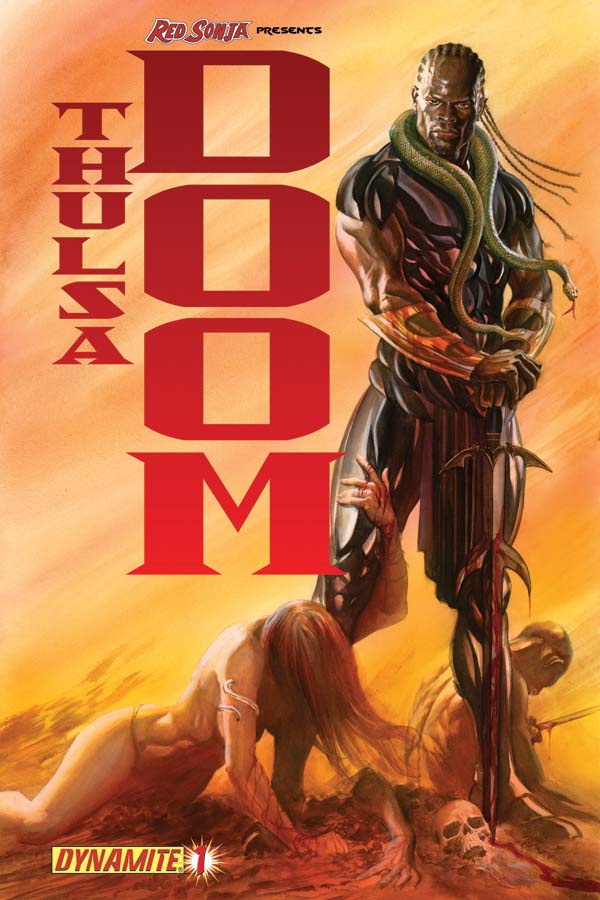
Thulsa Doom

Of all the villains who populated the books, comics, films and role-playing games of my youth, one figure stands head and shoulders above them all: Thulsa Doom.

Thulsa Doom was, what my mother would call, the evil baddie in the 1982 film Conan the Barbarian, which starred Arnold Schwarzenegger as Conan. I first saw the film at the cinema at the age of ten with my brother and my best friend Gus. Before going, I was terrified of being made to feel unwell by reports of gore and bloodshed, for I was pretty squeamish at that age and couldn’t bear the sight of blood. Gus, who had already seen the film, warned me of a scene with a soup made of human body parts. Funnily enough, I misheard him and thought he had said a “suit”. The soup, ultimately, was mild by comparison, and when I came to see the movie, perhaps on account of the gore being rather stagey and over the top, I enjoyed it thoroughly.

And there, before me, for the first time, was Thulsa Doom!

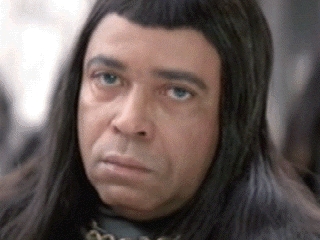
Thulsa Doom was, and still remains, an absolutely splendid villain. A god of sorts, with the ability to change himself into a giant snake, Thulsa Doom was more than a thousand years old. The leader, chief priest and guru of an ancient cult of snake-worshippers, he was a fearsome warrior, a demagogue, a philosopher, and a downright murderous son of a serpent. Played by James Earl Jones, with long black hair and a frighteningly square helmet fringe, decked out in chunky, adorned black leather armour, armed not only with two murderous, serpentine swords, but also with the voice of Darth Vader, he was certainly something to behold. Thulsa Doom had a mesmerising stare, an enchanting voice, and a wonderful way with words.

He first appears on the screen in the opening scenes of the film, in the frozen wastes of the Cimmerian north. Having, with his warband, raided and wiped out Conan’s village, Thulsa Doom approaches Conan’s poor mother, who stands defending her young son. Flanked by his two stalwarts, Thorgrim and Rexor – Norse metal-heads never looked so good – Thulsa Doom removes his horned helmet, revealing a noggin that seems curiously moulded to the shape of said headwear. The scene is a masterful combination of sad music, pathos and lingering stares. Thulsa Doom, without a word, hypnotises Conan’s fiercely defensive mother with his big, beautiful eyes, so that she lowers her sword and relaxes, in a sort of trance. Slowly turning, as though to walk away, he suddenly swings back in her direction, removing her head with the very sword we had seen Conan’s father forging through the opening titles, now taken as loot from his mauled corpse. Conan, looking up and into the face of Thulsa Doom as his decapitated mother falls beside him, is not about to forget either the visage or standard of his mother’s murderer in a hurry. Thus begins this epic tale of survival and revenge.

Despite its being something of a fantasy genre gore-fest, Conan the Barbarian is a surprisingly good film. It has its flaws, technically and dramatically, but written by Oliver Stone and directed by John Milius, it was a serious attempt to render the epic nature of the original Conan stories by Robert E. Howard. Beautifully shot and with a very moving soundtrack composed by Basil Poledouris, it feels at times more like a sword and sandal epic of the 50s and 60s than a fantasy genre film. The great sets and locations and the use of thousands of extras in vast crowd scenes, give its settings a very real and tactile quality, whilst the limited dialogue is terse and laconic, but nonetheless emotionally engaging. I was absolutely blown away by the movie when I first saw it, largely because I had, just a year before, started playing Dungeons & Dragons and reading a lot of fantasy literature. It was very much my cup of tea – an enthralling evocation of a fantastic world that felt authentically historical. Shortly after seeing the film for the first time, my brother and I began collecting the original Conan stories, which we were to read and re-read avidly through our teen years.

I went to see the movie twice at the cinema, and as soon as it was released on television, recorded it on the VCR and watched it repeatedly. I became so obsessed with the film that I kept a tally of how many times I had watched it in my diary – an early indicator of a life of mildly autistic behaviour! I learned the entire script off by heart, and could quote it from start to finish without prompting; aided, no doubt, by the relatively limited dialogue in the film. And, all the while, there was Thulsa Doom, looming large as my very favourite on-screen villain, even more so than Darth Vader himself.

The character of Thulsa Doom first appeared in Robert E. Howard’s Kull the Conqueror short story Delcardes’ Cat. Kull was a sort of precursor to Conan the Barbarian, a hero of the world prior to the destruction of Atlantis.

Thulsa Doom is described by Howard in The Cat and the Skull as being a large and muscular man (As he and Kull are said to be “alike in general height and shape.”), but with a face “like a bare white skull, in whose eye sockets flamed livid fire.” He is seemingly invulnerable, boasting after being run through by one of Kull’s comrades that he feels “only a slight coldness” when being injured and will only “pass to some other sphere when [his] time comes.” (Wikipedia)

Thulsa Doom later re-surfaced in comic-strip versions of Kull the Conqueror as his principal nemesis, wherein he is portrayed as a powerful necromancer through various editions.

In Oliver Stone’s film version of Conan The Barbarian, Thulsa Doom’s strength seems to lie in his antiquity, demagoguery and hypnotic presence as much as his magical powers.

http://bit.ly/TheStare

Thulsa Doom can not only transform himself into a snake, but can turn snakes into arrows, which he fires from his serpentine bow. His snake cult engages in the sacrifice of young nubile women to giant snakes reared, in some cases it seems, as pets by Thulsa Doom and his principal henchmen.

After a torrid youth spent strapped to the “wheel of pain” – http://bit.ly/WheelOfPain – followed by years in a brutal fighting pit, having excelled as a gladiator, Conan is trained in more delicate martial arts and given an education before being set free one windy night. It is not long before Conan, accompanied by his own henchies, in the form of Subotai and Valeria, has his first run in with Thulsa Doom’s snake cult and begins to plot his revenge.

Without wishing to describe the film in detail or at length, it will suffice to look briefly at  Conan’s ensuing encounters with Thulsa Doom, which are certainly memorable.

When Conan rather clumsily infiltrates Thulsa Doom’s cult and is captured, we are privy to one of Thulsa’s more eloquent outbursts. Having finished interrogating his battered and bleeding prisoner, Thulsa Doom proceeds to tell Conan of the power of flesh over steel. He summons one of his many female followers to leap from the cliff above to her death then, indicating her recumbent corpse, he says:

“That is strength, boy! That is power! The strength and power of flesh. What is steel compared to the hand that wields it?”

http://bit.ly/SteelVsFlesh

Having, in typically megalomaniac fashion, suggested that he himself was the source of all this power, Thulsa Doom admonishes Conan to “Contemplate this on the Tree of Woe,” before instructing his henchmen to “Crucify him.” An order that is duly and gruesomely fulfilled.

After having been rescued from the Tree of Woe, Conan and his companions make a murderous raid on Thulsa Doom’s compound, slaying many of his followers and guards. Thulsa Doom escapes by transforming himself into a snake, but, reverts to human form in sufficient time to shoot a snake arrow into Valeria, Conan’s lover, as they flee the scene, sated with the gore of their enemies and having liberated the princess they were seeking to liberate.

It is here that we are treated to one of Thulsa Doom’s more memorable lines; one I often find myself quoting when seriously pissed off.

“Infidel defilers. They shall all drown in lakes of blood. Now they will know why they afraid of the dark. Now they will learn why they fear the night.”

Conan, after a long night watching Valeria’s funeral pyre, now with even more reason to detest Thulsa Doom and wish him dead, prepares for the final battle amidst the mounds and gravestones of the ancient dead.

Yet the final confrontation does not take place in the ensuing, climactic battle, in which Conan slays both Thorgrim and Rexor, the latter wielding Conan’s fathers sword, taken at the start of the film. The sword is broken in a mighty overhead cleave by Conan, and, with Rexor dead, Conan retrieves it and holds it aloft.  That evening, he makes his way once again to Thulsa Doom’s impressive temple, at the so-called Mountain of Power. It is here, as Conan sneaks his way past the guards, aided by the charms and access of the errant princess, that we are treated to Thulsa Doom’s finest moment.

Standing before a vast crowd of thousands of extras in white robes holding candles, bellowing from atop the podium of his epic temple at the head of a grand processional staircase, Thulsa Doom makes the following speech:

“The purging is at last at hand. The day of doom is here! All that is evil, all their lies – your parents, your leaders, those who would call themselves your judges! Those who have lied and corrupted the earth! They shall all be cleansed. You, my children, are the water that will wash away all that has gone before. In your hand, you hold my light, the gleam in the eye of Set. This flame will burn away the darkness, burn you away, to paradise!”

http://bit.ly/ConanTheEnd

I am still deeply stirred when I hear this speech, and believe it has profoundly affected my rhetorical style over the years.

A short while later, Conan approaches from the shadows and comes face to face with Thulsa Doom. Thulsa Doom turns his benevolent smile and loving gaze upon Conan and tries to woo him with his honeyed words.

“My child. You have come to me, my son. For who now is your father if it is not me? Who gave you the will to live? I am the wellspring, from which you flow. When I am gone, you will have never been. What will your world be, without me, my son? My son.”

After being briefly seduced by those beautiful, snake-charming eyes, Conan looks down to his father’s sword and snaps out of hypnosis. With a look of sudden alertness, he promptly hacks Thulsa Doom’s head from his shoulders with his father’s broken sword.

It is a rather gruesome end for a villain, to see his head tossed like a hairy medicine ball down the steps of the temple, to flip and flop with an ugly wet sound, but the simple fact is, he sure had it coming. And as for Conan’s fate, well, that is another story…

Shooting Sydney

In more ways than one, I’ve been trying very hard to get back into Sydney. Not only as a place to live, work and enjoy myself, but also as a photographic subject.

Sydney is certainly a lot more fun these days. Despite the inability to purchase decent ecstasy anywhere in Australia, the countless new bars that have opened in the last few years since the licensing laws were changed has made the place a hell of a lot more livable.

The city also looks a lot better thanks to a great deal of inner-city gentrification and the completion of prestige developments and re-developments. This process really began back in the late nineties with the first efforts to beautify the city centre in preparation for the 2000 Olympics; widening and repaving pavements, replacing lighting, redirecting traffic flow, planting hundreds more trees and generally cleaning up a lot of ugly crap. The property boom of the mid to late 90s not only saw the filling in of the many unsightly holes left by projects which stalled in the 89/90 recession, but also attracted architects such as Renzo Piano and Norman Foster to the city. Anyone who remembers the ugliness of the CBD before this process began will no doubt be thankful for the transformation – perhaps with the exception of Darling Harbour, an overdeveloped nightmare. At the start of the 90s, almost no one actually lived in the city centre, and the chances of finding a supermarket or convenience store were next to none. Now it is a vibrant place that is alive with people in the small hours – for better or for worse. Irrespective of one’s opinion of the nature of the activities, the type of culture that has emerged, or the calibre of the people dwelling in the city, it is far better in its living incarnation, than the dead and, let’s face it, dangerous place it used to be.

Of course, the unfortunate upshot of all this investment and development was skyrocketing rents. This phenomenon, however, is by no means a necessary consequence of the improvement and renovation of public spaces, but rather it is driven by the selfish habit of Australians to speculate on property and buy for the sake of investment rather than to secure a home in which to live.

But I digress, for I came here to talk about taking photographs. Recently, I’ve been trying to get back into shooting this city, which, for a few years left me quite cold. The problem often lay in knowing where to start and why. What is most interesting about the place? The people, the geography, the architecture? I generally find people to be the most interesting subjects in any place, but in a modern, cosmopolitan western city, are they in any way different to those of other such cities? Sydney certainly has many diverse subcultures and scenes; inner city hipsters, inner westies, surfies, bogans, cashed-up bogans, office-workers, city professionals, winers and diners, foreign students, clubbers, surfies, grommits, beach-bums, goths, westies, rev-heads, fixies, transvestites, swing dancers, wanna-be latinos, hip-hoppers, theatre-goers, glamour-pusses, café-crawlers, jocks, hoons, thugs, prats, geeks, gits, princesses and parasites, and everywhere, the disconnected, disjointed, unemployed and homeless. It’s difficult to know where to start, and occasionally they’re all thrown together in the endlessly fascinating, chaotic and democratic mess of places like George Street or the Pitt Street Mall, where most will venture at some point, whether they like it or not.

George Street, despite its relative ugliness, is not a bad place to start because of its mix of characters. The area around Town Hall in particular is, without wishing to be too disparaging, a magnet for freaks. Along much of the length of George Street, however, it is not an easy place to shoot. The subjects are many and diverse, but outside of midday, when the sun is overhead, or in the late afternoon, when, for example, the towers of World Square reflect the setting sun onto the pavements, this north / south canyon is in shadow. I’ve spent many hours hanging around on the pavement in George Street and in Chinatown, but with mixed results. Frankly, I’m a little tired of the place. There are, of course, more obvious and picturesque subjects; the prestige buildings, the harbour, the beaches, but they either have a magazine neatness and sterility, or a clichéd obviousness about them that ultimately leaves me unsatisfied. It’s nice enough to catch a good sunset around the Opera House, but without a unique and curious foreground subject, it all feels a tad pointless and touristic.

Often the best strategy is to head out with no expectations and shoot whatever seems interesting. I’ve been trying to do this recently, but again it’s difficult to know where to start, nor in which direction to walk once having started. There are the various “villages” of Sydney; Balmain, Leichhardt, Surry Hills, Erskineville and Glebe to name a few, yet unless some spectacular combination of light, weather, subject and drama occurs, seemingly by random, they can come up rather boringly flat. Without access to a car, it is difficult to go further afield at the drop of a hat. It would be nice to spend some time in places like Lakemba, Strathfield, Ashfield, Cabramatta, Blacktown or Liverpool, which have their own particular ethnic concentrations, but I haven’t quite managed it yet. Perhaps I’ve simply been unlucky in the last few years in Sydney, for surely any old place will do, provided one is fortunate in witnessing some utterly random and unpredictable ballet of chance elements. Who knows quite where a fight will occur, a car crash, or a wedding spill onto the street? I’ve learned many times that the planned and deliberately targeted subjects can give the most disappointing results. The key element is, more often than not, having time and mobility at your disposal and stumbling upon an event or play of light.

So what exactly am I banging on about? Basically, that Sydney, a city which ought to provide a diverse range of subjects, is proving disappointingly difficult to shoot at the moment. I’m not sure if it’s me, my choice of locations, my failure to make the most of good subjects, or the fact that the subjects are not that interesting to me. Having been spoiled in places like India, Vietnam and Cambodia in the last few years, where the people and backdrops were so fascinating in themselves as to bring a photograph alive, I sometimes wonder if the people of Sydney are just too intrinsically dull to be worth shooting.  Inside my head is a frustrated photographer shouting “Come on, do something! Dance for me!” only, much of the time they seem just to be walking on down the street minding their own business and looking any old bunch of westerners. I wish they’d do something ever so slightly theatrical or curious more often.

One thing I which continually frustrates me is cars. Oh man, cars! Grrr. My intense dislike of the things is always significantly enhanced whenever out on a shoot. Not only are most cars ugly, misshapen lumps, with so little thought put into their aesthetics, sacrificed no doubt in favour of aerodynamics, but they are quite simply everywhere. It’s almost impossible to find a street without the hideous things parked all along its length. They block views and make it nigh impossible to shoot from a low angle across a pavement. They are continually trying to steal the show by driving past, sitting in the field of vision, sticking their ugly noses, bald pates and shiny foreheads into shots. How much finer streets would look without them!

In some places the strata laws dictate that people cannot hang their washing out on balconies, nor drape clothes over railings, in order to maintain a boringly sterile appearance. Clothes, however, add colour and individuality; they flutter, create shadow and movement, they can have both a simple homely, domestic quality, or a diaphanous beauty. Cars, however, are almost universally hideous. In my ideal world they should all be hidden away in garages, or not kept at all. Antique vehicles, in which form seemed more important than function, might just get a look in, but the average modern car has all the attractiveness of a fridge with wheels. Put simply, I detest cars. They pollute, they kill, they’re awfully noisy, and they are responsible for ruining thousands and thousands of photographs the world over.

But again, I digress… And so, of late, I’ve been wandering about trying to catch some interesting shots, with varying degrees of success. I’ve had some success with workers before, especially in some of the more graphic and gruesome industries – meat-markets, fish-markets, industrial workers, construction sites – and perhaps this is where I need to direct my energies. I’ve thought about heading into more clubs and bars, yet these people are well enough documented in publications like TheThousands and the social pages of the Sunday rags, and I don’t think we need more photographs of hipsters and clubbers. Having said that, why am I kidding myself that anyone needs more photographs of anything?

Anyways, I have already ranted far too much on this subject. Here are some more recent shots, along with a few not so recent ones, from the last three years.

Have a nice day!